Ancient Towns Near Chengdu: The Best Day Trips Worth Your Time
Chengdu is surrounded by ancient towns that most visitors completely overlook. This guide covers the five best options — Huanglongxi, Luodai, Jiezi, Anren, and Pingle — with real transport details, honest assessments, and seasonal advice to help you choose the right one for your trip.
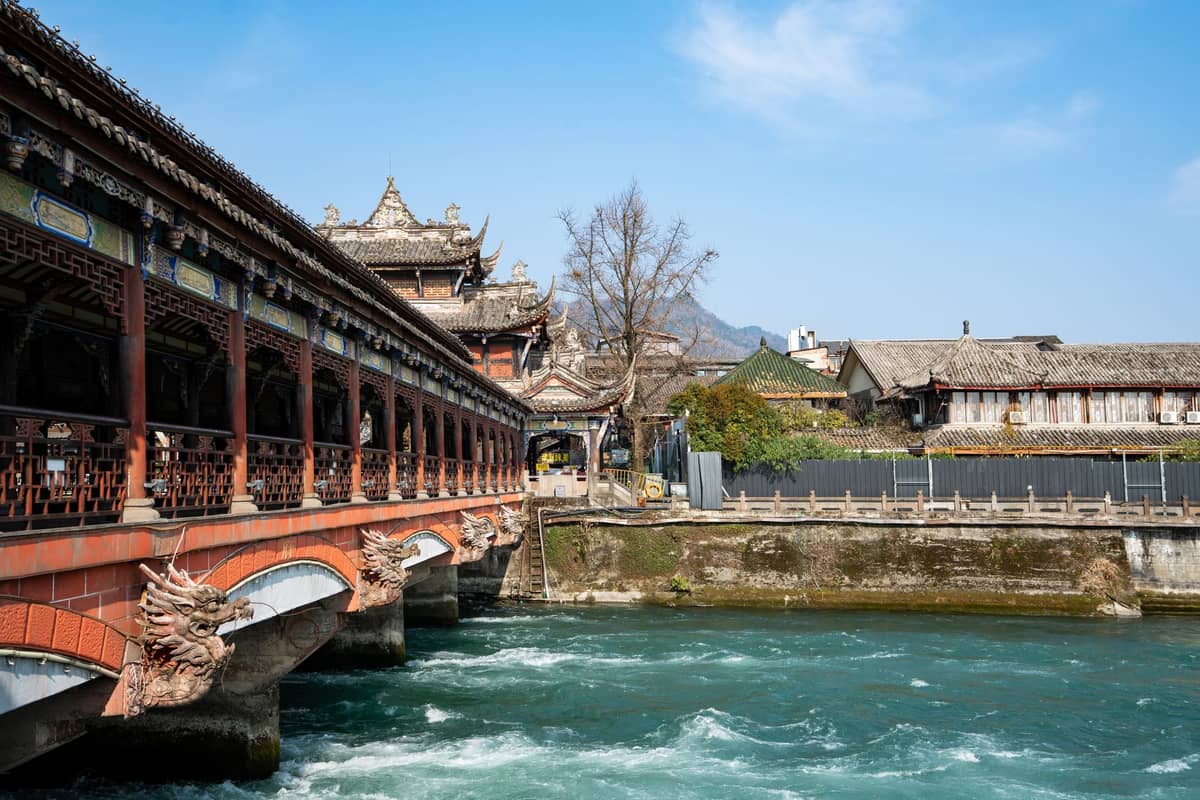
Plan and book this trip
Tools from our partner Travelpayouts help you compare flights and hotels. If you book through them, we may earn a commission at no extra cost to you.
Flights
Hotels map
TL;DR
- Five ancient towns are within 1.5–2 hours of Chengdu: Huanglongxi, Luodai, Jiezi, Anren, and Pingle. Each has a distinct character — pick one that fits your interests rather than trying to rush through several in a day.
- Main historic street areas are generally free to enter, but individual museums, temples, and cultural venues charge separate admission. Budget for those extras.
- Spring (March–May) and autumn (September–November) are the most comfortable seasons. Summer weekends at Huanglongxi in particular can get very crowded.
- Buses from central Chengdu serve all five towns, but departure hubs and schedules change. Verify routes at Xinnanmen, Chadianzi, or Jinsha bus stations before you go.
- For context on how to plan your broader Chengdu itinerary, see the 3-day Chengdu itinerary and the full day trips from Chengdu guide.
Why Ancient Towns Deserve a Place in Your Chengdu Plans
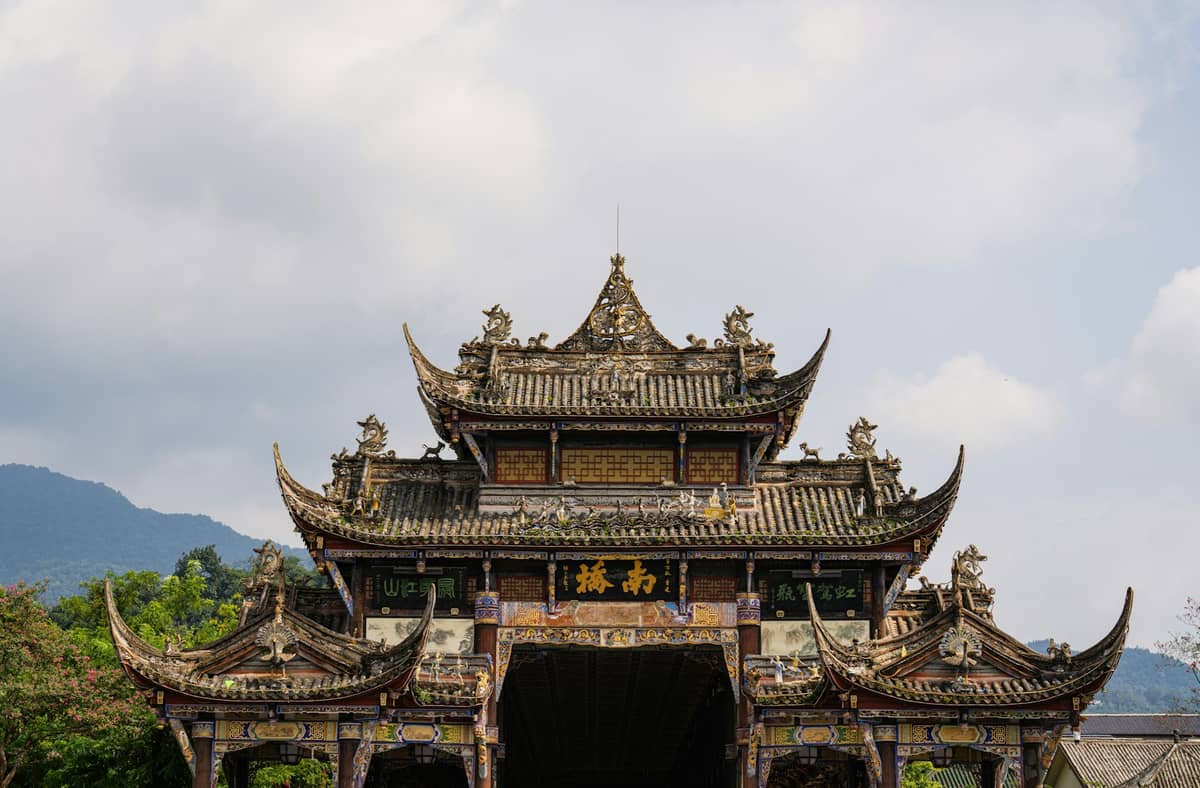
Chengdu's urban core is excellent for food, culture, and pandas, but it gives little sense of what Sichuan's older built environment actually looked like. The ancient towns scattered across the Chengdu Plain fill that gap. These are not reconstructed theme parks in the main — they are genuine settlements with Ming dynasty and Qing dynasty architecture, working temples, and local residents who still use the same lanes and tea houses that tourists photograph.
That said, "ancient town" in China covers a wide spectrum. Some are immaculately preserved and relatively quiet; others have been so heavily commercialized that the historic fabric is barely visible behind souvenir stalls. The five towns in this guide vary considerably on that spectrum, which is why picking the right one for your interests matters. If you want the full picture of what Chengdu's surroundings offer, the day trips from Chengdu guide covers natural and heritage sites beyond the ancient towns — including Dujiangyan, Mount Emei, and the Sanxingdui Museum.
⚠️ What to skip
"Free entry" does not mean the whole town is free. Main pedestrian streets are open without charge, but temples, historic mansions, museums, and ticketed performances are priced separately. Factor in ¥20–¥80 per attraction when budgeting your day.
Huanglongxi: The Closest and Most Accessible Ancient Town
Huanglongxi is the default choice for first-timers, and there are good reasons for that. Located roughly 1 to 1.5 hours from central Chengdu by road (depending on traffic), it sits at the confluence of two rivers, giving the old wooden architecture a photogenic waterside setting that works in almost any light. The main street is lined with Ming and Qing dynasty buildings, several active temples, and tea houses where locals genuinely sit for hours rather than pose for cameras.
The town is greenest and most atmospheric in summer, when willows trail into the water and river activities are available. However, summer weekends draw large crowds from Chengdu and the surrounding area. For a calmer experience, visit on a weekday, or consider the spring and autumn shoulder periods when temperatures are moderate and visitor numbers are lower. Winter is the quietest season — some waterside activities close, but the temple atmosphere is more contemplative.
Direct buses to Huanglongxi have historically departed from Xinnanmen, Chadianzi, and other central Chengdu transport hubs. Departure points and schedules do shift, so confirm the current terminal before planning around a specific bus time. Didi is a reliable fallback for flexibility, especially if you want to leave on your own schedule rather than wait for return buses.
💡 Local tip
Arrive before 10am on weekends to walk the main street before the bulk of day-trippers arrive. Most tour groups reach Huanglongxi between 10am and 2pm. The late afternoon, after groups depart, is also surprisingly quiet.
Luodai: Hakka Heritage in Chengdu's Eastern Suburbs
Luodai is the most culturally distinctive of the five towns and the one most likely to surprise visitors who think they know what a Sichuan ancient town looks like. Located in Longquanyi District, Luodai is one of China's best-preserved Hakka settlements. The Hakka people migrated here from southern China in large numbers during the Qing dynasty, and their influence is visible in the distinctive guild halls, clan architecture, and local dialect that still differentiates Luodai from surrounding Chengdu.
The old-town core is free to enter, but the Guangdong Guild Hall, Jiangxi Guild Hall, and other historic venues charge separate admission. Plan for at least three hours to do the town justice. Luodai sits within the eastern suburbs of ChengduChengdu's eastern districts, making it more practical to reach by taxi or ride-hailing than by public bus for most visitors. If you are combining Luodai with other eastern Chengdu sights, that pairing can work well on a single day.
Jiezi: The Quieter Option Near Mount Qingcheng
Jiezi Ancient Town sits northwest of central Chengdu, close to Mount Qingcheng. The setting alone separates it from the other towns on this list — stone bridges over a rushing mountain stream, dense subtropical vegetation on the slopes above, and a compact historic district that feels genuinely less trafficked than Huanglongxi. Jiezi is the right choice if you want atmosphere over convenience.
Getting there takes a little more planning. Direct buses from Chadianzi or Jinsha stations reportedly cost around ¥19 to ¥20 and take roughly 1.5 hours. An alternative that tends to be faster involves taking an intercity or high-speed rail service to Qingchengshan Station (on the Chengdu–Dujiangyan rail line), then boarding bus route 102 to Jiezi. Verify both options at the time of travel, as schedules change.
The proximity to Mount Qingcheng and the Dujiangyan irrigation system makes Jiezi a practical add-on if you are already heading to that part of Sichuan. The combination is achievable in a long day from Chengdu, though it requires an early start.
✨ Pro tip
The Chengdu–Dujiangyan high-speed rail runs frequently and can make combining the northwest sights feasible with an early start. — but do not try to add Mount Qingcheng as well. That becomes three destinations in one day and none of them get enough time.
Anren and Pingle: For History Depth and Longer Excursions
Anren and Pingle are less commonly visited by international tourists, which is partly what makes them interesting. Anren is around 41 km from Chengdu and is best known for two reasons: the Liu Family Manor, a vast early-20th-century landlord estate that offers a rare look at pre-revolutionary Sichuan wealth and domestic architecture, and the Jianchuan Museum Cluster, one of China's most significant private museum complexes covering 20th-century Chinese history. The old street itself is free to enter, but both the manor and the museums charge separate admission. Buses to Anren have operated from Jinsha and Qingyang stations.
Pingle is the furthest of the five, sitting roughly 93 km from Chengdu. Direct tourist coaches from Xinnanmen station have historically taken around 100 minutes, with fares reported at approximately ¥25. Schedules reportedly receive extra services during public holidays and festivals, but this also means larger crowds on those dates.
- Huanglongxi Best for: first-timers, waterside architecture, easy access. Distance: 1–1.5 hours. Main street: free. Watch for: weekend crowds.
- Luodai Best for: Hakka culture, distinctive guild halls, cultural depth. Distance: under 1 hour by taxi. Main street: free. Watch for: limited public transport options.
- Jiezi Best for: mountain scenery, quieter atmosphere, combining with Qingchengshan or Dujiangyan. Distance: 1.5 hours. Main street: free. Watch for: longer travel logistics.
- Anren Best for: history-focused visitors, the Jianchuan Museum Cluster, Republican-era architecture. Distance: around 41 km. Old street: free. Watch for: budget extra for museum admission.
- Pingle Best for: river scenery, bamboo activities, longer excursions away from tourist circuits. Distance: around 93 km, roughly 100 minutes. Main street: free. Watch for: public holiday crowds.
Practical Logistics: Getting to the Ancient Towns
The towns are reachable by public transport from Chengdu, but departure points are not all the same and schedules change with seasons, construction, and transport policy updates. The three main hubs to check are Xinnanmen Bus Station (near the southern city centre), Chadianzi Bus Station (northwest), and Jinsha Bus Station (west). For most visitors, looking up the current route at one of these stations on the morning of travel is more reliable than depending on information that may be months out of date.
For routes involving trains, the China Railway booking platform (12306.cn) is the official source. Your passport serves as both identity verification when booking and your access credential at ticket gates — you do not need to collect a physical ticket if you book electronically. For routes combining a train leg with a local bus, allow buffer time at the transfer point.
- Confirm current bus departure points at Xinnanmen, Chadianzi, or Jinsha stations on the day of travel
- Use Didi for maximum flexibility, especially for return journeys — rural buses can run infrequently after 4pm
- For Jiezi and the northwest corridor, check current Chengdu–Dujiangyan or Qingchengshan rail services and the onward local bus connection
- Book train tickets in advance during national holidays (Golden Week in early October, Chinese New Year) — seats sell out days ahead
- Carry your passport at all times: it is required for train boarding and at some ticketed attractions
ℹ️ Good to know
China's visa-free policies for foreign nationals have expanded and changed repeatedly in recent years. Eligibility, permitted length of stay, and qualifying entry points vary by nationality and travel dates. Check current rules with the National Immigration Administration or your country's Chinese embassy before booking travel.
When to Go: Seasons, Crowds, and Honest Advice
Spring (March to May) and autumn (September to November) are the most practical windows for visiting ancient towns near Chengdu. Temperatures sit in the 14–25°C range in spring and cool progressively through autumn, making full-day walking comfortable. For a broader overview of how seasons affect Chengdu travel, the best time to visit Chengdu guide covers climate patterns in more detail.
Summer (June to August) is not a bad time to visit, but it comes with caveats. Chengdu's humid subtropical climate produces most of its rainfall between June and September, so expect overcast skies and occasional heavy rain on day trips. Huanglongxi is at its most photogenic when the river is full and vegetation is lush, but weekend crowds in summer can make the main street feel more like a theme park than a historic town. Weekday visits in summer are noticeably calmer.
Winter (December to February) is quiet and underrated for ancient town visits. Crowds are minimal, the architectural details are more visible without foliage, and tea house culture feels especially appropriate in cold weather. Snow is uncommon in Chengdu's urban area and the surrounding plain, so winter day trips are rarely disrupted. Jiezi, with its mountain setting, has a higher chance of cold, wet conditions in winter — check forecasts before heading there.
National holidays, particularly Golden Week in early October and Chinese New Year, bring large domestic visitor numbers to all these towns. If your trip coincides with a major holiday, consider visiting on the second or third day rather than the first, when crowds are typically heaviest. For more context on what Chinese New Year looks like in the region, see the Chengdu Chinese New Year guide.
FAQ
Which ancient town near Chengdu is best for a first visit?
Huanglongxi is the most practical first choice: it is the closest, well-connected by bus, and has the widest range of things to see in a half-day. Luodai is a strong alternative if Hakka culture and a less-commercialized atmosphere appeal to you.
Are the ancient towns near Chengdu free to enter?
The main pedestrian streets are generally free. However, individual attractions within the towns — including temples, historic mansions, museums, and cultural performances — charge separate admission. Budget ¥20–¥80 per site for the highlights.
Can I visit two ancient towns in one day from Chengdu?
It is possible in theory but not recommended for most visitors. Transport time between towns (rather than just from Chengdu) is significant, and rushing through two towns means neither gets enough time. The exception is Jiezi, which can be paired with Dujiangyan on a well-organized early-start day.
How do I get to Huanglongxi from central Chengdu?
Direct buses have historically operated from Chengdu passenger-transport hubs, taking roughly 1 to 1.5 hours depending on traffic. Fares are low (under ¥20 typically), but departure points and schedules change — confirm at the station on the day of travel. Didi is a flexible alternative, especially for the return journey. Fares are low (under ¥20 typically), but departure points and schedules change — confirm at the station on the day of travel. Didi is a flexible alternative, especially for the return journey.
Are the ancient towns near Chengdu suitable for families with children?
Yes, particularly Huanglongxi (river setting, open spaces, snack stalls) and Pingle (bamboo raft activities on the river). Luodai and Anren are better suited to visitors with a specific interest in history or architecture. For broader family travel advice in Chengdu, the Chengdu with kids guide covers the full range of options.