Chengdu During Chinese New Year: What to Expect
Chinese New Year transforms Chengdu into one of China's most atmospheric festival cities, with temple fairs, lantern displays, and Sichuan folk performances across the city. But the season also brings peak crowds, tight transport, and some genuine planning challenges. This guide tells you exactly what to expect and how to prepare.
Plan and book this trip
Tools from our partner Travelpayouts help you compare flights and hotels. If you book through them, we may earn a commission at no extra cost to you.
Flights
Hotels map
TL;DR
- Chinese New Year in Chengdu runs for roughly 15 days, ending with the Lantern Festival, not just a single day.
- Expect crowds at the Chengdu Panda Base, Wenshu Monastery, Chunxi Road, and Wuhou Shrine. Book transport and hotels well in advance.
- February weather averages around 5-11°C with high humidity and frequent overcast skies. Pack layers and waterproofs.
- Most major attractions stay open but may operate on reduced holiday hours. Verify each venue directly before you travel.
- For broader context on visiting the city, see the Chengdu first-timer guide before diving into festival-specific planning.
When Is Chinese New Year and How Long Does It Last?
Chinese New Year, formally called the Spring Festival (Chūnjié, 春节), follows the lunar calendar, so its date shifts each year. In 2026 it falls on February 17; in 2027 it falls on Saturday, February 6, with New Year's Eve on February 5. If you are planning ahead, note that the public holiday period typically covers several days, but culturally the festival season extends all the way to the Lantern Festival on the fifteenth day of the lunar new year. In practical terms, this means the festive atmosphere, temple fairs, and lantern displays in Chengdu can run for two full weeks.
This duration matters for travelers. The initial rush of the holiday, when millions of people travel home across China (called Chunyun, the Spring Festival travel rush), creates extraordinary pressure on trains, flights, and long-distance buses in the days before and after New Year's Day. If you plan to travel to or from Chengdu by high-speed rail, tickets can sell out weeks in advance. Chengdu East Railway Station is the main hub for high-speed departures; plan ticket purchases through the official 12306 platform as early as possible.
⚠️ What to skip
Do not assume Chinese New Year is a one-day event. Hotels, transport operators, and attractions all apply holiday pricing and scheduling across the full festival window. If you book only around New Year's Day itself, you may still encounter sold-out trains and inflated hotel rates for the surrounding weeks.
What the Weather Is Actually Like in February
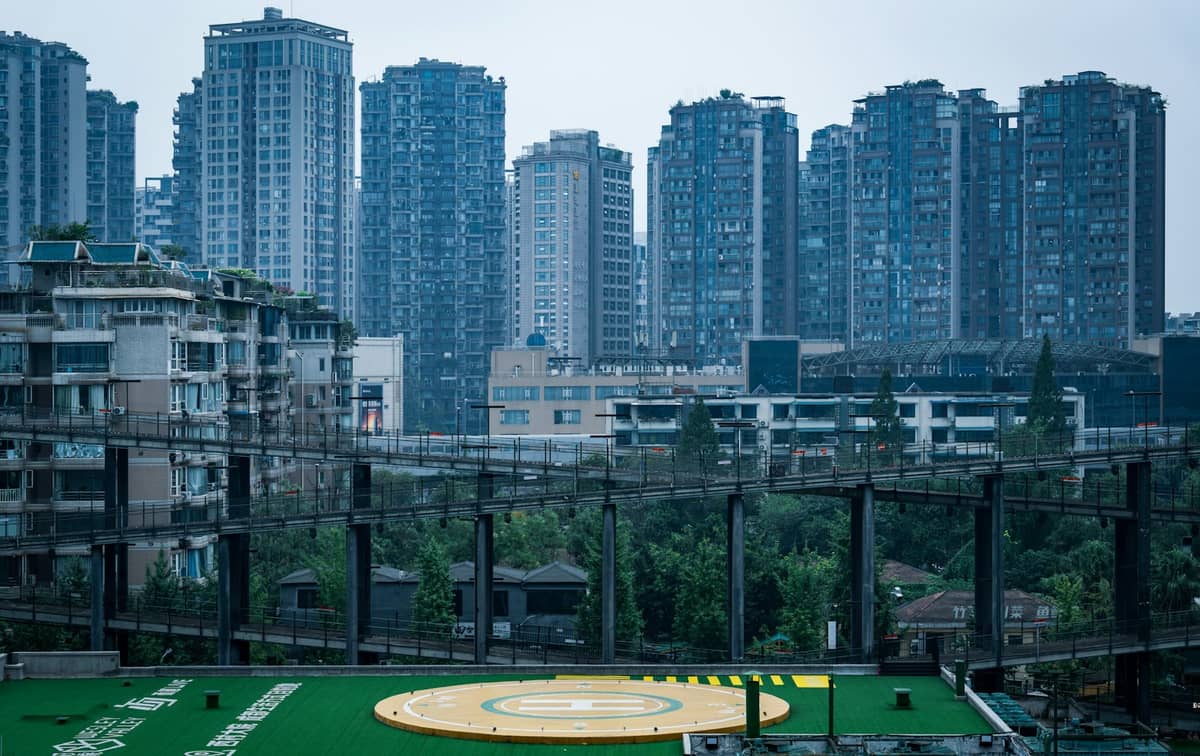
Chengdu sits in the Sichuan Basin, which creates a distinct microclimate: cool, damp winters with persistent overcast skies and high humidity. February averages a high of around 11°C and a low of around 5°C, with approximately 9 rainy days in the month and humidity hovering near 83%. Snow in the city itself is uncommon but not impossible. The combination of cold and damp can feel sharper than the numbers suggest.
- What to wear Thermal base layers, a mid-layer fleece or sweater, and a waterproof outer shell. Chengdu's damp cold is different from dry northern winters.
- Footwear Waterproof shoes or boots are practical. Rain can arrive with little warning and some historic street areas have uneven paving.
- Umbrella or rain jacket A compact folding umbrella is worth carrying at all times. Temple fairs and outdoor lantern events are not cancelled for light rain.
- Indoor backup plans Cold, wet evenings are ideal for hot pot, teahouse visits, and indoor cultural performances. Plan a mix of indoor and outdoor activities.
For a full picture of how February compares to other months, the best time to visit Chengdu guide breaks down seasonal pros and cons across the calendar year. Spring and autumn are genuinely better weather windows for first-time visitors, but Chinese New Year has cultural rewards that make February worth considering despite the conditions.
Festival Events and Cultural Activities in Chengdu
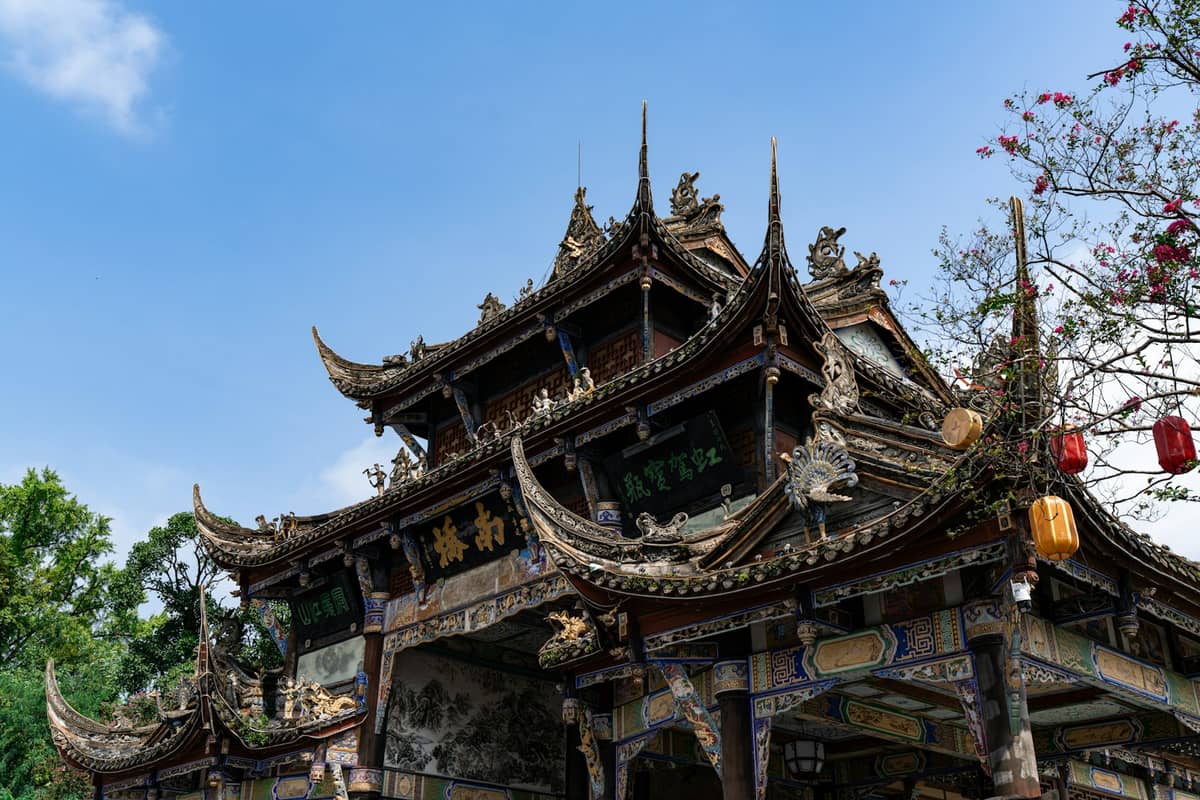
Chengdu has a long tradition of Spring Festival programming that goes well beyond fireworks. The city organizes temple fairs, folk performances, lantern displays, and food events across multiple venues. Here are the areas where the festival atmosphere is most concentrated.
- Wuhou Shrine and Jinli Ancient Street The Wuhou area hosts one of Chengdu's most established temple fairs during the Spring Festival, with Sichuan folk performances, traditional crafts, and street food. Jinli fills up quickly on peak days; arrive early in the morning to enjoy it without being pressed on all sides.
- Wenshu Monastery One of the most active sites for New Year religious observances in Chengdu. Crowds come to burn incense and pray, particularly on New Year's Day itself. The surrounding streets and tea gardens also liven up during the holiday.
- Lantern displays citywide Multiple parks and commercial areas across the city set up large-scale lantern installations for the festival season. Displays vary year to year in location and scale; check official municipal announcements close to your travel dates.
- People's Park and Huanhua Creek area These parks remain popular for leisurely New Year walks and informal gatherings. The teahouses around People's Park see heavy local use during the holiday.
Sichuan opera performances are another way to experience traditional culture during the holiday season. Shows at dedicated performance venues often continue through the festival period, though hours and availability may shift. The Sichuan opera guide covers what to expect, ticket prices, and venue options in detail.
💡 Local tip
For the Lantern Festival on the fifteenth day of the lunar new year, look for dedicated displays in parks and at major temples. This evening is often the visual highlight of the entire Spring Festival season, and Chengdu's mild (if damp) February nights make it walkable.
Crowds, Queues, and Which Attractions Get Busiest
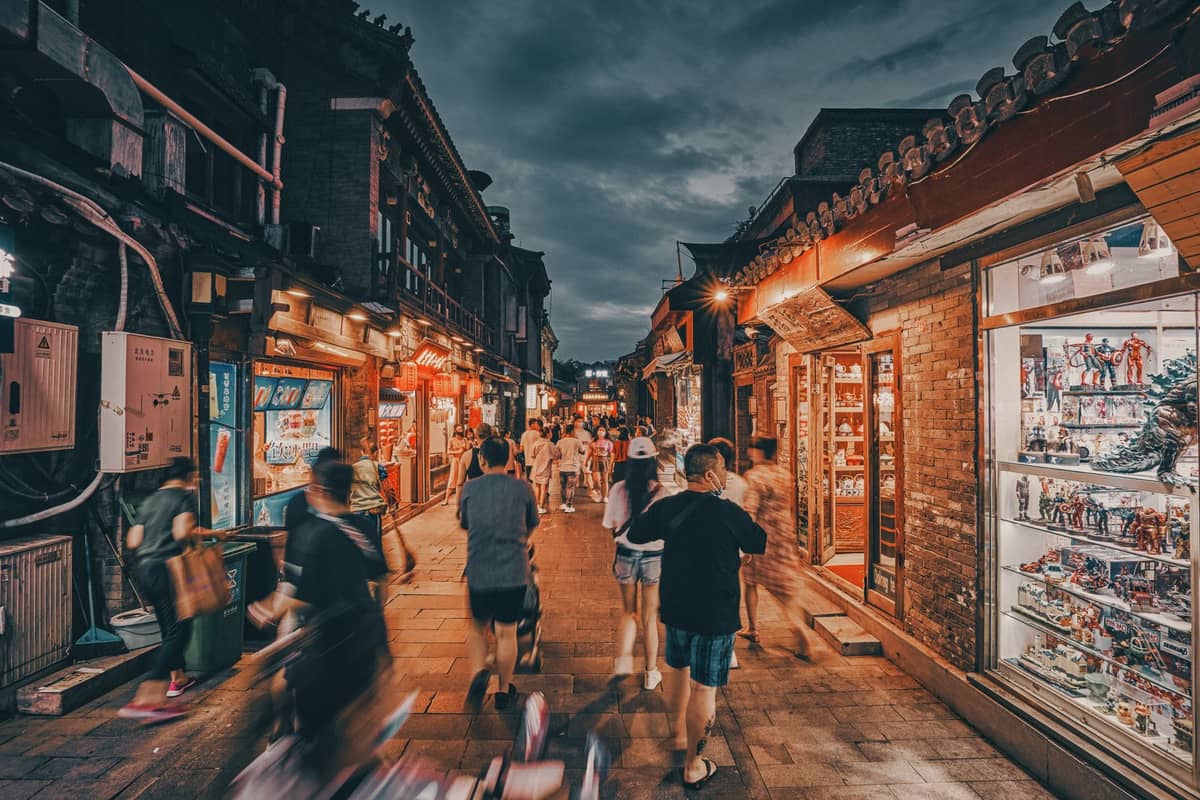
Chinese New Year is peak domestic travel season across China. Chengdu, as a major provincial capital and tourist city with a population of approximately 21.47 million, sees significant visitor volume during the holiday. Some attractions get genuinely crowded to the point where enjoyment is limited if you arrive unprepared.
The Chengdu Research Base of Giant Panda Breeding is the single busiest attraction in the city at any time of year, and during Chinese New Year the queues and crowd density increase substantially. The base reportedly operates on potentially reduced hours during the holiday. Book tickets in advance through the official base website, up to 14 days before your visit, arrive as early as possible (the base opens at 8:00 AM in November through February and pandas are most active in the morning), and check the official website for any holiday-specific notices before your visit. If you want more flexibility or a slightly calmer panda experience, the Panda Valley in Dujiangyan is an alternative worth considering.
Other reliably crowded spots during the holiday include the Chunxi Road shopping precinct and Taikoo Li, particularly in the afternoons and evenings. The Sanxingdui Museum in Guanghan (a 40-minute drive from central Chengdu) also draws holiday visitors, so factor in travel time and potential waits if you plan a day trip. For any day trip, check whether transport services are operating on a holiday schedule.
- Book timed-entry tickets for major attractions the moment they become available, ideally weeks in advance.
- Weekday mornings in the first week are generally less chaotic than weekends, even during the holiday.
- Avoid arriving at Wenshu Monastery on the morning of New Year's Day if large crowds concern you; the incense-burning rush is at its peak then.
- Metro and buses will be heavily used on peak festival days. Build extra time into any journey.
- Restaurant waits at popular Sichuan hot pot spots can be long. Use the online queuing systems that most major hot pot chains now operate.
✨ Pro tip
The days immediately after the Lantern Festival see a sharp drop in visitor numbers as the holiday mood winds down and domestic travelers return home. If your schedule is flexible, extending your stay into the third week of the lunar new year gives you calmer attractions and often better hotel rates.
Practical Logistics: Transport, Accommodation, and Opening Hours
Getting logistics right is the difference between a frustrating holiday trip and a genuinely rewarding one. The Spring Festival travel rush (Chunyun) typically begins around 15 days before New Year's Day and continues for about 25 days after. During this window, high-speed rail tickets between Chengdu and major cities like Chongqing, Xi'an, and Chengdu-Lhasa corridors sell out rapidly. Chengdu is served by two airports: Chengdu Tianfu International Airport (TFU), about 51 km from the city center and connected by Metro Line 18, and Chengdu Shuangliu International Airport (CTU), closer to the urban core. Flights during the holiday period also fill up and prices spike; book as early as possible.
Accommodation in central Chengdu fills quickly during the festival. Hotels in the Jinjiang District and Wuhou District are well-placed for both shopping areas and cultural sites but are among the first to sell out. Budget options in the Qingyang District near Tianfu Square and People's Park are an alternative that keeps you central. For a broader breakdown of where to base yourself, the Chengdu accommodation guide covers neighborhoods and price tiers in detail.
Opening hours during the holiday are not standardized. Major state-run museums often maintain their regular schedules or even extend them for the holiday season, but individual restaurants, smaller shops, and some private attractions may close for several days around New Year's Day itself. The panda base is a specific case where holiday hours should be verified on the official website before visiting. For every attraction on your itinerary, check the official website or official social media account in the week before your visit. Do not rely on third-party listings for holiday hours.
ℹ️ Good to know
Tipping is not customary in mainland China. In Chengdu, this applies to restaurants, taxis, and most service interactions. Some international hotels may add a service charge; check your bill. Electricity runs at 220V with Type A, C, and I sockets, so bring a suitable adapter if your devices need one.
Food, Markets, and What to Eat During the Festival
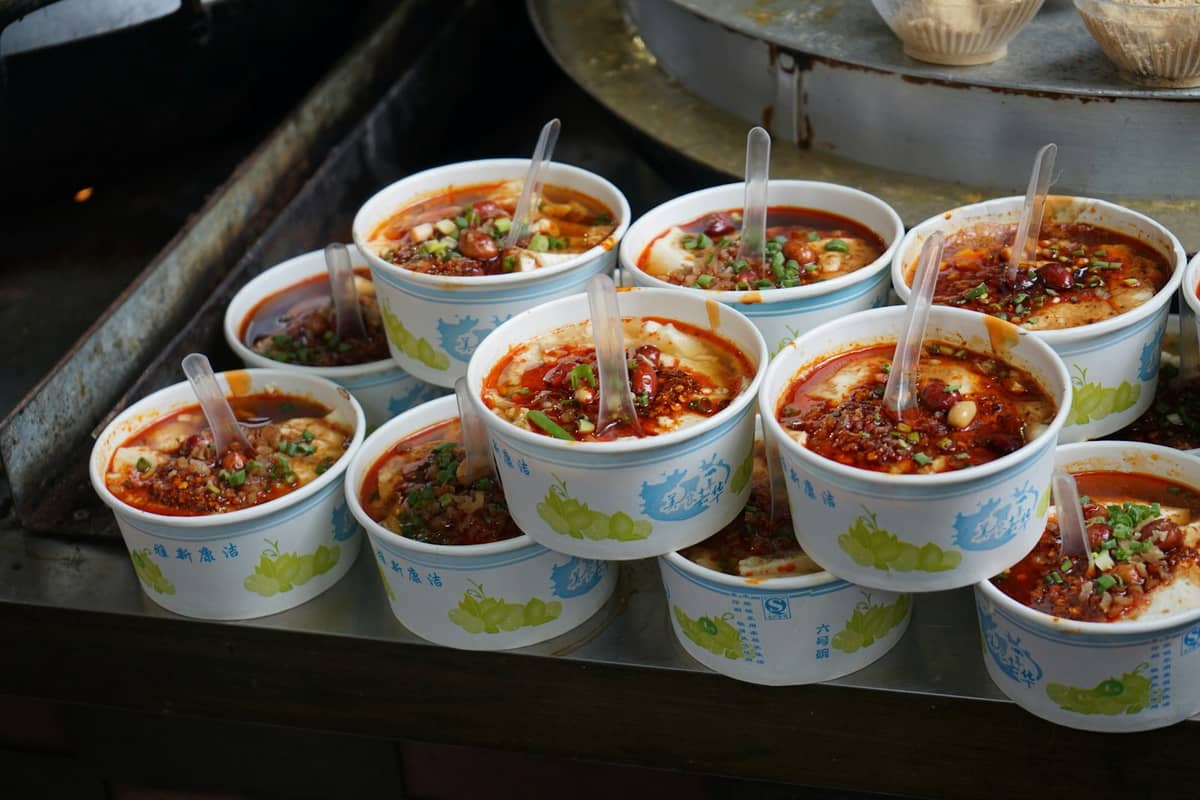
Sichuan cuisine is central to any visit to Chengdu, and the Spring Festival is an excellent time to experience it in a festive context. Hot pot is practically a Chengdu ritual, and family gatherings during Chinese New Year often revolve around communal hot pot meals. For a full breakdown of styles, pricing, and recommendations, the Chengdu hot pot guide is the place to start. During the holiday, popular chains will have significant waits; visiting at lunch on a weekday rather than dinner on a weekend cuts queue times considerably.
Temple fairs at Wuhou Shrine and Jinli Ancient Street feature street food stalls selling traditional Sichuan snacks: tangyuan (glutinous rice balls), various skewered and braised items, and sweet rice wine. This is one of the best opportunities to eat casually and cheaply while surrounded by festival atmosphere. The city's broader street food scene is covered in the Chengdu street food guide, which gives context on what to try and where. Note that some street-food vendors in major tourist areas take a few days off immediately around New Year's Day, then return in force as the holiday continues.
FAQ
Is Chengdu worth visiting during Chinese New Year?
Yes, with realistic expectations. The temple fairs, lantern displays, and festive street atmosphere make Chengdu one of the more rewarding Chinese cities to visit during the Spring Festival. The trade-off is higher prices, sold-out transport, and genuinely large crowds at key attractions. If you plan ahead, book early, and accept some logistical friction, the cultural experience is hard to match at any other time of year.
Will the Chengdu Panda Base be open during Chinese New Year?
The Chengdu Research Base of Giant Panda Breeding is generally open during the Spring Festival, with November–February entry sessions from 8:00 AM to 12:00 PM and 12:00 PM to 4:30 PM. Ticket availability is limited and the site gets very crowded. Reserve tickets through the official panda base website or its authorized booking platforms up to 14 days in advance and check official channels for holiday-specific changes.
How far in advance should I book transport to Chengdu for Chinese New Year?
High-speed rail tickets open 15 days before departure on the 12306 platform. For peak dates around Chinese New Year, tickets on popular routes can sell out within hours of going on sale. Set a reminder for the exact release date of your travel day and book the moment tickets become available. For flights, 6-8 weeks ahead is a reasonable target, though prices rise as the holiday approaches.
What is the weather like in Chengdu during Chinese New Year?
February in Chengdu is cool, humid, and frequently overcast. Expect average highs around 11°C and lows around 5°C, with roughly 9 rainy days in the month and humidity near 83%. Snow in the city is uncommon but possible. Pack warm layers and waterproof outerwear; the damp cold can feel more penetrating than the temperature numbers suggest.
Are restaurants and shops open during Chinese New Year in Chengdu?
Most major restaurants and shopping areas remain open, and some extend their hours for the holiday. However, smaller local restaurants and independently owned shops sometimes close for 3-5 days around New Year's Day itself. Major chains, tourist-area food stalls, and malls around Chunxi Road and Taikoo Li generally stay operational. Always check directly with a specific venue if its opening status matters to your plans.