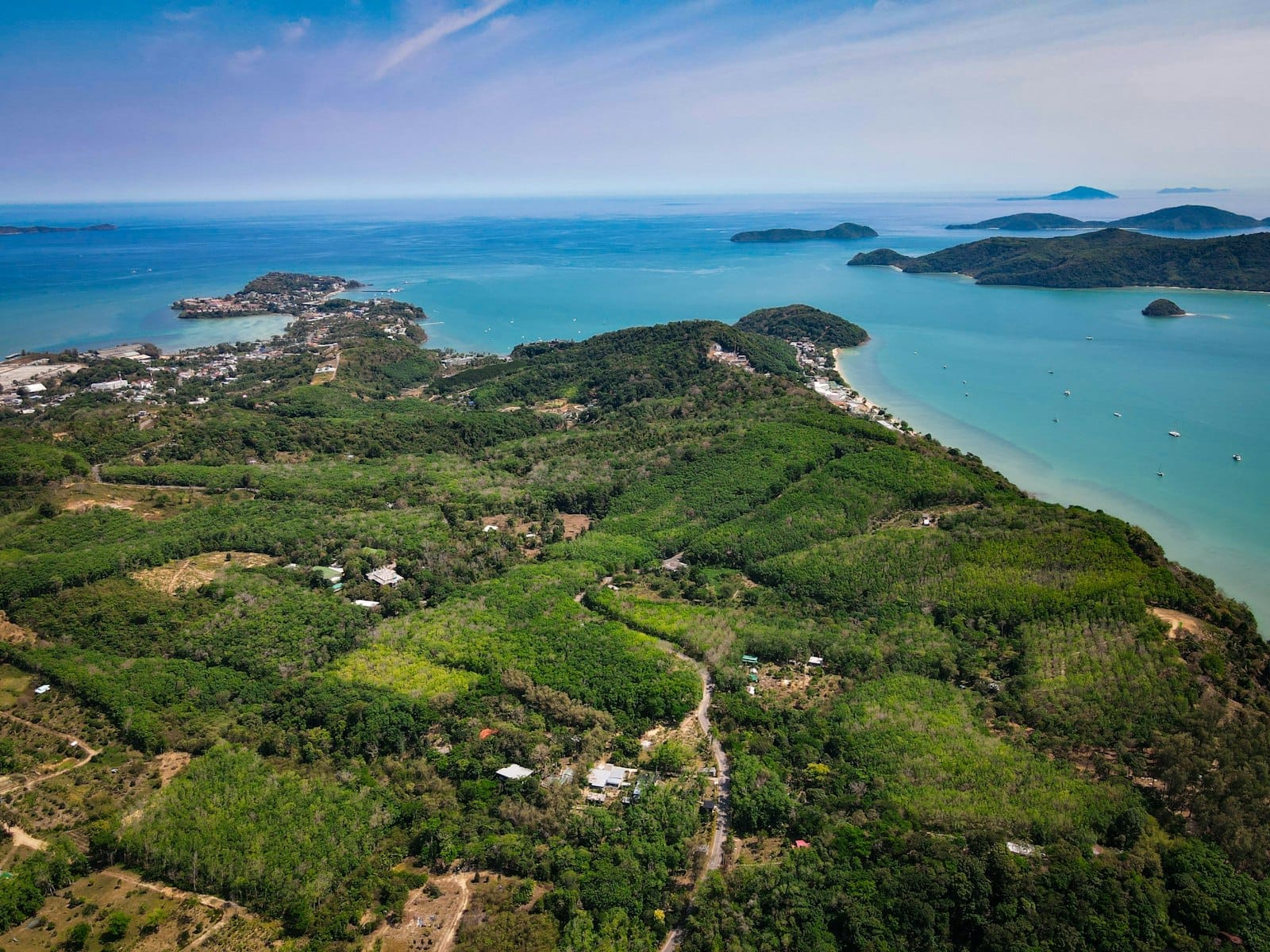
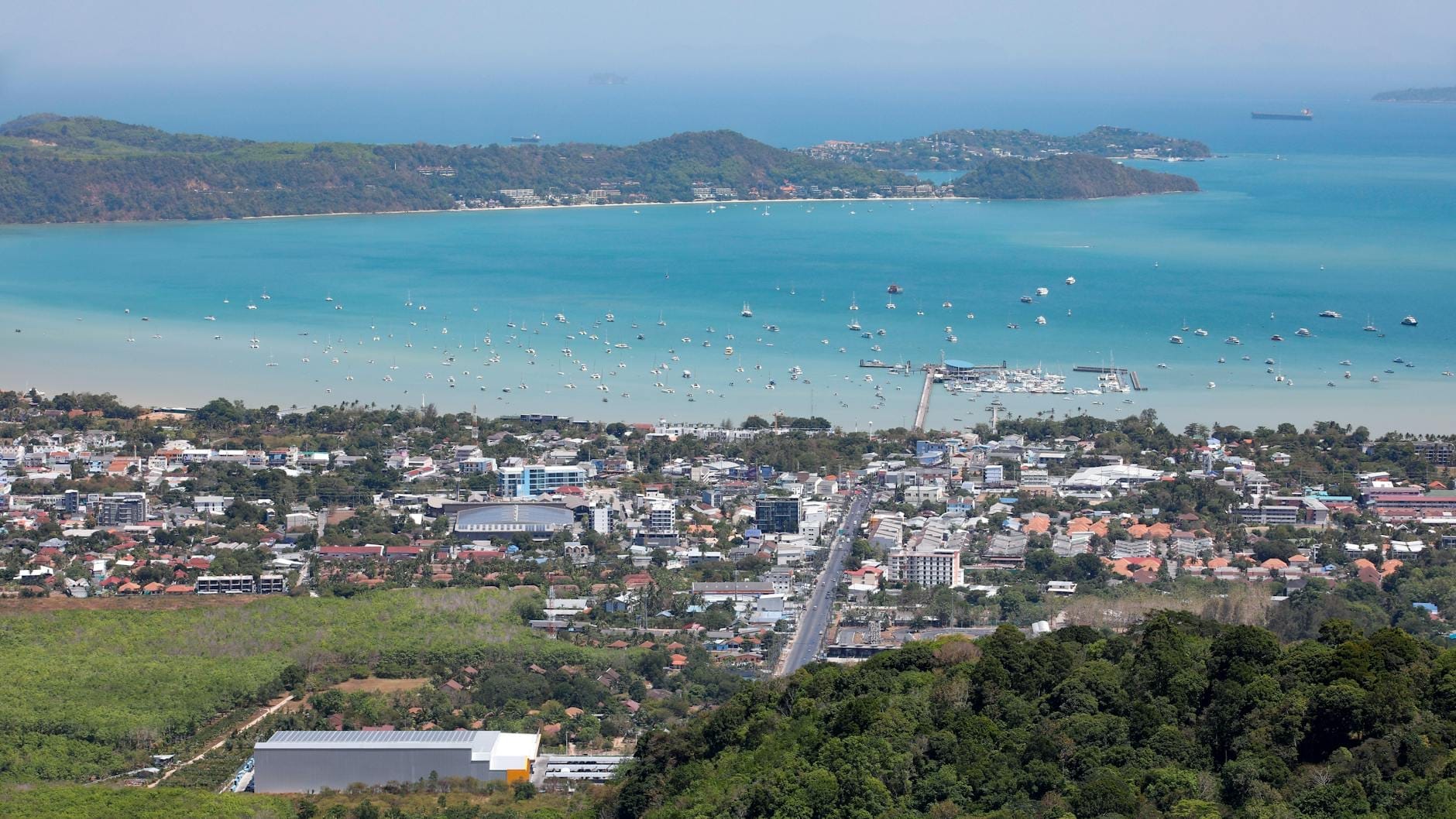
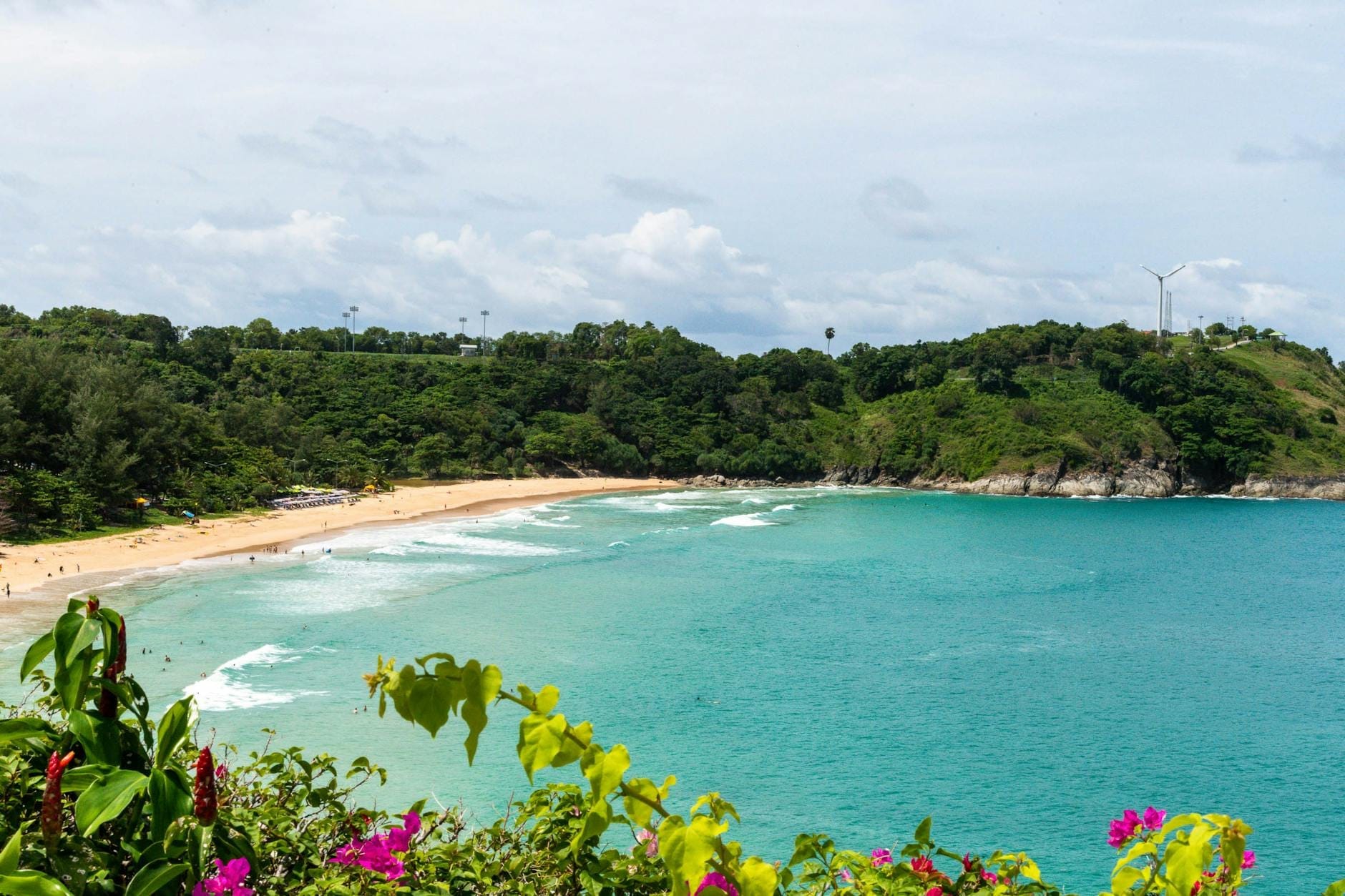
Rawai and Chalong form Phuket's laid-back southern corner, a world away from the resort strips further north. Rawai's working fishing harbor anchors a neighborhood built around fresh seafood, longtail boats to nearby islands, and a genuine expat community. Chalong, just inland and to the north, is the gateway to Wat Chalong and the island's most dramatic sunset viewpoints.
Rawai and Chalong occupy Phuket's southern tip and represent the island at its most livable: functional fishing harbor, serious seafood, a long-established expat scene, and easy access to island day trips and iconic viewpoints. This is not a beach party destination. It is where people come when they want Phuket without the performance.
Orientation
Rawai and Chalong are sub-districts within Mueang Phuket, the capital district of Phuket Province. They sit at the southernmost portion of the island, forming a roughly triangular zone that tapers toward Promthep Cape. Rawai occupies the southern beachfront, running approximately one kilometer east-west along the shore. Chalong lies directly to its north, centered on the large Chalong roundabout and the road that leads inland toward Wat Chalong and Phuket Town.
The two areas are connected by around five to ten minutes of driving, and in practice most visitors treat them as a single zone. Saiyuan Road is the main inland artery through Rawai, threading south from the Chalong roundabout before reaching Nai Harn Beach. From the Chalong roundabout, you can head northeast toward Phuket Town (about 10 kilometers), northwest toward Kata and Karon, or south down the peninsula spine toward Promthep Cape.
Understanding where this area fits on the island matters for planning. Rawai and Chalong sit at the opposite end of Phuket from Patong and the airport. If you stay here, Patong is roughly 25 kilometers to the northwest, and Phuket International Airport is around 45 kilometers north. The tradeoff is access to Phuket's most scenic southern coastline, proximity to Wat Chalong, and a street-level atmosphere that feels far closer to daily Thai life than anything on the Patong strip.
Character & Atmosphere
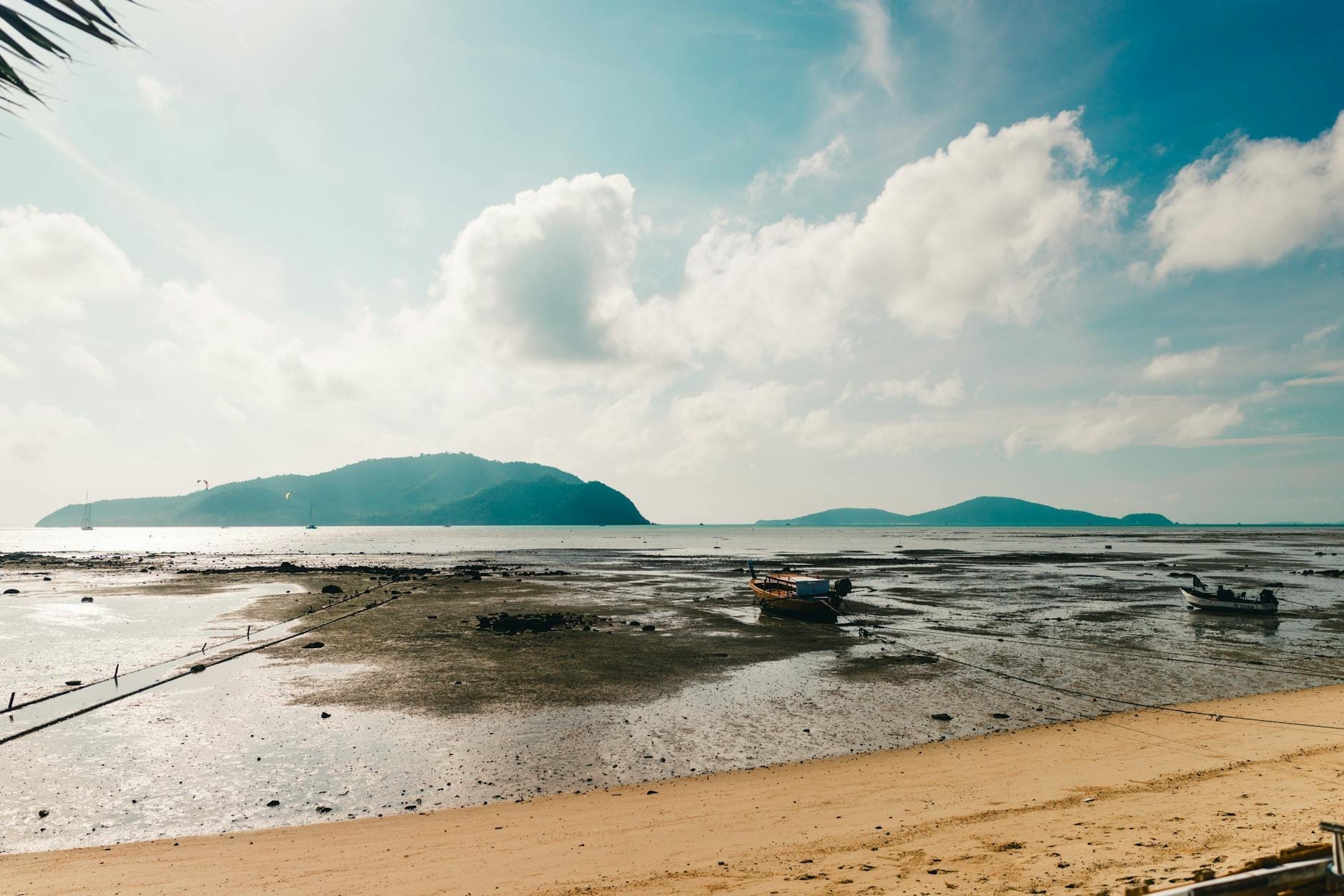
In the early morning, Rawai's beachfront road belongs almost entirely to locals. Fishing boats sit low in the shallow water, loaded with overnight catches. Vendors at the Rawai Seafood Market on the eastern end of the beachfront begin arranging trays of prawns, crab, grouper, and lobster on ice by 7am. The smell of salt water and charcoal from the open grills behind the stalls carries along the entire waterfront. This is a working harbor, not a beach resort, and that distinction shapes everything about the neighborhood's character.
By mid-morning, the beachfront fills with a mix of residents running errands, long-term expats on scooters, and day-trippers boarding longtail boats for nearby islands. The light in this part of Phuket, south-facing and unobstructed, is particularly clear: turquoise water against a line of boat hulls, the low green hills of Koh Bon visible on the horizon. Inland along Saiyuan Road, the neighborhood functions like a self-contained town. You find pharmacies, small supermarkets, fitness studios, muay thai gyms, coffee shops with reliable Wi-Fi, and restaurants spanning Thai street food through European bistros. This is the infrastructure of a place people actually live in.
After dark, Rawai does not transform into a nightlife district. A handful of bars around the beachfront and Saiyuan Road stay open late, drawing a mostly expat crowd. The atmosphere is conversational rather than loud. Chalong's evenings are quieter still, with dinner restaurants and a few local bars but nothing that would keep light sleepers awake. For travelers who want to be in bed before midnight without FOMO, this corner of Phuket is genuinely refreshing.
ℹ️ Good to know
Rawai Beach is not a swimming beach. The water is very shallow, filled with anchored boats, and the seabed is muddy at low tide. If you want to swim, Nai Harn Beach is a 10-minute drive south, and Ya Nui Beach is a small but swimmable cove just before Promthep Cape.
What to See & Do
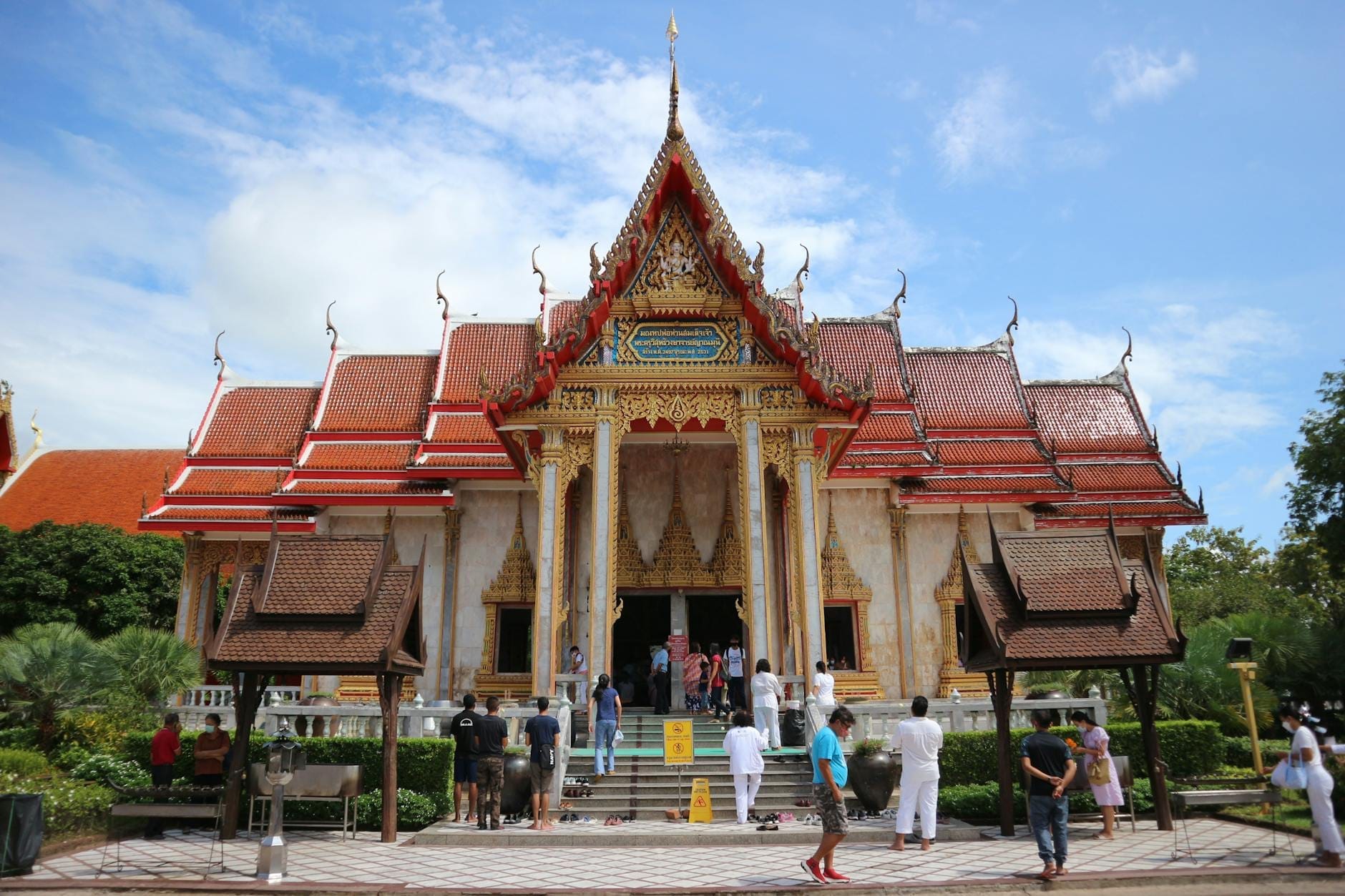
The single most visited attraction in this part of Phuket is Wat Chalong, a large Buddhist temple complex just north of the Chalong roundabout. It is the most important temple on the island, built across multiple terraced courtyards with ornate Sino-Portuguese-influenced stupas and shrines dedicated to revered monks. Dress modestly (shoulders and knees covered) before entering. The temple is active year-round and particularly atmospheric during Buddhist holidays when incense smoke hangs over the entire compound. Most visitors spend 30 to 60 minutes here.
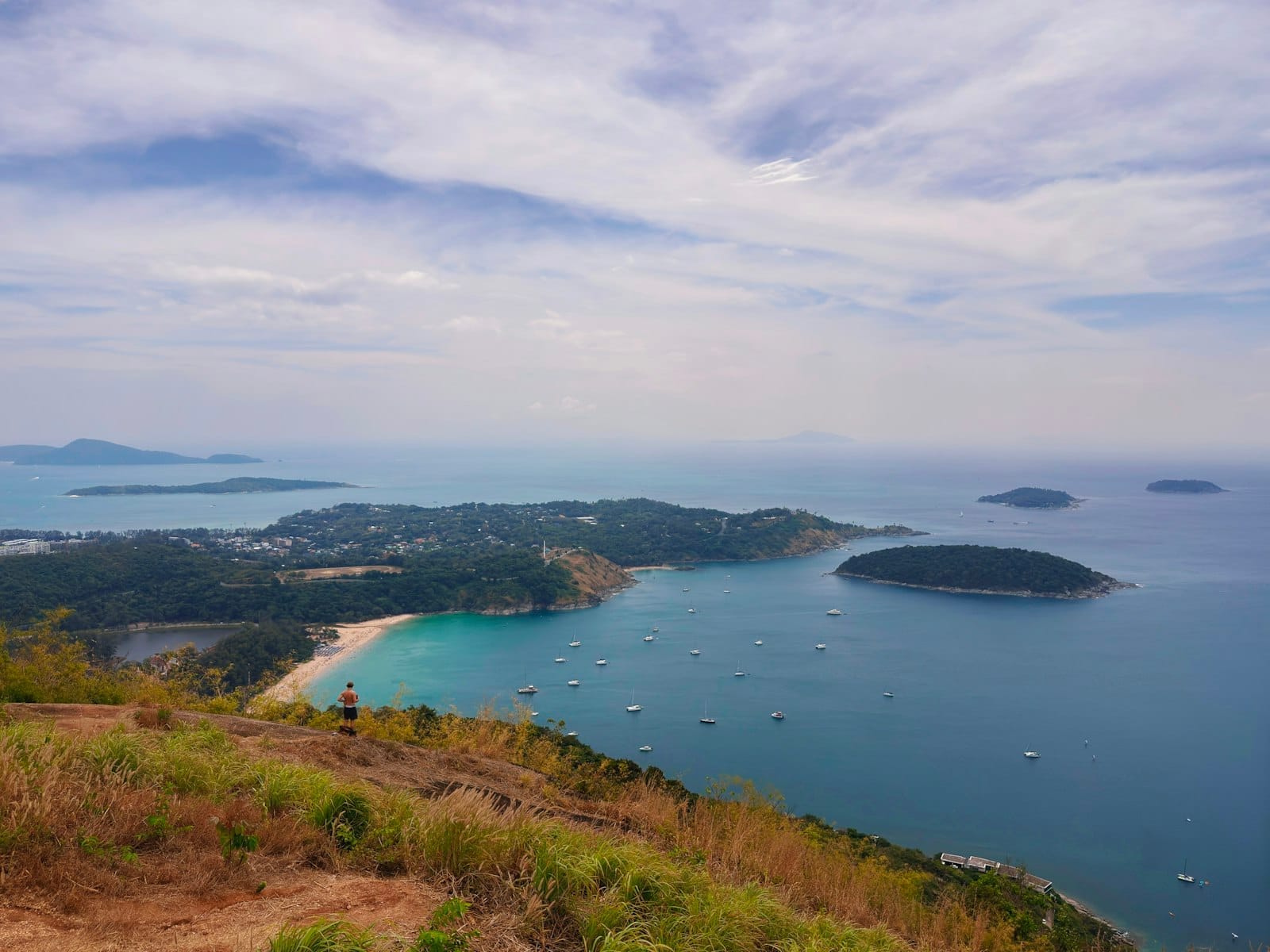
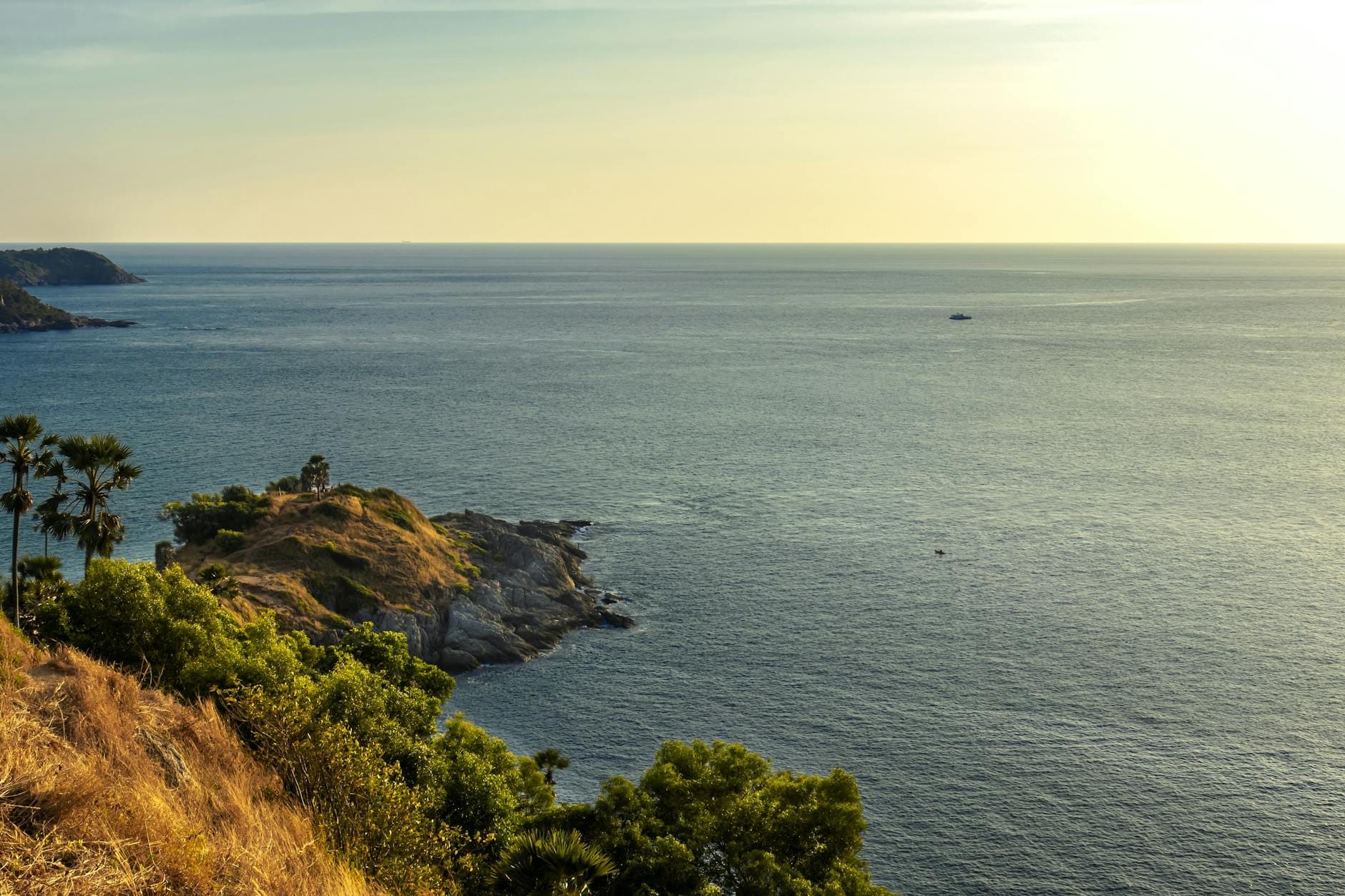
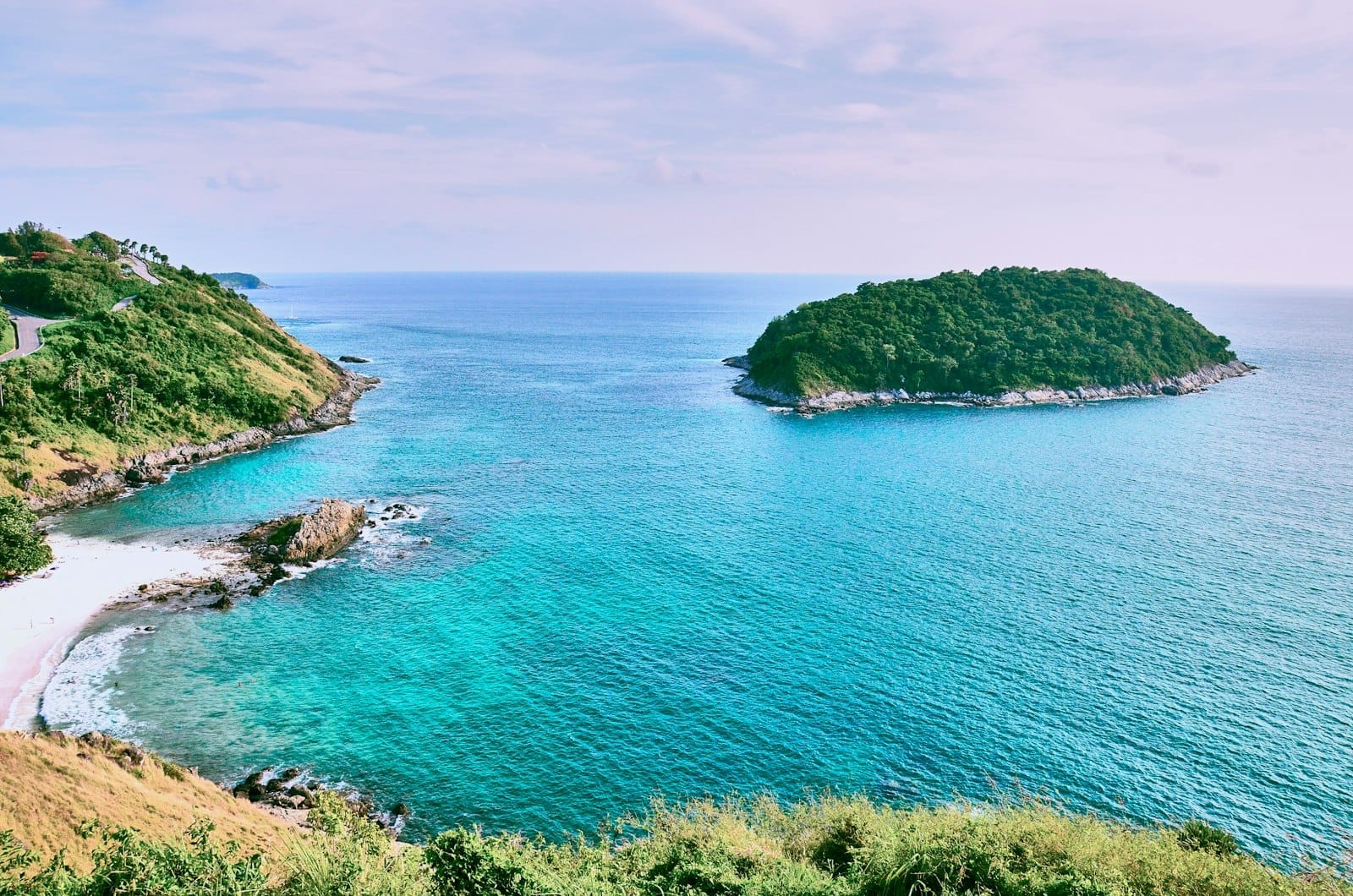
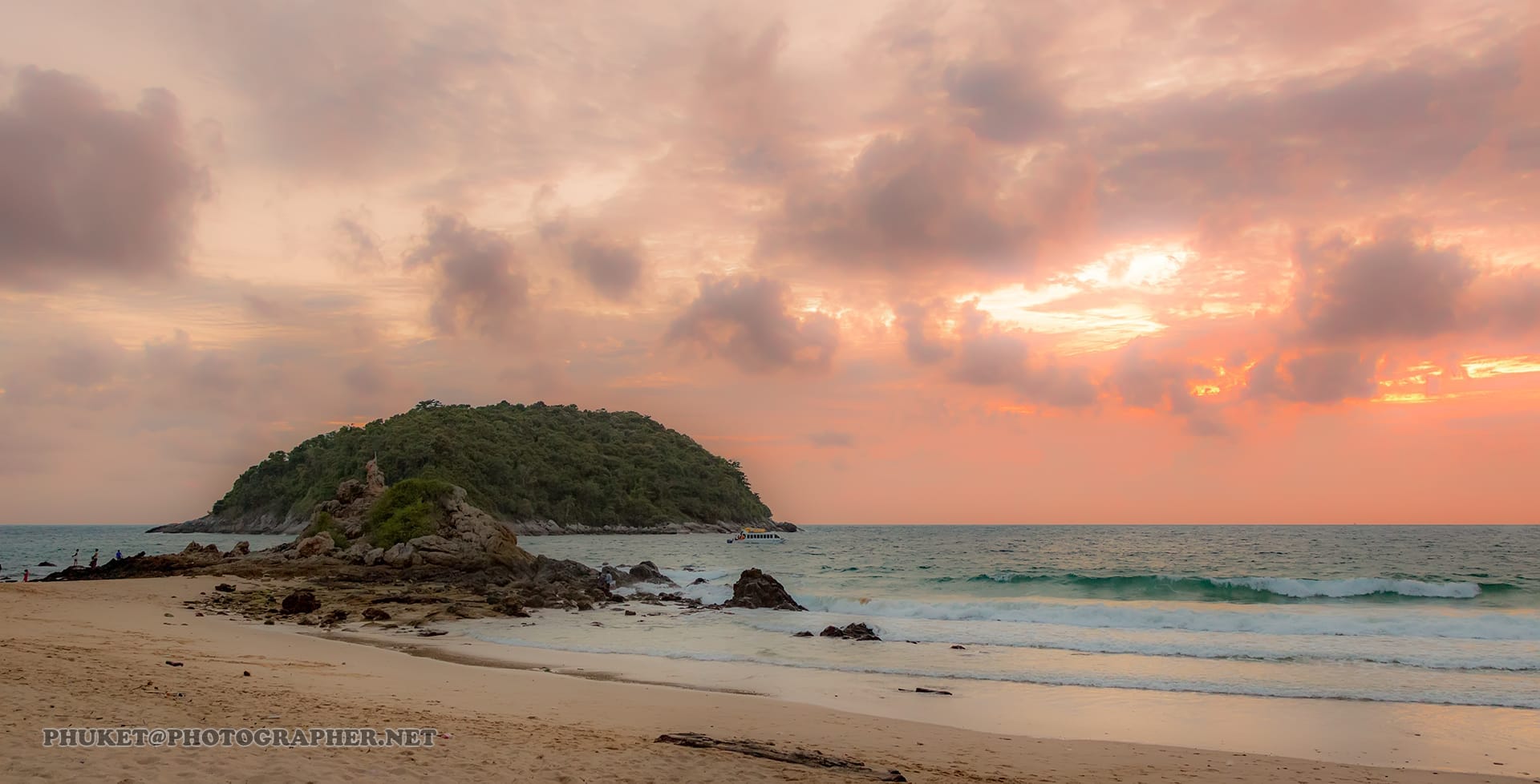
South of Rawai, the road climbs toward Promthep Cape, Phuket's most famous sunset viewpoint at the island's southernmost point. The vista from the cape takes in multiple islands, Nai Harn Beach to the west, and open Andaman Sea in every direction. Arrive at least 30 minutes before sunset to find parking. Just before the cape, the Windmill Viewpoint offers a slightly less crowded alternative with similar sightlines and, true to its name, a cluster of wind turbines on the ridge.
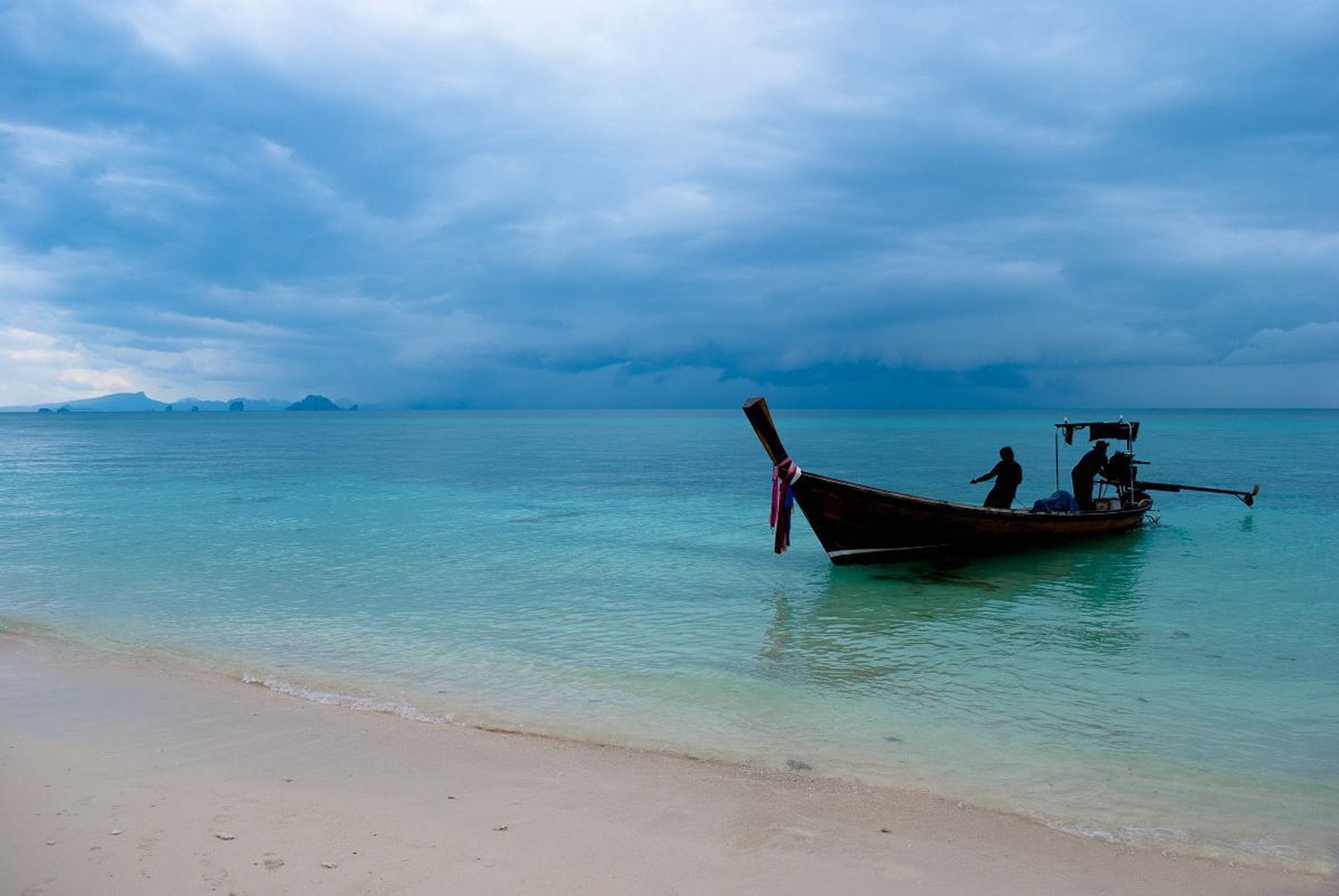
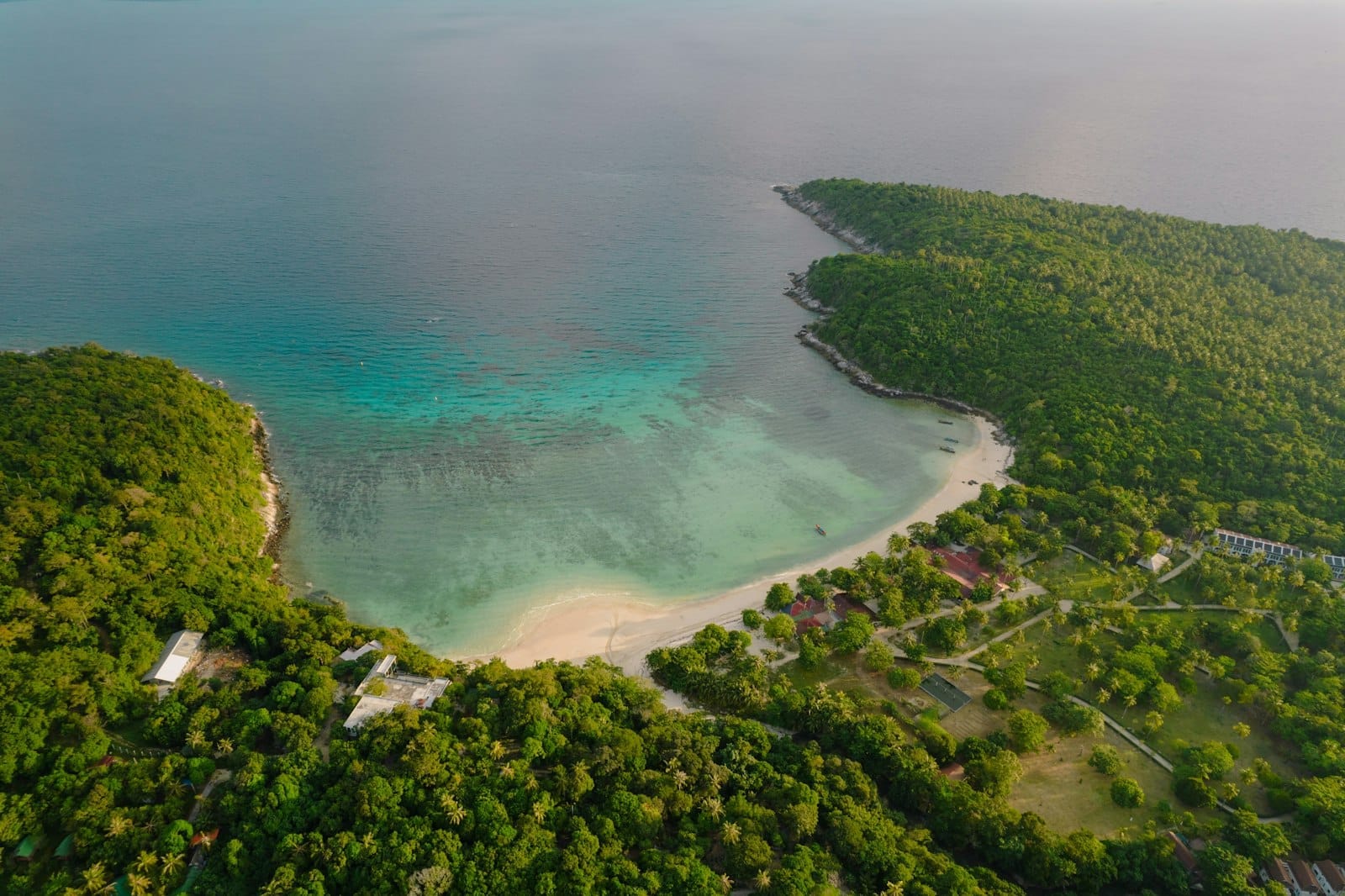
Rawai is one of Phuket's primary departure points for island day trips. Longtail boats line the beachfront throughout the day during high season, and you can negotiate directly with boat operators for trips to Coral Island (Koh Hae) and Racha Island. Both islands offer clear water for snorkeling and diving. Racha in particular is known for excellent visibility and is popular with dive schools based in Chalong. Boats to both islands depart throughout the morning.
At the far eastern end of Rawai's beachfront sits the Sea Gypsy Village, known locally as the Chao Lay community. This is one of Phuket's oldest settlements, home to the Moken and Urak Lawoi people who have lived along this coastline for generations. The village is not a tourist attraction in the conventional sense, and visitors should approach respectfully. Walking along the beachfront edge of the village gives a sense of how this community exists alongside the modern development around it.
Rawai Seafood Market: the best place on the island to buy fresh catch and have it cooked to order
Muay thai training: several internationally respected gyms line the road south of Rawai, offering daily and weekly training packages
Chalong Bay Rum Distillery: one of Thailand's best-known craft rum producers, with distillery tours and tastings available in Chalong
Nai Harn Beach: a 10-minute drive south, one of Phuket's best swimming beaches with a local park atmosphere
Ya Nui Beach: a tiny cove just before Promthep Cape, popular with snorkelers and good for a quiet swim
💡 Local tip
If you want to watch the sunset at Promthep Cape without fighting for a spot at the main viewpoint, walk a few hundred meters along the path toward the lighthouse. The view is identical and significantly less crowded.
Eating & Drinking
The Rawai Seafood Market defines the neighborhood's food identity. The format is straightforward: browse fresh seafood displayed on ice at the market stalls on the eastern beachfront, then take your selection to one of the restaurants directly behind the stalls to have it cooked. Dishes typically come grilled, steamed, or fried with garlic, and meals for two with a whole fish, prawns, and rice run in the range of 400 to 800 THB. It is informal, occasionally chaotic, and reliably good. Arrive before 7pm if you want first choice of the catch.
Away from the market, Saiyuan Road has developed into one of Phuket's better everyday dining streets. The mix reflects the neighborhood's expat population: Thai noodle shops and som tam stalls alongside Italian trattorias, French-run bakeries, burger spots, and a few Indian restaurants. Prices are noticeably lower than comparable food in Kata or Patong. A proper sit-down Thai dinner on Saiyuan Road rarely costs more than 150 to 250 THB per person at local-facing restaurants.
Chalong's food scene is more functional than Rawai's, centered on Thai restaurants around the roundabout and a handful of Western-oriented spots serving the expat community in the surrounding housing developments. The Chalong Bay Rum Distillery runs a bar and food pairing menu within the distillery compound, which makes for a pleasant afternoon stop that combines a tour with drinks and snacks.
For anyone serious about food across the whole island, Rawai and Chalong fit into a broader southern Phuket dining circuit. The Phuket food guide covers the full range from street stalls to fine dining, but this southern corner holds its own as one of the island's more authentic dining zones.
Getting There & Around
There is no scheduled public transport serving Rawai or Chalong directly. Songthaews (covered pickup trucks used as shared taxis) run between Phuket Town and Rawai, but the service is infrequent and not practical for reaching most of the neighborhood's attractions without extended waits. From Phuket Town, the journey by songthaew takes around 30 to 40 minutes.
The practical reality is that you need your own transport. Renting a scooter (typically 200–400 THB per day) is the most common approach and makes the entire southern tip of Phuket easily accessible. The beachfront road in Rawai is walkable at about one kilometer end to end, but Saiyuan Road and everything inland requires wheels. Grab operates in Phuket and can reach Rawai and Chalong, though wait times may be longer than in more central areas and surge pricing applies during peak periods.
From the airport, Rawai is roughly 45 kilometers south, typically 50 to 70 minutes by private taxi. Pre-booked private transfers are the most efficient option for new arrivals with luggage. From Patong, the drive down the west coast road takes around 25 to 35 minutes depending on traffic. For a broader sense of how to move around the island, the guide to getting around Phuket covers all transport options including songthaews, metered taxis, and ride-hailing apps in detail.
⚠️ What to skip
If you plan to stay in Rawai or Chalong and want to explore the rest of the island regularly, renting a scooter or car is almost essential. Relying on Grab or tuk-tuks for daily movement adds up quickly and limits flexibility, especially for reaching beaches, viewpoints, and Wat Chalong on your own schedule.
Where to Stay
Rawai and Chalong suit a specific type of traveler rather than a general holiday crowd. Long-stay visitors, digital nomads, muay thai students, divers using Chalong as their base for Racha Island trips, and anyone wanting a quieter experience with access to the island's southern scenery all find the area works well. For a full overview of accommodation options across the island, the Phuket accommodation guide breaks down all major zones.
Accommodation in Rawai ranges from inexpensive guesthouses and serviced apartments (popular with longer-staying guests) through to private pool villas in the hills south of Saiyuan Road. There are few large resort hotels in the traditional sense. The southern hills above Rawai and the roads between Rawai and Nai Harn have a concentration of villa properties, many available for weekly rental. These suit families or groups who want privacy and hillside views without the resort pricing of Surin or Kamala.
Chalong itself is less of a natural base for tourists than Rawai, since it lacks a beach and the area around the roundabout is largely functional rather than scenic. However, Chalong's guesthouses and apartments offer some of the lowest nightly rates on the island, and the location is genuinely central for reaching all of Phuket's southern attractions by scooter.
Families or couples who want beach access without staying in Rawai itself often base themselves in nearby Nai Harn, which has its own small accommodation scene clustered around the beach park. From Nai Harn, Rawai's seafood market and Promthep Cape are both reachable in under 10 minutes. The Nai Harn Beach area is worth considering as an alternative if swimming access from your accommodation matters to you.
How Rawai & Chalong Fit Into a Wider Phuket Trip
Most first-time visitors to Phuket focus on the west coast beaches: Patong, Kata, Karon, or Surin. Rawai and Chalong function well as either a base for exploring the southern tip or as a day-trip destination from those areas. If you are based in Kata or Karon, a half-day loop taking in Wat Chalong, the Chalong Bay Rum Distillery, the Rawai Seafood Market for lunch, and Promthep Cape for sunset is one of Phuket's best itinerary options.
Rawai also works as the logical starting point for boat-based day trips to islands south of Phuket. If your itinerary includes Racha Island for snorkeling or diving, staying in Rawai or Chalong puts you at the departure pier rather than adding an hour's drive each morning. Many dive operators are also based in Chalong for exactly this reason.
For a practical look at how to structure time across the whole island, the Phuket itinerary guide helps you decide how many days to allocate to different zones based on your interests. Rawai and Chalong typically earn at least a half-day from visitors staying elsewhere, and a minimum of three to four nights for those who choose to base themselves here.
TL;DR
Rawai and Chalong are Phuket's most livable southern zone: genuine fishing harbor, serious seafood market, muay thai gyms, and easy boat access to nearby islands.
Rawai Beach is not for swimming. The real draws are the seafood market, Promthep Cape, Windmill Viewpoint, Wat Chalong, and longtail boats to Coral Island and Racha Island.
No public transport means a scooter or rental car is essential. Grab works but is less reliable here than in central areas.
Best suited to long-stay travelers, expats, divers, muay thai students, and anyone wanting a quieter Phuket base. Not the right choice if you want nightlife or beach-club culture.
A natural half-day destination from Kata or Karon: combine Wat Chalong, the Rawai seafood lunch, and a Promthep Cape sunset into one efficient loop.
Phuket has three distinct seasons, and each suits a different type of traveler. This guide breaks down the dry season, hot season, and monsoon period with practical advice on crowds, prices, sea conditions, and what you can actually do each month.
Phuket has no metro, no train network, and taxi meters that drivers routinely ignore. This guide cuts through the confusion with honest pricing, route logistics, and the best transport option for every type of trip across the island.
Phuket has over 30 beaches ranging from lively resort strips to near-deserted coves. This guide covers every beach worth knowing, organized by character and location, with honest advice on swimming conditions, crowds, and how to make the most of each one.
Phuket sits at the center of one of Southeast Asia's most spectacular seascapes. These are the best day trips from the island, from the legendary Phi Phi archipelago to the limestone karsts of Phang Nga Bay, plus ethical wildlife encounters and nearby island escapes.
Planning a trip to Phuket but not sure how to structure your time? This guide breaks down realistic day-by-day itineraries for 5, 7, and 10-day trips, covering beaches, island day trips, cultural sites, and practical logistics so you spend less time figuring out and more time actually there.
From Bangla Road's neon-lit clubs to low-key beach bars in Kamala and jazz spots in Phuket Old Town, Phuket's nightlife spans every budget and mood. This guide breaks down real costs, the best venues by area, seasonal crowd patterns, and what to skip.
Phuket is far more than beaches and Patong nightlife. This guide covers the best things to do across the entire island — temples, islands, food markets, viewpoints, water parks, and cultural attractions — with honest advice on what to skip and what to prioritize based on your travel style.
Phuket's food scene runs the full spectrum, from smoky roadside stalls serving Hokkien noodles for 60 THB to PRU at Trisara, the island's only Michelin-starred restaurant with tasting menus above 3,500 THB. This guide breaks down where to eat in Phuket by neighborhood, budget, and cuisine style, with honest picks and traps to avoid.
Picking the right area to stay in Phuket shapes your entire trip. This guide breaks down every major neighborhood, from lively Patong to peaceful Mai Khao, with honest assessments of who each area suits, what to budget, and what to avoid.