Best Time to Visit Phuket: A Month-by-Month Season Guide
Phuket has three distinct seasons, and each suits a different type of traveler. This guide breaks down the dry season, hot season, and monsoon period with practical advice on crowds, prices, sea conditions, and what you can actually do each month.

Plan and book this trip
Tools from our partner Travelpayouts help you compare flights and hotels. If you book through them, we may earn a commission at no extra cost to you.
Flights
Hotels map
TL;DR
- The best time to visit Phuket is November to April, when skies are clear, seas are calm, and temperatures stay around 24-33°C.
- December to February is peak season: ideal weather, but expect higher prices and crowded beaches.
- May to October is monsoon season: cheaper rates, fewer tourists, and still plenty to do, especially around Phuket Old Town and the island's east coast.
- Shoulder months (April, May, November) offer the best balance of decent weather and lower costs.
- Monsoon rain is usually short and sharp, not all-day downpours. Most itineraries survive it fine.
Phuket's Three Seasons at a Glance
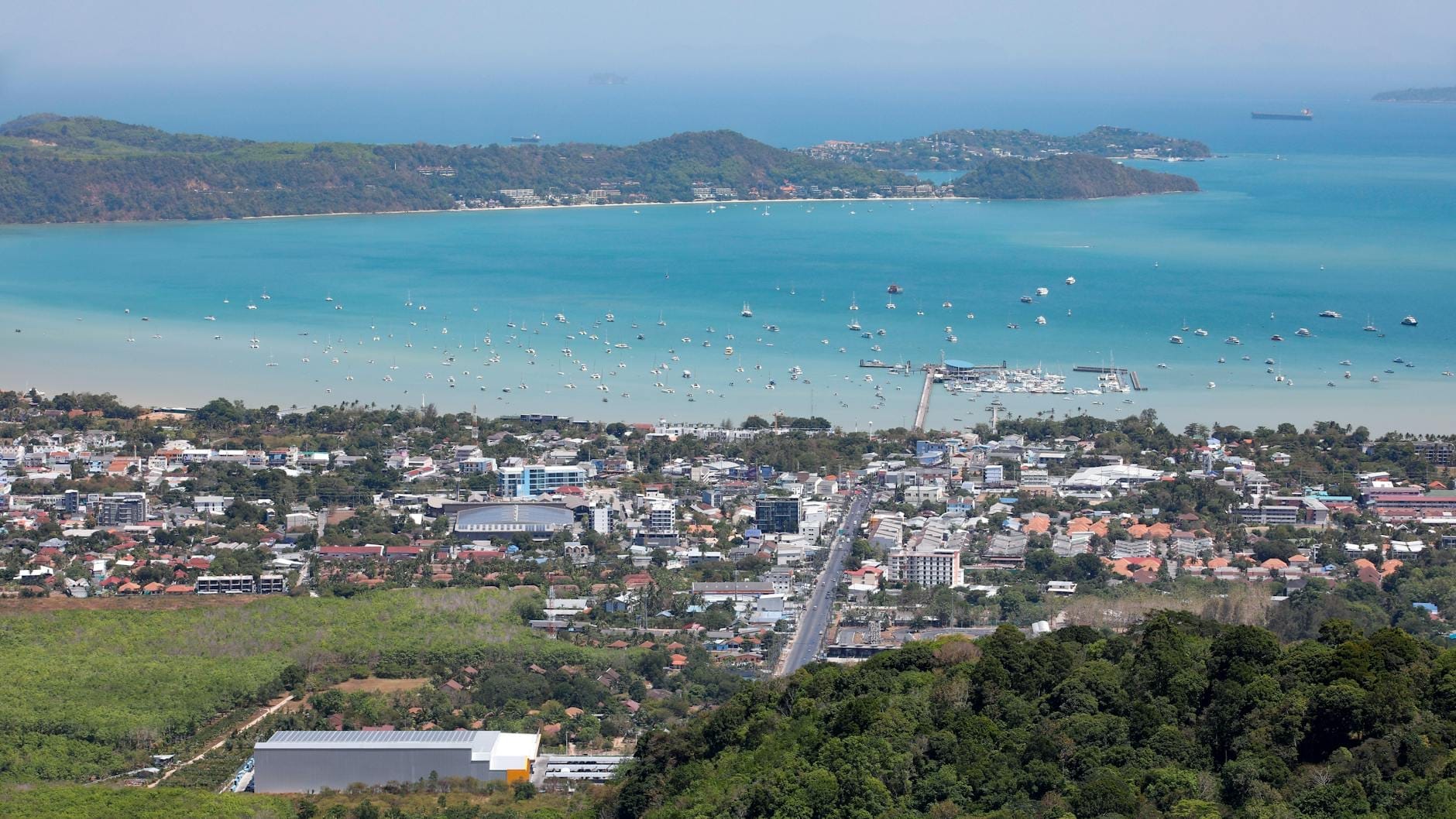
Phuket sits on the Andaman Sea and follows a tropical monsoon climate driven by two monsoon systems. The southwest monsoon brings rain from May through October. The northeast monsoon keeps things dry and breezy from November through April. Unlike Bangkok or Chiang Mai, Phuket never gets cold. Temperatures range from around 23°C on a cool December night to well above 35°C during the April heat peak. The real variables are rainfall, sea conditions, and tourist volume.
- Dry Season (November to April) Clear skies, calm Andaman Sea, temperatures 23-32°C. Best conditions for beaches, snorkeling, and island trips. Peak crowd and price period December through February.
- Hot Season (March to May) Temperatures climb to 30-38°C with rising humidity. Beach conditions stay good through April. Songkran water festival falls mid-April. May marks the transition into monsoon.
- Monsoon Season (May to October) Southwest monsoon brings frequent showers, rougher west coast surf, and the lowest prices of the year. September and October see the heaviest rainfall. East coast beaches and inland attractions remain accessible throughout.
Peak Season (December to February): Best Weather, Highest Prices
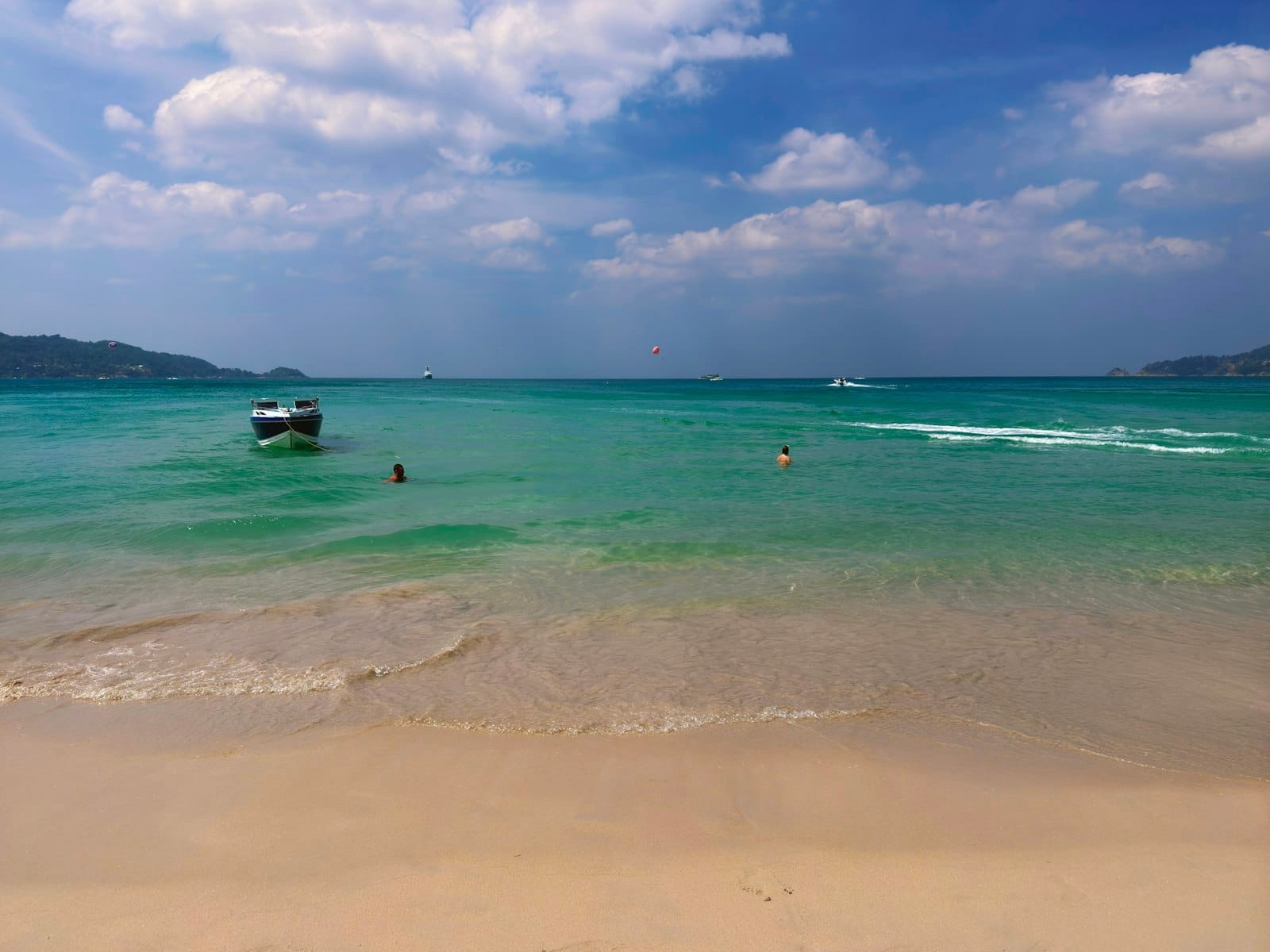
This is Phuket's prime window. December through February brings the coolest temperatures of the year, averaging 24-33°C, with low humidity and almost no rain. The Andaman Sea is flat and clear, visibility for snorkeling and diving reaches 20-30 meters, and the west coast beaches from Kamala down to Kata Noi are at their most inviting. Island-hopping day trips to Phi Phi or Phang Nga Bay run daily with reliable conditions.
The trade-off is crowds and cost. Hotel rates in December and January can run two to three times what they are in September. Patong gets especially packed around Christmas and New Year, with Bangla Road at full capacity and beach chairs reserved from 8am. If you want the best weather without the worst crowds, aim for the second or third week of January rather than the holiday period. February is often the sweet spot: still excellent weather, slightly lower prices, and noticeably fewer visitors.
⚠️ What to skip
Booking accommodation in Patong, Kata, or Surin for Christmas and New Year's Eve without advance reservations (ideally 3-4 months out) is a gamble. Even mid-range hotels sell out, and last-minute prices can be eye-watering.
Shoulder Season (March, April, November): Value With Trade-Offs
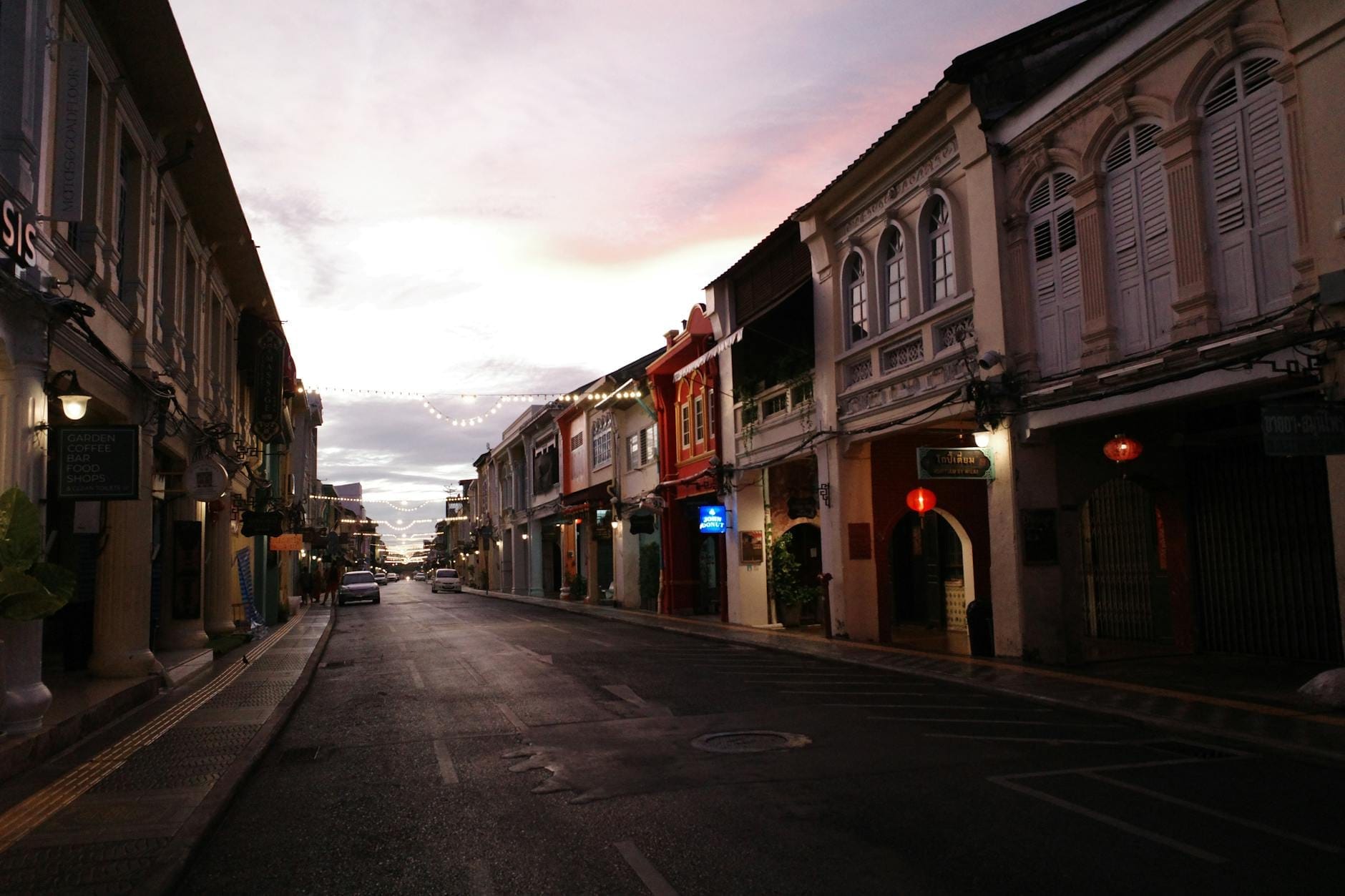
March and April sit in a transition zone. Beach weather remains good through most of March, with manageable heat and low rainfall. By April, temperatures regularly push 35°C or higher, and the humidity becomes oppressive for anyone planning to walk long distances or explore inland. That said, April also brings Songkran, Thailand's traditional New Year water festival, which falls around April 13-15. Phuket's Songkran is particularly lively around Patong and Phuket Town, and if you enjoy joining in rather than avoiding water fights, it's genuinely fun.
November is arguably the most underrated month to visit. The dry season is re-establishing itself, rainfall drops sharply compared to October, and the tourist volume hasn't yet hit December levels. Prices are 20-40% lower than peak, and the west coast beaches are fully operational. Early November can still see occasional showers, but nothing that derails a trip. If you're flexible on timing, late November often delivers near-peak weather at off-peak rates. It pairs well with exploring Wat Chalong and the southern viewpoints at Promthep Cape without sweating through every photo.
Monsoon Season (May to October): Cheap, Quiet, and Misunderstood
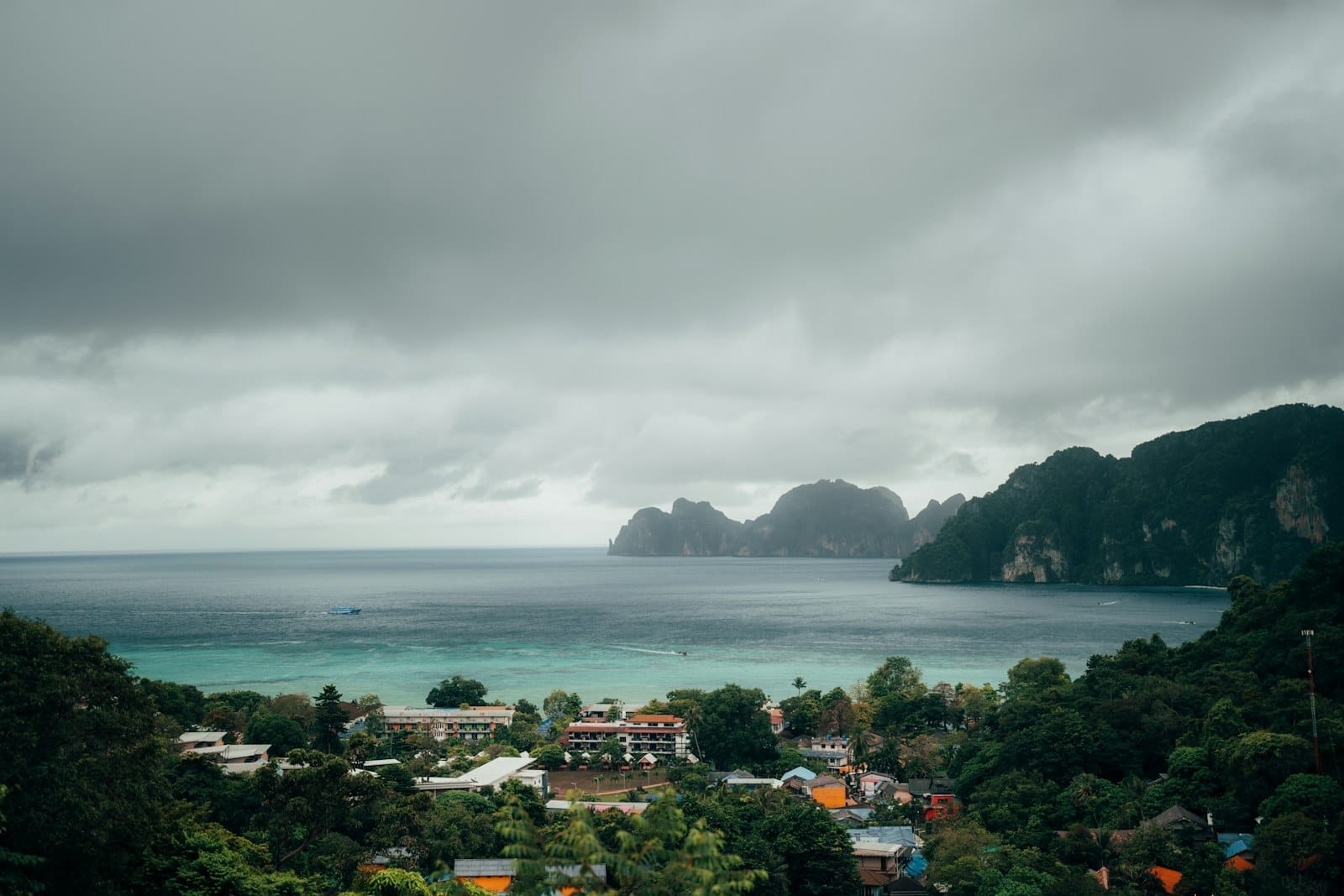
The word 'monsoon' misleads a lot of travelers into writing off half the calendar. In reality, Phuket's wet season rarely means all-day rain. Showers typically arrive in the afternoon or evening, last 20-45 minutes, and clear. Mornings are often sunny. The genuine downsides are rougher seas on the west coast (swimming can be unsafe at some beaches, with red flags posted), some island day trips cancelled during heavy swells, and the possibility of a truly gray, rainy day in September or October.
What monsoon season does offer: hotel rates at their lowest, far fewer tourists at popular sites, and Phuket's lush interior looking its best. The Big Buddha and Old Town's Sino-Portuguese streets are genuinely easier to enjoy when you're not sharing them with tour bus crowds. Surfers specifically target June through September when the Andaman swell hits Phuket's west coast, particularly around Kata Beach.
ℹ️ Good to know
Phuket's east coast, including areas around Rawai and Chalong Bay, is sheltered from the southwest monsoon and stays calmer in the wet season than the west-facing beaches. If you're visiting May-October, basing yourself on the east side gives you more weather flexibility.
September and October are the wettest months. This is when extended periods of rain are most likely, sea conditions on the west coast are consistently rough, and some smaller operators close for maintenance. If your trip is built around beach time and island day trips, these two months carry real risk. If your priorities are food, culture, temples, and nightlife, you'll still have a good trip at a fraction of peak-season cost.
- May: Transition month. Increasing showers but still manageable. Surfing starts on west coast beaches.
- June-August: Regular afternoon rain, good surf, far fewer tourists. Deals on accommodation are significant.
- September: Wettest month on average. Extended rain spells more likely. East coast is safer for beach access.
- October: Still wet, improving toward end of month. Low season deals at their peak.
- November: Dry season resumes. One of the best-value months to visit.
What to Do Depending on When You Arrive

Dry season visitors have full access to Phuket's best activities: snorkeling trips to Coral Island, overnight cruises through Phang Nga Bay, diving at Racha Island, and long beach days on the west coast. Day trips to Phi Phi Islands run reliably from November through April, with calm seas and good underwater visibility.
Wet season visitors should shift their focus toward inland and cultural experiences. Phuket Old Town rewards unhurried exploration regardless of weather. The Elephant Jungle Sanctuary operates year-round and is actually more comfortable in the slightly cooler monsoon air. Evening entertainment, including the Simon Cabaret and Patong's restaurant scene, is entirely unaffected by rain. The Phuket nightlife scene runs at full capacity from dry season right through monsoon.
✨ Pro tip
If you're planning a day trip to James Bond Island or the Phi Phi Islands during monsoon, check the sea conditions the evening before with your operator. Most reputable companies will proactively cancel or reschedule if conditions aren't safe, but it's worth confirming their policy upfront.
Flights, Prices, and Practical Booking Advice
Phuket International Airport (IATA: HKT) is around 30 km north of Phuket City and receives direct international flights from across Asia, Australia, Europe, and the Middle East. Flight prices track closely with hotel demand: December and January flights from Europe or Australia often cost 30-50% more than the same route in September. If budget is a priority, flying in late October or early November and departing before mid-December gets you decent weather and off-peak fares.
Once on the island, transport around Phuket is worth planning in advance regardless of season. Getting around Phuket relies on songthaews (shared pickup trucks), tuk-tuks, and Grab (ride-hailing). During peak season, Grab availability in Patong can be unpredictable due to local tuk-tuk controls on certain routes. Renting a scooter (200–400 THB per day) is the most flexible option if you're comfortable riding in tropical conditions, but be extra cautious on wet roads during monsoon.
FAQ
What is the best month to visit Phuket for the first time?
February is often the ideal first-time visit. The weather is excellent, with temperatures around 26-29°C, clear skies, and calm seas. The post-New Year crowd has thinned out compared to December and January, and prices are slightly lower. You get the best of dry season without peak-season chaos.
Is it worth visiting Phuket during the rainy season?
Yes, for the right traveler. If your itinerary is mainly food, culture, spa time, and nightlife, monsoon season (May-October) works well and saves significant money. If you're coming specifically for beach days and island day trips, the risk of rough seas and cancelled tours increases substantially in September and October.
When is Phuket cheapest to visit?
September and October are the cheapest months for both flights and hotels, with savings of 40-60% compared to peak season rates. October is slightly preferable to September because rainfall is beginning to ease and conditions are improving. Late May and June also offer strong value with better weather than the September-October period.
How hot does Phuket actually get, and is it uncomfortable?
Phuket temperatures range from around 23°C on cool dry-season nights to 35°C during the April hot peak. The real issue is humidity, which makes April and May feel significantly hotter than the thermometer suggests. December through February is the most comfortable period for outdoor activity, while March onward requires more shade-seeking and hydration.
Does the rain during monsoon season ruin beach trips?
Not usually. Most monsoon rain falls in short bursts, typically afternoon or evening, and passes within 30-45 minutes. The bigger issue is sea conditions rather than rain itself: west coast beaches can have dangerous surf and red flag warnings from May through October. East coast beaches and protected bays are far more reliable for swimming during this period.