Getting Around Phuket: The Complete Transport Guide
Phuket has no metro, no train network, and taxi meters that drivers routinely ignore. This guide cuts through the confusion with honest pricing, route logistics, and the best transport option for every type of trip across the island.
Plan and book this trip
Tools from our partner Travelpayouts help you compare flights and hotels. If you book through them, we may earn a commission at no extra cost to you.
Flights
Hotels map
TL;DR
- Phuket has no metro or rail network. Your main options are songthaews, the Smart Bus, tuk-tuks, taxis, Grab, rental scooters, and rental cars.
- The Phuket Smart Bus is the best value for traveling along the west coast between the airport and Patong Beach or Kata, costing 100-170 THB.
- Tuk-tuks are convenient but expensive (400-600 THB between beaches). Always agree on a price before you get in.
- Renting a scooter starts at around 200–400 THB per day but carries real risk if you lack the correct license or experience on Thai roads.
- Download the Grab app before you arrive. It removes negotiation entirely and works reliably across most of Patong, Phuket Town, and the main resort areas.
Understanding Phuket's Road Layout
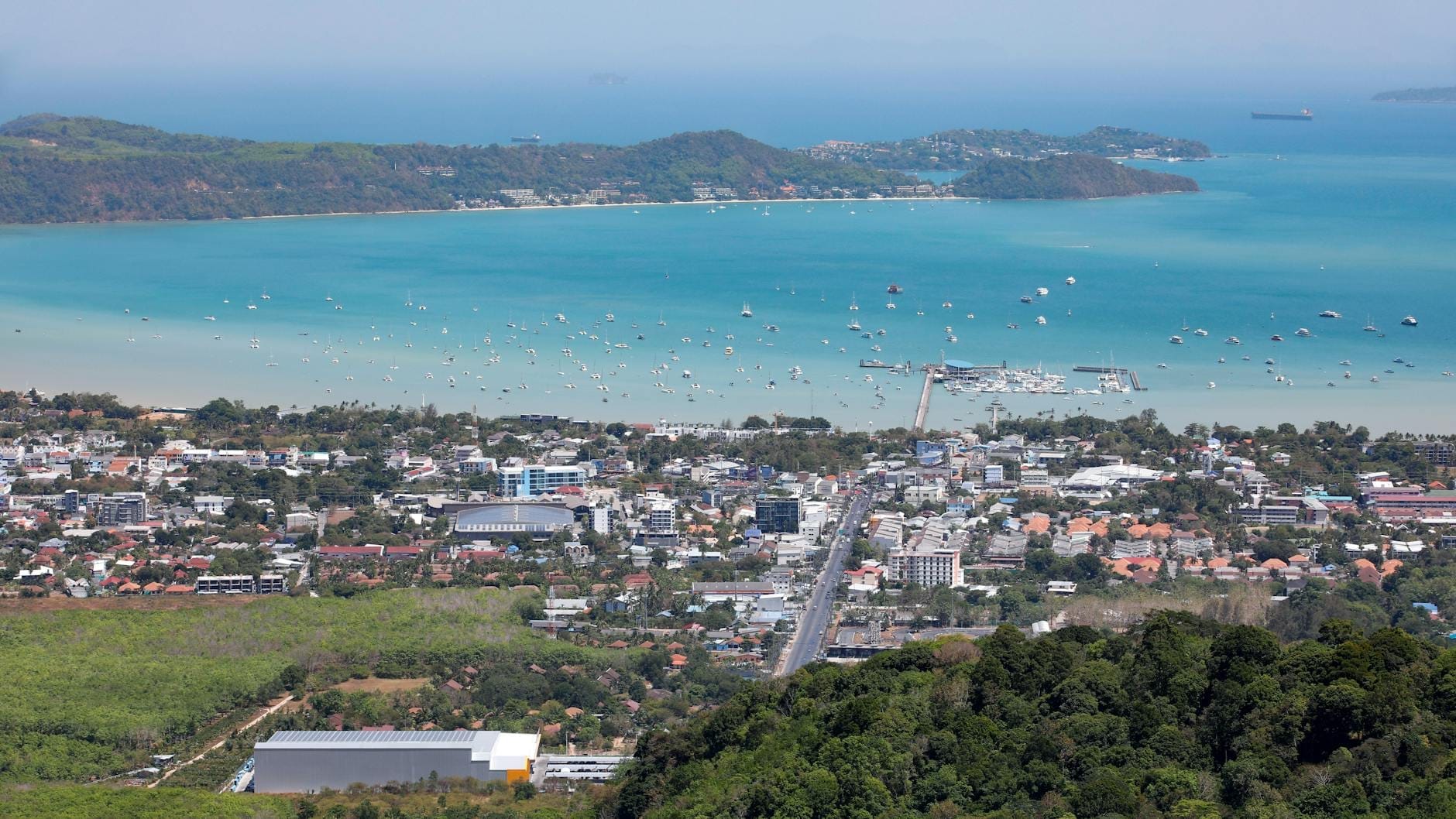
Phuket is an island of 543 km² connected to the Thai mainland by two bridges in the north. The island runs roughly 48 km north to south and around 21 km at its widest point. Despite its modest size, getting from one coast area to another can take significantly longer than the map suggests. The central hilly spine, limited road crossings, and bottleneck junctions around Patong and Phuket Town mean that a 15 km trip can easily take 45 minutes during busy periods.
Most visitors base themselves on the west coast, where the beaches are. The north-south highway (Route 402) is the main artery linking Mai Khao in the north down through Thalang, past the airport junction, through Kathu and into Phuket Town on the southeast. From there, coastal roads fan out to Rawai and Chalong in the south. Understanding this spine-and-branch layout helps you plan transfers and day trips without frustration.
ℹ️ Good to know
Peak traffic in Phuket runs 8-10 AM and 5-7 PM, mostly around Patong, the Kathu junction, and central Phuket Town. If you have an early flight or a tour departure, add at least 20-30 minutes to your estimated travel time during these windows.
The Phuket Smart Bus: Best Budget Option on the West Coast
The Phuket Smart Bus is the most underused and underrated transport option on the island. It runs air-conditioned services along the western coastal corridor, connecting Phuket International Airport with the main resort beaches including Bang Tao, Surin, Kamala, Patong, Karon, Kata, Promthep Cape, and Rawai. Fares range from 100 to 170 THB depending on distance, which makes it dramatically cheaper than a taxi for the same route.
The Smart Bus is most useful for travelers staying on the west coast who need a one-way or return trip to the airport without paying 600-800 THB for a metered taxi. It runs at regular intervals throughout the day, stops at marked bus stops along the main beach road, and is genuinely comfortable. The limitation is coverage: it does not serve Phuket Town or the east coast, and schedule gaps can stretch to 30-60 minutes depending on the time of day.
💡 Local tip
If you are arriving at Phuket International Airport and heading to a west coast beach, the Smart Bus stop is outside the arrivals terminal. For 100-170 THB you get a direct, air-conditioned ride. The shared minibus option costs a similar 100-200 THB but drops multiple passengers at different hotels, which can add 30-45 minutes to your journey.
Songthaews: The Local Backbone

Songthaews (literally 'two rows') are open-backed pickup trucks with bench seating that serve as Phuket's primary public bus network. Two distinct systems operate on the island. Blue songthaews run fixed routes between Phuket Town and the major west-coast beaches, operating roughly 7 AM to 6 PM. Fares on these routes are fixed and cheap: 100-120 THB to get from Phuket Town to Patong. To find them in Phuket Town, go to the market area on Ranong Road.
The second type operates more like shared taxis within resort areas, particularly around Patong and Karon. These charge 30-50 THB per person for shorter hops. The catch is that after 6 PM, the fixed-route songthaews stop running, and any vehicle that stays on the road switches to negotiated fares that can be several times higher. Do not assume that an empty songthaew parked outside your hotel will take you somewhere for 20 THB at 9 PM.
Tuk-Tuks and Taxis: Convenience at a Price
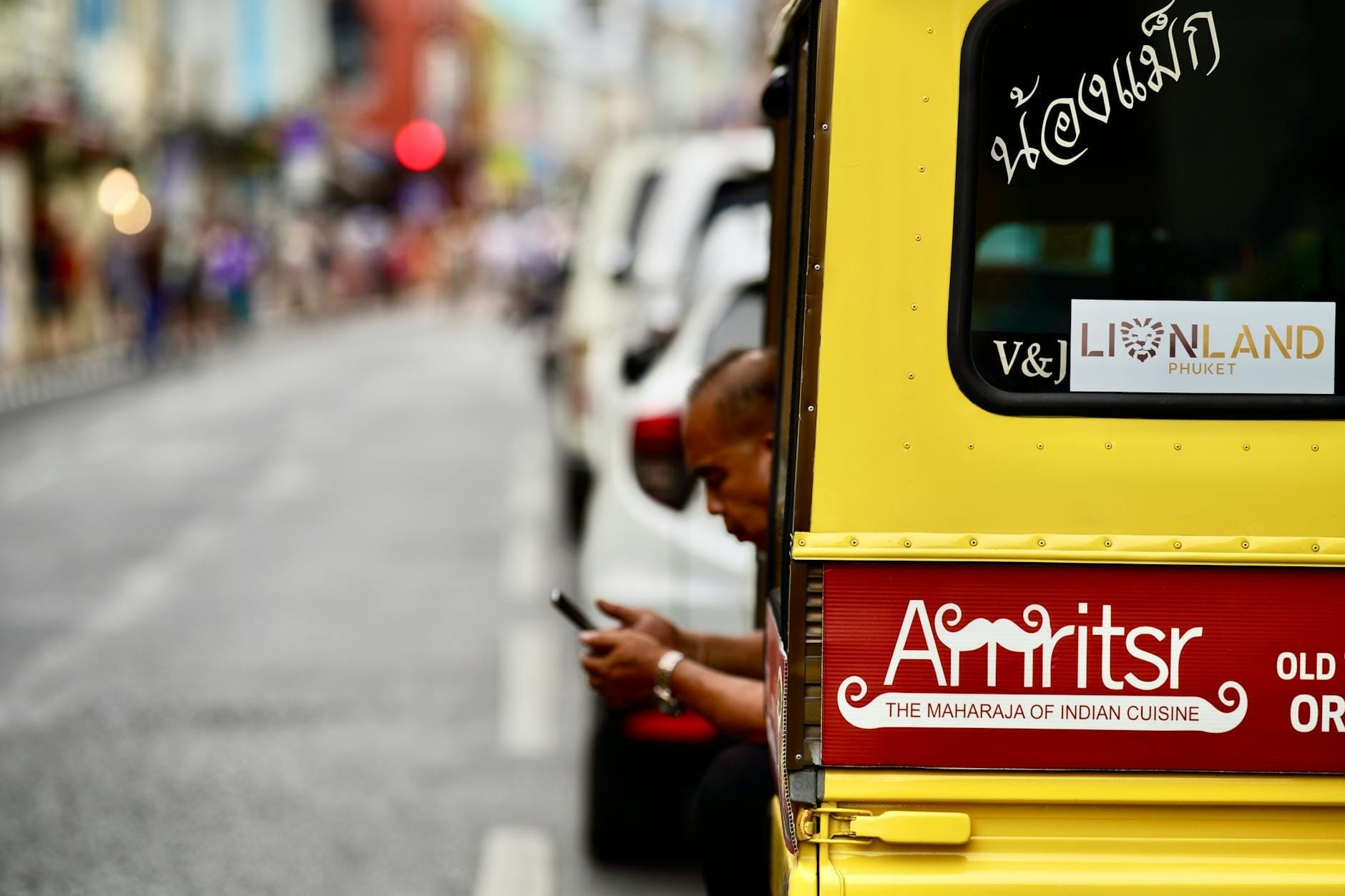
Tuk-tuks in Phuket are not the same as Bangkok's three-wheeled tuk-tuks. Here they are larger, truck-style vehicles. They are convenient and accessible at almost any tourist area, but the pricing is notorious. Even a short 5-minute ride has a minimum fare around 200 THB, and inter-beach trips routinely cost 400-600 THB. Always negotiate and confirm the price before getting in. Drivers rarely initiate the 'correct' tourist price, and pushing back by 20-30% at the start of negotiation is normal practice.
Metered taxis exist at the airport and a handful of taxi stands, but meters are often ignored in favor of flat fares. A legitimate metered taxi starts at 50-100 THB with a per-kilometer rate of roughly 12-15 THB. From the airport, a metered trip to Patong or Phuket Town should come to around 500-600 THB base fare, plus a 100 THB airport surcharge. Drivers frequently quote a flat 800 THB for this same trip. If the meter is running, it is the better deal. If it is not, you are paying for convenience.
⚠️ What to skip
Taxi mafia behavior at Phuket Airport is well-documented. Licensed metered taxis are available at the official taxi counter inside arrivals. Avoid drivers approaching you in the terminal or car park who quote flat rates significantly above 600-700 THB for Patong or Phuket Town.
Grab: The Simplest Way to Get a Fair Price
Grab is the dominant ride-hailing app in Thailand and works reliably across most of Phuket's tourist areas, including Patong, Phuket Town, Kata, Karon, and the airport. The app shows the price upfront, which eliminates negotiation entirely. In practice, Grab prices usually come in 20-40% lower than a negotiated tuk-tuk fare for the same route. Download the app before you leave home, register your payment card, and set your pickup location precisely on the map.
One realistic limitation: Grab drivers sometimes cancel trips near Patong's central tourist areas due to unofficial pressure from local tuk-tuk operators. If this happens, walk one or two streets back from the main beach road and try again. For late-night rides from Bangla Road or after shows like Simon Cabaret, Grab is significantly cheaper than hailing a tuk-tuk at the roadside.
Renting a Scooter or Car: Freedom vs. Risk

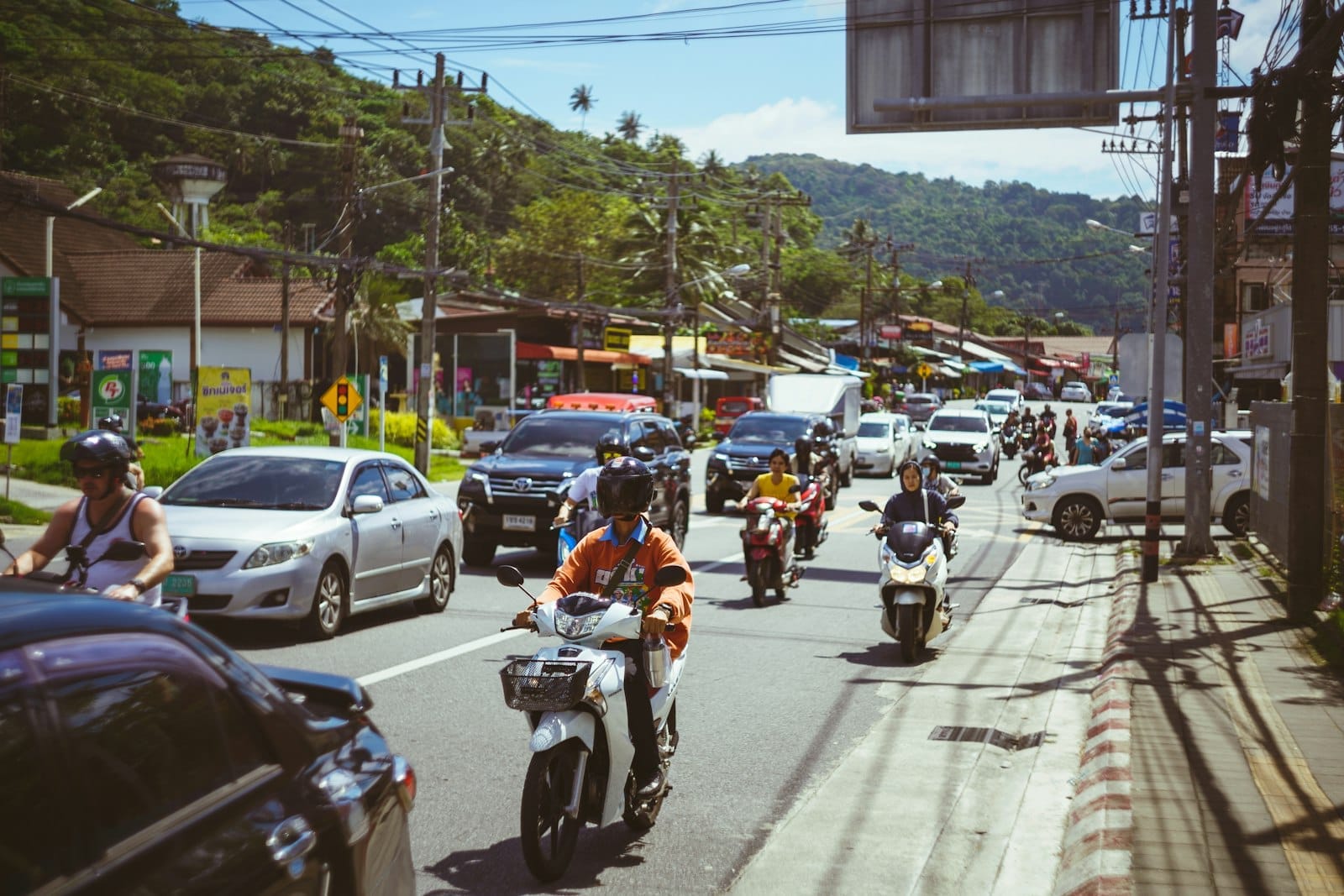
Scooter rental is widely available across the island at 200–400 THB per day for a basic automatic 100-125cc bike. For visitors staying more than three or four days and wanting to explore multiple beaches independently, it is the most flexible and cost-effective option. Phuket's main roads are generally in good condition, and parking is easy compared to any major city.
That said, the risks are real and worth stating plainly. Insurance is almost never included in the rental price. If you crash, the repair bill comes out of your pocket, often starting at 20,000-50,000 THB for bodywork damage. Medical costs are separate. Thai law requires a valid motorbike license (Thai or international). Driving without one means your travel insurance will almost certainly deny any related claim. Phuket's roads also have specific hazards: unexpected speed bumps on resort roads, sandy patches on coastal turns, and motorbike taxis that travel the wrong way on one-way streets.
- Best for experienced riders Scooter rental (200–400 THB/day) gives maximum flexibility for beach-hopping and reaching viewpoints not served by public transport.
- Best for families or groups Car rental (from around 800-1,200 THB/day from local agencies) with air conditioning is significantly safer and comparable in price per person once split.
- Best for short stays or non-drivers Grab app plus the Phuket Smart Bus covers most needs without any rental commitment or insurance risk.
- Best for day trips Private driver or organized tour for routes like Phang Nga Bay or Phi Phi, where you want someone else handling logistics and parking.
For day trips off the island, particularly to Phang Nga Bay or the Phi Phi Islands, organized tours with included transfers are almost always the most practical choice. Attempting these independently requires coordinating ferries, taxis, and return logistics that rarely saves money over a packaged day tour.
Getting from Phuket Airport to Your Hotel
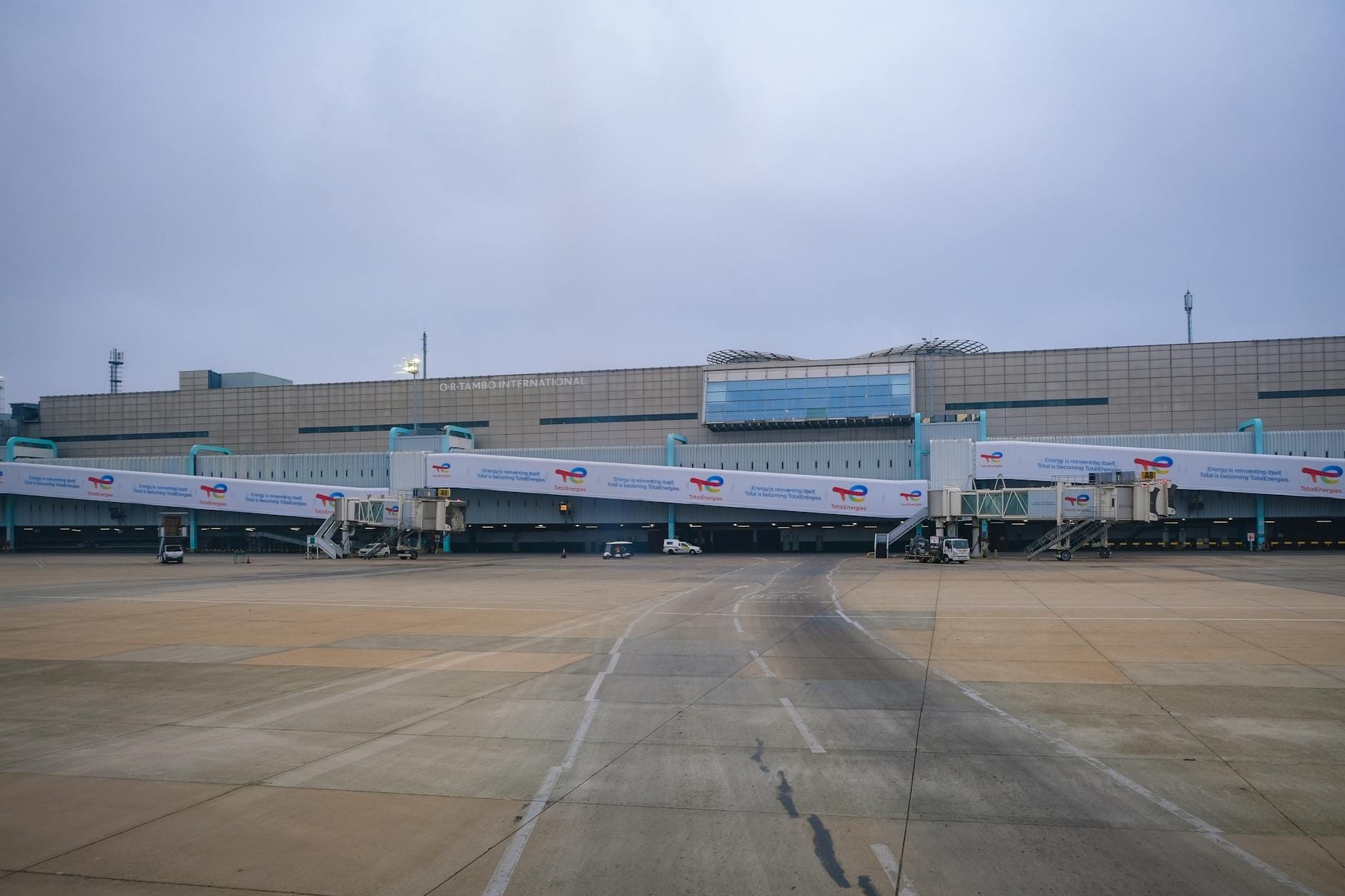
Phuket International Airport (IATA: HKT) sits in the north of the island, about 32 km from Phuket Town and around 40 km from Patong. This means airport transfers take 45-60 minutes under normal conditions and up to 90 minutes during peak traffic. Knowing your options before you land prevents you from overpaying at the taxi desk.
- Smart Bus: 100-170 THB to west-coast beaches. Slowest but cheapest for solo travelers.
- Shared minibus: 100-200 THB, drops multiple passengers. Budget-friendly but adds time.
- Metered taxi: 500-700 THB to Patong or Phuket Town plus 100 THB airport surcharge. Fair if the meter runs.
- Flat-rate taxi desk: Typically 800 THB to Patong or 600-700 THB to Phuket Town. Convenient, predictable.
- Private transfer: 1,000 THB and up. Best for groups of 4+ or late arrivals with lots of luggage.
✨ Pro tip
If you book a private transfer in advance through your hotel or a trusted third-party operator, the price is often comparable to the flat-rate taxi desk and saves you queuing and negotiating after a long flight. For budget travelers, the Smart Bus is genuinely good value if you are heading to a west-coast beach and not in a rush.
Once you are settled, the same principles apply for getting to beaches, markets, and attractions. For Phuket Town's Old Town streets or the Weekend Market, a Grab is usually the most stress-free option. For beaches like Kata or Nai Harn in the south, a day scooter rental or a pre-negotiated tuk-tuk gives you the freedom to leave when you want rather than waiting for a shared vehicle.
FAQ
Is there a public bus from Phuket Airport to Patong?
Yes. The Phuket Smart Bus runs from the airport along the west coast to Patong, Karon, and Kata for 100-170 THB. It departs from outside the arrivals terminal and runs at regular intervals during the day. It is not the fastest option but it is by far the best value for solo travelers.
Is Grab available in Phuket?
Yes, Grab operates across most of Phuket including the airport, Patong, Phuket Town, Kata, Karon, and Kamala. Coverage can be patchy in more remote areas. Download the app and register before you arrive. Prices are shown upfront and are generally 20-40% cheaper than negotiated tuk-tuk fares.
How much does a tuk-tuk cost between beaches in Phuket?
Expect to pay 400-600 THB for rides between popular beaches such as Patong to Karon or Kamala to Surin. The minimum fare for any tuk-tuk ride is around 200 THB. Always agree on the price before getting in, and do not hesitate to negotiate.
Is it safe to rent a scooter in Phuket?
It depends on your experience. Phuket's roads are manageable for confident riders, but accidents involving tourists are common. Insurance is rarely included in rental prices, so any damage or injury costs come out of pocket. You also need a valid motorbike license for travel insurance to be valid. If you are not an experienced rider, Grab and the Smart Bus cover most tourist destinations safely.
How long does it take to get from Phuket Airport to Patong?
Around 45-60 minutes under normal conditions. The airport is in the north of the island and Patong is on the west coast, roughly 40 km away. During morning or evening peak traffic (8-10 AM and 5-7 PM), the same trip can take 75-90 minutes. Book transfers in advance if you have a time-sensitive connection.