Coral Island (Koh Hae): Phuket's Closest Reef Escape
Koh Hae, known to most visitors as Coral Island, is a small island roughly 3 km southeast of Phuket, reachable by speedboat in under 20 minutes from Chalong Pier or Rawai Beach. It offers two sandy beaches, accessible snorkeling over coral reefs, and a range of watersports — without the full-day commitment of Phi Phi or Racha Island.
Quick Facts
- Location
- roughly 3 km southeast of Phuket, off Rawai/Chalong — Rawai-Chalong area
- Getting There
- Speedboat (15–20 min) or long-tail boat from Chalong Pier or Rawai Beach; many tours include hotel pickup
- Time Needed
- 3–6 hours (half or full-day trip)
- Cost
- No island entrance fee; boat tours approx. THB 1,000–2,000/person (verify with operator before booking)
- Best for
- Snorkeling, beach relaxation, watersports, families, short day trips
What Coral Island Actually Is
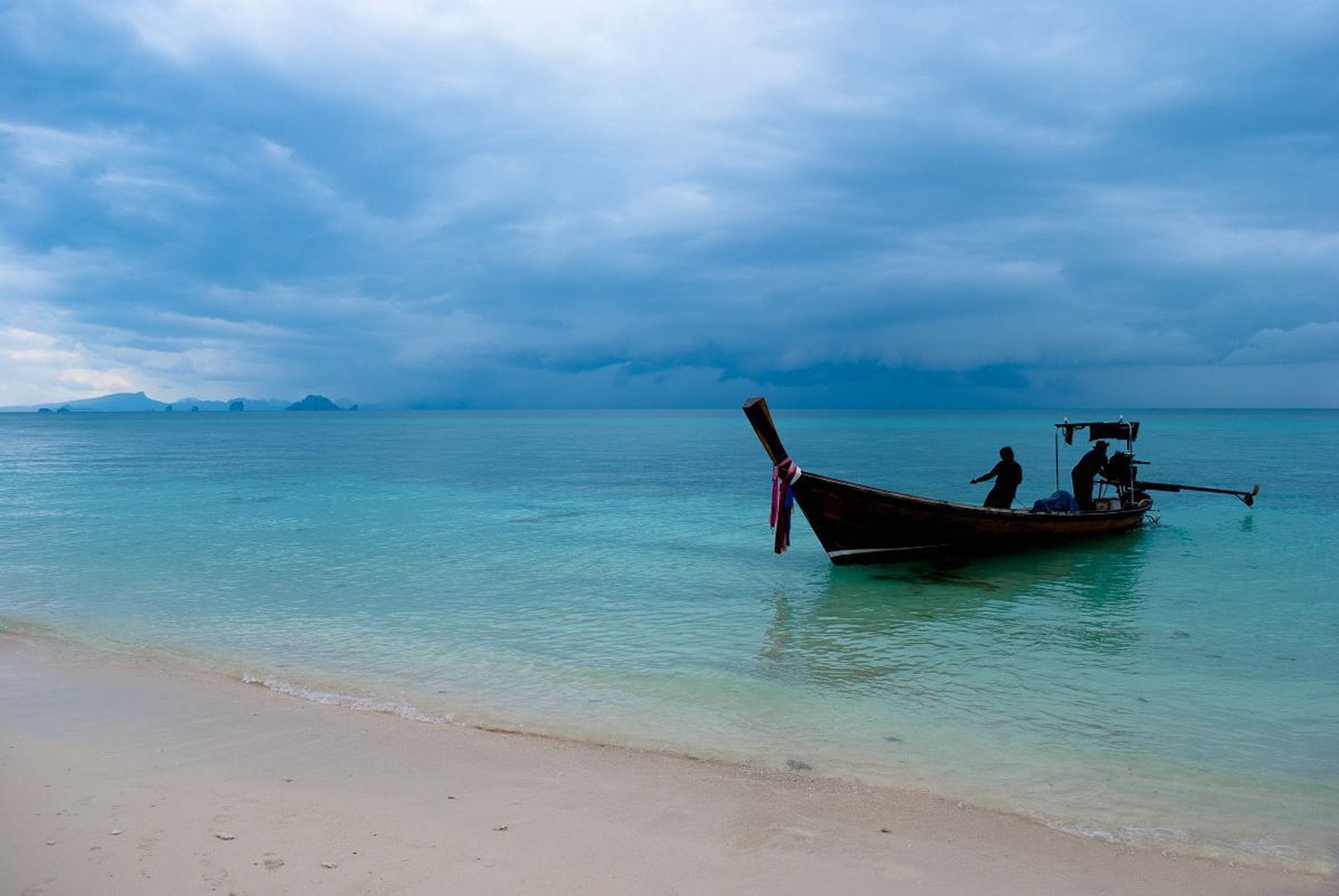
Coral Island — officially Koh Hae (เกาะเฮ) in Thai — is a small island sitting roughly 3 km southeast of Phuket's southern coast. Its name is not entirely accurate by modern standards: the reef systems around the island have suffered degradation over decades of tourism pressure, as they have across much of the Andaman coast. But patches of healthy coral remain, the water is genuinely clear in the dry season, and the beaches are well-maintained relative to the effort required to reach them.
The appeal is convenience. Unlike Phi Phi Islands or Racha Island, which require 45 minutes to over an hour by boat, Koh Hae is reachable in 15–20 minutes by speedboat from Chalong Pier or Rawai Beach. That makes it viable as a half-day trip, leaves room for afternoon plans back on Phuket, and keeps seasickness risk low for those who struggle on longer open-water crossings.
ℹ️ Good to know
Koh Hae has no general island admission fee. What you pay covers the boat transfer and, depending on the package, snorkeling gear, lunch, and watersports. Always confirm what is included before booking — pricing varies significantly between operators.
The Two Beaches: What to Expect at Each
Koh Hae has two main beaches. Long Beach (also known as Hat Yao) is the larger of the two and where the majority of day-trip boats land. It stretches far enough that even on a busy day there is space between groups. The sand is fine and pale, the water graduates from ankle-depth shallows to swimming depth quickly, and sun loungers are available for rent. This is where most organized tours set up, where beach restaurants operate, and where the bulk of watersport rentals happen.
Banana Beach (Hat Kluay Mai) sits on the island's opposite side and is smaller, quieter, and better for snorkeling directly off the shore. The coral patches closer to the rocky headlands at each end of Banana Beach are in better condition than those at Long Beach, and the water is noticeably calmer on most mornings. If your priority is snorkeling over sunbathing, the extra few minutes' walk across the island is worthwhile.
Long Beach is where tours congregate; Banana Beach rewards those who explore independently. For context on other southern Phuket beaches worth comparing, see the guide to Rawai Beach and Nai Harn Beach, both accessible from the same departure points.
Tickets & tours
Hand-picked options from our booking partner. Prices are indicative; availability and final rates are confirmed when you complete your booking.
Coral Island and Koh Bon Private Longtail Boat from Phuket
From 90 €Instant confirmationFree cancellationPhuket Island and Big Buddha Private Tour
From 125 €Instant confirmationFree cancellationFull-day tour to the highlights of Phuket City and its surroundings
From 71 €Instant confirmationFree cancellationFull-day luxury catamaran tour to Phi Phi Islands & Maithon from Phuket
From 146 €Instant confirmationFree cancellation
Snorkeling and Marine Life: Honest Assessment
The reef around Koh Hae is not pristine. Anyone expecting the dramatic coral gardens of more remote Andaman destinations will be underwhelmed. The island sees high boat traffic, and parts of the reef near Long Beach show clear signs of anchor damage and bleaching. Visibility varies by season and recent weather: on calm dry-season mornings (November through April) it can reach 8–12 meters; after heavy rain or during the southwest monsoon (May–October) it drops considerably.
That said, the reef still supports a reasonable variety of reef fish — parrotfish, sergeant majors, clownfish in isolated anemones, and various wrasse species are commonly sighted near the rocky margins of both beaches. For a first-time snorkeler or a family with children, the accessible depth and calm conditions make it one of the more forgiving spots in Phuket's vicinity. Experienced divers or snorkelers should look at Racha Island instead, where the marine environment is considerably richer.
💡 Local tip
Bring your own snorkel mask if you can. Rental gear is available on the island but quality varies, and a well-fitted mask makes a significant difference to the experience. Fins are generally worth renting on-site for the small additional cost.
Getting There: Departure Points and Logistics
The two main departure points are Chalong Pier and Rawai Beach, both in southern Phuket. Chalong Pier is more organized, with dedicated speedboat operators, tour desks, and clear signage. Rawai Beach offers long-tail boats for smaller groups or those who have negotiated directly with a boat captain, which can work out cheaper for a private hire but requires more flexibility on timing.
Most resorts and hotels in the Rawai-Chalong area can arrange tours directly, often including pickup. If you are staying further north near Patong or Karon, expect an additional 30–45 minutes of road travel to reach the pier, which changes the half-day calculation.
Organized speedboat tours typically run in the morning, departing between 8:00 and 10:00. Half-day tours return by early afternoon; full-day trips (less common) include more time for watersports and a beach lunch. Private speedboat charters cost considerably more per person but allow you to control timing and avoid sharing the boat with large groups.
⚠️ What to skip
Koh Hae is best visited November through April. During the southwest monsoon (May–October), seas can be rough, visibility drops, and some operators suspend or scale back trips. The island is technically accessible year-round, but a low-season visit may feel like a different, quieter experience — not necessarily worse, but be realistic about water conditions.
On the Island: Timing, Crowds, and Daily Rhythm
The island's pace follows the boats. Long Beach is quiet before 9:00, when the first speedboats arrive. Between 10:30 and 13:00, this is peak time: multiple tour groups are on the beach simultaneously, the water is dotted with snorkelers, jet skis are running, and the beach restaurants are serving lunch. The beach still has space, but the sense of a secluded escape has largely dissipated by midday.
By 14:00–15:00, the day-trip boats begin returning to Phuket. The beach quiets sharply. If you are on a private charter or have the flexibility to stay later in the afternoon, this is when Koh Hae is at its most pleasant: the light softens, the water is calmer, and the island feels considerably smaller and more personal. Sunrise or early morning is similarly peaceful if you can arrange a very early departure.
Banana Beach tends to be quieter throughout the day simply because it requires a short walk. It rarely reaches the crowd density of Long Beach and is worth the detour during peak hours if you want water time without sharing space.
Watersports, Food, and Practical Facilities
Long Beach has a full range of motorized watersport rentals: banana boats, jet skis, parasailing, and sea kayaks. Prices are set by individual operators on the beach and are worth confirming before committing. The facilities are functional rather than polished — this is a day-trip island, not a resort destination. There are changing rooms and basic toilet facilities, but expect a long-tail boat standard of maintenance.
Several beach restaurants and vendors operate on Long Beach, serving Thai food, seafood, and cold drinks. Prices are higher than mainland restaurants but not unreasonably so for a tourist island. If you are on a tight budget, packing lunch from Rawai or Chalong before departure is a reasonable strategy.
Koh Hae pairs naturally with other activities in the Rawai-Chalong area. Chalong Bay and Wat Chalong are both close to the pier and work well as afternoon stops after returning from the island.
Accessibility and Who Should Skip This Trip
Koh Hae is not suitable for visitors with significant mobility limitations. Boat landings at both beaches involve stepping off a speedboat onto sand or wading through shallow water. There are no docks, gangways, or wheelchair-accessible facilities. The terrain is flat once you are on the beach, but getting there requires physical effort.
Experienced snorkelers and divers who have already explored more developed reef systems will likely find Koh Hae underwhelming. The marine life is present but limited. For anyone who has snorkeled in the Similan Islands, at Racha Island, or around the Phi Phi group, Koh Hae's reef will feel like a step down. It makes most sense as an introduction to Andaman snorkeling, a family beach day, or a short escape for travelers who cannot afford a full-day commitment.
Those willing to invest in a longer boat ride should consider the Racha Island day trip for superior diving and snorkeling, or the Phi Phi Islands for more dramatic scenery and a fuller day-trip experience.
Insider Tips
- Book a morning speedboat rather than a long-tail if the sea is anything other than flat calm. Long-tail boats are slower and lower in the water, and a choppy 30-minute crossing is significantly less comfortable than a 15-minute speedboat ride.
- Walk to Banana Beach immediately after arrival, before the main group settles in at Long Beach. Snorkeling is better near the headland rocks at Banana Beach's northern end, and you will have the water largely to yourself in the first hour.
- If you are booking through a hotel tour desk, ask whether the tour combines Koh Hae with another stop. Some operators include a visit to a second island or a Chalong Bay mangrove, which can add time and value without much extra cost.
- Bring reef-safe sunscreen. Conventional sunscreen chemicals damage the coral reefs that make the island worth visiting, and some operators are beginning to require it. It is also considerate to the marine environment.
- Afternoon light (around 14:00–16:00) is better for underwater photography than midday light. If you are on a private charter with flexibility, snorkeling later in the afternoon often means calmer water, better light angle, and far fewer people in the frame.
Who Is Coral Island (Koh Hae) For?
- First-time snorkelers looking for calm, accessible reef conditions
- Families with young children who want a manageable, short boat ride
- Travelers based in south Phuket wanting a beach day without a long journey
- Those who want a half-day excursion that leaves the afternoon free for Phuket activities
- Couples or small groups who want to charter a private boat for a flexible, uncrowded experience
Nearby Attractions
Other things to see while in Rawai & Chalong:
- Black Rock Viewpoint
Perched at roughly 290 meters above southern Phuket, Black Rock Viewpoint — known in Thai as Pa Hin Dam, or 'Black Rock Cliff' — delivers a sweeping panorama over Nai Harn Beach, Nui Beach, and the open Andaman Sea. It's free, it's rarely crowded, and getting there requires a genuine effort through jungle trails or steep dirt roads. That effort is precisely what keeps it worth making.
- Chalong Bay
Chalong Bay (Ao Chalong) is Phuket's largest and most active boat anchorage, serving as the main departure point for island day trips, dive boats, and yacht charters. It's not a swimming beach, but understanding what it is makes it genuinely useful for any southern Phuket itinerary.
- Nai Harn Beach
Tucked into Phuket's southern tip, Nai Harn Beach offers a rare combination of clear water, genuine calm, and striking natural scenery. At roughly 700 meters long, it stays manageable even in peak season, drawing a mix of long-term expats, families, and travelers who've learned that louder doesn't mean better.
- Promthep Cape
Laem Promthep sits at the absolute southern tip of Phuket Island, where limestone cliffs drop into the Andaman Sea and the horizon stretches unbroken at dusk. Free to enter and open around the clock, it's the island's most iconic spot to watch the sun disappear — if you time it right and manage the crowds.