Elephant Jungle Sanctuary Phuket: What to Expect Before You Book
Elephant Jungle Sanctuary Phuket offers guided, no-riding encounters with rescued elephants in a forested setting near Patong. Here is what the experience actually involves, how it compares to other sanctuaries on the island, and whether it is worth your time.
Quick Facts
- Location
- Kathu District, Phuket, Thailand
- Getting There
- Hotel/airport pick-up available; confirm via official site booking
- Time Needed
- Half-day (typically 3–4 hours including transport)
- Cost
- Prices not listed publicly; check elephantjunglesanctuary.com for current rates in THB
- Best for
- Families, wildlife ethicists, first-time visitors to elephant experiences
- Official website
- elephantjunglesanctuary.com
What Elephant Jungle Sanctuary Phuket Actually Is
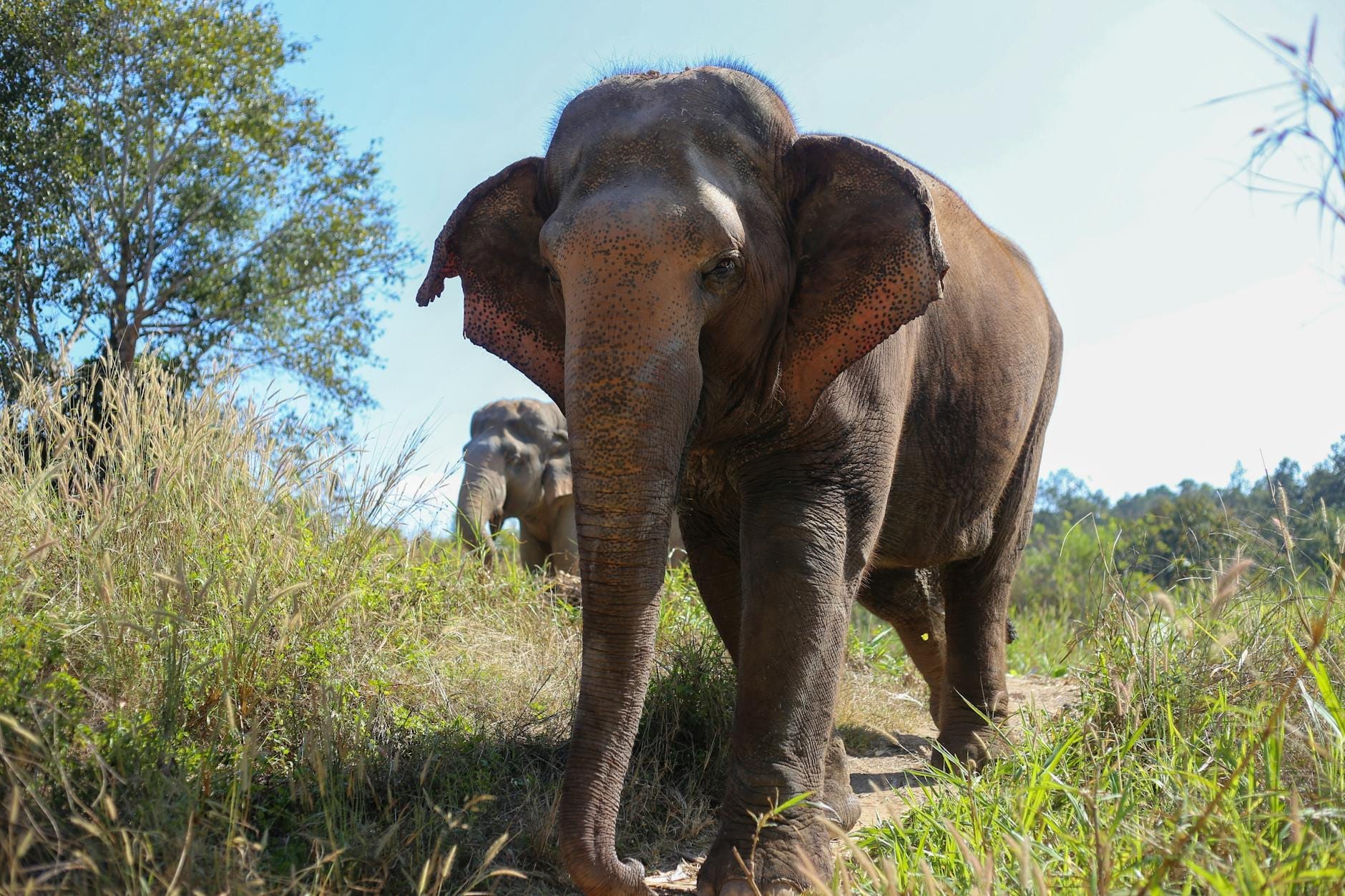
Elephant Jungle Sanctuary Phuket is part of a wider network of ethical elephant sanctuaries operating across Thailand. The Phuket location sits within the Kathu district, close to the Patong area, making it one of the more accessible elephant experiences on the island without requiring a full-day journey to the north.
The core principle here is observation and interaction without riding. Guests walk alongside elephants in a forested setting, feed them fruit, and in some program tiers, assist with bathing. There are no bullhooks, no performance shows, and no elephant rides. The sanctuary markets itself explicitly as a rescue and rehabilitation environment, housing elephants that were previously used in tourism or logging.
ℹ️ Good to know
Note for researchers: Elephant Jungle Sanctuary Phuket is a separate operation from Phuket Elephant Sanctuary (www.phuketelephantsanctuary.org), which opened in 2016 and is located in Paklok in the north of the island. Both follow ethical, no-riding models but operate independently. Make sure you are booking the correct sanctuary for your preferred location.
The guides speak English and walk groups through the context of each elephant's history, the sanctuary's rehabilitation approach, and basic elephant behavior cues. This educational layer is what separates a sanctuary visit from a simple animal encounter, and the quality of that narration shapes much of how the experience feels.
The Visit, Step by Step
Most guests are collected from their Phuket hotel by minivan in the early morning. The drive to the sanctuary takes roughly 20 to 40 minutes depending on your starting point. On arrival, the group is briefed on the sanctuary's rules, the elephant residents, and what the session will involve. You change into sanctuary-provided clothing to avoid exposing elephants to strong detergents or synthetic fabrics.
The forest setting means the ground is uneven and often muddy after rain, particularly from May through October during Phuket's wet season. Closed shoes or sandals with good grip are strongly recommended. Light, quick-dry clothing is practical since the bathing component, offered in certain programs, leaves you wet and the humidity is high year-round.
The feeding session is usually the first hands-on moment: baskets of bananas, sugarcane, and pineapple are distributed and guests approach the elephants one at a time under guide supervision. Elephants here are accustomed to human presence, so the interactions feel calm rather than anxious on either side. The walk through the forest follows, where guides point out natural behaviors and individual elephant personalities.
💡 Local tip
Bring a dry bag or a sealed waterproof case for your phone if you plan to join a bathing program. Splashing is enthusiastic and camera damage is a real risk.
Tickets & tours
Hand-picked options from our booking partner. Prices are indicative; availability and final rates are confirmed when you complete your booking.
Ethical Elephant Sanctuary feeding experience
From 21 €Instant confirmationFree cancellationPhuket Island and Big Buddha Private Tour
From 125 €Instant confirmationFree cancellationGuided elephant nature walk tour with transfer
From 50 €Instant confirmationFree cancellationFull-day tour to the highlights of Phuket City and its surroundings
From 71 €Instant confirmationFree cancellation
Morning vs Afternoon: How the Experience Changes
Morning sessions, which begin around 7:00 or 8:00 AM, tend to be the most active. Elephants are energetic before the heat of the day peaks, interactions feel more dynamic, and the forest light is better for photography. The air temperature is also considerably more comfortable, which matters when you are walking through humid jungle terrain for several hours.
Afternoon slots, for those whose schedules require them, coincide with Phuket's most intense heat and humidity, typically between noon and 3:00 PM. Elephants may be more lethargic, and the experience can feel slower. If you have flexibility, book the earliest available slot. Program start times will be confirmed at booking.
Is This Sanctuary Actually Ethical? What to Look For
The question of elephant sanctuary ethics in Thailand is complicated, and any responsible traveler should think critically before booking. The markers of a genuinely ethical operation are consistent: no riding, no performance behaviors (painting, football shows, tricks), adequate space for natural movement, a clear rescue or rehabilitation mission, and guides who can speak credibly about individual elephant histories.
Elephant Jungle Sanctuary Phuket meets the no-riding and no-performance criteria publicly and explicitly. Group sizes matter too. Smaller groups allow for more attentive guiding and less crowding around the elephants. When researching or booking, ask directly about maximum group size per session and whether multiple groups share the same elephants simultaneously.
It is worth acknowledging what is less clear: independent verification of welfare standards at any commercial sanctuary is difficult for a casual visitor. The experience will tell you something: alert, healthy-looking elephants that move freely and are not chained between sessions are positive signs. An overly choreographed, timed encounter where elephants are constantly paraded before groups should raise questions regardless of the marketing language.
⚠️ What to skip
Avoid any elephant attraction in Phuket or elsewhere in Thailand that offers riding, painting demonstrations, or tricks. These behaviors require training methods that cause harm and are incompatible with genuine sanctuary operations.
Getting There and Practical Logistics
The sanctuary offers hotel and airport pick-up and drop-off, which is the most practical option for most visitors since the Kathu location is not easily reached by public songthaew from beach areas like Patong Beach or Karon. Confirm collection details and timing directly through the booking process on the official site.
If you are arranging your own transport, Grab is available in Phuket and can be used for the outward journey, though getting a return Grab from a rural jungle location may be unreliable. The sanctuary's included transport is genuinely the easier choice here.
Ticket prices are not listed publicly on the site and should be checked directly at elephantjunglesanctuary.com before booking. Costs are payable in Thai Baht (THB). If you are planning a broader Phuket trip, pairing this with a morning at a nearby beach or a visit to Wat Chalong later in the day makes logistical sense given the central island location.
Photography and What to Bring
The forested setting provides natural, dappled light that works well for photography when the sun is at a low angle, particularly in the morning hours. Bring a camera or phone with a wide-angle mode since you will be in close proximity to large animals and narrow jungle paths. A zoom lens or telephoto is less useful here than it would be at a wildlife park.
Beyond the camera, pack insect repellent, a small towel if you plan to bathe with the elephants, and a change of clothes. Sunscreen should be reef-safe and ideally applied before arrival rather than at the sanctuary, as chemical sunscreens can irritate elephant skin during close contact. The sanctuary may have its own guidelines on this, which should be confirmed at booking.
For those building a wildlife-oriented Phuket itinerary, it is worth checking the things to do in Phuket guide for a fuller picture of outdoor and nature activities across the island.
Who Might Not Enjoy This Experience
If you are expecting a high-adrenaline or visually dramatic wildlife encounter, an ethical sanctuary visit is not that. The experience is deliberately calm and slow-paced. Guests who come hoping to ride elephants or see trained performances will find the sanctuary's approach limiting by design.
Visitors with significant mobility challenges should contact the sanctuary directly before booking. The terrain includes uneven forest paths and wet ground near bathing areas, which may be difficult to navigate without assistance. No specific accessibility information is currently available on the official site.
Very young children under the age of five may find the scale of the animals overwhelming at close range, though many families with children aged six and above report positive experiences. Check the sanctuary's own age or height restrictions before booking for young travelers.
Insider Tips
- Book directly through the official site rather than third-party aggregators to ensure you have the most current program options and pricing. Aggregator listings can be out of date.
- Ask the sanctuary at booking time what the maximum group size is for your session. A group of six feels very different from a group of twenty when you are standing next to an elephant.
- Wear your oldest, most disposable clothes for the bathing component. The mud and water do not come out of light-colored fabric cleanly, and the sanctuary-provided tops only cover part of your outfit.
- Morning light before 9:00 AM gives the best photographs in the forest. If the itinerary offers any flexibility on session start time, choose the earliest slot.
- If your primary goal is verifiable, independently audited welfare standards, research both this sanctuary and the Phuket Elephant Sanctuary (Paklok location) before deciding. Both operate ethically by publicly stated standards, but their locations, group sizes, and program structures differ.
Who Is Elephant Jungle Sanctuary Phuket For?
- Families with children aged 6 and above looking for a hands-on wildlife experience
- Travelers who want an elephant encounter but will not compromise on ethical standards
- First-time visitors to Thailand who want context and English-language guidance alongside the experience
- Photographers who prioritize natural, forested settings over zoo-style enclosures
- Travelers spending time in the central Phuket area who want a half-day nature activity
Nearby Attractions
Combine your visit with:
- Carnival Magic Phuket
Carnival Magic is Phuket's largest purpose-built entertainment park, a US$150 million Thai carnival experience set on 40 acres in Kamala. Featuring 40 million lights, a 2,200-seat River Carnival show, and 9 Guinness World Records, it is designed for families and first-time visitors who want spectacle on a grand scale. Here is everything you need to decide if it earns a spot in your itinerary.
- Hong Island (Koh Hong)
Koh Hong is a limestone island within Than Bok Khorani National Park, about 30 minutes by boat from Ao Nang. It offers a sheltered beach, a tidal lagoon accessible only by dinghy, and a steep 420-step viewpoint with sweeping Andaman Sea views. Day trips from Phuket make it a feasible, if long, excursion.
- Maya Bay
Maya Bay on Koh Phi Phi Leh is one of Thailand's most photographed spots, sheltered by sheer limestone cliffs and reached by a short walk through jungle from Loh Samah Bay. Visitor numbers are now capped, swimming is restricted to knee-deep water, and a seasonal closure runs August through September each year. Here's what the experience actually involves, and how to make the most of it.
- Phi Phi Islands
The Phi Phi Islands are six limestone islands in the Andaman Sea, part of a national park that includes the famous Maya Bay. Reachable by speedboat or ferry from Phuket, they range from a lively backpacker hub on Koh Phi Phi Don to an uninhabited cliff-ringed island that hosted one of cinema's most recognizable beach scenes. Here is what you actually need to know.