Things to Do in Phuket: The Complete Activity Guide
Phuket is far more than beaches and Patong nightlife. This guide covers the best things to do across the entire island — temples, islands, food markets, viewpoints, water parks, and cultural attractions — with honest advice on what to skip and what to prioritize based on your travel style.
Plan and book this trip
Tools from our partner Travelpayouts help you compare flights and hotels. If you book through them, we may earn a commission at no extra cost to you.
Flights
Hotels map
TL;DR
- Phuket's top things to do span beach days, temple visits, island-hopping day trips, cultural walks in the Old Town, and a surprisingly good food scene.
- The dry season (November to April) is peak time for boat trips and outdoor activities — see the best time to visit Phuket for a month-by-month breakdown.
- Phuket is roughly 70% mountainous jungle — not all sand. Temples, viewpoints, and hill trails are underutilized by most visitors.
- Skip the overpriced tiger photo ops. The ethical wildlife option is the Elephant Jungle Sanctuary.
- Plan your base carefully — where you stay in Phuket determines how much time you waste in traffic.
Beaches: More Than Just Patong
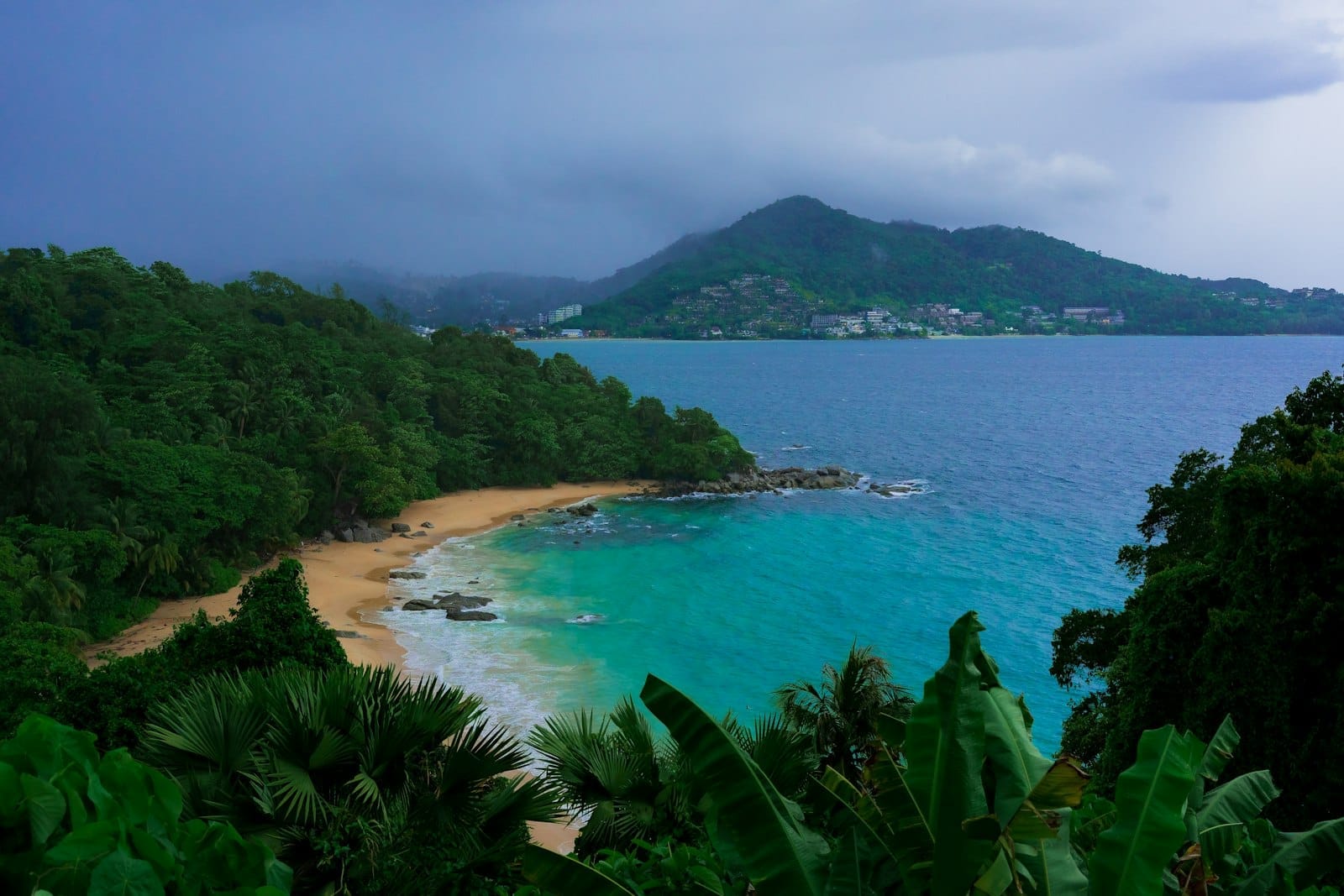
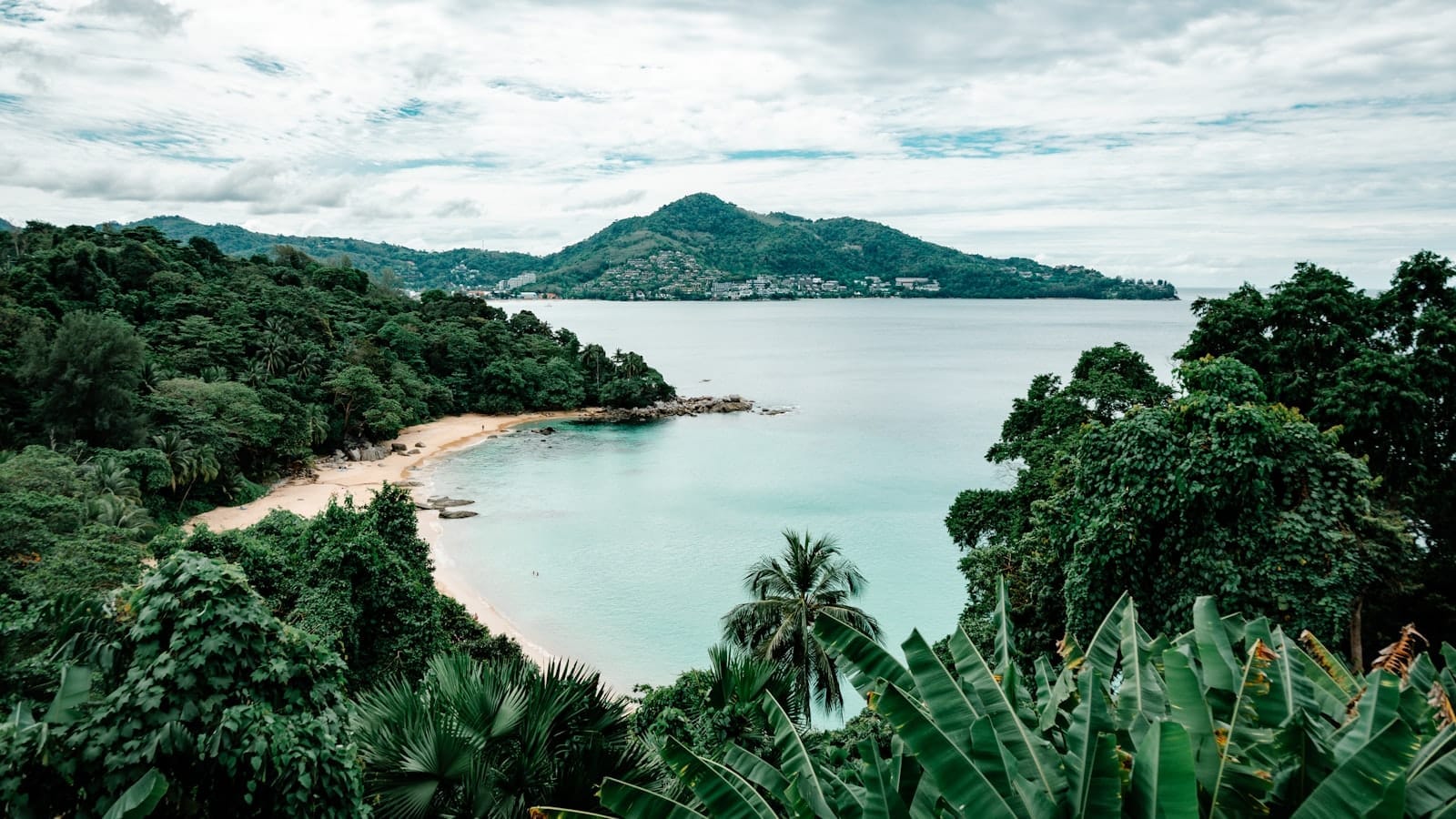
Most first-timers default to Patong Beach — the island's biggest and loudest stretch of sand. It delivers: 3 km of beach, watersports vendors, and constant activity. But it also delivers crowded sun loungers, hawkers, and jet ski touts who are notorious for overcharging. If Patong is your only beach, you're missing the island.
The southwestern coast around Kata and Karon offers a calmer alternative. Kata Yai has surf-worthy waves between May and October, while Kata Noi — a smaller cove just south — stays relatively uncrowded even during high season. Karon is long and wide, and the water tends to be cleaner than Patong's.
For genuinely quieter beaches, head north to Surin Beach or Bang Tao, which stretches nearly 8 km and backs onto upscale resorts without the souvenir-shop congestion. At the island's far north, Mai Khao Beach runs 11 km with almost no development — sea turtles nest here between November and February.
⚠️ What to skip
Red flags at the beach: Jet ski scams are well-documented at Patong. Operators may claim pre-existing damage and demand THB 10,000-30,000 on the spot. Always photograph the jet ski before riding and use operators with official vests. When in doubt, skip it.
- Patong Beach Largest beach, best for watersports and nightlife proximity. Crowded November to March.
- Kata Noi Small, scenic cove south of Kata. Best for calm swimming. Gets busy by 10 AM in peak season.
- Freedom Beach Access by longtail boat only — 10 minutes from Patong pier. One of the clearest waters on the west coast.
- Nai Harn Popular with expats and long-stay visitors. Good reef snorkeling at nearby Ya Nui.
- Kamala Beach Family-friendly, quieter pace, strong local community feel north of Patong.
Island Day Trips: Phi Phi, Phang Nga, and Beyond
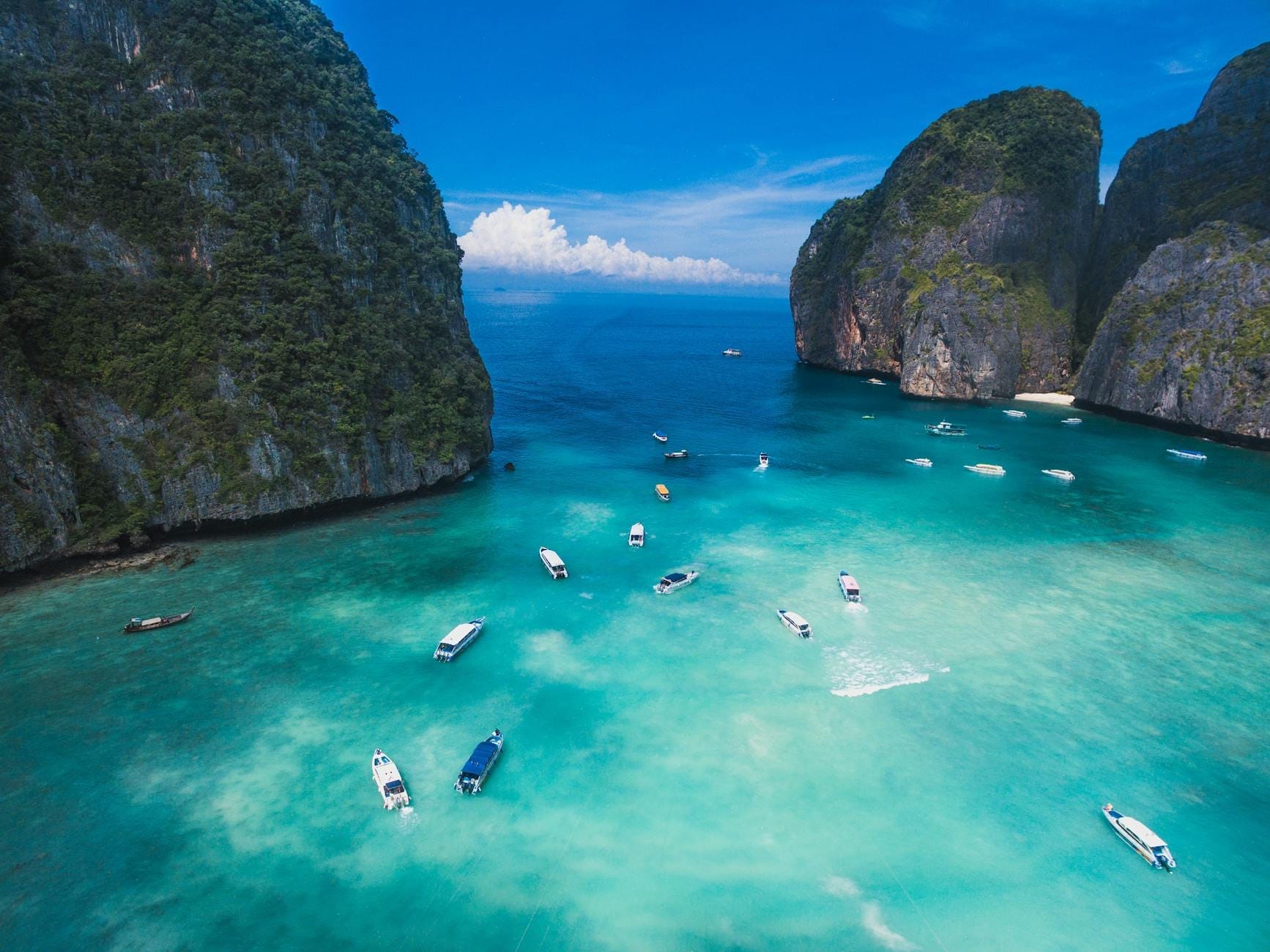
The day-trip scene from Phuket is one of the best in Southeast Asia. The Phi Phi Islands are the headline act: dramatic limestone cliffs, turquoise water, and the now-famous Maya Bay — which reopened after a multi-year closure to allow reef recovery. Speedboat transfers from Phuket take around 45 minutes. The bay gets extremely crowded between 10 AM and 2 PM; tours that arrive before 9 AM or after 3 PM offer a noticeably better experience.
James Bond Island — officially Khao Phing Kan — sits inside Phang Nga Bay and is best visited as part of a full Phang Nga Bay tour. The sea cave kayaking through mangroves and limestone formations is genuinely memorable; the James Bond film-set photo stop itself is anticlimactic. Combine both into one day for maximum value.
For snorkeling, Racha Island (Koh Racha Yai) is consistently rated above the Phi Phi crowds for water clarity and marine life. It sits about 20 km south of Phuket and is reachable in 45 minutes by speedboat. Coral Island (Koh Hae) is closer and cheaper to reach, but the coral has seen some degradation in recent years, though the reefs still offer reasonable snorkeling.
💡 Local tip
Book island-hopping tours at least a day ahead during peak season (December to February). Last-minute bookings often get bumped to overcrowded group tours. Smaller group sizes (under 12 people) make a real difference on sea cave kayaking trips.
Temples, Culture, and the Phuket You're Probably Skipping
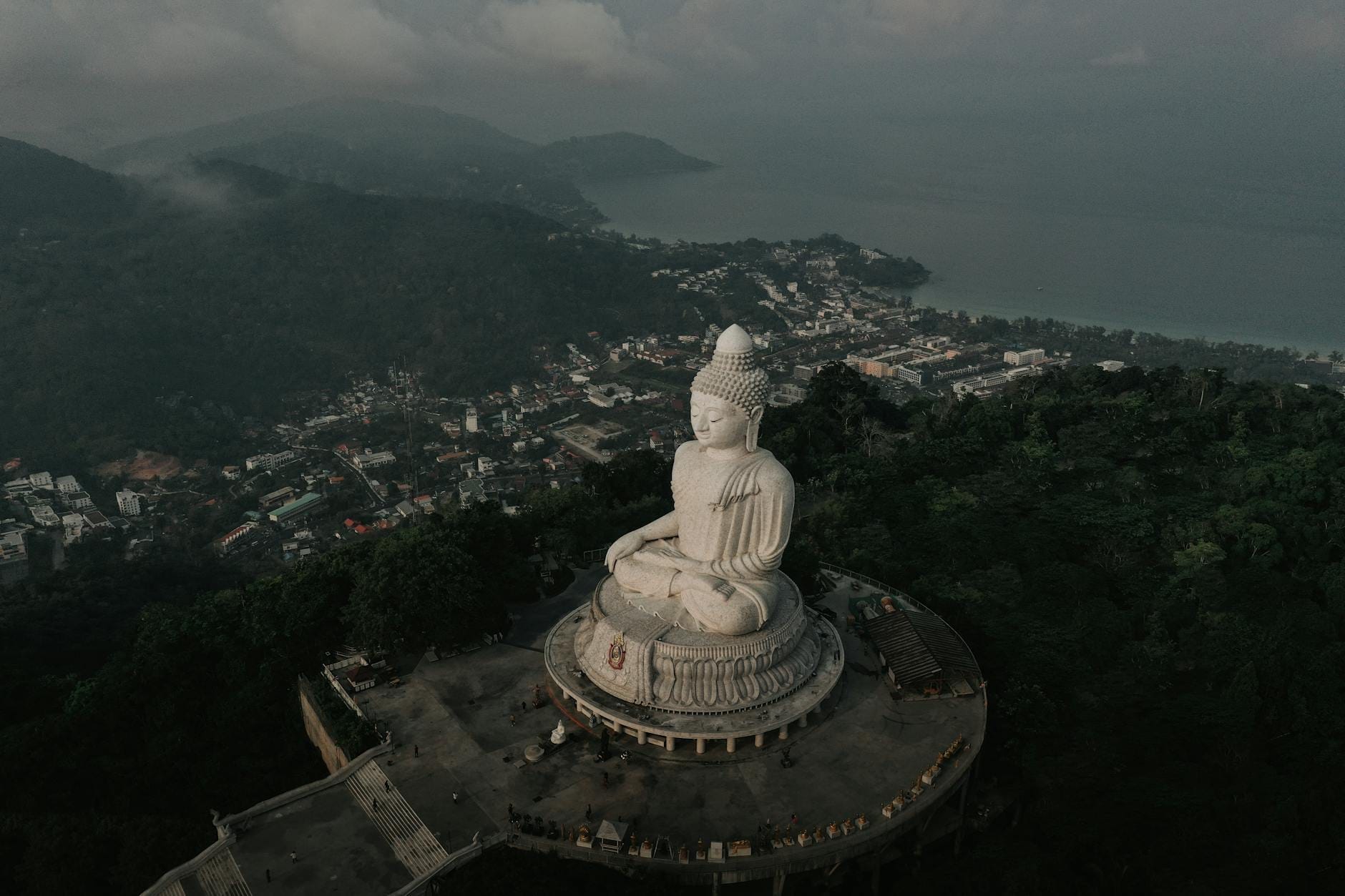
The Big Buddha on Nakkerd Hill is the most visible landmark on the island — a 45-meter white marble statue formally named Phra Phutta Ming Mongkol Eknakiri. Entry is free. The views over Chalong Bay and the southern coast from 400 meters elevation are among the best on the island. Go early morning (before 9 AM) or late afternoon to avoid tour buses and midday heat. Note: monkeys near the exit area are bold and have learned to associate visitors with food. Don't carry snacks in open bags.
Wat Chalong is Phuket's most important Buddhist temple and worth more than the 20 minutes most visitors give it. The centerpiece is a 60-meter chedi (pagoda) said to contain a bone fragment of the Buddha. The interior murals depicting scenes from the Buddha's life are detailed and worth examining. Dress code is strict: cover shoulders and knees, remove shoes before entering buildings. Entry is free.
Phuket Old Town is an architectural district unlike anywhere else in Thailand. The two-story Sino-Portuguese shophouses along Thalang, Dibuk, and Phang Nga roads were built during the tin-mining boom of the 19th century. The area holds a UNESCO Creative City of Gastronomy designation. The Old Town streets reward slow exploration: coffee shops in restored shophouses, street murals commissioned since 2013, shrines tucked between commercial buildings. On Sunday evenings, the Lard Yai Walking Street market sets up from around 4 PM along Thalang Road.
ℹ️ Good to know
The Phuket Vegetarian Festival (usually October) is one of Thailand's most intense cultural events. Devotees perform acts of ritual self-mortification as part of a nine-day ceremony rooted in Chinese Taoist traditions. The street processions are extraordinary to witness — and confronting for some visitors. Check local calendars for exact dates as it follows the Chinese lunar calendar.
Viewpoints, Nature, and Getting Off the Beach
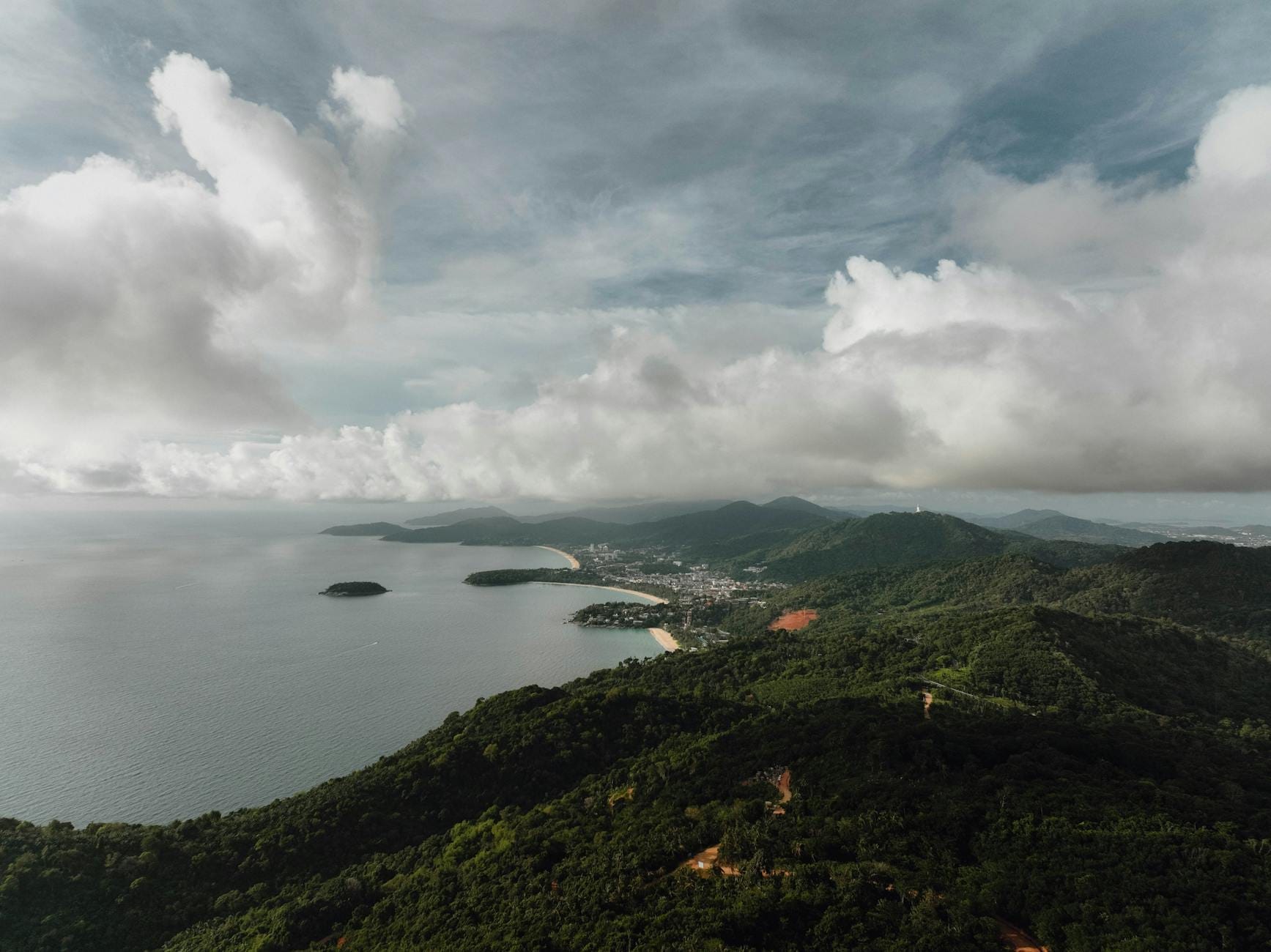
Phuket's interior is largely forested hills, and several viewpoints offer perspective on just how large and varied the island is. Karon Viewpoint (also called Three Beaches Viewpoint) overlooks Kata Noi, Kata Yai, and Karon simultaneously from a height of around 200 meters. It's accessible by scooter or car, well-signed, and free. Arrive just before sunset for golden light on the bays below.
Promthep Cape at the island's southern tip is the most popular sunset spot on Phuket. That popularity is a double-edged sword: the views across the Andaman Sea are genuinely dramatic, but the cape is packed with tour buses by 5:30 PM. If crowds bother you, the Windmill Viewpoint nearby is quieter and catches the same sunset light.
For active travelers, the island's jungle interior has hiking trails around Khao Phra Thaeo National Park in Thalang district — one of the last remaining pockets of virgin forest in Phuket. The Bang Pae Waterfall trail is the main tourist route (about 1 hour return), but the forest is interesting year-round for birding. The trails are best between November and April; during monsoon season, leeches and slippery surfaces make hiking much less pleasant.
Entertainment, Nightlife, and Themed Attractions
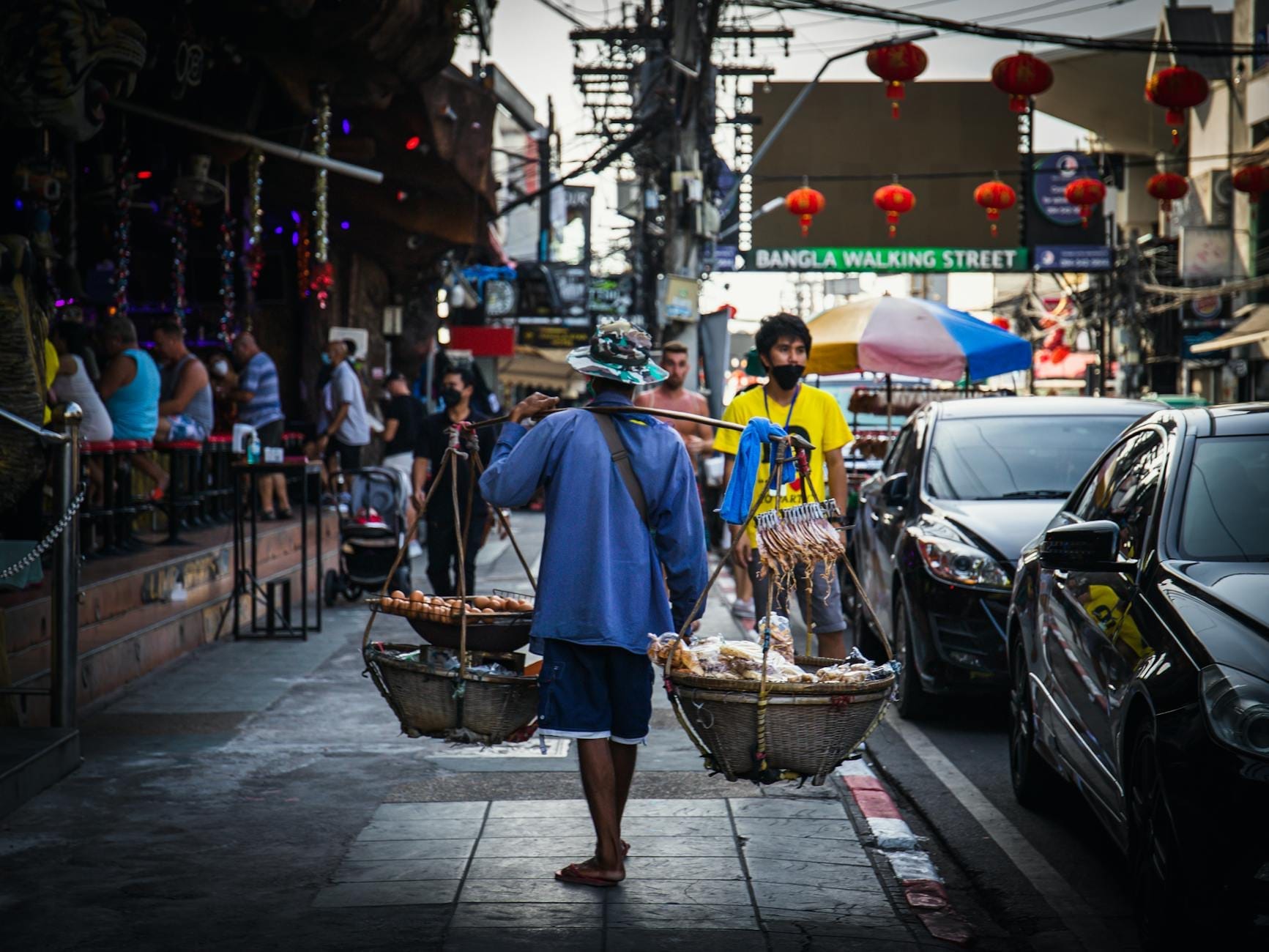
Bangla Road in Patong is the island's most concentrated nightlife strip. It goes pedestrian-only after around 9 PM and runs until well past midnight with open-air bars, clubs, and live music venues. It is extremely loud, very crowded, and not representative of Phuket as a whole — but it delivers exactly what it promises. For a less chaotic night out, the bar streets in Patong's side sois (small lanes) off Bangla offer a slightly lower-key version of the same scene.
Several large-scale cultural shows operate nightly. Simon Cabaret is Phuket's longest-running ladyboy cabaret — a 90-minute costumed performance with a professional production standard that surprises most first-timers. Tickets typically run THB 800-1,000. Phuket FantaSea is a larger theme park experience combining Thai cultural performances with acrobatics and elephants (note: the elephant component draws criticism from animal welfare advocates). Siam Niramit offers a more culturally focused theatrical show about Thai history and mythology.
Andamanda Phuket is the island's major water park, opened in 2022 with a Thai mythology theme. It operates multiple wave pools and slide complexes and is well-suited for families or anyone wanting a full day of structured water-based activity. Admission runs approximately THB 1,000-1,500 for adults; check the official site for current pricing and seasonal operating hours.
- Elephant Jungle Sanctuary Ethical elephant experience in a semi-wild setting. No riding. Book in advance — it consistently sells out.
- Phuket Weekend Market (Naka Market) Large local market Saturday and Sunday evenings. Strong on street food and local goods rather than souvenirs.
- Karon Temple Market Smaller Tuesday, Thursday, and Sunday night market near Karon Beach. Less tourist-oriented, better prices on food.
- Phuket Wake Park Cable wakeboarding at Kathu. Suitable for beginners, open most of the year, a good option for those bored of beaches.
- Chalong Bay Rum Distillery Working distillery in the south producing Thai rum from local sugarcane. Free tours with tastings run several times daily.
Practical Logistics: Getting Around and Timing Your Activities
Phuket has no rail or metro system. The main public transport options are songthaews (shared pickup trucks running fixed routes), metered taxis, and Grab (the regional ride-hailing app). Songthaews are cheap — typically THB 30-50 per ride on main routes — but they run on their own schedule and don't serve all areas. For anything off the main coastal road, you'll need a private vehicle. See the full guide to getting around Phuket for route-specific advice.
Renting a scooter (around 200–400 THB per day) is the most flexible option for solo travelers or couples who are comfortable riding. Phuket's roads are generally good but drivers are fast and accidents involving tourists are common. An international driving permit is technically required for motorcycles over 50cc. If you prefer a car, rental rates start around THB 900-1,200 per day from airport operators. Fuel is inexpensive compared to European standards.
Timing matters as much as transport. Most temple sites open from around 6 AM and are best visited before 10 AM, both for cooler temperatures and thinner crowds. Island day trips leave from Rassada Pier (near Phuket Town) and from Ao Po Grand Marina in the north. Check departure times when booking — most speedboat tours leave by 8-8:30 AM and return by 5-6 PM. Beach activity rentals and food stalls set up by 9 AM across the western coast.
✨ Pro tip
If you're based in the south (Rawai, Nai Harn, Kata), use Chalong Pier for Racha Island trips rather than the main Rassada Pier near Phuket Town. It cuts 20-30 minutes off your boat transfer each way and the pier is significantly less chaotic.
FAQ
How many days do you need in Phuket to see the main highlights?
Five to seven days is the practical minimum for a balanced trip that includes beach time, one or two island day trips, Phuket Old Town, and at least one temple visit. Three days is possible but forces choices — pick either the islands or the cultural side of the island, not both. Two weeks suits anyone who wants to explore the north, do multiple day trips, and genuinely relax between activities.
What can you do in Phuket that isn't a beach or a bar?
More than most people realize. Phuket Old Town is a genuine cultural district with architecture, food markets, and history. Wat Chalong and the Big Buddha are free and substantive. Khao Phra Thaeo National Park has jungle hiking. The Chalong Bay Rum Distillery offers guided tours and tastings. Phang Nga Bay kayaking is one of the best day trips in Thailand. The island's interior has hills, temples, and rubber plantations that most visitors never see.
Is Phuket worth visiting during the rainy season?
Yes, with realistic expectations. May to October brings lower prices, fewer tourists, and lush green landscapes. The downside is that many boat trips to Phi Phi and the outer islands are cancelled due to rough seas, particularly from June to August. If island-hopping is a priority, the rainy season is a genuine limitation. For Old Town exploration, temple visits, and food-focused travel, rain is a minor inconvenience rather than a dealbreaker.
What is the best area of Phuket to base yourself in?
It depends on priorities. Patong puts you closest to nightlife and watersports but comes with noise and crowds. Kata and Karon balance beach access with a calmer atmosphere. Kamala and Surin suit families and travelers who want good beaches without the party scene. Phuket Old Town works well for culturally focused travelers who don't need daily beach access. The north (Bang Tao, Mai Khao) is best for luxury resorts and quiet stretches of sand.
Are there things to do in Phuket that are suitable for families with young children?
Quite a few. Andamanda Water Park is purpose-built for families with slides and wave pools across multiple age groups. Elephant Jungle Sanctuary offers child-friendly encounters. The calmer beaches (Kata, Kamala, Bang Tao) have gentle surf suitable for young swimmers. Phuket Old Town's Sunday walking market is good for an evening with children. Most island day trips are accessible for kids aged 5 and up, though long boat crossings in chop can be rough.