Where to Stay in Phuket: The Complete Area-by-Area Guide
Picking the right area to stay in Phuket shapes your entire trip. This guide breaks down every major neighborhood, from lively Patong to peaceful Mai Khao, with honest assessments of who each area suits, what to budget, and what to avoid.
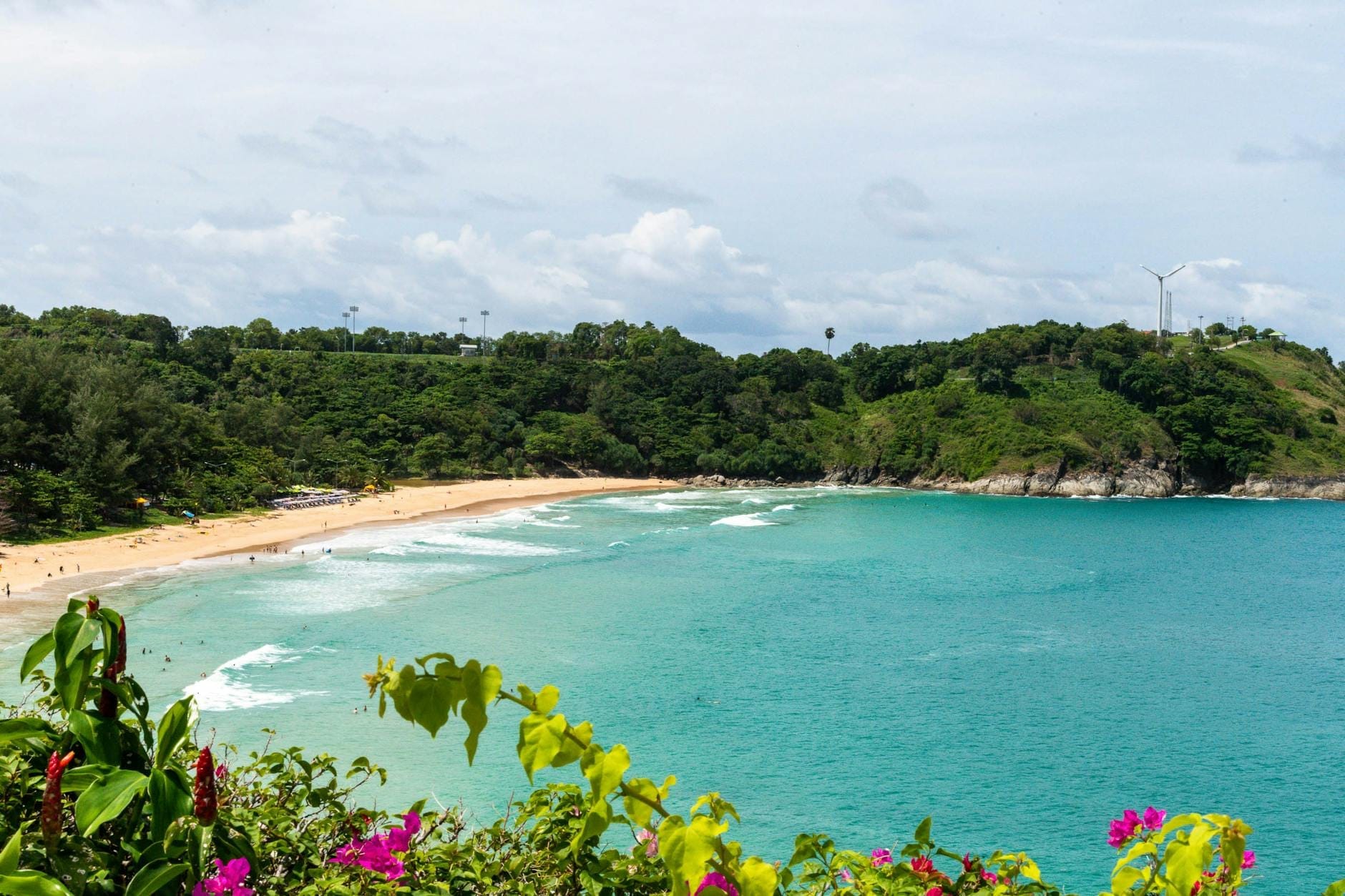
Plan and book this trip
Tools from our partner Travelpayouts help you compare flights and hotels. If you book through them, we may earn a commission at no extra cost to you.
Flights
Hotels map
TL;DR
- Phuket has six distinct stay zones, each with a very different character: Patong (nightlife), Karon and Kata (families), Kamala and Surin (upscale quiet), Bang Tao (resort strip), Phuket Old Town (culture), and Mai Khao (remote luxury).
- High season runs November to April with calmer seas and peak prices; see the best time to visit Phuket for a full seasonal breakdown.
- Budget beds start around THB 400-600 per night in Phuket Town and Kata; luxury pool villas on the west coast range from THB 8,000 to well over THB 30,000.
- Phuket is a large island (543 km²), so staying in the wrong area adds 30-60 minutes of driving to every activity.
- Patong is the most marketed area but suits fewer travelers than you might expect — families, couples, and culture seekers are usually better placed elsewhere.
Why Your Area Choice Matters More Than Your Hotel
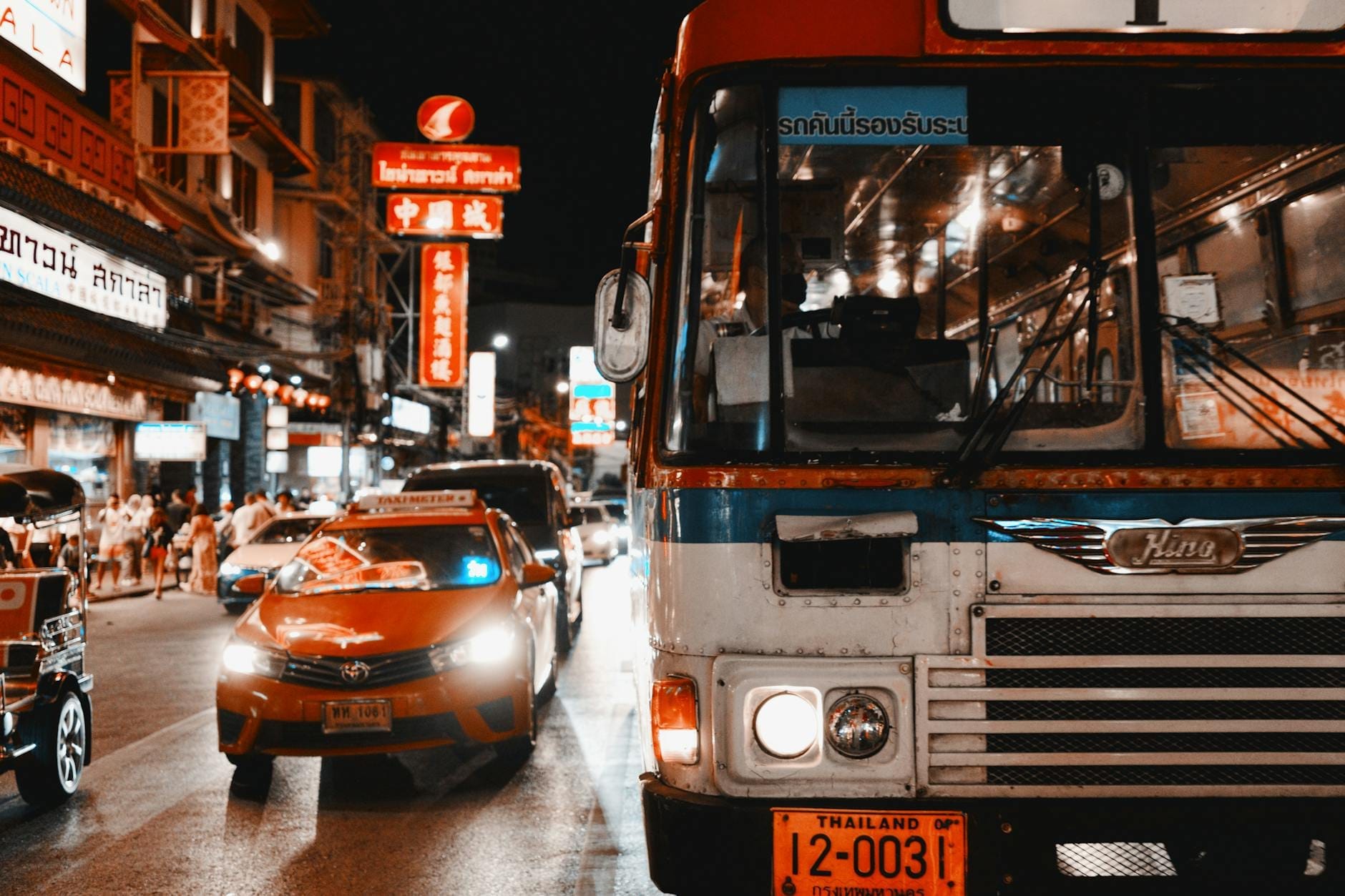
Phuket covers 543 square kilometers, and without a motorbike or hired car, moving between areas is slow and expensive. A taxi from Patong to Rawai takes 35-45 minutes and costs around THB 500-700. Getting this decision wrong is the most common source of disappointment among first-time visitors. Before you search for hotels, decide what kind of trip you want: beach-and-sleep, nightlife, family activities, cultural exploration, or remote retreat. The area you choose determines all of that more than any hotel amenity.
Transport on the island relies on songthaews (shared pickup trucks running fixed routes), Grab (the regional ride-hailing app), and private taxis. There is no metro or train. For a full breakdown of getting around, read the Phuket transport guide before you commit to a base.
💡 Local tip
Book accommodation that matches your primary activity, not your secondary one. If you want beaches 80% of the time and one night out, stay near a beach and taxi into Patong — not the other way around.
Patong: High Energy, High Volume
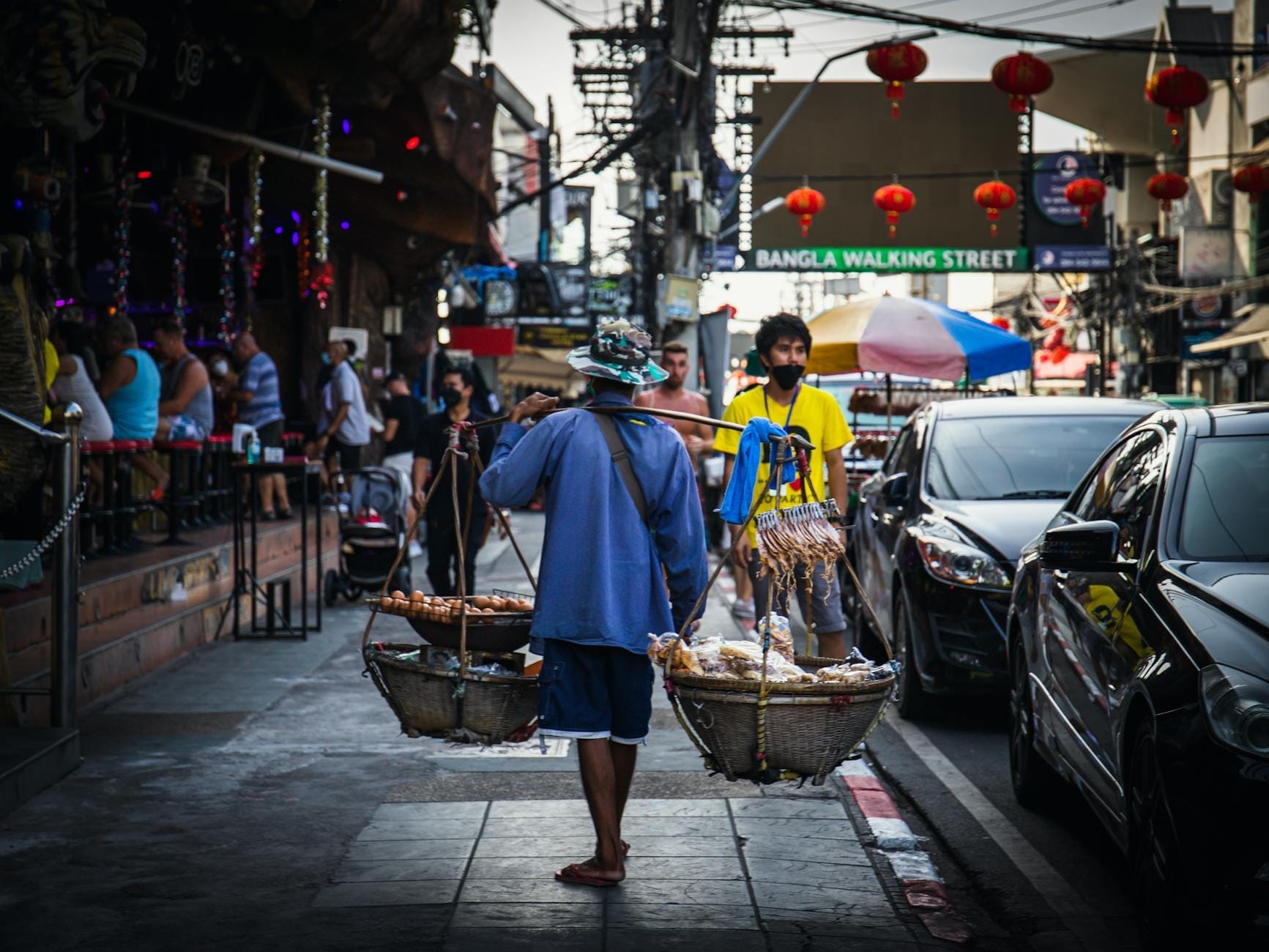
Patong is Phuket's most famous resort town and the area most international visitors picture when they book. Patong has the island's longest strip of hotels, the most restaurants, and the highest concentration of beach bars. Bangla Road, the main nightlife artery, operates from around 6 PM until well past 3 AM. If that sounds appealing, Patong delivers. If it sounds exhausting, it probably will be.
Patong Beach itself is a 3-kilometer sweep of sand that gets crowded by 10 AM during high season (November to February). Water sports, sunbeds, and food vendors are available all day. The beach is fine, but it is not Phuket's most beautiful. The real draw is convenience: everything you need is within walking distance, including pharmacies, supermarkets, currency exchange booths, and dozens of restaurants at every price point.
Value hotels in Patong start around THB 800-1,200 per night for a clean double room. Mid-range options like rooftop-pool properties run THB 2,000-4,000. Families with young children and couples looking for a quiet holiday should look elsewhere — the noise from Bangla Road carries far, and checkout times often clash with late-night energy from surrounding streets.
⚠️ What to skip
If you book in Patong, check the map carefully. Hotels within 200 meters of Bangla Road will have noise until 3-4 AM, even on weeknights in high season. Pay extra for a room on a higher floor or a property at the northern or southern edge of the beach strip.
Karon and Kata: The Practical Family Choice
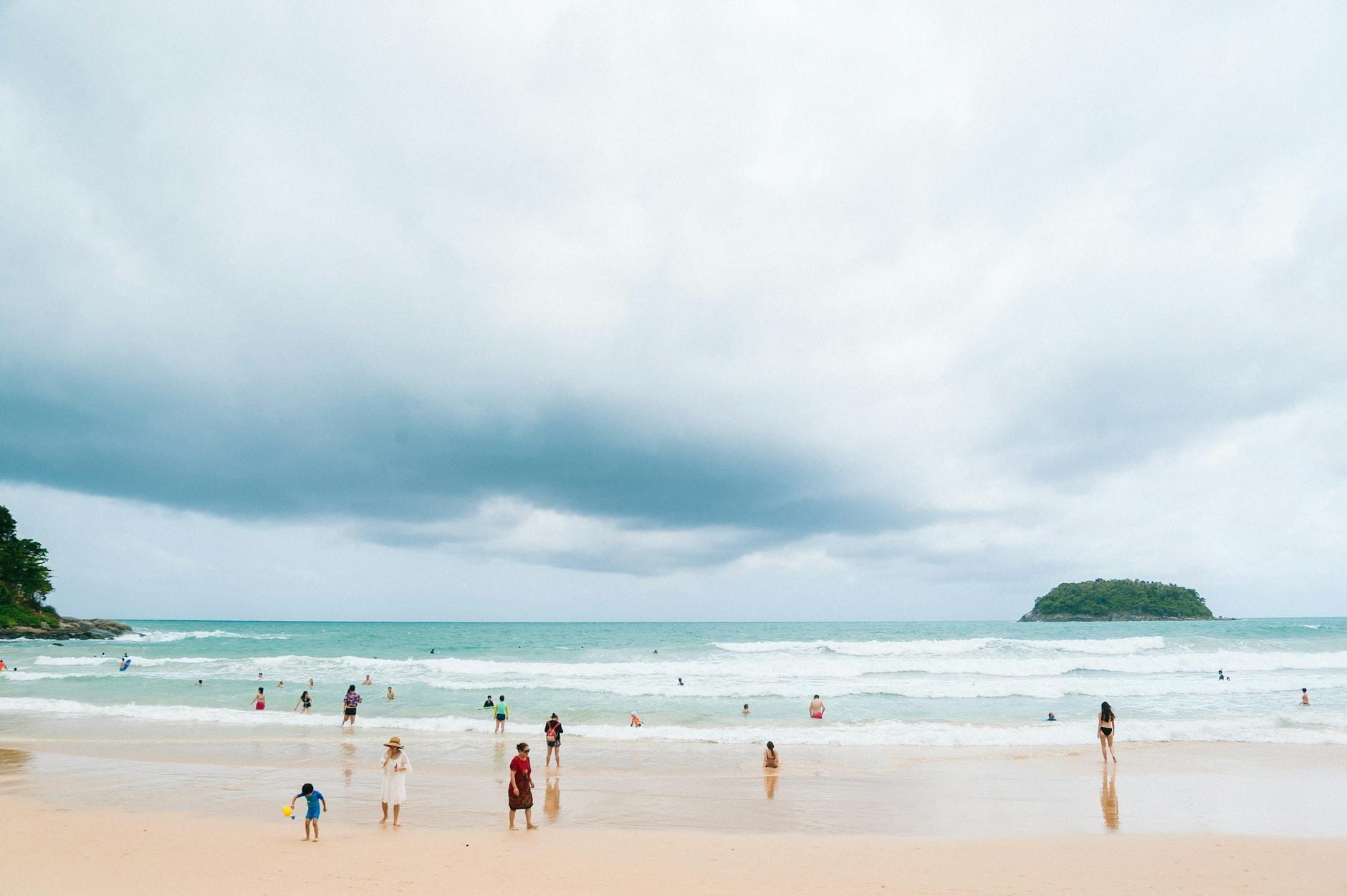
Karon and Kata sit 10-15 kilometers south of Patong and offer a noticeably calmer experience. Karon Beach is 3 kilometers long with fewer vendors and more space between sunbeds than Patong. The area has a good mix of mid-range guesthouses, family resorts, and a few genuine value finds. Kata Beach is shorter and more protected by a headland, making it popular with beginner surfers from May to October when small swells arrive from the southwest.
Kata Noi, a smaller beach south of Kata, is one of the prettier stretches on the west coast and worth the short walk or tuk-tuk ride. For beach comparisons across the island, the Phuket beaches guide covers all major options with honest assessments of crowds, water quality, and access.
- Best for Families with children, couples wanting beach time without nightlife noise, first-time visitors to Thailand
- Budget range THB 600-1,200 (guesthouses), THB 2,000-5,000 (mid-range resorts), THB 8,000+ (luxury beachfront)
- Key limitation Fewer restaurant and bar options than Patong; quieter after 10 PM, which is a feature or a bug depending on your preference
- Transport note Songthaews run between Kata, Karon, and Patong for THB 30-50 per person; taxis are easy to find at any hotel
Kamala, Surin, and Bang Tao: Phuket's Upscale Corridor
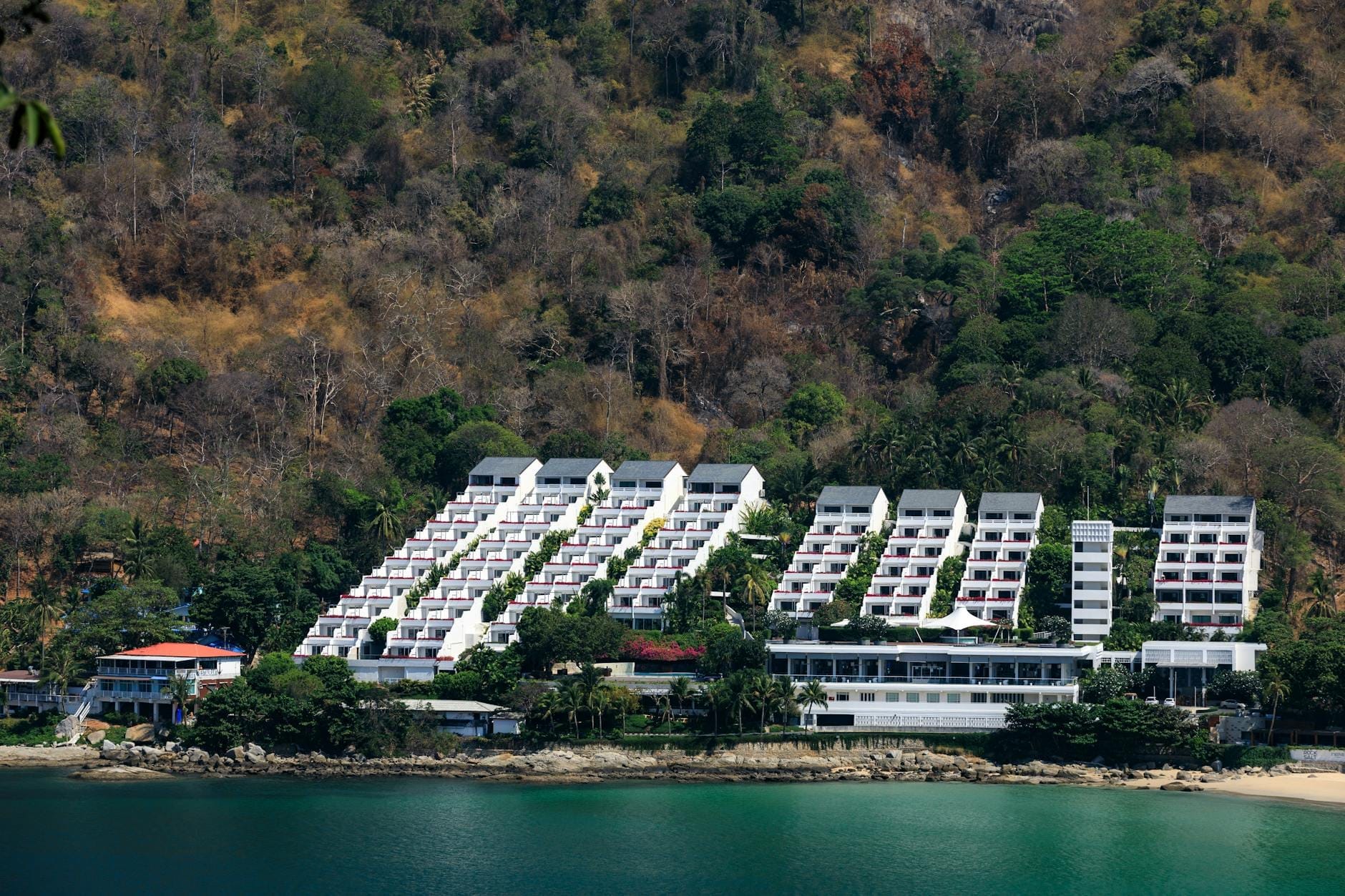
The stretch of coastline running north of Patong through Kamala, Surin, and Bang Tao is where Phuket's higher-end market has concentrated over the last decade. These three adjacent beach areas each have a distinct character but share a broadly quieter, more residential tone.
Kamala Beach is a curved bay with a Muslim fishing village at its southern end. It is calmer than Patong in every sense: less traffic, fewer tourists, and genuine local life still visible in the village streets. Mid-range hotels and a handful of upscale villas line the northern part of the bay.
Surin Beach has a reputation as Phuket's most stylish beach, partly earned and partly marketing. The beach itself is attractive, with a backdrop of casuarina trees and a line of beach clubs that attract a well-heeled crowd from November to April. The Surin Phuket hotel, with its distinctive hexagonal pool and direct beach access, is one of the better luxury options on the island at a price point below the ultra-premium properties.
Bang Tao Beach is an 8-kilometer stretch anchored at its southern end by the Laguna complex, a self-contained resort community with multiple five-star hotels, a golf course, and a lagoon system. SAii Laguna and the Angsana are two of the better-known properties here. If you want everything on-site and minimal need to venture out, Laguna Bang Tao works well. The downside is that it can feel insular and the beach itself is not the island's finest.
✨ Pro tip
For the best combination of beach quality, restaurant access, and peace, Surin or northern Kamala often outperform both Patong and the Laguna complex. You get strong beach club infrastructure without the package-holiday density.
Phuket Old Town: Culture Over Coast
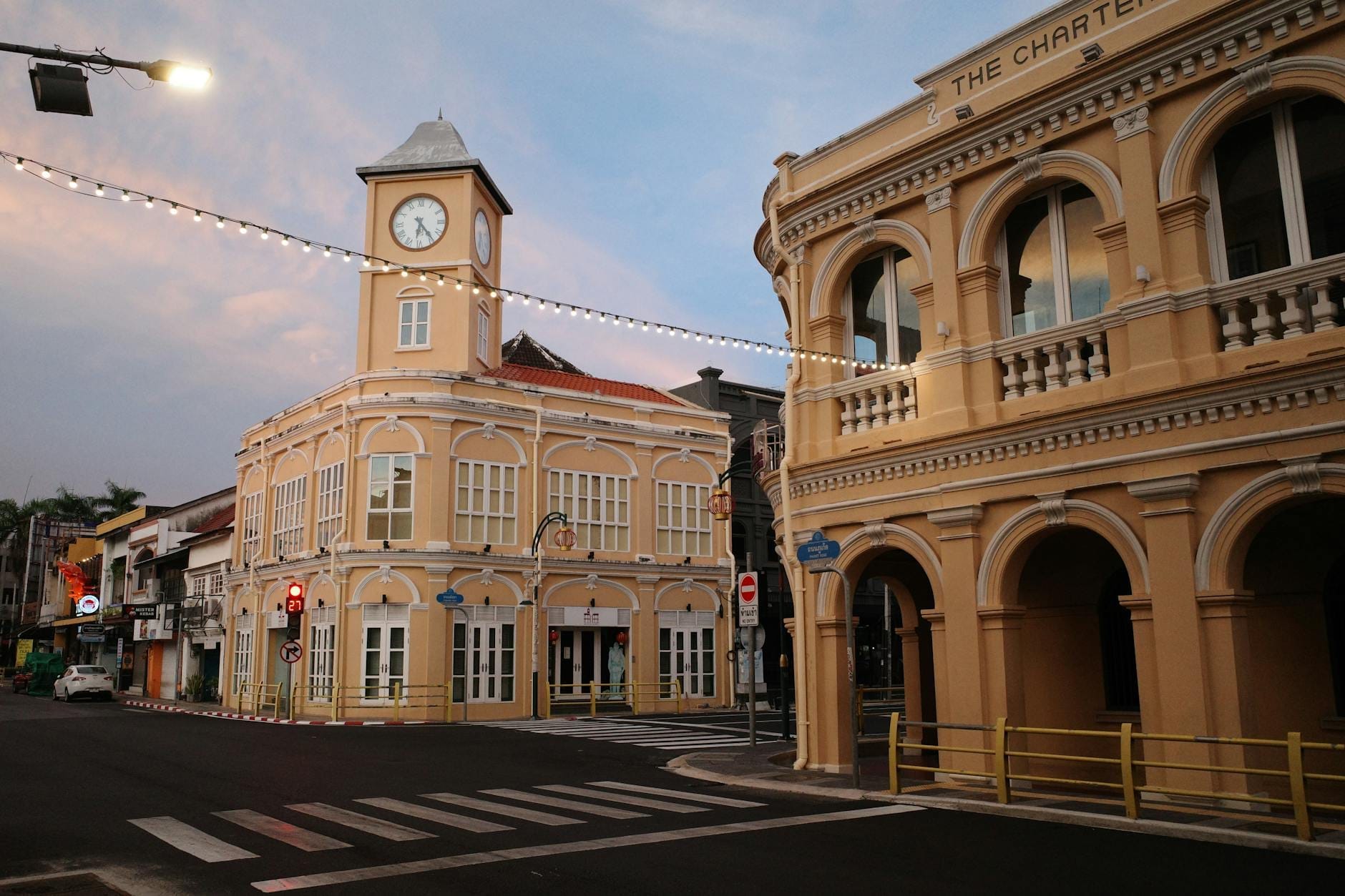
Phuket Old Town in the island's southeast is not a beach destination. It is a 19th-century tin-mining town with rows of Sino-Portuguese shophouses, excellent restaurants, independent coffee shops, and a genuine sense of local daily life. If your itinerary includes serious day-tripping to Phang Nga Bay or cultural sightseeing, staying here makes logistical sense — and the rates are significantly lower than the west coast resorts.
Small boutique hotels have converted the old shophouse buildings into atmospheric stays, typically priced between THB 1,200 and 3,500 per night. The trade-off is obvious: you need to travel 30-40 minutes by taxi to reach the nearest good beach. For travelers who plan to spend full days on island tours, this matters less. For beach-first visitors, it is a poor base.
- Sunday Walking Street market near Thalang Road runs weekly and is one of the best street food markets on the island
- Wat Chalong, the island's largest and most important Buddhist temple, is a 20-minute drive south
- Phuket Town has the best restaurant diversity on the island, from cheap local noodle shops to contemporary Thai fusion
- The Old Town area is walkable in a way that no west coast resort area is
Mai Khao and Rawai: The Two Ends of the Island
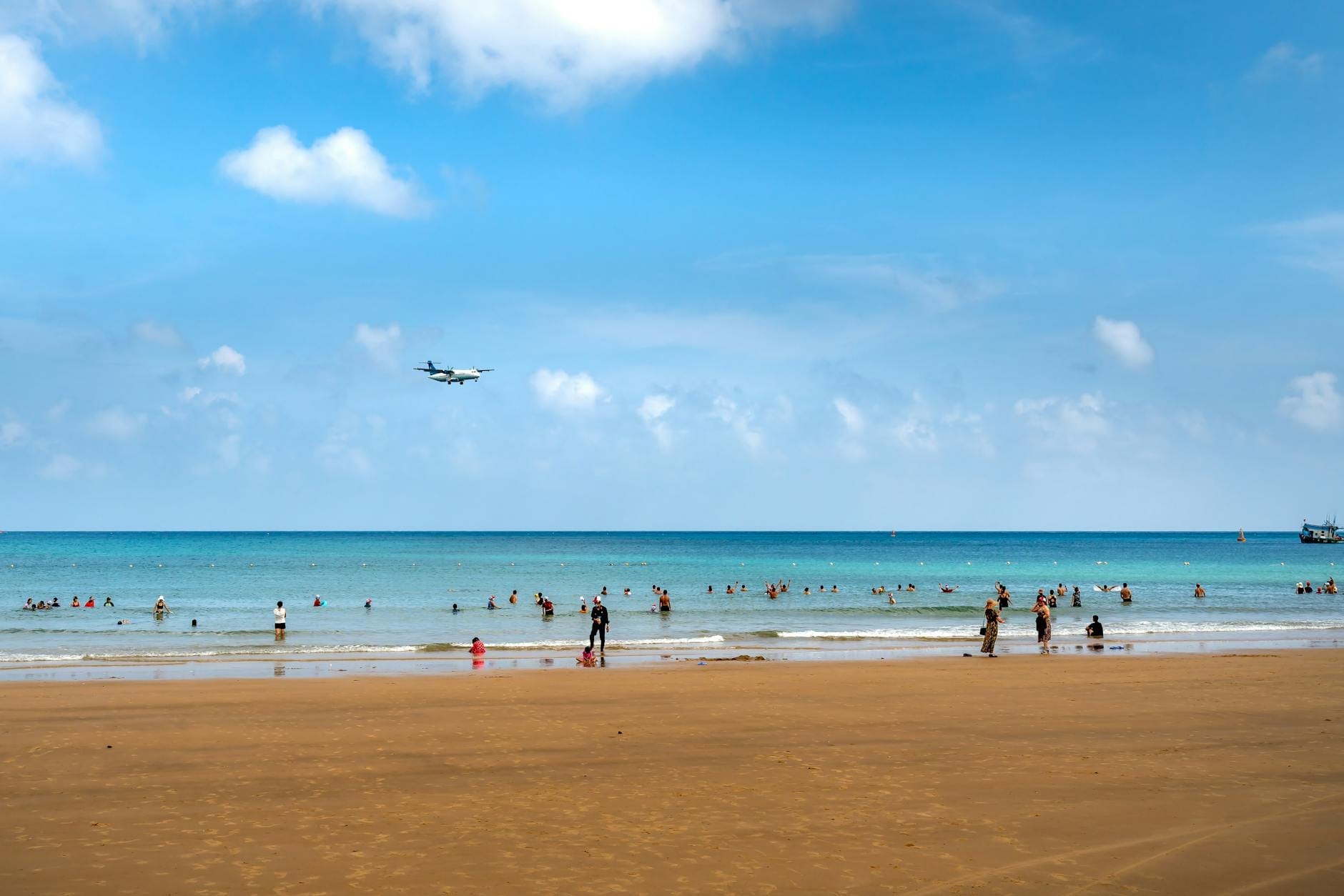
Mai Khao in the far north is where Phuket International Airport (HKT) sits, and the beach stretching south from the airport is 11 kilometers long with almost no development. A handful of large five-star properties operate here, including JW Marriott and Anantara Mai Khao, and they tend to be the most self-contained resorts on the island. If you have limited nights and want to minimize airport transfer time, or if you specifically want a remote, uncrowded beach, Mai Khao is worth considering. But you will need a car or frequent taxis for anything beyond the resort grounds.
At the southern end of the island, Rawai and Chalong attract a different crowd: longer-stay expats, divers, and people who want access to day-trip boats departing to Racha Island and Coral Island. The beaches in Rawai itself are not swimming beaches (rocky, shallow at low tide), but the seafood restaurants along the Rawai beachfront road are some of the most reliable and affordable on the island. Accommodation here skews toward monthly-rate villas and long-stay guesthouses rather than short-term resort packages.
ℹ️ Good to know
Phuket's west coast beaches face the Andaman Sea. During the low season (May to October), waves on west coast beaches including Patong, Karon, Kata, and Kamala can be rough with red flags prohibiting swimming. East coast beaches and southern spots like Rawai are generally calmer year-round, though less scenic.
Budgeting for Accommodation: What to Expect at Each Level
Phuket accommodation pricing has a wider range than most Thai destinations. The high season premium (November to February, especially over Christmas and New Year) can push rates 50-100% above the April shoulder season. Book high-season dates at least two to three months in advance for mid-range and luxury properties. Low season (June to September) offers genuine value but accept that some beach days will be affected by weather.
- Budget (THB 400-1,500/night) Hostels in Kata, guesthouses in Phuket Old Town, basic hotel rooms in Karon. Expect clean rooms, air conditioning, and limited amenities. Kata and Old Town offer the best value at this level.
- Mid-range (THB 1,500-5,000/night) Pool hotels in Karon, Kamala, and Patong. Look for rooftop pools and breakfast-included packages. This price range is very competitive in Phuket and quality is generally reliable.
- Upper mid-range (THB 5,000-10,000/night) Smaller boutique resorts in Surin and Kamala, well-reviewed properties in Kata Noi. Often the best value-to-experience ratio on the island.
- Luxury (THB 10,000-30,000+/night) Private pool villas in Bang Tao and Surin, large resort complexes in Mai Khao. The Rosewood Phuket and Katathani Phuket Beach Resort represent this tier well.
Practical Booking Advice
Most reputable properties in Phuket are available on the major booking platforms. Always cross-check the hotel's official website rate before confirming — direct booking occasionally offers better rates or free inclusions like airport transfers, which at THB 500-800 per trip add up quickly over a week-long stay.
Once you have your base sorted, think about your day trip logistics. Phuket island day trips to Phi Phi, Phang Nga Bay, and Racha Island all depart from different points on the island. Staying near Chalong Pier (south) or Ao Po (northeast) cuts travel time to boats, but this only matters if island-hopping is central to your trip.
For first-time visitors putting together a broader itinerary, the Phuket itinerary guide maps out a practical week that balances the island's beaches, culture, and day trips with realistic travel times between areas.
FAQ
Which area of Phuket is best for families?
Karon and Kata are the most consistent choices for families. Both have calmer beach conditions than Patong in most months, good mid-range hotel options with pools, and enough restaurants and activity providers without overwhelming nightlife. Kata's beach is slightly more sheltered and better for younger children. Bang Tao's Laguna complex is worth considering if you want a full resort experience with kids' clubs and water facilities.
Is it worth staying in Phuket Old Town?
If cultural sightseeing, good food, and atmosphere matter more to you than direct beach access, yes. Old Town accommodation is significantly cheaper than west coast resorts, and the neighborhood is genuinely interesting. Plan on taking taxis or renting a scooter to reach beaches. If you are visiting primarily for beaches, Old Town is a poor base.
When should I book accommodation in Phuket?
For high season travel (November to February), book mid-range and luxury accommodation two to three months ahead. Christmas and New Year week in Phuket is expensive and books out fast — prices can be three times the shoulder season rate. For low season (May to October), last-minute deals are common and many properties offer significant discounts.
Is Patong really as loud and chaotic as people say?
In short, yes, near Bangla Road. Hotels within a few blocks of the nightlife strip will have audible noise until 3-4 AM. However, the northern and southern ends of Patong Beach are noticeably quieter, and properties set back from the entertainment zone are manageable. Patong is also genuinely convenient and well-connected, which has real value if you plan to move around the island frequently.
Can I visit Phuket's main attractions from any area?
Mostly yes, but journey times vary significantly. Big Buddha and Wat Chalong are in the south-central part of the island, closest to Rawai and Kata. Phang Nga Bay boats typically depart from the north or east coast, making Phuket Town or Mai Khao better bases for those day trips. The Old Town streets and markets are easiest from Phuket Town itself. Factor in at least 30-45 minutes of travel time for cross-island trips from any west coast beach.