Phuket Itinerary: How to Spend 5, 7 & 10 Days
Planning a trip to Phuket but not sure how to structure your time? This guide breaks down realistic day-by-day itineraries for 5, 7, and 10-day trips, covering beaches, island day trips, cultural sites, and practical logistics so you spend less time figuring out and more time actually there.
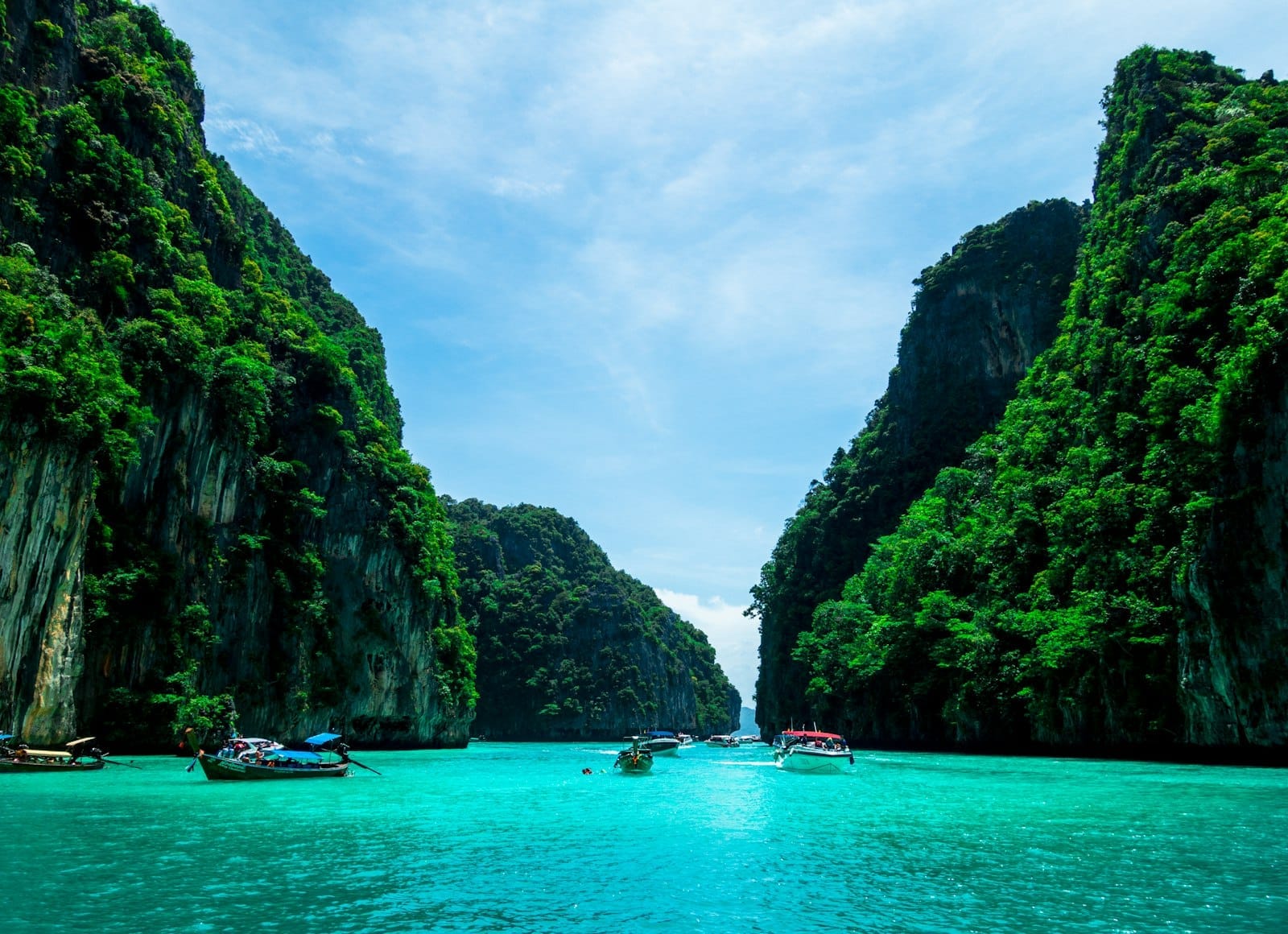
Plan and book this trip
Tools from our partner Travelpayouts help you compare flights and hotels. If you book through them, we may earn a commission at no extra cost to you.
Flights
Hotels map
TL;DR
- 5 days works well for first-timers: one arrival day, two beach days, one cultural day, one flex or island excursion.
- 7 days adds room for a Phang Nga Bay or Phi Phi day trip without feeling rushed — see the Phuket island day trips guide for full options.
- 10 days lets you slow down: longer stays in quieter areas like Rawai, Kata, or Kamala instead of bouncing between spots daily.
- Dry season (November to April) is the best time for all beach and island activities — the Andaman Sea is calm and visibility for snorkeling is good.
- Renting a scooter or using Grab covers most ground efficiently — check the getting around Phuket guide before you land.
Before You Build Your Itinerary: Key Decisions
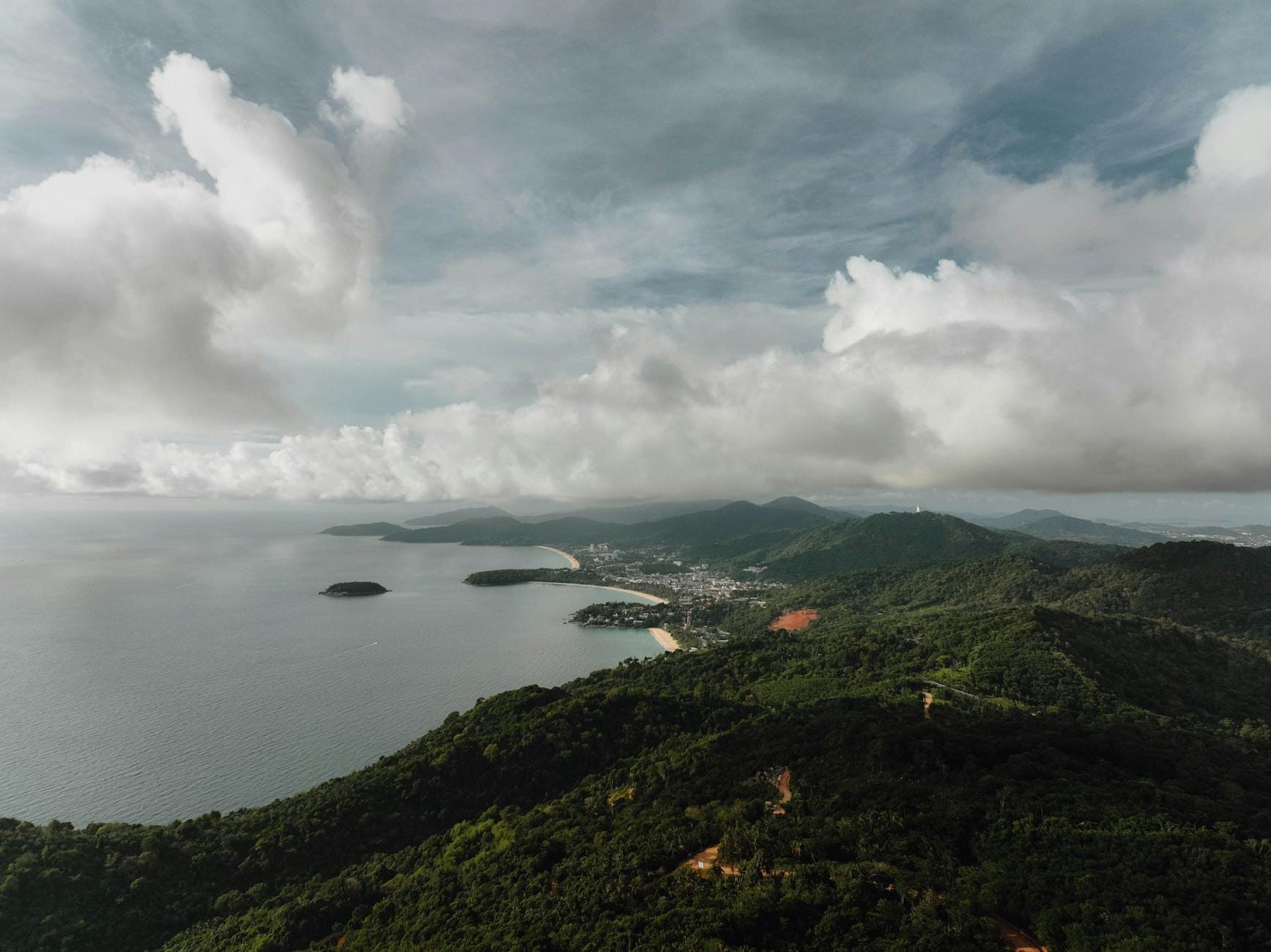
Phuket is a province the size of Singapore, but the parts tourists actually move between are spread across a 50 km stretch of coastline. The west coast holds almost all the beaches; Phuket Old Town sits on the southeast; Phang Nga Bay is across the bridge to the north. A bad itinerary strings these zones together without logic, turning relaxing days into 90-minute drives. A good itinerary clusters activities by geography.
The second big decision is your base. Patong is the most central and lively option, with the densest range of restaurants and transport connections, but it also brings noise and crowds that some travelers find exhausting by day three. Kata or Kamala offers a quieter base with easier access to the southern and mid-west beaches. Rawai suits anyone who wants to avoid the tourist strip entirely. Wherever you stay, budget around 300-500 THB per Grab ride between zones, or factor in scooter rental at around 200–400 THB per day.
💡 Local tip
Island and bay tours (Phi Phi, James Bond Island) depart early — typically 7:00 to 9:00 AM — with returns by 5:00 to 7:00 PM. Schedule these on days when you don't have late-night plans the evening before.
5-Day Phuket Itinerary
Five days in Phuket is enough to get a genuine feel for the island without rushing. The structure below is designed around a common-sense flow: settle in first, explore beaches and culture in the middle, and use the final day as a slow wind-down or flexible overflow.
- Day 1: Arrive and Orient Phuket International Airport (HKT) is about 32 km from Patong and Phuket Town. A metered taxi runs roughly 500-700 THB; a pre-booked private transfer is around 1,000-1,200 THB. Grab is available but surge pricing is common at arrivals. Spend the afternoon walking your base area, eat somewhere local, and don't plan anything demanding.
- Day 2: Beach Day on the West Coast Pick one beach and stay there. Kata Yai and Kata Noi offer cleaner sand and calmer water than Patong, especially during dry season. Karon is wider and less crowded. Surin is the pick for clearer water and a more low-key atmosphere. Avoid trying to hit three beaches in one day — you spend more time in taxis than in the sea.
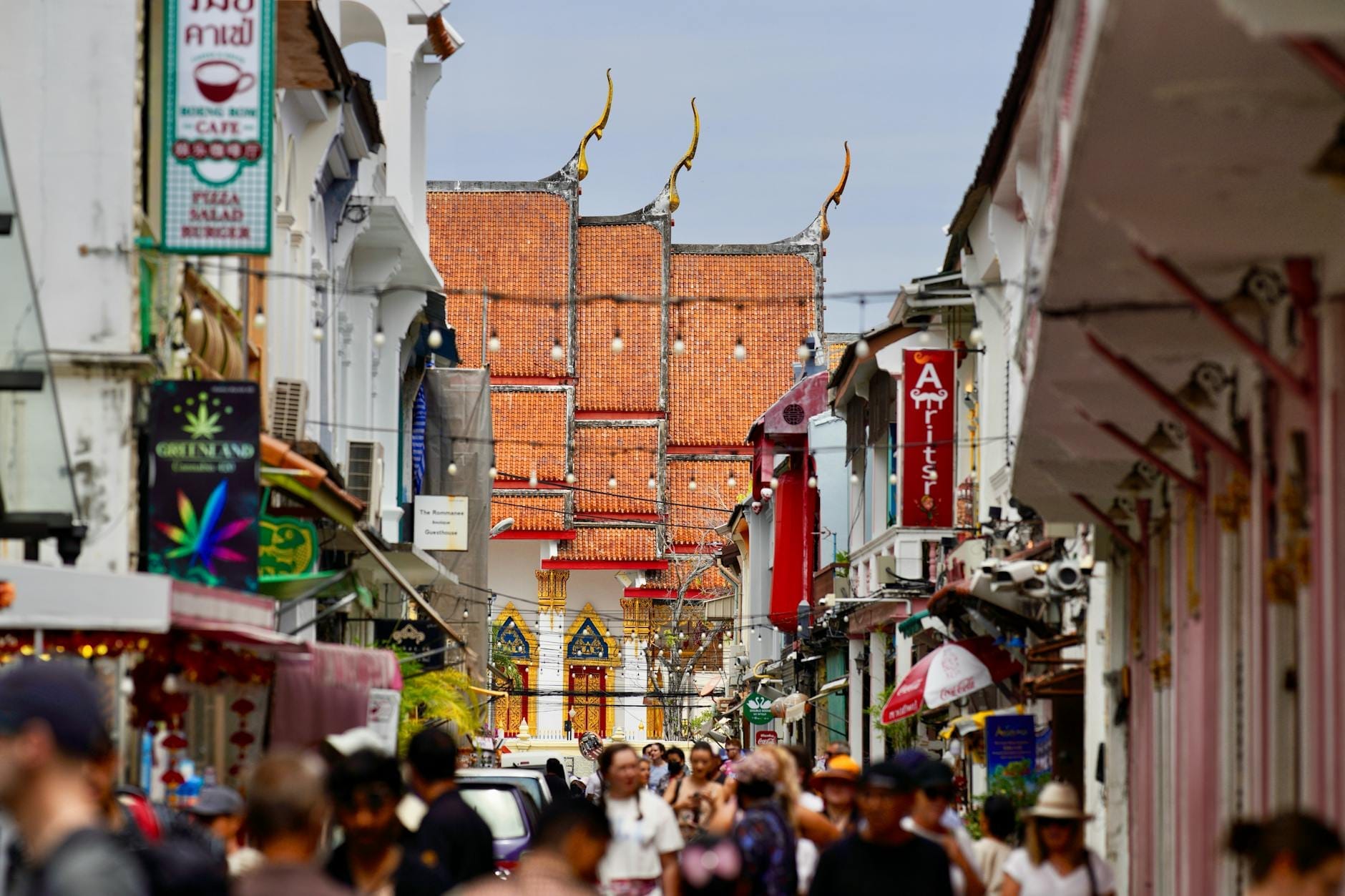
- Day 3: Phuket Old Town and Big Buddha Start at Big Buddha (Phra Phutta Ming Mongkol Akenakkiri) early — before 9:30 AM the crowds are thin and the light is good. It's free to enter but bring a sarong or rent one at the gate for 20 THB. After, head to Phuket Old Town's Sino-Portuguese shophouses. Walk Thalang Road and Soi Rommanee. Lunch at a local shophouse restaurant — the area has multiple Michelin Bib Gourmand-recognized spots.
- Day 4: Island Day Trip Book a speedboat tour to Phi Phi Islands or a longtail to Coral Island (Koh Hae) for something closer. Full-day Phi Phi tours run 1,400-2,000 THB depending on operator and boat type. Book at least two days in advance in high season. This is the day that most justifies the trip for many people.
- Day 5: Flex Day or Departure Prep Use this as a morning market visit (Phuket Weekend Market (Naka) runs Saturday and Sunday evenings; Karon Temple Market runs weekends), a final sunset at Promthep Cape, or just a slow morning before an afternoon flight.
7-Day Phuket Itinerary
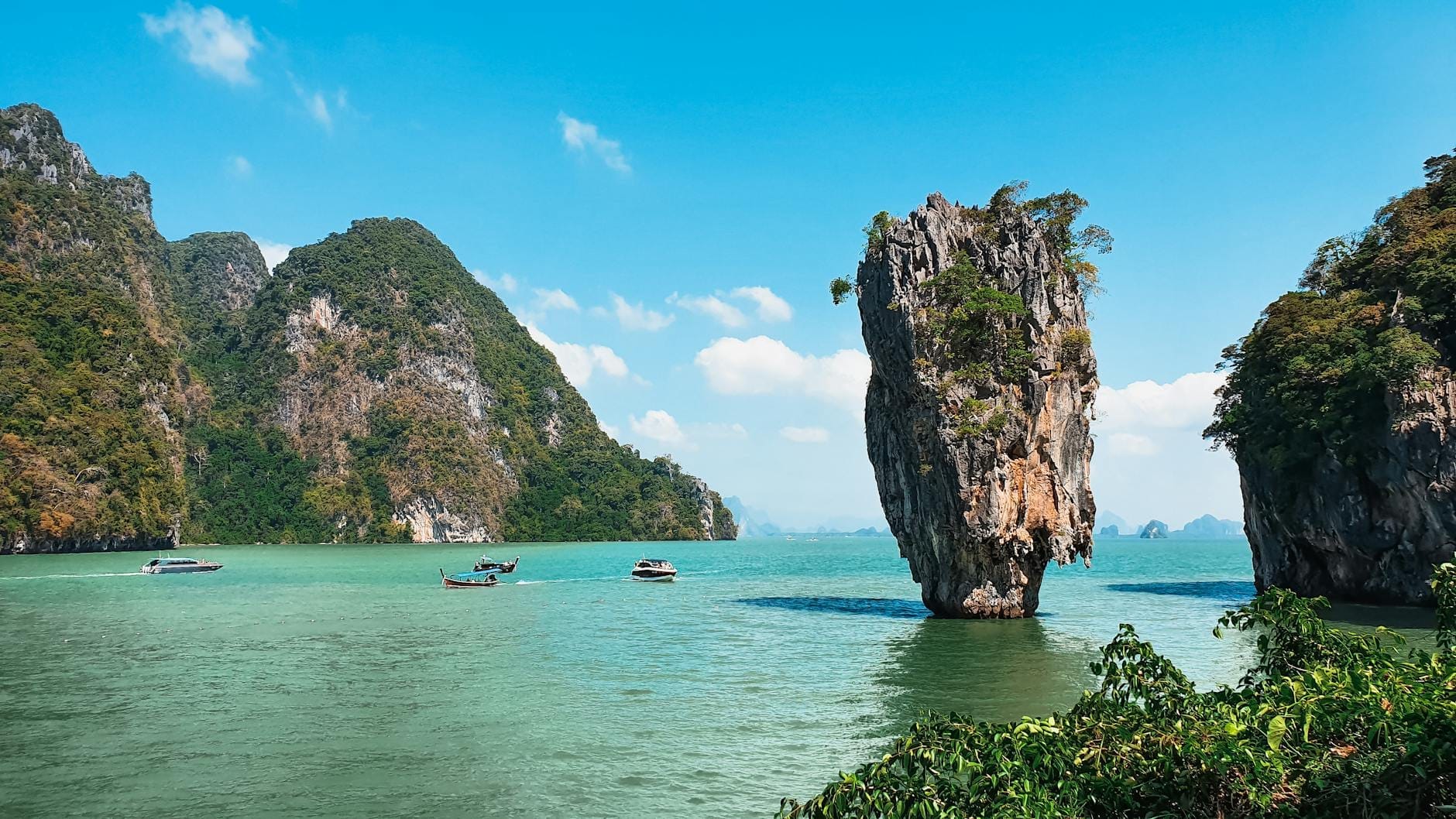
Seven days opens up the itinerary considerably. Keep the 5-day core and add two more targeted days. The strongest additions are a Phang Nga Bay tour (James Bond Island, sea caves, kayaking) and a second cultural half-day covering Wat Chalong and the Rawai seafood market. James Bond Island tours cost around 1,200-1,800 THB with park fees included; the park entry alone is approximately 300 THB.
The Phang Nga Bay day is one of the most popular in all of southern Thailand. Tours depart from various piers around 8:00 AM and return around 5:00-6:00 PM. If you have any interest in sea kayaking through limestone cave systems, book the version that includes it — the scenery from the water level inside the hongs (enclosed lagoons) is completely different from what you see from a boat deck.
For the extra beach day, consider heading north to Bang Tao Beach or south to Nai Harn Beach — both are less developed than the central beaches and worth the extra 20 minutes of travel. Nai Harn in particular has a calm lagoon behind it that's good for swimming in any weather.
⚠️ What to skip
Maya Bay (on Phi Phi Leh) has restricted visitor numbers and now charges an environmental fee. Boats anchor offshore and visitors are ferried in by longtail. If you're visiting between June and September, check current access rules before booking — closures have happened periodically for reef recovery.
10-Day Phuket Itinerary
Ten days is where the itinerary shifts from 'see the highlights' to 'actually live here for a bit.' The trap most travelers fall into is continuing to treat each day as a new checklist item. By day seven or eight, that pace wears thin. The better approach is to use days 8-10 as a slower base in a different part of the island — Rawai and Chalong in the south, or Kamala and Surin in the mid-west.
The southern zone around Rawai and Chalong has a completely different character from Patong. Rawai Beach itself is not a swimming beach — it's a working fishing village with longtail boats for hire — but the area around it is full of good restaurants, local markets, and access points for the southern viewpoints. Promthep Cape at sunset takes about five minutes to visit but the drive out to the southern tip is genuinely scenic.
With 10 days you can also consider an overnight trip to the Phi Phi Islands or Koh Lanta, though that falls outside Phuket itself. Alternatively, add the Khao Phra Thaeo National Park rainforest hike — a 4 km trail to Bang Pae Waterfall that takes 2-4 hours depending on your pace. A local guide costs around 300-400 THB and is worth it for navigation and wildlife spotting. The forest is one of the last protected lowland rainforest patches on the island.
- Days 1-5 Follow the 5-day structure above. Get your beach day, Old Town day, and Phi Phi or Coral Island trip locked in.
- Days 6-7 Phang Nga Bay full day plus a recovery or northern beach day (Bang Tao, Surin, or up to Mai Khao for the widest and emptiest stretch of sand on the island).
- Days 8-9 Relocate base or explore south: Rawai seafood market, Chalong Bay, Promthep Cape, Windmill Viewpoint, Kata Noi for a final beach afternoon.
- Day 10 Slow morning. Revisit your favorite neighborhood for a last meal. Early afternoon airport transfer — allow 60-90 minutes from most areas to HKT.
Practical Logistics That Actually Matter
Transport in Phuket is less straightforward than in Bangkok. There is no metro or reliable public bus system connecting tourist zones. Songthaews (shared pickup trucks) run fixed routes and are cheap at around 30-50 THB, but they are slow and don't cover all areas. Grab works well in Phuket Town and Patong but can be unreliable in the south. For most itineraries, a mix of Grab for short hops and tour hotel pickups for day trips covers everything. If you're comfortable on a scooter, it unlocks the scenic roads considerably — particularly the route through Kamala, Surin, and Bang Tao.
For accommodation strategy, where to stay in Phuket covers the zone-by-zone breakdown in detail. The short version: stay near Kata or Karon for the best balance of beach access and calm evenings; stay in Patong only if nightlife is a priority; stay in Old Town if you care more about food and culture than beaches.
✨ Pro tip
Book island tours at least 2-3 days in advance during high season (December to February). Phi Phi speedboat tours sell out, and the better-reviewed operators book faster than the budget ones. Platforms like Klook let you compare departures and read recent reviews before committing.
Food is one of Phuket's genuine strengths — it's not just generic 'Thai food'. The island has a distinct culinary identity shaped by Hokkien Chinese settlers and the Peranakan Baba-Nyonya tradition. Dishes like mee sua (thin wheat noodles), o-tao (oyster and taro pancake), and gaeng som (sour curry) are specific to Phuket Town and hard to find elsewhere. The Phuket food guide covers this in more depth, but the practical point for itinerary planning is: leave at least one evening meal in Old Town, not just a lunch visit.
What to Honestly Skip (or Approach With Caution)
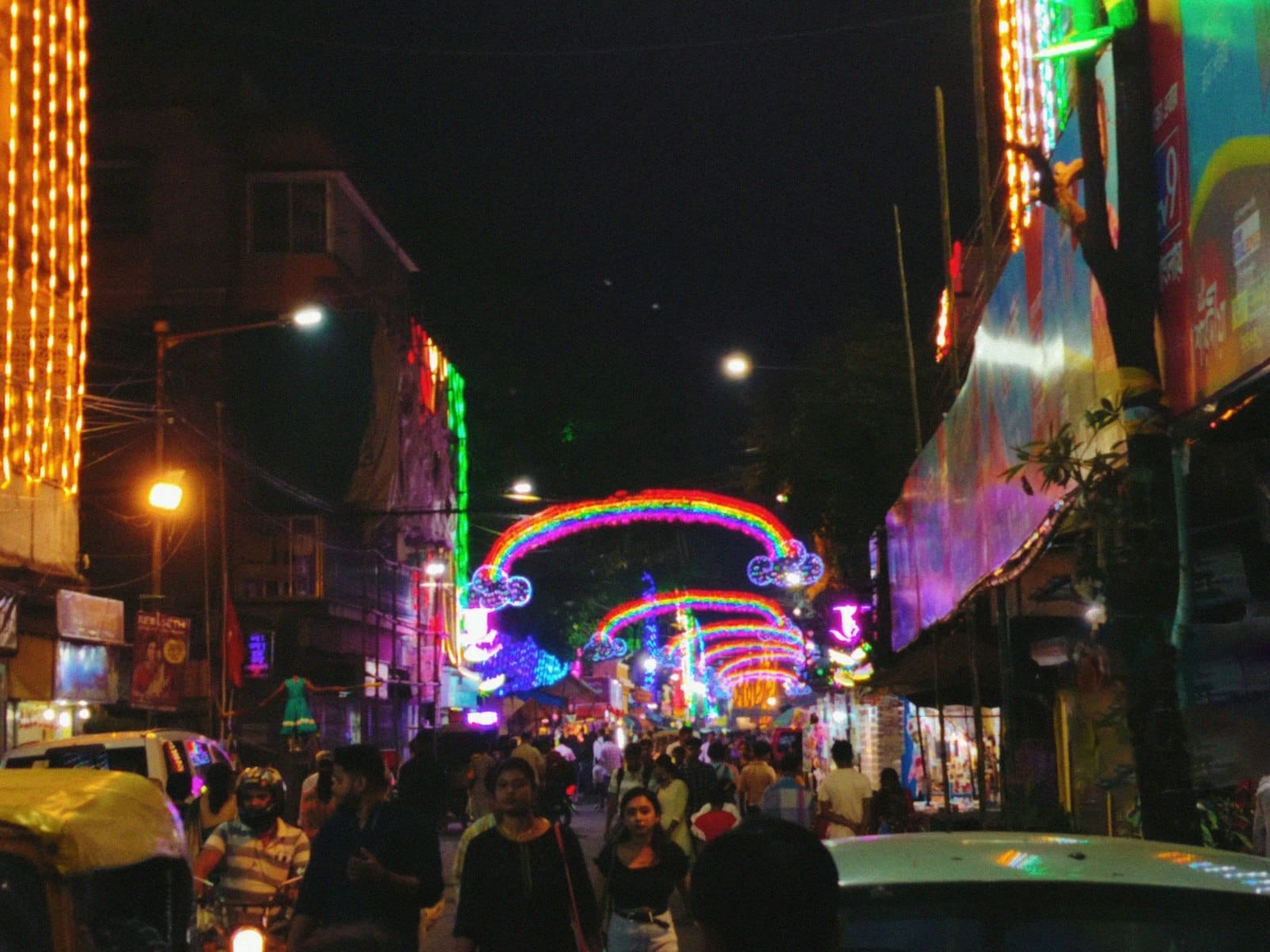
Bangla Road in Patong is Phuket's most famous nightlife strip. If you're curious, one evening is enough to understand it. It's chaotic, loud, and heavily commercial — not a bad experience, but one visit covers it. Spending multiple nights there adds nothing new.
Tiger Kingdom lets you pose with tigers for photos. The animal welfare concerns here are well-documented and the experience is not recommended. Skip it in favor of Elephant Jungle Sanctuary Phuket if you want an ethical wildlife experience — the elephants are not ridden and are in a more natural setting.
Many 'viewpoints' on the island are heavily commercialized with tour buses, souvenir stalls, and queues for photos. Karon Viewpoint and Promthep Cape are still worth it for the actual views, but go before 8:00 AM or after 4:30 PM when the coach groups have cleared. The Windmill Viewpoint near Nai Harn gets far fewer visitors and has a comparable panorama of the southern tip.
- Avoid booking tours through beach touts — prices are rarely better than online and departure details are often vague.
- The airport taxi 'official' desks inside arrivals charge fixed rates. The rates are fair but pre-booking through your hotel or Grab can sometimes be cheaper.
- Tap water is not drinkable anywhere on the island. Budget around 30-50 THB per day for bottled water.
- Dress modestly at temples: shoulders and knees covered. Wat Chalong and Big Buddha both enforce this; sarongs are available to borrow at the entrance.
- Tipping is not compulsory but small amounts (20-50 THB) are genuinely appreciated in restaurants and for guides.
FAQ
Is 5 days in Phuket enough?
Yes, comfortably. Five days covers the main beach zones, one cultural day in Old Town and at Big Buddha, and one island or bay day trip. You won't feel rushed if you stick to one or two activities per day rather than trying to pack in everything. Phuket rewards slower pacing.
What is the best time of year to visit Phuket?
November through April is the dry season on the Andaman coast — seas are calm, rain is rare, and visibility for snorkeling is at its best. December and January are peak months with the highest prices and crowds. May through October is the monsoon season: some beaches get rough surf, occasional closures, and tour boats may not run on bad weather days. Shoulder months like November and April offer a good balance of decent weather and lower rates.
Should I base myself in Patong or somewhere else?
Patong is convenient but not the best base for everyone. It has the most restaurants, transport links, and activity options, but it's also the noisiest and most crowded area. Kata or Karon are better for families or travelers who want a beach-focused stay with less chaos. Phuket Old Town suits culture-focused visitors. Rawai and Kamala work well for longer stays where you want a local feel.
Do I need to rent a scooter or is Grab enough?
Grab covers most needs if you're staying in main tourist areas and mostly doing organized tours. However, Grab availability can be patchy in the south and north of the island, and surge pricing near peak hours and beach areas adds up. A scooter (around 200–400 THB per day) gives you far more flexibility, especially for scenic coastal roads. Only rent one if you're confident riding in tropical traffic — road conditions and local driving habits are different from Europe or North America.
How far in advance should I book Phi Phi or Phang Nga Bay tours?
During high season (December to February), book 3-5 days in advance for popular operators. During shoulder season (March, April, October, November), 1-2 days is usually fine. Last-minute tours are often available but the better boats and smaller groups fill first. Comparing options on Klook or through your hotel activity desk gives a reasonable picture of what's available.