Where to Eat in Phuket: Street Food, Seafood & Fine Dining
Phuket's food scene runs the full spectrum, from smoky roadside stalls serving Hokkien noodles for 60 THB to PRU at Trisara, the island's only Michelin-starred restaurant with tasting menus above 3,500 THB. This guide breaks down where to eat in Phuket by neighborhood, budget, and cuisine style, with honest picks and traps to avoid.
Plan and book this trip
Tools from our partner Travelpayouts help you compare flights and hotels. If you book through them, we may earn a commission at no extra cost to you.
Flights
Hotels map
TL;DR
- Street food in Phuket Town costs 30-100 THB per meal and rivals anything you'll find at a sit-down restaurant.
- Phuket has 15+ Michelin Bib Gourmand restaurants, most of them everyday local haunts, not tourist-facing dining rooms.
- Southern Thai cuisine is the backbone of the local food scene: expect spice, coconut, fresh seafood, and turmeric-heavy curries. See our things to do in Phuket guide for broader context on the island's culinary culture.
- Patong has decent restaurants but also the highest concentration of overpriced tourist traps on the island. Budget extra scrutiny.
- For the best seafood at mid-range prices, head to Chalong or Rawai rather than the tourist beach strips.
Understanding Phuket's Food Scene
Phuket's cuisine is Southern Thai, and that distinction matters. Southern Thai food is spicier, more pungent, and more reliant on fresh turmeric, shrimp paste, and coconut milk than the milder Central Thai dishes most international visitors associate with Thailand. You'll find dishes like gaeng tai pla (fermented fish innards curry), moo hong (Hokkien-style braised pork), and khao yam (rice salad with toasted coconut and herbs) that simply don't appear on menus in Bangkok's tourist zones. Phuket's Hokkien Chinese community, which shaped the island's trade history, added another culinary layer: dim sum, Hokkien noodles, and kopitiam-style coffee culture that survives in Phuket Town to this day.
The island's dining geography breaks into three loose zones. Phuket Old Town is the cultural and culinary heart, with the densest concentration of heritage restaurants and local food courts. The beach strips (Patong, Kata, Karon, Kamala) cater more to international tastes, with quality ranging from excellent to genuinely mediocre. The southern end of the island, around Rawai and Chalong, is where locals and long-term expats actually eat, with fresh seafood at honest prices and almost no performative tourism.
ℹ️ Good to know
Phuket's Bib Gourmand restaurants, recognized by the Michelin Guide Thailand 2026, are not occasion dining venues. They are everyday places where locals eat lunch on a Tuesday. No reservations required, minimal decor, maximum flavor.
Street Food and Budget Eating (30-150 THB)
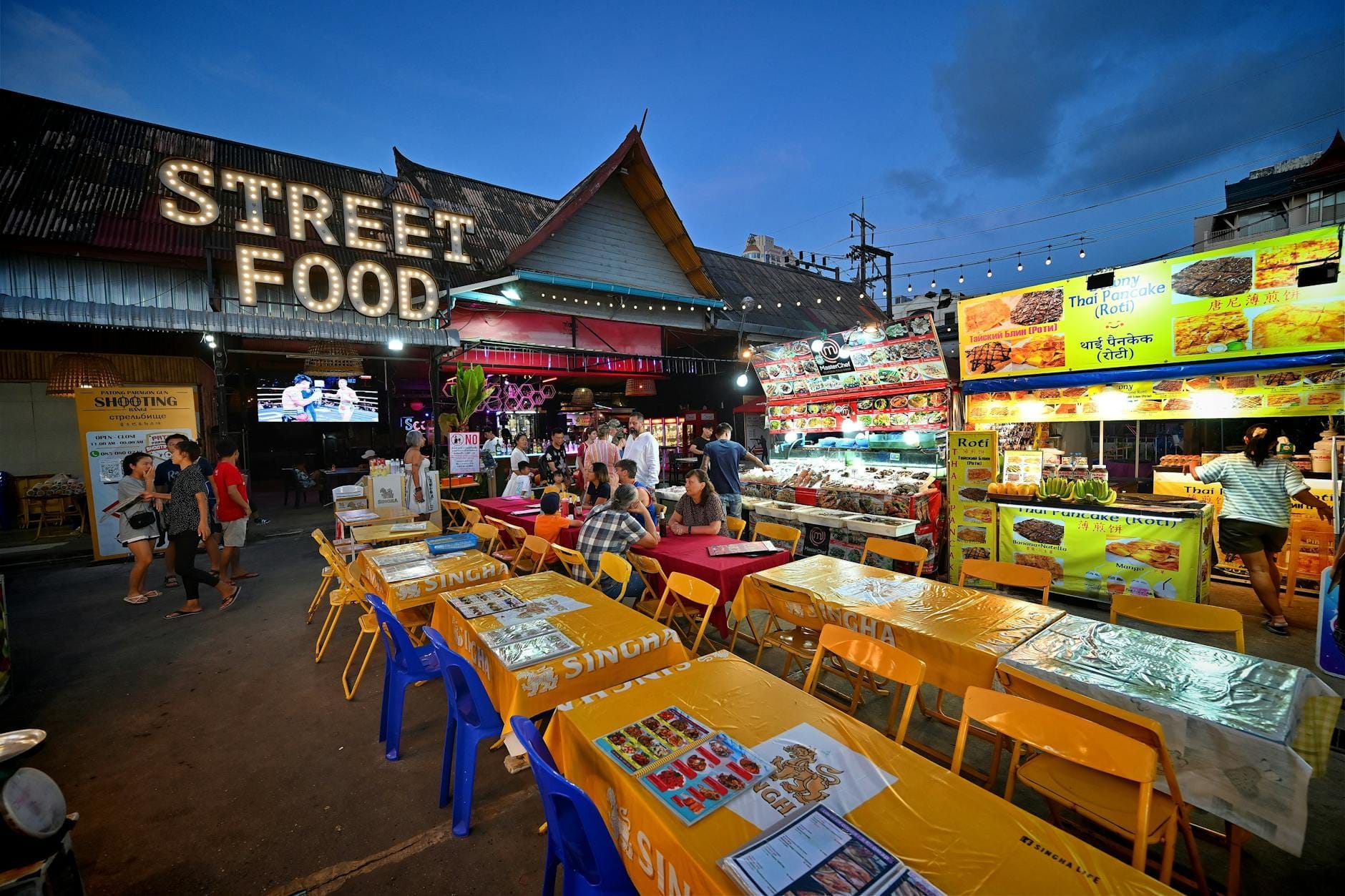
The cheapest and most authentic eating in Phuket happens at markets and food courts. Lock Tien Food Court on Yaowarat Road in Phuket Town is the standard reference point: dozens of stalls, most dishes priced between 50-80 THB, and a clientele that is almost entirely local. Arrive before 1pm or you'll find the most popular stalls sold out. Kopitiam by Wilai nearby is slightly more polished but still budget-friendly at 60-100 THB, serving dim sum and Hokkien noodles in a heritage shophouse that doubles as a genuinely working coffee shop.
For evening street food, the Phuket Weekend Market (open Saturday and Sunday evenings) covers everything from grilled skewers and pad thai to mango sticky rice and fresh-pressed sugarcane juice. Prices stay in the 30-80 THB range. The Karon Temple Market is a smaller but equally authentic option for visitors staying on that stretch of coast, running Tuesday and Friday evenings.
- Lock Tien Food Court Phuket Town's best indoor market, 50-80 THB per dish. Local crowd, authentic Southern Thai staples. Go before 1pm.
- Kopitiam by Wilai Hokkien noodles and dim sum in a heritage shophouse, 60-100 THB. One of the most characterful budget spots on the island.
- Raya Restaurant A step above street food at 120-180 THB per dish, but traditional Phuket cooking in a century-old building. Worth the slight premium.
- Phuket Weekend Market Saturday and Sunday evenings. Best for casual grazing: 30-80 THB per item, wide variety, strong local attendance.
⚠️ What to skip
Avoid the touristy pad thai stalls clustered around Bangla Road in Patong. Prices run 150-250 THB for smaller portions than you'd get elsewhere, and the food is calibrated for Western palates rather than local standards. Walk two blocks back from the beach and prices drop significantly.
Mid-Range Restaurants Worth Seeking Out (300-800 THB)
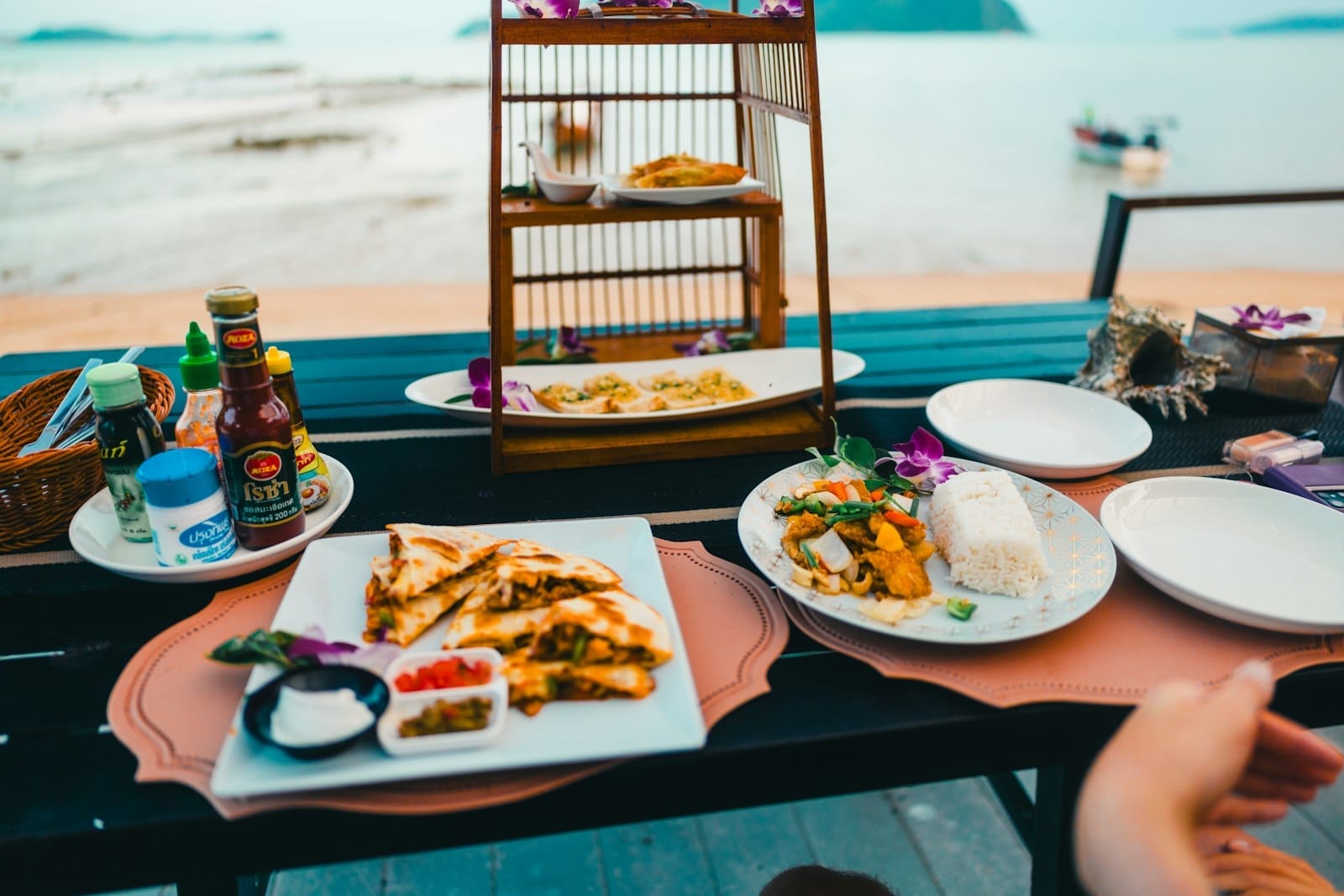
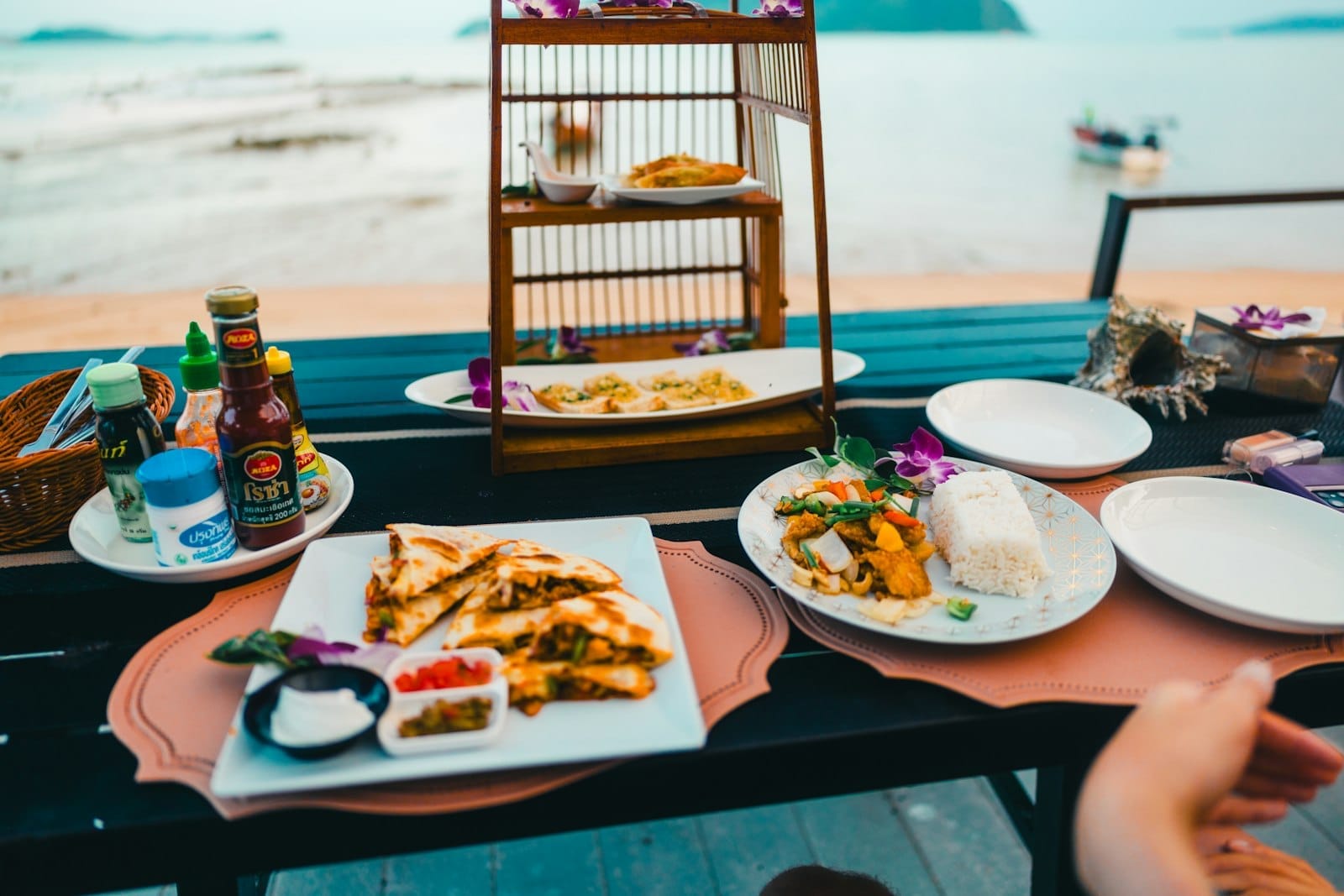
This is where Phuket's dining scene genuinely impresses. The mid-range bracket, roughly 300-800 THB per person including a drink, covers sit-down seafood restaurants with proper kitchens, updated Southern Thai restaurants run by younger chefs, and a handful of international spots that actually deliver on the promise of their menus.
For seafood, Laem Hin Seafood near Chalong Pier is consistently reliable at 250-400 THB per dish, with waterfront tables and a menu heavy on whole-fish preparations, crab, and fresh prawns. Kan Eang@Pier, also in the Chalong area near Chalong Bay, is slightly pricier at 300-500 THB per dish but has a longer-established reputation and better ambiance for an evening meal. Both are significantly better value than the seafood restaurants on the main beach strips.
Suay Restaurant, which has locations in Phuket Town and Cherng Talay, runs 250-450 THB per dish and represents the new wave of Phuket dining: traditional Southern Thai recipes refined for presentation without losing their core flavors. The tom kha and massaman here are textbook examples of how good both dishes can be when made properly.
✨ Pro tip
Lunch is almost always cheaper than dinner at mid-range restaurants in Phuket, sometimes by 20-30%. Many local restaurants offer set lunch menus in the 150-250 THB range that won't appear on their dinner menu or website. Ask when you arrive.
Fine Dining and Michelin Recognition (800 THB and Above)
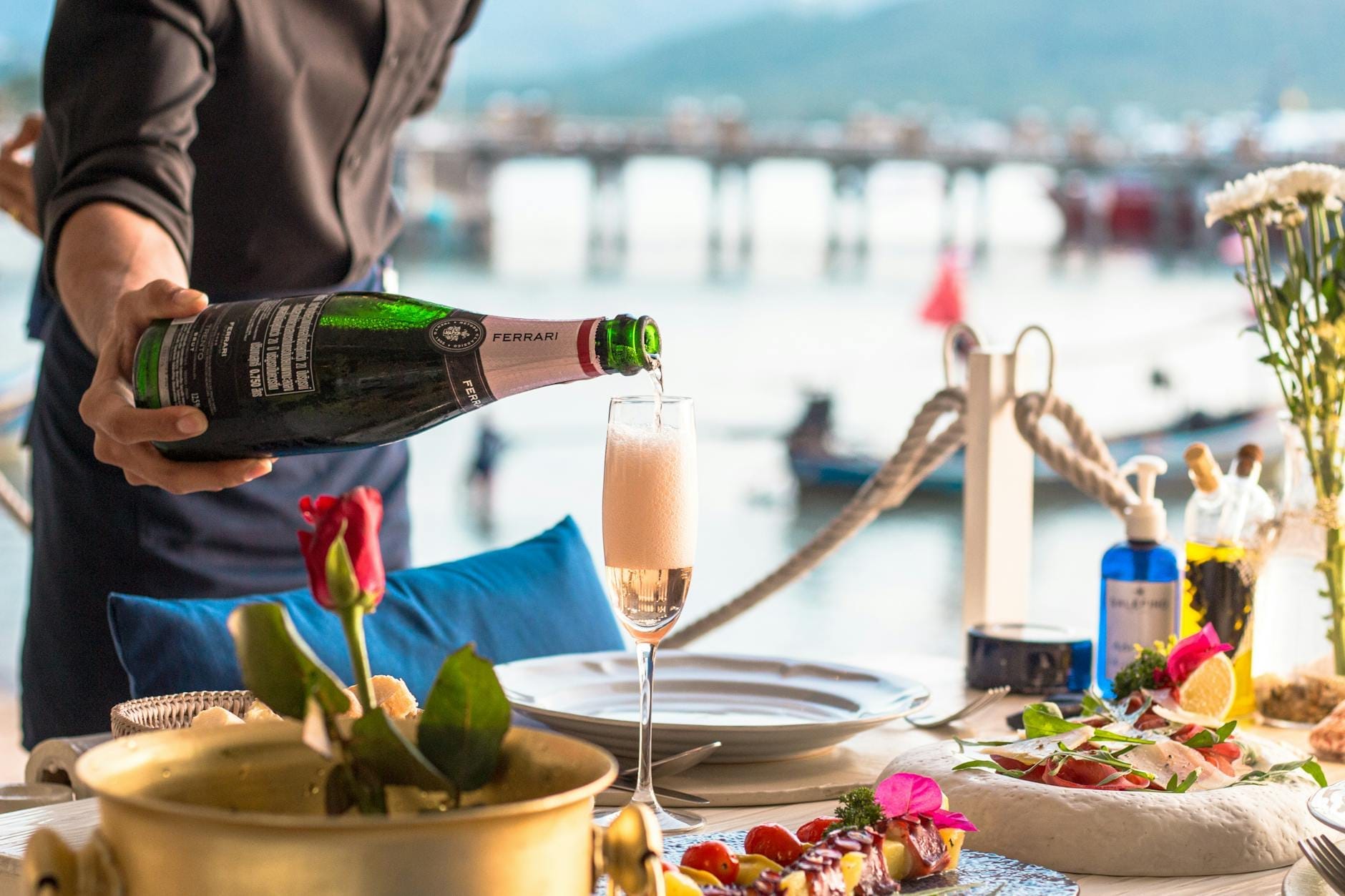
Phuket's upscale dining scene has grown considerably, and the Michelin Guide Thailand 2026 formalized what food-focused visitors already knew: the island can deliver a world-class meal if you know where to look. PRU at Trisara in the north of the island holds Phuket's only Michelin star. The tasting menu starts above 3,500 THB per person and is built around produce from the restaurant's own farm and local fishing networks. The setting, a stilted pavilion over a lagoon, adds to the experience, but the cooking is the actual draw. Reservations essential, often weeks in advance during peak season.
Mom Tri's Kitchen at Villa Royale, perched above Kata Noi Beach, serves Thai fusion with genuine ocean views and menus in the 800-1,500 THB range. It's not a Michelin property but has maintained quality and relevance for years, which in Phuket's revolving-door dining scene counts for something. Bampot Kitchen and Bar in Bang Tao (700-1,200 THB) handles international cuisine better than most beach resort restaurants, with a wine list that holds up to scrutiny.
The Michelin Bib Gourmand list includes 15+ Phuket restaurants, and most of them occupy the 150-350 THB per dish range rather than fine dining territory. The Bib Gourmand award specifically recognizes good value, not price point. If you want to eat at Michelin-recognized establishments without fine dining prices, those 15+ restaurants are the more practical option and the better story.
Where to Eat by Neighborhood
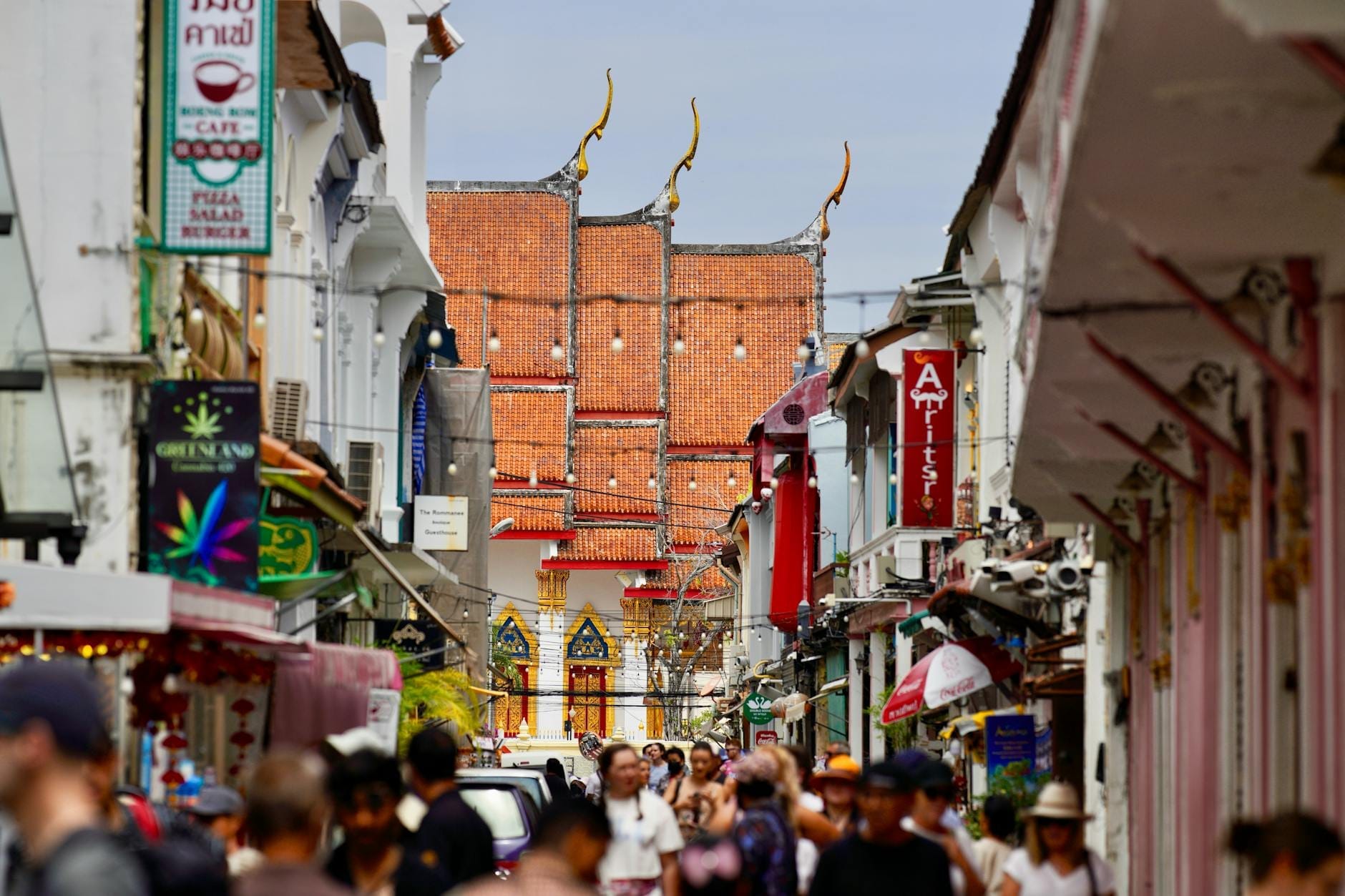
Your accommodation location significantly shapes your practical dining options, so it helps to know what each area does well.
- Phuket Old Town Best overall neighborhood for food at every price point. Heritage shophouses, Chinese-Malay food courts, and updated local restaurants. Walking distance between most options.
- Patong Largest selection but lowest average quality-to-price ratio. Best for convenience and late-night eating. The seafood restaurants on the main road can be overpriced. Walk back from the beach strip for better value.
- Kata and Karon More relaxed than Patong with decent local options, particularly the temple markets. Suay has a branch in this general direction. Good mid-range options without the Patong premium.
- Kamala and Surin Strong on upscale dining with Bang Tao proximity. Beachside restaurants here tend toward the 500-1,200 THB range and generally deliver. Less street food culture than the south.
- Rawai and Chalong Best neighborhood for honest seafood at fair prices. Laem Hin and Kan Eang are anchors here. Popular with the local expat community precisely because the value is consistent.
- Bang Tao and Laguna Resort-heavy zone with some genuinely good standalone restaurants mixed in. Bampot is the standout. Expect higher prices across the board given the area's demographics.
If you're staying in the north of the island near Mai Khao, dining options are more limited outside the major resort complexes. It's worth making at least one trip to Phuket Town for the food alone, which is around 30-40 minutes by car from the north end of the island.
Practical Tips for Eating Well in Phuket
Tipping is not compulsory in Thailand but is genuinely appreciated at mid-range and upmarket restaurants. A 20-50 THB tip at a local restaurant or 10% at a higher-end venue is appropriate. Most restaurants in tourist areas accept credit cards. Street stalls and local food courts are almost always cash only, so keep small bills available. The Thai Baht is the only currency you need.
Southern Thai food tends to be significantly spicier than Central Thai food. If you have a low tolerance for heat, it's worth specifying 'pet nit noi' (a little spicy) when ordering. Most restaurants in tourist areas will calibrate accordingly. For a broader sense of how to plan your days including meals, the Phuket itinerary guide covers timing and logistics across the island. And if you want to understand what's worth doing after dinner, the Phuket nightlife guide covers the evening scene from night markets to beach bars.
- Eat where locals eat at lunch: the crowd is the most reliable quality signal on the island.
- Avoid restaurants that post photos of every dish outside the door with prices in multiple currencies. They are calibrated for tourists who won't return.
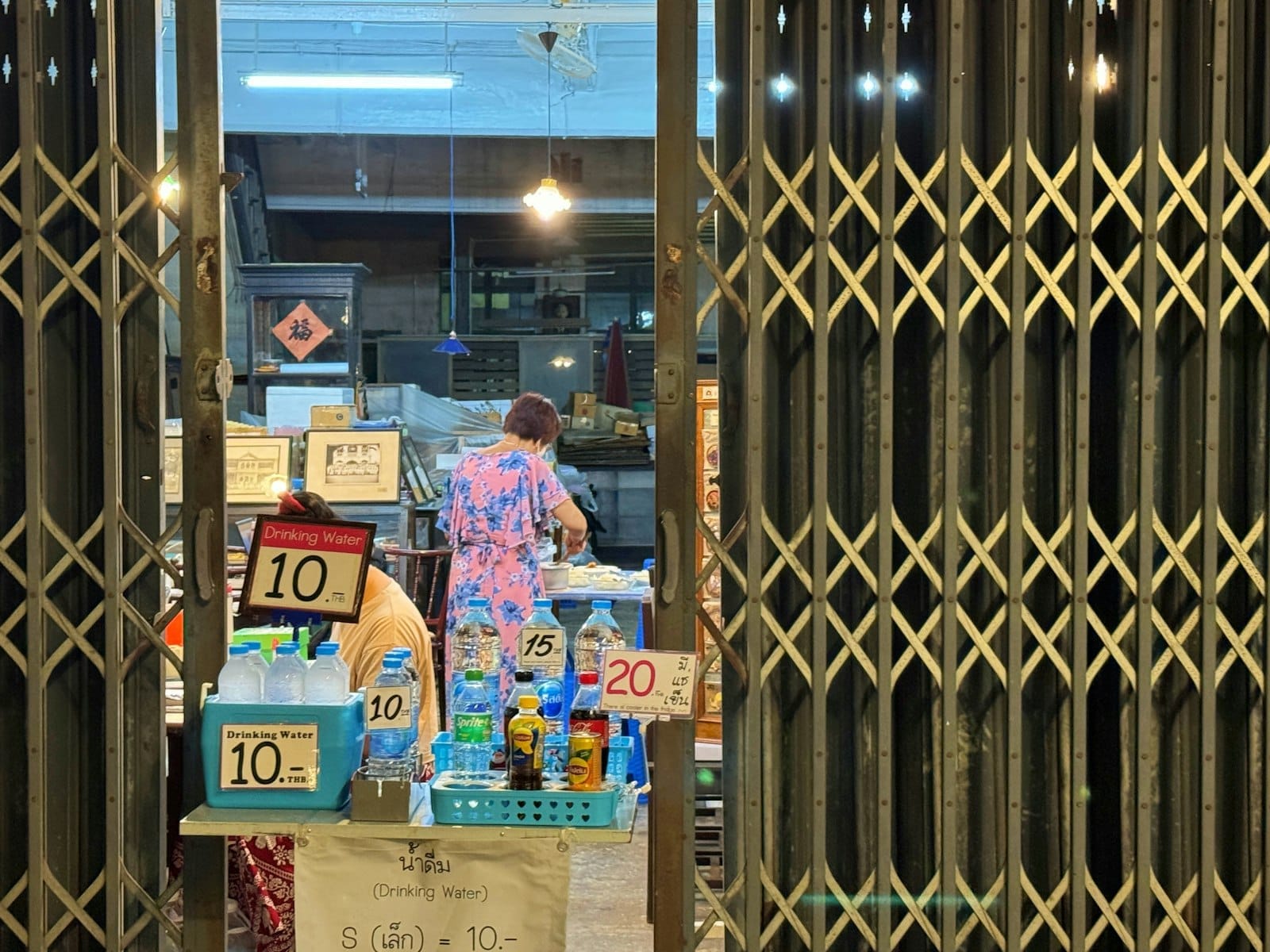
- Drinking tap water is not safe in Phuket. Bottled water costs 10-20 THB at convenience stores. Restaurants will provide it automatically, usually at 20-40 THB per bottle.
- Seafood by weight (charged per 100g) can add up quickly at upscale restaurants. Confirm the weight and price before the kitchen prepares it.
- The best time for street food is between 6pm and 9pm, when stalls are fully stocked and produce is freshest from the morning market.
FAQ
What is the cheapest way to eat in Phuket?
Food courts and local markets, particularly in Phuket Town, offer full meals for 30-80 THB. Lock Tien Food Court on Yaowarat Road is the local benchmark. Convenience stores like 7-Eleven also sell prepared food for 25-50 THB if you're in a pinch, though market food is always preferable for both quality and value.
Is Phuket food very spicy?
Southern Thai cuisine, which dominates Phuket, is significantly spicier than Central Thai food. Many dishes use fresh bird's eye chilies and fermented shrimp paste. Restaurants in tourist areas will moderate the heat if you ask. Say 'pet nit noi' (a little spicy) or 'mai pet' (not spicy) when ordering.
Does Phuket have Michelin-starred restaurants?
Yes. PRU at Trisara in northern Phuket holds the island's only Michelin star, with tasting menus starting above 3,500 THB. Phuket also has 15+ Bib Gourmand-recognized restaurants, which represent excellent everyday value rather than fine dining, with most dishes in the 150-350 THB range.
Where is the best seafood in Phuket?
The Rawai and Chalong area, particularly Laem Hin Seafood and Kan Eang@Pier, consistently offers the best combination of quality and price for seafood. The beach-strip seafood restaurants in Patong tend to charge significantly more for comparable or lesser quality. If budget is not a constraint, the tasting menus at PRU incorporate premium local seafood.
When is the best time to visit restaurants and food markets in Phuket?
For street food, evenings between 6pm and 9pm are optimal. For local food courts and lunch spots like Lock Tien, arrive before 1pm before popular stalls sell out. During Phuket's peak tourist season (November to April), popular mid-range and upscale restaurants fill up quickly; book at least a day or two ahead for dinner at the more well-known spots.