Kata and Karon are adjacent beach neighborhoods on Phuket's west coast, sitting between the chaos of Patong to the north and the quiet of Rawai to the south. Together they offer long stretches of sand, a genuine town feel, and enough restaurants and bars to keep evenings interesting without overwhelming the daytime calm.
Kata and Karon occupy a sweet spot on Phuket's west coast: close enough to Patong for a night out, far enough away that mornings are quiet. Karon's three-kilometer beach spreads wide and unhurried, while Kata's compact main road has the rhythm of a real village rather than a resort strip.
Orientation
Kata and Karon sit on Phuket's west-facing coastline, roughly 45 kilometers by road from Phuket International Airport and about 8 kilometers south of Patong. They are technically two distinct neighborhoods, but most visitors treat them as a single zone because the drive between them takes about five minutes over a low headland.
Karon occupies the northern position. Its beach runs for approximately 3 kilometers, making it one of the longest on the island, and the town center sits on the inland side of Karon Road, which parallels the shore. The northern tip of Karon butts up against the Patong headland; the southern tip meets another small hill before dropping into Kata.
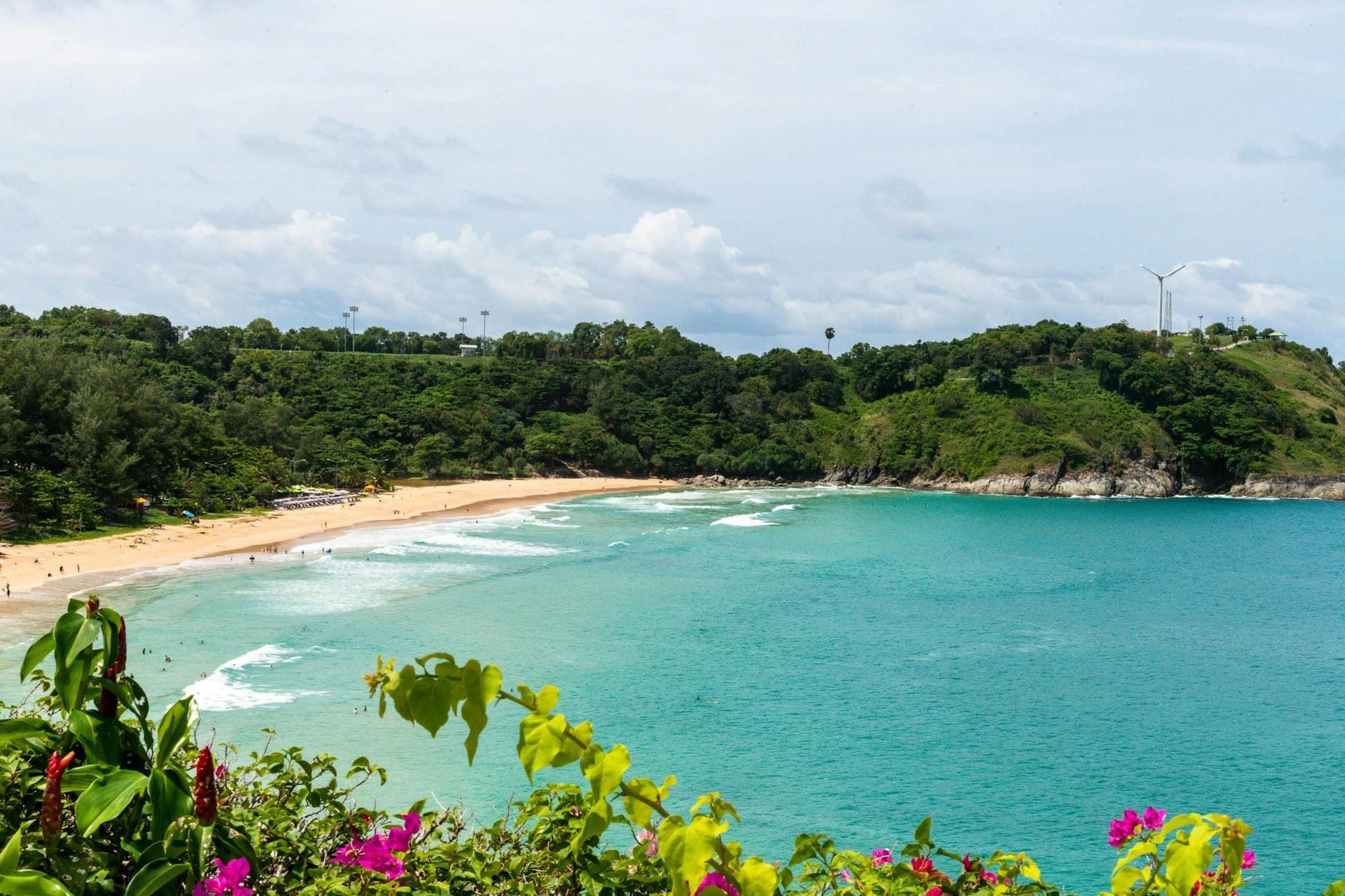
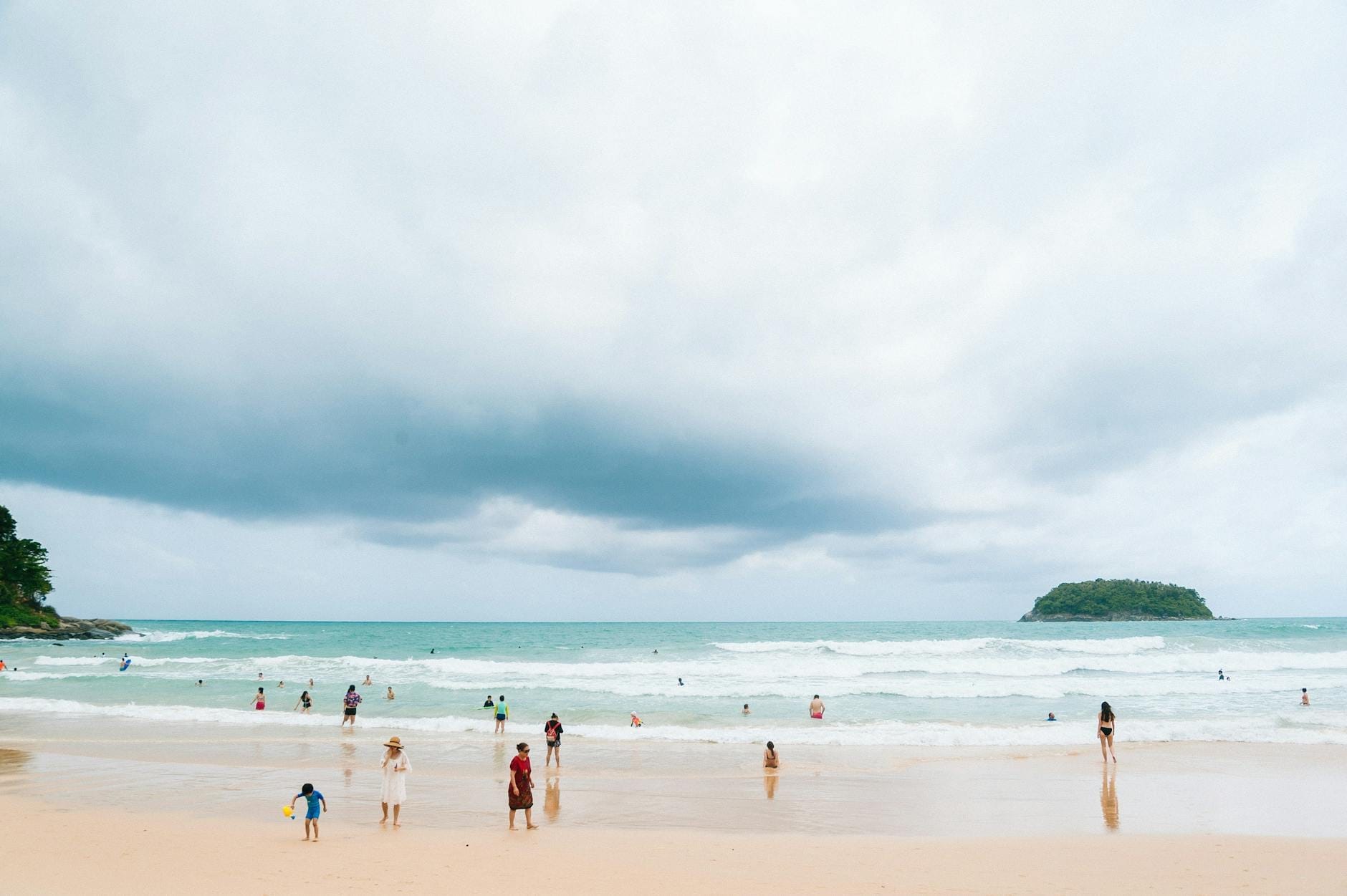
Kata divides into two sections. Kata Yai (literally 'big Kata') is the main beach, about one kilometer of sand flanked by a road lined with guesthouses, restaurants, surf rental shops, and small supermarkets. Just south over a short headland is Kata Noi ('small Kata'), a more sheltered cove that stays quieter and attracts a slightly different crowd. Directly offshore from Kata Yai sits Koh Pu, a small uninhabited islet that kayakers sometimes paddle out to.
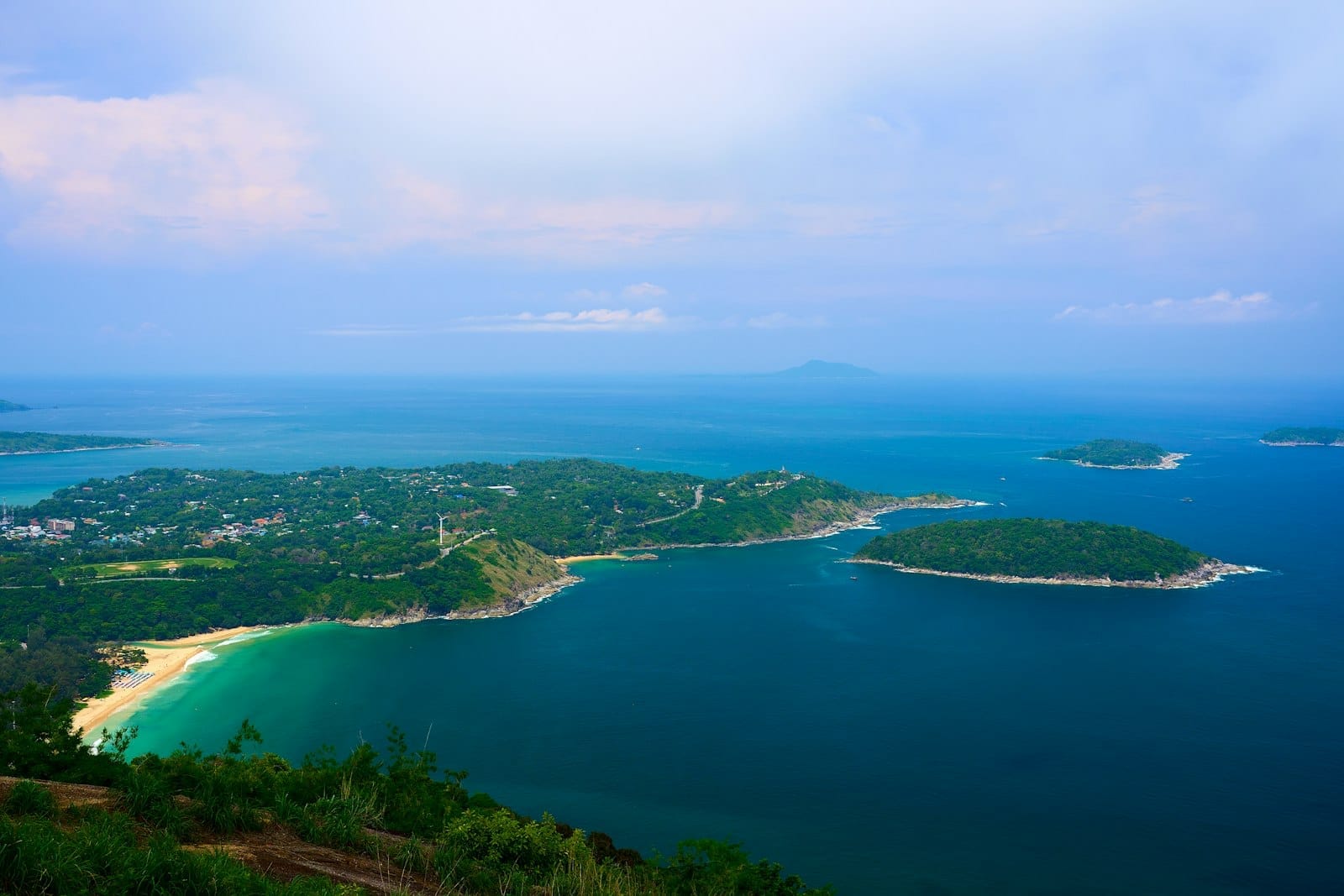
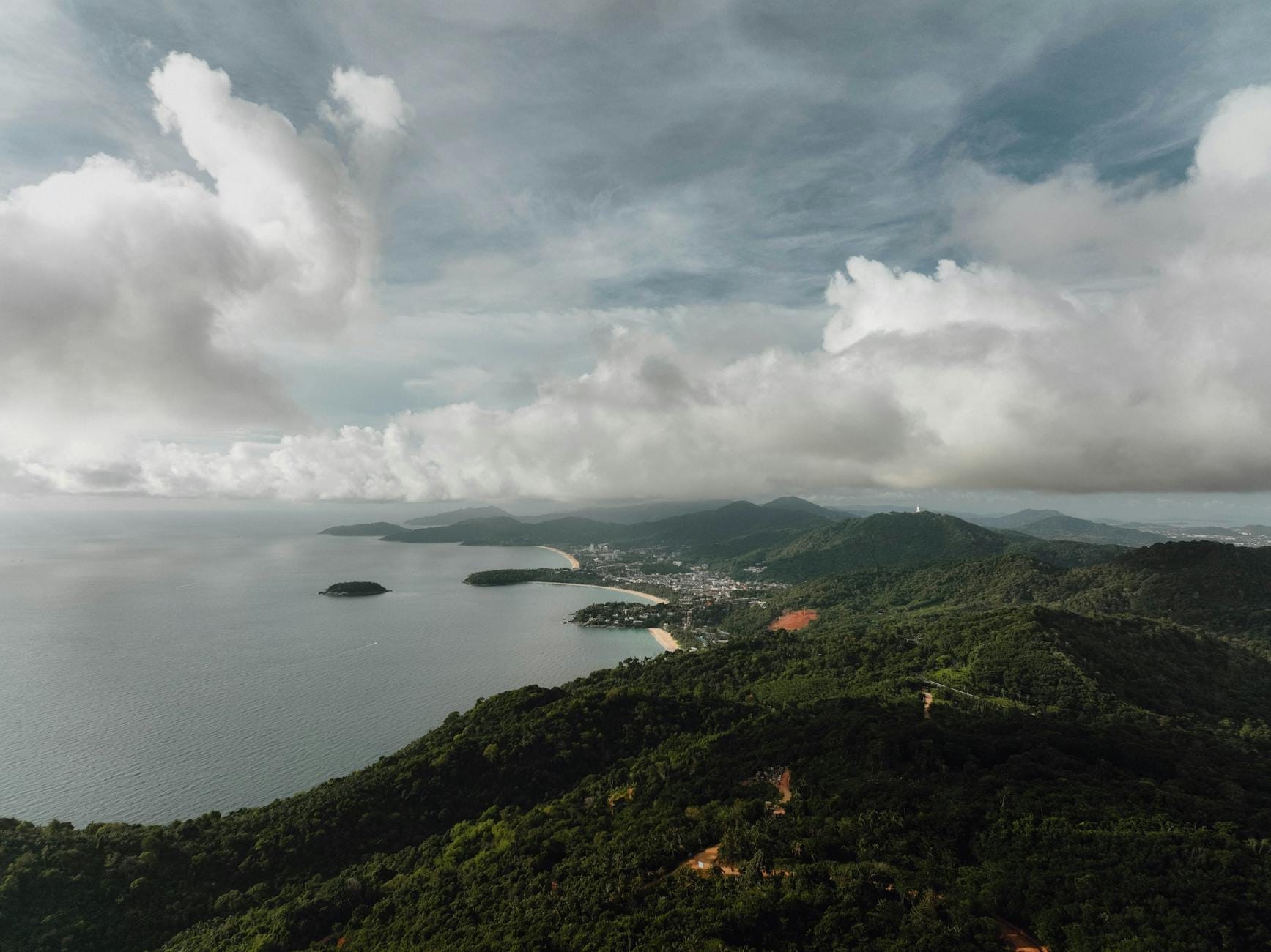
The Karon Viewpoint sits on the ridge between Kata Noi and the road south toward Rawai, offering one of the most photographed panoramas on the island. Further south, the coast continues toward Rawai and Chalong, which are accessible in about 15-20 minutes by scooter or songthaew.
Character & Atmosphere
The personality of Kata and Karon shifts noticeably across the day. Early mornings are genuinely quiet. By 7am the beach vendors are setting up their sun loungers but actual crowds are thin, and the light on the Andaman Sea at this hour has a flat silver quality that shifts slowly to gold. Local food stalls along the inner streets of Kata open early, serving rice soup and coffee to residents before the tourist traffic picks up.
Midday brings beach energy: families on loungers, surf schools operating out of Kata Yai, and the occasional longboat pulling snorkelers to Koh Pu. Karon's beach, despite its length, rarely feels genuinely packed outside of peak December and January weeks. The northern end near the big resort properties sees more foot traffic; the southern third of Karon beach, closer to the Kata headland, often has gaps between towels even in high season.
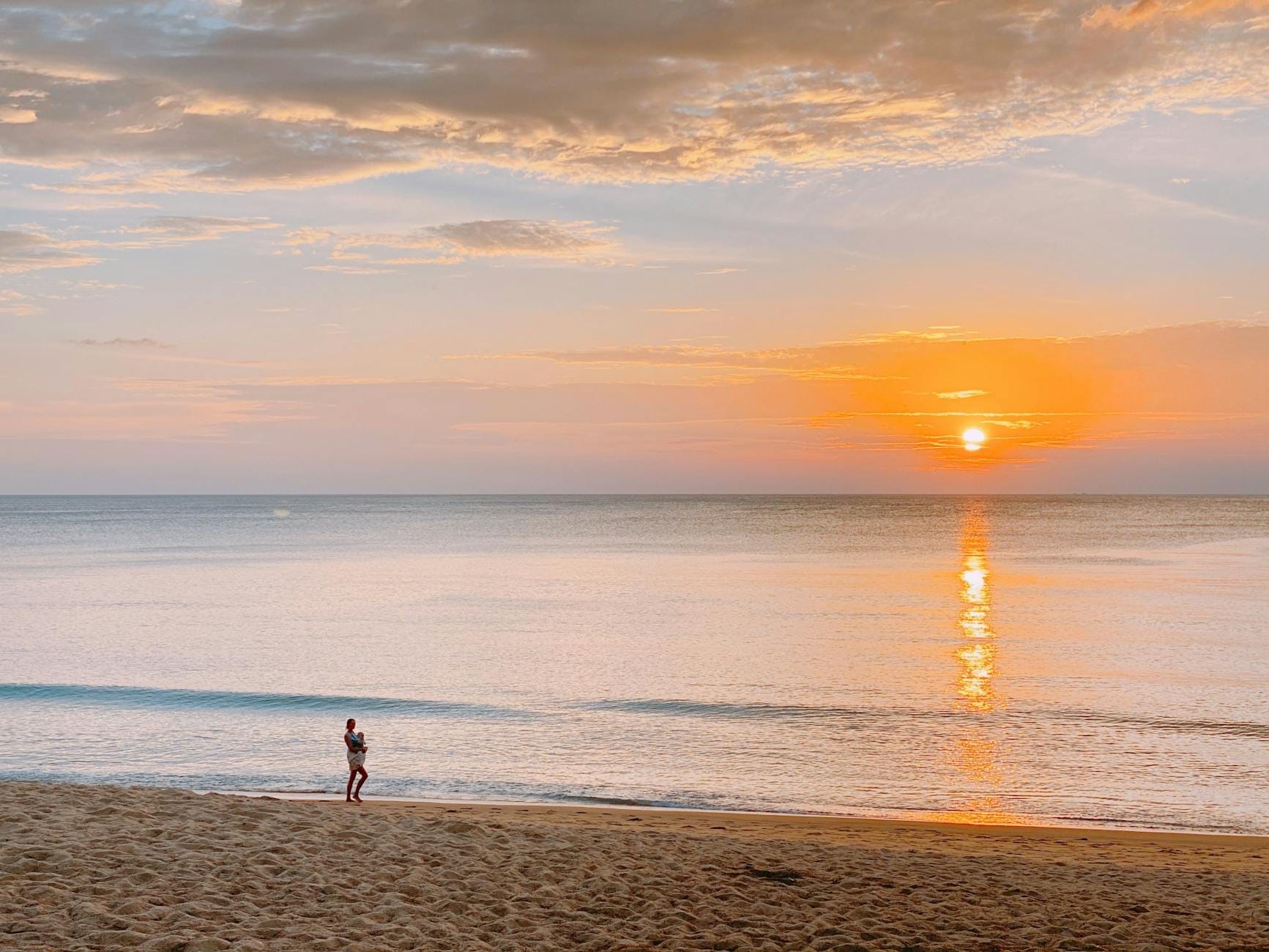
By late afternoon, the light turns amber and the beach bars fill up. Kata's main road becomes the social spine of the area: motorscooters weave between pedestrians, the tailor shops flick on their lights, and the smell of grilling meat drifts from the open-fronted restaurants. It is not a place that roars into the night the way Patong does, but there is a comfortable hum that carries through to around midnight.
Karon, by contrast, has a noticeably more spread-out feel. The town is less concentrated than Kata, and after dinner most streets quiet down considerably. This suits travelers who want to be near the action but sleep without earplugs. Kata Noi sits further still from any nightlife, and its short beachfront road feels almost residential by 10pm.
ℹ️ Good to know
Kata is popular with families and couples on longer stays, while Karon attracts a slightly older crowd that prioritizes beach space over bar proximity. Neither area should be mistaken for Patong: if non-stop nightlife is your goal, you will want to be further north.
What to See & Do
The beaches themselves are the primary draw. Kata Yai BeachKata Yai Beach has reliable surf from May through October, making it one of the few beaches in Phuket where intermediate surfers can rent a board and actually use it. During dry season (November to April) the water flattens out and becomes ideal for swimming and snorkeling. Surf schools operate at the northern end of the beach.
Kata Noi BeachKata Noi Beach is a short drive or a steep 15-minute walk south of Kata Yai. It is smaller, more sheltered, and consistently cleaner-feeling than the main beach. The headland blocks some of the swell, so it is calmer for swimming during wet season. One large resort anchors the northern end, but the beach itself is public and worth the detour.
Karon BeachKaron Beach rewards those who walk its length. The sand here is notably fine and squeaks underfoot, a quirk that locals actually mention with some pride. The beach is wide enough that even during peak season you can find space away from the resort sun-lounger zones by walking toward the southern end.
The Karon Viewpoint sits on the hill road between Kata Noi and the main road south. From here you can see Kata Noi, Kata Yai, and Karon spread out below in a single frame. Songthaews do not stop here, so you need a scooter, taxi, or a steep walk. Go at sunset when the light is behind you and the water picks up color.
The Karon Temple Market runs on weekend evenings near the Karon circle. It is a small local night market rather than a tourist production, selling food, clothes, and household goods. Worth visiting once for the food, though it closes relatively early.
Surfing and surf lessons at Kata Yai Beach (May to October surf season)
Kayaking out to Koh Pu islet from Kata Yai
Snorkeling day trips to Coral Island, easily booked from Kata pier
Karon Viewpoint for the three-beach panorama
Karon Temple Market on weekend evenings
Scooter day trips south to Rawai, Nai Harn, and Promthep Cape
Day trips are easy to organize from Kata or Karon. The Phi Phi Islands and Coral Island are both reachable by speedboat from nearby piers. The pier at Chalong, about 15 minutes away, handles most of the longer island tours.
Eating & Drinking
Kata's main road and the surrounding network of smaller streets hold a concentrated mix of Thai restaurants, seafood grills, Western-style cafes, and convenience stores. The quality range is wide. Beachfront spots with sea views charge a premium for the location and sometimes deliver mediocre food; better value usually sits one or two streets back.
For street food, the morning market in the residential streets behind Kata Yai is worth finding. Vendors sell pad kra pao (basil stir-fry), khao tom (rice soup), and fresh fruit for well under 100 THB. It closes by mid-morning. In the evenings, grilled seafood stalls open near the beach road, and the smell of charcoal and lemongrass carries down the street.
Karon's food scene is more spread out and slightly more sedate. There are clusters of restaurants near the Karon circle and along the beachfront road, covering Thai, Italian, and international options. Prices are broadly similar to Kata, though the selection is smaller. A solid local Thai meal in either area will cost 80 to 200 THB; sit-down restaurants with service average 300 to 600 THB per person.
For drinks, Kata's bar strip along the main road covers everything from cheap Chang beer to cocktails made with fresh fruit. The atmosphere is sociable without the aggressive tout culture you encounter on Bangla Road in Patong. A few rooftop bars have appeared in recent years with views toward the beach. Kata Noi is almost entirely dry after dark, so factor that into where you book accommodation.
💡 Local tip
The best value seafood in the area is often found at small grills that set up on the road parallel to the beach in the evening. Look for plastic chairs, charcoal smoke, and Thai families eating alongside tourists. These spots rarely have menus in English but pointing at the display of fresh fish works fine.
Getting There & Around
From Phuket International Airport, the most practical option is a private taxi or a pre-booked transfer, which takes roughly 45 to 60 minutes and costs around 700 to 900 THB (verify current rates before travel, as prices change). Grab, the regional ride-hailing app, operates on the island and generally provides more transparent pricing than flagging down a taxi.
Songthaews, Phuket's shared pickup-truck taxis, run between Phuket Town and the beach areas along fixed routes. The route serving Karon and Kata departs from the market area in Phuket Town and costs around 30 to 50 THB per person. See the getting around Phuket guide for a full breakdown of songthaew routes and timings.
Within Kata and Karon, the most flexible option is a rented scooter (around 200–400 THB per day from local rental shops along the main roads). This makes it easy to move between Kata Yai, Kata Noi, and Karon without depending on taxis. The roads between the beaches involve short hills with tight bends, so inexperienced riders should take care, especially after rain when surfaces get slippery.
Tuk-tuks are available for shorter hops and can be negotiated at the beach or outside hotels. Expect to pay 100 to 200 THB for a ride between Kata and Karon, more after dark. Walking the full length of Karon Beach end-to-end takes around 35 to 40 minutes on sand. Getting from Kata Yai to Karon on foot involves a road hill and takes about 25 minutes.
Patong is about 8 kilometers north of Karon, roughly a 15-minute drive by scooter or taxi. There is no direct songthaew between Kata and Patong; you typically need to go back through Phuket Town or take a private vehicle.
⚠️ What to skip
Phuket has no rail or metro system. Public songthaews stop running in the evening, which means getting back late from Patong or Phuket Town requires a taxi or Grab. Budget for this if you plan evenings elsewhere.
Where to Stay
Kata and Karon together offer one of the widest accommodation ranges on the island, from budget guesthouses above 500 THB per night to large resort hotels on the beachfront. The right sub-area depends entirely on what kind of trip you are taking.
Kata Yai's main road and the streets running off it are the best base for travelers who want convenience: restaurants, markets, pharmacies, and beach access are all within walking distance. Noise from bars on the main strip carries until midnight or later, so light sleepers should look for accommodation on the quieter side streets or book with reviews that mention noise levels.
Kata Noi is for people who want a quieter stay and do not mind paying for the privilege or relying on a scooter to get anywhere. The small beach has a single large resort and a handful of smaller properties. It is one of the better options for couples on a honeymoon or anyone on a short trip who wants minimal interruption.
Karon suits families and repeat visitors who want a longer-term base. The beach is wide, the town is calm, and the spread-out layout means less foot-traffic noise. The northern end of Karon, near the large resort properties, is more convenient for beach services. The southern end is quieter. For broader context on where Kata and Karon fit within the island's options, the where to stay in Phuket guide covers all the main beach areas.
Practical Notes
The best time to visit Kata and Karon is between November and April, when the Andaman coast is in its dry season. Skies are reliably clear, the sea is calm enough for swimming and snorkeling, and humidity is manageable. December and January are peak season: expect higher hotel prices and fuller beaches.
May through October is the wet season. Rain comes in heavy afternoon bursts rather than all-day downpours, and many days are partly sunny. Kata Yai actually has surf during these months, which changes the character of the beach entirely. Prices drop significantly across accommodation and some businesses close for the low season. See the best time to visit Phuket guide for a month-by-month breakdown.
Dress modestly when visiting temples; beachwear is appropriate on the beach but not in shops or markets. Tap water is not safe to drink, so stick to bottled water. Emergency numbers: 191 for police, 1669 for medical. Currency is Thai Baht (THB) and ATMs are available at the Karon circle and along Kata's main road.
💡 Local tip
If you are deciding between Kata and Karon: choose Kata for a more social, village-feel base with surf culture and a compact walkable center. Choose Karon if you want a longer beach with more space, a quieter town, and slightly less tourist intensity. Both are strong choices relative to Patong.
TL;DR
Kata and Karon are the best-balanced beach areas on Phuket's west coast: genuinely attractive beaches without the sensory overload of Patong, which sits 15 minutes north.
Kata Yai is ideal for surfers (May to October), families, and travelers who want a walkable, social base with good food options within easy reach.
Karon suits couples and travelers who want beach space, a quieter town atmosphere, and a less concentrated tourist strip.
Kata Noi is the quietest option in the area and works well for a short, focused beach break or a honeymoon stay.
Neither Kata nor Karon is for you if you specifically want Phuket's nightlife scene: for that, Patong is the correct base and these areas are better used as day trips.
Phuket has three distinct seasons, and each suits a different type of traveler. This guide breaks down the dry season, hot season, and monsoon period with practical advice on crowds, prices, sea conditions, and what you can actually do each month.
Phuket has no metro, no train network, and taxi meters that drivers routinely ignore. This guide cuts through the confusion with honest pricing, route logistics, and the best transport option for every type of trip across the island.
Phuket has over 30 beaches ranging from lively resort strips to near-deserted coves. This guide covers every beach worth knowing, organized by character and location, with honest advice on swimming conditions, crowds, and how to make the most of each one.
Phuket sits at the center of one of Southeast Asia's most spectacular seascapes. These are the best day trips from the island, from the legendary Phi Phi archipelago to the limestone karsts of Phang Nga Bay, plus ethical wildlife encounters and nearby island escapes.
Planning a trip to Phuket but not sure how to structure your time? This guide breaks down realistic day-by-day itineraries for 5, 7, and 10-day trips, covering beaches, island day trips, cultural sites, and practical logistics so you spend less time figuring out and more time actually there.
From Bangla Road's neon-lit clubs to low-key beach bars in Kamala and jazz spots in Phuket Old Town, Phuket's nightlife spans every budget and mood. This guide breaks down real costs, the best venues by area, seasonal crowd patterns, and what to skip.
Phuket is far more than beaches and Patong nightlife. This guide covers the best things to do across the entire island — temples, islands, food markets, viewpoints, water parks, and cultural attractions — with honest advice on what to skip and what to prioritize based on your travel style.
Phuket's food scene runs the full spectrum, from smoky roadside stalls serving Hokkien noodles for 60 THB to PRU at Trisara, the island's only Michelin-starred restaurant with tasting menus above 3,500 THB. This guide breaks down where to eat in Phuket by neighborhood, budget, and cuisine style, with honest picks and traps to avoid.
Picking the right area to stay in Phuket shapes your entire trip. This guide breaks down every major neighborhood, from lively Patong to peaceful Mai Khao, with honest assessments of who each area suits, what to budget, and what to avoid.