San Diego in Winter: Is It Worth Visiting?
San Diego in winter is genuinely underrated. Daytime highs hover in the mid-60s°F, hotel rates drop significantly from summer peaks, and January kicks off some of the best whale watching on the West Coast. This guide covers the weather realities, best activities, and what to skip during the off-season.

TL;DR
- Winter daytime highs average 64–68°F (18–20°C), with overnight lows around 48–54°F (9–12°C). You will not need a heavy coat, but evenings require a jacket.
- December through February is San Diego's rainy season, with February typically the wettest month. Rain is infrequent but can come in multi-day storms, especially in El Niño years.
- Snow does not fall in coastal San Diego. If you want snow, head inland to higher-elevation areas of San Diego County.
- January through March is peak season for gray whale migrations, making whale watching one of the best winter-specific reasons to visit.
- Hotel rates and crowds drop noticeably from summer peaks, making winter one of the better times to visit on a budget.
What San Diego Winter Weather Actually Looks Like

San Diego has a Mediterranean climate, which means winters are mild and somewhat rainy, not cold and miserable. December through February sees average daytime highs around 64–68°F (18–20°C) and overnight lows around 48–54°F (9–12°C). You can comfortably walk around in a light jacket most days. Temperatures rarely drop below 40°F anywhere in the coastal city, and frost is essentially unheard of at sea level.
That said, winter is when San Diego's rainy season runs. The city receives about 10–11 inches of rainfall annually, and the bulk of it falls between November and March. February is historically the wettest month, averaging around 2 inches. Rain typically arrives in systems that last a few days, followed by stretches of clear, sunny weather. San Diego does not get gray, drizzly winter weather the way Seattle or London does — storms are more concentrated, and clear days in between are genuinely pleasant. In El Niño years, however, storm systems can be more intense and cause localized flooding, so it's worth checking the forecast before planning multi-day outdoor itineraries.
⚠️ What to skip
Snow in coastal San Diego is essentially a myth. The beaches and downtown do not see snowfall. Higher-elevation inland areas of San Diego County — like the Laguna Mountains or the area around Julian — can receive snow in winter, but the city itself does not. Don't pack ski gear expecting mountain conditions at the coast.
One seasonal nuance worth knowing: morning marine layer fog can be more persistent in late fall and early winter than the famous 'June Gloom' coastal overcast that tourists associate with summer. Some winter mornings start with thick, low cloud cover that burns off by midday. Plan outdoor photography or sunrise visits with this in mind.
The Real Advantages of Visiting in Winter
The most compelling reason to visit San Diego in winter is simple: fewer people and lower prices. Summer is the peak season, with the city drawing enormous crowds to its beaches and major attractions like the San Diego Zoo and SeaWorld San Diego. In winter, lines are shorter, parking is easier, and hotel rates at many properties drop 20–40% compared to July and August. If you are visiting indoor-heavy itineraries — museums, restaurants, historic sites — winter is arguably the optimal season.
January through March is also prime whale watching season, specifically for Pacific gray whales making their annual migration south toward Baja California's calving lagoons and then returning north. This is one of the largest whale migrations on Earth, running close to the San Diego coast. Boats depart regularly from the Embarcadero and Point Loma, with trips typically running two to three hours. Orca sightings also occur less predictably but are documented during winter months.
Museum Month, typically held in February, offers discounted admission at dozens of Balboa Park museums and other cultural institutions across the city. Half-price admission at venues like the San Diego Museum of Art, the San Diego Natural History Museum, and the Fleet Science Center makes February one of the most cost-effective months for culture-focused visitors. Verify current Museum Month participation with each institution before your trip.
- Shorter lines at major attractions San Diego Zoo, USS Midway Museum, and Balboa Park museums all see significantly reduced crowds from November through February compared to summer.
- Lower hotel rates Expect rates at mid-range properties to drop noticeably off summer peaks. Beachfront and resort hotels in particular offer better value in winter.
- Whale watching season Gray whale migrations peak January through March, making winter the best time for ocean wildlife viewing.
- Museum Month (February) Half-price admission at dozens of San Diego cultural institutions, typically running the full month of February.
- Holiday events (November–January) The 'Holiday Attraction Action' season runs approximately November 15 through January 4, covering holiday lighting, seasonal events at the Zoo, and various neighborhood celebrations.
What You Actually Cannot Do Well in Winter
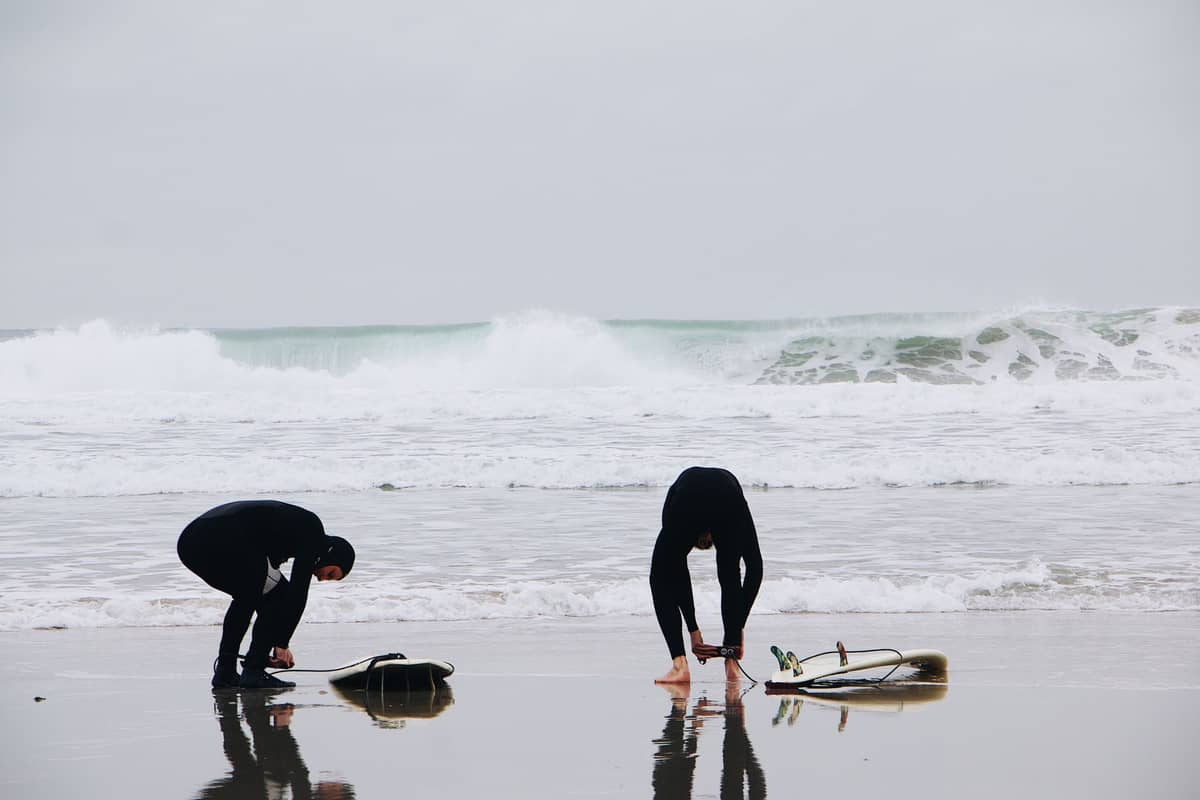
Let's be honest about what winter costs you. Beach culture is minimal. Water temperatures drop to around 58–62°F (14–17°C), which means swimming is genuinely uncomfortable for most people without a wetsuit. Surfers in wetsuits still hit the water at spots like Pacific Beach and Ocean Beach year-round, but casual beach days with ocean swimming are not a realistic expectation in December or January.
Outdoor dining and rooftop bar scenes are scaled back compared to summer. Many places remain open but the vibe shifts significantly when evenings drop into the low 50s°F. If your vision of San Diego is sun-soaked afternoons on a restaurant patio, you may want to adjust expectations or target the warmer stretch of late February and March when conditions start improving.
ℹ️ Good to know
Some amusement parks and outdoor attractions operate on reduced winter schedules. SeaWorld, Legoland Carlsbad, and the San Diego Zoo Safari Park all adjust hours and certain attractions seasonally. Always check the official website for current winter operating hours before purchasing tickets.
Best Winter Activities and Where to Focus

Balboa Park is genuinely excellent in winter. The park's 1,200 acres include numerous museums, the botanical building, Japanese Friendship Garden, and miles of walking paths. Without summer heat and crowds, exploring the park at a relaxed pace is far more enjoyable. The Botanical Building and the Japanese Friendship Garden are especially pleasant in the cooler, greener winter months.
For hiking, winter is actually one of the better seasons in San Diego. Trails at Torrey Pines State Natural Reserve are less crowded and the coastal bluffs are lush and green after rainfall. Cowles Mountain in Mission Trails Regional Park offers panoramic city views without the intense heat that makes summer hikes unpleasant. Just check trail conditions after heavy rain, as some dirt paths become muddy and slippery.
The waterfront neighborhoods hold up well in winter. Little Italy is a year-round destination for dining and the Saturday Mercato farmers market. The USS Midway Museum and Maritime Museum of San Diego are entirely indoors and make for solid half-day visits regardless of weather. The Gaslamp Quarter's restaurant and bar scene operates at full capacity in winter, without the aggressive summer crowds.
- Whale watching tours from the Embarcadero or Point Loma (January–March is peak season)
- Balboa Park museums, including San Diego Museum of Art, Fleet Science Center, and Natural History Museum
- Hiking at Torrey Pines State Natural Reserve — coastal trails with ocean views
- Old Town San Diego State Historic Park — outdoor historic site that's comfortable in mild winter temperatures
- Craft brewery scene in North Park, Mission Hills, and Little Italy (all indoor-friendly)
- Cabrillo National Monument for tide pooling, whale watching viewpoints, and historic lighthouse
- Day trips to Julian for apple cider, pies, and a genuine mountain-town winter atmosphere
✨ Pro tip
The Cabrillo National Monument on Point Loma is one of the best value spots to watch gray whale migrations from land, especially if you already have a national park pass, without paying for a boat tour. The monument's west-facing overlooks offer clear sightlines over the Pacific during the migration window of January through March. Bring binoculars.
Holiday Season Specifics: November Through January

The holiday period runs roughly from mid-November through early January, with concentrated events across the city. The San Diego Zoo decorates for the season and extends evening hours for holiday programming. Balboa Park hosts various cultural events. The Hotel del Coronado on Coronado Island does an elaborate holiday display and ice skating on the beach that draws both tourists and locals. The San Diego Bay Parade of Lights, typically held in December, is a large boat parade visible from multiple waterfront spots.
One honest caveat: the week between Christmas and New Year is busier and more expensive than the rest of winter. If you are trying to take advantage of off-season pricing and thinner crowds, avoid that specific week. The period from early January through mid-February is genuinely the quietest stretch of the year, with the best combination of low prices, manageable crowds, and whale watching season in full swing.
Planning Logistics: Getting Around and Budgeting
San Diego International Airport (SAN) sits about 3 miles from downtown, making it one of the most convenient major airports in the United States for city access. MTS buses connect the airport to downtown transit hubs, and Uber and Lyft both operate at the airport with designated pickup areas. For getting around the city during your stay, the San Diego transit and transport guide covers your options in detail — including the Trolley light rail, which reaches Mission Valley, Old Town, and the border.
Winter is a good time to stretch a San Diego budget. If you're watching costs, the San Diego on a budget guide and the free things to do in San Diego guide are worth reading before you arrive. Many of the city's best winter experiences — hiking, beach walks, Balboa Park grounds, Old Town — cost nothing. Tipping norms follow standard U.S. conventions: 18–20% for full-service restaurants, less for counter service.
Dress code for San Diego in winter is simple: layers. A T-shirt or light top works for midday, a medium-weight jacket for mornings and evenings. Waterproof shoes are worth having if you're there during a rainy stretch. You will not need anything heavier than what you'd wear for a mild spring day in most other U.S. cities. Standard U.S. Type A/B electrical outlets, 120V at 60Hz, are the standard — relevant for international visitors who need plug adapters.
FAQ
Is San Diego worth visiting in winter?
Yes, for most types of travelers. You get mild weather in the mid-60s°F, significantly lower hotel rates than summer, shorter lines at major attractions, and the start of whale watching season. The tradeoffs are that beach swimming is not realistic and rainy-day stretches can disrupt outdoor plans. If your itinerary centers on indoor attractions, hiking, food, and culture, winter is one of the best times to visit.
Does it snow in San Diego in winter?
Not at the coast or in the city. Snow is essentially unheard of in coastal San Diego. Higher-elevation inland areas of San Diego County, such as the Laguna Mountains near Alpine or the town of Julian, can receive snow during winter storms, but the city itself does not.
What is the weather like in San Diego in December and January?
Daytime highs in December and January average around 64–68°F (18–20°C), with overnight lows around 48–54°F (9–12°C). Sunny stretches are common, but you should expect some rainy periods, as winter is San Diego's rainy season. El Niño years can bring heavier and more sustained rainfall.
What are the best things to do in San Diego in winter?
Whale watching tours (January through March is peak gray whale migration season), Balboa Park museums, hiking at Torrey Pines State Natural Reserve, the USS Midway Museum, Old Town San Diego State Historic Park, the craft brewery scene in North Park and Little Italy, and holiday events in December are all strong options. February also typically offers half-price Museum Month admissions at dozens of cultural institutions.
When is the cheapest time to visit San Diego?
January and February (excluding holiday weeks) are generally the cheapest periods, with hotel rates, airfare, and attraction crowds all lower than summer peaks. The exception is the week between Christmas and New Year, which sees a temporary spike in prices and visitor numbers.