San Diego on a Budget: How to Visit Without Breaking the Bank
San Diego has a reputation as an expensive coastal city, but it rewards travelers who know where to look. From always-free beaches and rotating museum days to smart transit choices and shoulder-season savings, this guide covers every practical angle for keeping costs down without missing the best the city has to offer.

TL;DR
- San Diego's beaches, coastal trails, and most of Balboa Park's outdoor spaces are completely free — the city's best budget assets.
- MTS bus and trolley fares are $2.50 per ride until October 2026, when they rise to $3.00 — and youth 18 and under ride free with a registered PRONTO card.
- Balboa Park's free Tuesday rotation benefits San Diego County residents and active military, not tourists in general — plan accordingly.
- Shoulder seasons (September-October and March-April) offer summer-like weather with noticeably lower hotel rates — see the best time to visit San Diego for full seasonal breakdowns.
- Attraction passes (like Go City) only pay off if you pack 3-4 major attractions into each day — casual visitors usually save more going à la carte.
Free Things to Do: San Diego's Best No-Cost Experiences
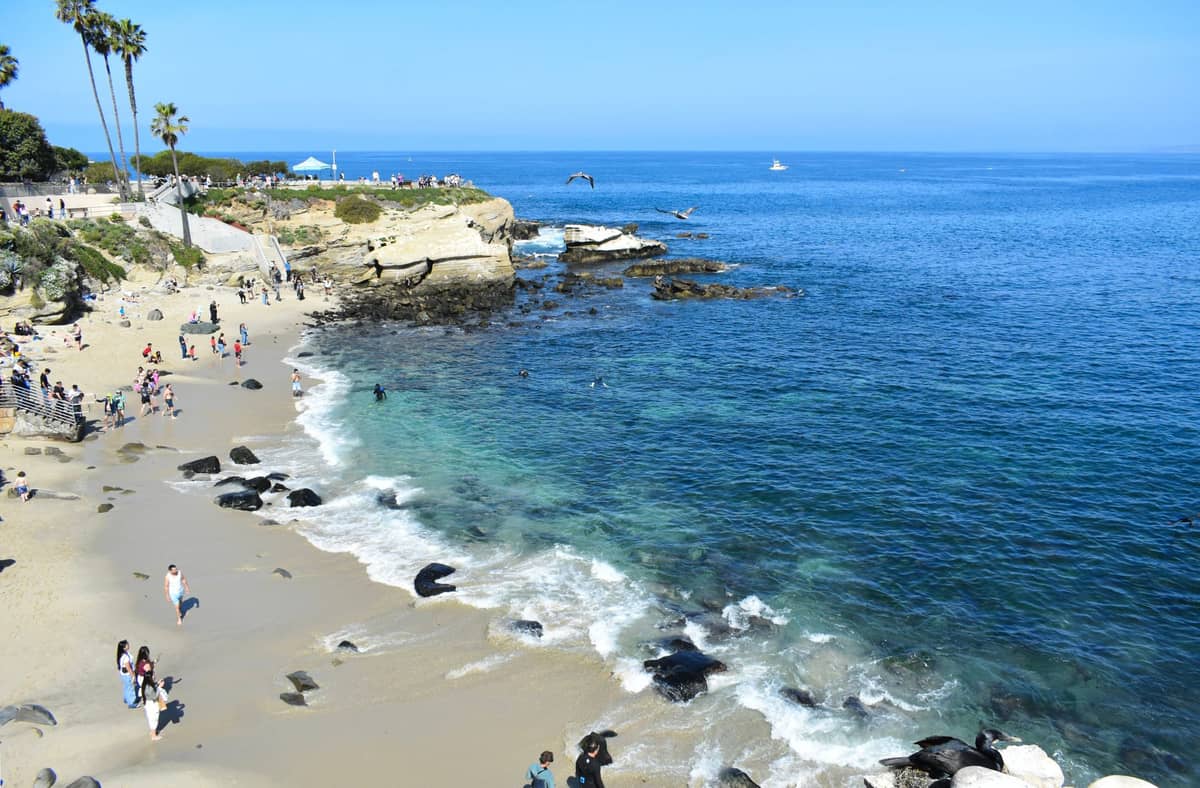
The single biggest advantage of visiting San Diego on a budget is that the city's most iconic experiences cost nothing. Every public beach — from Coronado Beach to La Jolla Shores — is free to access. Parking can add up, especially in summer, but arrive by bike, transit, or on foot and you're looking at a full day at the ocean for zero dollars.
Balboa Park is the backbone of any budget San Diego itinerary. The 1,200-acre park charges no admission to enter, and several of its most impressive spaces are free every single day: the Botanical Building and its reflecting pool, the Spanish Village Art Center where working artists sell and demonstrate their craft, the Spreckels Organ Pavilion (free Sunday concerts at 2pm most of the year), and the Timken Museum of Art, which maintains free admission for all visitors, every day.
- Sunset Cliffs Natural Park A 1.5-mile clifftop walk above the Pacific in Ocean Beach — dramatic scenery, no fee, best in the late afternoon when the light turns golden.
- Cabrillo National Monument Tidepools The monument charges a vehicle fee (around $20 per car), but if you arrive on foot or by bike, admission is much lower. The tidepools and bay views are exceptional.
- Chicano Park Under the Coronado Bridge in Barrio Logan — an open-air gallery of large-scale murals with real cultural weight, always accessible and always free.
- Mission Bay Park 4,600 acres of public parkland, beaches, and waterways. Bring a frisbee or picnic; the space itself costs nothing.
- Torrey Pines State Natural Reserve trails Free for hikers who walk in; parking fees apply if you drive. The coastal sage and ocean overlooks are among the best in Southern California.
💡 Local tip
The free Sunday concerts at Spreckels Organ Pavilion run most weeks, typically at 2pm. Check the Balboa Park website for the current schedule before visiting — summer programs often feature guest organists and themed performances.
Balboa Park Museum Free Days: What's Actually Free and for Whom
This is the most misunderstood budget tip in San Diego. The rotating free Tuesday program at Balboa Park museums is real and valuable — but it applies to San Diego County residents and active military, not to out-of-town tourists. You'll need a photo ID showing a county address or valid military ID. If you're a local, this is one of the best deals in the city. If you're visiting from elsewhere, you'll pay standard admission at most museums.
- 1st Tuesday San Diego Natural History Museum, Museum of Us, Centro Cultural de la Raza
- 2nd Tuesday Museum of Photographic Arts, Museum of Us, Japanese Friendship Garden
- 3rd Tuesday San Diego History Center, Mingei International Museum, Japanese Friendship Garden
- 4th Tuesday San Diego Air and Space Museum, San Diego Automotive Museum, Comic-Con Museum
For visitors who don't qualify for the resident discount, the Timken Museum of Art remains fully free every day — it holds an impressive collection of Old Masters and American paintings. The Botanical Building and the Spanish Village Art Center are also always free to enter, with no residency requirement.
⚠️ What to skip
Some travel blogs still list Balboa Park museum free days as a universal tourist perk. They are not. Showing up without a county ID on a Tuesday means paying full admission. Verify eligibility on the official Balboa Park website before building your itinerary around it.
Getting Around San Diego Without Spending a Fortune
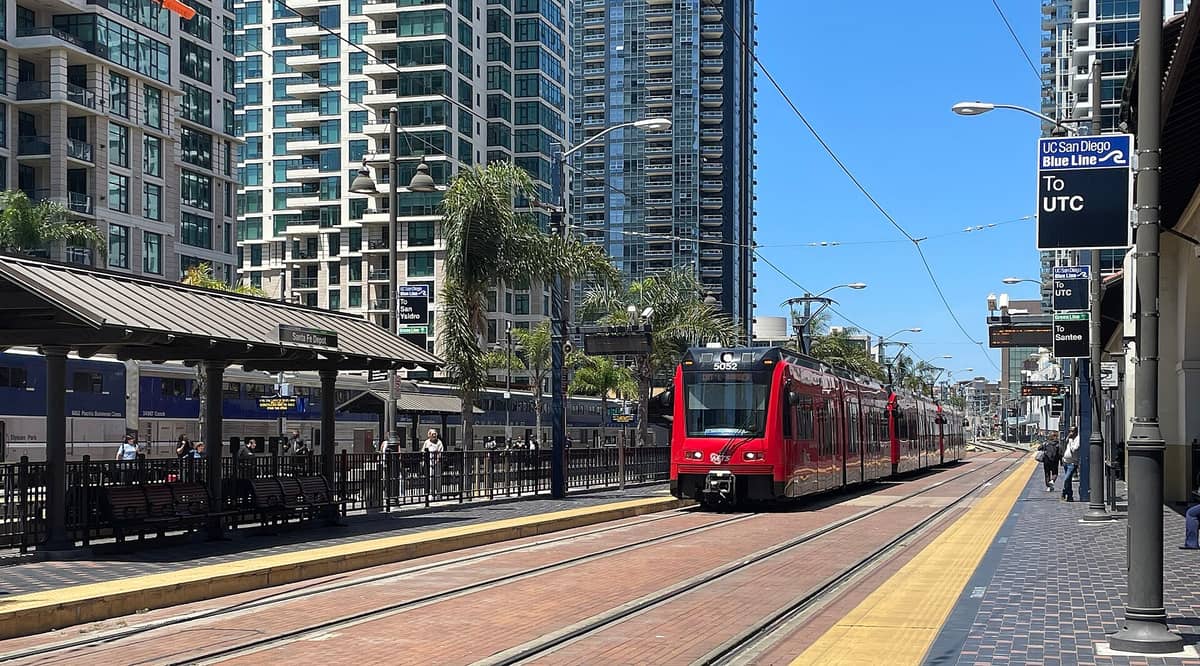
San Diego's Metropolitan Transit System (MTS) covers most major visitor areas including downtown, Balboa Park, Old Town, Mission Valley, and the beaches near Pacific Beach. The current adult one-way fare on most buses and trolleys is $2.50 — but that changes on October 1, 2026, when fares increase to $3.00 per ride and the regular monthly pass rises from $72 to $85. Budget-focused travelers visiting after that date should factor the increase into their planning.
The most impactful transit saving available right now is the Youth PRONTO program: riders 18 and under can register for a free PRONTO card or app-based account and ride both MTS and NCTD services at no cost. For families, this is substantial. Two adults and two kids making four round-trips a day would pay roughly $20 in adult fares while the kids ride free — versus $80+ for all four if everyone were paying full fare.
✨ Pro tip
San Diego International Airport (SAN) sits about 3 miles from downtown — close enough that an MTS bus into the city center costs $2.50 instead of $30+ for a rideshare. The MTS 992 route connects the airport terminals to Santa Fe Depot downtown, where you can transfer to the Trolley or other buses. The free San Diego Flyer shuttle connects the airport to Old Town Transit Center. Verify the current route number and schedule at sdmts.com before you fly in.
For neighborhoods that transit doesn't serve well — La Jolla, Point Loma, some beach areas — rideshares are the practical alternative. If you're spending multiple days and plan to range widely, compare daily car rental rates against per-ride costs. La Jolla's parking meters and lots add up fast, though. For more detail on navigating the city, see the full guide to getting around San Diego.
Attraction Passes: When They Save You Money and When They Don't

The Go City San Diego pass is the dominant multi-attraction option. It covers major sites including SeaWorld, the San Diego Zoo, USS Midway Museum, Birch Aquarium, and others. Current pricing varies by pass type and duration, so check the official Go City site before buying. The math works in your favor only if you're hitting three or four included attractions per day — and that requires a structured, high-volume itinerary.
For beach-focused or walking-heavy trips, the pass rarely makes sense. If your San Diego visit revolves around free coastline, Balboa Park's outdoor spaces, neighborhoods like Little Italy or Ocean Beach, and a couple of individual paid attractions, you'll likely pay less going à la carte. Run the numbers against current gate prices for the specific attractions you plan to visit before buying any pass.
- San Diego Zoo adult admission runs around $78 — one of the pricier individual tickets, so it anchors the pass value calculation.
- SeaWorld San Diego tickets are similarly expensive at peak pricing; booking online in advance typically saves 20-30% versus gate prices.
- The USS Midway Museum charges around $35-40 for adults and is not always included in every pass tier — confirm coverage before purchasing.
- Birch Aquarium at Scripps is one of the more reasonably priced paid attractions at around $25-35 for adults, making it a good standalone option if you're not doing the zoo.
- Cabrillo National Monument charges per vehicle but is inexpensive for pedestrians and cyclists — worth factoring in if your accommodation is nearby.
Eating and Drinking on a Budget
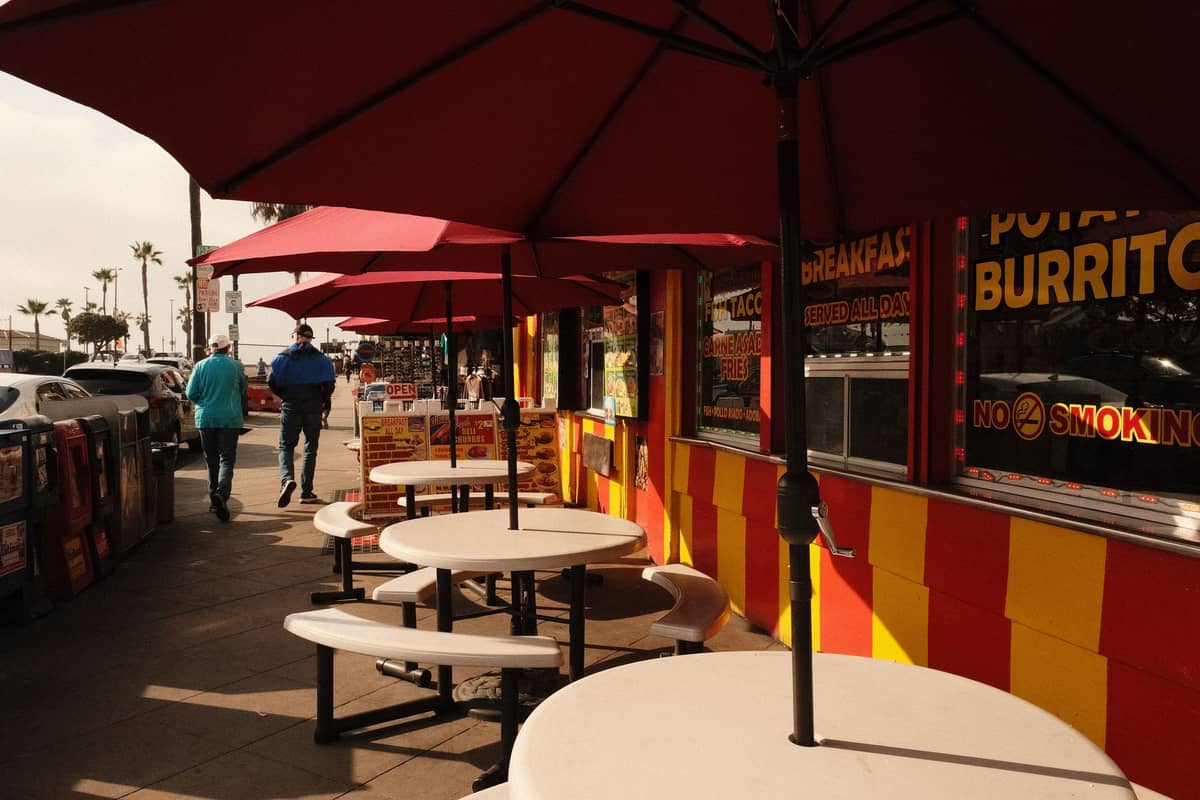
San Diego's food scene has a genuine budget-friendly tier that doesn't feel like a compromise. The city's fish taco culture means you can eat extremely well for $3-7 per taco at spots like Rubio's (the chain that popularized Baja-style fish tacos) or local taquerias in neighborhoods like City Heights or Barrio Logan. Two or three tacos and a drink from a counter-service spot is a complete meal under $15.
The Gaslamp Quarter and Little Italy trend expensive, particularly at dinner. You'll pay $18-25 for an entree at a sit-down restaurant in those neighborhoods and be expected to tip 18-20% on top. If you're watching costs, shift your main meals to lunch (most restaurants offer the same dishes at lower midday prices) or explore North Park, City Heights, and Ocean Beach, where independent spots charge significantly less than the tourist-facing waterfront.
San Diego also has one of the strongest craft beer scenes in the country. Tasting rooms in North Park, Miramar, and around Liberty Station often offer $5-8 pours in no-frills settings, which is reasonable compared to hotel bars. The craft beer guide to San Diego covers the best neighborhoods and breweries in detail.
Timing Your Visit to Avoid Peak Prices
San Diego's Mediterranean climate means the weather argument for visiting in summer is weaker than in most cities. Coastal temperatures stay comfortable year-round: average highs run 64-68°F in winter and 72-78°F in summer near the beach. That narrow band means you can visit almost any month without sacrificing outdoor activities — which matters a lot for budget planning.
Peak hotel prices cluster around June through August, the December holiday period, and major events like Comic-Con (usually held in July). During these windows, even budget hotels in accessible neighborhoods charge premium rates, and beach parking is a genuine headache. September and October offer a strong alternative: temperatures remain in the high 60s to mid-70s, rainfall is near zero, and hotels drop noticeably from summer peaks. Spring (March-April) is similarly favorable, with mild temperatures and lower accommodation costs than summer.
Winter visits (December through February) bring the lowest hotel rates of the year, and many outdoor spaces remain pleasant. The tradeoff is occasional rain — San Diego's wettest month is February, averaging around 2-2.5 inches — and some seasonal attraction closures or reduced hours. For a detailed breakdown of what each season actually looks like, see the best time to visit San Diego.
ℹ️ Good to know
San Diego hosts Comic-Con International every July, typically drawing around 130,000 attendees over four days. Hotel rates within 5 miles of the Convention Center spike dramatically during that weekend, often rising sharply above normal prices. If you're not attending the convention, plan around those dates or book accommodations further from downtown.
FAQ
What are the cheapest things to do in San Diego?
The best free and low-cost options include all public beaches (La Jolla Shores, Pacific Beach, Coronado, Ocean Beach), the outdoor spaces of Balboa Park including the Botanical Building and Lily Pond and Spreckels Organ Sunday concerts, Chicano Park murals, Sunset Cliffs Natural Park, and Torrey Pines trails (free for walk-in visitors). The Timken Museum of Art in Balboa Park is free every day for everyone.
Is public transit practical for getting around San Diego on a budget?
It works well for central neighborhoods and the main tourist corridor: downtown, Old Town, Mission Valley, and parts of the beach communities. Adult fares are $2.50 per ride (rising to $3.00 in October 2026). Youth 18 and under ride free with a registered PRONTO card. Transit is less convenient for La Jolla and Point Loma, where rideshares or a rental car may be more practical.
Are Balboa Park museum free days open to tourists?
No. The rotating free Tuesday program is for San Diego County residents (requiring photo ID with county address) and active military. Out-of-town visitors pay standard admission. The exception is the Timken Museum of Art, which is free for all visitors every day.
Is a Go City or attraction pass worth it in San Diego?
Only if you plan to visit three or four major paid attractions per day. The pass makes sense for itineraries that include the San Diego Zoo, SeaWorld, USS Midway, and similar high-admission venues in quick succession. If your trip is beach-heavy or you're spending time in free outdoor spaces, paying à la carte will cost you less.
What's the cheapest time of year to visit San Diego?
Late fall through early spring (November through March) sees the lowest hotel rates, though February brings occasional rain. The best value window for combining decent weather with lower prices is September-October or March-April, when temperatures remain comfortable and accommodation costs drop from summer peaks.