Getting Around San Diego: Transport, Airport & Navigation Guide
San Diego spans over 325 square miles of coastline, canyons, and urban neighborhoods, and getting around efficiently requires knowing which transport options actually work for visitors. This guide covers everything from airport arrivals and MTS trolley fares to driving realities, rideshare logistics, and neighborhood-by-neighborhood navigation.
TL;DR
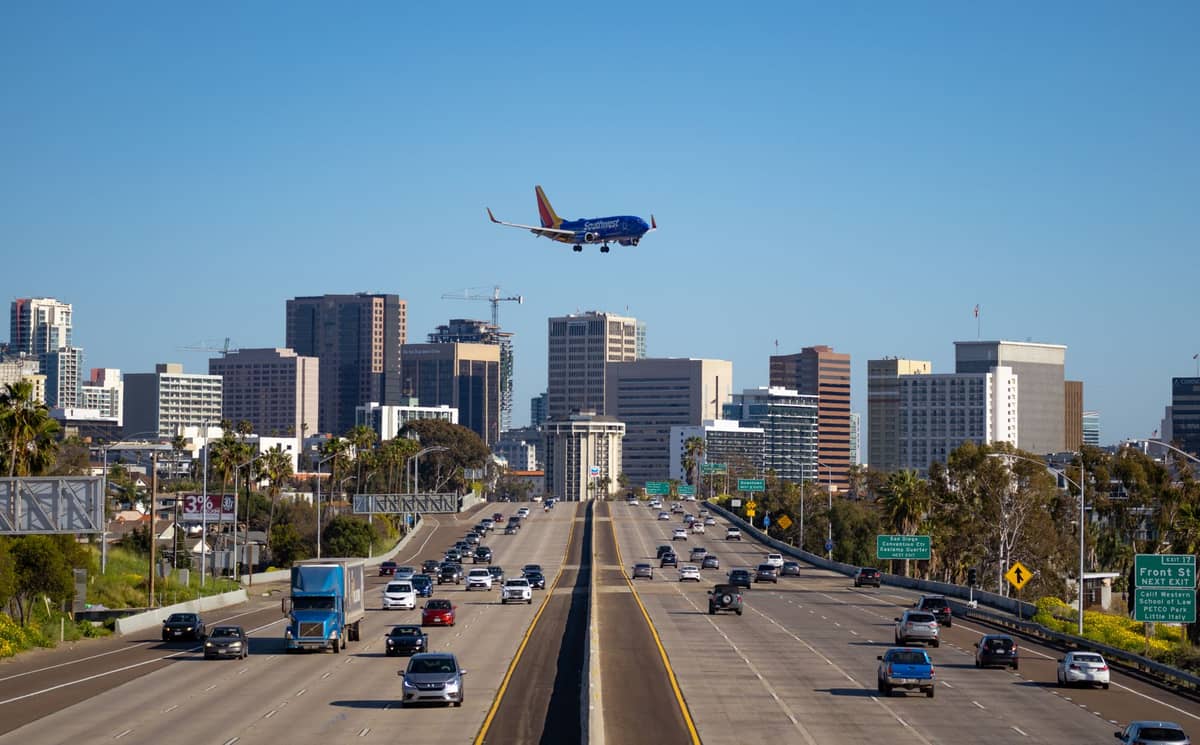
- San Diego International Airport (SAN) sits just 3 miles from downtown, making transfers fast, but Uber/Lyft pickups require the designated Transportation Plaza.
- MTS bus and trolley standard fares are $2.50 per trip; the PRONTO card automatically caps daily spending at $6.00 on standard routes, so no separate day pass purchase is needed.
- Youth 18 and under ride free on MTS and NCTD with a registered Youth PRONTO card.
- A car is genuinely useful for reaching coastal neighborhoods like La Jolla or Ocean Beach, but downtown, Balboa Park, and the Gaslamp Quarter are very walkable.
- Summer traffic and holiday periods cause serious congestion around SAN and beach corridors; build in extra time or use rail where possible.
San Diego International Airport: Arrivals & Ground Transport
San Diego International Airport (IATA code: SAN) is one of the most conveniently located major airports in the United States. At roughly 3 miles from the central business district, it beats the typical 30-60 minute airport slog familiar to travelers in Los Angeles or New York. The airport has two primary terminals, Terminal 1 and Terminal 2, both of which funnel arriving passengers to street-level Transportation Plazas for all ground transport options.
All taxis, rideshare vehicles, hotel shuttles, and shared van services depart from these Transportation Plazas rather than curbside. This is the detail that trips up first-time arrivals the most: opening the Uber or Lyft app at baggage claim and heading to the wrong exit will cost you 10-15 minutes of confusion. Follow the signed walkways to the plaza before requesting your ride.
- Rideshare (Uber / Lyft) Most practical option for solo travelers and groups. Pick up at Transportation Plazas only. Expect $12-20 to downtown during off-peak hours; surge pricing during summer weekends or late nights can push that to $30+.
- MTS Bus (Route 992) The airport bus connects directly to the Santa Fe Depot transit hub downtown. Standard MTS fare applies ($2.50 with PRONTO). Frequency is roughly every 15-30 minutes; confirm schedules on the MTS official site before traveling.
- Taxi Available at the Transportation Plaza. Fares to downtown typically run $15-25 depending on traffic. Metered, so predictable pricing without surge dynamics.
- Hotel Shuttles Many airport-area and downtown hotels operate complimentary or low-cost shuttles. Confirm with your hotel ahead of arrival, as pickup points and schedules vary.
- Rental Car Rental facilities are located at the consolidated Rental Car Center, reached by a free shuttle from the terminals. Budget extra time during peak travel periods.
⚠️ What to skip
SAN does not have a direct light rail or trolley connection to the airport as of 2026. The MTS bus is the only public transit option, and while convenient, it is not the same as a rail link. Plans for a transit connection have been discussed for years, but no rail service exists yet. Always verify ground transport options on the official SAN website before your trip.
MTS Trolley & Bus Network: How It Actually Works
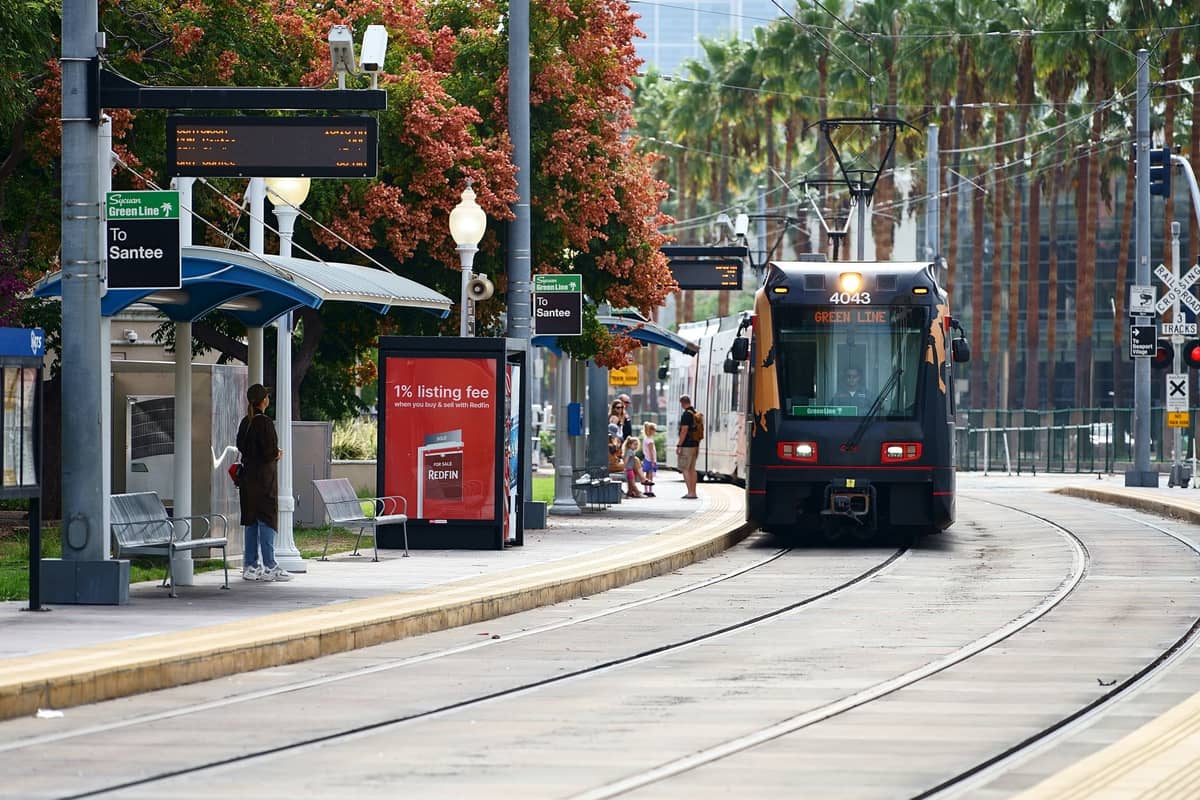
The San Diego Metropolitan Transit System (MTS) runs the city's buses and the San Diego Trolley light rail, which covers three main lines: the Blue Line (downtown to the US-Mexico border at San Ysidro), the Green Line (Old Town to Santee via Mission Valley), and the Orange Line (downtown to El Cajon). For visitors, the Blue and Green Lines cover most core tourist areas, with additional service provided by the UC San Diego Blue Line extension.
The PRONTO card and app are the payment system for all MTS services. Load credit once and tap in and out; the system automatically applies the $6.00 daily cap for standard routes, meaning your fourth or fifth trip in a day costs nothing extra. This eliminates the need to think about day passes at all. Pick up a physical PRONTO card at trolley station vending machines or major transit hubs. For reaching Balboa Park from downtown, the trolley gets you to Park and Market; from there, it is a short walk or bus connection into the park itself.
- Standard adult one-way fare: $2.50 (bus and trolley)
- Daily spending cap with PRONTO: $6.00 (standard routes)
- Premium Rapid Express routes (280, 290): $6.00 one-way, $12.00 daily cap
- Monthly pass (regional adult): $72.00
- Youth ages 6–18: free with registered Youth PRONTO card or app; children 5 and under always ride free without a card
- Senior, disabled, Medicare recipients: reduced fares available (verify current rates at sdmts.com)
✨ Pro tip
Download the PRONTO app before you arrive rather than buying a physical card. You can load funds, check balances, and tap your phone directly at trolley and bus card readers. The app also shows real-time arrivals for bus routes, which is genuinely useful given that some bus lines have infrequent headways outside peak hours.
One thing visitors often get wrong: San Diego does not have a single metro line like Chicago or New York. The trolley system covers specific corridors efficiently, but large swaths of the city, including the beach communities of Pacific Beach, Mission Beach, and Ocean Beach, are not on the trolley network at all. Buses serve those areas, but service can be infrequent on evenings and weekends. For beach neighborhoods, a rideshare or bicycle often makes more sense than waiting for a bus.
Regional Rail: COASTER & Amtrak Pacific Surfliner
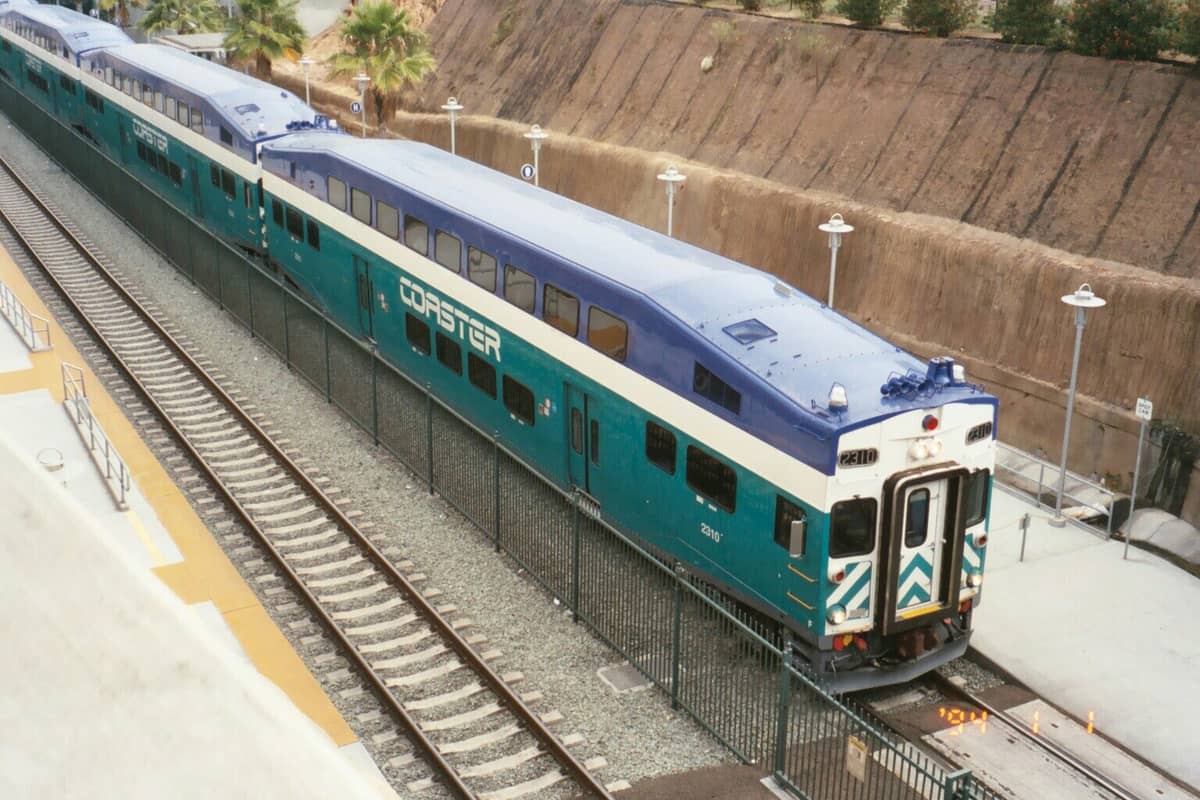
For travel north of downtown toward Del Mar, Solana Beach, Encinitas, Carlsbad, and Oceanside, the COASTER commuter rail is the most comfortable and reliable option. It operates on a zone-based fare structure, with adult one-way tickets ranging roughly $5.00–$6.50 depending on how many zones you cross. COASTER fares can be paid with PRONTO, and the rail shares platforms with Amtrak at Santa Fe Depot (downtown) and Oceanside, but COASTER trips are not included in PRONTO fare capping.
A common misconception worth clearing up: the COASTER is operated by the North County Transit District (NCTD), not Amtrak. They share station infrastructure, but they run separate services with separate fares and passes. The Amtrak Pacific Surfliner provides intercity service along the same coastal corridor, continuing north to Los Angeles, Santa Barbara, and beyond. For a day trip up the coast, the Surfliner is often worth the slightly higher fare for its reliability and comfort.
ℹ️ Good to know
COASTER operates primarily during commute hours on weekdays, with reduced weekend schedules. If you are planning a beach day in Encinitas or Carlsbad on a Saturday, check the NCTD timetable in advance at gonctd.com. Missing the last train back to downtown is a real possibility if you lose track of time.
Driving & Parking in San Diego
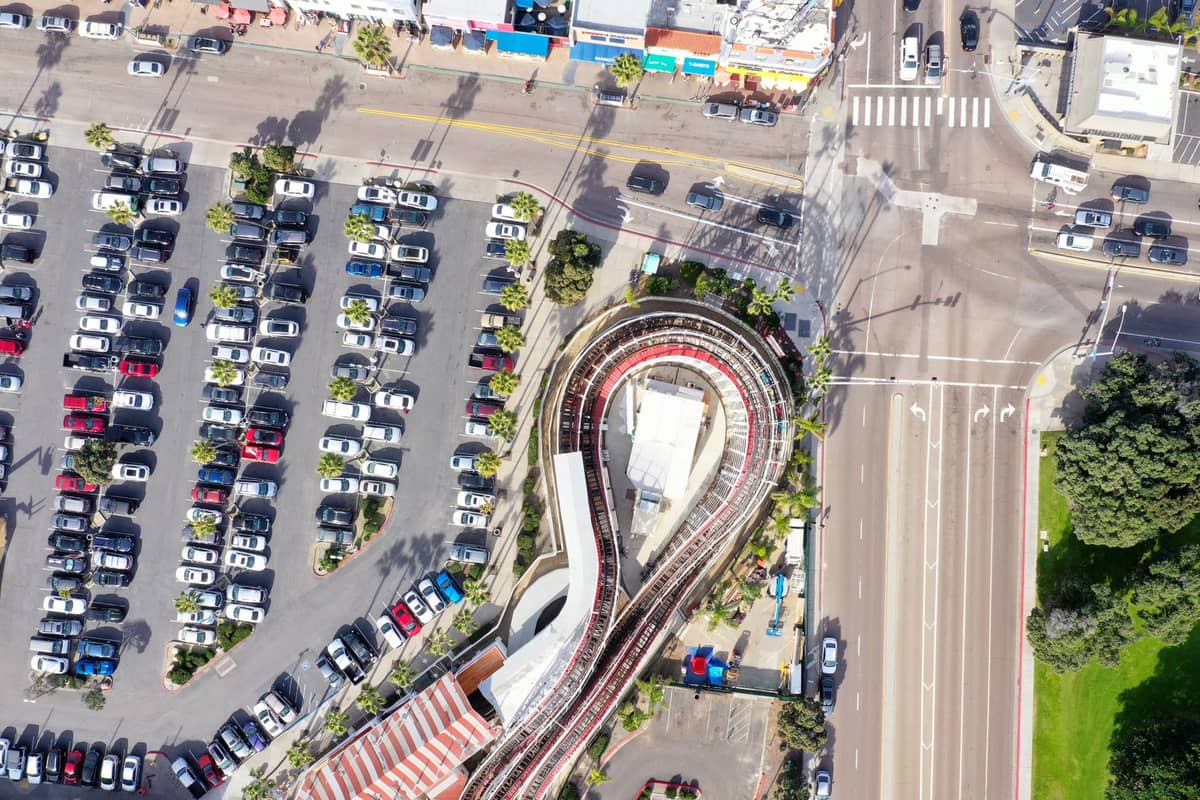
San Diego is a car-oriented city, and there are neighborhoods where having a vehicle makes a genuine difference. La Jolla, Point Loma, Coronado, and the far inland communities are awkward to reach by transit alone, especially if you want flexibility. That said, driving in the core tourist areas during peak times is its own form of suffering.
Summer weekends from late June through August bring heavy beach traffic to the I-8 corridor, Mission Bay area, and any road leading to Pacific Beach or Mission Bay. Parking near the beaches fills by 9-10 AM on busy summer days. The La Jolla Cove area is notoriously difficult for parking on weekends; arrive before 9 AM or consider ride-sharing to the area.
- Downtown parking Paid garages and lots are the realistic option. Street parking in the Gaslamp Quarter is extremely limited. Expect $15-30 for event-day garage parking near Petco Park or the Convention Center.
- Balboa Park Free parking is available in several lots throughout the park, but they fill on weekends and during major events. Arrive before 10 AM for a guaranteed spot.
- Beach communities Metered street parking is available near most beach access points. Meters typically run $2-3 per hour. Many residential streets near beaches require permits during peak hours.
- Coronado Parking near Hotel del Coronado on summer weekends is extremely tight. Take the Coronado Ferry from the downtown Embarcadero for a far more relaxed arrival.
Navigating San Diego's Neighborhoods
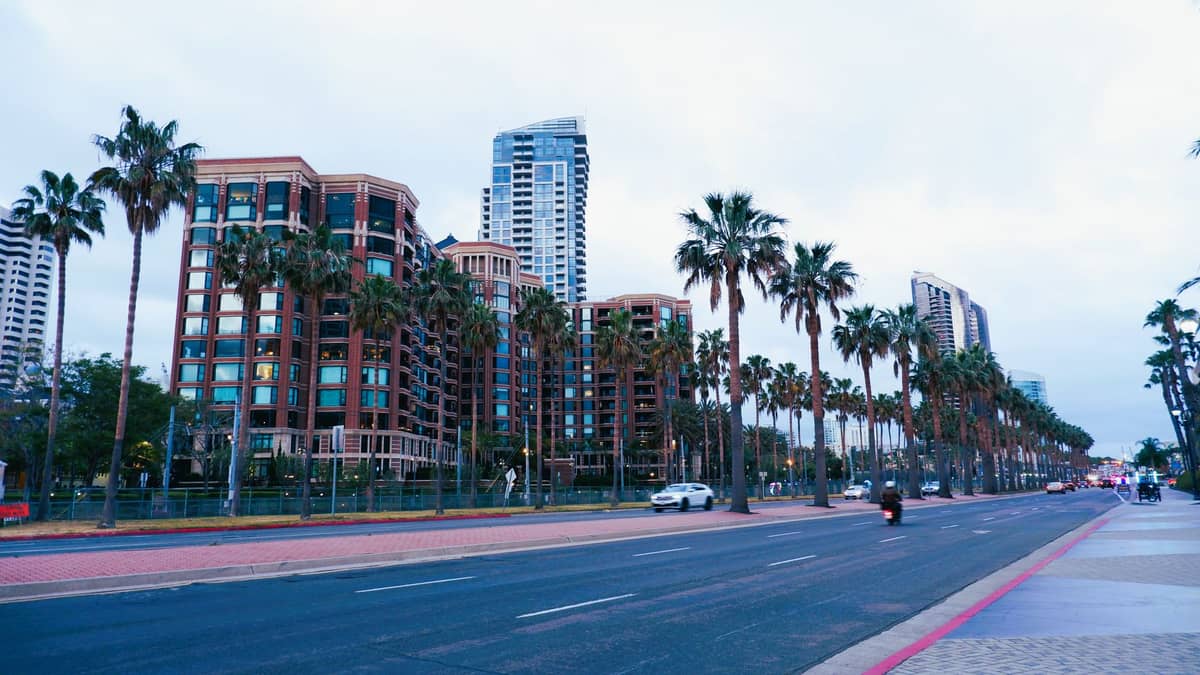
San Diego covers 325+ square miles, and its neighborhoods are genuinely distinct in character and distance. Understanding the rough geography saves time. Downtown, the Gaslamp Quarter, Little Italy, and the Embarcadero waterfront are all walkable from each other within 10-20 minutes on foot. Balboa Park sits just north of downtown and is reachable on foot from the northern edge of the Gaslamp in about 20 minutes.
Old Town sits about 5 miles northwest of downtown and is served by both the Trolley Green Line and bus routes, making it one of the easier non-downtown destinations to reach without a car. Visit the Old Town San Diego State Historic Park as a half-day trip easily done on the trolley. Further north, Coronado requires either crossing the 2.1-mile Coronado Bridge by car or bus, or taking the Coronado Ferry from the downtown waterfront. The ferry is the more enjoyable option by a significant margin.
For first-time visitors, choosing where to stay in San Diego heavily influences how much transport you need. Staying downtown minimizes transit costs significantly. Staying in La Jolla puts you near some of the city's best scenery but requires a car or rideshares for almost every excursion.
Practical Transport Tips for Visitors
A few details that save headaches in practice. Tap water in San Diego is potable and meets federal and California state standards, so refilling a water bottle throughout the day is fine. The city operates on Pacific Time (UTC-8 in winter, UTC-7 during daylight saving time). Emergency services are reached by dialing 911. The US country code is +1. Electricity is 120V/60Hz with Type A and B plugs, standard for the US.
For anyone planning a longer visit, the San Diego on a budget guide covers how to minimize transport and admission costs across a multi-day trip. If you plan to explore beyond the city, day trips from San Diego covers logistics for reaching Julian, Anza-Borrego, and the broader region, where a rental car becomes more or less essential.
- Set up PRONTO before arrival via the app to avoid vending machine queues at the airport bus stop
- Build 30-45 extra minutes into any airport-bound trip during summer or holiday periods
- The Coronado Ferry runs from the Broadway Pier on the Embarcadero and is one of the best-value scenic transport experiences in the city
- Restaurant tipping in San Diego follows standard US norms: 18-20% for table service is typical
- Confirm all transit schedules, fares, and attraction opening hours against official sources before traveling, as they change regularly
💡 Local tip
If you are visiting San Diego in summer and plan to spend time at the beaches, consider basing yourself in a downtown hotel and using rideshare for beach days rather than renting a car. Parking fees and the stress of finding spots during peak season often exceed what you would spend on rideshare, and you avoid the summer beach traffic entirely.
FAQ
Is there a train or trolley from San Diego Airport to downtown?
There is no direct rail or trolley connection to San Diego International Airport (SAN) as of 2025. The MTS Route 992 bus connects the airport to the Santa Fe Depot transit hub downtown for the standard $2.50 MTS fare. Rideshare vehicles and taxis are available at the Transportation Plazas outside Terminals 1 and 2.
Do I need a car to get around San Diego?
It depends on your itinerary. Downtown, Balboa Park, Old Town, and the Gaslamp Quarter are manageable without a car using the MTS trolley and buses. Beach neighborhoods like Pacific Beach, Ocean Beach, and La Jolla are harder to reach efficiently by transit, especially on evenings and weekends. Coronado is served by ferry and bus. For day trips inland or to North County, a car is the practical choice.
How much does the San Diego Trolley cost?
Standard adult one-way fare is $2.50 using the PRONTO card or app. The system automatically caps daily spending at $6.00 for standard routes, so you never pay more than that in a single day regardless of how many trips you take. Youth 18 and under ride free with a registered Youth PRONTO card.
What is the PRONTO card and where do I get one?
PRONTO is the payment system for MTS buses, the San Diego Trolley, and NCTD services. You can get a physical card at trolley station vending machines or download the PRONTO app to pay with your smartphone. The app is the faster option and allows you to load funds and check real-time arrivals.
How long does it take to get from San Diego Airport to downtown?
The airport is approximately 3 miles from downtown. By rideshare or taxi, the trip typically takes 10-15 minutes without traffic. During morning and evening peak hours, or on summer afternoons, that can stretch to 25-30 minutes. The MTS bus takes 15-25 minutes depending on the route and stops.