Where to Stay in San Diego: Best Neighborhoods & Hotels for Every Traveler
San Diego spreads across a large coastal geography, and where you base yourself shapes your entire trip. This guide breaks down the best neighborhoods to stay in San Diego, with honest price ranges, transit access, and who each area actually suits.

TL;DR
- San Diego hotels average around $177 per night, but rates swing from about $140 in December to around $260 in July — book early for summer stays.
- Gaslamp Quarter is best for nightlife and convention access; La Jolla and Coronado command premium prices for genuine beachfront luxury — see the San Diego resorts guide for top picks.
- Beachfront neighborhoods (La Jolla, Coronado, Pacific Beach) cost substantially more than inland or downtown options — this gap is often underestimated.
- The San Diego Trolley (MTS) connects downtown hotels to major areas, but coastal neighborhoods like La Jolla require a car or rideshare.
- San Diego is not a budget destination by U.S. standards — check the San Diego on a budget guide if cost is a primary concern.
Understanding San Diego's Neighborhood Geography

San Diego covers roughly 326 square miles of land, stretching from the Pacific coast to inland valleys. The city is not compact — neighborhoods that look close on a map can take 30 to 45 minutes to reach by car during peak traffic. Before choosing where to stay, it helps to know that the coastal strip (La Jolla in the north, Pacific Beach and Mission Beach in the middle, Ocean Beach and Coronado in the south) sits west of Interstate 5, while downtown, Balboa Park, and neighborhoods like North Park lie further east and inland.
San Diego International Airport (SAN) is one of the most conveniently located major airports in the U.S., sitting less than 3 miles from downtown. Getting to downtown takes around 10 minutes by rideshare. Reaching La Jolla takes closer to 25-30 minutes without traffic. If your primary goal is beach access, know upfront that the best San Diego beaches are spread across different neighborhoods, so no single hotel location puts you near all of them.
ℹ️ Good to know
San Diego uses Pacific Standard Time (UTC-8) in winter and Pacific Daylight Time (UTC-7) during daylight saving. The climate is Mediterranean: summers are dry with highs around 72-78°F near the coast, winters are mild with highs around 64-68°F. Rain is rare from June through September.
Hotel Prices: What to Expect and When to Book
San Diego has a reputation for being more affordable than San Francisco or Los Angeles, but recent data shows that gap has narrowed significantly. Average hotel rates sit around $177 per night across the city, and in 2025, rates increased roughly 31% year-over-year due to record occupancy levels driven by strong leisure and business travel demand.
- Peak Season (July–August) Average nightly rates reach around $292. Beachfront and resort properties in Coronado and La Jolla regularly exceed $500 per night. Book 2-3 months in advance minimum.
- Shoulder Season (May–June, September–October) Rates ease to $200-$250 on average, but September often still feels like summer weather-wise, making it excellent value for beach trips.
- Low Season (November–February) Average drops to $156-$180 per night. December is the cheapest month. Winter weather is mild (64-68°F highs) and crowds are thin — an underrated time to visit.
- Event Spikes Comic-Con (July), major conventions at the San Diego Convention Center, and holiday weekends can push downtown and Gaslamp rates well above seasonal averages regardless of month.
Typical price ranges by neighborhood: Gaslamp Quarter runs around $200-$350+ per night for standard hotels; Coronado averages $300-$750+ depending on property; La Jolla sits between $280-$700+; and Mission Beach and Pacific Beach generally range from $220-$400 per night. Inland neighborhoods and Mission Valley offer the most budget-friendly options, often $130-$200 per night for chain properties with parking included.
⚠️ What to skip
Do not assume beach proximity adds only marginal cost. In practice, a hotel on the sand in La Jolla or Coronado can cost 2-3x more per night than a comparable hotel 15 minutes inland. Decide early whether paying for walkable beach access is worth it for your trip.
Best Neighborhoods to Stay in San Diego
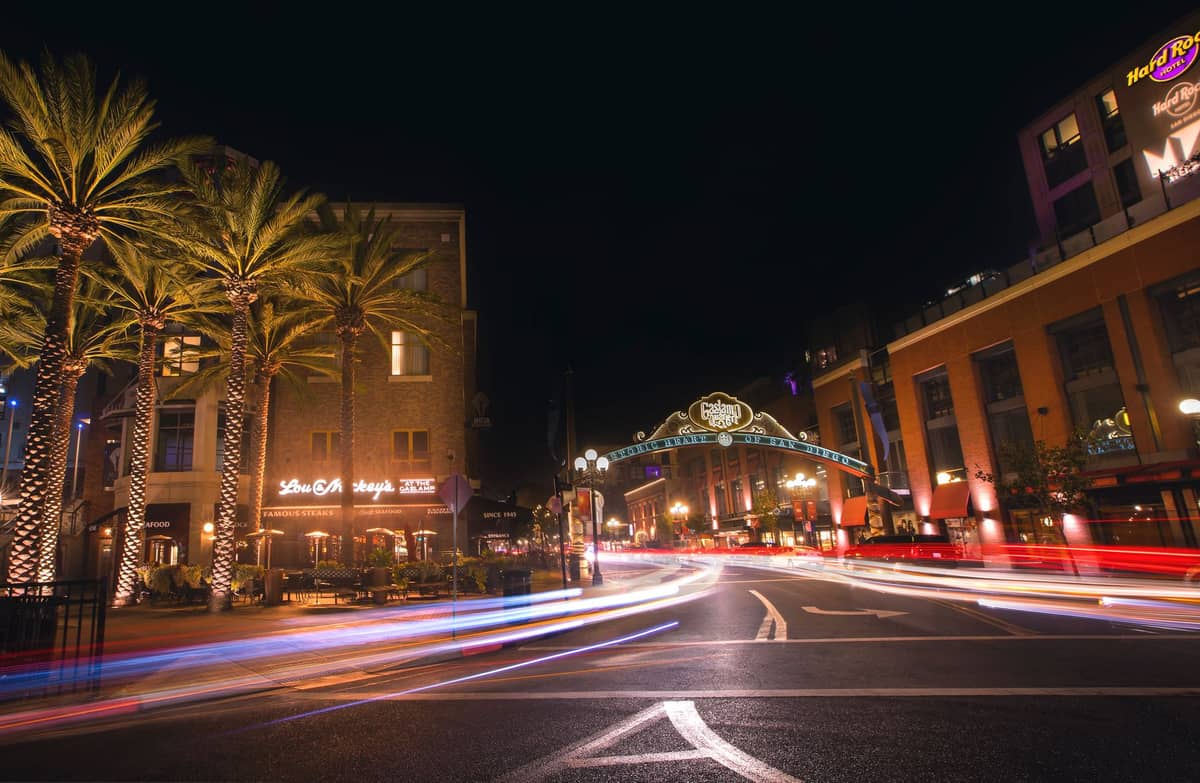
The Gaslamp Quarter is the most central hotel district in San Diego. It sits within walking distance of the Convention Center, Petco Park, the Embarcadero waterfront, and the heart of downtown's dining and bar scene. Hotels here range from boutique properties in restored Victorian buildings to full-service chains. It is the logical base for anyone attending a convention, a Padres game, or planning to use public transit extensively. The MTS Green Line trolley serves nearby downtown stations such as Convention Center, connecting the area to other parts of the city. The trade-off: street noise on weekend nights is real, and the area gets rowdy after midnight.
La Jolla is where San Diego's most expensive and polished accommodation is concentrated. The neighborhood sits along dramatic coastal bluffs about 12 miles north of downtown, home to the La Jolla Cove and some of the best snorkeling water on the California coast. Upscale resorts and boutique hotels dominate here. There is no trolley access — you need a car or rideshare for everything. Restaurants and shops along Prospect Street are within walking distance of most La Jolla hotels, but reaching downtown takes 25-35 minutes depending on traffic. Best suited to couples, luxury travelers, and those who want a quieter, elevated coastal experience.
Coronado is technically an island (connected by bridge and ferry) and operates at its own relaxed pace. The Hotel del Coronado is the most famous property here — a National Historic Landmark operating since 1888, with rates that reflect its status. Other Coronado hotels are smaller and quieter. The Coronado Beach is consistently ranked among the best in the country: wide, clean, and calmer than Pacific Beach. The ferry to downtown takes about 15 minutes and departs from the Coronado Ferry Landing. If you want a genuinely peaceful, resort-style stay close to the city, Coronado is the strongest option — just budget accordingly.
Pacific Beach and Mission Beach are the classic California beach neighborhood options. Hotels sit close to the Mission Beach Boardwalk, which runs for nearly 3 miles along the sand. The atmosphere skews younger and more energetic than La Jolla or Coronado. Accommodation is a mix of older motels, vacation condos, and a handful of newer hotels. Pacific Beach in particular has a lively bar scene along Garnet Avenue. Parking is genuinely difficult in summer — if you plan to drive anywhere, factor that into your decision. Mission Bay is immediately behind Mission Beach, making this area ideal for water sports and families using Mission Bay amenities.
Old Town San Diego sits at the base of a hill between the airport and Mission Valley, built around the Old Town San Diego State Historic Park. Hotels here are more limited and mid-range in price. The area is genuinely good for first-time visitors who want a walkable historic district with Mexican restaurants and easy transit access — the Green and Orange trolley lines serve the Old Town Transit Center. It is not a beach base; the coast is a 10-15 minute drive west.
Mission Valley is the inland hotel corridor most travelers overlook when planning, but it deserves consideration for specific trips. It runs along the San Diego River east of Old Town and contains a high density of chain hotels (Marriott, Hilton, Hyatt, and similar brands) with parking included — often at rates $50-$100 per night cheaper than comparable beach properties. The trolley's Mission Valley lines run through the area. It is not scenic, but it is practical for road trips, families with cars, visitors to Balboa Park, or anyone attending events at Snapdragon Stadium.
- Best for nightlife and conventions Gaslamp Quarter — central location, trolley access, walkable to the Convention Center and Petco Park.
- Best for luxury coastal experience La Jolla or Coronado — both deliver genuine premium ocean settings, though La Jolla requires a car for most activities.
- Best for classic beach vacation Pacific Beach or Mission Beach — boardwalk access, casual atmosphere, better value than La Jolla.
- Best for families with kids Mission Bay area or Coronado — calmer water, space, and proximity to SeaWorld and bay activities.
- Best for budget travelers Mission Valley or Old Town — chain hotels with parking, trolley access, no ocean premium.
- Best for first-time visitors Old Town or Gaslamp Quarter — easy transit access, proximity to main attractions, mid-range pricing.
Transit Access From Your Hotel
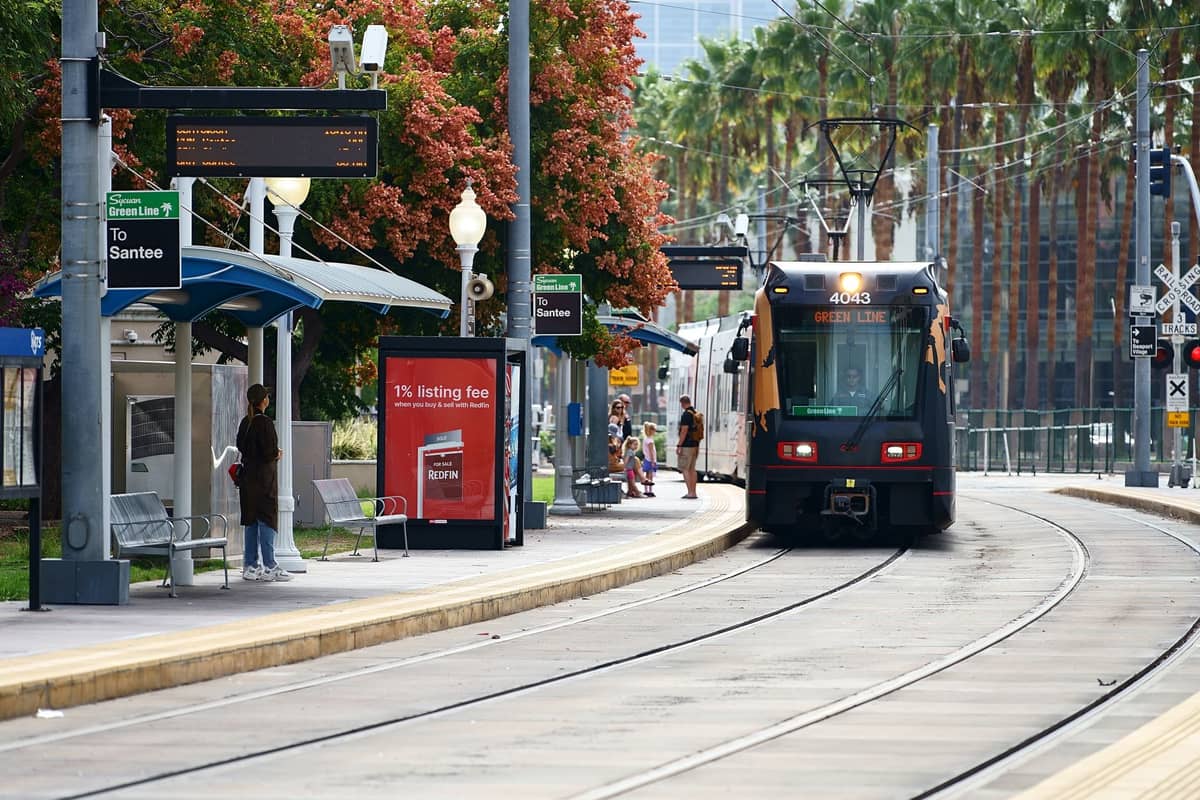
San Diego's public transit (operated by the Metropolitan Transit System, or MTS) is useful within the central city but limited for coastal neighborhoods. The San Diego Trolley runs three main lines: the UC San Diego Blue Line connects the US-Mexico border at San Ysidro through downtown and north to UTC (University Town Center); the Green Line serves Old Town, Mission Valley, and Santee; and the Orange Line connects downtown to El Cajon via La Mesa. Gaslamp Quarter, Old Town, Mission Valley, and downtown hotels all have strong trolley access. La Jolla, Pacific Beach, Mission Beach, Ocean Beach, Coronado, and Point Loma do not.
For getting around without a car, budget for Uber and Lyft costs if staying in coastal neighborhoods. Both services are widely available throughout San Diego. From the airport to La Jolla, expect to pay $25-$45 depending on time of day. For a full breakdown of transport options, the getting around San Diego guide covers all modes including the ferry, bus routes, and bike rentals in detail.
✨ Pro tip
If you are staying for 3 or more days and plan to visit multiple neighborhoods, renting a car is often more practical than relying on rideshares. Parking is challenging in Pacific Beach and La Jolla in summer, but many Mission Valley and Old Town hotels offer free parking — making them genuinely useful as bases for driving around.
Seasonal Timing and Booking Strategy
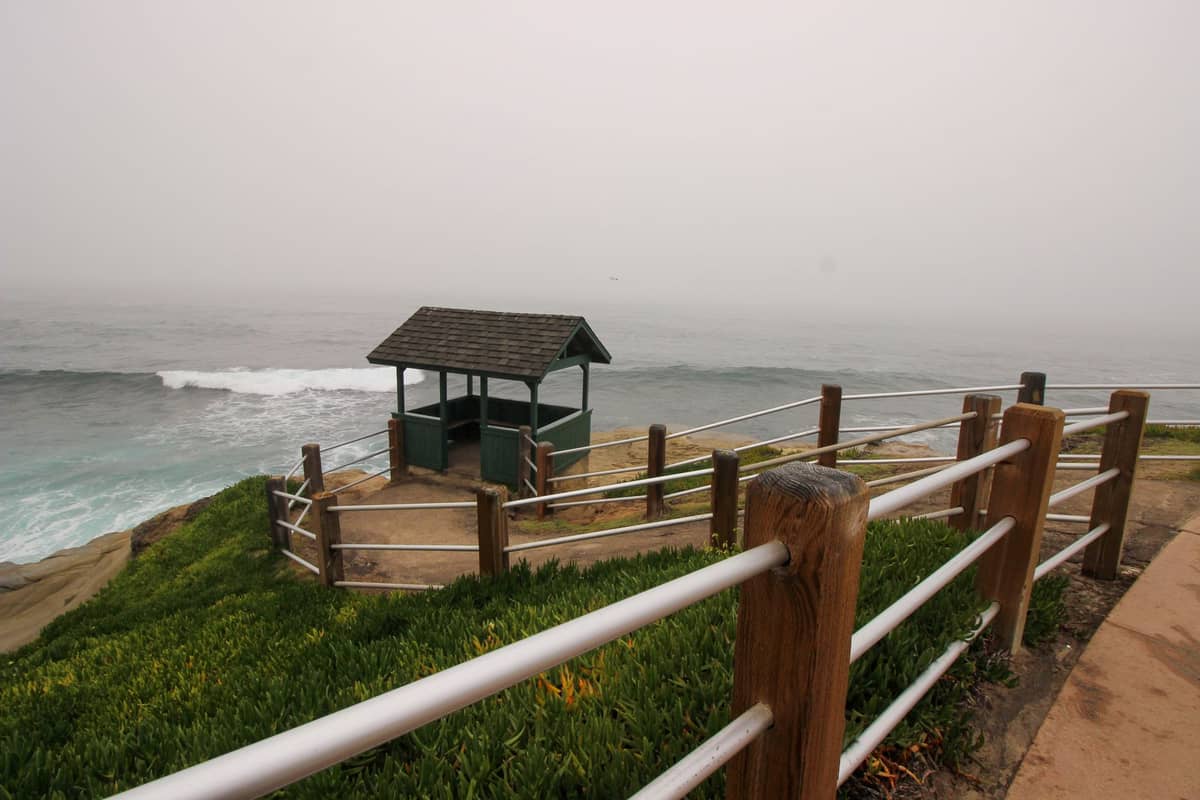
San Diego's Mediterranean climate means the city is technically visitable year-round, but hotel pricing and availability vary dramatically by season. The coastal 'June Gloom' phenomenon (marine layer clouds through late morning from May to early July) catches visitors off guard — you can arrive expecting beach weather and find overcast skies until noon. This does not affect temperatures much, but it matters if you planned beach photography or outdoor activities in the morning.
September and October represent the best combination of value and conditions: summer-like temperatures (highs around 70-78°F), almost zero rainfall, and rates 15-25% below peak July levels. If your dates are flexible, this window is worth targeting. For full seasonal analysis including event calendars, the best time to visit San Diego guide goes deeper into month-by-month conditions.
Major events drive rate spikes regardless of season. San Diego Comic-Con in July is the most significant — downtown and Gaslamp hotels sell out months in advance and rates double or triple. The San Diego County Fair runs from mid-June through early July in Del Mar (north of the city). If you want to avoid event pricing, check the Comic-Con San Diego guide for dates and plan around them. Winter is genuinely underrated: crowds are minimal, prices drop to their annual floor, and the weather (64-68°F highs) is comfortable for sightseeing, if not ideal for swimming.
💡 Local tip
Tap water in San Diego is potable and meets federal and California state drinking water standards. Electricity is standard U.S. 120V/60Hz with Type A and Type B plugs. The country code for calls is +1, and emergency services are reached by dialing 911. Tipping at restaurants follows standard U.S. practice: 18-20% for table service is the current norm.
Practical Considerations Before You Book
Entry to San Diego follows U.S. federal immigration policy. Many nationalities qualify for visa-free stays of up to 90 days under the Visa Waiver Program, while others require advance visas. Because policy changes frequently and eligibility depends on your nationality and travel history, verify your entry requirements directly with the U.S. Department of State before booking non-refundable accommodation.
If you are considering a day trip across the border during your stay, Tijuana is approximately 20 miles south and accessible via the MTS Blue Line trolley to San Ysidro. The Tijuana day trip from San Diego guide has full logistics. Similarly, if you want to explore outside the city, the day trips from San Diego guide covers options including Julian, Anza-Borrego, and more.
FAQ
What is the best area to stay in San Diego for first-time visitors?
The Gaslamp Quarter or Old Town are the most practical choices for first-timers. Both have good MTS trolley access, mid-range hotel pricing ($170-$300 per night), and proximity to major attractions. The Gaslamp Quarter puts you walking distance from the Embarcadero, Petco Park, and downtown dining. Old Town is slightly calmer and suits travelers more interested in history and day trips.
Are there hotels directly on the beach in San Diego?
Yes, though true beachfront hotels are concentrated in a few areas. Coronado has the Hotel del Coronado and a small number of other oceanfront properties. Pacific Beach and Mission Beach have hotels and motels steps from the boardwalk and sand. La Jolla has clifftop properties overlooking the ocean rather than direct beach access (La Jolla Shores beach is a short drive from the main village). Rates for genuine beachfront rooms run $300-$700+ per night in peak season.
How far is downtown San Diego from the beach?
Downtown San Diego is not a beach neighborhood. The nearest beach with an easy drive is Coronado Beach, about 15-20 minutes by car or ferry. Pacific Beach and Mission Beach are approximately 20-25 minutes northwest of downtown. If beach access is a priority, base yourself in a coastal neighborhood rather than downtown.
When are San Diego hotel prices lowest?
December is consistently the cheapest month, with city-wide averages around $140 per night. November and January are also significantly cheaper than summer. The main caveats: holiday periods (Christmas, New Year's) push prices up even in winter, and some beach properties are limited in amenities during cooler months.
Do I need a car to stay in San Diego?
It depends entirely on your neighborhood. Gaslamp Quarter, Old Town, and Mission Valley hotels are well-served by the MTS Trolley and buses, and a car is optional if you plan activities in those corridors. La Jolla, Pacific Beach, Coronado, and Ocean Beach are not well-connected by rail, and a car or consistent rideshare budget is effectively necessary. Parking in beach neighborhoods is scarce and expensive in summer.