Tijuana Day Trip from San Diego: Complete Guide
San Diego sits just 20 miles from one of the world's busiest international borders, making Tijuana an obvious day trip. This guide covers exactly how to get there, how long it takes, what to expect at the crossings, and how to make the most of your time on both sides of the border.
TL;DR
- Walk across at San Ysidro PedEast, which operates 24 hours a day — take the San Diego Trolley Blue Line from downtown to the San Ysidro Transit Center.
- Plan for 30 to 90+ minutes returning northbound through U.S. customs, especially on weekends, holidays, and afternoons.
- Check CBP's live wait-time dashboard before you leave — conditions change fast. Also factor in that getting around San Diego first is straightforward on the trolley.
- U.S. citizens need a passport or passport card to return. Non-U.S. nationals must confirm their re-entry authorization before crossing.
- Cross Border Xpress (CBX) is not a general shortcut — it is restricted to ticketed airline passengers using Tijuana International Airport.
How to Get from San Diego to the Border
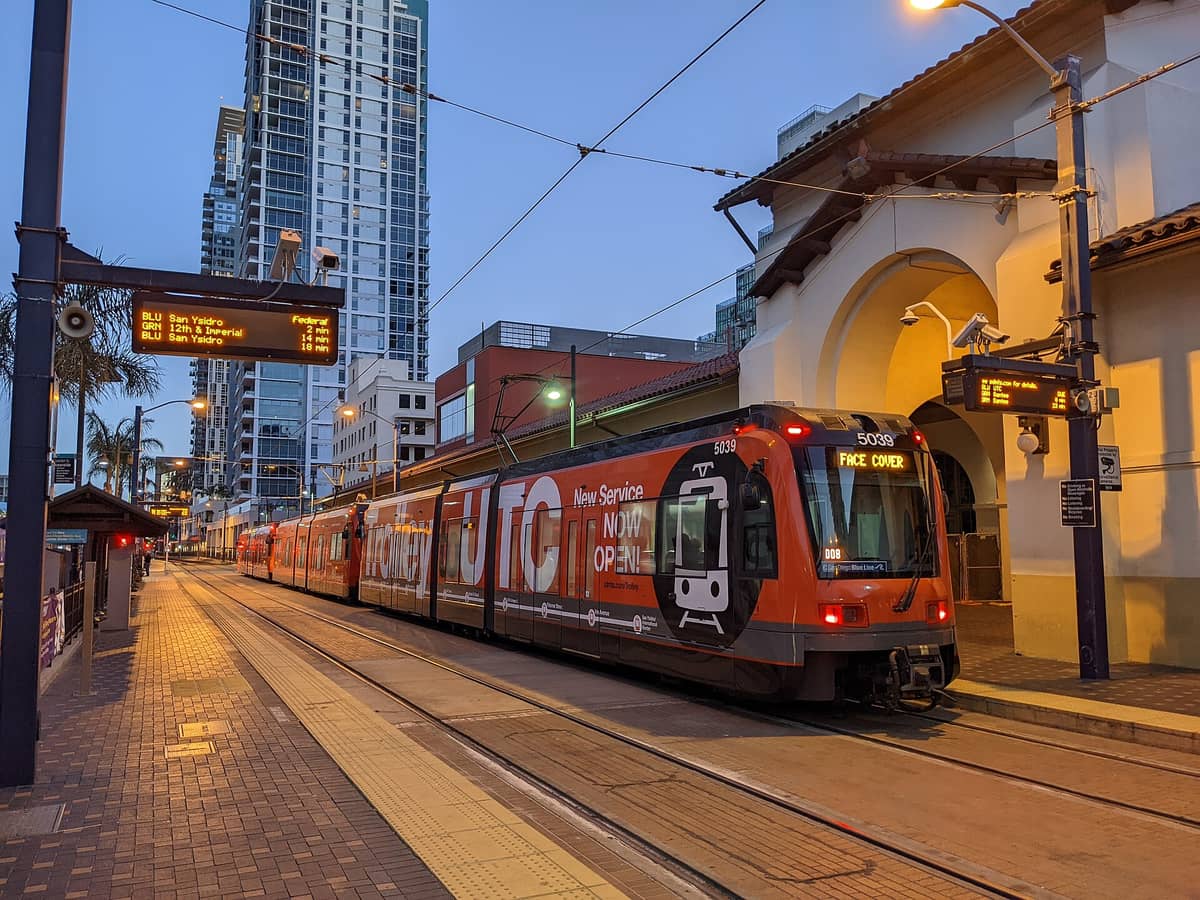
The San Diego Trolley Blue Line is the standard, no-hassle way to reach the San Ysidro border crossing. Trains run from downtown San Diego's Santa Fe Depot and 12th & Imperial Transit Center south to the San Ysidro Transit Center, which sits less than a five-minute walk from the PedEast pedestrian entrance into Mexico. The trolley runs frequently throughout the day and fares are a fraction of what a rideshare costs. Verify current fares and schedules on the San Diego MTS official site before your trip, as they are updated periodically.
Rideshares and taxis are a reasonable alternative if you're traveling with luggage or a group, but be aware that Uber and Lyft drivers will not cross into Mexico — they'll drop you at the U.S. side of the border. For context on how the trolley fits into San Diego's broader transit network, see the getting around San Diego guide. Driving and parking on the U.S. side near San Ysidro is an option, but parking lots fill quickly on weekends, and you'll still walk across.
💡 Local tip
If you're starting from the Old Town or Mission Valley area, board the Blue Line south — it stops at both. The full trip from downtown San Diego to San Ysidro takes roughly 40-50 minutes depending on your starting point.
Border Crossings: Which One to Use and When
San Ysidro is the main port of entry for pedestrian day-trippers and one of the busiest land borders in the world. There are two pedestrian crossings here: PedEast and PedWest. PedEast is the one to use for a day trip — it operates 24 hours a day, seven days a week, in both directions. Southbound into Mexico takes only a few minutes with essentially no inspection. The northbound return into the U.S. is where you'll spend meaningful time.
PedWest at San Ysidro has had changing hours since 2023 and cannot be assumed to be available. As of the latest available CBP information, northbound hours through PedWest are limited and subject to change — always confirm via the CBP wait-time portal before relying on it. Assuming PedWest is open when it isn't means walking back to PedEast with extra time lost.
The Otay Mesa port of entry is a second option, about 7 miles east of San Ysidro. It's open 24 hours and is primarily used by vehicle traffic and travelers connecting to Tijuana International Airport via Cross Border Xpress (CBX). For a standard foot-traffic day trip, San Ysidro PedEast is more convenient.
⚠️ What to skip
Cross Border Xpress (CBX) is NOT a general pedestrian shortcut into Tijuana. CBX is a private bridge connecting directly to the Tijuana Airport terminal and is restricted to passengers with a valid airline boarding pass and a CBX ticket. If you see it mentioned as a way to skip the line, that only applies to travelers flying through TIJ.
- San Ysidro PedEast 24 hours, 7 days a week, in both directions. The standard crossing for day-trippers arriving by trolley or on foot.
- San Ysidro PedWest Hours have been restricted and changed multiple times in recent years. Verify current hours on CBP's website or wait-time portal before using.
- Otay Mesa Open 24 hours. More useful for drivers and CBX users. A practical backup if San Ysidro is unusually congested.
- Cross Border Xpress (CBX) Ticketed airline passengers only. Connects the U.S. side directly to Tijuana Airport. Not a day-trip option for general visitors.
Border Wait Times: What to Actually Expect
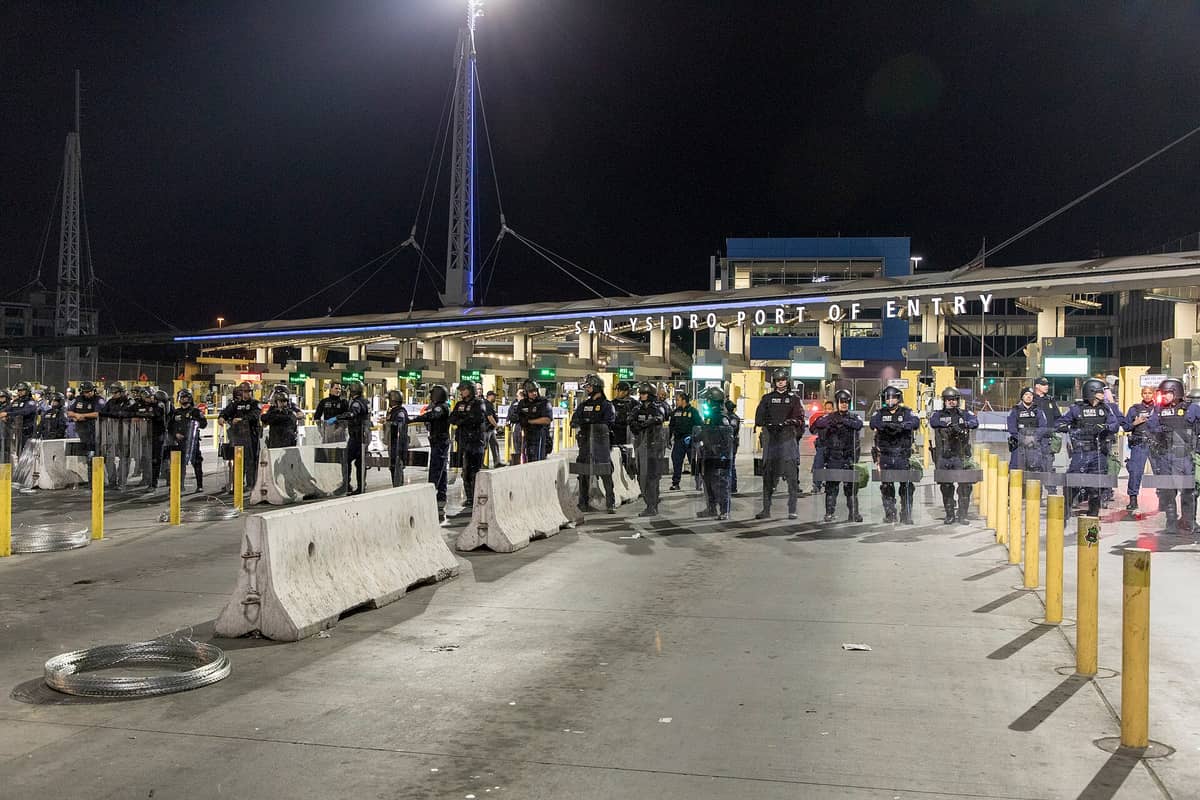
This is the part most guides underplay. Northbound return times at San Ysidro — walking back into the U.S. — routinely run 30 to 90 minutes during normal conditions. On holiday weekends, during security surges, or in the late afternoon when day-trippers are all heading back at once, waits can exceed two hours. CBP's own stated target is 15 minutes, but live dashboards from multiple independent sources consistently show longer waits in practice.
The most reliable way to plan around this is to check CBP's official border wait-time portal on the morning of your trip. It shows live pedestrian wait times for PedEast and PedWest at San Ysidro, updated in near real-time. Southbound into Mexico is almost always fast — generally under five minutes for pedestrians. The delay is always on the return. Build at least 90 minutes of buffer into your schedule for the northbound crossing, and plan to be back at the border by mid-afternoon if you want to avoid the worst of it.
✨ Pro tip
Weekday mornings are consistently faster for northbound crossings than weekend afternoons. If you have flexibility, a Tuesday or Wednesday trip will almost always mean shorter waits than a Saturday. Avoid crossing northbound between 3 PM and 7 PM on any day — that's when commuter and day-tripper traffic peaks simultaneously.
Documents You Need — and Who Needs What
U.S. citizens need a valid U.S. passport, passport card, or Enhanced Driver's License (from eligible states) to re-enter the United States. A standard state driver's license is not sufficient for re-entry under the Western Hemisphere Travel Initiative. Children born in the U.S. need their own passport or passport card. If you cross without valid re-entry documents, you will face serious complications at the border — this is not a technicality that gets overlooked.
Non-U.S. nationals face a more complex situation. If you hold a visa or are on ESTA and re-enter without issues, you may be fine, but any complications with your immigration status will be addressed at the U.S. port of entry. Lawful permanent residents should carry their green card. Non-immigrant visa holders should review their visa conditions before crossing, as some visa categories have specific restrictions. When in doubt, check with U.S. Customs and Border Protection or an immigration attorney before making the trip.
- U.S. citizens: passport, passport card, or WHTI-compliant Enhanced Driver's License required for re-entry
- Lawful Permanent Residents: bring your green card (Form I-551)
- Non-immigrant visa holders: verify your visa allows re-entry from Mexico before crossing
- Minors: U.S. citizen children need their own passport or passport card
- Everyone: Mexican authorities currently require a valid passport book or passport card and an FMM entry permit to enter Mexico by land, including for stays within the border zone — carry your passport and complete entry formalities regardless
What to Do Once You're in Tijuana
The immediate border area on the Tijuana side is commercial and oriented toward day-trippers — pharmacies, souvenir stalls, and exchange booths. From PedEast, it's a short walk or a quick taxi ride to Avenida Revolucion, the main tourist corridor, and the Zona Rio, which has a more local feel with restaurants and cultural attractions. Tijuana has a genuinely strong food scene that extends well beyond the border strip, with the city's craft beer culture and seafood tacos worth seeking out on their own terms. For a comparison point, San Diego's fish taco scene and Tijuana's both have legitimate claims to the tradition — tasting both on the same day is one of the better arguments for making this trip.
Currency in Mexico is the Mexican peso (MXN). Many tourist-facing businesses in Tijuana accept USD, but you'll often get a worse exchange rate than if you use pesos. ATMs in Tijuana dispense pesos; using a bank ATM rather than a standalone machine near the border zone is generally safer. Keep the amount of cash you carry reasonable and use the same basic awareness you'd apply in any urban environment.
A half-day in Tijuana is enough to cover Avenida Revolucion and a solid meal. A full day gives you time to explore the Zona Rio, visit the Mercado El Popo, or take a longer walk through neighborhoods away from the tourist core. If you want to contrast the experience with San Diego's own neighborhoods before or after, Old Town San Diego and Chicano Park in Barrio Logan both offer Mexican-American cultural context that pairs well with a Tijuana visit.
Practical Logistics and Common Mistakes
Phone service works differently the moment you cross. Check with your carrier before your trip — many U.S. plans now include Mexico coverage, but data speeds and call reliability vary. Download offline maps of Tijuana before you leave San Diego. Google Maps works well in Tijuana when you have a connection, but having a cached version removes the dependency.
Don't bring more than you're willing to lose. That applies to cash, electronics, and documents — carry copies of your passport separately from the original. On the San Diego side, the budget travel logistics are simple: the trolley is cheap, parking near the border is not. Budget around $5-10 in trolley fares round-trip from downtown, plus whatever you spend in Tijuana.
- Check CBP live wait times on the morning of your trip — conditions shift by the hour
- Cross early, return by mid-afternoon to avoid northbound peak congestion
- Carry your passport or passport card — a driver's license alone will not get you back into the U.S.
- Get pesos from an in-network ATM for better exchange rates than border booths
- Download offline Tijuana maps before crossing in case of spotty data
- PedWest hours change — confirm via CBP before counting on it
- Avoid carrying large amounts of cash or unnecessary valuables
One thing worth stating plainly: Tijuana is a large city of over 2 million people with a functioning economy, a food scene that draws serious attention, and millions of legitimate cross-border trips every year. It also has areas with elevated crime rates — as do many large cities. The U.S. State Department publishes travel advisories for Mexican states; Baja California carries an advisory that should be read and taken seriously. That doesn't mean the trip is a bad idea, but it means going in with current information rather than assumptions. Check the State Department's current advisory before your trip and use the same common sense you'd apply anywhere. For more on what San Diego itself has to offer as a base, the full San Diego things-to-do guide is a useful planning reference.
FAQ
Do I need a passport for a day trip to Tijuana from San Diego?
Yes. U.S. citizens need a valid U.S. passport, passport card, or WHTI-compliant Enhanced Driver's License to re-enter the United States. A standard state driver's license is not accepted. Non-U.S. nationals should verify their re-entry authorization before crossing, as immigration complications are handled at the U.S. port of entry with no exceptions.
How long does it take to cross the border at San Ysidro on foot?
Going south into Mexico is typically 5 minutes or less for pedestrians. Returning north into the U.S. usually takes 30 to 90 minutes under normal conditions, and can exceed two hours on holiday weekends or during peak afternoon hours. Check CBP's live wait-time portal the morning of your trip for current conditions.
What is the easiest way to get to the Tijuana border from San Diego?
Take the San Diego Trolley Blue Line from downtown San Diego to the San Ysidro Transit Center. From there, PedEast is a short walk. The trolley is inexpensive, avoids parking headaches, and drops you directly at the crossing. Verify current fares and schedules with San Diego MTS before your trip.
Is it safe to do a Tijuana day trip from San Diego?
Millions of people make this crossing every year without incident. The areas most day-trippers visit — Avenida Revolucion, the Zona Rio — are well-trafficked. That said, Baja California carries a U.S. State Department travel advisory that describes elevated crime in certain areas. Read the current advisory on the State Department's website before your trip, stay in populated tourist areas, and use standard urban travel common sense.
How much spending money should I bring for a Tijuana day trip?
This depends heavily on how you spend your time. A modest day covering lunch, a beer or two, and some light shopping can run $20-50 USD equivalent in pesos. A more leisurely day with a proper sit-down meal at a well-regarded restaurant might cost $50-80 or more per person. Get pesos from an ATM in Tijuana rather than exchanging at border booths for a better rate.