San Diego Fish Tacos: Where to Find the Best in the City
San Diego has a legitimate claim to the fish taco's North American popularization, and the scene in 2026 is more varied than ever. This guide breaks down where to eat, what to order, how much to pay, and which spots are actually worth the line.
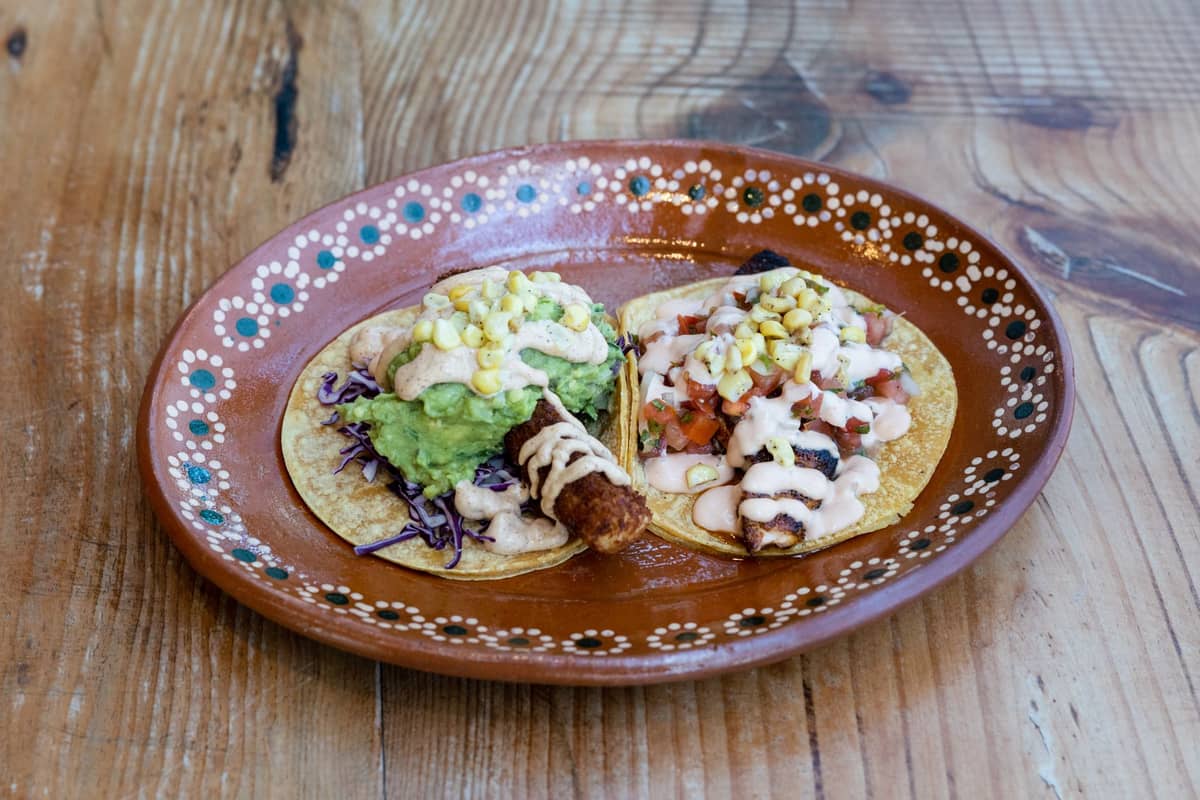
TL;DR
- Expect to pay $3–$7 per fish taco at most casual spots; taco trucks can go as low as $2.50, while upscale seafood restaurants may charge $10+ per taco.
- Both Baja-style beer-battered and grilled fish tacos are standard across San Diego — neither is more "authentic" than the other.
- The best concentration of fish taco spots is along the coastal neighborhoods: Pacific Beach, Ocean Beach, and Mission Beach.
- Happy hour (typically 3–6 p.m. on weekdays) is the best time to find discounted tacos, sometimes dropping to $1.99.
- Pair a fish taco crawl with a broader food tour — check out what to eat in San Diego for the full culinary picture.
Why San Diego Takes Fish Tacos Seriously
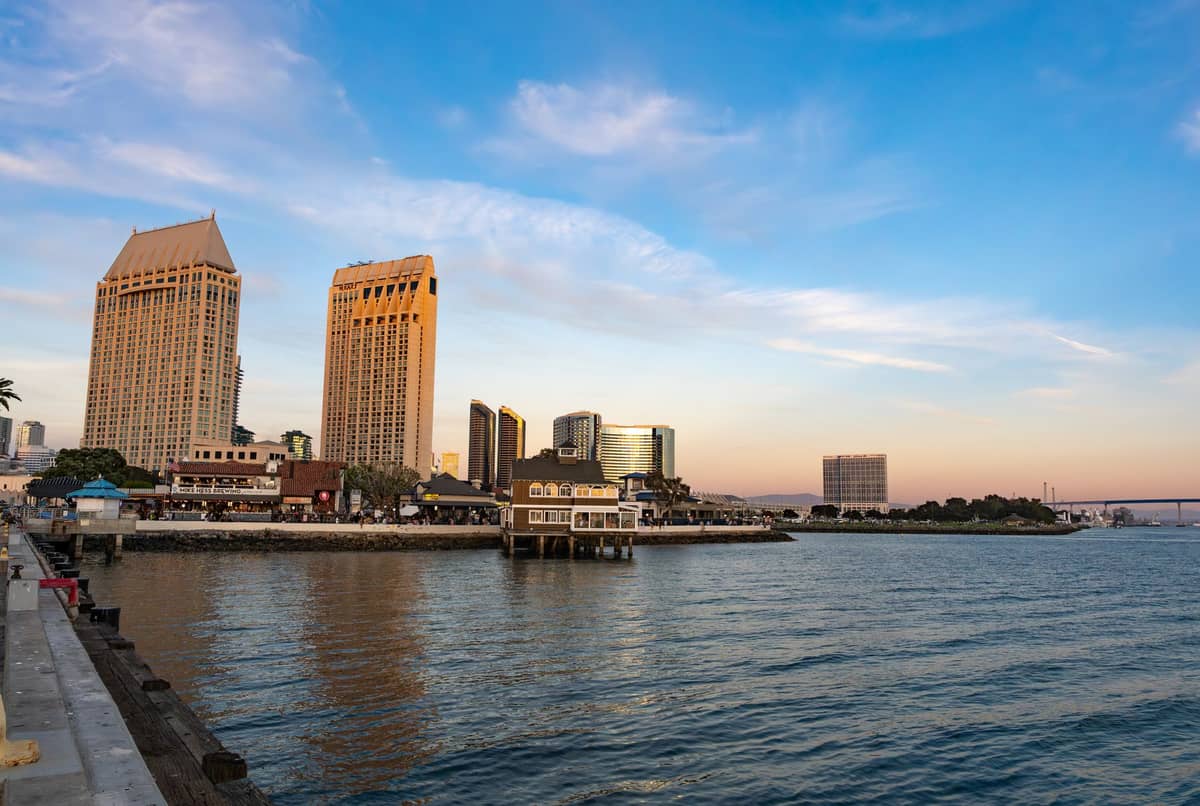
The fish taco has a contested origin story, but San Diego is where it crossed the border and went mainstream in the United States. The Baja California town of Ensenada, roughly 70 miles south, has long been credited as the birthplace of the modern fish taco: beer-battered white fish, shredded cabbage, crema, and salsa in a corn tortilla. San Diego absorbed that tradition through decades of cross-border exchange, and by the 1980s, spots in the city were serving their own versions to surfers and beachgoers who had eaten them in Mexico.
Today, San Diego's fish taco scene runs the full spectrum from $1.39 crispy tacos at El Pueblo Mexican Food chain locations to $15 grilled yellowtail preparations at waterfront restaurants. Understanding that range is the key to eating well without getting overcharged or underwhelmed. The city has also moved well beyond beer-battered cod: grilled mahi mahi, swordfish, and yellowtail are standard menu items at many spots, and some restaurants shift their fish selection seasonally based on what's running locally.
Baja-Style Battered vs. Grilled: What's the Difference?
The single most useful distinction to understand before ordering is battered versus grilled. Baja-style tacos use white fish (typically cod or pollock) dunked in a beer or tempura batter and deep-fried until crispy. The result is light and crunchy, usually topped with shredded cabbage, a thin white crema, and either a red salsa or a pickled jalapeño relish. This is the style that most people picture when they think of a San Diego fish taco, and it's what you'll find at taco trucks and casual beach shacks.
Grilled fish tacos use thicker fillets, often mahi mahi, swordfish, or yellowtail, cooked on a flat-top or grill. The toppings tend to be more elaborate: mango salsa, avocado, chipotle aioli, or pickled red onion. These usually cost more ($5–$9 per taco) and appear more often at sit-down beach restaurants than at takeout windows. Neither style is more authentic than the other in San Diego — locals eat both depending on mood and budget.
💡 Local tip
If you're new to San Diego fish tacos, start with a Baja-style battered taco from a casual spot to get the baseline, then compare it with a grilled version from a sit-down restaurant. The difference in texture and flavor profile is significant, and most people end up with a clear preference.
Best Neighborhoods for Fish Tacos
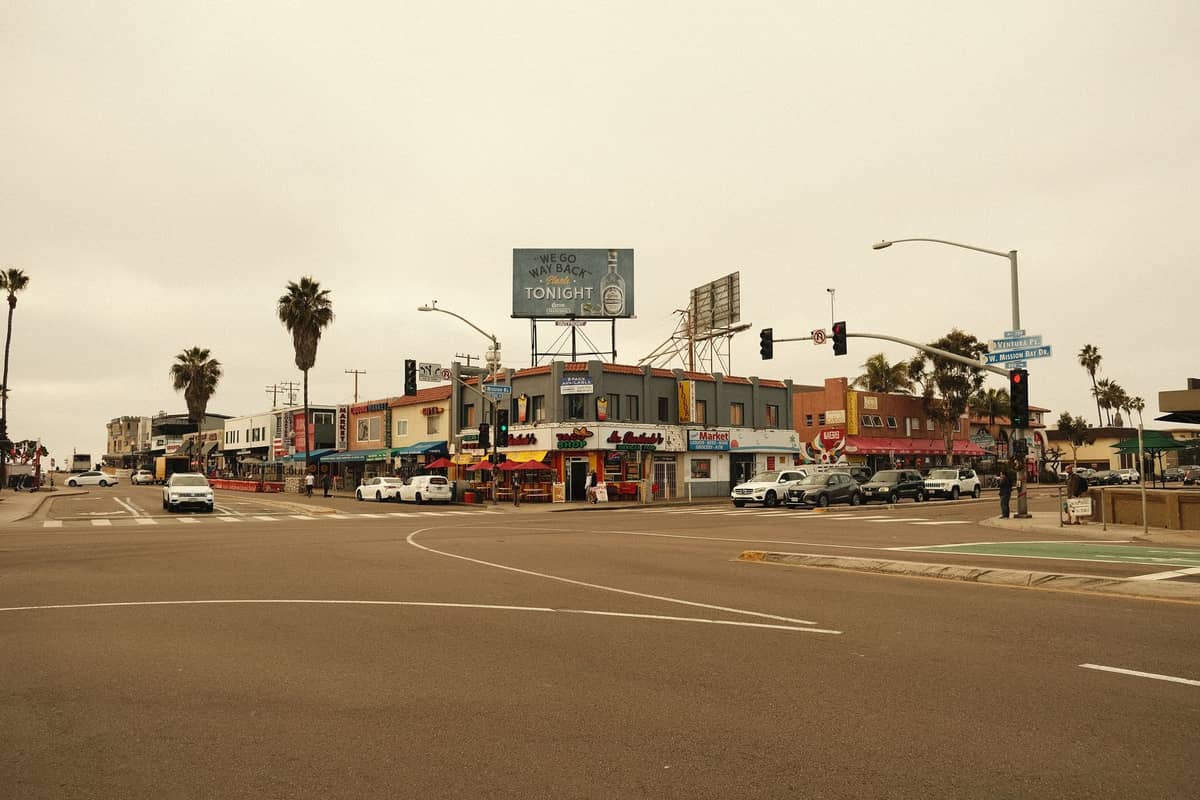
The coastal neighborhoods are where fish taco culture is most concentrated. Pacific Beach has the highest density of options, with spots ranging from takeout windows on Garnet Avenue to sit-down spots near the boardwalk. Prices here are competitive and the turnover is fast — these places serve a lot of surfers and beachgoers who want something quick and cheap.
Ocean Beach has a more local, low-key feel, with smaller spots and less tourist foot traffic. If you're after a fish taco without standing in a line behind people who are also taking photos of it, Ocean Beach is often a better bet than Pacific Beach or the Gaslamp. Mission Beach, particularly along the boardwalk corridor, also has reliable options that are worth including in a dedicated taco run.
Downtown's Gaslamp Quarter and Little Italy both have fish tacos on menus, usually at the higher end of the price range. These spots are more convenient if you're staying downtown, but they're generally not where locals go specifically for fish tacos. The quality can be good, but you're paying a location premium.
- Pacific Beach Highest concentration of options; prices are competitive ($3–$6 per taco); best for a dedicated taco crawl along Garnet Ave and the boardwalk area.
- Ocean Beach Quieter atmosphere with fewer tourists; good value; suits anyone who wants a straightforward experience without the scene.
- Mission Beach Strong boardwalk options; convenient if you're spending the day at the beach; tends to be busier on weekends.
- Gaslamp Quarter / Downtown Pricier options aimed at tourists and convention crowds; quality varies; go here for convenience, not value.
- Old Town A few good Mexican restaurants with fish tacos on the menu; worth trying if you're already visiting the historic district.
What to Expect on Pricing and Value
A realistic budget for fish tacos in San Diego in 2024: taco trucks and walk-up windows charge $2.50–$4 per taco, casual beach restaurants charge $4–$7, and upscale seafood spots can charge $8–$15 for a single taco when it's part of a more composed dish. The idea that fish tacos are always cheap street food is outdated — some restaurants treat them as a premium item, especially when using locally-sourced yellowtail or swordfish.
For budget-conscious eating, El Pueblo Mexican Food operates multiple San Diego-area and North County locations (including a Carmel Valley outpost) with a crispy fish taco priced at $1.39 and extended hours at some sites. It's not the most refined version you'll find in the city, but it's genuinely cheap and satisfying. Verify current prices and hours directly with each location before visiting, as these details change.
✨ Pro tip
Weekday happy hours are the most effective way to get quality fish tacos at reduced prices. Many beach restaurants drop battered fish tacos to around $1.99–$2.50 between 3–6 p.m. on weekdays. Some seafood-focused bars also discount grilled fish tacos to around $4 during the same window. Ask specifically about happy hour taco pricing when you arrive — it's not always on the main menu board.
Practical Tips for Planning a Fish Taco Run
Most casual taco spots in San Diego operate daily from around 10:30–11 a.m. through 8–9 p.m., but hours vary by location and day of week. Taco trucks and small walk-up windows sometimes keep shorter hours and may close earlier on weekdays. Always check current hours before making a trip, especially if you're crossing the city for a specific spot.
The coastal neighborhoods are close enough together to make a multi-stop run practical. Pacific Beach, Mission Beach, and Ocean Beach are all within a few miles of each other, and you can easily cover two or three spots in a single afternoon — especially with a rideshare. If you're without a car, check the getting around San Diego guide for transit and rideshare logistics. MTS bus routes connect most beach neighborhoods with Old Town and downtown, though travel times between beach stops can be longer than they look on a map.
Parking near the beach neighborhoods — particularly Pacific Beach on weekends — is genuinely difficult from late morning onward. If you're driving, arrive before 11 a.m. or use a paid lot and plan to walk. Street parking near the boardwalk is metered and fills fast on summer weekends.
- Go on a weekday if you want shorter lines and better access to happy hour pricing.
- Start at a taco truck or walk-up window for the cheapest, most straightforward Baja-style experience.
- Follow up at a sit-down spot with a view for a grilled fish version — the contrast is worth it.
- Check seasonal menu items: some spots rotate in premium fish like swordfish or yellowtail depending on availability.
- Skip the tourist-trap menus in hotel zones — you're paying for the address, not the taco.
- Corn tortillas are standard; ask if flour tortillas are available if you prefer them, but most Baja-style spots use corn.
⚠️ What to skip
Not every place advertising 'authentic Baja fish tacos' in San Diego actually delivers on the claim. Watch for overly thick or doughy batter (a sign of rushed or low-quality frying), pre-made bottled salsa, and limp cabbage. The best versions have a light, crispy batter, fresh cabbage with some crunch, and a house-made crema or salsa. If the cabbage is soggy and the salsa came from a jar, the price — whatever it is — isn't worth it.
Fish Tacos Beyond the Beach: Worth Exploring
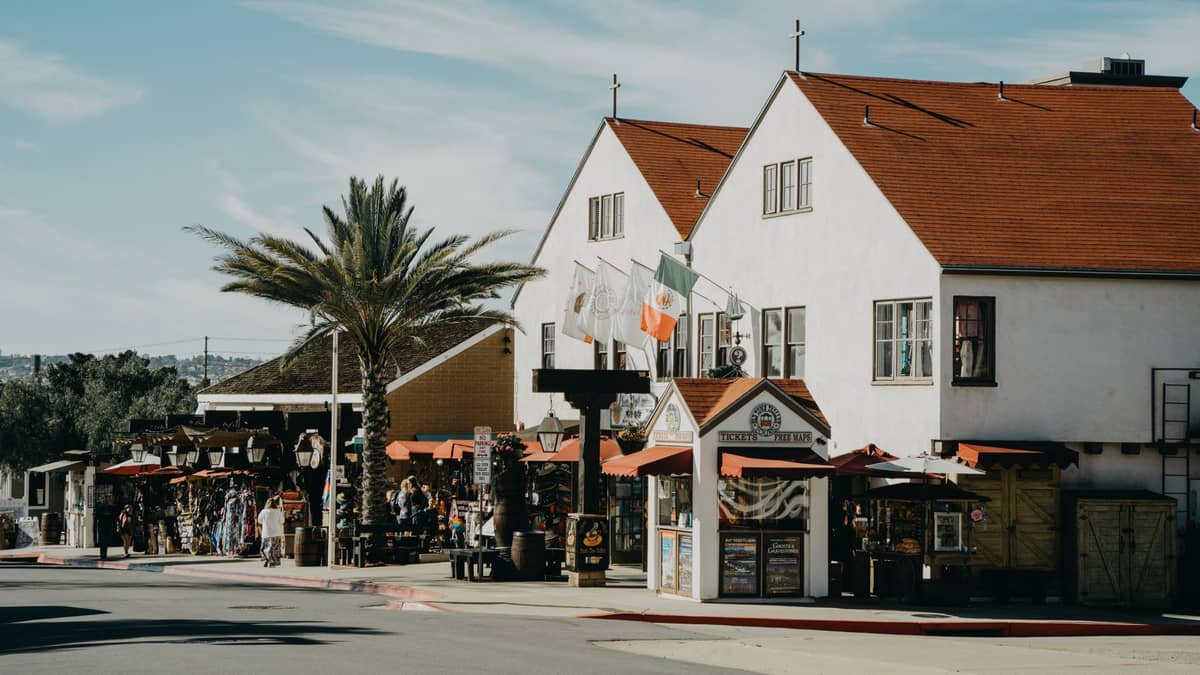
The beach neighborhoods get most of the attention, but some of the best fish tacos in San Diego are found slightly inland. Old Town San Diego has several Mexican restaurants with solid fish taco options, and the historic district context makes for a more interesting meal than a boardwalk walk-up window. Prices are generally in the $4–$7 range here, and the sit-down format means you can order a full meal rather than eating standing up.
North Park and Hillcrest — just east of Balboa Park — have a growing number of Mexican and Baja-influenced spots that serve strong fish tacos in a more neighborhood-restaurant setting. These areas are less about the beach vibe and more about the food itself, and the prices tend to be fairer than in the tourist-heavy coastal zones. If you're spending time at Balboa Park's museums and want a good lunch nearby, this is worth knowing.
For visitors focused on a tighter budget overall, the San Diego on a budget guide covers how to keep food costs down across the city. Fish tacos fit naturally into a budget approach — two tacos from a walk-up window and a drink can easily come in under $12 at the right spot.
FAQ
What is a Baja-style fish taco?
A Baja-style fish taco uses white fish (typically cod or pollock) coated in beer or tempura batter and deep-fried until crispy, then served in a corn tortilla with shredded cabbage, crema, and salsa. The style originates from Baja California, Mexico, particularly the Ensenada region, and became popular in San Diego through decades of cross-border culinary exchange.
How much do fish tacos cost in San Diego?
Prices vary significantly by location and style. Taco trucks and walk-up windows typically charge $2.50–$4 per taco. Casual beach restaurants charge $4–$7. Upscale seafood spots can charge $8–$15 for a single taco. During weekday happy hours (usually 3–6 p.m.), some places drop prices to around $1.99–$2.50 per battered fish taco.
Where are the best fish tacos in San Diego for budget travelers?
Pacific Beach, Ocean Beach, and Mission Beach have the highest concentration of affordable fish taco spots. El Pueblo Mexican Food operates multiple San Diego-area and North County locations with tacos priced at $1.39 at some sites. Happy hours at beach restaurants are another reliable way to find quality tacos at lower prices. Verify current prices and hours before visiting, as they change regularly.
Are fish tacos in San Diego better with corn or flour tortillas?
Most traditional Baja-style fish taco spots use corn tortillas, which are the standard for this style. Flour tortillas are less common for fish tacos specifically, though some spots offer them. If you have a preference, ask before ordering — not all places make it clear which tortilla type they use by default.
Is there a best time of year to eat fish tacos in San Diego?
Fish tacos are available year-round in San Diego. However, some spots rotate in seasonal fish like yellowtail or swordfish during warmer months when these species are more available. Spring through fall tends to offer the widest variety of fish options. Prices and crowd levels at beach spots peak in summer (June–August), so spring (March–May) and fall (September–October) often offer a better experience with shorter waits.