What to Eat in San Diego: Local Food & Dishes You Must Try
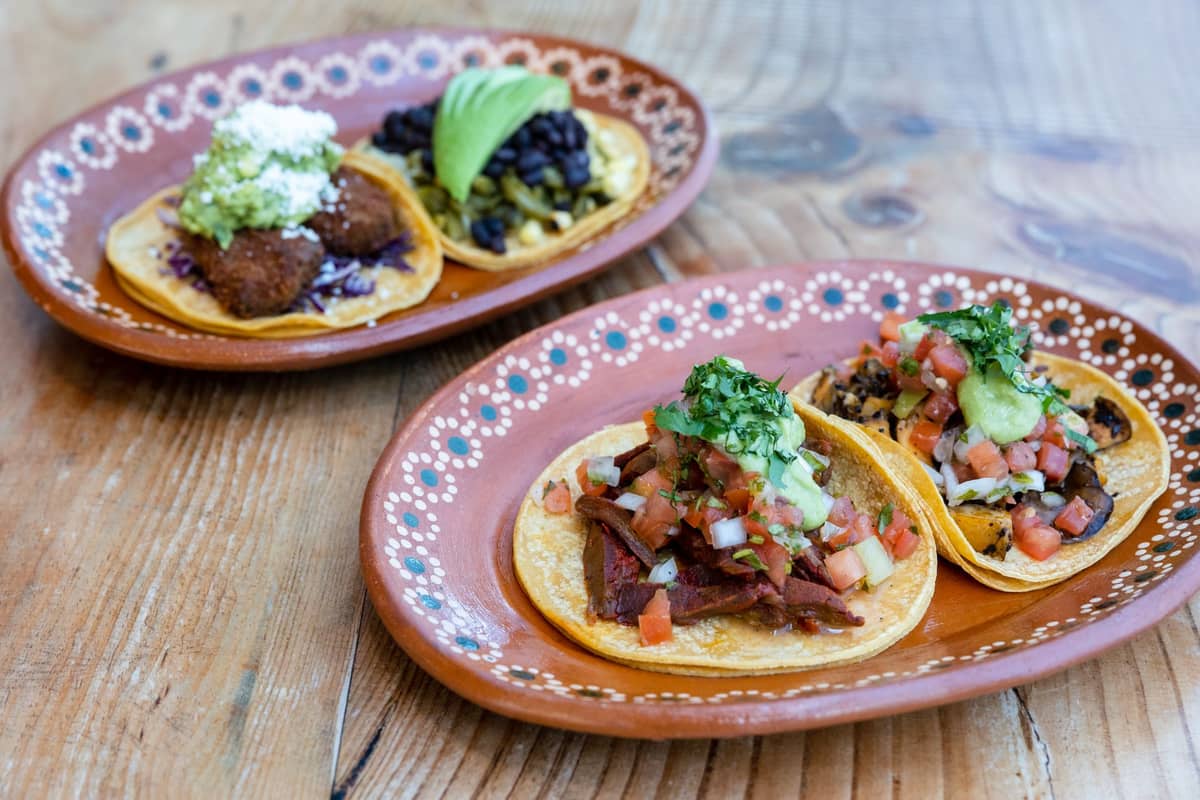
San Diego's food identity runs deeper than tourists expect. Border-influenced Mexican cooking, Pacific seafood, a serious craft beer scene, and year-round farmers' markets combine into something genuinely distinctive. This guide covers the essential dishes, the best neighborhoods to eat in, and the practical details that help you eat well without wasting a meal.
TL;DR
- Fish tacos are the city's signature dish — order them battered and fried, not grilled, for the authentic San Diego version.
- The San Diego fish taco traces directly to Baja California, and the border influence shapes the entire local food culture.
- Little Italy Mercato (Saturdays 8am–2pm, Wednesdays 9:30am–1:30pm) is the city's largest farmers' market and runs year-round, rain or shine.
- North Park and Little Italy are the two neighborhoods with the highest concentration of worthwhile restaurants per block.
- San Diego has more craft breweries per capita than almost any U.S. city — see the craft beer guide to plan brewery visits alongside your meals.
The Dish That Defines San Diego: Fish Tacos
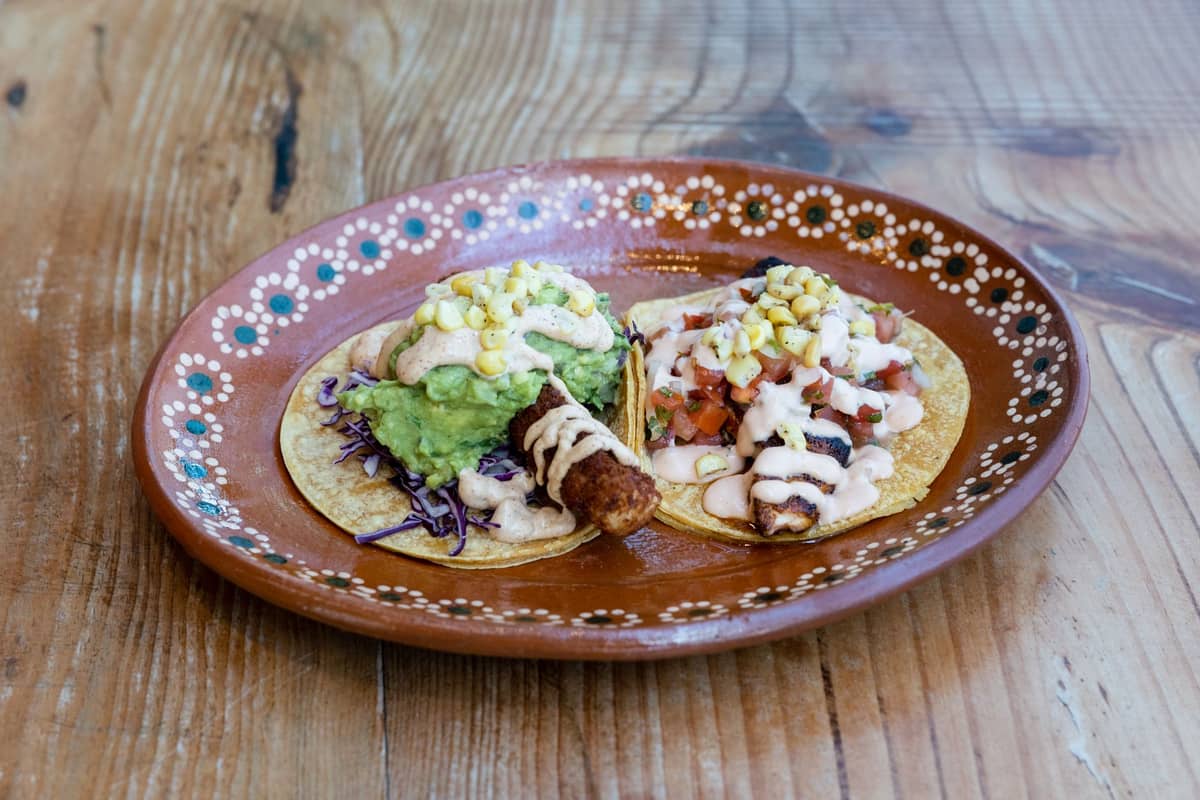
If you eat one thing in San Diego, it should be a fish taco. That sounds obvious, but the specifics matter. The San Diego style traces directly to Ensenada, Baja California, where battered-and-fried white fish (typically cod or rockfish) gets tucked into a warm corn tortilla with shredded cabbage, crema, and a squeeze of lime. It arrived in San Diego in the 1980s and never left. The fried version is the authentic one — grilled fish tacos exist, and they're fine, but they're not what built this city's reputation.
Quality varies enormously. The best fish tacos in town tend to come from small counter-service spots and taquerias rather than sit-down restaurants charging $18 for three. Expect to pay $4–7 per taco at a solid local spot. Ocean Beach, City Heights, and the stretch of National Avenue in Barrio Logan all have excellent options that rarely appear on tourist lists. The Gaslamp Quarter and the waterfront have fish tacos too, but you're paying for location more than quality.
✨ Pro tip
Order two tacos, not one. A single fish taco is not a meal — it's a taste. Most locals order two or three, add a side of rice and beans if available, and pay under $15 total. If a place charges more than $8 per taco without an obvious reason (line-caught fish, organic sourcing), be skeptical.
Mexican Food Beyond Tacos: What San Diego Actually Eats
San Diego sits about 17 miles north of Tijuana, and that proximity has shaped everyday eating in ways that go far beyond tacos. Carne asada fries — a San Diego original — layer french fries with grilled carne asada, guacamole, sour cream, cheese, and pico de gallo. They're messy, filling, and genuinely regional: you won't find this combination in Mexico or most of the U.S. The dish is most associated with Lolita's Mexican Food, which has multiple locations across the city, but dozens of taquerias make their own version.
Birria has become ubiquitous in San Diego over the last several years, and for good reason: the beef-and-chile stew served as tacos with consommé for dipping is one of the more satisfying things you can eat in the city. Old Town has a concentration of Mexican restaurants aimed squarely at tourists, and while some are decent, the more interesting Mexican food is in Barrio Logan, City Heights, and along Logan Avenue. San Diego's Mexican food scene is not a monolith — you'll find Jalisco-style birria, Oaxacan tlayudas, Sinaloan seafood, and straightforward Baja street food all within a few miles of each other.
- Carne Asada Fries A San Diego original — loaded fries with grilled beef, guacamole, sour cream, and cheese. Around $12–16 at most taquerias.
- Birria Tacos Braised beef in chile sauce, served in corn tortillas with consommé on the side for dipping. Best in Barrio Logan and City Heights.
- California Burrito A San Diego modification of the burrito that adds french fries inside the wrap alongside carne asada and guacamole.
- Rolled Tacos (Taquitos) Tightly rolled corn tortillas filled with beef or chicken, deep-fried and served with guacamole. Common at taquerias and casual spots citywide.
- Agua Frescas and Horchata Fresh fruit-infused waters and rice-milk horchata are the default drinks at taquerias. Order one — they're better than anything bottled.
Pacific Seafood: What to Order and Where to Look
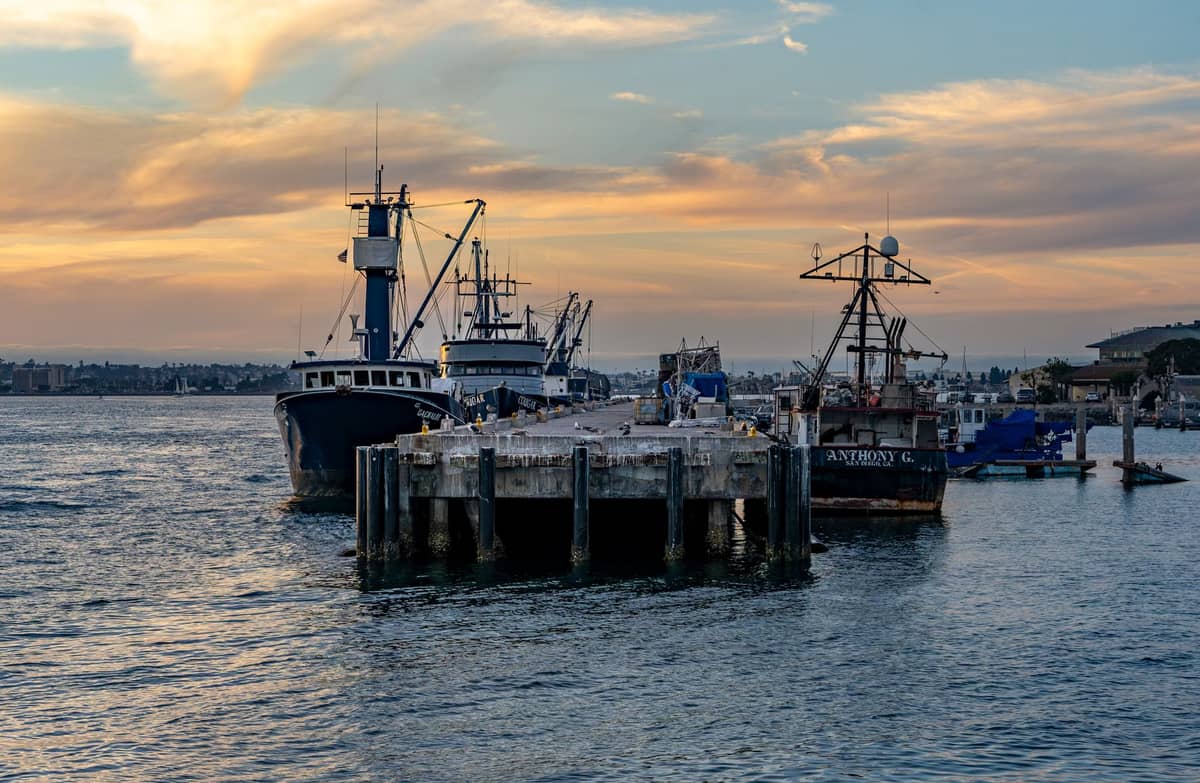
San Diego is a working fishing port, and the seafood here reflects that. Pacific halibut, California spiny lobster (in season roughly October through mid-March), local sea urchin (uni), Baja-caught shrimp, and oysters from the Pacific coast all appear regularly. Little Italy has become the city's most concentrated fine-dining neighborhood, and several restaurants there do excellent Pacific seafood — but the Little Italy Mercato on Saturday mornings is where you can buy raw oysters, fresh fish, and local shellfish directly from vendors at market prices.
The waterfront near the Embarcadero has several seafood restaurants, but this area skews heavily toward tourists and the price-to-quality ratio is not always favorable. For serious seafood cooking at better value, look to Point Loma (near the sport fishing docks on Shelter Island) and La Jolla, where restaurants have direct access to local catches. Tuna dip — a San Diego staple made from albacore tuna, cream cheese, and seasonings — appears on many menus as an appetizer and is worth ordering wherever you see it made in-house.
⚠️ What to skip
California spiny lobster is only legally harvested roughly October through mid-March. If a restaurant offers 'local lobster' outside that window, it is almost certainly imported. This does not make it bad, but it is not the local product — and it should not be priced as if it is.
Little Italy Mercato: The City's Best Food Market
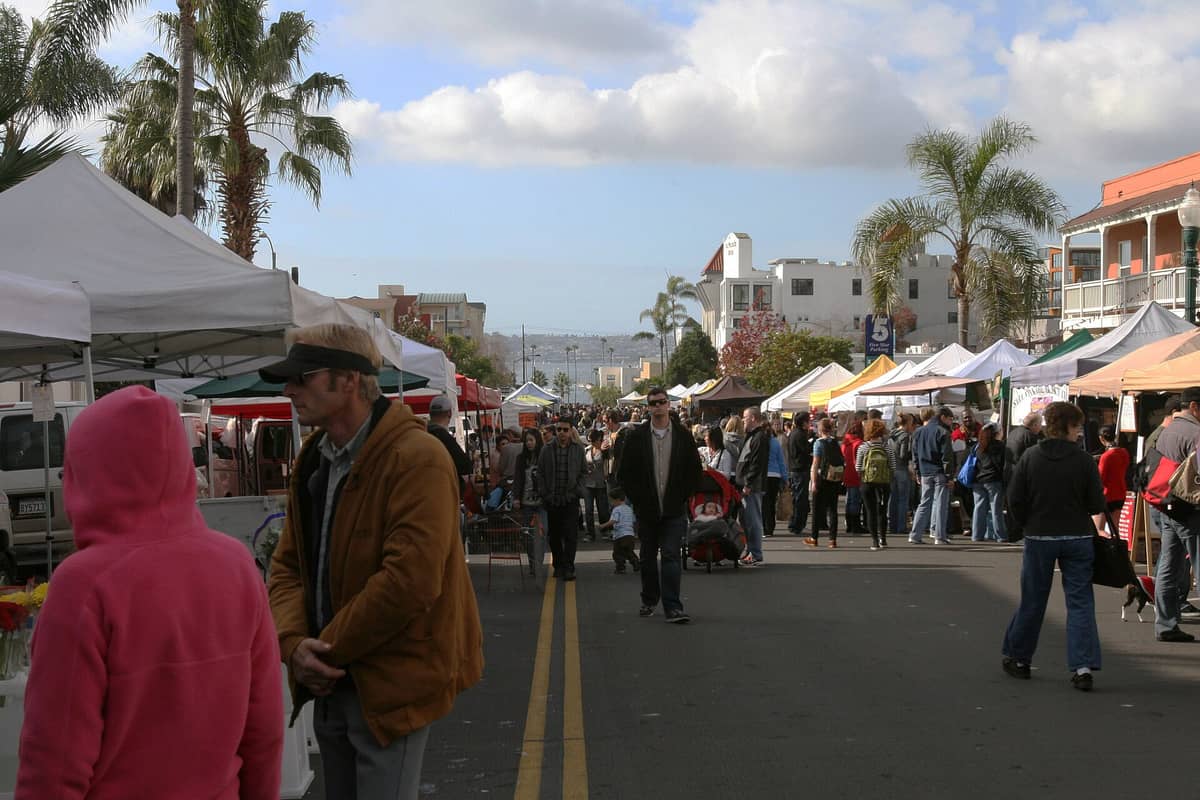
The Little Italy Mercato is the largest certified farmers' market in San Diego County, and it operates year-round on West Date Street in Little Italy. Saturday hours run 8:00am to 2:00pm; Wednesday hours run 9:30am to 1:30pm. Both days are rain-or-shine, which in San Diego's Mediterranean climate means they almost never cancel. The market stretches across multiple closed blocks between Kettner Boulevard and Front Street on Saturdays and Wednesdays.
What makes it worth visiting as a food destination rather than just a grocery stop: the range. You'll find farm-fresh produce that changes with the season (stone fruit and tomatoes in summer, citrus and leafy greens in winter), prepared foods from tamales and raw oysters to wood-fired bread and specialty coffee, plus local honey, olive oil, and cured meats. It is not Italian food — the 'Little Italy' name refers to the neighborhood, not the cuisine. Despite the name, the market reflects San Diego's full culinary range. The Little Italy neighborhood itself has excellent restaurants open later in the day, so pairing a Saturday market visit with lunch at one of the nearby trattorias or fish counters makes for a solid morning.
💡 Local tip
Arrive at the Mercato by 8:30am on Saturdays if you want oysters — they sell out fast. The Wednesday market is smaller and less crowded, good if you want a calmer experience but with fewer vendors. Rideshares may have trouble dropping off during market hours due to street closures; walk from the nearby County Center/Little Italy MTS trolley stop or park a few blocks east.
Neighborhoods to Eat In: A Practical Ranking
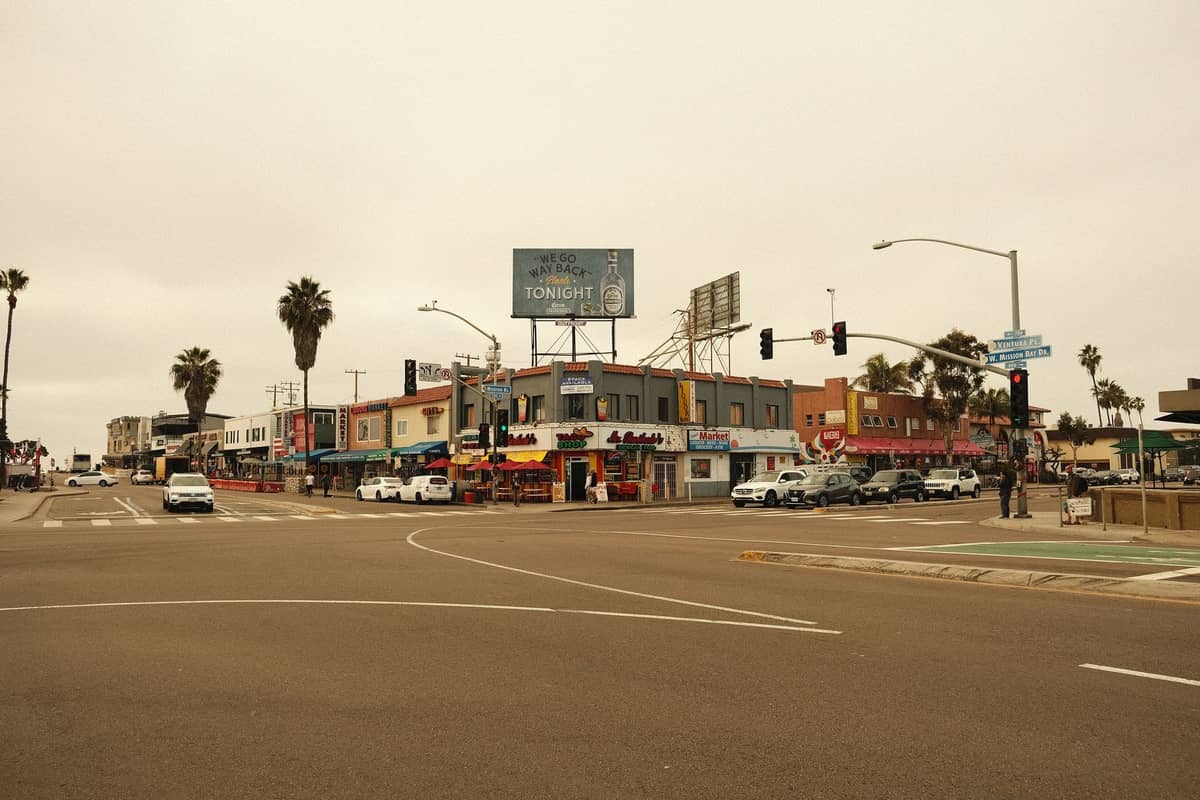
North Park is the neighborhood most locals would name first for serious eating. The stretch along 30th Street and University Avenue has independent restaurants representing Korean, Vietnamese, Japanese, American, and Mexican food at a range of price points, alongside some of the city's best craft breweries. It rewards wandering — the density of good options per block is higher here than almost anywhere else in San Diego. For a deeper look at eating and drinking in the area, the San Diego nightlife guide covers the bar and brewery side of North Park in more detail.
Little Italy is where you go for a more polished meal: sit-down Italian, upscale seafood, wine bars, and the occasional New American restaurant. Prices are higher than North Park, but the quality ceiling is also higher. La Jolla has excellent seafood and sushi restaurants around Prospect Street and Girard Avenue, though the area can feel self-consciously upscale. For budget eating, City Heights (specifically University Avenue east of 40th Street) is one of the most diverse and undervisited food corridors in the city — Ethiopian, Somali, Vietnamese, and Mexican restaurants cluster here, with most meals under $15.
- North Park Best overall neighborhood for independent restaurants, craft beer, and casual dining. Mix of cuisines, mid-range prices.
- Little Italy Highest concentration of polished sit-down restaurants. Saturday Mercato is the main food market. Pricier but worth it for a special meal.
- City Heights Most ethnically diverse food corridor in the city. Ethiopian, Somali, Vietnamese, and Mexican at budget prices. Undervisited by tourists.
- La Jolla Strong for seafood and sushi, particularly around Prospect Street. Expect higher prices and a more formal atmosphere.
- Barrio Logan Best neighborhood for authentic Mexican food and birria. Chicano Park area has street food vendors on weekends.
- Gaslamp Quarter Convenient for visitors staying downtown, but leans toward chain restaurants and overpriced cocktail bars. Not the city's best eating.
Craft Beer, Coffee, and the Drinks Culture
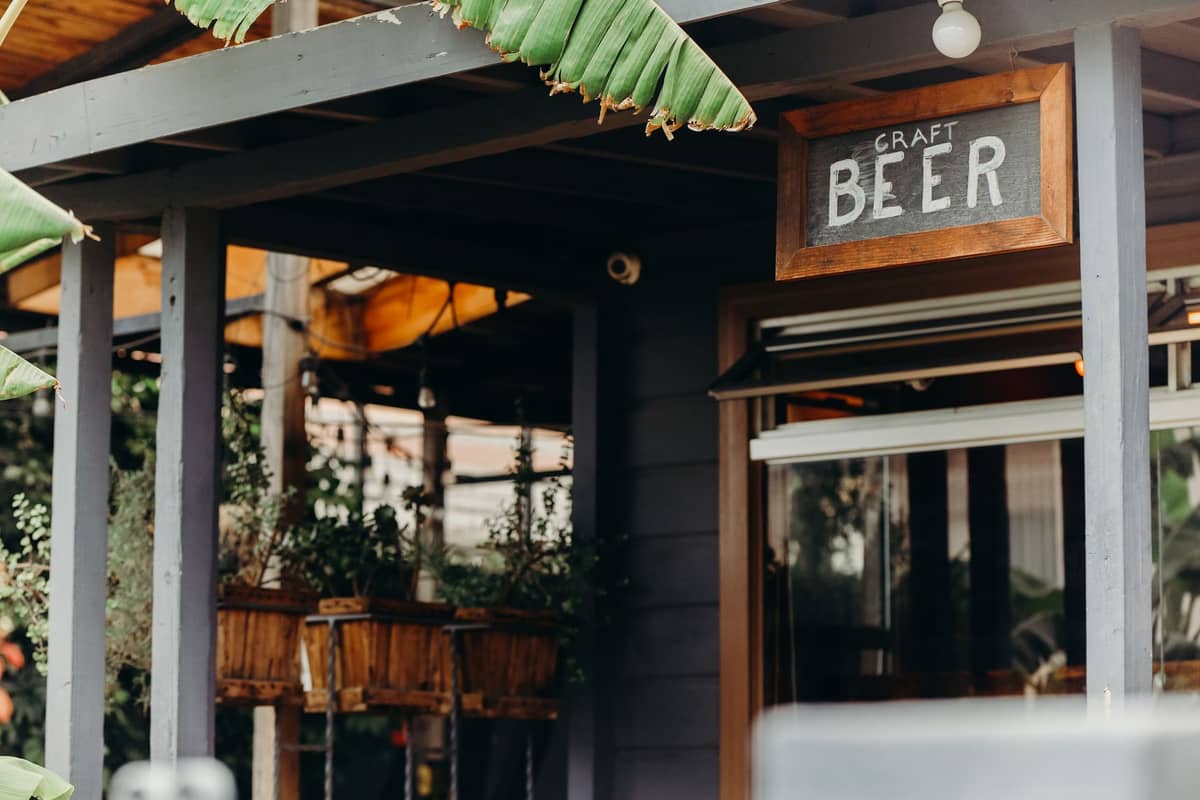
San Diego is one of the most significant craft beer cities in the United States. The scene here predates the national boom — local breweries like Karl Strauss (founded 1989) and Stone Brewing (founded 1996) helped define what West Coast IPA became. Today the county has well over 150 craft breweries, and most serious restaurants keep local taps alongside a thoughtful wine list. The San Diego craft beer guide covers specific breweries and neighborhoods in depth, but for food pairing purposes: West Coast IPAs cut through the fat in fish tacos and carne asada in a way that lagers and wine do not.
Coffee culture in San Diego is strong and skews toward third-wave specialty roasters. Bird Rock Coffee Roasters (with cafes in La Jolla, North Park, and Little Italy) is a local institution with national recognition. Lestat's Coffee House in North Park is open 24 hours and has been a neighborhood fixture for decades. For casual morning eating paired with coffee, the pastry programs at several Little Italy cafes are worth the detour, particularly on a Saturday before heading to the Mercato.
ℹ️ Good to know
Tipping at restaurants in San Diego follows standard U.S. norms: 18–20% of the pre-tax bill for table service is customary. Counter service and coffee shops typically have tip prompts on card readers — 10–15% is reasonable for simple orders, but there is no social obligation. Some restaurants now include a service charge in the bill; check before adding an additional tip.
Seasonal Eating: What's Worth Ordering by Time of Year
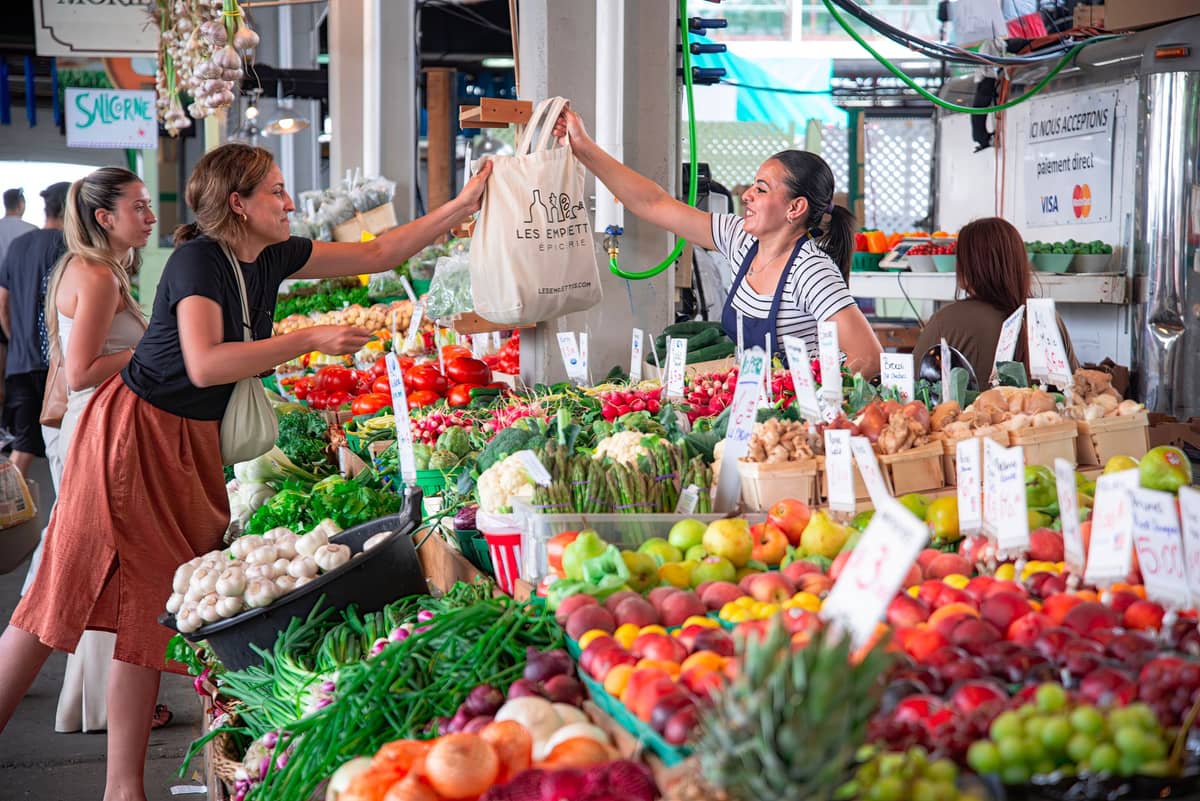
San Diego's Mediterranean climate means local produce arrives in waves rather than all at once. Summer (June through August) brings stone fruit, heirloom tomatoes, local berries, and corn to the farmers' markets. This is also when Baja California's seafood is most active — shrimp and various finfish peak in warmer water months. Fall is California spiny lobster season (starting October), and this is when to order it. Winter brings citrus of all varieties: blood oranges, Meyers lemons, mandarins, and cara cara oranges all appear at the Mercato from December onward.
Spring is arguably the best season for produce variety, with strawberries from nearby farms, snap peas, artichokes, and the last of the winter citrus overlapping. If you're visiting in spring or fall, the farmers' markets are at their most diverse and the produce is at its most interesting. For timing your visit around food and weather together, the best time to visit San Diego guide lays out the seasonal tradeoffs in detail.
FAQ
What is San Diego's most famous local dish?
The fish taco is the dish most closely associated with San Diego. The local style is battered-and-fried white fish in a corn tortilla with cabbage, crema, and lime — a direct influence from Baja California. Carne asada fries are a close second and arguably more San Diego-original, as they were invented here rather than imported from Mexico.
Where is the best place to eat in San Diego?
For the highest density of quality independent restaurants, North Park (along 30th Street and University Avenue) is the most reliable neighborhood. Little Italy is the best choice for a sit-down dinner or a special meal. For authentic Mexican food, Barrio Logan and City Heights consistently outperform the tourist-facing options in the Gaslamp Quarter and Old Town.
What days and times is the Little Italy Mercato open?
The Little Italy Mercato runs every Saturday from 8:00am to 2:00pm and every Wednesday from 9:30am to 1:30pm, year-round. Both market days operate rain or shine on West Date Street in Little Italy, and the Saturday market is the largest farmers' market in San Diego County.
Is San Diego good for vegetarians and vegans?
Yes, though the city's food identity is heavily centered on meat and seafood. North Park and Hillcrest have the strongest concentration of vegetarian and vegan restaurants. The farmers' markets are excellent for plant-based ingredients. Most taquerias can make bean-and-cheese or vegetable tacos, and the produce quality at San Diego markets is genuinely high due to year-round local farming.
How much should I budget for food in San Diego?
A taco or street food meal runs $10–16 for a full order with a drink. A casual sit-down lunch or dinner at a neighborhood restaurant typically costs $18–30 per person before drinks. Higher-end restaurants in Little Italy or La Jolla run $50–100+ per person with wine. The farmers' markets offer good value for prepared foods, typically $8–14 for a full snack or light meal.