Best Day Trips from San Diego: Where to Go, How to Get There, and What to Know
San Diego sits at one of the most geographically rich crossroads in North America. Within a few hours you can reach a Mexican border city, a desert national park, a mountain apple-farming town, and downtown Los Angeles. This guide covers the best day trips from San Diego with real logistics and no filler.
TL;DR
- Los Angeles is roughly 2 hours 45 minutes to 3 hours by Amtrak Pacific Surfliner from Santa Fe Depot, with advance coach fares starting around $30-40 one way.
- Tijuana requires a valid passport and a Mexico Visitor's Permit (FMM) for all visitors, even for same-day crossings on foot at San Ysidro.
- Julian, Anza-Borrego, and the Temecula wine region are all under 90 minutes by car and work well as half-day or full-day escapes. See our guide to San Diego's lesser-known escapes for more ideas.
- September and October are the best months for inland day trips: desert temperatures drop, crowds thin, and coastal fog has cleared.
- For a comprehensive overview of getting around the region, check getting around San Diego before you plan.
Los Angeles by Train: The Classic Pacific Surfliner Run
The Amtrak Pacific Surfliner between San Diego's Santa Fe Depot and Los Angeles Union Station is one of the most practical train routes in California. Typical journey time runs about 2 hours 40 minutes to 3 hours depending on stops, and the coastal stretch through Del Mar and San Clemente is genuinely scenic. You can skip the freeway chaos entirely and arrive steps from downtown LA's Metro system.
Fares operate on dynamic pricing, not a flat rate. Advance Saver and Value coach tickets typically fall in the $30-50 one-way range when booked weeks ahead. Last-minute flexible coach fares often climb to $50-80, and business class runs roughly $60-110 each way. The gap between early-bird and day-of pricing is significant enough that booking on Amtrak's site as soon as your dates are confirmed is the single best way to control costs. Multiple departures run daily in both directions, with early morning trains allowing a full day in LA before the last evening return.
⚠️ What to skip
Pacific Surfliner fares are not fixed. Dynamic pricing means the same seat can cost twice as much on a summer Saturday versus a Tuesday in March. Always check Amtrak's official site for current fares before budgeting. Holidays and summer weekends see high demand and higher prices — book at least 2-3 weeks ahead.
One practical note: the train occasionally runs late due to freight rail conflicts and track conditions on the corridor. If you have a timed reservation at a LA restaurant or event, build in buffer time. The route is scenic and relaxed, but it is not an Acela-style precision operation.
Tijuana: The Cross-Border Day Trip with Real Paperwork

Tijuana is 30 minutes from downtown San Diego by car or trolley, and crossing on foot at San Ysidro is straightforward once you understand the actual requirements. A common misconception is that U.S. citizens can walk into Mexico for the day without any documentation. This is incorrect. All visitors, regardless of nationality, need a valid passport. For stays of seven days or fewer, the Mexico Visitor's Permit (FMM) is currently free when crossing by land and can be processed at the border.
When returning to the United States, U.S. Customs and Border Protection accepts a passport book or card, Enhanced Driver's License, or Trusted Traveler cards such as Global Entry and SENTRI. For U.S. citizen children under 16 crossing by land, a birth certificate is accepted in place of a passport. Wait times at San Ysidro can stretch to 90 minutes or more on busy weekends — check CBP's official app or website before heading to the border. For more on crossing logistics, our dedicated Tijuana day trip guide covers the full picture.
ℹ️ Good to know
The Cross Border Xpress (CBX) pedestrian bridge connects San Diego to Tijuana International Airport, but it is only for passengers with a valid airline ticket departing or arriving within 24 hours. It is not a general tourist crossing for day trips into the city.
Tijuana is genuinely worth a full day for anyone interested in food, street art, and craft beer. Avenida Revolución draws tourists, but the Zona Rio and the Telefónica Gastro Park area offer a more interesting cross-section of the city's restaurant scene. Budget for pesos at local prices rather than U.S. dollars, even though many vendors accept both.
Julian: Apple Orchards, Pie, and Mountain Air
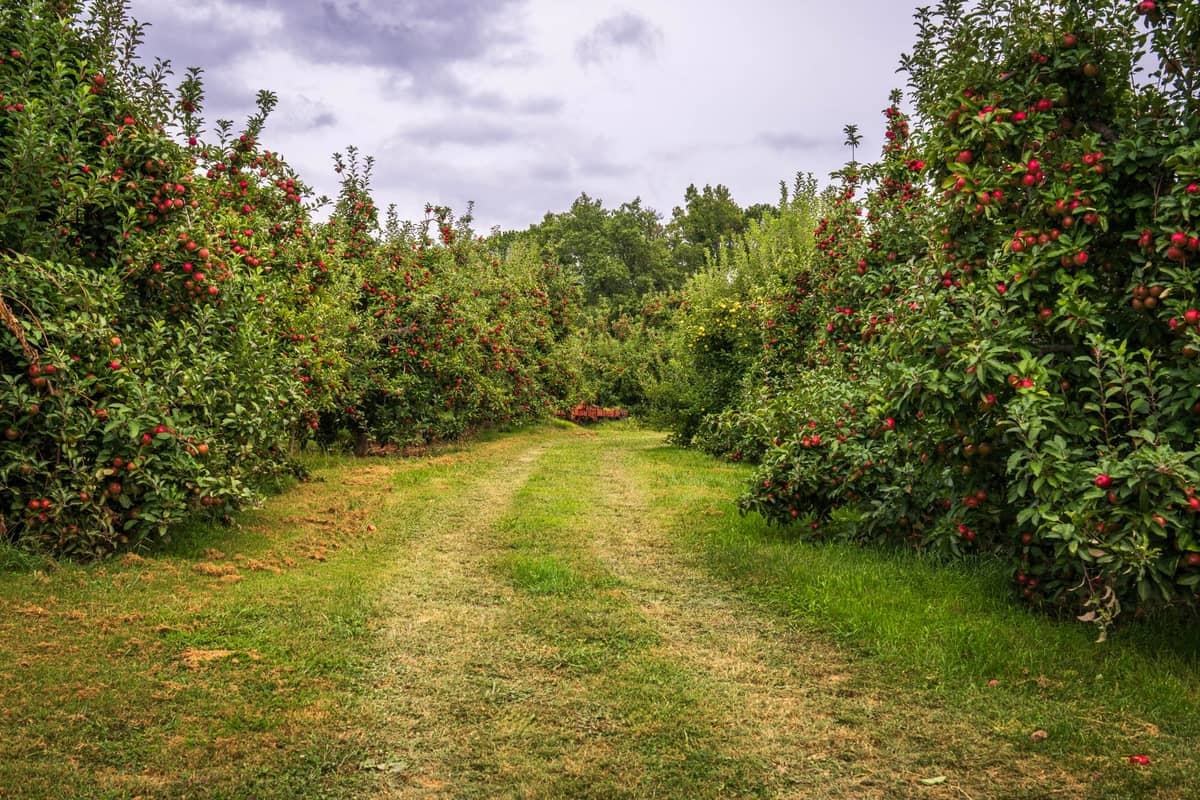
Julian sits about 60 miles northeast of downtown San Diego at an elevation of around 4,200–4,250 feet, which means noticeably cooler temperatures than the coast and occasional snow in winter. The drive takes roughly 60-75 minutes via CA-78 or CA-79, and the route through the Cuyamaca Mountains rewards drivers willing to take the slower scenic highway rather than the faster inland freeway option.
Fall, from late September through November, is peak season for Julian's apple harvest. Roadside stands sell cider and fresh-picked apples, and the town's several pie shops draw crowds from across the region. The apple pie at Julian Pie Company is the most talked-about, but expect lines on weekends. Outside of fall, Julian is noticeably quieter and the scenery is still worth the drive. The area sits close to Anza-Borrego Desert State Park, making a combined mountain-and-desert loop possible in a single long day if you're willing to put in some miles.
💡 Local tip
Julian has no trolley or train access. A car is essential. Fill your tank before heading into the mountains — gas stations are limited and prices are higher in the hills. Cell service is patchy on CA-79 through Cuyamaca.
Anza-Borrego Desert State Park: California's Largest State Park
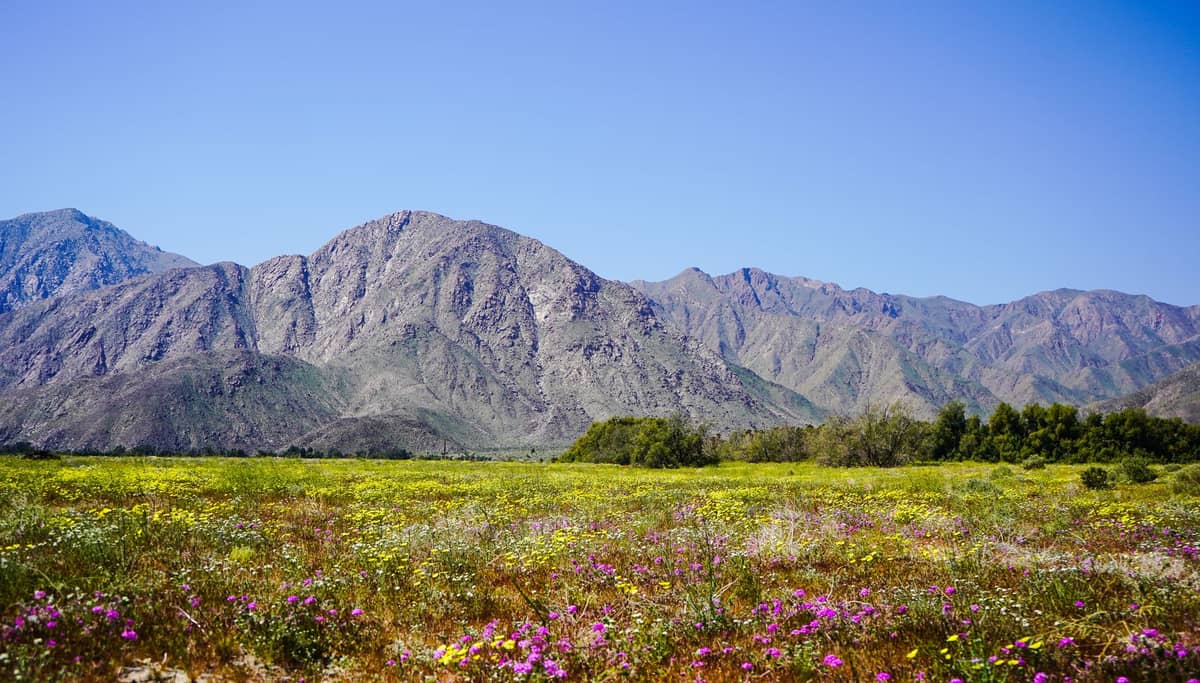
At roughly 600,000 acres, Anza-Borrego Desert State Park is the largest state park in California, and it is about 90 minutes east of San Diego by car. Most visitors enter via Borrego Springs, a small desert community at the center of the park. The landscape ranges from slot canyons and dry washes to open chaparral and wildflower fields.
The optimal window for desert day trips from San Diego is late February through early April, when wildflower blooms can be spectacular, and again from October through November when temperatures fall back to manageable levels. Summer visits are not recommended for most travelers: daytime highs regularly exceed 110°F in Borrego Springs, and the remote terrain creates real safety risks if you encounter car trouble or run short on water. Desert day trips require extra preparation regardless of season: carry more water than you think you'll need, download offline maps, and tell someone your itinerary.
Temecula Wine Country: Closer Than You Think
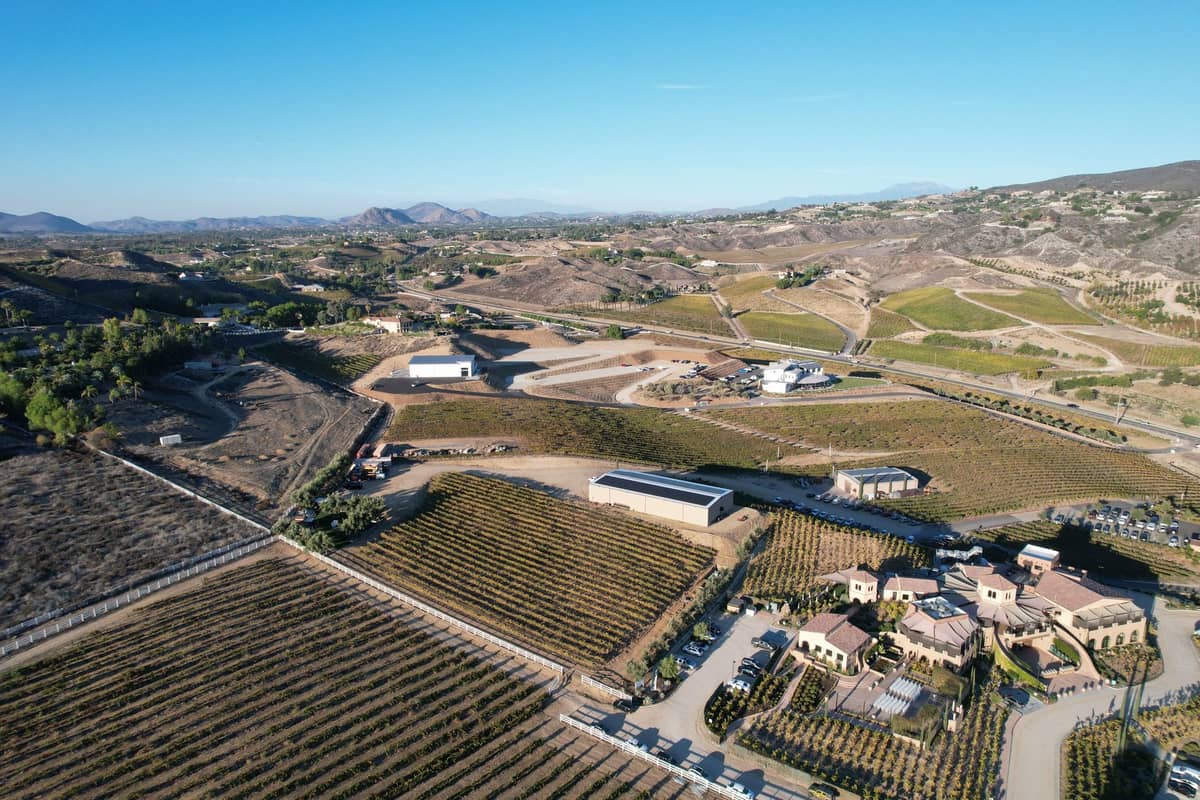
Temecula's wine region sits about 60 miles north of downtown San Diego, approximately 60-75 minutes by car depending on I-15 traffic. The Temecula Valley has around 40-plus wineries clustered along Rancho California Road, and the combination of warm inland days and elevation-cooled evenings produces conditions that work well for Rhône varieties and some Italian grapes. This is not Napa in terms of prestige or price, which is arguably part of its appeal: weekend tastings at most estates run $20-35 per person, portions tend to be generous, and the overall atmosphere is significantly more relaxed.
For a day trip, the main caveat is I-15 on Friday afternoons and Sunday evenings, which backs up badly heading through Riverside County. Leave San Diego before 9am or plan to stay in Temecula until 7pm or later to avoid the worst of it. A designated driver or rideshare from within Temecula between wineries is essential once you're in the valley.
Coastal Escapes: North County Beaches and Carlsbad
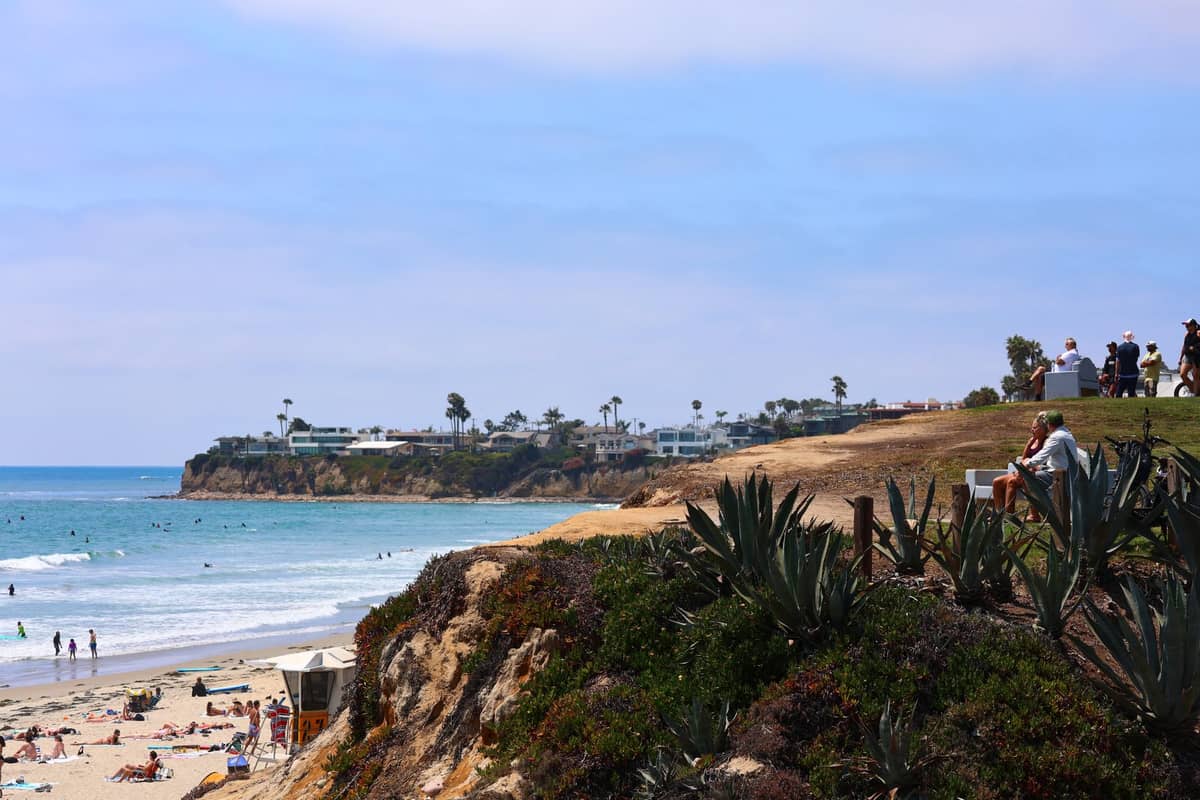
San Diego's immediate coastline gets the most attention, but the towns to the north — Encinitas, Carlsbad, and Oceanside — each offer a distinct character within 30-50 miles of downtown. Oceanside is also a Pacific Surfliner stop, making it one of the few day trips from San Diego genuinely doable by train without a car. Carlsbad is home to LEGOLAND California, which makes it an obvious target for families traveling with younger kids.
Encinitas is the most interesting of the three for adults without an agenda: the downtown has good independent restaurants, a surf culture that predates the Instagram era, and the San Diego Botanic Garden sits just inland. Accommodation along the North County coast is generally cheaper than San Diego beach neighborhoods, which is worth knowing if you're planning a longer stay rather than a pure day trip. For beach comparisons closer to the city, the best beaches in San Diego guide covers the range from La Jolla to Coronado.
- Los Angeles by Amtrak ~2h 40min by Pacific Surfliner from Santa Fe Depot. Advance fares $25-40 one way. Best for culture, food, or entertainment — not beaches, which are harder to access from Union Station without a car.
- Tijuana, Mexico 30 min by car or trolley to San Ysidro, then on foot across the border. Free FMM permit for stays under 7 days. Passport required. Best for food, markets, and street life.
- Julian ~75-90 min by car northeast of San Diego. Best October-November for apple harvest, February-April for wildflowers after desert proximity. No public transit option.
- Anza-Borrego Desert State Park ~90 min east by car. California's largest state park. Best February-April for blooms, October-November for tolerable temperatures. Avoid June-September entirely.
- Temecula Wine Country ~60-75 min north on I-15. 40-plus wineries along Rancho California Road. Tastings run $20-35/person. Avoid Friday afternoon and Sunday evening traffic.
- Oceanside and North County Coast 30-50 miles north. Oceanside accessible by Pacific Surfliner. Carlsbad adds LEGOLAND for families. Encinitas suits independent travelers with good restaurants and surf culture.
- Book Pacific Surfliner tickets on Amtrak's website as soon as your travel dates are confirmed — fares increase significantly as departure approaches.
- Check CBP's wait-time app before any border crossing. San Ysidro northbound can take 60-90 minutes on busy weekend afternoons.
- For desert day trips, carry at least 1 liter of water per hour of planned outdoor activity, plus emergency supplies if venturing off main roads.
- September and October offer the best conditions for most inland day trips: summer crowds have thinned, desert temperatures are tolerable again, and fall color starts appearing in Julian's mountains.
- If driving, fuel up in San Diego's eastern suburbs before heading into the mountains or desert — gas prices rise noticeably past El Cajon.
✨ Pro tip
Combine Julian and Anza-Borrego into one loop day trip by driving out on CA-78 through the desert (entering from the east side of the mountains) and returning via Julian and CA-79 through Cuyamaca. The full loop is around 150-160 miles from central San Diego but gives you both ecosystems in a single day. Start no later than 8am.
For travelers who want to see more of the region beyond single day trips, a longer itinerary based in San Diego makes sense. The 3-day San Diego itinerary builds in time for at least one excursion while covering the city's own highlights. If you're planning a road trip north, the San Diego to San Francisco route breaks down the coastal drive in detail.
FAQ
What is the easiest day trip from San Diego without a car?
Tijuana and Los Angeles are both feasible without a car. The San Diego Trolley Blue Line runs from downtown to San Ysidro for the Tijuana border crossing. For LA, the Amtrak Pacific Surfliner departs from Santa Fe Depot with multiple daily trips. Oceanside is also reachable by Amtrak or the COASTER commuter rail. Most other popular day trips — Julian, Anza-Borrego, Temecula — require a car.
Do I need a passport to visit Tijuana for the day?
Yes. A valid passport (book or card) is required to enter Mexico and to re-enter the United States. A Mexico Visitor's Permit (FMM) is also required for foreign visitors; for land crossings of 7 days or less it is currently free. Do not cross assuming you can sort paperwork on return — the FMM should be completed before or at the border. Check current regulations with the San Diego Tourism Authority before traveling, as requirements can change.
How far is Julian from San Diego and is it worth it?
Julian is about 60 miles northeast of downtown San Diego, roughly 75-90 minutes by car via CA-78 or CA-79. It is most worth the drive from late September through November during apple harvest season, or in late winter if Anza-Borrego wildflower conditions align. Outside those windows it is a pleasant mountain town, but not a destination that justifies the drive for everyone. There is no public transit option.
What is the best time of year for day trips from San Diego?
It depends on the destination. For coastal and city trips (LA, Tijuana, Oceanside), year-round conditions are generally fine. For desert trips to Anza-Borrego, late February through April and October through November are the practical windows — summer heat makes outdoor activity dangerous. For Julian, October is peak season. Temecula works year-round but spring and fall give the most comfortable valley conditions.
How much does the Amtrak train from San Diego to Los Angeles cost?
Fares are dynamically priced and vary considerably. Advance Saver and Value coach tickets typically start around $25-40 one way when booked weeks ahead. Last-minute flexible coach fares often run $40-75, and business class is generally $45-90 each way. There is no fixed flat fare. Always check Amtrak's official website for current pricing specific to your travel date.