San Diego to San Francisco: Road Trip, Flights & Train Options Compared
The distance from San Diego to San Francisco is about 500 miles via I-5, and how you cover it makes a big difference to your trip. This guide breaks down every realistic option: nonstop flights under two hours, a full-day drive with serious scenic potential, and a leisurely Amtrak journey for those who want to watch California roll by.
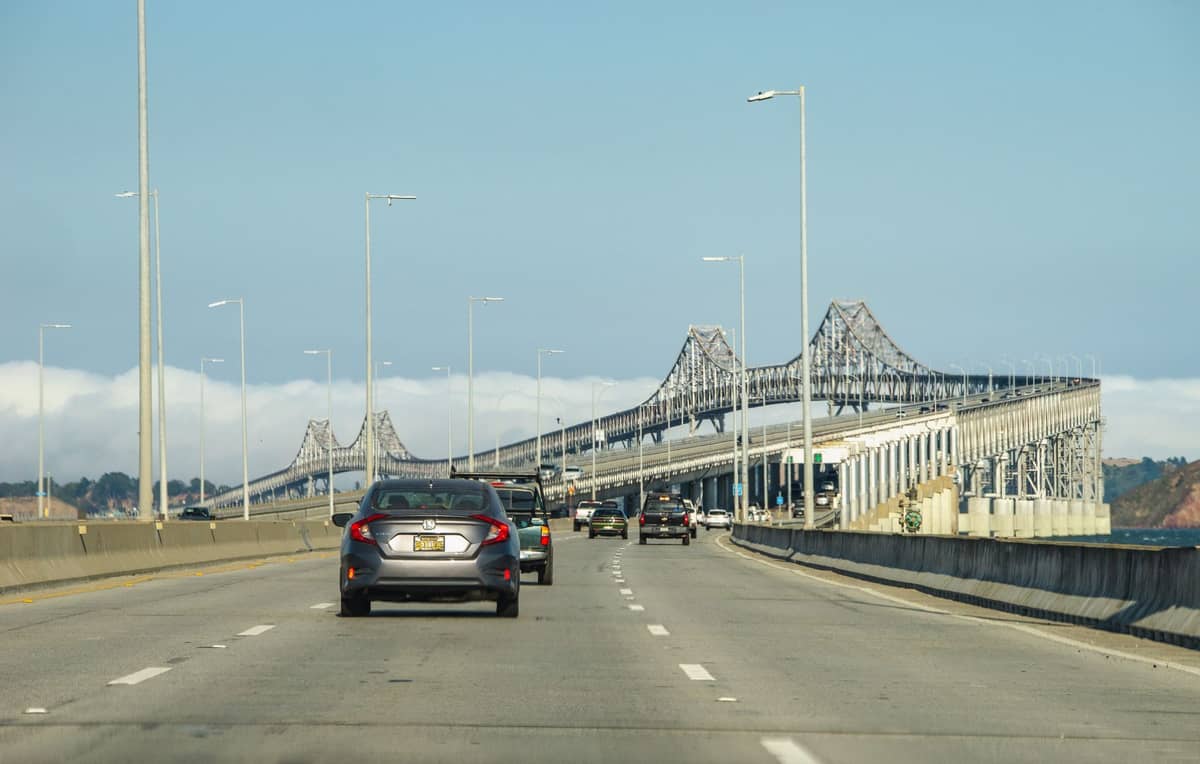
TL;DR
- The straight-line driving distance via I-5 is roughly 500 miles (805 km), with a realistic drive time of 9 to 10 hours including breaks.
- Nonstop flights from San Diego International (SAN) to SFO take about 1 hour 40 minutes in the air; budget around $250-270 for a round trip in economy on carriers like Alaska, Southwest, and United.
- The Amtrak route requires at least one transfer (typically in Los Angeles) and takes significantly longer than flying, but offers coastal scenery that no flight can match.
- Highway 1 (the Pacific Coast Highway detour) adds hours but is one of the most dramatic coastal drives in the country. Worth it if you have two or more days to spare.
- Before you leave, check out the getting around San Diego guide to plan your departure logistics from the city.
How Far Is San Diego from San Francisco? (About 500 Miles)
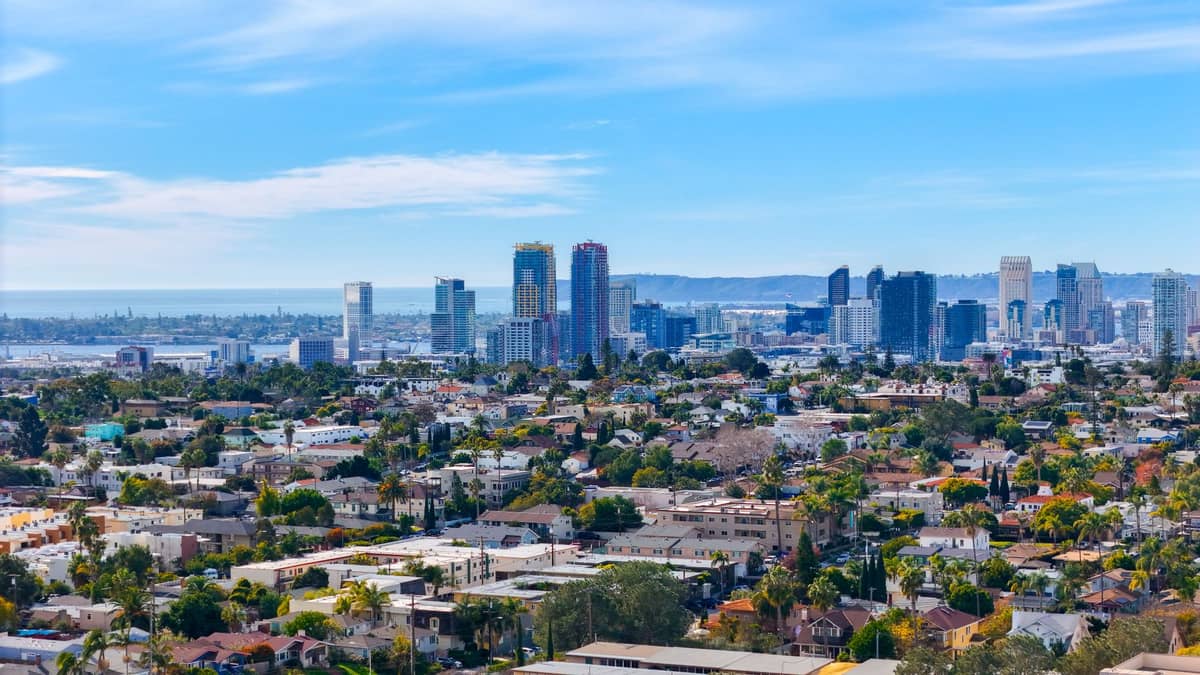
San Diego sits at the southern tip of California, roughly 500 miles (805 km) from San Francisco via Interstate 5. That is not a casual day trip. Many people underestimate this distance because both cities are in California, but the state is enormous, and this route covers most of its length. If you are flying, that distance translates to about 1 hour 40 minutes in the air. If you are driving, budget a full day.
The gap between the two cities shapes everything: cost, time, and the kind of experience you want. Flying is the most time-efficient option by a wide margin. Driving is the most flexible. The train is the most relaxed, though it is also the slowest. None of these options is universally better, which is why understanding the trade-offs actually matters.
Flying: SAN to SFO (the Fast Option)
Nonstop flights from San Diego International Airport (IATA: SAN) to San Francisco International Airport (SFO) take between about 1 hour 35 minutes and 1 hour 50 minutes gate to gate, with most schedules landing around the 1 hour 40–45 minute mark. SAN is one of the most conveniently located major airports in the country, sitting about 3 miles from downtown San Diego, so getting there is straightforward.
Airlines offering nonstop SAN-SFO service include Alaska Airlines, Southwest Airlines, United Airlines, and Frontier Airlines. First departures on some carriers start around 06:15, with evening flights running as late as 22:20. The route is well-served, so if you miss a flight, another usually follows within a few hours. For current schedules and pricing, check directly with the airline or the official San Diego airport transport options before booking.
💡 Local tip
A typical round-trip economy fare on the SAN-SFO route runs around $250-270, but prices shift significantly by season and how far in advance you book. Summer and major holiday periods push fares higher and fill planes faster. If you can travel in September, October, or early May, you will generally find better availability and lower prices.
The main drawback of flying is everything around the flight itself. Even on a 1 hour 40 minute nonstop, you need to add time for airport check-in (especially if you have checked bags), security, boarding, and then ground transport on the San Francisco side. SFO is located about 13–14 miles south of downtown San Francisco, and depending on traffic, a taxi or rideshare can take 30 to 60 minutes. BART rail service connects SFO to downtown SF more reliably in a little over 30 minutes. All told, a door-to-door flying trip easily consumes four to five hours once you factor everything in.
⚠️ What to skip
San Francisco is also served by Oakland International Airport (OAK) and San Jose Mineta Airport (SJC). Depending on where in the Bay Area you are headed and which airlines are cheaper on a given day, these alternatives are worth checking. OAK in particular is used by Southwest and often has competitive fares.
Driving: The Road Trip Reality (About 500 Miles)
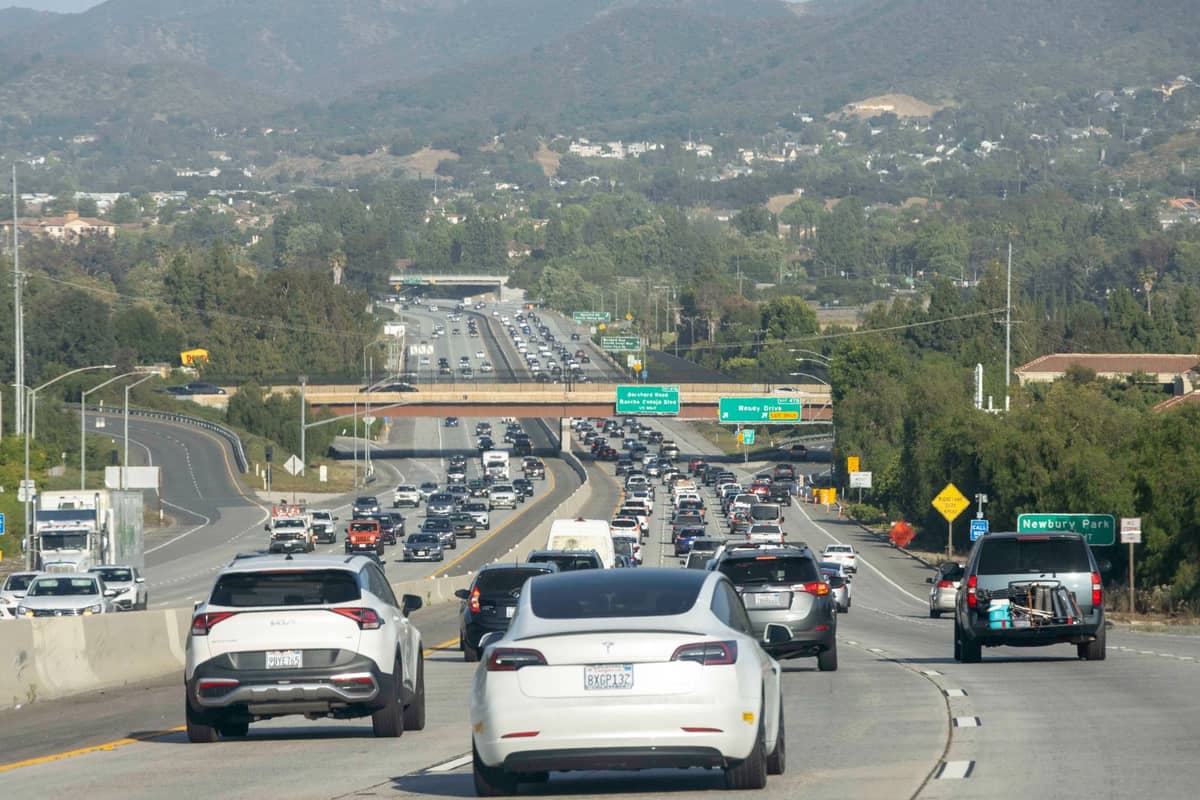
The direct route from San Diego to San Francisco via I-5 covers roughly 500 miles and takes around 8 to 9 hours of actual driving, not counting fuel stops, food breaks, or rest. This is a long day in the car. Anyone who suggests you can do it comfortably in 7 to 8 hours is either driving faster than advisable or skipping meals. Build in at least 1.5 to 2 hours of breaks for a realistic travel day.
I-5 runs through the Central Valley for much of the journey, which is functional but not scenic. It is wide, straight, and efficient. Summer temperatures in the valley can top 100°F (38°C), so make sure your vehicle's cooling system is in good shape. Winter storms affect northern California more than this inland route, but heavy rain can still slow traffic considerably between December and March.
- I-5 Direct (Fastest Route) Approximately 500 miles, 9-10 hours driving. Efficient but passes through the Central Valley, which offers limited scenery. Best choice if you need to arrive quickly.
- US-101 (Coastal Inland Route) Slightly longer than I-5, running through cities like Santa Barbara and San Luis Obispo. More varied scenery and good stopping points. Adds roughly 30-60 minutes compared to I-5.
- Highway 1 (Pacific Coast Highway) The most scenic option, running along the clifftops of Big Sur. Adds 2 to 4 hours over I-5 and is prone to closures after heavy rain or rockslides. Not suitable as a single-day drive from San Diego to San Francisco unless you start very early. Better treated as a two-day trip.
✨ Pro tip
If you are doing the coastal drive, consider splitting the trip with a night in San Luis Obispo or Carmel-by-the-Sea. This turns a punishing single day into a genuinely enjoyable two-day journey and gives you time to actually stop at the viewpoints along Highway 1 rather than just watching them blur past.
Driving gives you flexibility that no other option offers. You can detour through Anza-Borrego Desert State Park on the way out, stop at the elephant seal colony at San Simeon, or pause for wine in Paso Robles. That kind of trip is simply not possible by air. If you are starting your San Diego trip before leaving, day trips from San Diego can help you plan stopovers at the start of your journey.
Taking the Train: Amtrak's Scenic (Slow) Option
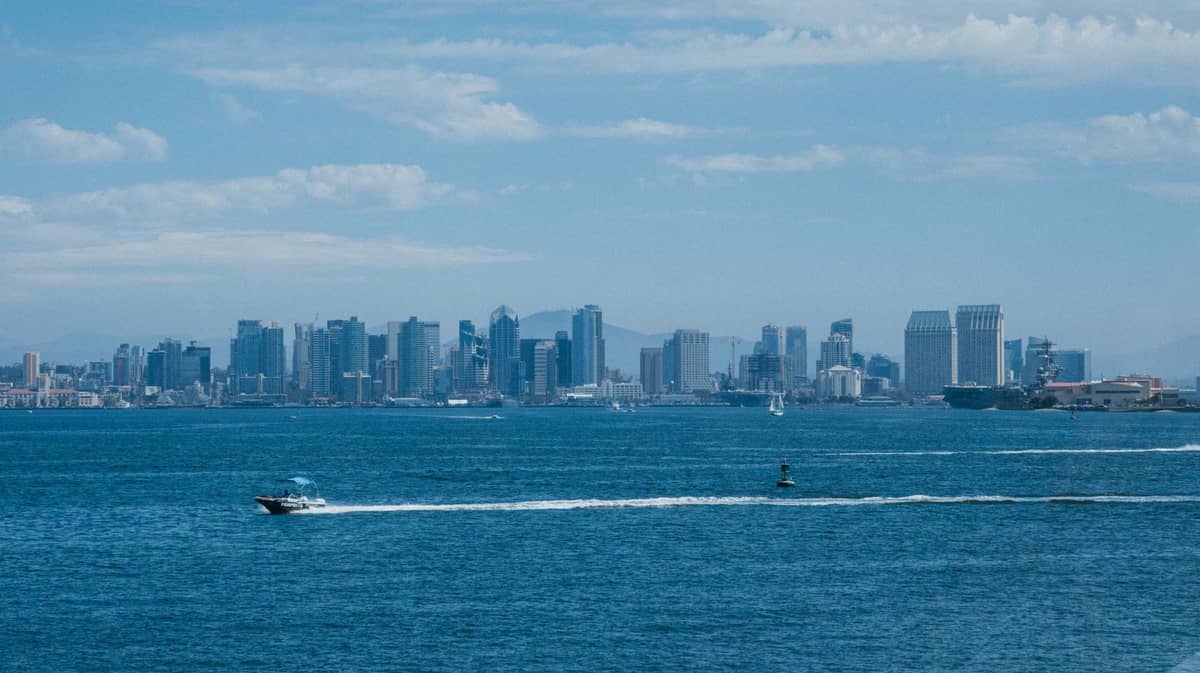
Amtrak connects San Diego and San Francisco, but not with a single direct train. The typical route involves the Pacific Surfliner from San Diego to Los Angeles (about 2 hours 40 minutes to 3 hours), then a transfer to the Coast Starlight or a Thruway bus connection for the onward leg to San Francisco. Total journey times vary but generally run anywhere from about 13 to 18 hours depending on the specific connection. This is not the option for anyone in a hurry.
What the train does offer is scenery and comfort that no car or plane can match. The Pacific Surfliner hugs the Southern California coast between San Diego and LA, passing through some genuinely beautiful coastal stretches. Amtrak trains have cafe cars, wide seats, and panoramic observation cars on some routes. You can walk around, read, work, or simply watch the landscape. For the right traveler, specifically someone who values the journey as much as the destination, this is actually a compelling choice.
Fares vary by route, seat class, and how far ahead you book. Check Amtrak.com for current schedules and pricing, as these change frequently. Booking well in advance, particularly for sleeper cars on the Coast Starlight, tends to get you significantly better prices.
ℹ️ Good to know
Amtrak's Coast Starlight runs between Los Angeles and Seattle via the Bay Area and is one of the most celebrated long-distance train routes in the United States. If you board in LA and head north, the stretch through the California coast and along the Sacramento Valley is worth the time investment. That said, the Coast Starlight is prone to delays, so do not plan any tight connections on arrival in San Francisco.
San Diego vs San Francisco: What to Know Before You Go (Weather, Vibe, and Scale)
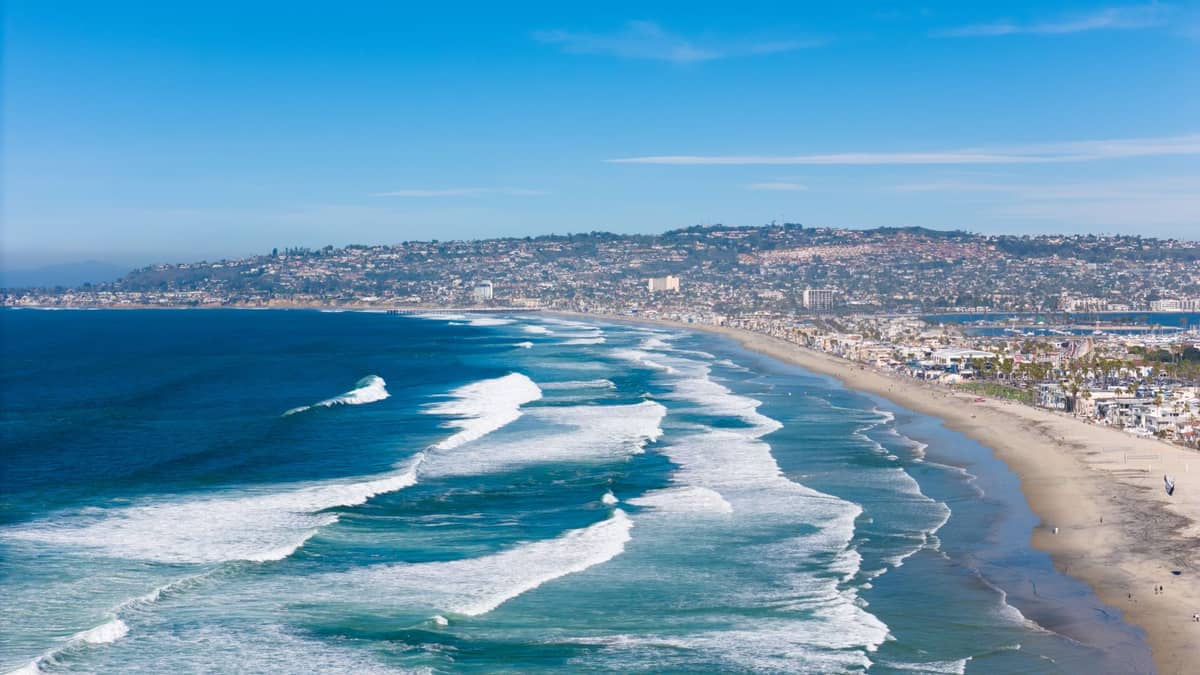
When comparing San Diego vs San Francisco as destinations, the differences are significant. San Diego has a Mediterranean climate with average highs around 72 to 78°F (22-26°C) in summer and mild winters rarely dipping below 48°F (9°C). San Francisco, by contrast, is famously foggy and cool, particularly in summer when coastal fog (locally called 'Karl') frequently rolls in from the Pacific, keeping temperatures in the 55 to 65°F (13-18°C) range even in July. If you are packing for San Francisco after time in San Diego, bring a jacket regardless of the calendar.
San Diego is a city of around 1.38 to 1.43 million people, built around beaches, neighborhoods, and a relaxed outdoor culture. San Francisco is denser, hillier, and more intense, with world-class museums, restaurants, and a distinct urban character. Both cities reward extended visits. If you are still planning the San Diego portion of your trip, the 3 days in San Diego itinerary is a good starting point, and the best time to visit San Diego guide covers seasonal timing in detail.
- San Diego: Mediterranean climate, around 260–300 days of sun per year, about 10 inches of annual rainfall, beach-oriented outdoor lifestyle
- San Francisco: Oceanic climate, frequent summer fog, significantly more rainfall than San Diego, compact urban grid with steep hills
- Cost of living: Both cities are expensive by national standards, but San Francisco consistently ranks higher for accommodation and dining
- Public transit: San Francisco's BART, Muni, and cable cars make it more navigable without a car than most US cities; San Diego is more car-dependent outside of its Trolley corridors
- San Diego's Gaslamp Quarter and beach neighborhoods suit visitors who want a relaxed, outdoor-heavy trip; San Francisco's neighborhoods like North Beach, Hayes Valley, and the Mission suit those who want dense urban exploration
Which Option Should You Choose?
Flying wins on pure efficiency. If your priority is spending time at the destination rather than in transit, a nonstop flight from SAN to SFO is the clear answer. You will be there in under two hours of air time, and the total door-to-door experience, while not quite as fast as the flight suggests, still beats every alternative on speed. San Diego International Airport's proximity to downtown, roughly 3 miles from the center, also helps. For more on navigating San Diego before you depart, see the guide to getting around San Diego.
Driving wins on flexibility. If you want to stop at Big Sur, explore the Central Coast wine country, or simply have a vehicle waiting for you in San Francisco without paying for a rental on arrival, driving makes sense. It is not a light undertaking: about 500 miles is a long day, and if you are doing it in one shot, you should plan for roughly 9 to 10 hours total with breaks. Two days with an overnight stop is a far more pleasant experience and opens up the coastal route properly.
The train is for travelers who actively enjoy train travel. If that description fits, the Pacific Surfliner leg from San Diego through the Southern California coast is one of the best train rides in the state. The trade-off is a 12 to 18 hour total journey with a transfer. If it does not fit, do not take the train just to say you did. You will spend a very long day wishing you had flown.
FAQ
How long does it take to drive from San Diego to San Francisco?
The drive via I-5 is roughly 500 miles and takes around 8 to 9 hours of driving time without long stops. With fuel stops, meals, and rest breaks, budget about 9 to 10 hours for the full day. If you take the scenic Highway 1 coastal route through Big Sur, add at least 2 to 4 hours. Most people find that splitting the drive over two days is significantly more enjoyable than doing it in one shot.
What is the cheapest way to get from San Diego to San Francisco?
Budget airline fares on carriers like Southwest or Frontier can occasionally undercut driving costs when you factor in fuel, tolls, and wear on your vehicle. A common standard economy round-trip on the SAN-SFO route can run in the low- to mid-$200s, but promotional fares drop lower. Amtrak can also be competitive on price if you book well in advance, particularly for the Pacific Surfliner leg. Driving becomes cheaper per person when you split costs among multiple passengers.
Is there a direct train from San Diego to San Francisco?
There is no single direct Amtrak train between San Diego and San Francisco. The typical Amtrak route involves taking the Pacific Surfliner from San Diego to Los Angeles, then connecting to the Coast Starlight or a Thruway bus service for the onward journey to the Bay Area. Total travel time ranges from around 12 to 18 hours depending on connections. Check Amtrak.com for current schedules and fares.
Is it better to fly or drive from San Diego to San Francisco?
Flying is better if time is your priority: the flight is about 1 hour 40 minutes in the air, and even with airport overhead, you will arrive much faster than driving. Driving is better if you want flexibility, plan to make stops along the California coast, or are traveling with a group that will share costs. The Pacific Coast Highway route through Big Sur is one of the most scenic drives in the country, but it significantly extends the journey. For a pure point-to-point trip, fly. For a road trip experience, drive.
What airports serve the San Diego to San Francisco route?
On the San Diego end, San Diego International Airport (SAN) is the primary airport, located about 3 miles from downtown. On the San Francisco end, the main options are San Francisco International (SFO), Oakland International (OAK), and San Jose Mineta (SJC). OAK is sometimes cheaper and is served by Southwest Airlines; it sits across the bay from San Francisco but is well-connected by BART. SFO connects to downtown SF via BART in a little over 30 minutes.