3 Days in San Diego: The Perfect Itinerary
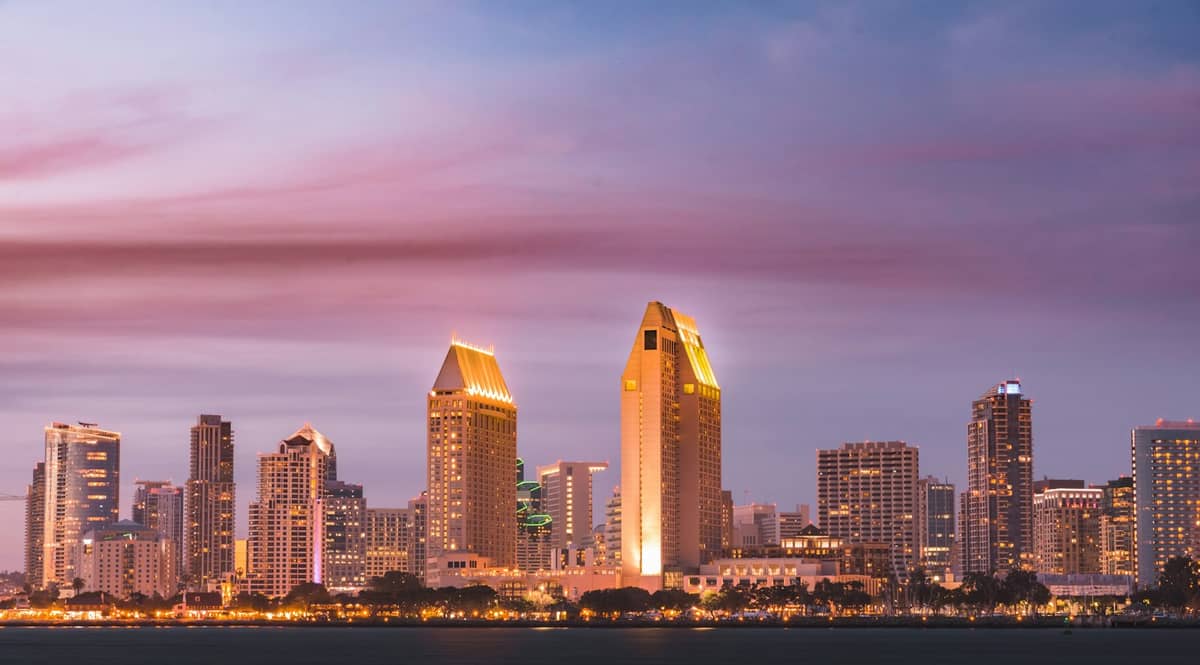
Three days is enough to hit San Diego's best neighborhoods, beaches, and cultural landmarks without feeling rushed. This itinerary is built around logical geography, real logistics, and practical notes on what's worth your time and money.
TL;DR
- Day 1 focuses on downtown: the Embarcadero, USS Midway Museum, and the Gaslamp Quarter for dinner.
- Day 2 is for Balboa Park and the San Diego Zoo — both need a full day, so choose based on your interests.
- Day 3 takes you up the coast through La Jolla and back through Pacific Beach or Ocean Beach.
- Book USS Midway tickets online ($39 adults) to save money and skip the line; last admission is 16:00, so arrive by early afternoon.
- San Diego's Mediterranean climate means this itinerary works in any month, but September and October offer the best weather with thinner crowds.
Before You Arrive: Logistics That Shape Your Trip
San Diego International Airport (IATA: SAN) sits roughly 3 miles from downtown, which makes it one of the most convenient airports in the country for travelers arriving into the city center. Ride-shares (Uber and Lyft both operate here with dedicated pickup zones) typically run $15-25 to most downtown hotels, depending on time of day. MTS Route 992 also connects the airport to downtown transit centers if you want to save money, though the trip takes longer with luggage. There is no direct rail connection from the terminal, despite the proximity.
For getting around during your three days, a car is useful for reaching La Jolla and the coast but unnecessary on Day 1. The San Diego MTS trolley and bus network covers downtown, Old Town, and Mission Valley reliably. Rideshares fill the gaps for beach neighborhoods. If you plan to visit the Zoo and Balboa Park on the same day, know that parking around the park is free but limited on weekends — arriving before 9:30 AM avoids the worst of it.
💡 Local tip
Tap water in San Diego is safe to drink and meets all federal and California state standards. Carry a refillable bottle — the city has water stations throughout Balboa Park and most major attractions. You'll save money and reduce waste.
Day 1: Downtown, the Waterfront, and the Gaslamp Quarter

Start your first morning at the Embarcadero, San Diego's waterfront promenade. The walk from the Convention Center north to the Maritime Museum covers about 1.5 miles and takes you past the USS Midway, Seaport Village, and the Coronado Ferry Landing. It's flat, well-shaded in the morning, and gives you an immediate sense of the city's relationship with San Diego Bay.
Plan to spend 2-3 hours aboard the USS Midway Museum. This is one of the most substantial museum experiences in Southern California: a decommissioned aircraft carrier with more than 30 restored aircraft and exhibits covering naval aviation history. Tickets purchased online cost $39 for adults and $29 for kids aged 4-12; active-duty military and children under 3 get in free. The museum opens at 10:00 daily, but last admission is at 16:00 sharp — don't dawdle on the waterfront and assume you can pop in late afternoon.
⚠️ What to skip
The USS Midway is closed on Thanksgiving Day and Christmas Day. If your trip falls in late November or late December, check the museum's official site before building your itinerary around it. The museum's guided audio tour adds significant depth — it's included with admission and worth using.
After the Midway, walk north about 10 minutes to the Maritime Museum of San Diego, or grab lunch at Little Italy, a 15-minute walk up Harbor Drive. Little Italy has the best concentration of non-tourist-trap restaurants near downtown. For dinner, head south into the Gaslamp Quarter, where the Victorian-era buildings make the neighborhood more interesting architecturally than most urban entertainment districts. It gets loud after 9 PM — if you prefer something calmer, North Park has better independent restaurants and bars, though it requires a rideshare.
Day 2: Balboa Park and the San Diego Zoo
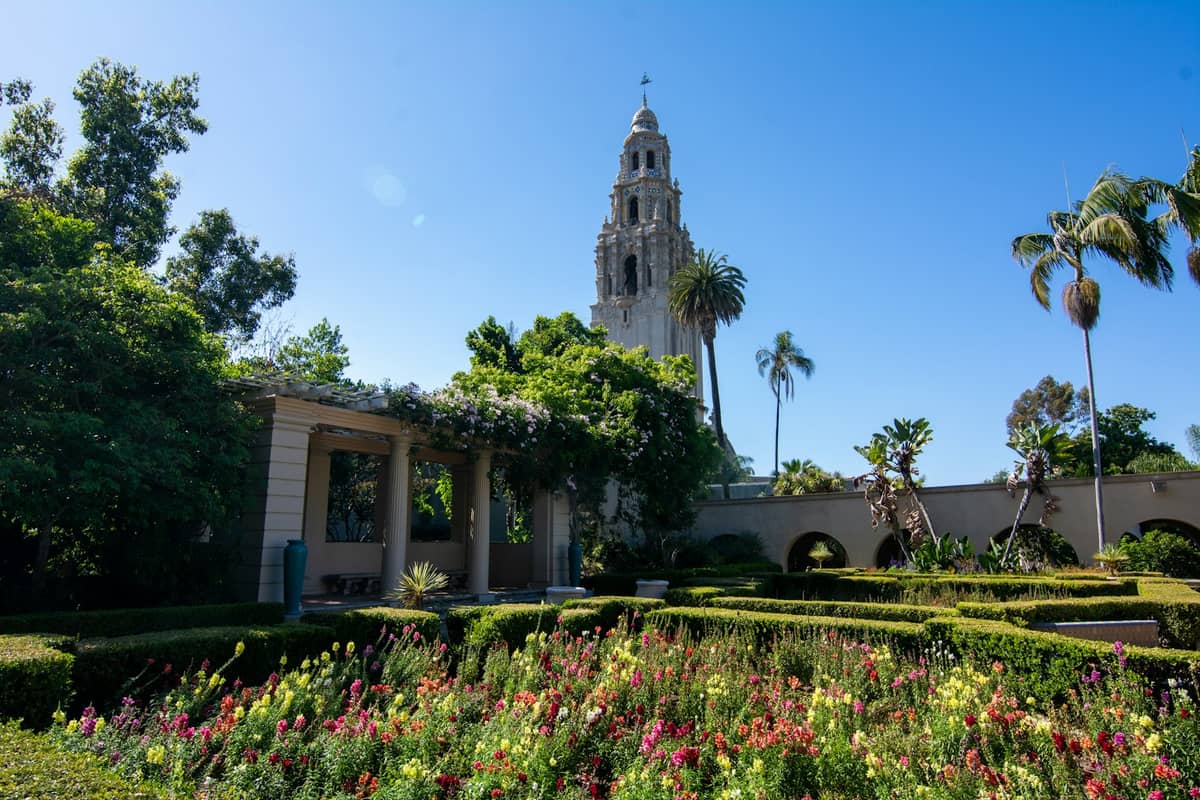
This is the hardest day to plan because Balboa Park and the San Diego Zoo are both full-day experiences on their own. If you're traveling with kids, the Zoo wins outright. If you're more interested in art, science, and Spanish Colonial Revival architecture, the Park's museum corridor is the better choice. Trying to do both in one day means doing neither properly.
- San Diego Zoo (choose this if...) You have kids, you're an animal or conservation enthusiast, or you want the most iconic San Diego experience. Budget a full day: 9:00 AM entry to closing. Adult tickets are around $71 online; children 3-11 around $61. The Zoo is open every day of the year, but hours extend in summer — check the official site for your exact date.
- Balboa Park Museums (choose this if...) You prefer art, natural history, or science, and want to move at a slower pace. The San Diego Museum of Art is open Mon-Sat (closed Wednesday) with admission around $20 for adults. The Fleet Science Center, Natural History Museum, and Air and Space Museum are all within walking distance of each other along El Prado.
- Hybrid approach (if you must) Arrive at the Zoo at 9:00 AM, spend the morning there, then walk to the museum corridor in the afternoon. You'll see both but won't do justice to either. Realistically only works for adults without young children.
Beyond the Zoo and museums, Balboa Park has several underrated stops that don't require admission. The Botanical Building is free to enter and houses over 2,000 plant species in a stunning 1915 lath structure. The Spreckels Organ Pavilion hosts free public concerts on Sunday afternoons at 2:00 PM — a genuinely local experience that most visitors walk past without noticing. The Japanese Friendship Garden charges a small admission fee and is far quieter than the main museum strip.
✨ Pro tip
The San Diego Museum of Art is closed on Wednesdays. If your Day 2 falls on a Wednesday, plan around this — the Fleet Science Center and Natural History Museum are open daily and make solid alternatives.
Day 3: La Jolla, the Coast, and a Beach Neighborhood
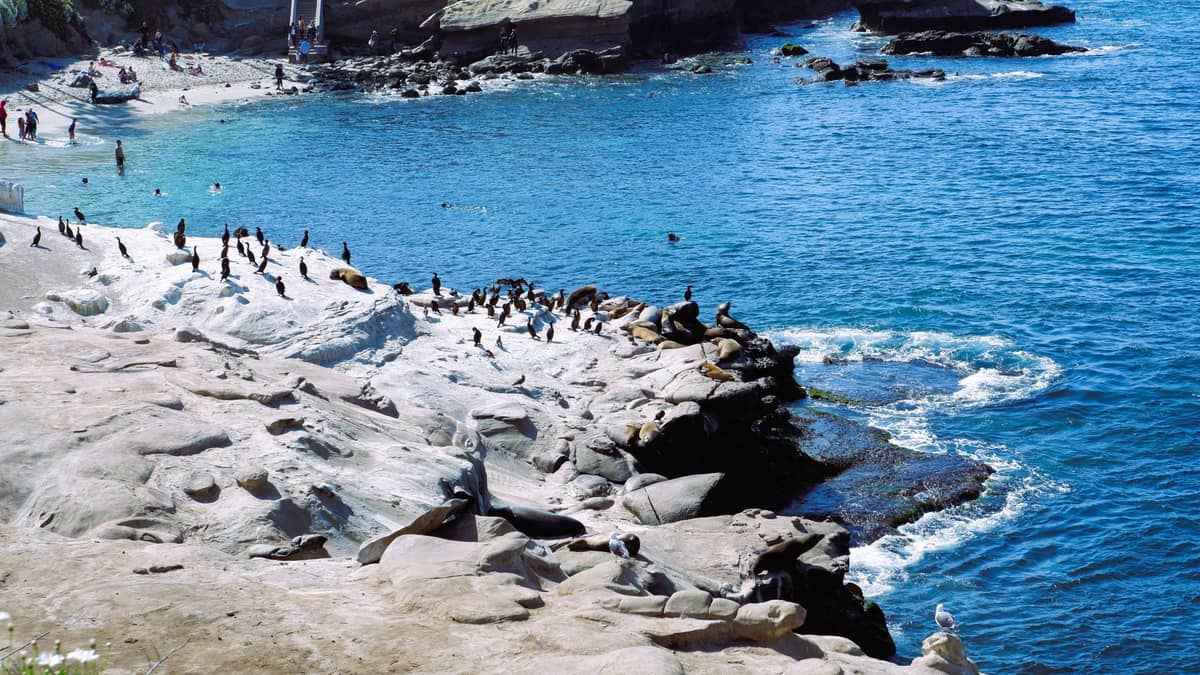
Start Day 3 early and head north to La Jolla, about 12 miles from downtown. Morning is the best time to visit La Jolla Cove before parking becomes a nightmare and the cliffs fill up with tour groups. The water here is part of an ecological reserve, so swimming is excellent but sea conditions vary — check local surf reports if you plan to get in.
From the Cove, walk south along the cliff path toward the Children's Pool, where harbor seals haul out on the beach year-round. The seals are genuinely impressive up close, but stay behind the rope line — it's not a suggestion, it's a federal protection requirement. Continue to Birch Aquarium at Scripps if you have kids or a genuine interest in marine science. It's smaller than major city aquariums but the Pacific Northwest tank and seahorse exhibit are well done. Admission is around $20-25 for adults.
For the afternoon, you have two solid options. Drive north about 10 minutes to Torrey Pines State Natural Reserve for a 2-3 hour hike with coastal bluff views — the Guy Fleming Trail is the most accessible loop at about 0.7 miles with minimal elevation. Or head south to spend your last afternoon at Pacific Beach or Ocean Beach. Ocean Beach is the quieter of the two, with a fishing pier, independent shops on Newport Avenue, and a dog beach at the river mouth.
- La Jolla Cove: Best before 9:30 AM or after 4:00 PM for parking and crowds
- Torrey Pines: Wear closed-toe shoes, bring water, and don't go off-trail — the cliffs are actively eroding
- Pacific Beach boardwalk: Runs 3 miles from Pacific Beach to Mission Beach; walkable, bikeable, and very busy on weekends
- Ocean Beach: More residential feel, less tourist infrastructure, better for a quiet final afternoon
- Sunset Cliffs Natural Park: A 10-minute drive south of Ocean Beach for dramatic coastal scenery at golden hour
Eating and Drinking: What's Worth Your Time

San Diego has a legitimate food culture that goes well beyond its tourism profile. The city's proximity to the Mexican border makes fish tacos the benchmark dish — try them at a taqueria in Ocean Beach or Mission Hills rather than at a waterfront spot charging tourist prices. The fish should be battered and fried (not grilled, which is a mainland California adaptation), served with shredded cabbage and white sauce on a corn tortilla.
San Diego's craft beer scene is one of the strongest in the country, with North Park and Miramar Road as the main hubs. Ballast Point, Stone, and AleSmith are the internationally known names, but neighborhood taprooms in North Park are often more interesting and less crowded. Tipping in bars and restaurants follows standard U.S. practice: 18-20% for sit-down service is expected, 15% is acceptable for counter service.
ℹ️ Good to know
San Diego uses Pacific Standard Time (UTC-8) in winter and Pacific Daylight Time (UTC-7) in summer. The city observes daylight saving time. If you're coordinating with family in other U.S. time zones, San Diego is 3 hours behind the East Coast year-round.
Practical Tips for Making the Most of 3 Days
Three days moves fast. The single biggest mistake visitors make is underestimating driving and parking time between neighborhoods. La Jolla to downtown is 25-35 minutes in normal traffic; Ocean Beach to Balboa Park is 15-20 minutes. Factor this into your schedule rather than assuming San Diego is compact — it covers 325+ square miles of land. For a tighter overview of how to allocate your time, the San Diego weekend guide covers abbreviated two-day formats if your schedule shifts.
- Book USS Midway and Zoo tickets online in advance — door prices are higher and lines are longer
- Balboa Park's free museums rotate; check the official park site for the current free Tuesday schedule for San Diego residents and active military
- June brings 'June Gloom' — overcast mornings that clear by afternoon. Don't write off a day based on the 9 AM sky
- Parking at La Jolla Cove fills by 9:00 AM on weekends; arrive early or use rideshare
- The Coronado Ferry from Broadway Pier is a cheap, scenic alternative to driving to Coronado Island — one-way tickets are $9 for ages 4 and up ($18 round trip; children under 4 ride free)
If budget is a concern, a surprising amount of San Diego is free: the Balboa Park grounds, most of the Embarcadero, Sunset Cliffs, all public beaches, the Spreckels Organ concerts, and the Cabrillo National Monument tidepool area (though the monument itself charges a vehicle entry fee of around $20). The free things to do in San Diego guide covers this in much more detail for budget-focused travelers.
FAQ
Is 3 days enough time to see San Diego?
Three days covers the major highlights comfortably if you plan by neighborhood and don't try to do too much in a single day. You can realistically fit the downtown waterfront, Balboa Park or the Zoo, and La Jolla plus a beach neighborhood into three days. You won't see everything — areas like Coronado, Old Town, and Point Loma require additional time — but you'll leave with a solid feel for the city.
What is the best time of year to visit San Diego for a 3-day trip?
September and October offer the best combination of summer-like temperatures (around 70-76°F / 21-24°C), very low rainfall, and slightly thinner crowds compared to July and August. June can be overcast in the mornings due to coastal fog ('June Gloom'), though it clears by afternoon. Winter months are mild (highs around 64-68°F) with some rain — workable for indoor-heavy itineraries but less ideal for beach days.
Should I rent a car for 3 days in San Diego?
It depends on your itinerary. Downtown, Balboa Park, and Little Italy are manageable without a car using MTS trolley and rideshares. However, La Jolla, Torrey Pines, Ocean Beach, and coastal day trips are much easier with a car. If you plan to follow this itinerary's Day 3 coastal route, renting a car for at least one day saves time and money compared to rideshares. Parking in La Jolla and the beach neighborhoods can be difficult on weekends.
How much does a 3-day San Diego trip cost per person?
A rough mid-range budget for 3 days (excluding flights and accommodation) would be $200-350 per person. The Zoo alone runs about $71 for adults; USS Midway is $39 online. Add $15-20 per meal for sit-down restaurants, $10-15 for beach neighborhood lunches, and $20-40 per day for transportation. Balboa Park's grounds are free, and several museums offer free Tuesdays, which can reduce costs significantly.
Can I visit Tijuana as a day trip during a 3-day San Diego itinerary?
Technically yes — the San Ysidro border crossing is about 20 miles south of downtown and the trip is doable in a day. However, adding a Tijuana day trip to a 3-day itinerary means replacing one of the three days above, not adding to them. If you're genuinely interested in a cross-border experience, it works best as a dedicated day rather than a rushed afternoon. U.S. citizens and Visa Waiver Program travelers can generally cross by foot with a valid passport, but check current U.S. Customs wait times before planning your return.