Weekend in San Diego: The Perfect 2-Day Itinerary (2026)
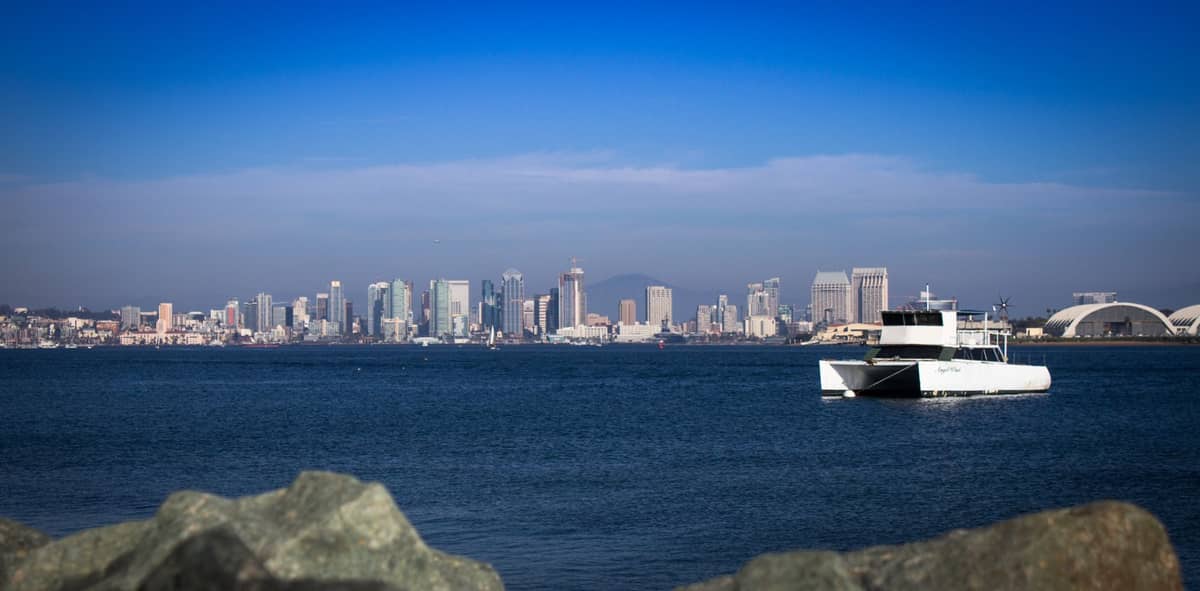
Two days in San Diego can cover a surprising amount of ground — beaches, world-class museums, historic neighborhoods, and some of the best tacos in California. This itinerary cuts through the noise with specific timing, current prices, and honest takes on what's worth your time.
TL;DR
- Two days is enough to hit Balboa Park, the waterfront, at least one beach, and a great neighborhood meal without feeling rushed.
- Day 1 focuses on culture and the city core: Balboa Park, the Embarcadero, and the Gaslamp Quarter for dinner.
- Day 2 heads to the coast: La Jolla in the morning, then Mission Beach or Ocean Beach in the afternoon.
- San Diego Zoo admission runs $78 for adults in 2026 — worth planning in advance if it's on your list. MTS trolley day caps at $6 with a PRONTO card.
- September and October offer summer-like weather with noticeably smaller crowds than July or August — the smartest time to visit.
Before You Arrive: Logistics That Actually Matter
San Diego International Airport (code: SAN) sits about 3 miles from downtown, which is genuinely convenient. Most rideshares to central hotels run $18–25 depending on traffic and time of day. MTS bus routes also connect the airport to downtown transit centers, and a single fare costs $2.50 on the PRONTO card or app. Don't buy a paper day pass on the bus — the PRONTO system caps your daily spend automatically at $6 for the standard regional day pass, so just tap and go.
💡 Local tip
Load the PRONTO app before you land. It works on your phone, covers buses and the Trolley, and the $6 daily fare cap kicks in automatically. You'll likely hit that cap on a sightseeing day, making it far cheaper than individual fares or rideshares around the city.
The Trolley covers downtown, Old Town, and Mission Valley well, but La Jolla and Pacific Beach require a bus or car. If your weekend includes multiple coastal stops, consider renting a car for Day 2 or using rideshare strategically. For a full breakdown of how to move around the city, see the guide to getting around San Diego.
Day 1: Balboa Park, the Waterfront, and Downtown
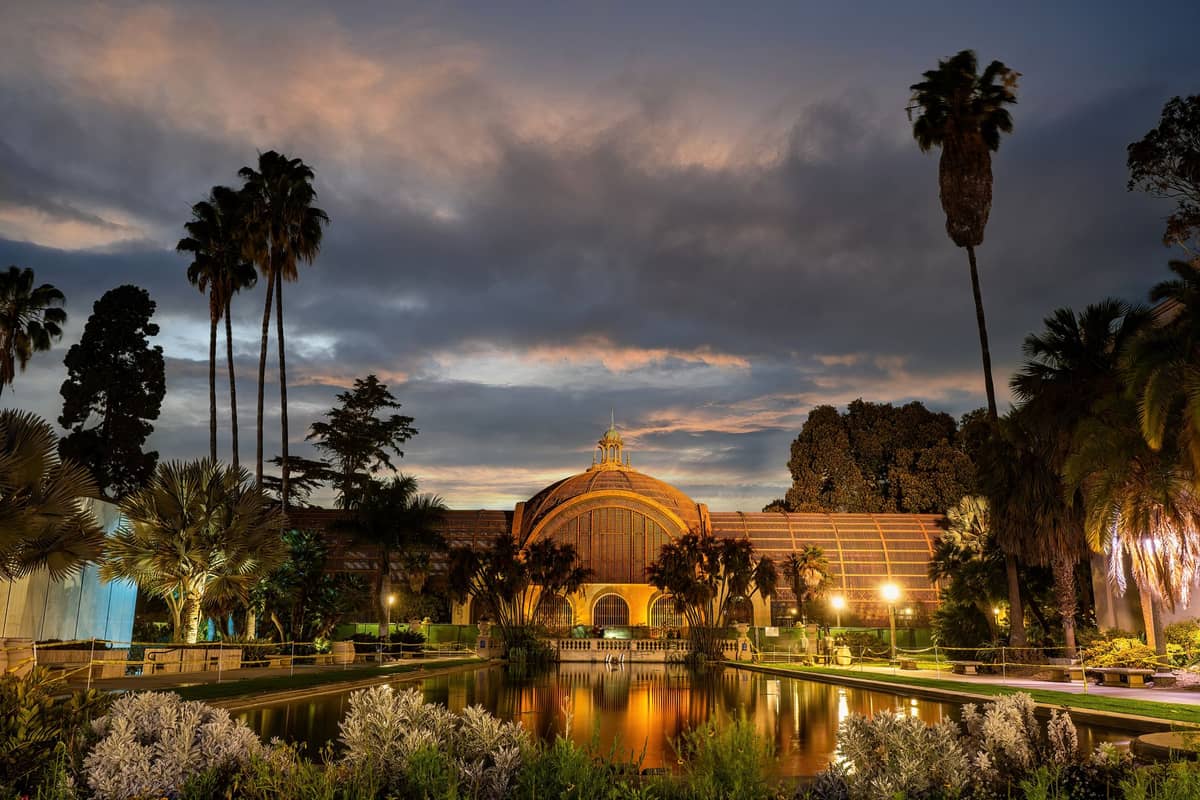
Start early at Balboa Park, San Diego's 1,200-acre cultural park. The park itself is free to enter; individual museums charge separate admission, typically $15–25 each. If you plan to visit two or more museums, the Balboa Park Explorer Pass (sold by the Balboa Park Cultural Partnership) is worth checking for your specific date. Morning is the right time to be here — light is better for photos, parking is easier, and the gardens are uncrowded.
- San Diego Museum of Art The largest art museum in the region, housed in a Spanish Colonial Revival building on the Plaza de Panama. Strong collection of European and American masters.
- Fleet Science Center Best if you're traveling with kids or have a genuine interest in science and technology. The IMAX dome is one of the largest in the country.
- Botanical Building Free to enter. One of the most photographed structures in the park — a lath-framed building filled with 2,100 plants, reflected in the Lily Pond out front.
- San Diego Natural History Museum Solid permanent collection covering regional geology and wildlife. Worth an hour if natural history interests you.
After lunch in the park (the Prado restaurant inside the historic House of Hospitality is a reliable option), head down to the Embarcadero and waterfront. The USS Midway Museum sits right on the harbor and is one of the most visited attractions in California for good reason — the flight deck alone takes 45–60 minutes to explore properly, and the self-guided audio tour is genuinely well-produced. Budget around $30 for adult admission. The Maritime Museum of San Diego is a few blocks north if tall ships appeal more than aircraft carriers.
⚠️ What to skip
Balboa Park on a weekend afternoon in summer can feel overwhelmed — parking lots fill by 11am and the main promenade gets congested. Arrive before 9:30am or plan your museum visits for later in the afternoon when foot traffic drops after 3pm.
End Day 1 in the Gaslamp Quarter, a 16-block historic district preserving Victorian-era commercial buildings from the 1880s–1920s. It's a dense area for dinner and drinks — the restaurant quality varies significantly, so avoid the obvious tourist traps on 5th Avenue and look for spots a block or two off the main strip. The neighborhood is walkable from the Embarcadero and the Trolley stops at Gaslamp station.
Day 2: La Jolla Coast, Then a Beach Neighborhood
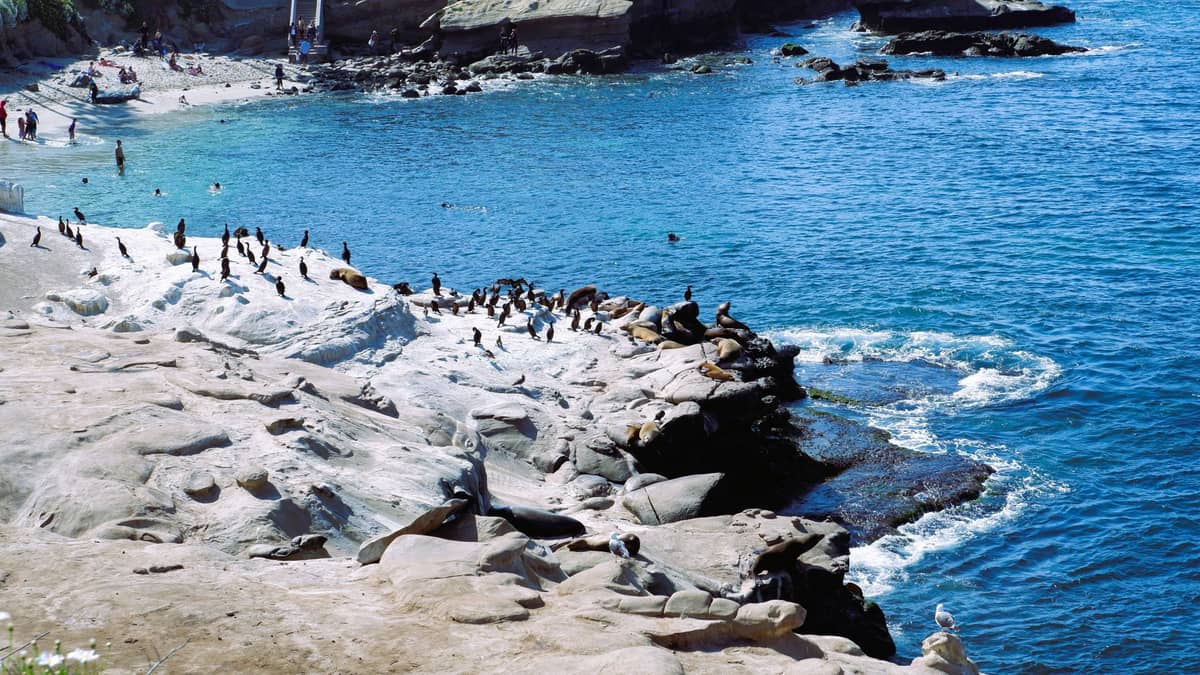
La Jolla is about 13 miles north of downtown — a 20-minute drive or about a 40-minute bus ride on the 30 line from Old Town Transit Center. Start at La Jolla Cove before 9am if possible. The cove is a protected ecological reserve where California sea lions haul out on the rocks year-round. Later in the morning, tour groups arrive and parking becomes difficult. Admission is free.
From the Cove, it's a 10-minute walk to Birch Aquarium at Scripps — one of the better smaller aquariums in Southern California, affiliated with UC San Diego's oceanography institute. Admission runs around $22–27 for adults. The hilltop location gives good ocean views and the kelp forest tank is a genuine highlight. If you're skipping the aquarium, the village of La Jolla has solid coffee shops and brunch spots around Prospect Street and Girard Avenue.
✨ Pro tip
If you want to kayak into the sea caves at La Jolla, book a guided tour in advance for morning slots — operators fill up fast on weekends, especially May through October. The Sunny Jim Sea Cave is the only one accessible by land, through a paid staircase entrance near Coast Walk.
In the afternoon, drive or bus south to Mission Bay and the beach strip. Mission Beach has the Mission Beach Boardwalk and Belmont Park, an old-school beachfront amusement park where entry to the grounds is free — you only pay for individual rides or buy a Ride & Play Pass (around $50–65 depending on day and whether you book online). It's a fun 90-minute stop, not a full-day destination.
Alternatively, swap Mission Beach for Ocean Beach — a quieter, less commercial beach neighborhood about 3 miles south. The vibe is more local, the coffee shops are better, and Dog Beach at the north end of the neighborhood is one of the few off-leash beaches in the city. If the crowds at Mission Beach feel like too much, Ocean Beach is the better choice for an afternoon wind-down.
If You Have the San Diego Zoo on Your List

The San Diego Zoo sits inside Balboa Park and is one of the most famous zoos in the world — legitimately, not just by reputation. The collection is exceptional, the enclosures are large, and the terrain is genuinely interesting to walk. The honest drawback: adult admission is $78 in 2026 (higher at the gate), and a proper visit takes 4–5 hours. That makes it difficult to combine with other Balboa Park museums on the same day without feeling rushed.
Practical advice: if the Zoo is a priority, dedicate the entire morning of Day 1 to it (arrive right at opening, 9am), skip the other Balboa Park museums that day, and push the Embarcadero to the afternoon. The Zoo stays open until around 6pm on many days, with summer hours extending to about 9pm. Children ages 3–11 pay $68 online in 2026; under 3 enter free. Buying tickets online in advance is strongly recommended on weekends. For a direct comparison of the Zoo versus the Safari Park in Escondido, see the San Diego Zoo vs Safari Park guide.
Eating Well Without Wasting Time
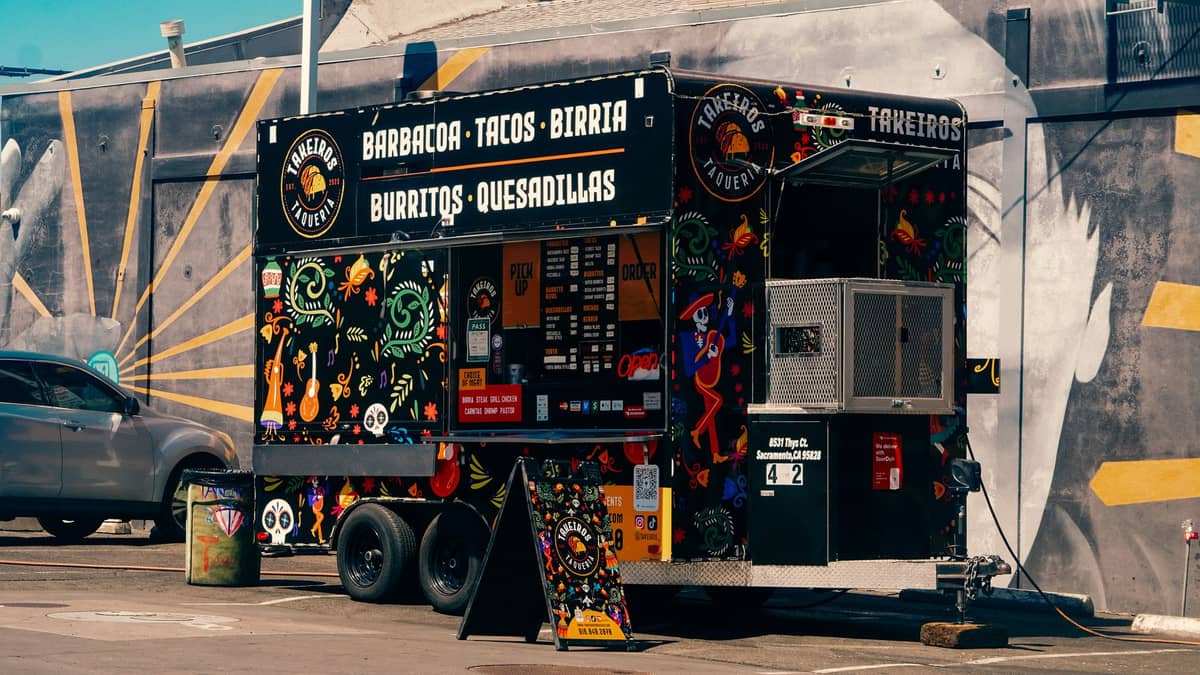
San Diego's food scene rewards specificity. The fish taco is genuinely the city's most iconic dish — not just a cliché. The best versions are found at small taquerias, not the marina tourist spots. For a full guide to where to find the real thing, read the San Diego fish tacos guide. Separately, the craft beer scene is one of the strongest in the United States, with breweries concentrated in North Park, Mission Valley, and Little Italy — neighborhood bars here often pour locally made beer that rivals anything in the country.
- Little Italy: best for Italian food and weekend farmers market (Saturday mornings, Piazza della Famiglia). Dense, walkable, good coffee.
- North Park: the most consistent neighborhood for quality restaurants per block — Thai, Korean, Mexican, and several strong craft beer bars.
- La Jolla village: good for brunch before a morning at the cove. Prices are higher than other neighborhoods.
- Old Town: the Mexican food is fine but heavily tourist-oriented. Locals generally don't eat here regularly.
- Gaslamp Quarter: convenient for dinner after the waterfront, but research specific restaurants first — quality varies widely on the same street.
Timing Your Weekend: When to Go and What to Expect
San Diego's Mediterranean climate means nearly any weekend works, but the experience differs significantly by season. The best time to visit San Diego for a weekend trip is September through early November: temperatures stay in the low-to-mid 70s°F (22–24°C), rainfall is essentially zero, and the summer crowds have thinned out. Attractions keep reasonable hours and accommodation prices drop noticeably from August peaks.
Summer weekends (June through August) bring the Zoo and SeaWorld their longest hours, which is useful for families, but also their heaviest crowds. Parking near the beach is a genuine problem by 9am on Saturday mornings in July. June specifically brings coastal fog most mornings — locals call it "June Gloom" — which often doesn't clear until noon. Winter weekends are mild (highs around 64–68°F) with less foot traffic and lower hotel rates, though SeaWorld and some outdoor venues trim their hours. For more on what each season looks like on the ground, the San Diego in winter guide covers the details.
ℹ️ Good to know
San Diego hosts Comic-Con International every summer (typically July), which inflates hotel prices citywide and packs the Gaslamp Quarter and Convention Center area. If your weekend overlaps with that event, either book accommodation months in advance or stay in a neighborhood like La Jolla or Point Loma to avoid the congestion.
FAQ
Is two days enough time for San Diego?
Two days covers the highlights well if you're selective. You can realistically do Balboa Park (one or two museums plus the Zoo on the same day only if you arrive early), the Embarcadero waterfront, La Jolla, and one beach neighborhood. Trying to add Coronado, SeaWorld, and Old Town in the same weekend leads to a rushed experience. Pick a theme for each day and go deep rather than wide.
Do I need a car for a weekend in San Diego?
Not necessarily, but it depends on your itinerary. The MTS Trolley and buses cover downtown, Old Town, and Mission Valley well, with a day cap of $6 on the PRONTO card. La Jolla and some beach areas require bus connections that add 30–45 minutes each way compared to driving. If your hotel is downtown and you're comfortable with public transit, you can manage without a car. If you want to visit multiple coastal neighborhoods in one day, a rental car or rideshare is significantly more practical.
What's the best neighborhood to stay in for a weekend visit?
Downtown and Little Italy are the most convenient for a two-day visit: central to the waterfront, Balboa Park, and the Trolley network. La Jolla is a better base if your focus is on the northern coast and you don't mind paying more for accommodation. Pacific Beach is good for beach-focused trips but requires transit or rideshare for Balboa Park and downtown sights.
How much does a weekend in San Diego cost?
A mid-range weekend budget runs roughly $200–350 per person per day, including accommodation, meals, and one or two major attractions. The San Diego Zoo at about $78 per adult and SeaWorld at roughly $70–155 per person (dynamic pricing) are the big-ticket items. Transit is cheap at $6 per day. Eating well doesn't require spending heavily — excellent fish tacos and craft beer run $20–30 per meal at neighborhood spots.
What are the biggest mistakes first-time visitors make?
Trying to do too much in one day is the most common issue. People underestimate how long the Zoo takes (4–5 hours minimum) and pair it with multiple Balboa Park museums and the waterfront in a single day, ending up exhausted and having seen nothing properly. The second mistake is eating exclusively in the Gaslamp Quarter or Old Town tourist corridors — the better food is in North Park, Little Italy, and neighborhood taquerias. Third: not buying attraction tickets in advance on weekends, especially in summer.