San Diego Zoo vs Safari Park: Which One Should You Actually Visit?
Two world-class wildlife parks, one city, and a decision that trips up thousands of visitors every year. This guide breaks down the real differences between the San Diego Zoo and the San Diego Zoo Safari Park — location, animals, experience, tickets, and which one is worth your time based on who you're traveling with.
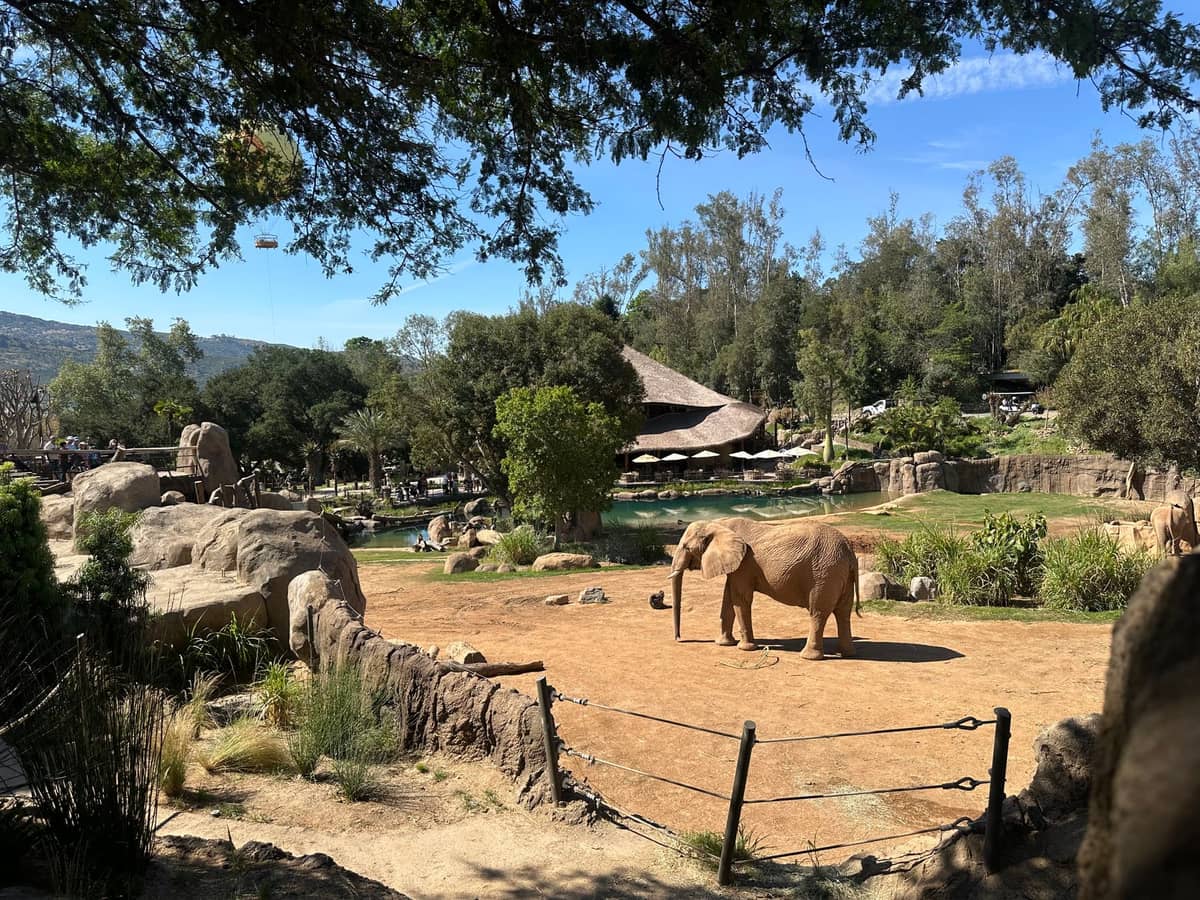
TL;DR
- The San Diego Zoo (Balboa Park) and the San Diego Zoo Safari Park (Escondido) are two separate parks, 35+ miles apart — you cannot see both in one day without serious rushing.
- The Zoo suits families with young kids and visitors short on time; the Safari Park is better for anyone who wants open-savanna wildlife and more immersive animal encounters.
- Both parks are open every day of the year — hours vary by season, so check official sites before you go.
- A San Diego Zoo Wildlife Alliance membership covers free admission to both parks and pays off after roughly two visits.
- If you only have one day, pick one park and commit fully — see our San Diego with kids guide for help building a full itinerary.
Two Parks, Two Very Different Experiences

The first thing to understand is that the San Diego Zoo and the San Diego Zoo Safari Park are managed by the same nonprofit, San Diego Zoo Wildlife Alliance, but they are not interchangeable. The Zoo sits inside Balboa Park in central San Diego — walkable from downtown, compact, and densely packed with animals from nearly every continent. The Safari Park is roughly 30–35 miles north in Escondido, a 40-60 minute drive depending on traffic, and it sprawls across 1,800 acres of open landscape designed to mimic African and Asian savanna environments.
At the Zoo, you walk from enclosure to enclosure through a traditional zoo layout. It feels curated and manageable. At the Safari Park, large herds of giraffes, rhinos, antelope, and other animals roam freely across expansive field exhibits — you observe them from a distance or via guided tram, which creates an entirely different kind of wildlife encounter. Neither experience is superior in an absolute sense; they are genuinely different products designed for different moods and priorities.
⚠️ What to skip
Do not try to visit both parks in a single day. Even back-to-back, the drive alone eats 1.5-2 hours of your time, and each park realistically needs 4-6 hours to explore properly. Rushing through both is a guaranteed way to enjoy neither.
The San Diego Zoo: What You're Actually Getting
The San Diego Zoo is consistently ranked among the top zoos in the world, and the reputation is earned. The collection is enormous — more than 12,000 animals representing over 680 species and subspecies across roughly 100 acres of canyon terrain inside Balboa Park. Signature residents include giant pandas (when in residence — confirm current status before your visit), polar bears, koalas, California condors, and one of the most impressive great ape exhibits in North America.
The terrain is hilly and more physically demanding than it looks on a map. The park drops into deep canyons, which means some sections involve significant uphill walking. The Skyfari aerial tram helps with transit across the park, but budget an honest 5-6 hours if you want to cover most of it. Crowds peak between 10am and 3pm, especially on weekends from June through August. Arriving at opening time, typically 9am, is the single most effective strategy for seeing the most animals in the best light with the fewest people around.
- Best for Families with young children, first-time visitors to San Diego, travelers based downtown without a car
- Top animals Giant pandas (verify availability), koalas, polar bears, California condors, gorillas
- Location advantage Inside Balboa Park — easy to combine with museum visits before or after
- Physical demand Moderate to high — canyon terrain with steep sections, strollers manageable but tiring
- Time needed 4-6 hours for a thorough visit
💡 Local tip
The Zoo's canyon terrain means the temperature in shaded ravines can be noticeably cooler than exposed hillside areas. Layering up in the morning, especially from November through March when San Diego temperatures can dip into the low 50s°F (10-12°C), is a practical move.
The Safari Park: What Sets It Apart
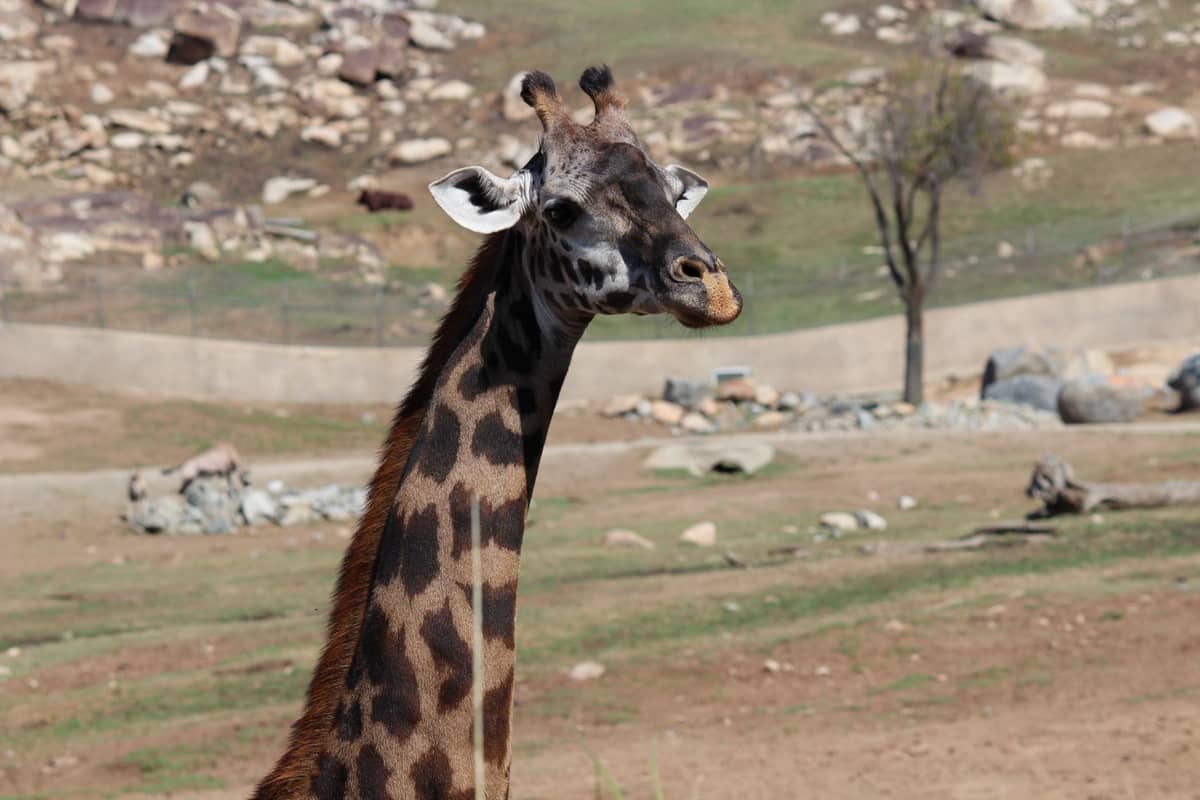
The Safari Park is not a zoo with bigger enclosures. It is a fundamentally different operation. The park's Africa Tram takes visitors through a 900-acre field exhibit where rhinos, giraffes, zebras, antelope, and other species live together in large mixed-species groups — the kind of scene you'd associate with East African national parks, not Southern California. No fences separate most of the animals from each other. It is genuinely impressive, and for many visitors, this tram ride alone justifies the trip.
Beyond the tram, the park has dedicated habitat areas for cheetahs, lions, gorillas, elephants, and a wide array of bird species. The Safari Park also runs premium add-on experiences — wildlife safaris in open-sided vehicles, zip lines over the field exhibits, and behind-the-scenes animal encounters — that cost extra but are meaningfully different from anything available at the Zoo. These book out far in advance during summer, so plan ahead if this is a priority.
The park's location in inland Escondido means summer temperatures can reach into the 90s°F (32°C+), significantly hotter than coastal San Diego. This matters practically: mornings are far more comfortable, animals are more active, and it is easier to move around before midday heat sets in. The park covers a lot of ground, and the layout is less walkable than the Zoo — a tram or shuttle is essential for most visitors, not optional.
- Best for Repeat visitors to the Zoo, wildlife enthusiasts, families with older kids, anyone who prefers open-space animal viewing
- Top experiences Africa Tram through the field exhibit, Cheetah Run, Elephant Valley, premium safari add-ons
- Location consideration 35+ miles from downtown — a car or rideshare is essential; no practical public transit option
- Summer heat Inland location means much hotter summer afternoons vs. the Zoo's coastal-influenced climate
- Time needed 5-7 hours to cover the main areas including the Africa Tram
Tickets, Pricing, and Memberships: The Honest Breakdown
Ticket prices at both parks change periodically and are subject to dynamic pricing — meaning a Saturday in July costs more than a Tuesday in February. Always check the official San Diego Zoo Wildlife Alliance websites for current prices before budgeting. As a general reference, single-day adult admission to each park has historically fallen in the $60-70+ range, with children's tickets somewhat lower. These are not bargain attractions, and the costs add up quickly for families of four or more.
The San Diego Zoo Wildlife Alliance membership is worth serious consideration for anyone visiting both parks or planning a return visit. Annual membership covers admission to both the Zoo and the Safari Park during regular operating days and hours, plus discounts on premium experiences and parking. For two adults making two combined visits, the membership typically pays for itself. Memberships also support the organization's conservation work, which is substantial — the Alliance manages breeding programs for dozens of endangered species worldwide.
✨ Pro tip
If you buy a membership on-site at either park on your first visit, the cost of that day's admission is typically applied toward the membership price. Confirm this policy at the ticket window — it effectively means you can 'upgrade' your day ticket to a full annual membership at no extra cost.
San Diego is an expensive city to visit overall, and animal parks are no exception. For budget-conscious travelers, check our San Diego on a budget guide for strategies on reducing overall trip costs. Parking at both parks costs extra — factor this in if you're driving.
Logistics: Getting There and Planning Your Day

The Zoo's location in Balboa Park makes it uniquely accessible without a car. The San Diego MTS bus network reaches Balboa Park from downtown and surrounding neighborhoods, and rideshare drop-off is straightforward. If you're staying in the Gaslamp Quarter, Little Italy, or Hillcrest, the Zoo is realistically reachable without renting a car — a meaningful advantage over the Safari Park.
The Safari Park, by contrast, has no practical public transit connection from central San Diego. A car or rideshare is the only reasonable way to get there. The drive north on I-15 is simple but traffic on that corridor backs up significantly during Friday afternoons and weekend mornings in summer. If you're combining the Safari Park with other San Diego County destinations, consider pairing it with nearby attractions. Check the day trips from San Diego guide for ideas on how to build an efficient north county day.
Both parks are open every day of the year, including holidays. Hours shift seasonally — the parks typically stay open later in summer and close earlier in winter. Before your visit, confirm current hours directly on the official websites. Neither park currently requires reservations for standard admission, though some special events and premium experiences do. For first-time visitors planning a full San Diego itinerary, the 3-day San Diego itinerary gives practical guidance on how to sequence the Zoo alongside other major attractions.
Which Park Should You Choose?
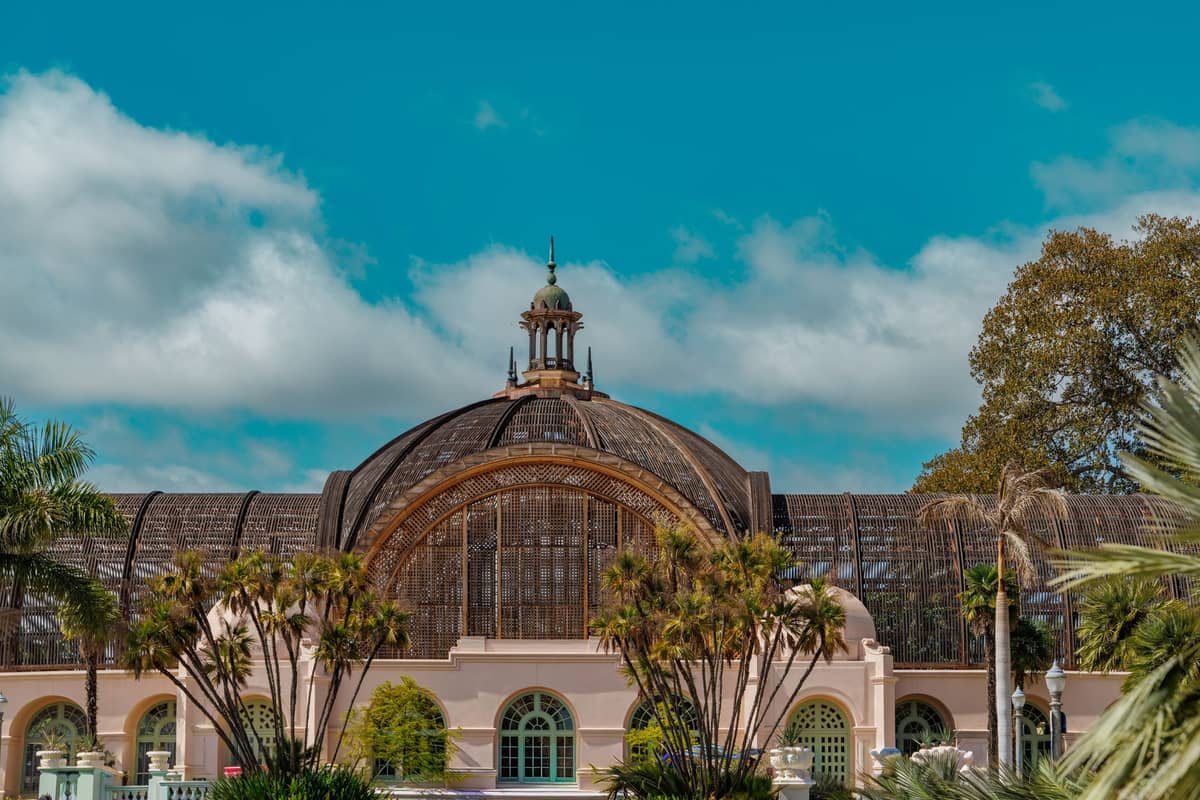
For most first-time visitors to San Diego, the Zoo is the natural starting point. It is easier to reach, covers an exceptional breadth of animals, and combines seamlessly with a morning or afternoon in Balboa Park's museum district. Visiting the Zoo, then spending time at the Natural History Museum, Fleet Science Center, or the Botanical Building makes for a genuinely full and satisfying day without needing a car.
The Safari Park earns its place for visitors who have already done the Zoo, for wildlife enthusiasts who specifically want open-habitat animal experiences, and for anyone with children old enough to appreciate the scale of the field exhibits — roughly age 6 and up tends to get more out of it than toddlers, who often respond more to the Zoo's closer-up animal encounters. The Safari Park's premium add-ons, particularly the open-vehicle safari experiences, are genuinely excellent for the right traveler, but they are expensive and require advance booking.
If you have three or more days in San Diego, visiting both is worth planning. Keep the Zoo early in your trip for orientation and the Safari Park for a dedicated day trip. Pair the Safari Park visit with an early start to beat the inland heat, and consider driving back via the coast if time allows. For a full breakdown of how San Diego's wildlife options fit into a broader trip, the complete San Diego things to do guide covers the full picture.
FAQ
Are the San Diego Zoo and Safari Park included in the same ticket?
No. Standard tickets to the San Diego Zoo and the San Diego Zoo Safari Park are sold separately. Each park has its own admission price. The San Diego Zoo Wildlife Alliance annual membership covers admission to both parks during regular operating days and hours, which is why it offers strong value for visitors who plan to see both.
Is the San Diego Zoo or Safari Park better for young children?
The Zoo is generally better for young children, particularly under age 6. Animals are visible at close range, the park is compact enough to navigate in a half-day, and there is more variety in a smaller space. The Safari Park's main appeal — the large open-field exhibits viewed from a tram — is often less engaging for toddlers than close-up animal encounters. Older children and teenagers tend to respond strongly to the Safari Park's scale.
How far is the Safari Park from downtown San Diego?
The Safari Park is located at 15500 San Pasqual Valley Road in Escondido, about 30–35 miles north of downtown San Diego. The drive typically takes 40-60 minutes depending on I-15 traffic. There is no practical public transit route from central San Diego, so a car or rideshare is necessary.
Do I need to buy San Diego Zoo tickets in advance?
Standard admission to both parks does not require advance reservations on most days, but online ticket purchases are recommended to avoid queuing at the gate, especially on weekends and during summer. Some promotional prices and specific event tickets do require advance purchase. Always check the official San Diego Zoo Wildlife Alliance websites for current ticketing requirements before your visit, as policies can change.
Is the San Diego Zoo Wildlife Alliance membership worth it?
For most visitors who plan to visit both parks, or who are visiting with a family, the annual membership is worth serious consideration. It covers unlimited free admission to both the Zoo and the Safari Park for a full year, plus discounts on parking and premium experiences. The break-even point is roughly two combined visits for two adults. If you buy a day ticket and decide to upgrade to a membership on-site, your day's admission is typically credited toward the membership cost — confirm this at the ticket window.