San Diego Zoo: The Complete Visitor Guide
Spanning 100 acres inside Balboa Park, the San Diego Zoo is one of the most visited zoological parks in the United States. This guide covers what to expect, how to plan your day, and whether it lives up to the hype.
Quick Facts
- Location
- 2920 Zoo Drive, Balboa Park, San Diego, CA 92101
- Getting There
- Accessible by car or MTS bus; paid parking available on-site (verify current fee before visiting)
- Time Needed
- 4 to 6 hours for a thorough visit; full day with young children
- Cost
- US$78 adults, US$68 children (3–11), under 3 free; prices vary, check zoo.sandiegozoo.org
- Best for
- Families, wildlife enthusiasts, first-time San Diego visitors
- Official website
- zoo.sandiegozoo.org
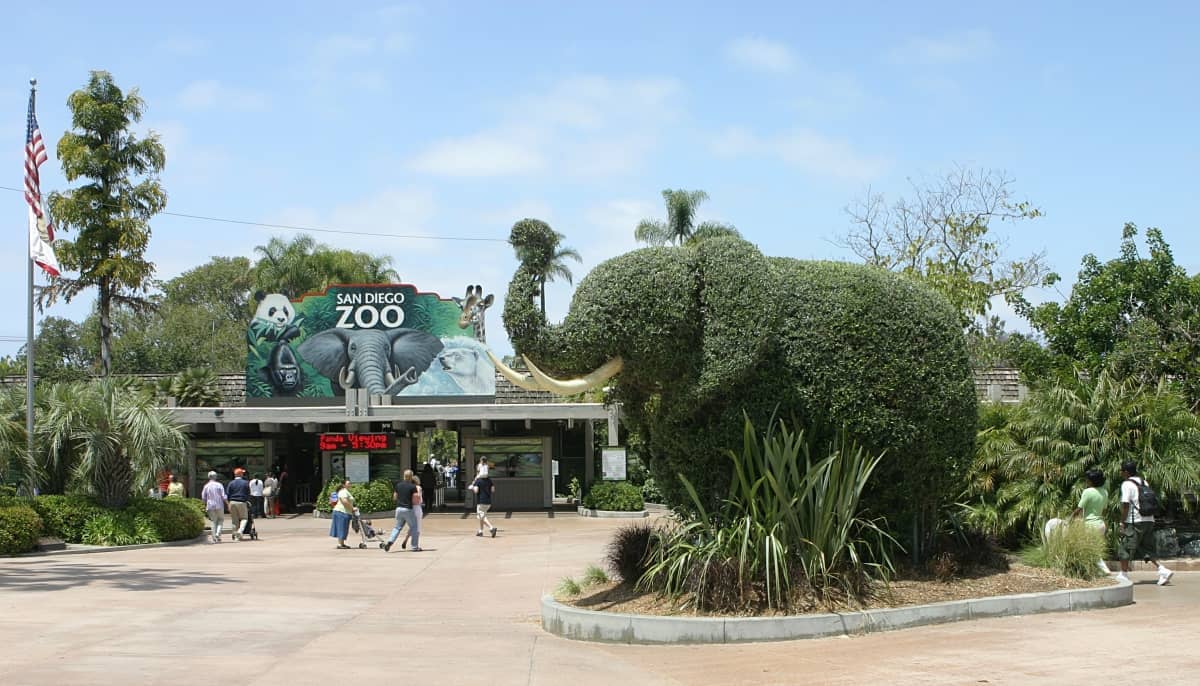
What the San Diego Zoo Actually Is
The San Diego Zoo is a zoological park occupying 100 acres inside Balboa Park, one of the largest urban cultural parks in the United States. It is operated by San Diego Zoo Wildlife Alliance, a nonprofit conservation organization, and houses more than 12,000 animals across over 680 species and subspecies. The zoo is not a theme park, and it is not trying to be one. What it offers is genuine depth: naturalistic habitats, serious conservation programming, and a physical landscape shaped over more than a century.
The zoo traces its origins to animals left over from the Panama-California Exposition of 1915 and 1916, which was held in Balboa Park. Those animals formed the nucleus of what became the San Diego Zoological Society, founded in 1916 by Dr. Harry Wegeforth. The formal public opening, complete with a 10-cent adult admission and a free pass for children, took place on January 1, 1923, with visitors entering through the Reptile House.
The zoo sits within the broader landscape of Balboa Park, which also contains more than a dozen other museums and gardens. If you are spending multiple days in San Diego, it is worth separating the zoo visit from the rest of the park. Trying to do both in one day typically means doing neither well.
How the Experience Changes Throughout the Day
Arriving at 9:00 a.m., when the gates open, is meaningfully different from arriving at noon. In the morning, the air carries a faint earthy smell from overnight cleaning and fresh produce deliveries to the animal areas. Many animals are at their most active before the midday heat settles in, even in San Diego's mild climate. The elephant and big cat areas in particular see noticeably more movement in the first two hours of the day.
By mid-morning, crowds begin to build along the main pathways, especially near the giant panda exhibits and the Skyfari aerial tram. The tram itself offers an efficient way to cross the park and provides an elevated view of the tree canopy. If you want to use it without queuing, ride it early in the day.
Midday is the loudest and most congested period. School groups tend to arrive in waves between 10:00 a.m. and noon. Food service lines lengthen around 12:30 p.m. If you plan to eat on-site, arriving early or pushing lunch to 2:00 p.m. makes the experience considerably more comfortable. Hours vary by date and season, so check the official calendar before you go.
💡 Local tip
Arrive at opening time on a weekday for the best animal activity and the shortest lines. Midday on summer weekends is when the zoo is at its most crowded and least enjoyable.
Navigating the Park: Layout and Practical Walkthrough
The zoo is built across hilly terrain, which is an important detail that many visitors underestimate. There is a meaningful amount of uphill and downhill walking, particularly if you are moving between the main entrance plaza area, the Africa Rocks section, and the northern reaches of the park. Comfortable, broken-in shoes are not optional here. Strollers and wheelchairs are accommodatable on most routes, and the guided bus tour provides an easier way to cover a significant portion of the park.
The park layout can be broadly divided into themed zones: a large African savanna section, Australian and Outback-inspired habitats, a rainforest area, and the giant panda area. Each zone requires a separate walk rather than being clustered at a single hub, so factoring transit time between areas into your plan matters. The zoo provides maps at the entrance, and a mobile app with real-time wait and feeding schedule information is available.
For families with children, the Children's Zoo area offers smaller-scale, hands-on encounters that are easier to navigate and less overwhelming than the full park circuit. Starting here before moving into the larger animal habitats tends to work better than saving it for the end of the day when energy is low.
ℹ️ Good to know
Guided bus tours are wheelchair accessible and give a good overview of the full park before you decide where to spend more time on foot. Recommended as a first stop, not just a novelty.
Ticket Prices, Hours, and Booking
Standard online admission for 2026 is US$78 for adults ages 12 and up and US$68 for children ages 3 through 11. Children under 3 enter free. Senior pricing is available at a modest discount from the adult rate. Gate prices are typically higher than online prices, so buying in advance through the official website is the straightforward choice. Membership options exist through San Diego Zoo Wildlife Alliance and can offer savings for anyone planning multiple visits or combining this with a trip to the Safari Park.
For a cost comparison between the zoo and its sister park, see this guide to San Diego Zoo vs Safari Park. Both have distinct strengths, and the decision depends heavily on the age of your group and what kind of animals you most want to see.
The zoo is open every day of the year, including major holidays. Standard closing time varies by date, with extended hours on select summer dates. Closing times vary by date and should be confirmed on the official site's calendar before your visit, particularly during holiday periods when hours may shift.
⚠️ What to skip
Ticket prices, parking fees, and daily closing times change seasonally and without notice on third-party sites. Always verify the current schedule at zoo.sandiegozoo.org before purchasing.
Photography, Weather, and What to Bring
San Diego's Mediterranean climate means overcast mornings are common in late spring and early summer, a local phenomenon known as June Gloom that extends into July. This diffused light is actually useful for animal photography because it eliminates harsh shadows and bright highlights. If you are bringing a camera for serious animal photography, morning visits in May through July can produce excellent conditions.
The zoo sits roughly 400 feet above sea level at some points, and while it is close to the coast, summer temperatures can still feel warm in direct sun on exposed pathways. Light layers, sunscreen, and a refillable water bottle are practical items. Water refill stations are available throughout the park. Avoid carrying large backpacks that will slow you down on the hillier sections.
For accessibility, a guided bus tour covers much of the park on paved routes and is specifically designed to accommodate guests using wheelchairs. ASL-interpreted tours are available with advance notice by contacting zoo staff directly. Stroller rentals are available at the entrance.
Conservation Context: Why This Zoo Matters Beyond the Visit
San Diego Zoo Wildlife Alliance is among the world's better-regarded zoological conservation organizations, with active breeding programs for species including California condors, giant pandas, and Arabian oryx. The zoo has been associated with the California condor recovery program since the late 1980s, a captive breeding effort that helped prevent the extinction of North America's largest land bird. These programs are the institutional context behind what you are seeing when you look at enclosures that prioritize behavioral enrichment over spectacle.
The zoo's presence within Balboa Park places it among dozens of other cultural institutions, including the San Diego Museum of Art, the Fleet Science Center, and the Botanical Building. The zoo occupies the northern section of the park and has its own entrance and parking, separate from the main museum cluster.
Is it overhyped? For first-time visitors with genuine interest in animals, no. The habitat quality and animal variety are real. For repeat visitors or seasoned zoo-goers expecting something radically different from other top-tier zoos, the experience can feel familiar. The crowds on peak days are a significant variable that shapes the visit more than any single exhibit.
Who Will Not Enjoy This Visit
Travelers who dislike crowded outdoor spaces on warm days should avoid weekend visits in summer without a very early arrival plan. The zoo can feel oppressive by midday in July and August, when school-age crowds and peak tourism overlap. Visitors expecting a compact, easily walkable site will be surprised by the elevation changes and distances involved. Anyone with significant mobility limitations who cannot use the bus tour will find portions of the park difficult to access.
If your priority is outdoor wildlife at a larger, more open-air scale, the San Diego Zoo Safari Park in Escondido offers a very different experience. It is about 30 miles north of the city and is also covered in the broader San Diego visitor guide.
Insider Tips
- The Skyfari aerial tram crosses the park from east to west and saves a substantial amount of walking. Board it within the first hour of opening to avoid 20-plus minute waits. It also gives you a useful bird's-eye orientation to the park before you commit to a route.
- Feeding and enrichment schedules for specific animals are posted daily on the zoo's mobile app and at information kiosks near major habitats. Planning your route around two or three of these scheduled events gives the visit structure and guarantees you see active animals rather than sleeping ones.
- Parking on Zoo Drive fills quickly on weekend mornings in summer. A practical alternative is to park in Balboa Park's main lots near the museums and use the free shuttle within the park to reach the zoo entrance. Confirm shuttle availability and schedule before relying on it.
- The zoo sells combination tickets with the San Diego Zoo Safari Park. If you are visiting both within a few days, the combo pricing is more cost-effective than buying each separately. Verify current combo pricing at zoo.sandiegozoo.org.
- The Australia section near the back of the park sees fewer visitors than the front-loaded Africa and panda areas. If you arrive mid-morning, heading to the lesser-trafficked zones first and working your way toward the entrance zones later tends to result in a more relaxed experience.
Who Is San Diego Zoo For?
- Families with children of any age, particularly those with kids aged 4 to 12 who can handle several hours of walking
- Wildlife and conservation enthusiasts who want to observe species in well-designed naturalistic enclosures
- First-time San Diego visitors looking for a full-day destination that justifies a significant time commitment
- Photographers interested in animal subjects, especially on overcast mornings in late spring and early summer
- Travelers combining a multi-day Balboa Park visit with the park's broader museum and garden offerings
Nearby Attractions
Other things to see while in Balboa Park:
- Botanical Building and Lily Pond
Built for the 1915 Panama-California Exposition, the Botanical Building and Lily Pond is one of Balboa Park's most photographed landmarks and one of San Diego's few genuinely free indoor plant experiences. The structure, historically billed as one of the largest wood lath buildings in the world, shelters over 2,100 plant varieties beneath a domed roof that filters light into something close to dusk at midday.
- Comic-Con Museum
Opened in November 2021, the Comic-Con Museum brings the legendary San Diego convention to life year-round in Balboa Park. Rotating exhibitions, interactive experiences, and deep dives into comics, film, and sci-fi make it a serious destination for pop culture fans, not just Comic-Con regulars.
- Fleet Science Center
The Fleet Science Center anchors the eastern edge of Balboa Park's museum row with interactive science exhibits, a giant-dome theater, and monthly planetarium evenings. It draws curious visitors of all ages, from toddlers tackling discovery stations to adults catching an IMAX-style documentary under a five-story screen.
- Japanese Friendship Garden
Tucked into about 12 acres of Balboa Park, the Japanese Friendship Garden & Museum is San Diego's dedicated space for Japanese landscape design, cultural art, and quiet reflection. Symbolizing the bond between San Diego and its sister city Yokohama, the garden rewards visitors with stone lanterns, koi ponds, a centuries-old bronze Kannon statue, and rotating museum exhibitions.