Whale Watching in San Diego: Season, Tours & Tips
San Diego offers year-round whale watching with distinct seasons for gray and blue whales. This guide breaks down exactly when to go, which tours are worth the money, what sightings actually look like by month, and how to watch whales for free from shore.
TL;DR
- Gray whale season runs mid-December through April, with peak sightings in January–March as roughly 20,000 whales migrate between Alaska and Baja California.
- Blue whales dominate summer waters from June through September — San Diego is one of the best places in North America to see them.
- Standard 3–4 hour boat tours cost around $45–75 per adult; small-group zodiac trips run $95–150; private charters start around $800.
- Free land-based viewing is genuinely excellent at Cabrillo National Monument and La Jolla during gray whale migration — no boat required.
- Sightings are never guaranteed, even at peak season. Sighting rates are reported at roughly 95% for gray whales Feb–Mar and around 60% for blue whales Jun–Sep.
When to Go: Whale Seasons Broken Down by Month
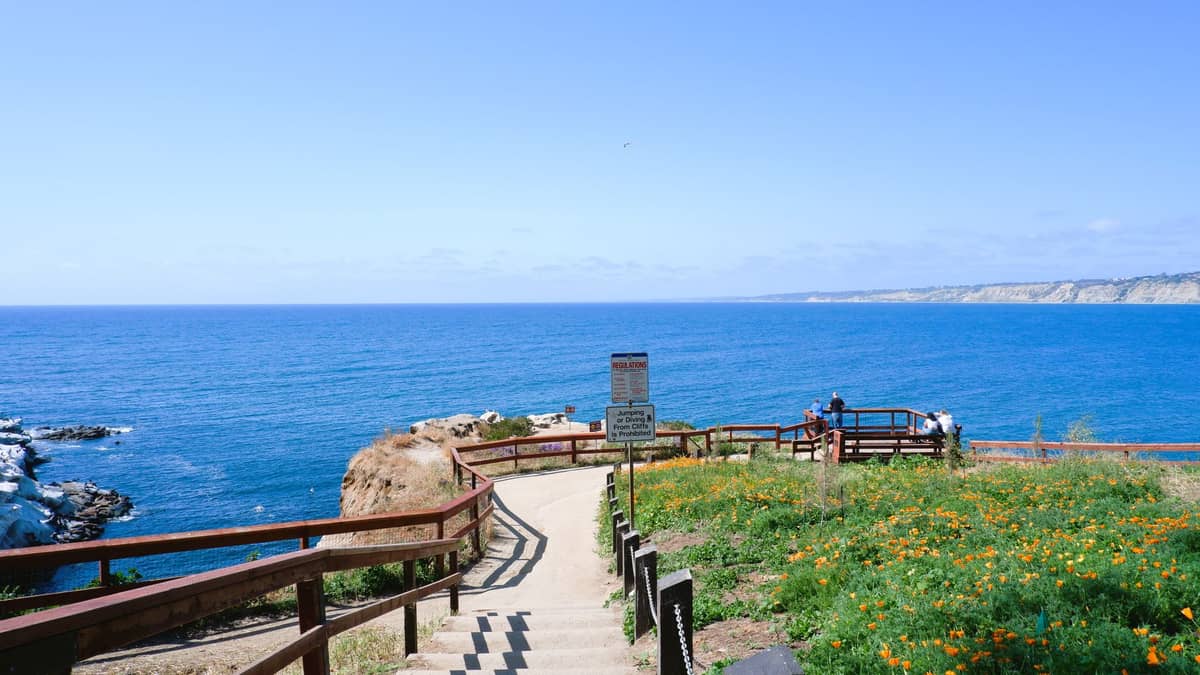
Whale watching in San Diego is effectively a year-round activity, but that phrase can mislead. What it really means is that different species dominate at different times of year, and the experience changes dramatically depending on when you show up. Knowing which whale you want to see is the most important booking decision you'll make.
- December – April: Gray Whale Migration The southbound migration peaks in January, with roughly 20,000 gray whales passing San Diego on their way from Alaska to Baja California. The northbound return runs February through April. Sighting rates from reputable operators hit 90–95% in February and March. The San Diego Natural History Museum's naturalist-led cruises run December 20 through April 12 (Fridays to Mondays), reflecting this window precisely.
- May – September: Blue Whales and Mixed Species Blue whales, the largest animals on Earth, feed in the nutrient-rich waters off San Diego from late May through early September. June, July, and August are the strongest months. Sighting probability is reported around 60% — lower than gray whale season but the sheer scale of a blue whale encounter makes this a different category of experience. The Natural History Museum runs summer cruises June 13 through September 7.
- Year-Round: Dolphins, Fin Whales, Humpbacks, Minkes Common dolphins (in pods that can number in the thousands), Pacific white-sided dolphins, and fin whales appear across multiple seasons. Humpbacks can show up opportunistically spring through fall. Even in the relative shoulder months of October and November, operators report consistent dolphin activity and occasional whale sightings.
💡 Local tip
The single best window for first-time whale watchers is mid-January through March. You get high gray whale density, calmer-than-summer seas on many mornings, and the annual Whale Watch Weekend festival at Cabrillo National Monument (typically held in late January or early February). Book weekday departures for smaller crowds on the boat.
Boat Tours: What to Expect and What Things Cost
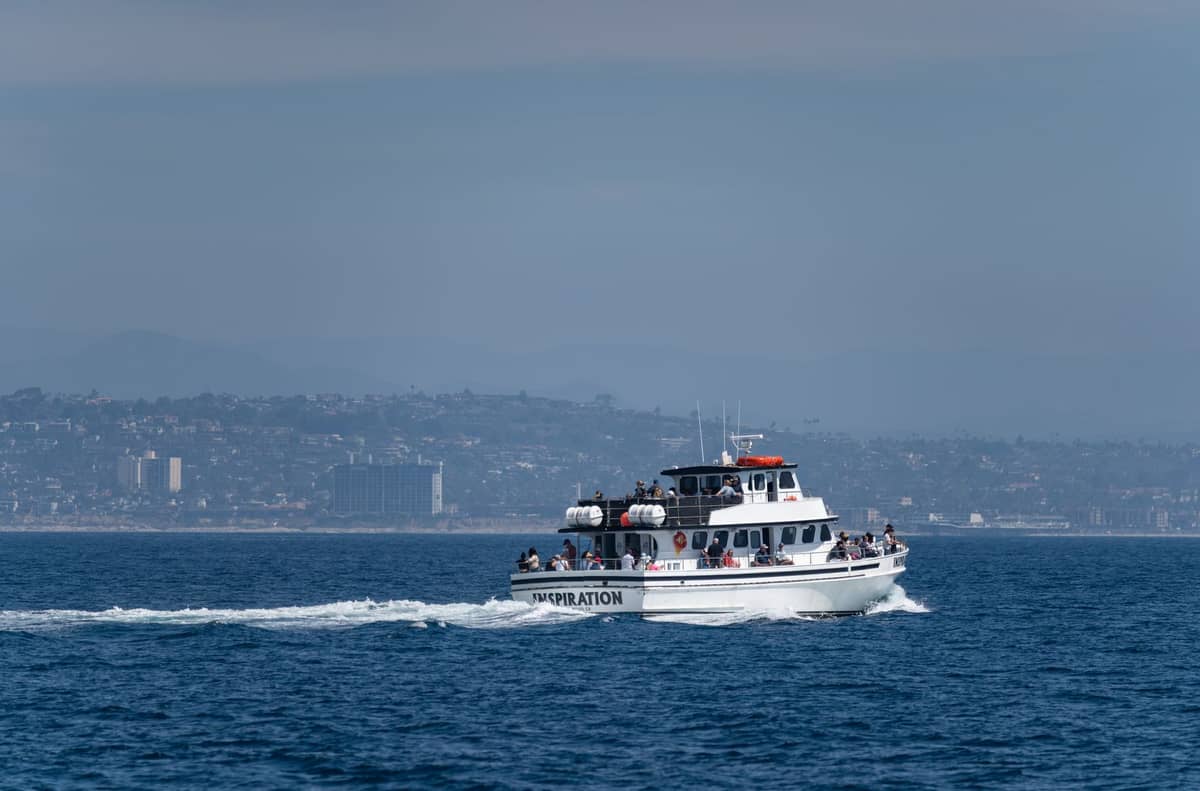
Most commercial tours depart from the Embarcadero, Harbor Island, or Point Loma areas and head several miles offshore along the gray whale migration corridor or toward deeper summer feeding grounds. The standard trip is 3–4 hours. Here's how the main options break down by format and price range.
- Large Catamaran Tours ($45–70 adult) These are the most common format — vessels carrying 100+ passengers, 3.5 to 4 hours. Operators like Flagship San Diego run these with multiple daily departures in peak season. Good for families and those prone to seasickness (larger boats handle chop better). Trade-off: you're sharing the deck with a lot of people and flexibility is low.
- Mid-Size Dedicated Whale Boats ($45–65 adult) Operators like SD Whale Watch use purpose-built vessels with 30–80 passengers. Better sightlines than massive catamarans, often with more knowledgeable naturalist narration. Typically 3–4 hours. This is the format most experienced whale watchers prefer for the balance of comfort and intimacy.
- Small-Group Zodiac / RIB Trips ($95–150 adult) Rigid inflatable boats carry 6–12 passengers close to the water. You feel every wave and get far closer to wildlife when conditions allow. Not suitable for young children, elderly passengers, or anyone with back problems. Duration is typically 2.5–3 hours. Worth the premium if you want photographs without telephoto lenses.
- Museum Naturalist Cruises (pricing varies) The San Diego Natural History Museum partners with City Cruises for whale-watching departures with onboard naturalists. These sell out early in peak season and offer genuine educational value beyond what most commercial narrations provide. Check the SDNHM website for current season dates and booking.
- Private Charters ($800–2,000 half-day) Full flexibility on timing and routing. Most operators accommodate groups of 6–12. The per-person cost becomes reasonable for groups of 8 or more splitting the fee. Some intimate-tour operators advertise public spots on smaller vessels around $129 per person.
⚠️ What to skip
No operator can guarantee whale sightings — this applies even during peak gray whale season in February. Reputable companies will offer a rain check or partial refund if no cetaceans are spotted, but confirm this policy before booking. Be wary of any operator who promises sightings outright.
For budget-conscious travelers, third-party booking platforms occasionally list 3-hour cruises starting around $34. Compare those deals against the operator's own website before committing, as cancellation terms can differ. For context on how whale watching fits into a broader San Diego itinerary, the San Diego on a budget guide covers several free and low-cost alternatives to pricier activities.
Land-Based Whale Watching: The Free Alternative
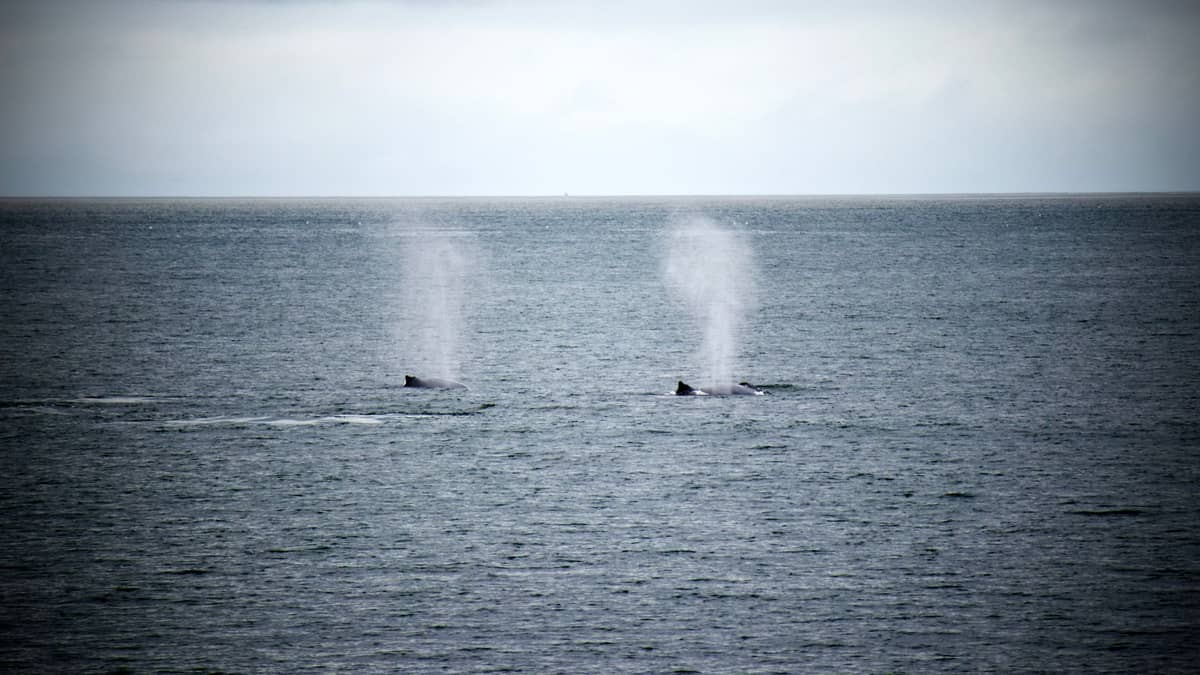
This option gets underestimated. During gray whale migration — particularly January through March — land-based viewing from elevated coastal positions can be genuinely spectacular, and it costs nothing beyond a park entry fee or free parking.
The best spot in the city is the Old Point Loma Lighthouse area inside Cabrillo National Monument. The monument sits on a 400-foot bluff at the tip of the Point Loma peninsula, giving a direct sightline over the gray whale migration corridor. The park provides free binoculars at the lighthouse and runs ranger programs during whale season. Mid-January is cited as the peak for land sightings here, and the annual Whale Watch Weekend festival — typically held in late January — draws thousands of visitors with naturalist talks, telescope stations, and organized spotting.
La Jolla's coastal cliffs also offer solid land-based viewing during winter migration. La Jolla Cove and the bluffs above Children's Pool give elevated vantage points where patient observers spot gray whale spouts in calm conditions. The advantage over Point Loma is that you can combine whale spotting with sea lion and bird watching in the same location, making it worth the trip even on a low-sighting day.
✨ Pro tip
Arrive at Cabrillo or La Jolla's cliffs by 8 a.m. on a clear, calm morning during January or February. Whale spouts are easiest to spot in flat-water conditions before afternoon winds pick up. Bring binoculars with at least 8x magnification — the whales pass 0.5 to 2 miles offshore and the naked eye misses most activity.
Choosing the Right Tour: Practical Comparisons
Not all tours deliver the same experience, and the cheapest option is often not the worst. Here's how to evaluate what matters depending on your priorities.
- Naturalist narration quality: Museum-partnered cruises and dedicated whale watch operators tend to provide more specific, species-focused commentary than generic sightseeing boats that add whale watching as a seasonal offering.
- Vessel size and seasickness: Larger catamarans are more stable in choppy conditions but feel more impersonal. If you or anyone in your group is sensitive to motion, book a large vessel and take seasickness medication 30–60 minutes before departure regardless of conditions.
- Departure time: Morning departures generally offer calmer seas and better light for spotting. Afternoon trips can be rougher as onshore winds build, particularly in summer.
- Group size: If photography is your goal, smaller vessels matter more than any other variable. Zodiac trips or boats with under 30 passengers let you position yourself freely.
- Booking flexibility: During peak gray whale season (January–March), popular tours sell out days in advance on weekends. Book at least a week ahead for weekend departures and 2–3 days ahead for weekdays.
Departure logistics: most boat tours leave from San Diego Bay's waterfront near the Embarcadero. Parking in that area fills quickly on weekend mornings — arrive at least 30 minutes before your departure time, or take the MTS Trolley to the Convention Center stop and walk to the docks. A handful of operators depart from Point Loma's Shelter Island, which has easier parking on weekdays.
What You'll Actually See: Honest Expectations by Season
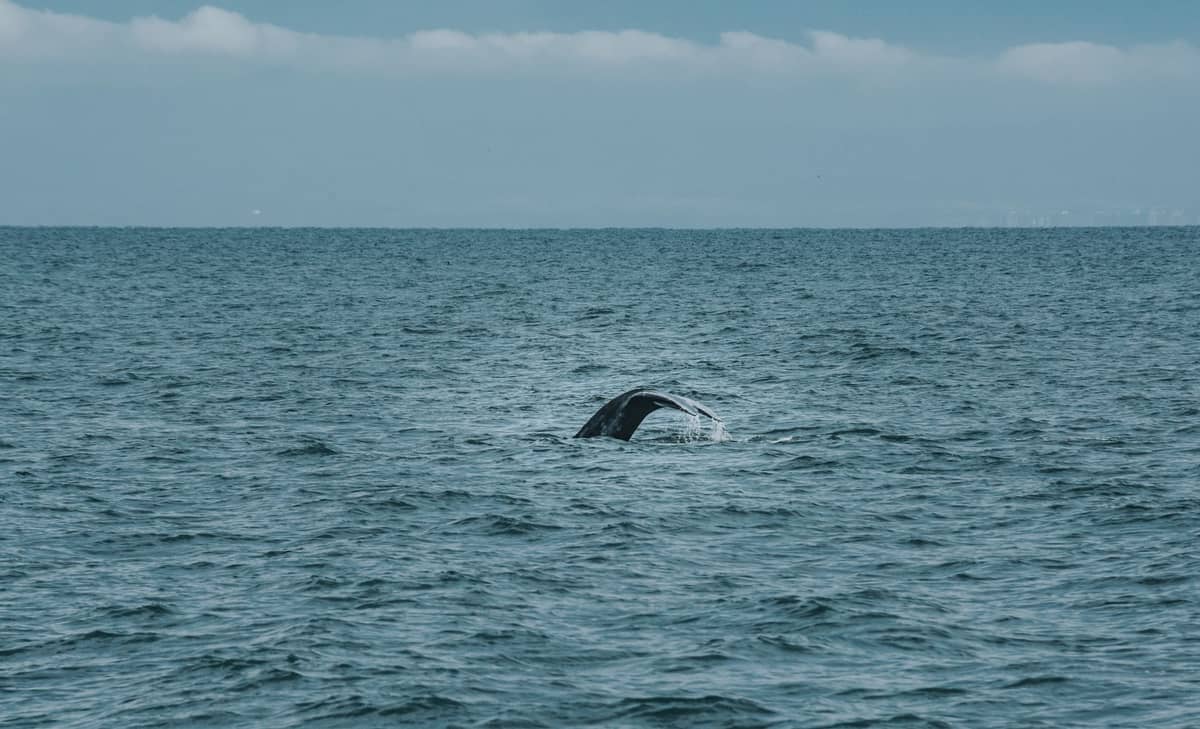
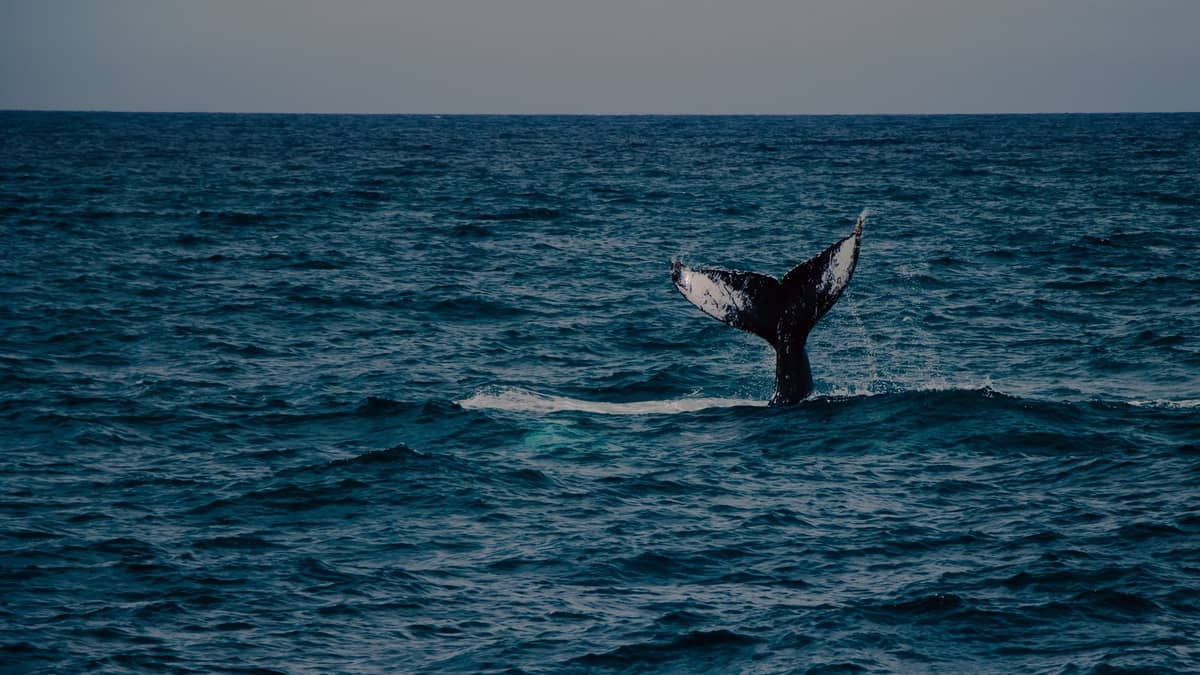
Gray whale behavior during migration is surface-active but not acrobatic. You'll see spouts, backs, and tail flukes as the whales breathe and continue south. Breaches are relatively uncommon on migration. The reward is volume — on a good January or February day, you may see 10–20 individual animals during a 4-hour trip, often in continuous succession as you cross the migration corridor.
Blue whales in summer are a different experience. They are the largest animals that have ever existed, and even a partial view of one alongside a boat recalibrates your sense of scale. Sighting rates are lower than gray whale season, and the whales themselves spend more time submerged between surfacings. When they do surface, the blow reaches 30 feet high and is visible from a significant distance. Combine this with the fact that blue whale encounters are rarer globally, and the summer season carries its own appeal despite lower statistical odds.
Common and Pacific white-sided dolphins are almost a certainty regardless of season. Pods of hundreds to thousands of common dolphins are one of San Diego's most consistent wildlife spectacles. If you're visiting with children or first-timers, managing expectations around whales (which require patience) while emphasizing the near-guaranteed dolphin shows helps set up a successful trip. The San Diego with kids guide covers how to frame the full marine wildlife experience for younger audiences.
Logistics, Timing, and What to Bring
San Diego's Mediterranean climate means whale watching is comfortable in most months, but the ocean is a different environment than the shore. Even in summer, temperatures on the water run 10–15°F cooler than inland, and wind chill on a moving vessel amplifies that. Dress in layers regardless of the forecast.
- Clothing: Bring a windproof layer even in July. In winter, add a warm mid-layer. Spray from the bow soaks light jackets faster than you'd expect on zodiac tours.
- Seasickness: Take medication before boarding, not after symptoms start. Dramamine, Bonine, or prescription scopolamine patches all work better when taken 30–60 minutes pre-departure. Ginger supplements are a milder alternative.
- Binoculars: 8x42 or 10x42 are the standard recommendation. Image-stabilized binoculars are noticeably better on moving boats.
- Camera: A 300mm+ telephoto lens is useful if you want usable wildlife shots from a large boat. On zodiac tours, a 100–200mm lens often suffices given the closer approach distances.
- Food and water: Most 3–4 hour tours have a small snack bar onboard. Eating a light meal 1–2 hours before departure reduces nausea risk compared to going out on an empty stomach.
- Arrival time: Check in 20–30 minutes before departure. Late arrivals miss boats — operators do not wait.
Whale watching pairs naturally with other waterfront activities. The USS Midway Museum and Maritime Museum of San Diego are both within walking distance of the main departure docks on the Embarcadero, making it easy to fill a full day around a morning whale watching tour. For a complete itinerary structure, the 3 days in San Diego guide shows how to fit this into a broader visit.
FAQ
What is the best month for whale watching in San Diego?
February and March are the statistical peak for gray whale sightings. For blue whales, July and August offer the strongest summer showing. If you can only visit once and want the highest odds of seeing whales, late winter is the most reliable period.
Can you see whales from shore in San Diego?
Yes, and it's worth doing. Cabrillo National Monument on Point Loma is the best land-based spot, with ranger-led viewing programs during gray whale season (roughly January through March). La Jolla's coastal bluffs are also productive. Bring binoculars with at least 8x magnification and go early morning when seas are calmest.
How much does whale watching cost in San Diego?
Standard 3–4 hour group tours typically run about $45–75 per adult and $25–45 for children. Small-group zodiac trips cost more per person. Private charters range from around $800–2,000 for a half-day depending on vessel size and operator. Some third-party platforms list discounted rates — compare carefully against the operator's own cancellation policy before booking.
Are whale sightings guaranteed on San Diego tours?
No. Reputable operators are clear that wildlife sightings cannot be guaranteed. Sighting rates during peak gray whale season (February–March) are reported as high as 90–95%, but ocean conditions, weather, and whale behavior are unpredictable. Check whether your operator offers a return trip or partial refund policy if no cetaceans are spotted before you book.
Is San Diego good for blue whale watching?
Yes, San Diego is a good place to see blue whales. They feed in the nutrient-rich offshore waters from roughly late May through September, with July and August being the most consistent months. Sighting rates are lower than gray whale season, but the encounters themselves tend to be dramatically memorable given the sheer size of the animals.