SeaWorld San Diego: What to Expect, What to Skip, and How to Make the Most of Your Day
SeaWorld San Diego sits on the shores of Mission Bay, blending aquarium-style animal exhibits with roller coasters and live entertainment. It's a full-day commitment that rewards visitors who plan ahead and arrive early.
Quick Facts
- Location
- 500 Sea World Drive, Mission Bay, San Diego, CA 92109
- Getting There
- Accessible via San Diego MTS bus routes; parking available on-site. Near I-5 and I-8 interchange.
- Time Needed
- 5–8 hours for a full visit; arrive at opening to cover the most ground
- Cost
- Variable dynamic pricing; check seaworld.com/san-diego for current single-day and Fun Card rates (USD)
- Best for
- Families with children, marine life enthusiasts, thrill-ride seekers
- Official website
- seaworld.com/san-diego
What SeaWorld San Diego Actually Is
SeaWorld San Diego is a marine-themed amusement park and aquarium located on the southern shore of Mission Bay, roughly equidistant between downtown San Diego and Pacific Beach. It is not purely an aquarium, and it is not purely a theme park. The experience sits somewhere in between: you can spend an hour watching bottlenose dolphins in a lagoon, then queue for a roller coaster, then walk through a penguin habitat, all within the same afternoon. Understanding this hybrid nature is key to setting realistic expectations.
The park opened in 1964 and has evolved significantly since. Today it operates under the SeaWorld Entertainment brand as a marine-themed park with aquarium exhibits and animal habitats, and it holds accreditation from the Association of Zoos and Aquariums (AZA), which sets welfare and conservation standards for animal care. Whether you consider the animal shows a celebration of marine life or a commercial spectacle is a judgment call the park itself has been navigating publicly for years, particularly following changes to orca programming after significant public and regulatory scrutiny.
ℹ️ Good to know
The park is open every day, but hours vary significantly by season and can change for special events. Always confirm current hours at seaworld.com/san-diego/park-info/theme-park-hours before your visit. A typical off-season day may run 10 am to 5 pm; summer and holiday periods often extend well into the evening.
The Animal Exhibits: What You'll Actually See
The marine animal exhibits are the core reason most visitors come to SeaWorld San Diego, and several of them are genuinely impressive. The shark encounter runs visitors through a clear acrylic tunnel with sand tiger sharks, nurse sharks, and rays moving overhead, close enough that you can see the texture of their skin. Lighting is kept low, and the effect is more serene than dramatic. It takes about 15 minutes at a relaxed pace, longer if you stop at the tanks on the way in.
The penguin exhibit is a cold-climate habitat housing hundreds of Antarctic penguins, including Gentoo and other polar species. The space is kept at 55 degrees Fahrenheit with artificial snow falling in cycles. Children tend to press against the glass for extended stretches here. The dolphin cove allows guests to observe bottlenose dolphins from above or at an underwater viewing window, and on less crowded days, there is room to sit at the water's edge and watch them move without the press of a crowd.
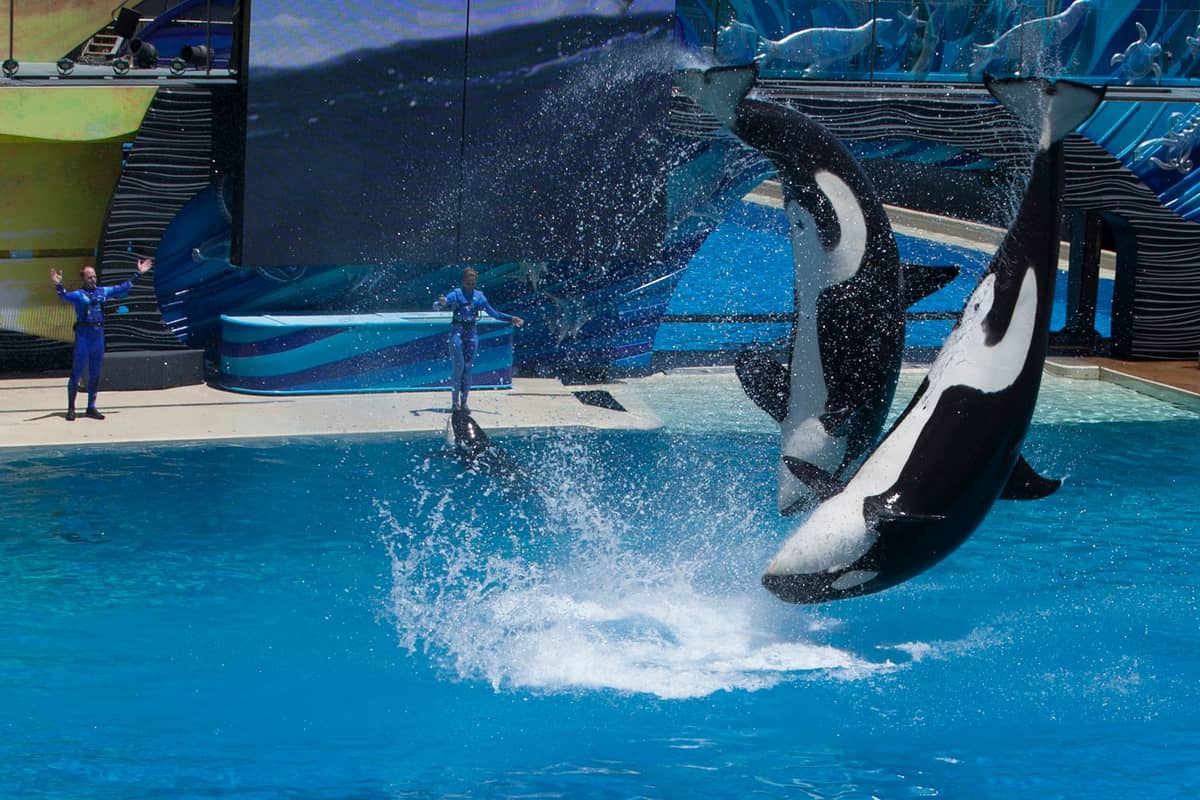
The orca situation deserves a clear note. Following widespread criticism of theatrical orca shows, SeaWorld phased out its theatrical orca performances at the San Diego park. Orcas remain in the facility, and visitors can observe them in the Orca Encounter, which is presented as educational rather than performative. The format emphasizes natural behaviors and conservation messaging. If you are visiting specifically for the theatrical shows of previous decades, that experience no longer exists here.
Rides and Thrills: What the Park Offers Beyond Animals
SeaWorld San Diego operates several notable rides alongside its animal attractions. Manta is a ray-themed launch roller coaster aimed at families, with a top speed around 43 mph and below-grade tunnel sections. Electric Eel is a launched coaster with vertical elements. Emperor is a dive coaster added in recent years, featuring a near-vertical first drop, and it draws some of the longest queues in the park. If rides are a priority for your group, hit Emperor and Manta within the first hour of opening.
There are also water rides, including Shipwreck Rapids and Journey to Atlantis, which is a water coaster hybrid with a notable drop that reliably soaks front-row riders. On warm summer days, this is a feature rather than a problem. On overcast winter afternoons, it is worth considering whether you want to walk the rest of the park in wet clothing.
💡 Local tip
Ride queues at SeaWorld San Diego are shortest in the first 90 minutes after opening and during live shows, when much of the crowd is seated in amphitheaters. Sequence your visit so you ride first, then catch a show, then explore exhibits in the afternoon.
How the Park Changes Through the Day
Morning at SeaWorld San Diego is noticeably different from the midday and afternoon experience. At opening, the park feels spacious. Animal habitats have fewer visitors, making it easier to find a clear viewing angle at underwater windows. The air carries a salt-and-kelp smell near the water exhibits that fades as the day heats up and the crowd thickens. Ride queues are short. Staff are energetic. This is the best window of the day if you want to move efficiently.
By mid-morning, particularly on weekends and summer days, the park fills substantially. Main pathways near popular shows and rides become congested. Food stands develop queues. The atmosphere shifts from exploratory to managed. If you have young children who tire easily, or if you are visiting on a budget and cannot stomach paying premium prices for a second visit, get there as close to opening as possible.
Late afternoon and early evening, particularly in summer when the park stays open later, sees a second wave of visitors who arrive after the midday lull. Sunset over Mission Bay is visible from parts of the park and is worth pausing for. The water exhibits take on different character in lower light. If you have purchased an all-day ticket and have energy left, the final two hours before closing are often more comfortable than the midday peak.
Getting There and Navigating the Practical Details
SeaWorld San Diego is located at 500 SeaWorld Drive, accessible from both Interstate 5 and Interstate 8. By car, this is a straightforward drive from most parts of San Diego, and the park has on-site parking, though parking fees apply separately from admission. On-site parking lots fill quickly on peak days, and traffic on SeaWorld Drive can back up significantly on summer weekends. Arriving before 10 am minimizes both problems.
San Diego MTS bus routes serve the Mission Bay area, and the park is reachable by public transit from downtown and surrounding neighborhoods, though the specific route options and schedules should be confirmed at sdmts.com before your visit, as these change periodically. Ride-share services drop off and pick up at the park entrance without issue. If you are staying near Mission Bay or Pacific Beach, the park is also within cycling distance via the Mission Bay path network.
SeaWorld San Diego uses dynamic pricing for tickets, meaning the same single-day ticket costs more on a Saturday in July than on a Tuesday in January. Buying in advance through the official website is almost always cheaper than paying at the gate. If you plan to visit more than once in a year, the Fun Card or Annual Pass options typically break even after two visits. For context on how SeaWorld fits within San Diego's broader theme park and attraction landscape, the San Diego amusement parks guide covers the full range of options across the region.
Accessibility at SeaWorld San Diego is well-documented. The park publishes a detailed Disability Accessibility Guide, offers a Ride Accessibility Program personalized at Guest Services, and provides wheelchair and ECV rentals. Accessible parking is located close to the main entrance. Guests with specific requirements can contact Guest Services at 619-222-4732 before visiting to plan their day in detail.
Weather, Seasons, and When to Visit
Mission Bay sits on the coast, where San Diego's marine layer is most pronounced. During June and July, a phenomenon locals call June Gloom brings overcast skies and cooler temperatures that can persist until early afternoon. This is not rain, and it rarely prevents visiting, but it does mean that if you are hoping for bright sunshine during morning rides or shows, you may find a grey sky instead. The clouds typically burn off by midday in June and earlier by August.
The most comfortable visiting conditions at SeaWorld San Diego tend to fall in September and October. Temperatures at Mission Bay average in the low-to-mid 70s Fahrenheit during these months, the marine layer is less persistent, summer crowds have thinned, and the park's operating hours remain generous. Water rides are still appealing at these temperatures. Winter visits are quieter and sometimes offer lower ticket prices, but the park may operate reduced hours, and water attractions are less appealing when temperatures drop into the 60s.
If you are planning a broader San Diego visit and want to understand how weather affects the full range of outdoor options, the guide on the best time to visit San Diego covers seasonal patterns in detail.
The Bottom Line: Strengths, Weaknesses, and Who Should Skip It
SeaWorld San Diego works well for families with children between roughly ages 4 and 14. The combination of animal encounters, manageable thrill rides, and live shows covers a wide range of attention spans and energy levels in one location. Children who are already curious about marine life get genuine engagement here, not just passive viewing.
The park is less compelling for adults visiting without children, unless they have a specific interest in marine biology, are dedicated roller coaster enthusiasts, or are attending a seasonal event like SeaWorld's holiday programming. For solo adult visitors or couples looking for authentic marine wildlife experiences, La Jolla Cove offers wild sea lion colonies and kayaking with no admission cost.
Visitors with ethical concerns about captive marine mammals should research the park's current animal welfare practices before purchasing tickets, as the debate around this topic is ongoing and documented. For those interested in marine life in a purely observational context without the amusement park elements, the Birch Aquarium at Scripps in La Jolla offers a smaller, research-institution-backed alternative.
Food inside the park follows typical theme park pricing: expect to pay significantly more than you would at nearby restaurants. Bringing snacks in a bag is permitted within the park's stated policies, which can reduce costs. The park has several dining venues ranging from fast-casual counter service to sit-down options; none are destination dining, but they are functional.
Insider Tips
- Ride Emperor dive coaster within the first 30 minutes of the park opening. By 11 am on busy days, queues can stretch past 60 minutes. The experience lasts about 90 seconds.
- The Dolphin Cove underwater viewing window on the lower level is significantly less crowded than the upper poolside viewing. Most visitors walk past the entrance to the lower level without noticing it.
- Bring a dry bag or a change of clothes if anyone in your group wants to ride Journey to Atlantis. The front row of the water coaster drops gets genuinely soaked, not merely splashed.
- SeaWorld's dynamic pricing means the same admission ticket can vary by $30 or more depending on the date. Selecting a weekday in late September or October when booking online often yields the lowest single-day prices of the year.
- The park's live shows serve a practical purpose beyond entertainment: they draw large portions of the crowd into seated amphitheaters for 20-30 minute windows, which is the best time to experience the more popular animal exhibits without competing for viewing space.
Who Is SeaWorld San Diego For?
- Families with children between ages 4 and 14 looking for a full-day activity
- Marine life enthusiasts who want closer observation than a standard aquarium provides
- Visitors who want animal exhibits and thrill rides in a single location
- Travelers visiting during SeaWorld's seasonal events, including holiday programming
- Groups with mixed age ranges who need something that works across different energy levels