Is Split, Croatia Worth Visiting? A Balanced, Expert Assessment
Split is Croatia's second-largest city and one of the Mediterranean's most compelling destinations. But is it worth visiting, and for how long? This guide cuts through the hype with specific advice on timing, realistic expectations, and what the city does better than anywhere else in the Adriatic.
Plan and book this trip
Tools from our partner Travelpayouts help you compare flights and hotels. If you book through them, we may earn a commission at no extra cost to you.
Flights
Hotels map
TL;DR
- Split, Croatia is genuinely worth visiting as a destination in its own right, not just a one-day stopover. Plan for at least 2-3 nights to understand what makes it distinctive.
- Diocletian's Palace is unlike any Roman site in Europe: roughly 3,000 people live inside its 1,700-year-old walls. See the Diocletian's Palace Old Town area for the full picture.
- Peak summer (July-August) brings serious heat, crowds, and elevated prices. May, June, and September offer the best balance of weather, atmosphere, and value.
- The port and industrial outskirts look unappealing on arrival. Reserve judgment until you've walked 10 minutes into the old town.
- Split's strongest argument is its position as a regional hub: islands, national parks, and canyon adventures are all within reach. Browse the best day trips from Split to see how much is accessible.
What Makes Split Actually Worth Visiting
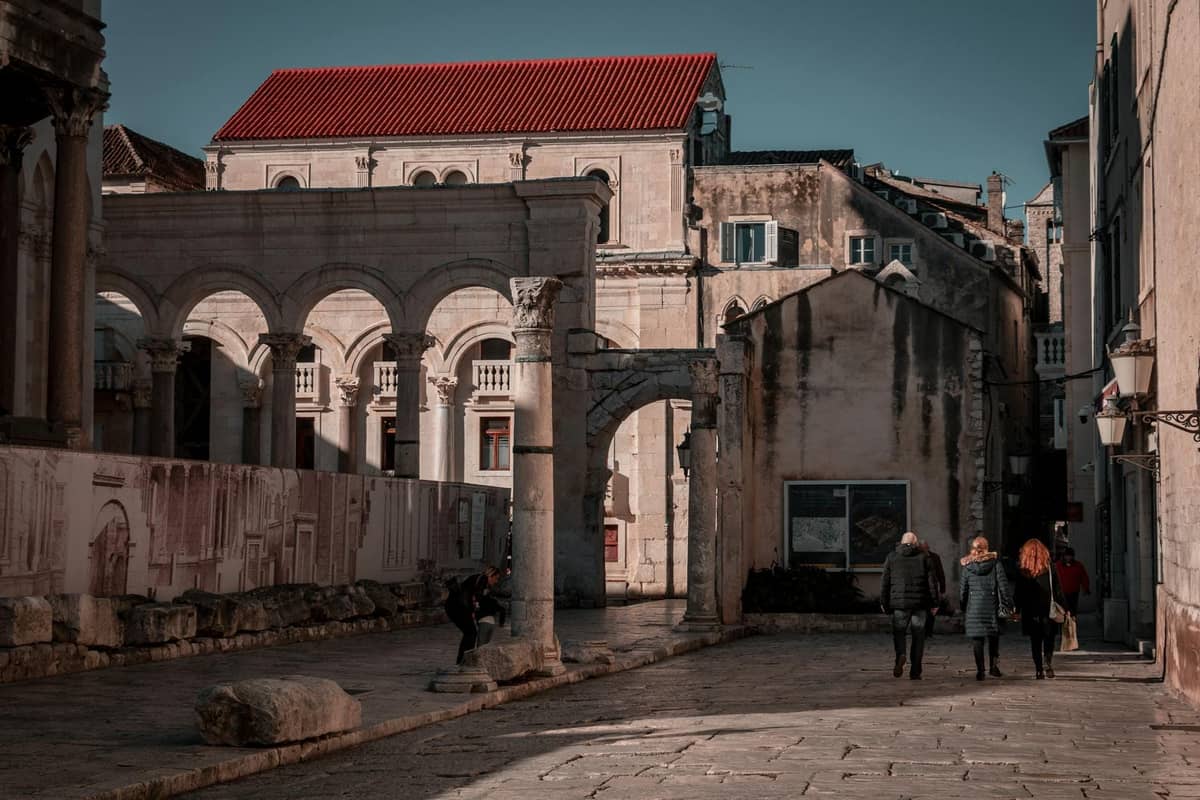
Split offers something almost no other European city can match. Diocletian's Palace, a UNESCO World Heritage Site since 1979 (inscribed as “Historical Complex of Split with the Palace of Diocletian”), is not a roped-off ruin or an open-air museum. It is a functioning urban neighborhood where around 3,000 people live inside walls built by the Roman Emperor Diocletian in the early 4th century AD. Cafes, apartments, a cathedral converted from the emperor's own mausoleum, and a network of marble alleyways all exist within what was once an imperial retirement complex. That layering of genuine antiquity and ordinary daily life is rare, and it is the city's most compelling argument for itself.
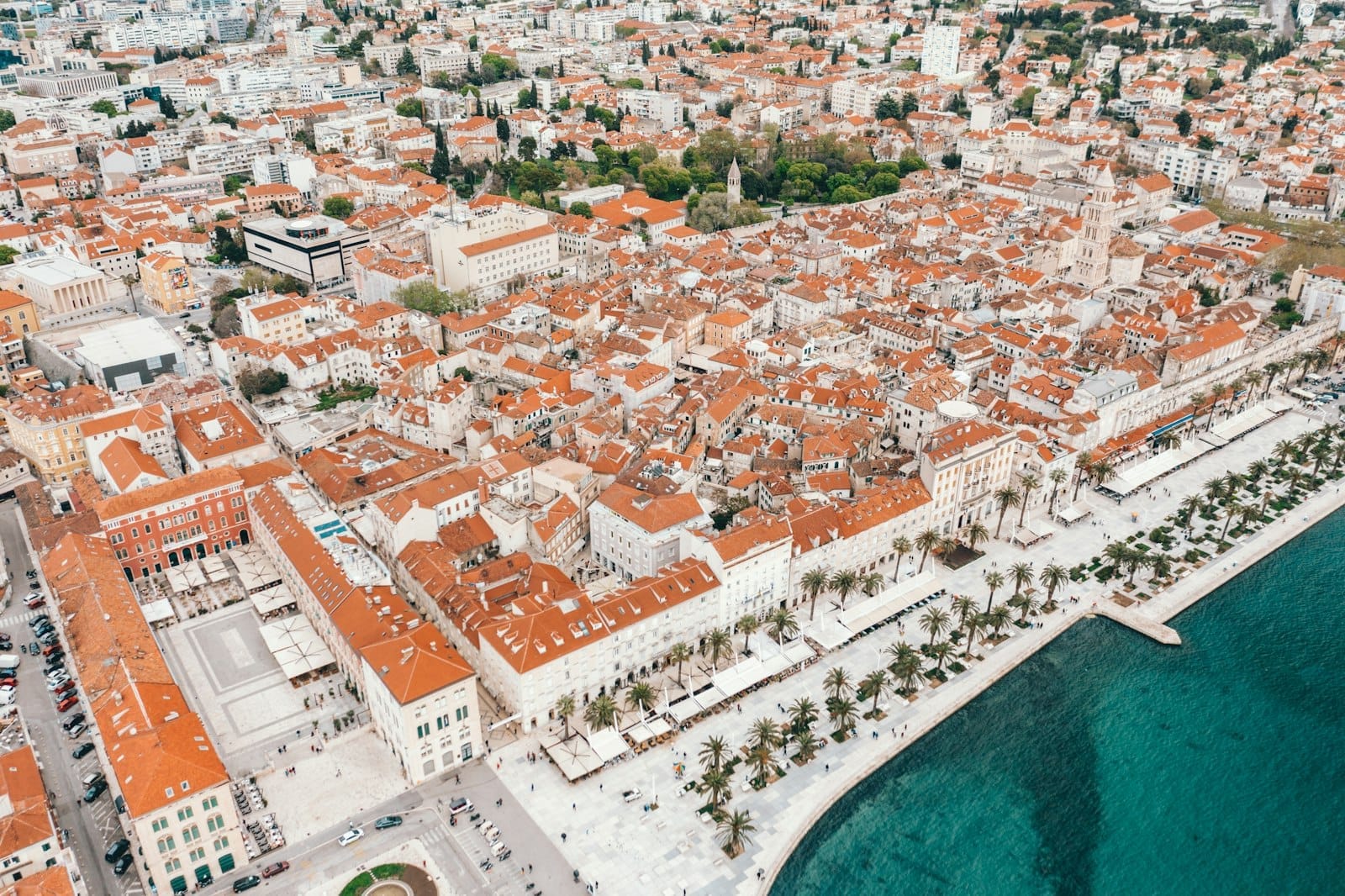
The Cathedral of Saint Domnius is widely recognized as one of the oldest Catholic cathedrals still in use in its original structure, converted directly from Diocletian's mausoleum. Climbing the adjacent bell tower gives you the best panoramic view of the old town's terracotta rooftops and the Adriatic stretching south. For Roman history and architecture, Split punches harder than cities ten times its size. Croatia's second-largest city, with a population of around 160,000, has the density of a small town but the historical weight of a capital.
Beyond the palace walls, Split rewards exploration. The Riva promenade lines the waterfront just south of the palace, and evening here is genuinely social: locals and visitors share the same stretch of marble, with nowhere to be and no particular agenda. This is not a staged tourist experience. The Pazar market, just outside the eastern palace gate, is where Split residents buy their produce every morning, and eating breakfast there among the stalls is one of the most grounding ways to start a day in the city.
✨ Pro tip
Visit Diocletian's Palace after 9pm. The floodlit stone corridors clear out considerably, and the Peristyle square, flanked by columns and often filled with live music from a nearby bar, becomes one of the most atmospheric urban spaces in the entire Mediterranean. The daytime crowds do not prepare you for how the place feels at night.
Split vs Dubrovnik: The Comparison You Are Probably Making
Most travelers planning a Croatia itinerary end up weighing Split against Dubrovnik. Both have historic old towns, both sit on the Dalmatian coast, and both draw enormous visitor numbers in summer. But they are fundamentally different experiences on the ground. Dubrovnik is smaller, more polished, and significantly more expensive. It functions almost entirely as a tourist destination now, with relatively few permanent residents in the old city. Split, by contrast, is a real working city. People commute through the palace gates, argue in the market, and follow Hajduk Split football with the kind of intensity that signals genuine civic identity.
That liveability cuts both ways. Split is messier, noisier, and less photogenic than Dubrovnik in the conventional sense. The ferry port approach, with its industrial infrastructure and concrete surroundings, does the city real harm on first impression. But once you are inside the palace walls or sitting on the Riva at dusk, the character of the place becomes undeniable. For travelers who want authenticity alongside history, Split is the stronger pick. For those who prioritize a manicured, immediately picture-perfect experience, Dubrovnik will suit them better. Most visitors who spend time in Croatia end up seeing both, and that is probably the right call.
⚠️ What to skip
Do not arrive by ferry and judge Split from the port area. The working harbor and bus station zone is genuinely uninviting. Walk 10 minutes into the old town before forming any opinion about the city. First impressions here are almost always wrong.
How Much Time Do You Actually Need in Split?
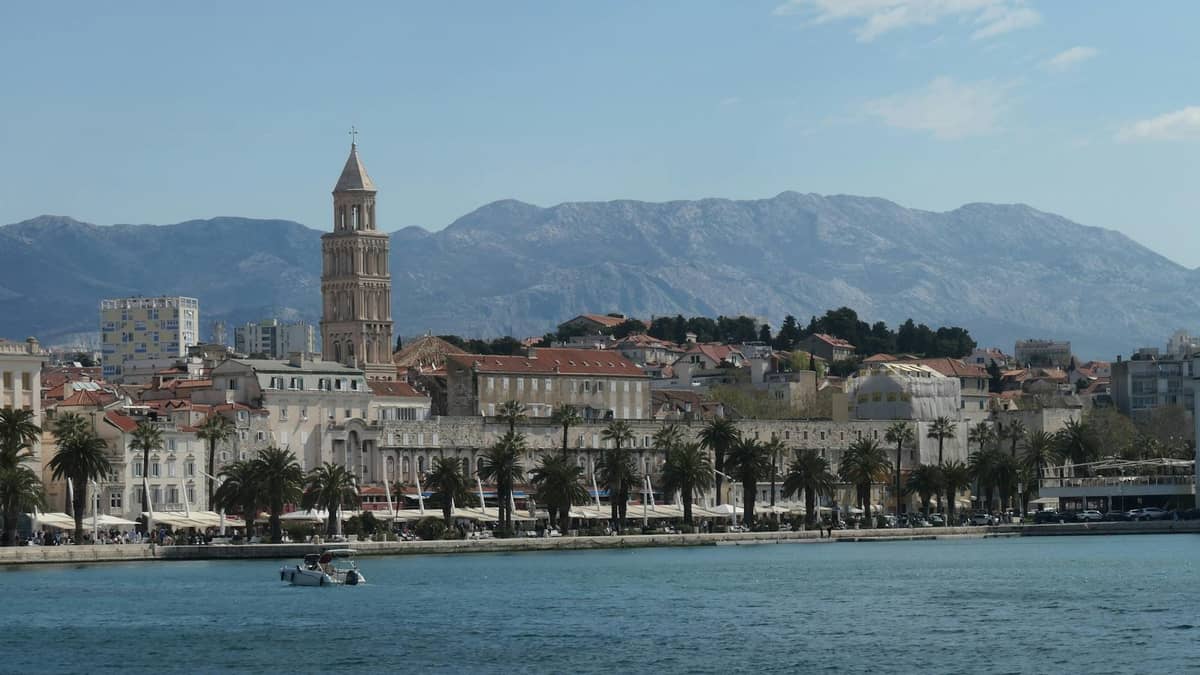
One day covers the main sights inside the palace walls: Diocletian's Cellars, the Cathedral, the Golden Gate, and a walk along the Riva. You can do this comfortably without feeling rushed. But one day gives you a surface reading of the city, and it almost certainly means staying elsewhere and treating Split as a day trip, which is the single most common way people end up underestimating what it offers.
Two to three nights is the practical sweet spot. It gives you the old town in the early morning before the crowds arrive, a half-day on Marjan Hill (the forested peninsula west of the center, with pine-shaded paths and sea views), an evening at Bačvice beach watching locals play picigin, and at least one day trip to an island or national park. Three nights also makes island-hopping logistics straightforward, since the main ferry terminal is a short walk from the old town and connections run frequently in summer.
- 1 day Palace walls, Cathedral bell tower, Riva promenade, Cellars. Achievable but surface-level. Best if you are connecting to an island and want a taste before moving on.
- 2 nights Adds Marjan Hill, Bačvice beach, Pazar market, and one day trip to Krka or a nearby island. This is the minimum for understanding the city.
- 3+ nights Comfortable base for island-hopping. Enough time to find your own rhythm, explore the Varoš neighborhood, and make multiple excursions without rushing.
The Best Time to Visit Split, Croatia
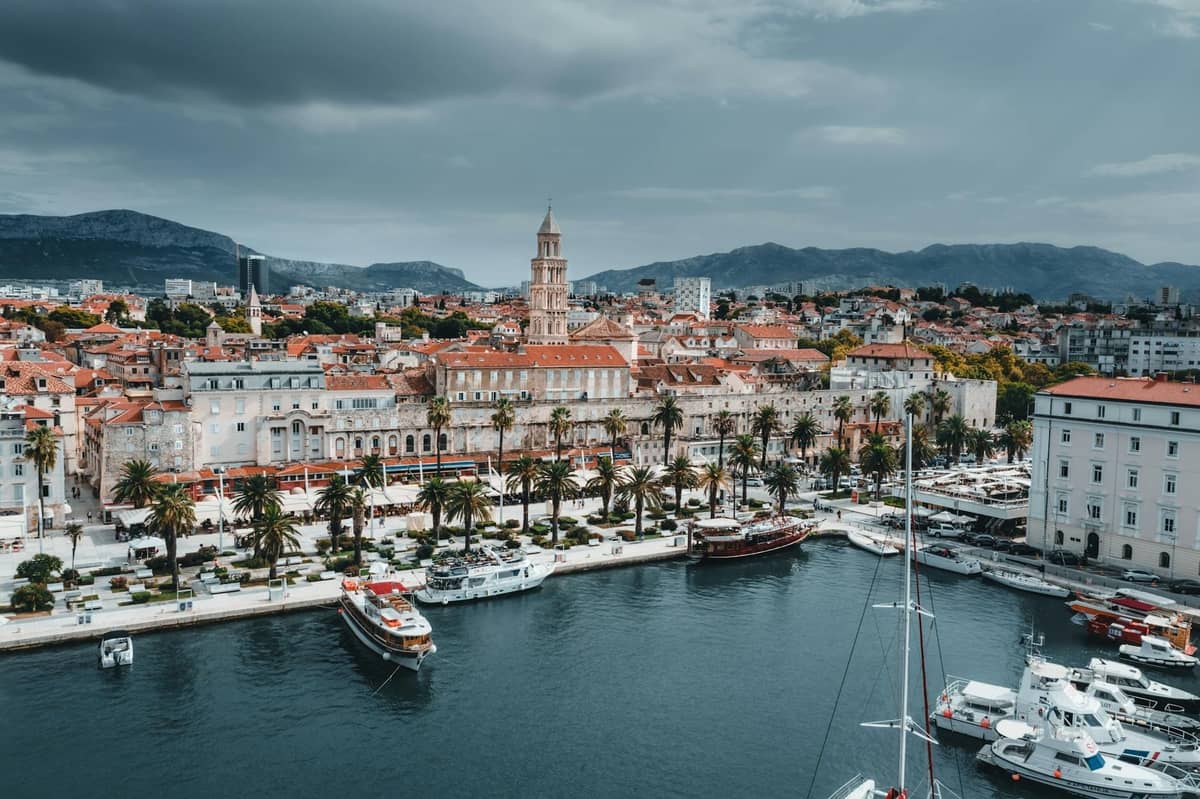
Split has a classic Mediterranean climate: hot, dry summers and mild, wetter winters. July and August bring the highest temperatures, regularly above 30°C (86°F), the most tourists, and the highest accommodation prices. The narrow palace lanes become genuinely difficult to navigate in peak hours, and anywhere with a sea view charges accordingly. If your schedule is locked into peak summer, Split is still worth it, but arrive early in the morning for the old town and accept that evenings on the Riva will be busy.
May, June, and September are objectively better for most visitors. The Adriatic is warm enough to swim from June onward, prices drop noticeably compared to July-August, and the old town has space to breathe. October suits travelers focused on history and food rather than beach time. Winter is underrated: the Split in winter experience is calm, affordable, and genuinely pleasant for mild-weather walks and long dinners without the summer wait times. Restaurants that are fully booked in August are relaxed and welcoming in January.
A note on Croatia in May specifically: this is one of the most consistently recommended windows for visiting Split. The crowds have not arrived in force, the sea is warming up, wildflowers are out on Marjan Hill, and you can secure accommodation without booking six months in advance. Shoulder-season pricing applies at most hotels and apartments, and the city feels like it belongs to its residents again.
ℹ️ Good to know
The Picigin Championship on Bačvice beach runs in June, and the Split Summer festival of theatre, music, and opera fills the Peristyle and other outdoor venues through July and August. The Ultra Europe music festival also draws tens of thousands in July. If any of these events interest you, book accommodation well in advance. If you want to avoid the Ultra crowd, check dates and plan around them.
Split as a Base for Day Trips and Island Hopping
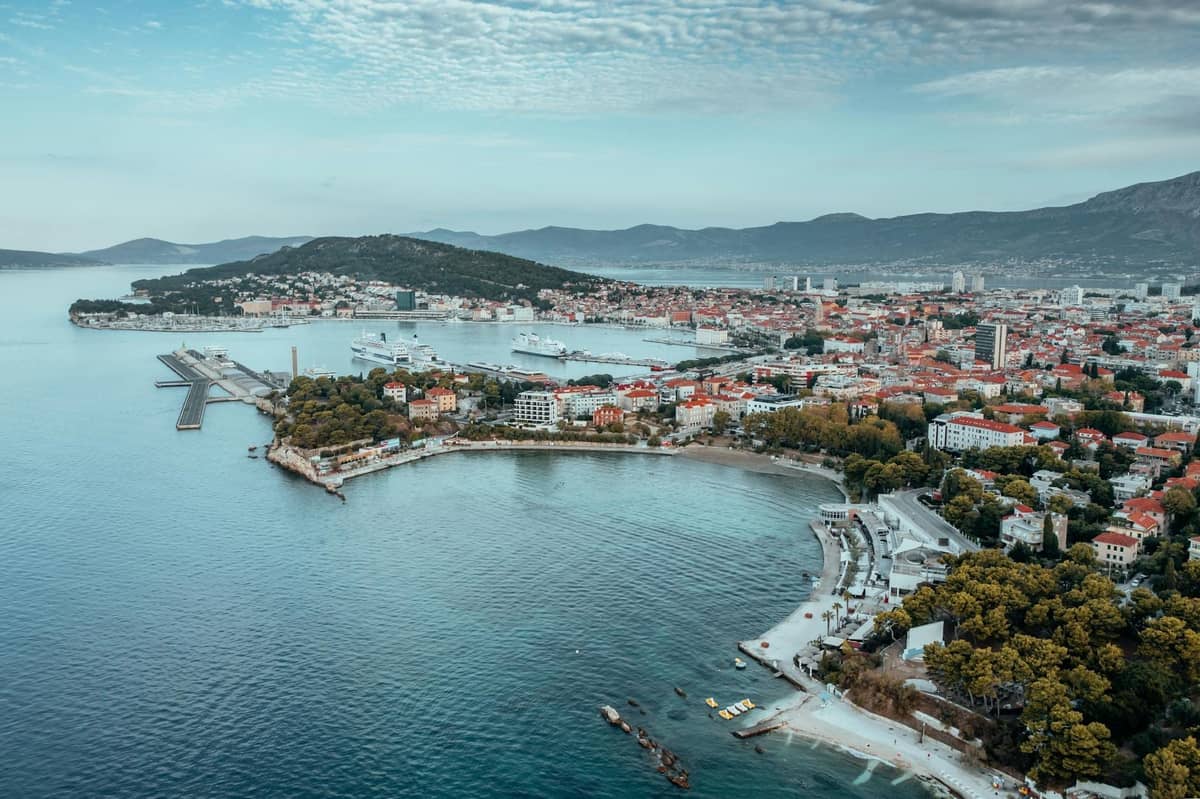
This is where Split makes its strongest case. The city sits at the center of one of the most accessible stretches of the Adriatic, with ferry and catamaran connections running to dozens of islands. Hvar Island is around 60-75 minutes away by fast catamaran. Brač Island and its famous Zlatni Rat beach are even closer at 50-60 minutes by car ferry. For a quieter option, Vis Island is less developed and makes a compelling overnight from Split. All of this operates out of a single terminal that is walking distance from the palace walls.
Inland, the options are equally strong. Krka National Park is around 80km north and reachable in under 90 minutes by organized tour or rental car. Klis Fortress, just 13km from the city center, is a medieval stronghold that appeared as Meereen in Game of Thrones and makes an easy half-day trip by bus or car. For those willing to invest a full day, Plitvice Lakes National Park is around 2.5 hours by road. The Blue Cave on Biševo is accessible via full-day boat tours that typically depart from Split or Hvar.
- Hvar Island: 60-75 minutes by fast catamaran, multiple daily departures in summer, all-day or overnight
- Brač Island: 50-60 minutes by car ferry, ideal for Zlatni Rat beach
- Vis Island: around 2 hours by ferry, quieter and less commercialized
- Krka National Park: ~90 minutes by road or organized tour bus, best as a full day
- Klis Fortress: 20 minutes by bus or car, half-day is plenty
- Blue Cave (Biševo): full-day boat tour, typically booked through Split operators
- Plitvice Lakes: 2.5 hours by road, requires a full day and early start
Honest Drawbacks: When Split Might Not Be Right for You
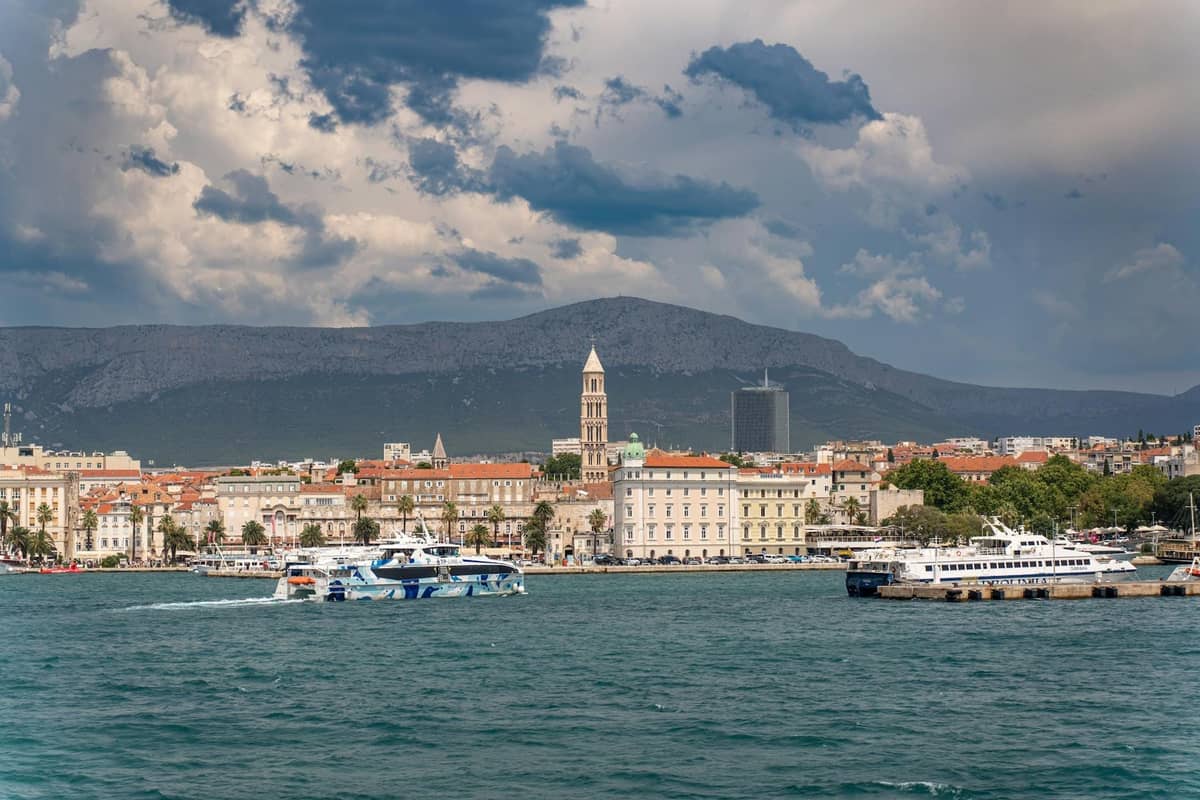
Split is not the right destination for every traveler, and it is worth being direct about that. If your priority is a beach-first holiday, the city itself may feel like a secondary concern. The celebrated beaches of the Dalmatian coast, Zlatni Rat on Brač, the sheltered bays of Hvar and Vis, are not in Split but accessible from it. Bačvice, the main city beach, is a shallow, sandy bay popular with locals for picigin, but it is not the dramatic Adriatic scenery many visitors picture. It is also very busy in summer.
Noise is a real factor if you stay inside the palace walls. Accommodation within the historic core comes with the sounds of a living neighborhood: bars, conversations echoing off stone, and foot traffic late into the evening. This is the price of staying somewhere genuinely interesting. If you need quiet evenings, look at apartments in the Manuš or Varoš neighborhoods just outside the palace core. Both are walkable to everything but considerably calmer after midnight. Parking is also a consistent headache for anyone arriving by car. Budget extra time and expect to use a paid garage.
On cost: Split is significantly cheaper than Dubrovnik, but it is no longer a budget destination in peak season. Restaurant prices in the tourist core are comparable to mid-range cities in Western Europe. Eating one street back from the main tourist routes makes a meaningful difference. For practical strategies on spending less without compromising the experience, the Split on a budget guide covers where locals actually eat, which attractions charge entry and which do not, and how to avoid the tourist-menu trap that catches most first-time visitors.
FAQ
Is Split, Croatia worth visiting for just one day?
You can cover the highlights of Diocletian's Palace, the Cathedral, and the Riva in a single organized day. But one day gives you a surface-level read of the city, not an understanding of it. If you are arriving by cruise ship or as a day tripper from another base, Split is still worthwhile. Just be realistic about depth of experience: you will see the main sights but miss the texture that makes the city distinctive.
Is Split better than Dubrovnik?
They serve different purposes. Dubrovnik is more polished, more expensive, and perfectly preserved, but it functions largely as a tourist experience. Split is a working city with a messier, more authentic character. For historical depth, island access, and overall value, Split edges ahead. For pure visual impact and a tidier experience, Dubrovnik wins. Most visitors to Croatia see both, and that is usually the right approach.
What is the weather like in Split, Croatia?
Split has a Mediterranean climate. Summers are hot and dry, with July and August regularly reaching 30°C (86°F) or above. Spring and autumn, roughly April-May and September-October, are warm at around 18-25°C with occasional rain. Winters are mild by northern European standards, averaging 8-12°C with more rainfall but still many clear days. The Adriatic water is warm enough to swim comfortably from June through September.
Is Split a good base for island hopping in Croatia?
Yes, it is one of the best bases in Croatia for island hopping. The main ferry terminal is central and connects to Hvar, Brač, Šolta, Vis, and further destinations like Korčula. Fast catamarans to Hvar run multiple times daily in summer. Traveling without a car is entirely practical, and most island accommodation is reachable on foot or by local taxi from the ferry dock.
How many days should I spend in Split?
Two nights is the practical minimum for doing the city justice. Three nights is ideal if you want to combine the old town experience with at least one day trip to an island or national park. Longer stays suit slow travelers or those using Split as a home base for multiple island excursions. More than five nights without venturing out is probably too much unless you are going deep on history, food, or the local nightlife scene.