Split in Winter: Is It Worth Visiting Off-Season?
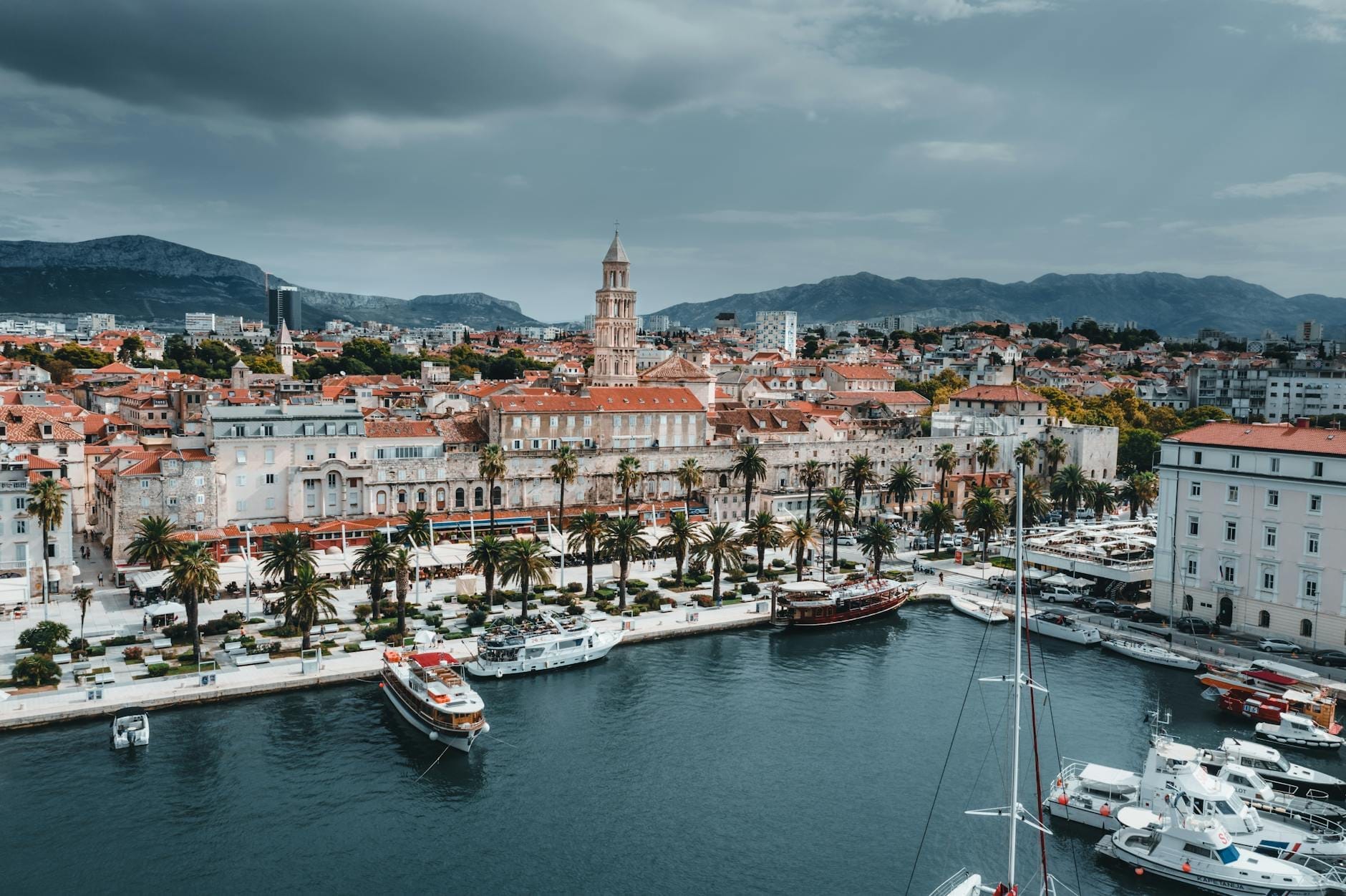
Split, Croatia in winter is a genuinely different destination from its summer self. Fewer crowds, lower prices, and the same UNESCO-listed palace walls — but with real trade-offs around island access, restaurant closures, and unpredictable rain. This guide gives you the full picture.
Plan and book this trip
Tools from our partner Travelpayouts help you compare flights and hotels. If you book through them, we may earn a commission at no extra cost to you.
Flights
Hotels map
TL;DR
- Winter in Split runs November through March, with temperatures between 8°C and 15°C (46-59°F) — mild enough for comfortable sightseeing, too cool for swimming.
- Core attractions including Diocletian's Palace, the Cathedral of Saint Domnius, and the Archaeological Museum stay open year-round.
- Accommodation runs 40-60% cheaper than peak summer, and finding good-value accommodation in Split is far easier in January than July.
- Main trade-offs: reduced ferry schedules to the islands, some restaurant and guesthouse closures, and a wetter period from November through February.
- Late March is the sweet spot: temperatures climb toward 15°C, crowds stay low, and day trips from Split to Krka, Klis, and Trogir become straightforward again.
What the Weather Is Actually Like
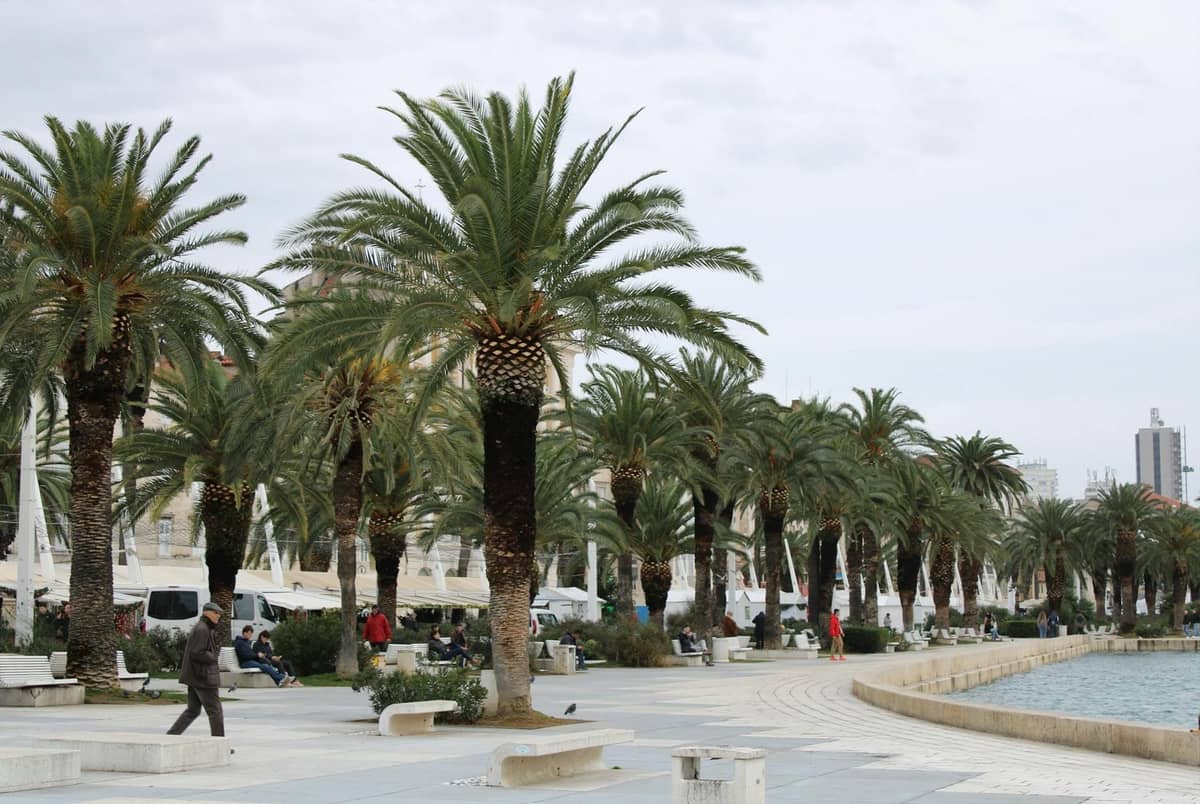
Split sits on the Dalmatian coast with a classic Mediterranean climate, which means winters are dramatically milder than anywhere in central or northern Europe. November averages around 10-12°C (50-54°F). December and January are the coldest months, typically 8-10°C (46-50°F). By March, warmer days push 13-15°C (55-59°F). Snow at sea level is genuinely rare and usually disappears within hours when it does fall.
Rain is the bigger variable. Dalmatia's wet season runs roughly October through February, with December and January the dampest months. Expect a mix of overcast days, brief showers, and stretches of crisp winter sunshine. This is not the unbroken grey of northern Europe — clear winter days in Split are common and genuinely beautiful — but you should not plan an outdoor-heavy itinerary expecting reliable skies. A packable waterproof jacket is non-negotiable.
ℹ️ Good to know
The bura, a sharp cold wind from the northeast, occasionally sweeps through Split in winter and can make temperatures feel 5-7°C colder than the thermometer reads. It usually passes within 24-48 hours. Check forecasts before planning a hike on Marjan Hill or a visit to open-air sites like Salona.
Winter daylight hours are more practical than you might expect. December gives you 9-10 hours of usable light — enough to cover the Old Town, the Riva, and a museum or two in a single day. By late February, days stretch to 11-12 hours, and the quality of light for photography is exceptional: warm, low-angled, and flattering in a way that the harsh overhead glare of July never is.
What to Do in Split During Winter
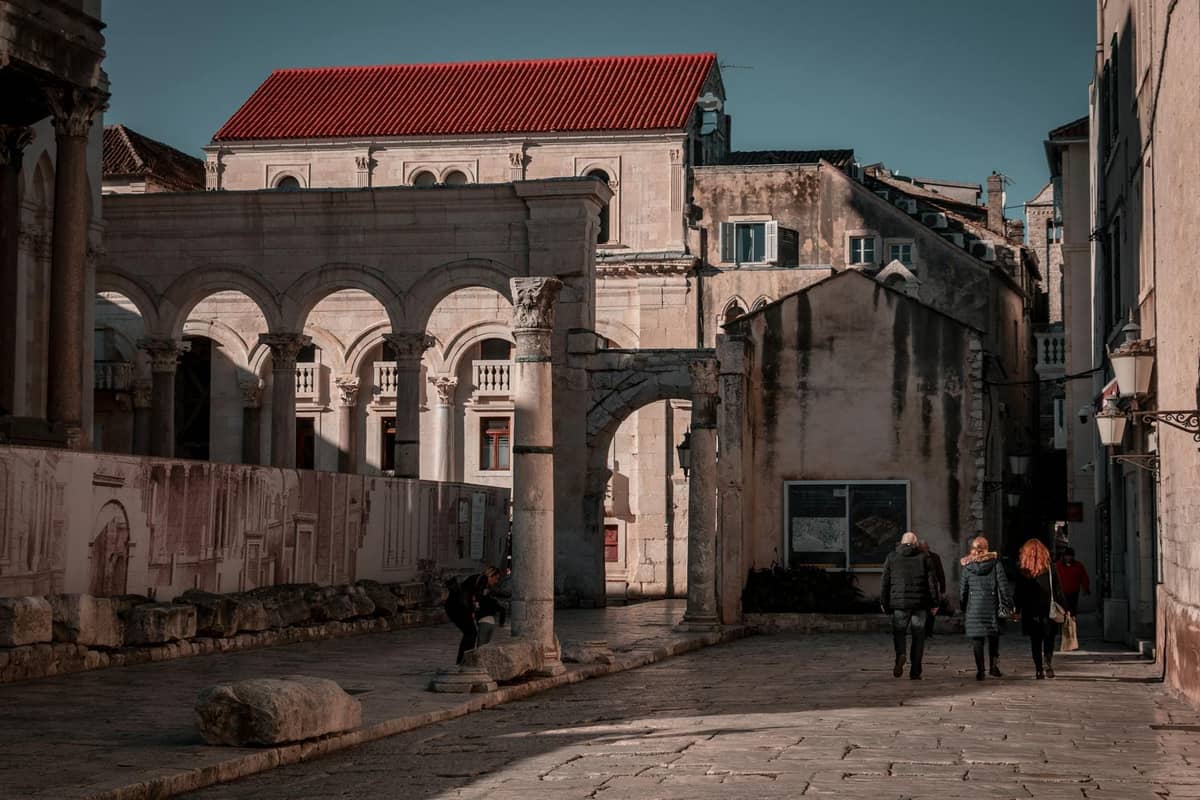
Split's core appeal is architectural and cultural, not beach-dependent, which means winter barely dents the main agenda. Diocletian's Palace is a UNESCO World Heritage Site that functions as a living neighbourhood year-round — restaurants, apartments, churches, and workshops all operating inside 1,700-year-old Roman walls. In January, you can walk its narrow stone lanes without navigating tour groups, watch locals hang laundry from Roman arches, and find a bakery open at 7am. That version of the palace simply does not exist in summer.
- Diocletian's Cellars Open year-round with reduced winter hours. These underground vaults, which inspired Game of Thrones set design, are far easier to appreciate without summer crowds pressing through every corridor. Verify hours directly before visiting.
- Cathedral of Saint Domnius and Bell Tower One of the oldest cathedrals in continuous use in the world. Climbing the bell tower in winter gives you unobstructed Adriatic views with no queue and no wait.
- Archaeological Museum Split One of Croatia's oldest museums, with a strong Greco-Roman collection. Winter hours are typically reduced — confirm before visiting.
- Meštrović Gallery The former home and studio of sculptor Ivan Meštrović, about 3km west of the Old Town. Seasonal closures have been reported, so verify hours directly before planning a visit.
- Marjan Hill The forested hill above the city is genuinely better in cooler weather. Trails are well-marked, views extend to the islands on clear days, and you will almost certainly have the paths to yourself.
- Pazar Market The open-air market just east of the Golden Gate runs most mornings year-round. Local produce, olive oil, and lavender products at non-tourist prices — and a useful window into ordinary Split life.
For a structured way to cover the major sites efficiently, Split's Old Town walking tour works in any season. Winter guides tend to be more knowledgeable and less rushed than peak-season operators running multiple large groups per day.
⚠️ What to skip
Island day trips from Split are significantly limited in winter. Ferry services to Hvar, Brač, and Vis run on reduced schedules from October to May, and some routes are weather-dependent and may be cancelled at short notice. If island hopping is central to your trip, winter is the wrong season. Check current timetables on the Jadrolinija website before making any plans.
The Real Cost Difference: Winter vs. Summer Prices
The price gap between winter and summer in Split is substantial, not marginal. A mid-range apartment in or near the Old Town that costs €150-200 per night in July can often be found for €50-80 in January. Higher-end boutique hotels that are fully booked months in advance in summer frequently have same-week availability in winter. For longer stays, weekly rates from property owners often drop further.
Restaurants that stay open year-round tend to be the better, more locally-oriented ones. The tourist-facing spots around the Riva either close or go quiet, reservations are rarely needed, and staff have time to actually talk to you. Menus sometimes shrink slightly as fresh seafood availability shifts, but staples like peka (slow-cooked meat and vegetables under a traditional bell cover) and fresh pasta dishes remain available. Lunch at a good local konoba typically runs €12-20 per person for two courses.
- Accommodation: 40-60% cheaper than peak summer rates across most categories
- Flights: Budget carriers including Ryanair and easyJet often list very low fares to Split Airport (SPU) in January and February — though direct routes are fewer than in summer
- Tours and activities: Small-group tours are the norm in winter; some operators discount rates further to maintain business
- Dining: Prices at restaurants don't change dramatically, but the experience improves significantly when kitchens focus on regulars rather than tourist turnover
Day Trips from Split in Winter
Several of Split's best excursion destinations are actually more enjoyable in cooler months. Klis Fortress, the dramatic medieval stronghold 13km north of the city, rewards winter visits with panoramic views that summer haze often obscures. On a clear January day, you can see across the split between the Dinaric Alps and the Adriatic with exceptional clarity. Small-group tours operate through winter, and the site is uncongested.
The Roman ruins at Salona (Solin) — once the capital of Roman Dalmatia, about 5km north of Split — are best explored in cooler weather. The site is largely open-air and covers significant ground: amphitheater ruins, early Christian basilicas, and city walls spread across a wide area. Doing it in 30°C summer heat is genuinely unpleasant. In winter, you can take your time and actually absorb what you are looking at.
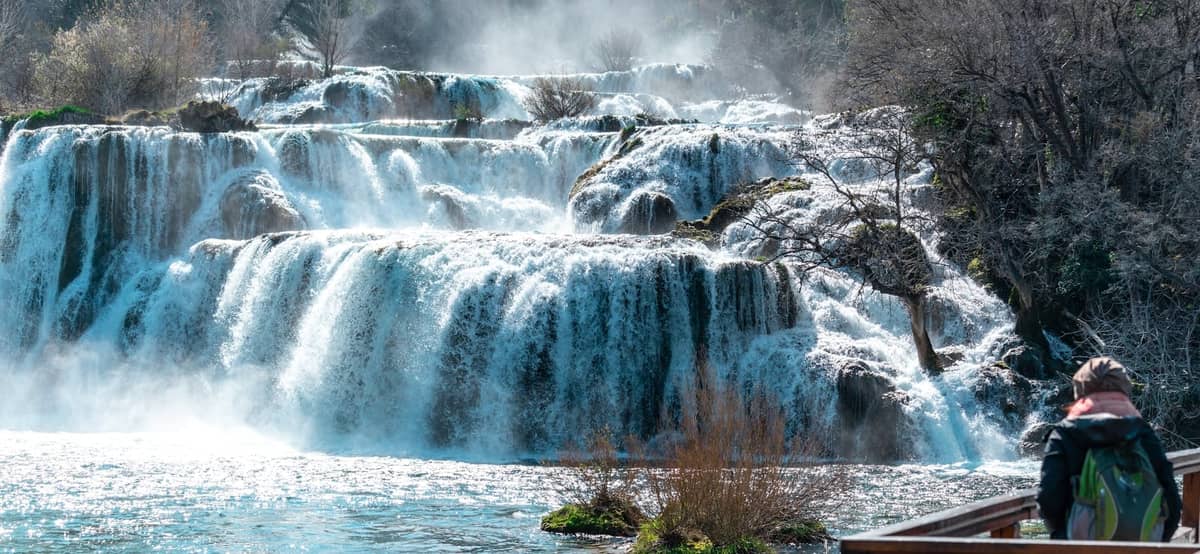
Krka National Park stays open year-round, though the famous swimming areas are closed outside summer. The waterfalls are arguably more photogenic in winter when water levels are high and visitor numbers are low. Check road conditions and weather before going, as access routes can be affected by heavy rain.
✨ Pro tip
Trogir, the compact medieval town on an island connected by bridge about 27km north-west of Split, is one of the best winter half-day trips. Local bus Line 37 runs year-round, takes around 30 minutes, and costs very little. The UNESCO-listed old town is almost entirely walkable in an afternoon, most of its core churches and historic buildings are open year-round, and the place feels genuinely inhabited rather than staged. It is one of the few places in Croatia that actually improves in winter.
Who Should Visit Split in Winter (and Who Should Wait)
Winter in Split suits a specific type of traveler well: someone whose priority is culture, history, and architecture rather than beaches and parties; someone comfortable with an unpredictable weather day or two; and someone who actively prefers a city operating at normal local pace. It also works well for slow travelers planning a week or more, digital nomads seeking an affordable, well-connected European base, and anyone building a broader Croatia itinerary who wants to skip the school-holiday crush entirely.
It is the wrong choice if your trip depends on beach time, island hopping, or the social scene covered in Split's nightlife guide. Most beach bars, outdoor club spaces, and late-night venues shut from October to May. The city's energy in winter is local and low-key — which is exactly the appeal for some people, and a genuine disappointment for others. Be honest with yourself about which category you are in before booking.
Families should note that Split with kids in winter can still work well for older children interested in Roman history and architecture, but the beach-and-pool component that makes summer visits easy with younger children is absent. The compact, walkable Old Town helps, but rainy days require a backup plan.
Practical Tips for Visiting Split in Winter
Split Airport (IATA: SPU) operates year-round, though with significantly fewer direct routes than in summer. Winter connections typically run through Zagreb, London, Frankfurt, and Amsterdam. Bus connections from other Croatian cities remain strong throughout winter. The main bus station sits adjacent to the ferry terminal, about a 10-minute walk east of the Old Town — convenient for both arriving and planning excursions.
- Stay in the Old Town or the Varoš district just west of it — in winter, proximity to everything matters more when weather is unpredictable
- Layer up rather than relying on a single heavy coat: temperature swings between sunny and overcast periods can reach 5-8°C within a single afternoon
- Carry cash — some smaller cafes and local shops in Split operate cash-only, particularly in the low season when fewer card terminals are active
- Croatian public holidays around Christmas, New Year, and Epiphany (early January) mean some businesses and museums close — check dates before scheduling museum visits
- The Pazar market just east of the Golden Gate runs most mornings year-round and is the most practical place to buy local produce, olive oil, and lavender products at honest prices
- Croatia uses the Euro (EUR) and Type C/F electrical plugs at 230V — bring a universal adapter if needed
- Emergency number in Croatia: 112
For a full month-by-month breakdown of what Split is like across all seasons, the best time to visit Split guide covers crowd levels, weather data, and event calendars in detail. If you are still choosing between winter and shoulder season, late March to early May typically delivers the best balance of mild weather, manageable crowds, and fully open attractions — without the price premium of high summer.
FAQ
Is Split worth visiting in winter?
Yes, for the right traveler. If your focus is history, architecture, and experiencing a Croatian city as locals actually use it, Split in winter is genuinely rewarding. Prices are lower, crowds at key sites like Diocletian's Palace and the Cathedral of Saint Domnius are minimal, and the overall pace is slower in the best sense. The main trade-offs are limited island access, some restaurant and venue closures, and the chance of rainy stretches in December and January.
What is the weather like in Split in winter?
Split has a Mediterranean climate, so winters are mild by European standards. Temperatures range from around 8-10°C (46-50°F) in December and January to 13-15°C (55-59°F) by March. Rain is the main concern, particularly from November through February. Snow at sea level is rare and short-lived. Clear sunny days are common between rain spells, and temperatures are generally comfortable for walking and outdoor sightseeing — particularly with layers.
What attractions are open in Split in winter?
Most major cultural sites stay open year-round: Diocletian's Palace as a living neighbourhood is always accessible, Diocletian's Cellars, the Cathedral of Saint Domnius and its bell tower, and the Archaeological Museum all operate in winter, typically with reduced hours. The Meštrović Gallery is usually open but has had seasonal closures in the past — verify directly before visiting. Beach clubs, most island ferry routes, and outdoor summer venues are closed.
How much cheaper is Split in winter compared to summer?
Accommodation typically runs 40-60% cheaper in the winter low season compared to July and August peak rates. Budget airline fares to Split Airport (SPU) are often at their lowest in January and February. Restaurant prices don't change dramatically, but the overall trip budget for a week in Split can be substantially lower in winter — accommodation being the single biggest variable.
Can you do day trips from Split in winter?
Yes, several work well. Klis Fortress, the Roman ruins at Salona (Solin), and the medieval town of Trogir are all accessible year-round and often better in cooler months with fewer visitors. Krka National Park stays open in winter though swimming is not permitted. The main limitation is islands — ferry services to Hvar, Brač, and Vis run on reduced winter schedules and can be cancelled due to weather. Check Jadrolinija timetables before planning.