Split with Kids: The Complete Family Travel Guide to Split, Croatia
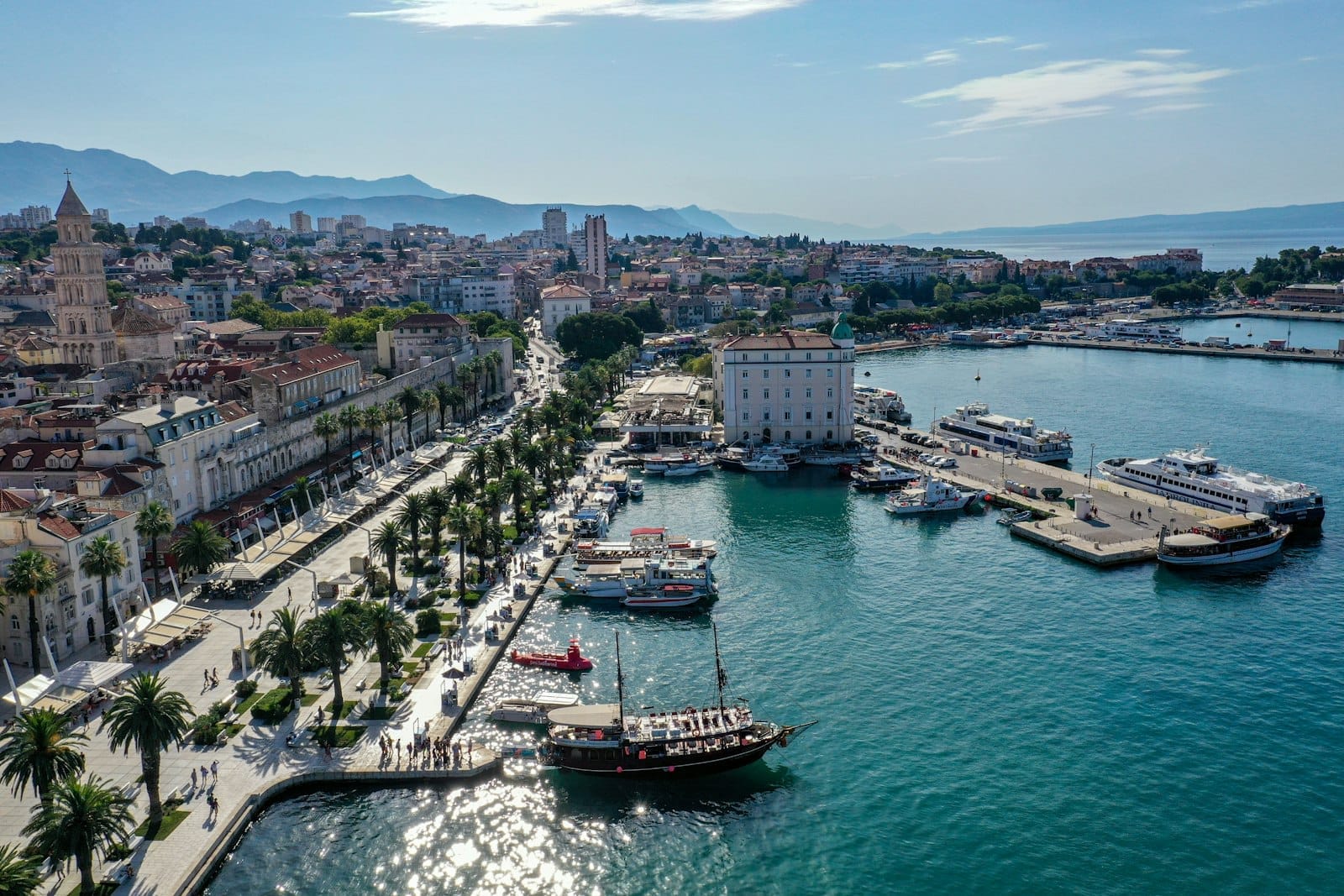
Split, Croatia is one of the Adriatic's most rewarding family destinations, blending a UNESCO Roman palace, sandy-bottom beaches, and easy island day trips into a trip that works for all ages. This guide covers the best family attractions, seasonal planning, day trip logistics, and honest tips on what to skip.
Plan and book this trip
Tools from our partner Travelpayouts help you compare flights and hotels. If you book through them, we may earn a commission at no extra cost to you.
Flights
Hotels map
TL;DR
- Diocletian's Palace is surprisingly great for kids: maze-like alleys, a climbable bell tower, and the famous toe-touching ritual at the Gregorius of Nin statue.
- Žnjan and Bačvice beaches have shallow, calm water that works well for young children and non-swimmers.
- Marjan Hill offers shaded trails, sea views, and playgrounds within walking distance of the old town.
- Split works year-round: summer is beach season, but winter brings Christmas markets, ice-skating, and far smaller crowds. See our best time to visit Split guide for a full seasonal breakdown.
- Ferry day trips to Brač and Hvar take 1-2 hours and add serious variety to a family itinerary without complicated logistics.
Why Split Works Well for Families
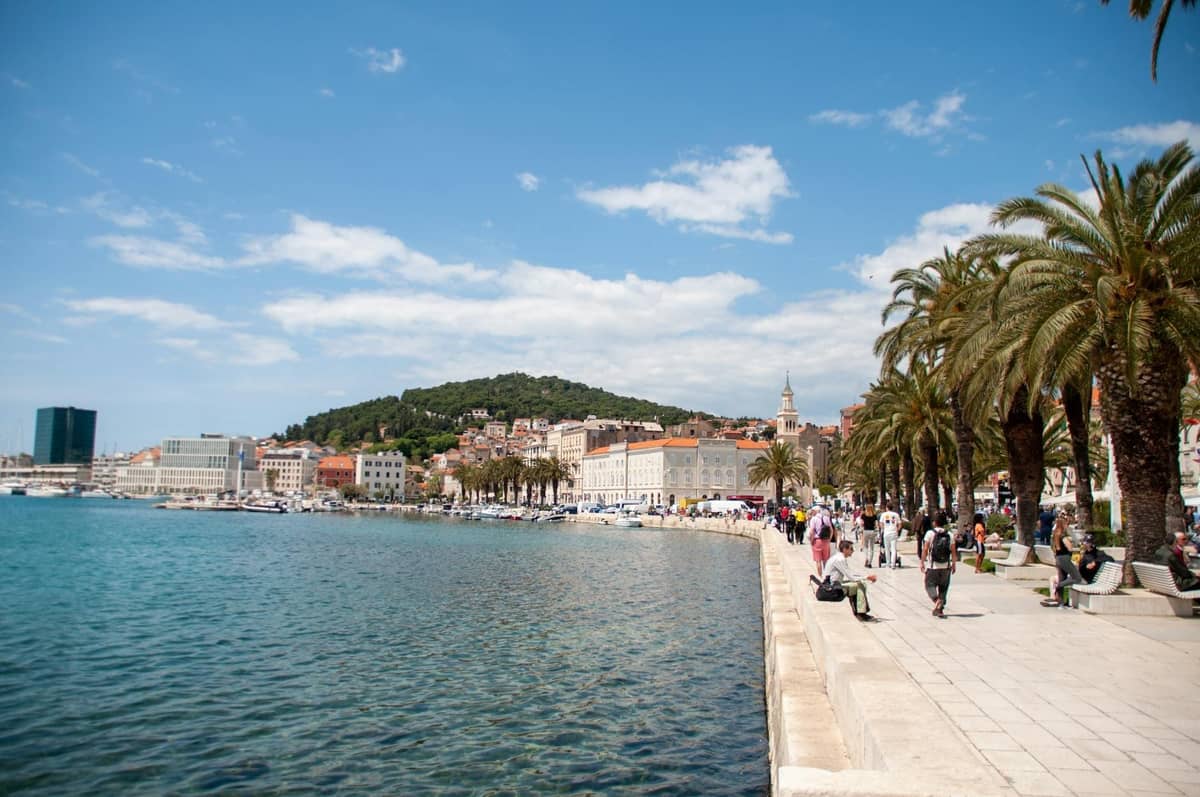
Split, Croatia punches well above its size as a family destination. Most of the city's best attractions are within a compact area around the old town peninsula, which means less time in taxis and more time exploring. The Adriatic water is calm, warm from late June through September, and generally very clear. Croatian culture is genuinely child-friendly: children are welcome in restaurants at any hour, locals are patient with slow-moving pushchairs on cobblestones, and the overall pace is relaxed enough to avoid the frantic energy that exhausts kids in bigger cities.
That said, the old town's cobblestones are uneven and some alleys inside Diocletian's Palace are steep and slippery after rain. A lightweight, foldable stroller handles better than a bulky travel system here. Parents of toddlers should plan for frequent unscheduled stops, because the maze of lanes genuinely fascinates small children in a way that no museum can replicate.
💡 Local tip
Stay within walking distance of the Riva promenade or the palace itself. The compact geography is the biggest practical advantage Split has over larger Croatian cities. A well-located apartment saves enormous amounts of daily logistics with young children.
The Best Family-Friendly Attractions in Split
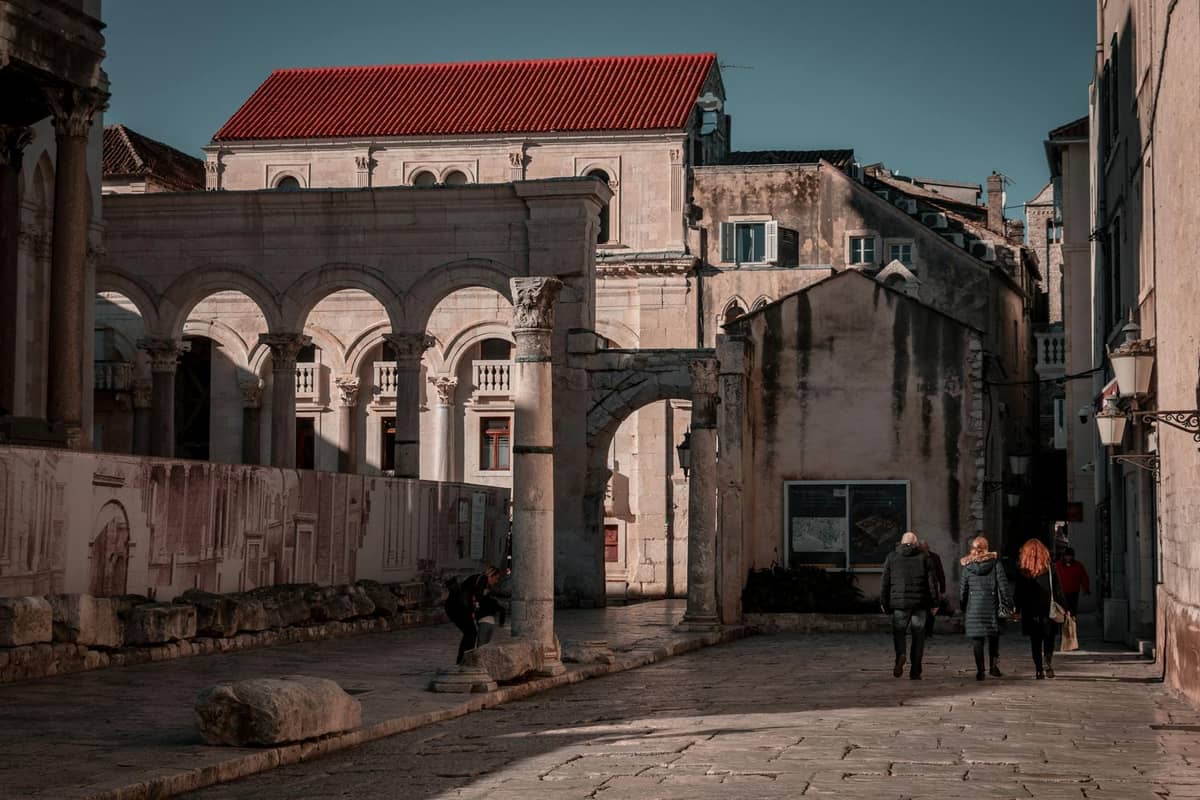
The historic core of Split is the most distinctive thing you can show children in all of Dalmatia. Diocletian's Palace is not a roped-off museum: it is a functioning neighborhood where people live, work, and socialize inside walls built in the early 4th century AD. Children respond to this in a way adults often underestimate. The underground Diocletian's Cellars are genuinely atmospheric, slightly spooky, and well worth the small entry fee. Give kids a phone or camera and let them document the carved stone details.
The Cathedral of Saint Domnius bell tower is climbable via a narrow spiral staircase, and the rooftop view over the palace and harbor is one of the best payoffs in the city for the effort. Children old enough to handle steep stairs (roughly 6 and up) will find it genuinely exciting. Before leaving the palace area, find the Gregorius of Nin statue near the Golden Gate: rubbing the statue's oversized toe is a local tradition said to bring good luck, and kids love it.
- Diocletian's Palace Maze Free to wander the alleys. Budget 1-2 hours for a leisurely family exploration with stops for ice cream.
- Diocletian's Cellars Entry fee applies (verify current prices at visitsplit.com). Atmospheric underground chambers that hold children's attention well.
- Bell Tower of St. Domnius Climbable tower with harbor views. Best for children aged 6+ due to steep, narrow stairs. Separate entry fee.
- Natural History Museum Interactive exhibits on Adriatic marine life and regional bugs. A reliable rainy-day option in the old town.
- Marjan Hill trails and playgrounds Shaded pine forest with marked walking paths, sea viewpoints, and playground areas. Free and accessible by foot from the city center.
Marjan Hill is the city's green lung: a forested park rising from the western edge of the peninsula with trails for all fitness levels and sweeping views across the islands. The lower paths near Sustipan and Zvončac have pebble beaches for paddling, picnic spots, and shade even in August. There used to be a small zoo in the park, but it has been closed for several years, and the gentle gradients on the lower trails make it accessible for younger children on foot or in a carrier.
Beaches: Where to Take Kids in Split
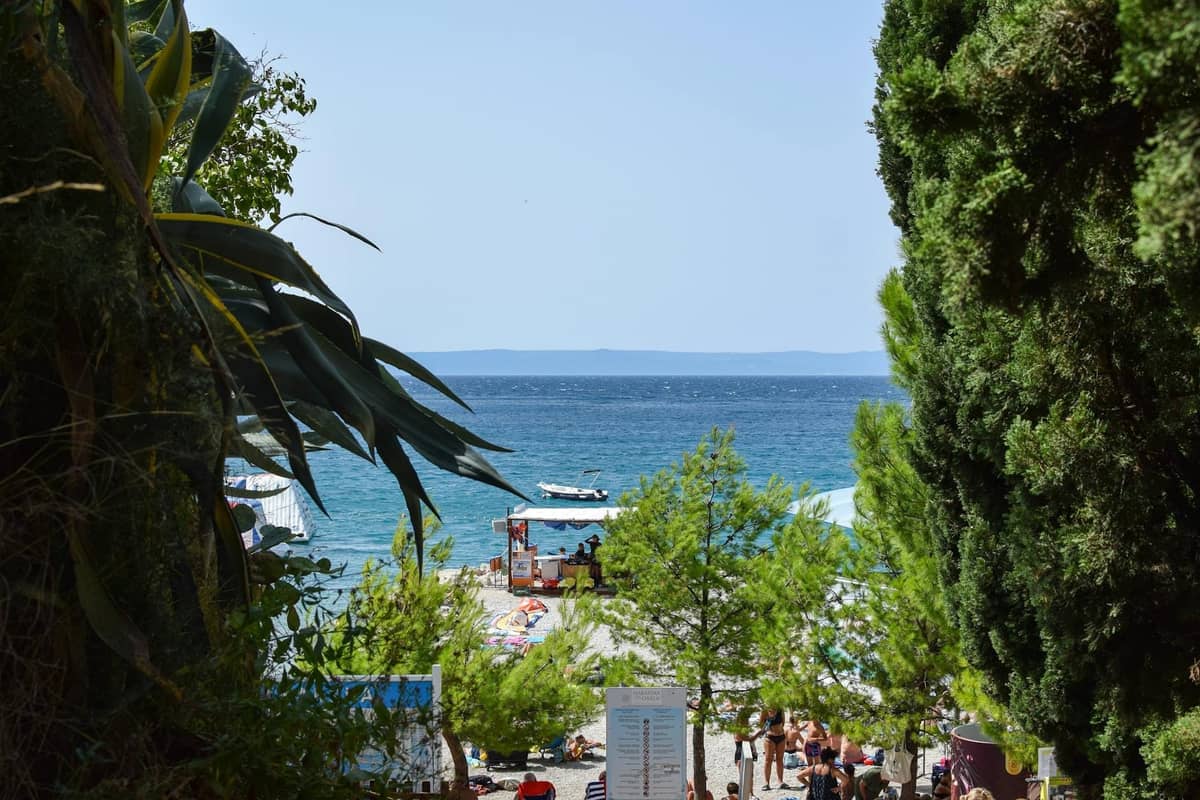
Beach selection makes or breaks a family beach day. Žnjan beach is the best overall choice for families with young children: it has a sandy bottom that transitions to shallow water gradually, facilities including showers and beach bars, and enough space to spread out even in peak season. It sits about 4 km east of the old town, easily reached by city bus.
Bačvice beach is the most famous beach in Split and sits just a 10-minute walk from the Riva promenade. It is known as the home of picigin, a traditional Croatian beach game played in ankle-deep water that looks like a cross between volleyball and juggling. The water is genuinely shallow here, which makes it safe for small children. The beach gets crowded in July and August, so arrive before 10am or after 5pm to secure space. Kasjuni, on the southern side of Marjan Hill, is quieter, more sheltered, and a better option for families who prefer fewer crowds.
⚠️ What to skip
Croatia's famous pebble and rock beaches can be painful for children who aren't used to them. Aqua shoes are worth packing for any beach visit outside of Žnjan and Bačvice, which have softer seabeds. Most beach shops in Split sell them, but prices are higher than online.
Day Trips from Split with Kids
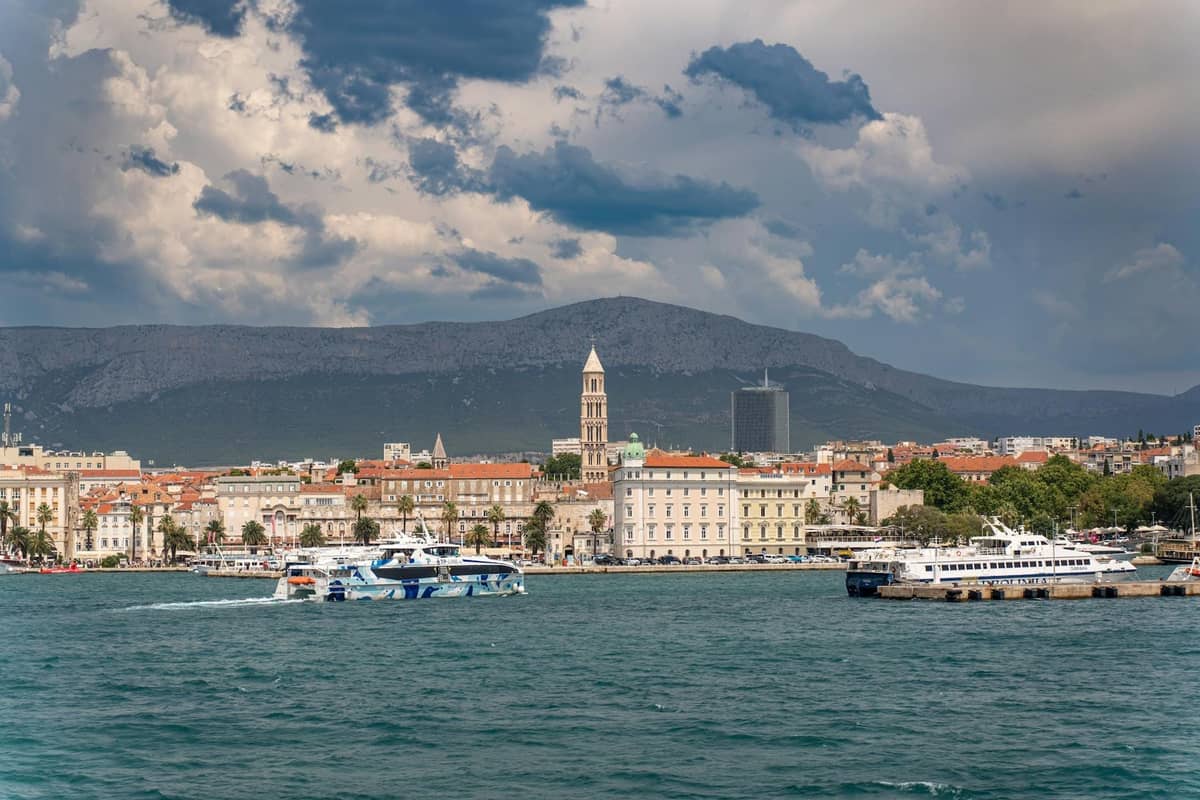
Split's position as the main ferry hub of Dalmatia is one of its greatest practical advantages for families. The islands are close, the ferries run frequently in summer, and the experience of crossing the Adriatic on a car ferry is itself an event that children enjoy. Brač island is the easiest day trip: the ferry from Split takes around 50 minutes to Supetar, and from there a local bus connects to Bol, home of Zlatni Rat, one of the most photographed beaches in Croatia. The distinctive horn-shaped spit shifts direction with the currents and the water on both sides is clear and swimmable.
Hvar island takes around 1 hour by catamaran from Split and offers a charming old town, calm harbor beaches, and a hilltop fortress that children can explore. The island has a reputation as a nightlife destination, but families who visit during the day or stay in quieter villages like Stari Grad find it perfectly comfortable. For a more nature-focused day, the Krka National Park day trip is excellent: the cascading waterfalls at Skradinski Buk are visually spectacular, and swimming is no longer permitted directly below them (check current park rules before visiting, as policies can change).
✨ Pro tip
Book Jadrolinija ferry tickets in advance during July and August if you are traveling with a car. Foot passenger tickets are easier to get on the day, but popular crossings to Brač and Hvar fill up early. Check jadrolinija.hr for schedules and booking.
Seasonal Planning: When to Visit Split with Kids
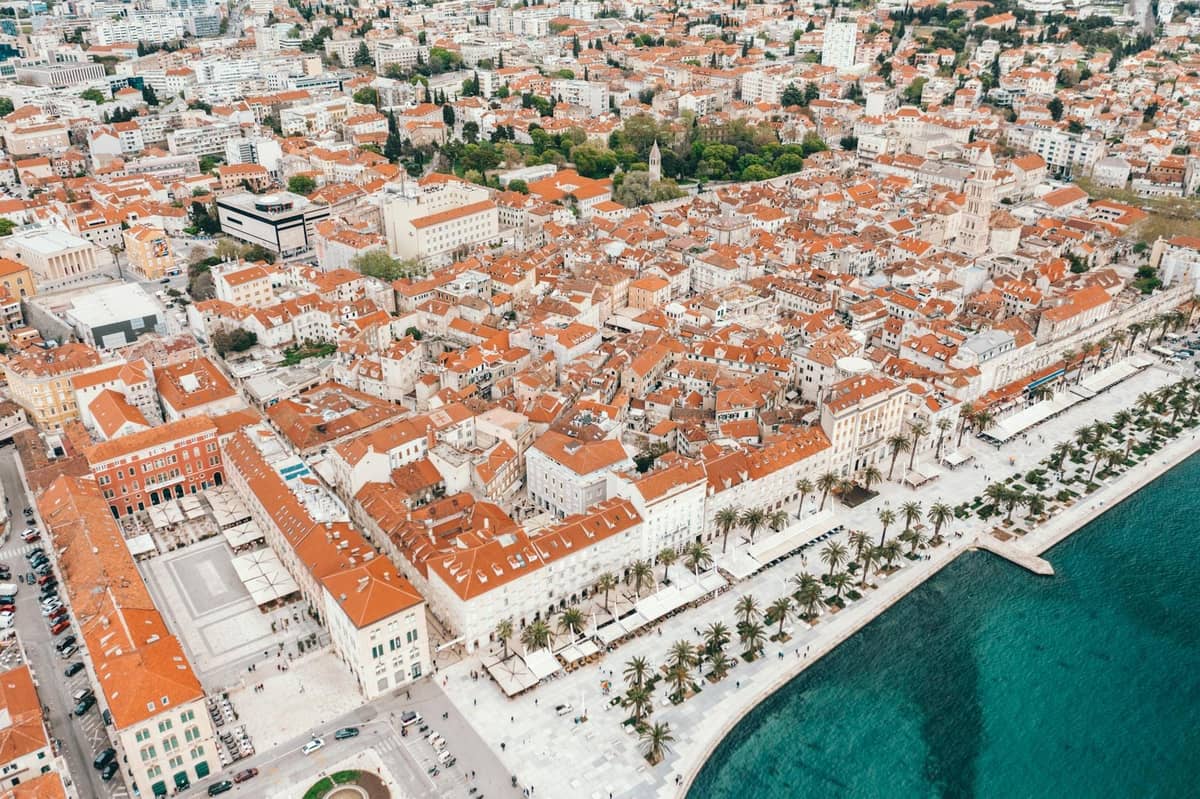
The assumption that Split is a summer-only destination is one of the most common planning mistakes families make. Each season has a genuinely different character, and some months are arguably better for families than the peak July-August period.
- June and early September The sweet spot for families. Sea temperatures are warm enough for comfortable swimming (around 22-24°C), crowds are noticeably smaller than August, and accommodation prices are lower. School holiday timing varies by country, but these shoulder months offer the best balance of weather and practicality.
- July and August Peak beach season with sea temperatures reaching 26-27°C. Maximum crowds in the old town and on popular beaches. Accommodation prices are at their highest. The Riva and palace alleys can feel overwhelming with a pushchair in peak hours. Compensated by the widest selection of boat tours, water sports, and island ferry connections.
- October and November Sea swimming ends for most people. The city slows down dramatically but remains pleasant for sightseeing. Museums are less crowded and most restaurants are still open. Not recommended if beaches are your primary goal.
- Winter Advent season (November to January) Split runs a Christmas market on the Riva with ice-skating, Santa events, and fritule (small fried doughnuts dusted with powdered sugar). Genuinely good for families with children aged 4-10 who enjoy festive atmosphere. Temperatures are mild by Northern European standards, typically 8-14°C.
For a full breakdown of what each month looks like in terms of weather, crowds, and events, the best time to visit Split guide covers this in detail. If you are specifically planning around summer, the Split in summer guide gives practical advice on managing heat and crowds with children.
Practical Family Travel Tips for Split
English is widely spoken in Split's tourist areas, so language is rarely a barrier. Most restaurants post menus in English, and staff at accommodation, attractions, and ferry terminals are accustomed to international visitors. The Euro is the currency since Croatia joined the Eurozone in January 2023, which simplifies budgeting for most European visitors.
Getting around the city with children is straightforward. The old town is walkable, and the city bus network (run by Promet Split) covers outer beaches like Žnjan efficiently. Taxis and ride-hailing apps operate in the city. For a broader orientation on transport options, the getting around Split guide covers routes and costs. Note that the narrow lanes inside the palace are technically pedestrian-only, which makes the immediate old town area safe for children on foot, but the surrounding roads require attention.
- Pack aqua shoes for any beach visit beyond the main sandy beaches.
- Bring a lightweight carrier or compact stroller: cobblestones make bulky prams difficult.
- Sunscreen and hats are non-negotiable from May through September. Shade is limited on most beaches at midday.
- The old town has multiple ice cream and snack options at every turn: factor this into your budget and your schedule.
- Croatia's emergency number is 112. Tap water in Split is safe to drink.
- Children are welcome in virtually all restaurants at any hour. Eating with kids is genuinely relaxed here compared to many European cities.
Families looking to keep costs under control will find Split manageable. The beaches, Marjan Hill, the Riva promenade, and the palace alleys are all free to explore. Museum entry fees are generally modest. For a more detailed approach, the Split on a budget guide includes family-relevant tips on where to eat affordably and which paid attractions are worth it.
FAQ
Is Split, Croatia good for families with young children?
Yes. Split is compact, walkable, and genuinely child-friendly. Croatian culture welcomes children in public spaces and restaurants. The beaches at Žnjan and Bačvice are safe for young swimmers, the old town is endlessly explorable, and Marjan Hill offers green space close to the center. The main challenge for families with toddlers is the cobblestone terrain in the old town, which makes strollers less practical than a carrier.
What is the best beach in Split for kids?
Žnjan is the top pick for families: it has a sandy seabed, shallow entry into the water, beach facilities, and enough space even in peak season. Bačvice is the most central option with very shallow water and the fun local game of picigin to watch. For something quieter, Kasjuni on the western side of Marjan Hill is sheltered and less crowded.
What age is Diocletian's Palace suitable for?
All ages. Toddlers enjoy the maze of alleys at ground level. The underground Cellars are accessible and atmospheric. The Cathedral bell tower is best for children aged 6 and over due to steep, narrow stairs. The Gregorius of Nin statue toe-touching ritual is a reliable crowd-pleaser for children of any age.
Is Split worth visiting with kids outside of summer?
Absolutely. The winter Advent season from late November through January offers ice-skating, Christmas markets, and local food stalls on the Riva. June and early September offer warm swimming water with significantly fewer crowds than July and August. The museums and Marjan Hill are enjoyable year-round regardless of beach conditions.
How easy are ferry day trips from Split with children?
Very manageable. The main ferry terminal is central and well-organized. Brač takes around 50 minutes and is the simplest day trip. Hvar is around 1 hour by catamaran. Both routes run multiple times daily in summer. Book tickets through jadrolinija.hr in advance for July and August crossings, especially with a car. Foot passengers generally have more flexibility on the day.