Best Time to Visit Split, Croatia: A Month-by-Month Breakdown
Split rewards travelers differently depending on when they arrive. This guide breaks down every season, from the shoulder-season sweet spots of June and September to the realities of peak summer and the quiet appeal of winter, so you can choose the right time for your trip.
Plan and book this trip
Tools from our partner Travelpayouts help you compare flights and hotels. If you book through them, we may earn a commission at no extra cost to you.
Flights
Hotels map
TL;DR
- June and September are the strongest overall months: warm weather, swimmable sea, and crowds that are manageable rather than overwhelming.
- July and August deliver maximum beach weather and nightlife, but expect high prices, packed streets inside Diocletian's Palace, and accommodation that books out months in advance.
- October is the most underrated month: golden light, a sea still above 20°C, and prices that can be 40-50% lower than August.
- Winter suits budget travelers and history lovers. Key museums and the Palace stay accessible, but island ferry frequency drops significantly.
- For day trips from Split to Krka or Plitvice, May, June, or September avoids the trail congestion that peaks in August.
Split's Climate: What You're Actually Dealing With
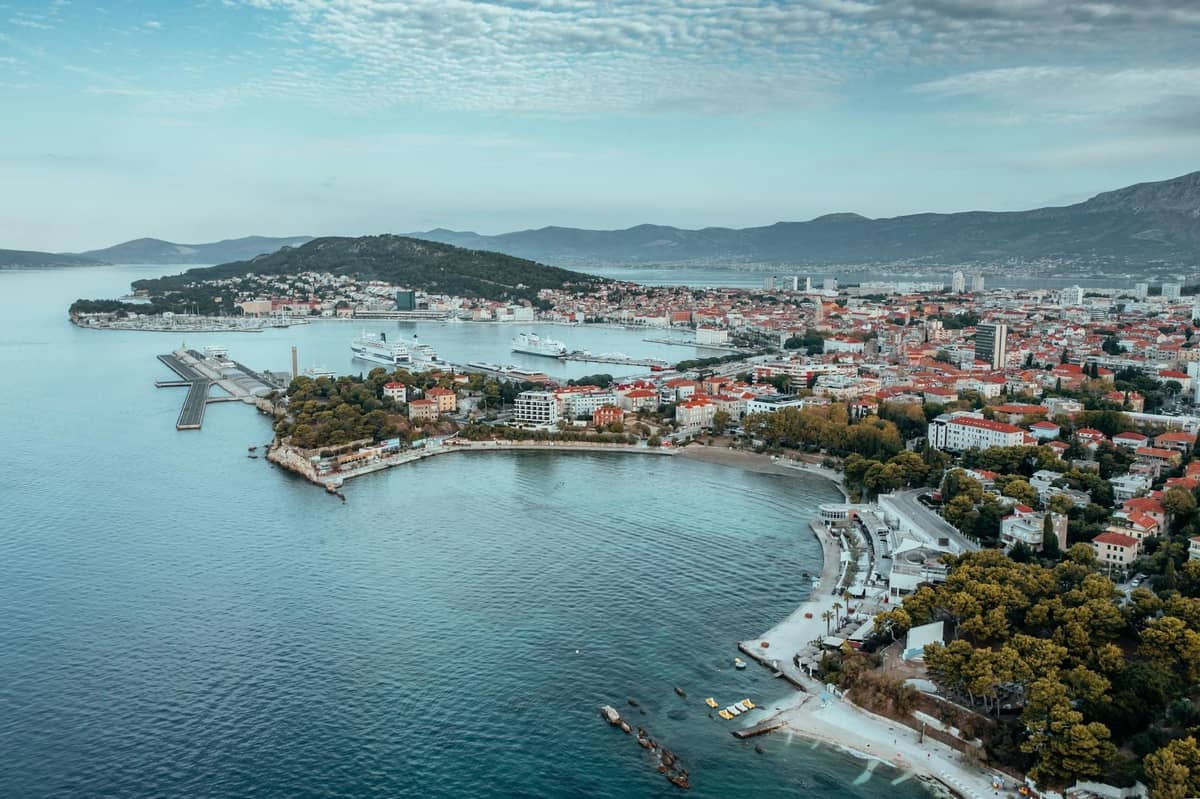
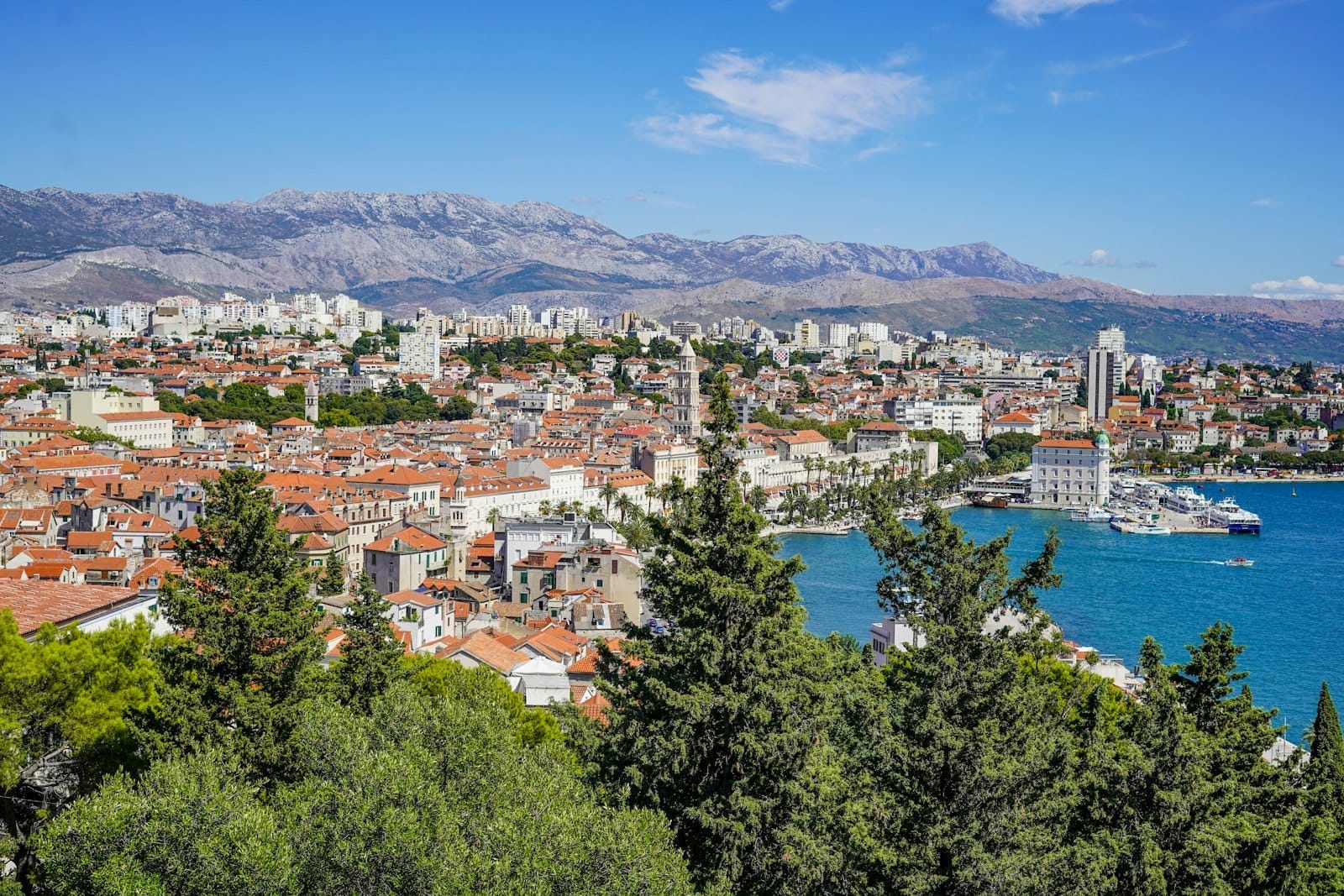
Split, Croatia has a classic Mediterranean climate: hot, dry summers and mild, wetter winters. Rain falls mostly between October and March, while June through August are reliably sunny with very little precipitation. The city sits on a peninsula in Split-Dalmatia County, which means consistent sea breezes that take the edge off even the hottest July afternoons. It is meaningfully more comfortable than inland Croatian cities at the same time of year.
The Adriatic Sea temperature follows a seasonal lag that matters for planning. It peaks in late July and August around 25-27°C (77-81°F) and remains comfortable for swimming well into October, even as air temperatures begin dropping. Two local wind patterns shape the experience on the ground: the jugo, a humid southeasterly that makes late-summer evenings feel sticky and oppressive, and the bura, a cold northeasterly that arrives in winter but rarely lasts more than a day or two. Neither is dangerous, but both affect how comfortable your outdoor time will be.
- Spring (March to May) 13-21°C (55-70°F). Low rainfall, some cool days in March. Landscapes green from April, sea too cold for most swimmers until mid-May.
- Early Summer (June) 24-26°C (75-79°F). Sea warming fast, far fewer crowds than July. Arguably the single best month for most travelers.
- Peak Summer (July to August) 26-29°C (79-84°F), with occasional highs near 35°C. Sea at its warmest and clearest. Maximum crowds, highest prices, queues everywhere.
- Autumn (September to November) 16-25°C (61-77°F) in September, dropping to 10-16°C by November. September still feels like summer; October is excellent for sightseeing without the heat.
- Winter (December to February) 5-12°C (41-54°F). Rainy spells, but frost is rare. The city functions normally; tourist infrastructure scales back significantly.
Shoulder Season: The Case for May, June, and September
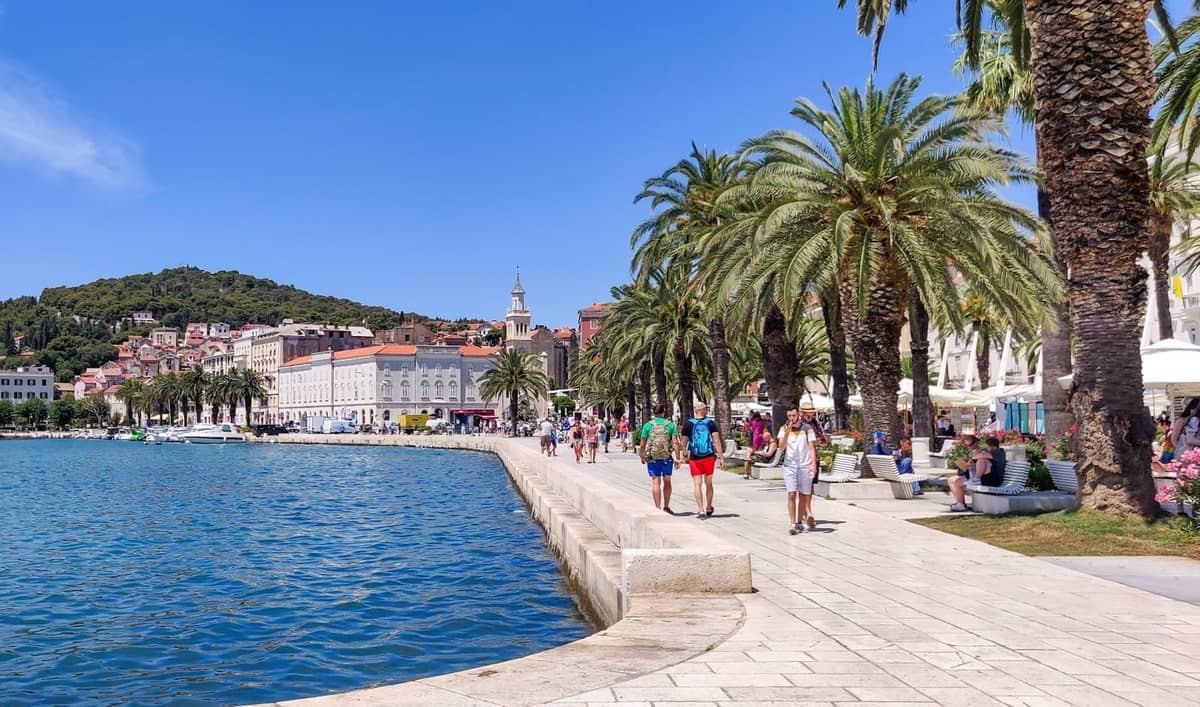
If you want one honest recommendation, visit in June or September. Temperatures sit comfortably in the mid-20s Celsius, the sea is warm enough for swimming, and the historic core, including Diocletian's Cellars and the Cathedral of Saint Domnius, is navigable without being shoulder-to-shoulder with day-trippers from cruise ships.
May is slightly cooler, some days barely reaching 20°C, and the sea is too cold for most swimmers before mid-month. But it is outstanding for walking, cycling Marjan Hill, and exploring the old town without sweating through your clothes. Accommodation prices in May can run 30-50% lower than August rates. Restaurant reservations are rarely needed. The city feels like it belongs to locals again.
September is the month many repeat visitors swear by. The summer crowds thin noticeably after the first week of the month, but daytime temperatures still reach 25-27°C and the sea remains above 24°C for most of September. Restaurants are at their best: still fully staffed from the summer season, but no longer overwhelmed. The Taste the Mediterranean food festival, celebrating Dalmatian cuisine and wine, typically falls in this window and adds genuine local character to the visit.
⚠️ What to skip
Book September accommodation at least 6-8 weeks in advance. The shoulder-season secret is largely out. The best centrally located apartments fill fast, and last-minute options may put you 30-40 minutes from the old town by bus.
Peak Summer: July and August in Honest Terms
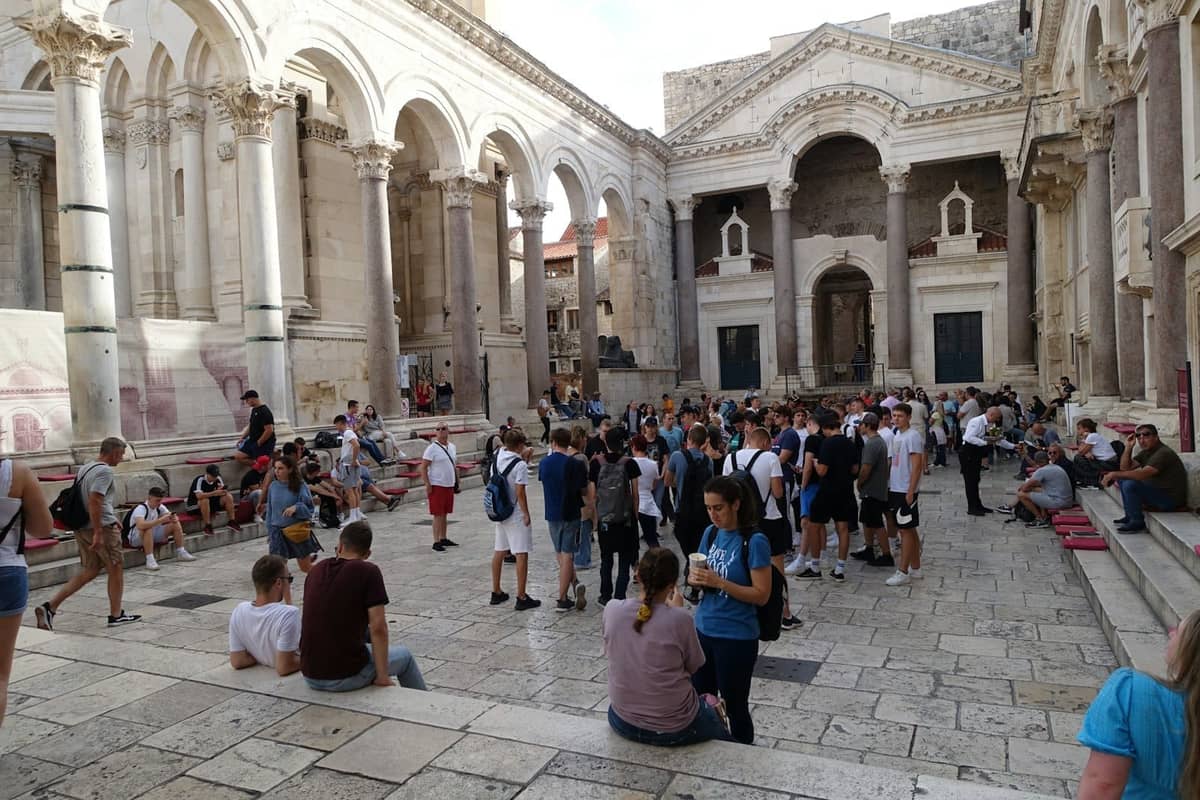
July and August are when Split, Croatia reaches maximum intensity. The Riva promenade is wall-to-wall with people by 10am. The narrow marble lanes inside Diocletian's Palace can feel genuinely claustrophobic by midday. Cruise ship arrivals mean the old town can absorb thousands of day visitors in a single morning. If you arrive without a plan and expect to improvise, peak summer can be a frustrating experience.
That said, peak season has real advantages that are worth stating clearly. The Ultra Europe music festival, previously held in July at Poljud Stadium, draws a massive international crowd for a specific reason: it is one of Europe's major electronic music events. The Split Summer Festival runs throughout July and August with outdoor theater, opera, and cinema in the Palace itself, a genuinely atmospheric setting. Bačvice beach is at its energetic best, and island ferries to Hvar, Brač, and Vis run at full frequency with multiple daily crossings.
💡 Local tip
In peak summer, plan outdoor sightseeing for before 10am or after 5pm. The stone streets inside the Palace absorb and radiate heat, making midday walks genuinely uncomfortable. Early mornings inside the Palace are a different experience entirely: cooler, quieter, and far more photogenic.
For beach-focused trips, particularly island hopping from Split, July and August make logistical sense: every ferry runs, every beach bar is open, and the Adriatic is at its clearest blue. Accommodation prices can run 2-3 times higher than May or October, and booking 3-4 months ahead for anything centrally located is not an exaggeration. Build in realistic expectations about cost and crowds, and the season delivers what it promises.
Autumn and Winter: The Seasons Most Travelers Overlook
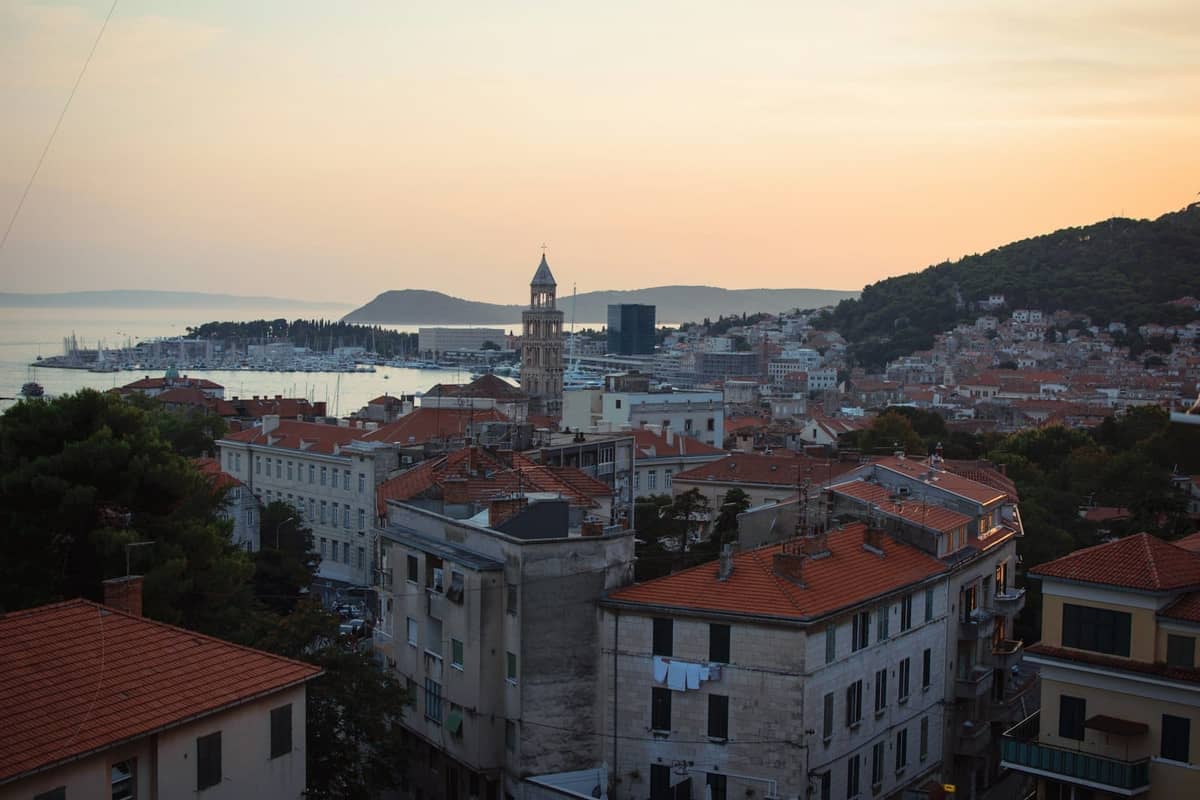
October is the most underrated month in Split. The light shifts to a warm gold that photographers specifically seek out, the city returns to something like its normal pace, and prices drop significantly. The sea sits around 20-21°C in early October, perfectly swimmable for most people. Crowds at the Palace and museum sites thin to manageable levels. You can actually linger in the Peristyle without being jostled by tour groups.
November brings more rain and a quieter, more local atmosphere. Some smaller restaurants reduce hours or close entirely for annual maintenance. Island ferry schedules cut back to off-season frequency. But hotel prices hit their floor, and you can walk the old town with genuine calm. If your priority is Dalmatian history and architecture rather than the beach, November rewards patient travelers who are not looking for a party.
Winter in Split, December through February, is mild by northern European standards but noticeably different from the city most visitors imagine. Temperatures average about 8-11°C, rain arrives in spells, and some beach-facing businesses close entirely. On the upside: Split in winter means the Palace almost to yourself, Advent markets in the old town through December, and accommodation prices at their lowest of the year. The Meštrović Gallery and the Archaeological Museum remain open, though with reduced hours. For travelers whose main interest is Roman history and Dalmatian culture, winter is genuinely worth considering.
ℹ️ Good to know
Museum hours shift seasonally across Split. The Meštrović Gallery, Diocletian's Cellars, and the Cathedral of Saint Domnius are all accessible in winter, but hours can shorten significantly. Always verify current opening times directly with each venue before planning a winter itinerary.
Events and Festivals: When They Help and When They Don't
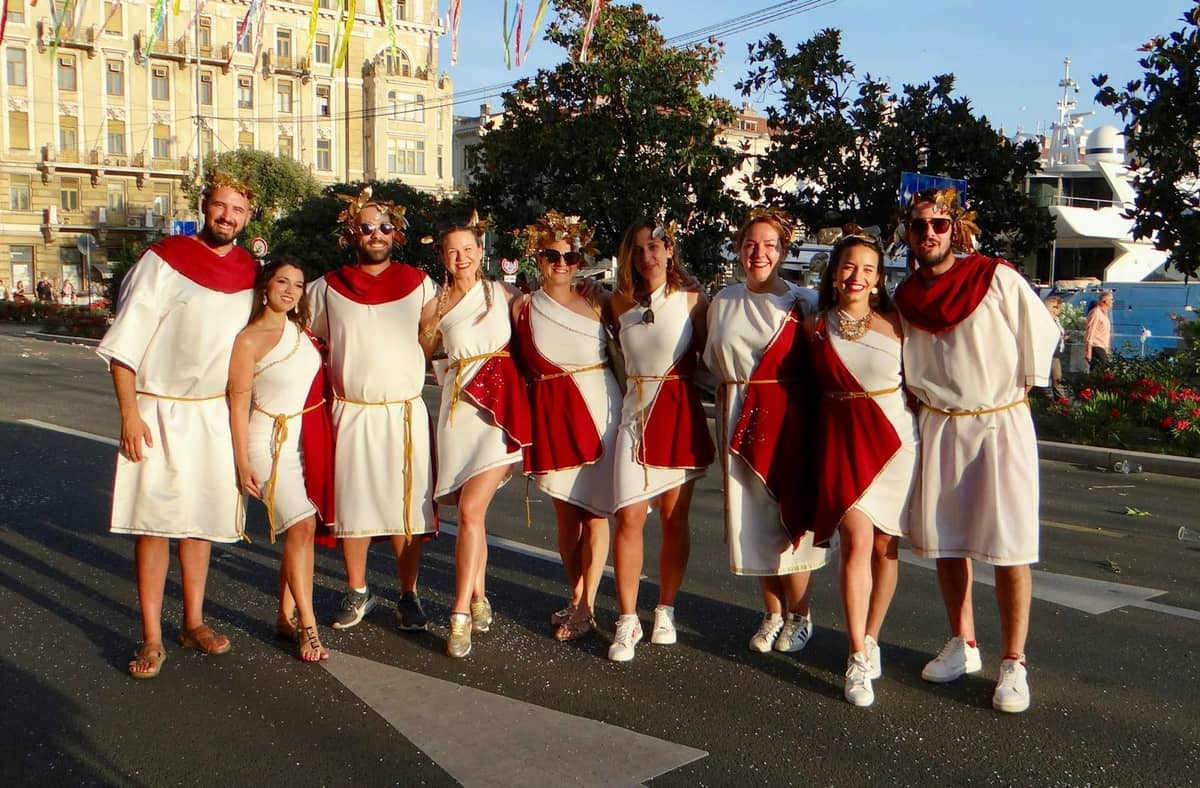
Split's event calendar shapes the best time to visit as much as the weather does. Some events are worth building a trip around. Others, if crowds are not your thing, are worth actively avoiding.
- May: Split Spring Festival Classical music performances in Palace venues. Calm crowds, good accommodation availability, and reasonable prices make this a low-stress introduction to the city.
- June: Picigin Championship The traditional Dalmatian shallow-water ball game championship at Bačvice beach. Free to watch, genuinely local, and one of those events that actually earns the word 'authentic'.
- June: Mediterranean Film Festival Outdoor screenings in the Peristyle courtyard inside Diocletian's Palace. The setting alone makes it worth attending even if you don't recognize the films.
- July: Ultra Europe Major electronic music festival at Poljud Stadium. Accommodation across Split books out entirely during this event. If electronic music festivals aren't your reason for visiting, schedule around it.
- July to August: Split Summer Festival Theater, opera, and outdoor cinema in Palace venues. High-quality programming with genuinely atmospheric settings that justify peak-season prices for culturally motivated travelers.
- September: Taste the Mediterranean Food and wine festival celebrating Dalmatian cuisine. Well-timed with shoulder-season conditions and worth planning around for food-focused travelers.
- December: Advent Split Christmas market in the old town. Mulled wine, local crafts, low crowds, low prices. A good reason to consider a December visit if you're already curious about winter travel in Croatia.
Practical Timing: How to Match Your Trip Goals to the Calendar
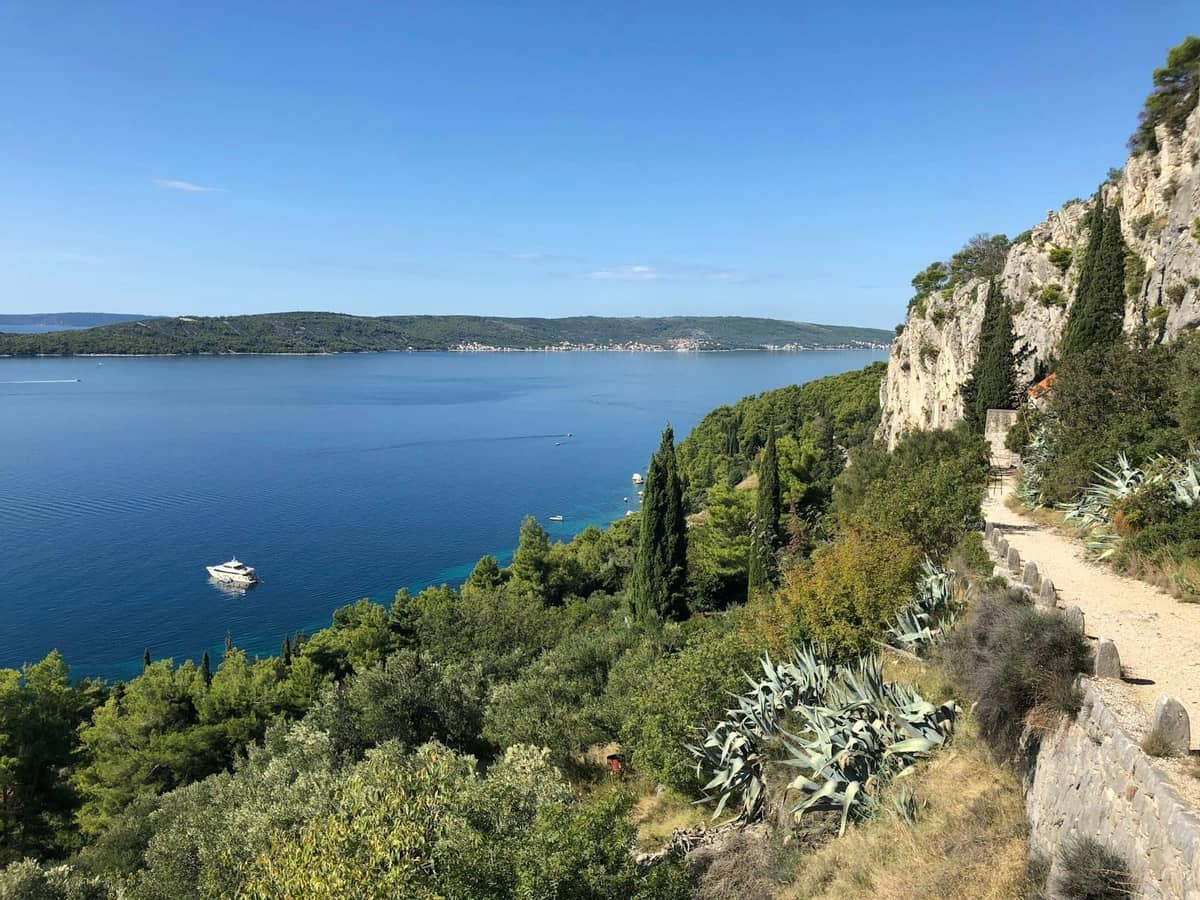
If you're combining Split with broader Croatia travel, sequencing matters. A day trip to Krka National Park or Plitvice Lakes works best outside July-August, when those parks strain under visitor numbers. Both are far more enjoyable in May, June, or September when trail capacity isn't fully saturated and the waterfalls are at good flow levels from spring rain.
For the Split to Hvar ferry crossing, the route operates year-round but frequency increases dramatically from June through September. In winter, you may find only one or two departures per day on some island routes. If island-hopping is central to your trip rather than optional, the practical window is late May through early October.
Budget travelers should factor in that visiting Split on a budget is significantly easier outside peak summer. It is not just accommodation costs: restaurant prices ease up, tour operators discount unsold day-trip spots, and the pressure to spend simply evaporates when the city isn't operating at capacity. May and October represent the best combination of good weather and reasonable costs.
Travelers with school-age children face the standard trade-off between school terms and peak season. One small advantage worth knowing: Croatian school holidays typically end in late August, which means the last two weeks of August see domestic family visitor numbers thin slightly. The weather remains peak-season quality while Croatian family crowds reduce. It is a marginal gain, but real for those locked into August dates.
FAQ
What is the best time to visit Split, Croatia overall?
June and September offer the strongest balance of warm weather, swimmable sea, fully open attractions, and manageable crowds. June tends to be slightly less crowded; September benefits from a warmer sea temperature built up through summer. Either month outperforms peak summer for most travelers who are not specifically coming for summer festivals or Ultra Europe.
Is Split worth visiting in winter?
Yes, with adjusted expectations. The old town and Diocletian's Palace are atmospheric and far less crowded in winter. Key museums and cultural sites stay open, though with reduced hours. Temperatures are mild by northern European standards, typically 7-12°C, but some beach-side businesses and island ferry routes reduce hours or close entirely. Accommodation prices are at their lowest of the year, often dramatically so.
How hot does Split get in summer?
July and August average 26-29°C (79-84°F) with occasional highs near 35°C. The sea peaks around 25-27°C. The stone streets inside Diocletian's Palace absorb and radiate heat, making midday sightseeing feel significantly hotter than the air temperature suggests. Plan outdoor activities for mornings before 10am and evenings after 5pm during peak summer.
When is Split, Croatia most crowded?
July and August are peak months, with Ultra Europe in July causing specific accommodation shortages across the city. The week around Croatian national holidays in June can also see domestic visitor spikes. September reduces crowds noticeably after the first week, but it is no longer a quiet secret: book ahead if you want central accommodation in September.
What is Split Croatia's weather like in October?
October averages 16-22°C with around 7-8 hours of daily sunshine early in the month, dropping to cooler and rainier conditions by late October. The sea stays above 20°C for the first half of the month, making it still swimmable. October is one of the best months for sightseeing and walking, and prices are substantially lower than summer rates.