How to Visit Plitvice Lakes from Split: The Complete Day Trip Guide
Plitvice Lakes is one of the most dramatic natural landscapes in Europe, and it's doable as a day trip from Split if you plan correctly. This guide covers every transport option, the true cost breakdown, seasonal timing, and what separates a good tour from a rushed one.
Plan and book this trip
Tools from our partner Travelpayouts help you compare flights and hotels. If you book through them, we may earn a commission at no extra cost to you.
Flights
Hotels map
TL;DR
- Plitvice Lakes National Park is roughly 3.5 to 4 hours from Split by road, making it a feasible but genuinely full-day commitment.
- Guided tours depart daily from the Riva promenade at around 07:00 and run approximately 12 hours total, with 4 to 5 hours inside the park.
- Park entry is priced by season: around €21 per adult in shoulder months (April, May, October), rising to €35 in peak summer (June to September). Check current prices at Plitvice Lakes National Park before booking.
- Most tours do NOT include park entry in the advertised price. Budget for it separately and consider paying online in advance during peak summer to secure a timed entry slot.
- If Plitvice feels too far, a Krka day trip from Split offers a similar waterfall experience at roughly half the travel time.
Is the Day Trip from Split Actually Worth It?
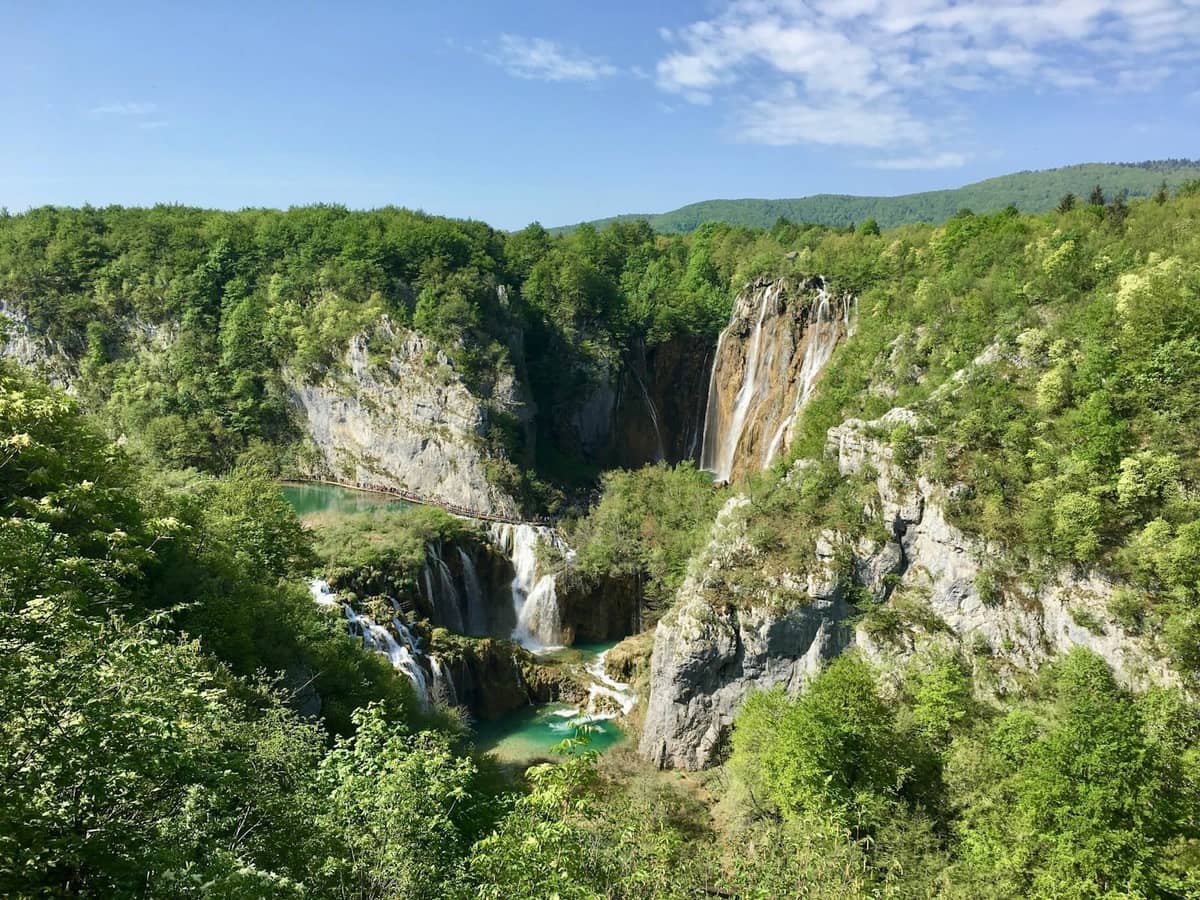
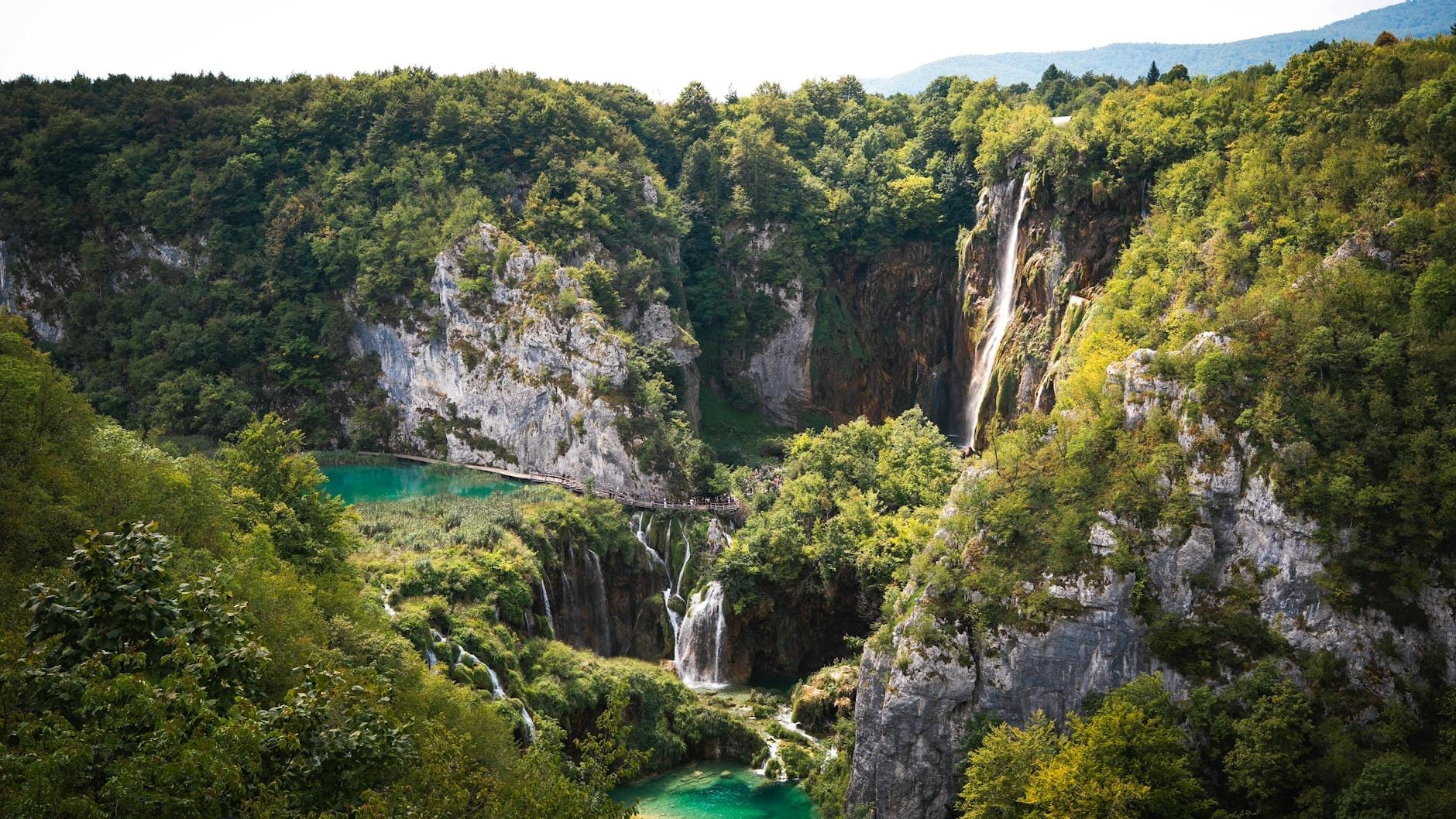
Plitvice Lakes is a UNESCO World Heritage Site featuring 16 terraced lakes connected by around 90 waterfalls, including Veliki Slap, Croatia's tallest waterfall at 80 metres. The turquoise water, wooden boardwalks suspended over the lakes, and the sheer vertical scale of the landscape are genuinely unlike anything else in the Adriatic region. For context, the park sits at higher elevation in the Lika region of central Croatia, a completely different environment from the coastal Dalmatia you experience in Split.
The honest assessment: this is not a casual excursion. You're looking at an early alarm, 5 to 6 hours of travel, and a minimum of 3 to 4 hours of walking on boardwalks and trails. For anyone with mobility limitations, very young children, or only one full day remaining in Split, the trade-off may not stack up. For travellers with reasonable fitness and a genuine interest in natural landscapes, the round trip delivers in full. The park earns its reputation.
ℹ️ Good to know
Plitvice Lakes National Park sits in Lika, central Croatia, about 250 kilometres north of Split. It is in a different county entirely from Split-Dalmatia. This is a full-day commitment, not a short afternoon excursion. Plan your Split itinerary with this in mind, particularly if you're only in the city for two or three nights.
Getting There: Tour, Self-Drive, or Public Bus
There are three realistic ways to reach Plitvice from Split. Each has meaningful trade-offs in terms of cost, flexibility, and effort. The right choice depends on your group size, travel style, and how much of the day you want to manage yourself.
- Guided group or small-group tour The most popular option for independent travellers. Tours depart from the Riva promenade near Obala hrvatskog narodnog preporoda 23, by the bronze city map, at around 07:00. The journey takes roughly 3.5 hours via the E71 toll road. Guided tours typically start around €43 per person before park entry. Small-group tours (under 15 people) run €55 to €75 and offer noticeably better access and pacing. Best for solo travellers or couples who don't want to manage Croatian toll roads and parking.
- Self-drive The most flexible option. Take the A1 motorway north from Split, following signs toward Zagreb, then exit toward Plitvice on the D1. Allow 3.5 to 4 hours. You control your schedule completely, can arrive at park opening before tour groups, and can linger in sections that interest you. Road tolls apply on the A1. Cost-effective for groups of three or more where the per-person price drops significantly versus a guided tour.
- Public bus The cheapest option but the least convenient. Bus companies including Flixbus and local Croatian operators run Split to Plitvice, with journey times of 3.5 to 4 hours, sometimes requiring a change. Return schedules can be restrictive if you want to maximise time at the park. Viable for budget-conscious travellers with flexible timing, but not recommended if your goal is to get the most out of a single day.
⚠️ What to skip
Most guided tours do NOT include park entry in the advertised price. You'll pay separately, either at the gate on arrival or online in advance. Card payment is increasingly accepted at the entrances, but carry some cash as a backup. Travellers who budget only for the tour cost and arrive underprepared face a frustrating surprise at the gate.
Park Entry Fees: What You'll Actually Pay
Plitvice Lakes uses a tiered pricing structure set by the Croatian national parks authority, reviewed periodically. The figures below reflect verified 2025 pricing, but always confirm current rates on the official park website before your visit, as thresholds between seasons occasionally shift by a few days year to year.
- April, May, October (shoulder season) Adult: €21 | Student: €13 | Child aged 7 to 18: €5 | Under 7: free
- June to September (peak season) Adult: €35 | Student: €24 | Child aged 7 to 18: €13 | Under 7: free
- November to March (low season) Reduced rates apply; some boardwalks may be closed due to ice. Confirm access before planning a winter visit.
The seasonal price difference is significant, especially for families. A family of two adults and two children visiting in July pays around €96 in entry fees alone. The same family in May pays roughly €52. If your dates are flexible, late April, May, or October offer real savings alongside smaller crowds. Late September is particularly good: fees revert to shoulder rates after the peak season ends, autumn colour begins to appear on the hillsides above the lakes, and the tour groups that dominate July and August have thinned considerably.
✨ Pro tip
Book park tickets online in advance via the official Plitvice Lakes National Park website. Timed entry slots sell out weeks ahead during July and August, and showing up without a ticket can mean long queues or being turned away. If you've booked a guided tour, your operator should handle this, but confirm it explicitly before you pay.
What the Day Actually Looks Like
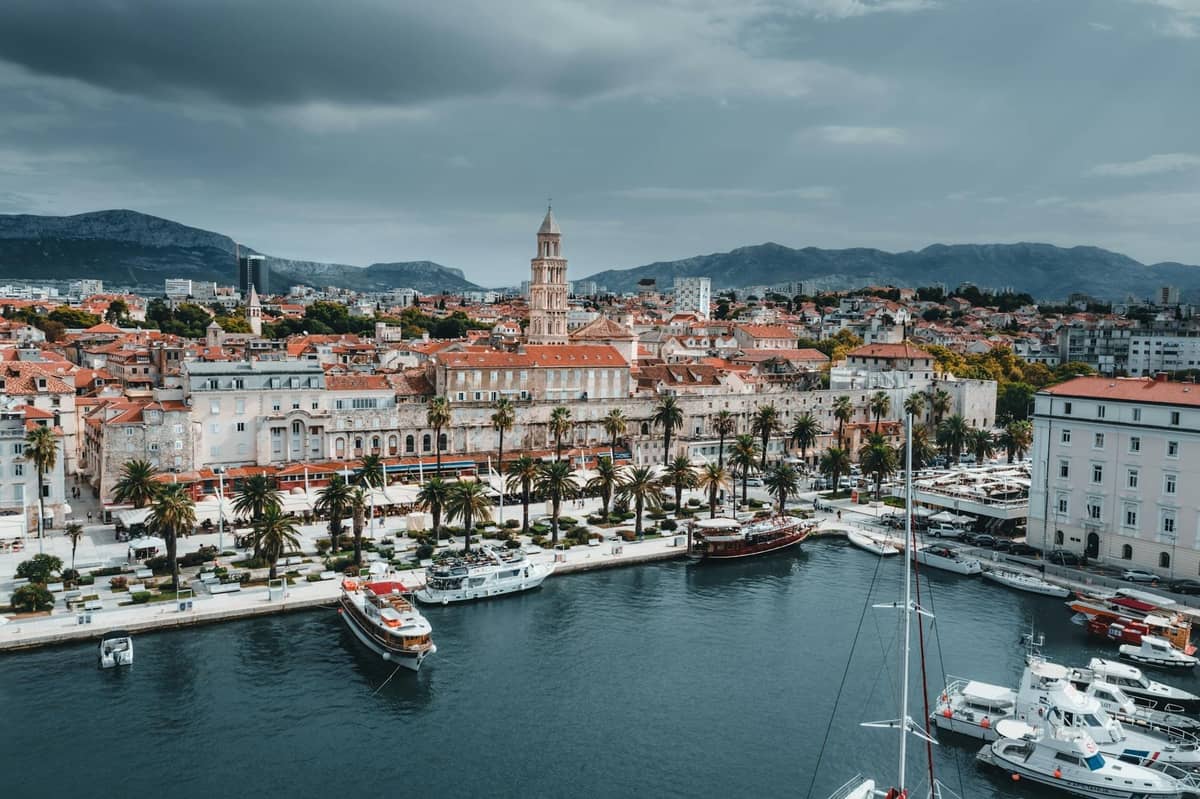
A standard guided tour from Split runs approximately 12 hours door to door. Departure from the Riva at 07:00, arrival at the park around 10:00 to 10:30, 4 to 5 hours exploring the lakes, then the return journey to Split by 19:00 to 20:00. That structure is consistent across most operators, though the quality of guiding and group size varies substantially.
Inside the park, tours typically follow Programme B, which covers both the Lower and Upper Lakes. The Lower Lakes section includes the most iconic scenery: narrow wooden boardwalks running directly over the turquoise water, with waterfalls cascading between levels. From here, a short electric boat ride crosses Kozjak, the park's largest lake. The Upper Lakes are then accessed by panoramic electric train, offering elevated views before you descend back through the forest. Veliki Slap, the 80-metre waterfall, is visible from the Lower Lakes section and is the single most photographed feature in the park.
Programme B involves 3 to 5 kilometres of walking depending on pace and detours. The terrain is well-maintained but the boardwalks are narrow, can be slippery when wet, and get extremely congested in July and August. Peak summer visits require genuine patience. A May or October visit offers a fundamentally calmer experience: quieter boardwalks, more time to pause and photograph, and the ability to actually hear the waterfalls rather than the conversation of the tour group in front of you.
💡 Local tip
Wear proper walking shoes with grip, not sandals. The boardwalks over the lakes are beautiful but become slippery after rain or in humid summer conditions. Bring a light layer as well: Plitvice sits at noticeably higher elevation than Split, and the mornings can feel cool even in June. A small waterproof bag or cover for your camera is also worth having near the waterfalls.
Booking Your Tour: What to Check Before You Pay
Tours can be booked through Viator, GetYourGuide, and TripAdvisor Experiences, as well as directly with Split-based operators like Pelican Tours. Standard group tours start around €50 per person. Small-group tours, capped at around 12 to 15 people, run €55 to €75 and are worth the premium if you want a more considered experience with genuine guiding rather than a drop-off and pickup service.
Before confirming any booking, verify three specific things: whether park entry is included or excluded, whether the itinerary covers both Upper and Lower Lakes (some budget tours only cover one section), and the exact meeting point and cancellation policy. Read recent reviews focusing specifically on guide quality rather than just photographs of the park. A knowledgeable guide who explains the geology, the lake-formation process, and the park's ecological significance adds real value. A driver who drops you at the gate and meets you three hours later does not.
For travellers considering nautical alternatives, the boat tours from Split guide covers island and sea cave excursions that offer a completely different kind of day out. If you're building a multi-day itinerary and want to compare all the main day trips from the city, the complete day trips from Split guide lays out the full range of options side by side.
When to Go: Seasonal Timing for This Specific Trip
Timing matters more for a Plitvice day trip than for almost any other excursion from Split, given the distance and cost involved. The park is open year-round, but the experience varies significantly. For context on how Plitvice timing interacts with your broader Split visit, the best time to visit Split guide covers the full picture for the city.
- May and early June The best overall window. Snowmelt keeps water levels high and waterfalls at full volume. Greenery is at its most vivid. Shoulder-season entry fees apply through May. Crowds are present but manageable on weekdays. Tour frequency is good from Split.
- July and August Peak season in every sense: highest entry fees, maximum crowds, boardwalk congestion, and timed slots that book out weeks in advance. The park remains genuinely impressive, but the logistics require planning at least 3 weeks ahead. Self-drive with an early arrival can help you beat the worst of the tour group arrivals.
- September and October Arguably the strongest recommendation for travellers with flexible dates. Fees drop back after peak season ends, crowds thin after school holidays, and autumn foliage adds warm colour to the scenery. Water is still flowing well from summer rainfall. Tour frequency from Split remains high through September.
- November to March The park is open but access to some boardwalks closes due to ice. Tour frequency from Split drops sharply, making self-drive the most practical option. Winter scenery with snow is genuinely striking, but this is a niche visit for experienced travellers who know what they're signing up for.
If Plitvice Is Too Far: Alternatives Worth Considering
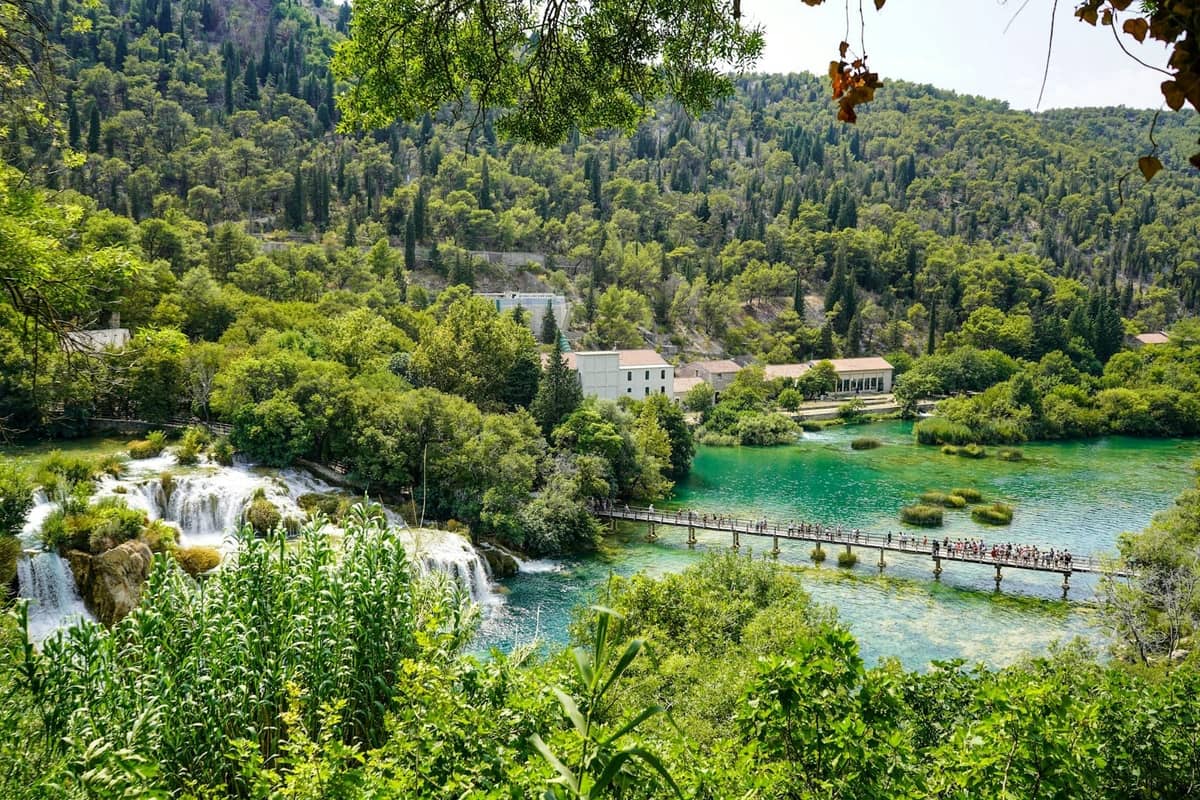
Not every itinerary can absorb a 12-hour day. If time or energy is limited, Krka National Park is a compelling alternative: it sits about 1.5 to 2 hours from Split by car, entry fees are lower, and the waterfall scenery at Skradinski buk is genuinely impressive. It lacks Plitvice's scale, the terraced lake structure, and the elevated drama of Veliki Slap, but it fits comfortably into a half-day and works well if you're short on time or travelling with younger children.
For a different kind of day out entirely, Hvar Island and Brač Island are both reachable by ferry from Split in under an hour and offer a completely different experience focused on Adriatic coastline, historic towns, and beaches rather than inland nature. The island hopping from Split guide covers the logistics for those routes.
FAQ
How long does a Plitvice Lakes day trip from Split take?
Expect a full day. Most guided tours depart Split at 07:00 and return around 19:00 to 20:00, totalling roughly 12 hours door to door. You'll spend approximately 4 to 5 hours inside the park itself. The journey each way is around 3.5 hours by the E71 motorway.
Is park entry included in Plitvice tours from Split?
Usually not. The majority of guided tours from Split price park entry separately, and you pay at the gate on arrival. Entry costs between approximately €21 (shoulder season) and €35 (June to September) per adult. Always confirm with your specific operator before booking, and budget accordingly.
Can you visit Plitvice Lakes independently from Split without a tour?
Yes. Renting a car and driving yourself is entirely feasible via the A1 motorway, which connects Split to the park in around 3.5 to 4 hours. This gives you full control over timing and is cost-effective for groups of three or more. Public buses also run the route but take 3.5 to 4 hours and require careful planning around return schedules.
What is the best time of year to visit Plitvice Lakes from Split?
Late May, June, and September to early October offer the best balance of conditions, pricing, and crowd levels. Waterfall flow is strongest in spring from snowmelt, while autumn brings lower entry fees and significantly fewer tour groups. Peak summer (July to August) is the most crowded and expensive, though the park remains spectacular if you plan well in advance.
Is the Plitvice Lakes day trip suitable for children?
Yes, with some caveats. Children under 7 enter free, and the trails are well-maintained. However, the wooden boardwalks over water can be narrow and slippery, and the main Programme B route involves 3 to 5 kilometres of walking. Pushchairs and prams are difficult to manage on the boardwalks. Children aged 7 and above with reasonable walking stamina generally handle it well.