Split on a Budget: How to Visit Croatia's Dalmatian Capital Without Breaking the Bank
Split, Croatia is one of the Mediterranean's most rewarding cities for budget-conscious travelers. This guide breaks down real daily costs, the best free attractions, where to eat without the tourist markup, and exactly when to visit to cut accommodation costs by up to 50%.
Plan and book this trip
Tools from our partner Travelpayouts help you compare flights and hotels. If you book through them, we may earn a commission at no extra cost to you.
Flights
Hotels map
TL;DR
- Budget travelers can get by on €40-80/day in Split; mid-range visitors typically spend €80-150/day depending on accommodation and season.
- Visiting in May, June, September, or October cuts accommodation costs by 30-50% compared to peak summer rates, with weather that remains excellent for swimming and sightseeing.
- Split's best attractions, including Diocletian's Palace and Marjan Hill, are completely free to access around the clock.
- Croatia adopted the euro in January 2023, so eurozone travelers face zero currency exchange hassle or conversion fees.
- Split is notably cheaper than Dubrovnik and most Western European cities, but pricier than smaller Croatian towns, especially in July and August when demand peaks sharply.
What Does Split Actually Cost? Daily Budget Breakdown
Split, Croatia sits in a useful pricing middle ground: more affordable than Dubrovnik or any major Western European capital, but not as cheap as rural Dalmatia or the Balkans further east. That distinction matters when planning. The city has invested heavily in tourism infrastructure over the past decade, and prices have risen accordingly, particularly during July and August when ferry terminals overflow and every hostel bed gets snapped up weeks in advance.
- Budget tier: €40-80/day Hostel dorm or basic private room (€20-35), street food and market meals (€15-20), city buses (€3-5), and a paid attraction or two (€5-10). Achievable year-round, easiest in shoulder season when accommodation pressure eases.
- Mid-range tier: €80-150/day Three-star hotel or apartment (€70-100), sit-down restaurant meals (€25-35), occasional taxi or ferry excursion included. Comfortable and realistic for most visitors.
- Splurge tier: €150+/day Boutique hotels inside the Palace walls (€150-300+), fine dining, private boat rentals, and peak-summer island day trips with premium operators. Costs escalate quickly in July and August, especially for last-minute bookings.
ℹ️ Good to know
Croatia adopted the euro (EUR) in January 2023. You no longer need to calculate kuna conversion rates. ATMs are widely available throughout Split, and card payments are accepted at almost all restaurants, shops, and hotels in the city center. Carry a small amount of cash for markets, small konobas, and beach vendors.
Accommodation: Where to Stay Without Overpaying
Accommodation is the single biggest variable in your Split budget, and the price swings between seasons are dramatic. A dorm bed in a central hostel runs €20-35 per night in shoulder season but can double in late July. A mid-range hotel near the Riva promenade will cost €70-100 in May, and the same room can hit €140-200 in August. The pattern is consistent and predictable: book early for summer, stay flexible in spring and autumn.
One underused tactic is staying in the suburbs. Neighborhoods like Stobrec and Podstrana, 5-10 km south of the center along the coast, offer apartments and guesthouses at significantly lower rates than the historic core. A Promet Split city bus (around €1.50–2.00 per ride, depending on zone and ticket type) connects them reliably to the center. You trade a little atmosphere for 30-40% more budget. For a full breakdown of which neighborhoods suit different travel styles and priorities, the where to stay in Split guide covers every area in practical detail.
- High season (July-August): Book 2-3 months in advance. Availability drops fast and prices reflect the demand.
- Shoulder season (May-June, September-October): 30-50% cheaper than peak, weather remains excellent, crowds are manageable.
- Off-season (November-March): 40-60% savings, but some restaurants and tour operators close or reduce hours significantly.
- Avoid apartments marketed directly on the Palace walls unless you are comfortable with noise until 2am in summer — the narrow medieval lanes amplify sound in every direction.
- Self-catering apartments save meaningful money on food if you're staying 3+ nights. Pazar Market is walkable from most central locations and stocks excellent local produce at local prices.
⚠️ What to skip
Accommodation inside Diocletian's Palace is atmospheric but comes with a genuine noise trade-off in summer. Bar and restaurant sound carries through the stone lanes well past midnight. Budget travelers especially should weigh 'central location' against sleep quality before booking — a quieter apartment one street outside the Palace walls can cost less and sleep better.
Free and Low-Cost Things to Do in Split, Croatia
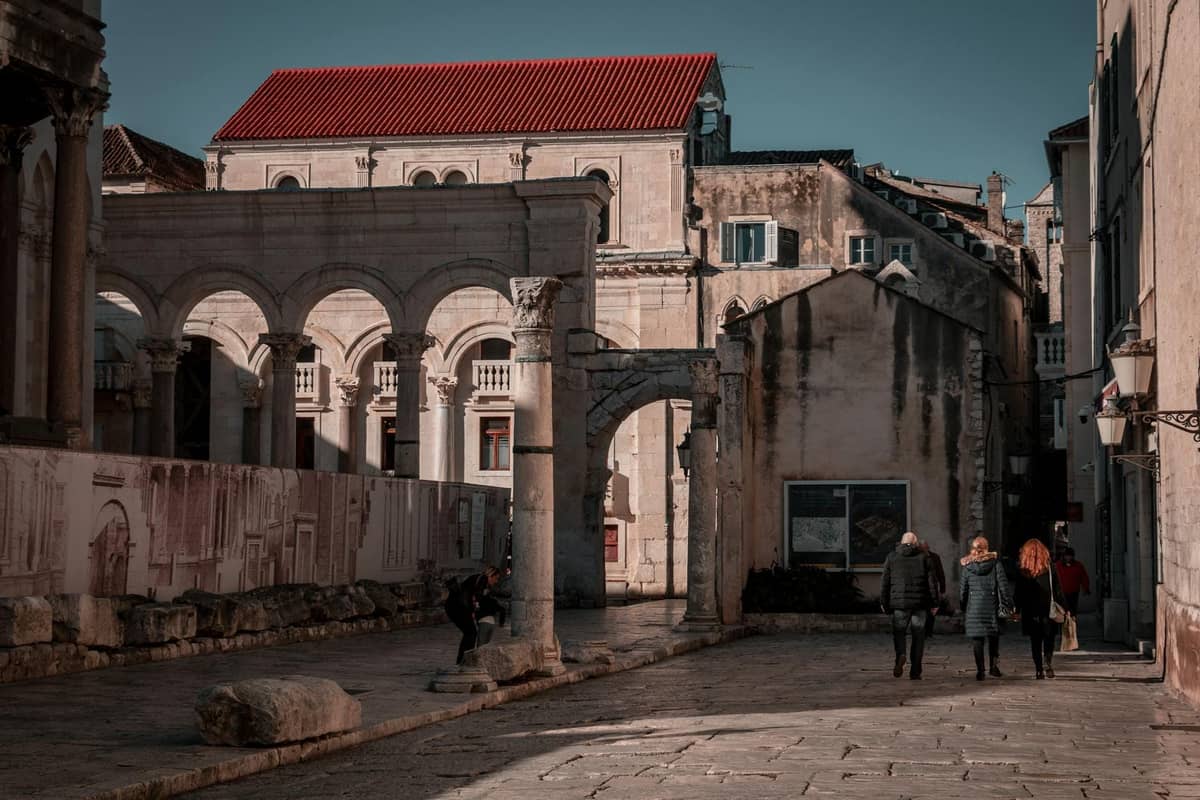
Split's best attractions are genuinely free, and that's not a compromise. Diocletian's Palace is a UNESCO World Heritage Site and one of the best-preserved Roman imperial complexes in the world. It's also a living neighborhood: people have their apartments, shops, and restaurants inside its 4th-century walls. You can walk through the Peristyle, explore the medieval lanes, and examine the Golden Gate and other entry points without paying a cent. Access is free and available 24 hours a day to the open streets and squares, though some interior areas and cellars have set opening hours and paid entry.
Marjan Hill is Split's forested peninsula rising about 178 meters above the city, with walking trails, panoramic viewpoints over the Adriatic, and a small beach at its base. The hike from the old town to the summit takes around 30-40 minutes at a relaxed pace. Pack water and go in the morning during summer heat. Free, always open, and one of the best ways to see the city from above without spending anything.
The beaches are free too. Bačvice Beach is the most famous, about a 10–15-minute walk east of the Ferry Terminal, known for its shallow turquoise water and the local game of picigin, a traditional ball sport played in ankle-deep water that you'll likely witness on any summer morning. Further east, Žnjan Beach is larger, less tourist-heavy, and easily reached by city bus. Both are free to access, with paid facilities like sun loungers and showers available if you want them.
- Diocletian's Palace exterior, Peristyle, and lanes: Free, 24/7
- Marjan Hill trails and viewpoints: Free, always accessible
- Bačvice and Žnjan beaches: Free entry
- Riva promenade evening stroll: Free, best at sunset
- Gregorius of Nin statue and Golden Gate photo stops: Free
- Pazar Market (fresh produce, local browsing): Free to enter, affordable to buy
- Cathedral of Saint Domnius exterior: Free to view from outside
For a full breakdown of no-cost options, the free things to do in Split guide goes deeper on low-cost and no-cost experiences across the city, including lesser-known spots that most visitors walk past.
Getting Around Split on a Budget
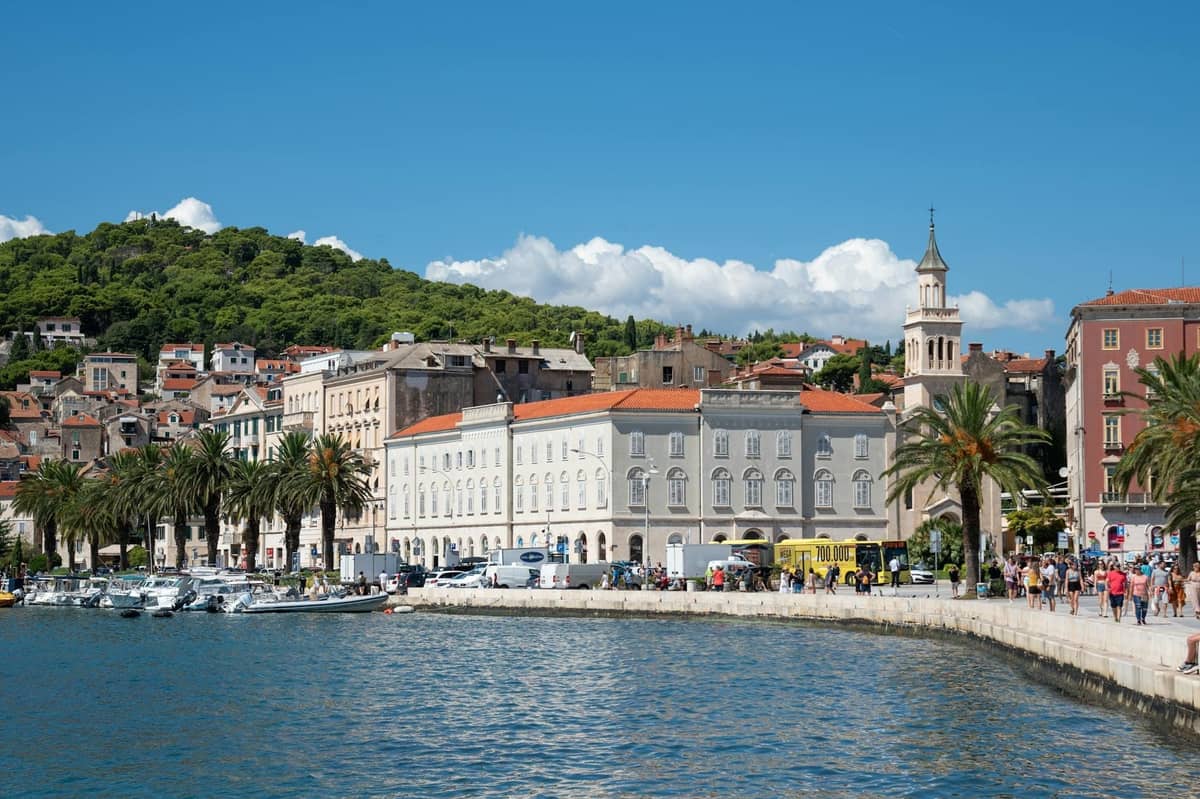
Split's historic core is compact enough to cover almost entirely on foot. From Diocletian's Palace to Marjan Hill is roughly 2 km, about 25-30 minutes of walking. The Riva promenade, Pazar Market, and Bačvice Beach are all within a 15-minute walk from the Palace gates. For a budget traveler, a good pair of shoes and a free map from the tourist office will handle the majority of your movement across the city.
When you need wheels, Promet Split runs the city bus network across Greater Split. Single tickets cost around €1.50–2.00 per ride and connect the center to suburban neighborhoods, coastal beaches further east, and areas like Stobrec. The airport bus costs around €8-10 one way and covers the route in roughly 30-40 minutes. There's also an airport catamaran service running several times daily in season, taking around 20–30 minutes to the city center, worth considering if you're arriving during peak summer traffic. For island ferries, Split to Supetar on Brač runs around €6–9 each way for foot passengers, while routes to Hvar, Vis, and more distant islands generally range from about €6 up to €35 or more depending on distance, operator, and season. Booking off-peak crossings can cut ferry costs by 20-30%. The getting around Split guide has full transport details including routes, timetable tips, and ferry booking logistics.
💡 Local tip
Taxis from Split Airport into the city center can cost around €30–40. The airport bus covers the same route in under 40 minutes for a fraction of the price. Unless you're arriving late at night with heavy luggage, the bus is the obvious budget choice. The catamaran is a scenic and fast alternative worth trying at least once.
Eating and Drinking Without the Tourist Markup
Food in Split ranges from excellent and affordable to overpriced and forgettable, and the difference usually comes down to where you eat rather than what you order. Waterfront restaurants along the Riva charge a premium for their location. Walk two or three streets inland and prices drop noticeably. The what to eat in Split guide covers the local dishes worth seeking out, but the budget logic is simple: burek (flaky pastry filled with meat, cheese, or spinach) from a bakery usually costs around €2–3 and makes a legitimate breakfast or afternoon snack. A grilled fish lunch at a non-tourist konoba runs about €15–20. A pizza or pasta at a mid-range spot lands around €10–15.
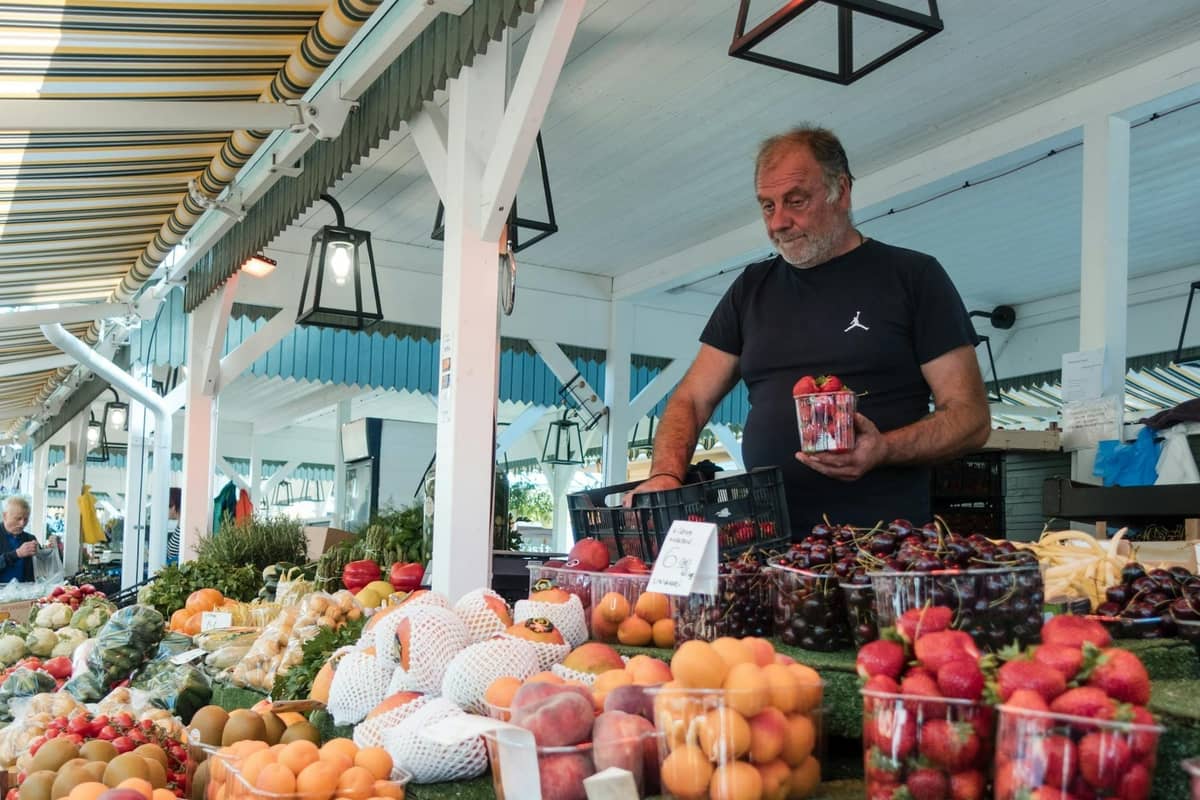
Pazar Market, just outside the eastern Palace walls near the Green Market square, is the best place to buy fresh produce, local cheese, olives, cured meats, and bread at genuine local prices. Self-catering even one meal a day from the market makes a noticeable difference across a multi-day trip. For coffee, which is a genuine cultural ritual in Split and not just caffeine delivery, expect to pay €1.50-2.50 at a local cafe. Avoid anywhere with laminated tourist menus in four languages and photos of every dish: the markup on those menus is real and consistent.
✨ Pro tip
Set lunch menus (dnevni meni) at local konobas often include a starter, main course, and sometimes a drink for €10-15. These are almost never displayed on tourist-facing menus or listed online. Ask inside at lunchtime, or look for a handwritten board near the entrance. This is how locals eat on a weekday and it's consistently the best value meal in the city.
Timing Your Visit: When Budget and Weather Align
July and August are when Split gets expensive, crowded, and hot. Accommodation rates peak, ferry queues lengthen, and the city operates at full tourist capacity. If budget is your primary concern, this is the period to avoid or plan for very carefully with advance bookings. Summer in Split has genuine appeal for nightlife, island hopping, and beach culture, but the pricing reflects the demand and there's no escaping it.
May, June, September, and October are the practical sweet spots for budget travelers. Temperatures in May and June reach 22-27°C, the sea is warm enough to swim from late May onwards, and accommodation costs 30-50% less than peak. September is arguably the single best month overall: summer heat softens slightly, crowds thin out noticeably, prices drop, and the Adriatic is at its warmest from months of accumulated summer heat. For a full seasonal breakdown including Croatia weather patterns and crowd levels by month, the best time to visit Split guide goes into detail on what each month actually delivers.
Off-season visits from November through March offer maximum savings at 40-60% below peak rates, but come with genuine trade-offs: shorter daylight hours, some restaurants and boat tour operators closed for winter, and a quieter pace that some visitors find refreshing and others find underwhelming. Split in winter is a distinctly different experience from the summer version, and it suits travelers who prioritize the historic sites and local atmosphere over beaches and nightlife.
Paid Attractions: Where the Money Is Worth Spending
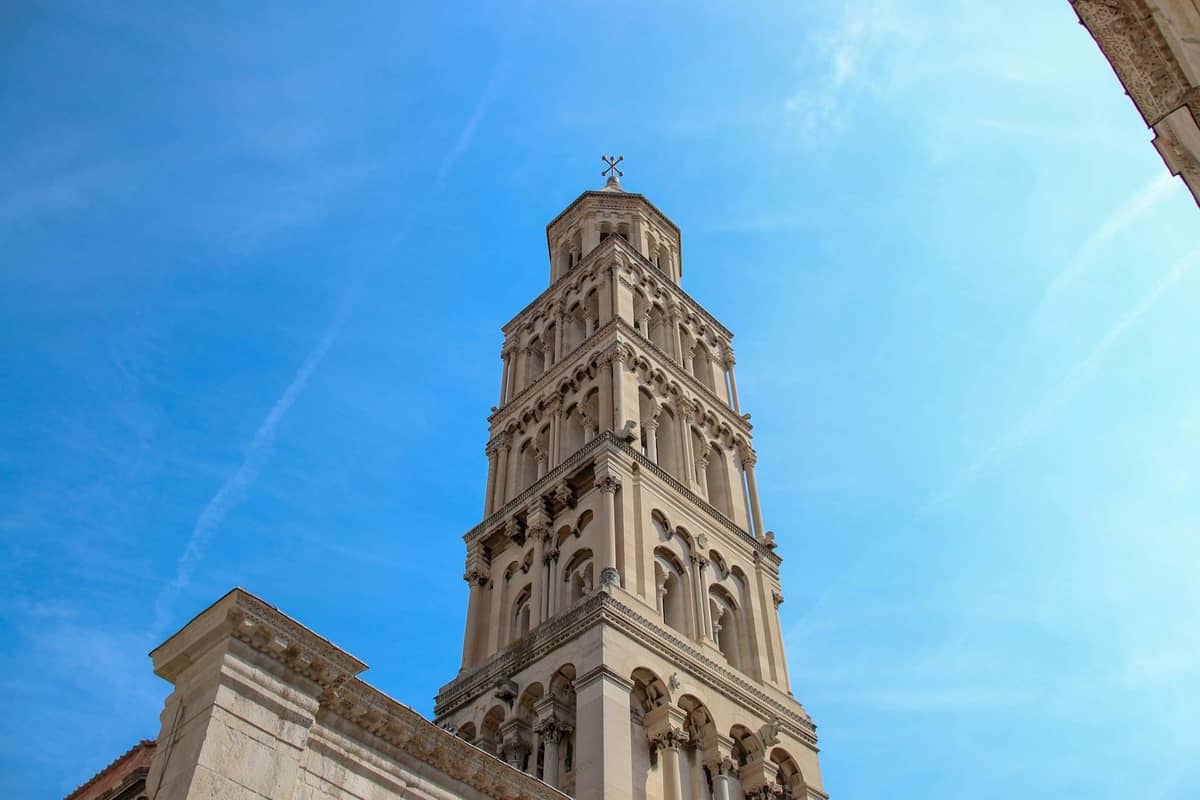
Not everything worth seeing in Split is free, but paid attractions are priced reasonably by European standards. The Cathedral of Saint Domnius and its bell tower charge a combined entry fee (verify current pricing before visiting, typically under €10 total). Climbing the bell tower gives you one of the best aerial views over the Palace rooftops and the Adriatic beyond. It's a short climb and entirely worth the cost. Diocletian's Cellars, the atmospheric subterranean halls beneath the Palace, charge a modest entry fee and deliver genuine historical context alongside remarkable Roman preservation.
The Meštrović Gallery sits on the western edge of the city near Marjan Hill, housed in a purpose-built villa that Ivan Meštrović designed as his own home. Entry is affordable (verify current rates before visiting), and the building itself is architecturally significant beyond the sculpture collection inside. If you plan to visit several paid sites in a single trip, check whether the Visit Split card or any museum combination tickets are available during your stay through the official visitsplit.com tourist portal, as these can reduce per-attraction costs meaningfully.
FAQ
Is Split, Croatia expensive to visit?
Split is moderately priced by European standards. Budget travelers can manage €40-80 per day covering a hostel, local food, and public transport. It's significantly cheaper than Dubrovnik and most Western European cities, but more expensive than inland Croatia or neighboring Balkan countries. Costs spike noticeably in July and August when demand peaks.
What is the cheapest time to visit Split, Croatia?
November through March offers the lowest prices at 40-60% below peak rates, but some services and restaurants scale back considerably. For the best balance of affordable prices and genuinely good weather, May-June and September-October are the practical sweet spots, with accommodation running 30-50% less than summer peak.
Can you visit Split on €50 a day?
Yes, comfortably in shoulder season. A hostel dorm runs €20-30, street food and market meals €15-20, public buses €3-5, and many of Split's best attractions including the Palace, Marjan Hill, and all the beaches are free. In peak July-August, €50/day is tighter but still achievable if you book accommodation in advance and cook some meals.
Do you need cash in Split or is card payment widely accepted?
Card payments are widely accepted throughout Split's city center, restaurants, and shops. Croatia has used the euro since January 2023, so there's no currency exchange needed for eurozone visitors. Carry a small amount of cash for markets, small konobas, and beach vendors who may not have card terminals.
How does Split compare budget-wise to the rest of Croatia?
Split is more expensive than smaller Dalmatian towns and inland Croatia, but considerably cheaper than Dubrovnik, which is one of the priciest destinations in the entire Mediterranean. As Croatia's second-largest city and main Dalmatian transport hub, Split has the infrastructure and visitor volume that pushes prices up, but it remains good value relative to comparable coastal cities in Italy, France, or Spain.