What to Eat in Split: Your Complete Dalmatian Food Guide
Dalmatian cuisine is one of the most distinct regional food cultures in Croatia — built on olive oil, fresh seafood, and slow-cooked meat dishes with roots going back centuries. This guide breaks down exactly what to eat in Split, dish by dish, with context on ingredients, seasonality, and where to find the real thing.
Plan and book this trip
Tools from our partner Travelpayouts help you compare flights and hotels. If you book through them, we may earn a commission at no extra cost to you.
Flights
Hotels map
TL;DR
- Dalmatian cuisine centers on olive oil, Adriatic seafood, and slow-cooked meats — not heavy spices or tomato-heavy sauces.
- Pašticada (braised beef with prunes and gnocchi) is Split's most iconic dish — order it at a konoba rather than a tourist-facing restaurant on the Riva promenade.
- Crni rižot (black squid ink risotto) and brudet (seafood stew) are the two dishes most worth seeking out for first-time visitors.
- Summer is the best season for grilled fish and sardines; autumn and spring are better for stews and lamb dishes.
- Skip overpriced seafood platters near Diocletian's Palace — better quality at better prices exists two streets back.
The Building Blocks of Dalmatian Cooking
Before diving into specific dishes, it helps to understand what Dalmatian cuisine actually is — and what it isn't. Split sits on Croatia's central Dalmatian coast, and the food here reflects centuries of Mediterranean influence filtered through a distinctly Croatian lens. This is not the cuisine of inland Croatia (which leans heavily on pork, paprika, and central European traditions). Dalmatian cooking is quieter, more restrained, and deeply tied to local ingredients.
The foundation is extra-virgin olive oil from local groves, Adriatic seafood (sardines, sea bass known locally as brancin, sea bream called orada, squid, mussels, and octopus), lamb from the nearby islands of Pag and Brač, and seasonal vegetables including Swiss chard, potatoes, tomatoes, and wild herbs. Rosemary, sage, and garlic do the heavy lifting on the seasoning side. The cooking philosophy leans toward letting fresh ingredients speak — long braises, simple grills, and dishes that reward patience.
ℹ️ Good to know
A common misconception: Dalmatian food is not heavily spiced. If a restaurant's menu reads like it's promising bold, complex flavors from a long list of seasonings, that's usually a warning sign you're in a tourist-facing kitchen. Authentic Dalmatian cooking is subtle, sometimes almost austere — and better for it.
The Dishes You Need to Try
Pašticada is the dish most associated with Split and the Dalmatian coast. It's a beef stew, but that description undersells it considerably. The meat is marinated for hours (sometimes overnight) in vinegar (or wine), often with root vegetables and aromatics, then slowly braised with dried fruit such as prunes and a sauce built on red wine. The result is deeply savory, with a faint sweetness from the prunes that never tips into cloying. It's almost always served with homemade gnocchi, which absorb the braising liquid. This is a dish that takes most of a day to prepare properly, which means the versions worth eating come from places that cook it the traditional way — not restaurants running it as an afterthought.
Crni rižot — black risotto — is the other essential. Made with cuttlefish or squid cooked in their own ink with garlic, onion, and white wine, it has an intensely savory, oceanic flavor and a dramatic appearance. It's not visually subtle: expect black teeth for an hour afterward. The dish is common across Dalmatia and the Croatian coast, but the version in Split is typically made with locally caught cephalopods and a generous pour of olive oil finished at the table.
- Pašticada Braised beef marinated in vinegar and citrus, slow-cooked with prunes and red wine, served with homemade gnocchi. Split's most celebrated dish — allow 2-3 hours for a proper lunch around this.
- Crni rižot Black risotto with squid ink, cuttlefish or squid, garlic, and white wine. Rich, savory, and genuinely delicious. A staple at every serious konoba.
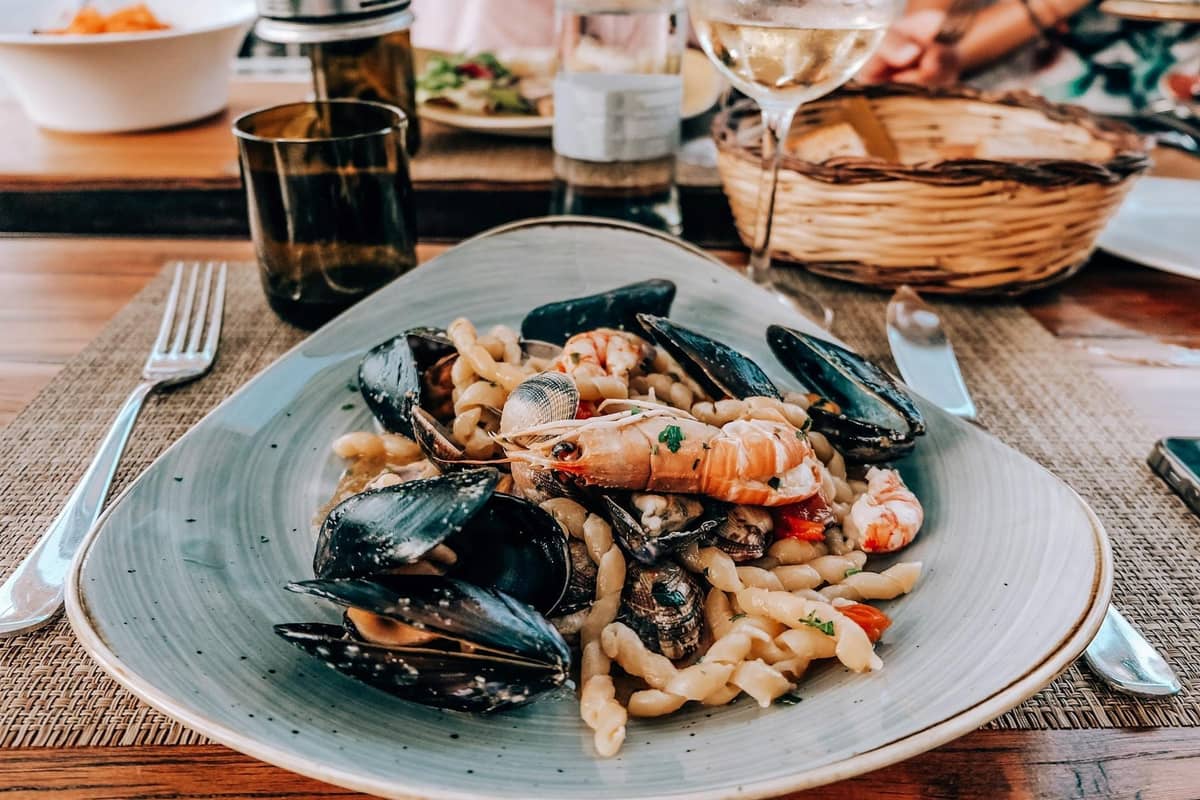
- Brudet A fisherman's mixed seafood stew cooked with tomatoes, wine, and herbs — critically, it's never stirred during cooking, only shaken. Served with polenta. Rustic and filling.
- Gregada A lighter white fish stew with potatoes, onions, garlic, white wine, and olive oil. Originally from Hvar but common throughout Dalmatia. Cleaner and more delicate than brudet.
- Pršut with Paški sir Dalmatian air-dried prosciutto paired with cheese from Pag island, which has a distinctive sharp, slightly salty flavor from the island's herb-rich pastures. A standard opener at any serious meal.
- Soparnik A thin flatbread filled with Swiss chard, garlic, and olive oil — one of the oldest dishes in Dalmatia and genuinely hard to find in restaurants. Worth tracking down at the open market.
- Marinated anchovies Not the salty canned variety — fresh local anchovies marinated in olive oil, lemon, and garlic. Light, bright, and a natural opener before seafood.
Brudet deserves its own note because it confuses visitors expecting something like Italian cioppino. The key distinction is the no-stirring rule: the stew is shaken, not stirred, throughout cooking to preserve the fish pieces. The result has a different texture and consistency than its Italian cousins. You'll find it most often in konobas (family-run taverns) away from the main tourist drag. If you're heading to Hvar island on a day trip, note that gregada is considered more of a Hvar specialty — but Split restaurants do excellent versions too.
Bread, Snacks, and Street Food
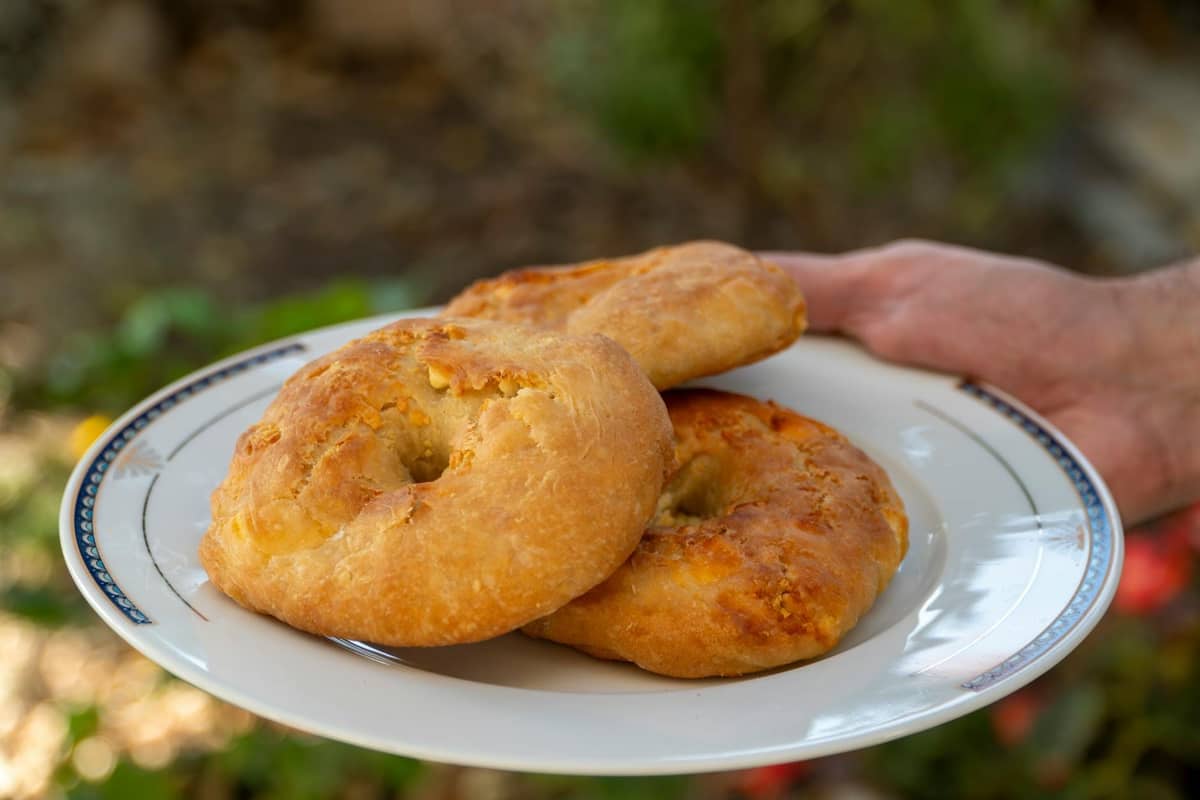
Dalmatian bread culture doesn't get enough attention. Pogača is an olive oil and rosemary flatbread that appears at nearly every table in a traditional konoba — dense, fragrant, and meant for soaking up braising liquid or olive oil. The more interesting variant is Komiška pogača, originally from the island of Vis: a filled pastry pie layered with onions, tomatoes, salted anchovies, and capers, baked until golden. It's savory, filling, and genuinely hard to find well-made outside of specialist spots.
For street food, Split has a small but solid scene. Kantun Paulina near the old town is the go-to spot for ćevapi — small grilled minced meat sausages served with flatbread and raw onion, more common in Bosnia and Herzegovina but popular throughout Croatia. Misto Street Food has built a reputation for their Komiška pogača if you want to try it without committing to a full sit-down meal. The Pazar market just outside the east gate of Diocletian's Palace is the best spot to find local produce, seasonal vegetables, and vendors selling prepared snacks in the morning hours.
💡 Local tip
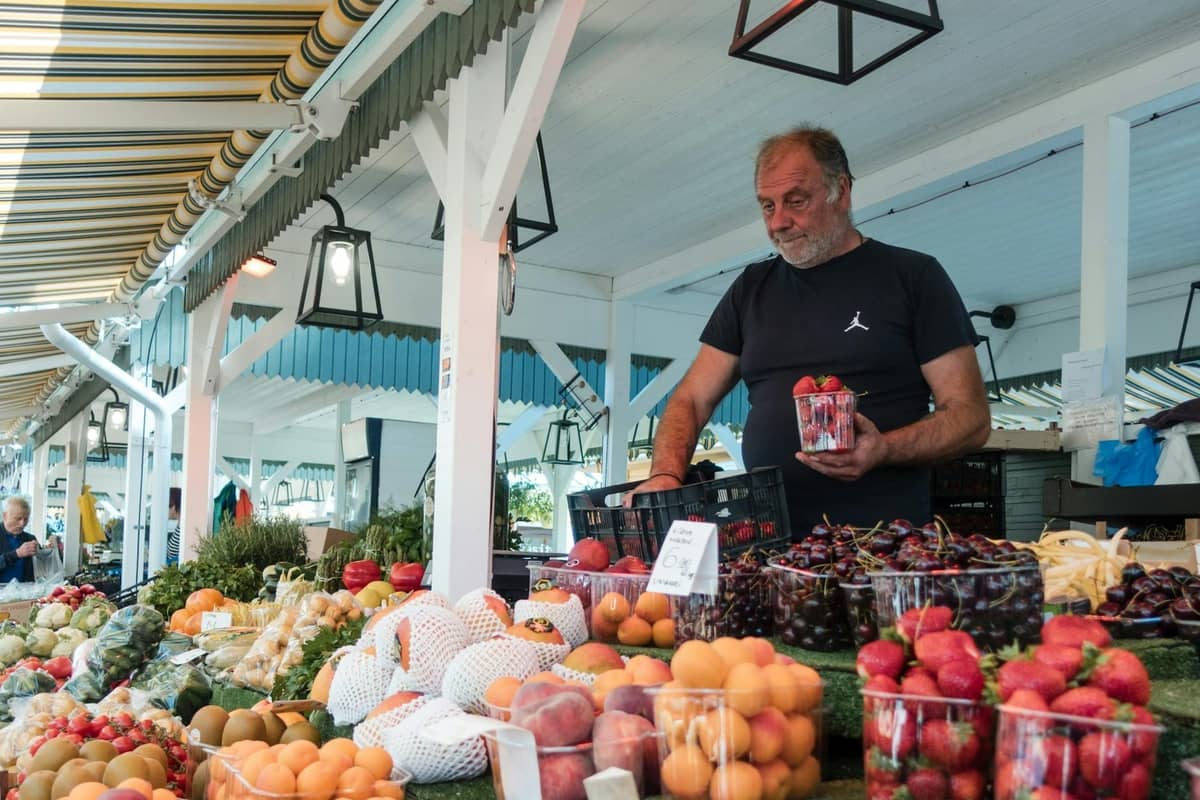
Visit the Pazar market early — most vendors wrap up by midday. It's the best place to find soparnik, seasonal fruit, local olive oil, and cheese from Pag at prices that haven't been adjusted for tourist wallets.
Eating by Season: What's Worth Ordering When
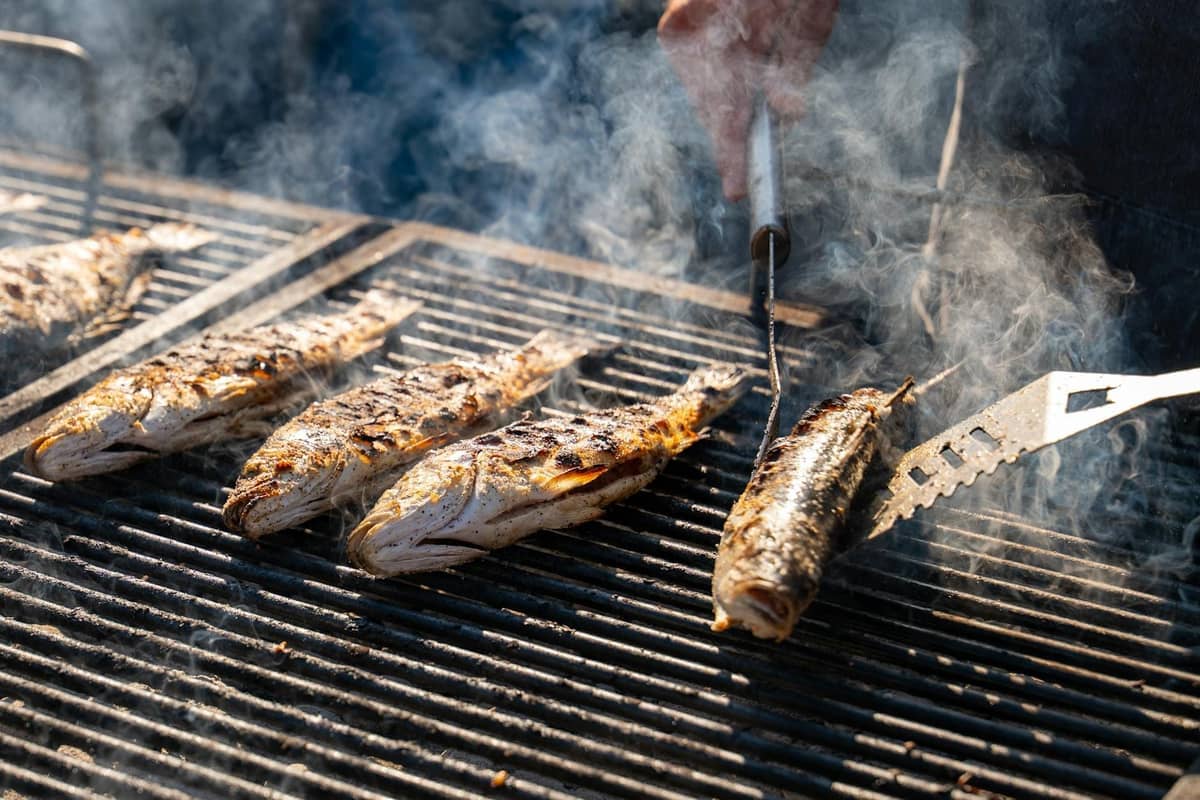
The seasonal dimension of Dalmatian food matters more than most visitors realize. Summer (June through August) is peak season for grilled fish — fresh sardines grilled over charcoal are cheap, widely available, and among the best things you can eat in Split. Whole sea bass and sea bream cooked simply with olive oil, garlic, and herbs are summer staples. The Adriatic's water temperature and fishing patterns mean the catch is at its freshest during warmer months.
Spring and autumn shift the equation toward meat and stews. Pašticada is available year-round at good konobas, but lamb dishes (roasted lamb from Brač or Pag, or lamb cooked peka-style under an iron bell covered with embers) are most common in spring and around Easter. Peka is worth seeking out specifically — it requires advance notice at most restaurants (usually 24 hours minimum) because it's a slow cook, but the result is exceptionally tender meat with vegetables. Winter sees fewer tourists and better value at restaurants, with hearty fish stews and lamb dishes prominent on menus.
- Summer: grilled sardines, fresh sea bass and sea bream, grilled squid, octopus salad, marinated anchovies
- Spring/Autumn: pašticada, brudet, gregada, lamb dishes, peka (advance order required)
- Year-round: crni rižot, pršut with Paški sir, pogača, black risotto
Where to Eat: What to Look For (and What to Avoid)
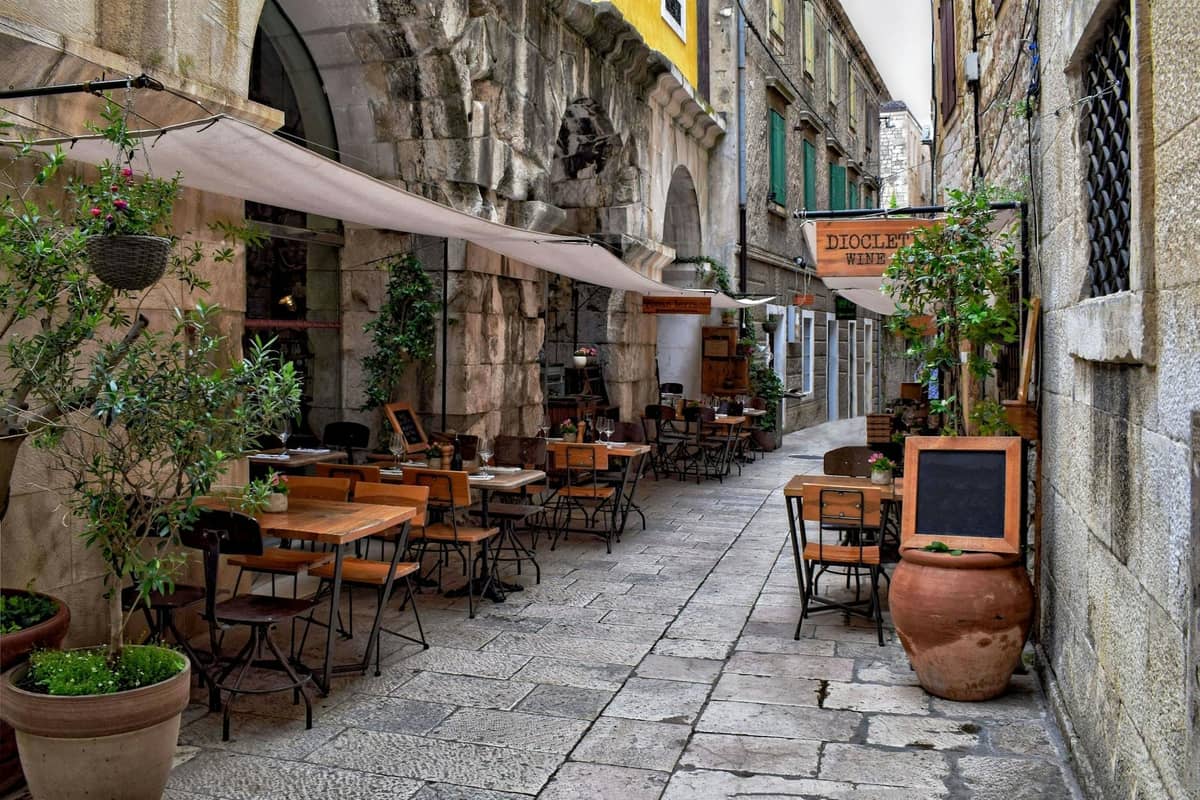
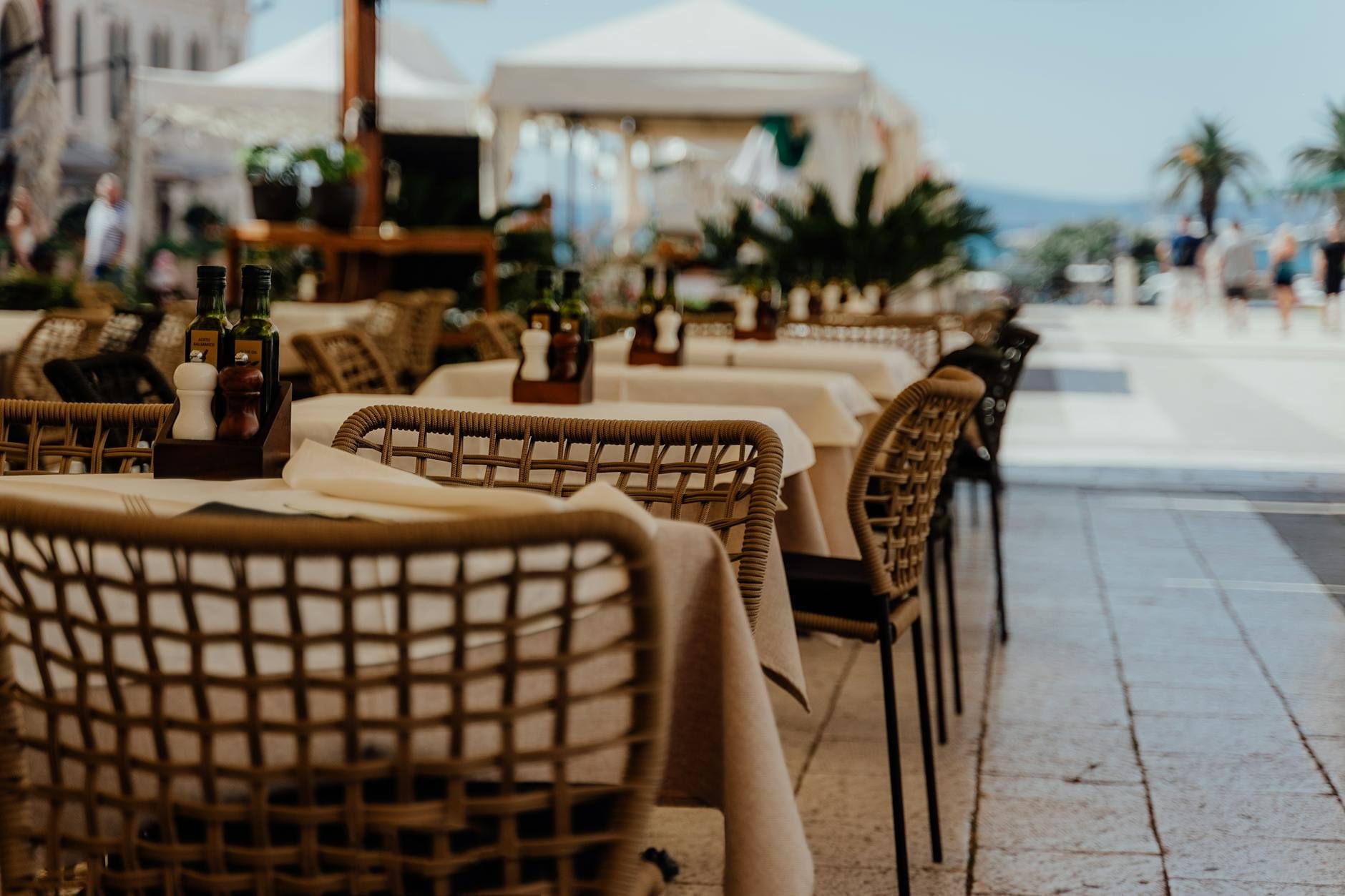
The single most useful piece of advice for eating well in Split: walk away from the Riva promenade and the immediate perimeter of Diocletian's Palace when choosing a restaurant. The restaurants facing the water or sitting at the main tourist entry points charge a premium for location and typically deliver food that's adequate at best. The quality-to-price ratio drops sharply in these spots.
Konobas are where the serious eating happens. These family-run taverns prioritize traditional dishes over innovative menus, and the best ones have been refining the same recipes for decades. Look for spots with handwritten daily menus, where the seafood selection changes based on what was actually caught that day. The neighborhoods around Bačvice and east Split and the streets running north from the old town have better concentration of locals-first restaurants than the palace interior.
⚠️ What to skip
Watch for restaurants that display large laminated photo menus with English translations of every item and a wide international selection — pizza, pasta, steaks, sushi — alongside Croatian dishes. These are almost always tourist traps. A proper konoba has a short menu, changes it seasonally, and may not have photos at all.
Food tours are an efficient way to cover multiple dishes in one session without committing to full restaurant meals. They're particularly useful for orienting yourself to what's actually traditional versus what's been simplified for tourist consumption. A good Split food tour will take you through the market, a konoba, and several street food stops — typically covering pršut, local cheeses, soparnik, and at least one main dish. Budget around 50-80 EUR per person for a quality guided food experience.
Drinks: Wine, Rakija, and What Goes with What
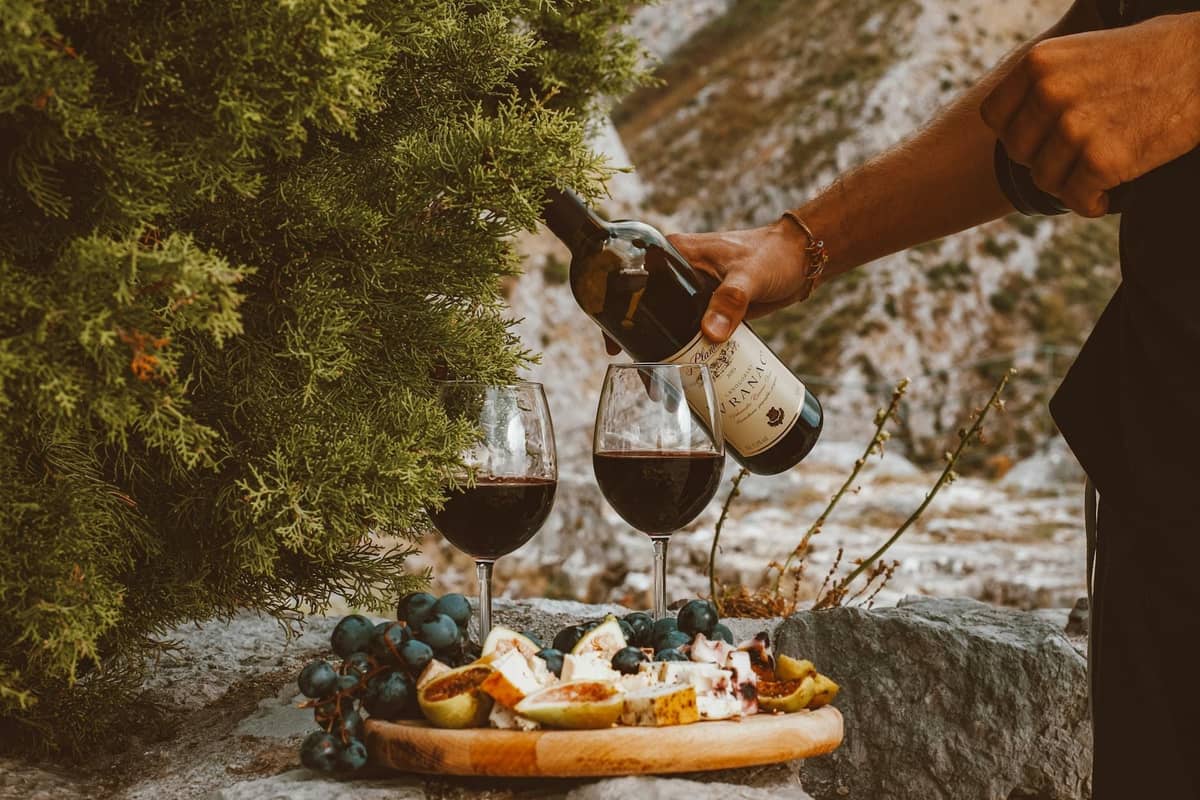
Dalmatian wine culture is serious and frequently underrated by visitors focused on food. The Dalmatian coast produces some of Croatia's most distinctive wines, with Plavac Mali — a bold red grape indigenous to Dalmatia — as the flagship variety. It pairs well with pašticada and brudet. For white wine, Pošip from Korčula island and Grk (also from Korčula) are the regional standards, both excellent with grilled fish and lighter seafood dishes. Local house wine in konobas is typically Dalmatian and often very good at modest prices.
Rakija is the local spirit, a grape or herb brandy that functions as aperitif, digestif, and social lubricant. Travarica — herbal rakija — is the Dalmatian variant, often offered complimentary at the end of a meal in traditional konobas. Accepting it is a gesture of hospitality; refusing is fine but slightly awkward. Beer drinkers will find Karlovačko and Ožujsko on tap almost everywhere, both light lagers that work fine with fried seafood.
FAQ
What is the most traditional food in Split, Croatia?
Pašticada is the dish most closely associated with Split specifically — a slow-braised beef stew marinated in vinegar and citrus, cooked with prunes and red wine, always served with homemade gnocchi. It's a festive dish traditionally prepared for celebrations and takes a full day to make properly. Crni rižot (black squid ink risotto) is arguably more widely eaten day-to-day but is common across the entire Croatian coast.
Is seafood expensive in Split?
It depends heavily on where you eat. Whole fresh fish is typically priced by weight (per 100g) in restaurants, and prices vary significantly between tourist-facing spots on the Riva and konobas a few streets back. Sardines and anchovies are always affordable. Sea bass and sea bream are mid-range. Lobster and shellfish platters at prime locations can be very expensive. Markets like Pazar sell fresh catch at lower prices if you're self-catering.
What should I eat in Split for breakfast?
Traditional Dalmatian breakfast is not elaborate. Most locals eat burek (a flaky pastry filled with meat or cheese, from Balkan culinary tradition) from a bakery, or simply bread with olive oil and coffee. Cafes along the Riva serve coffee culture seriously — a short espresso is standard. Full cooked breakfasts are mainly available at hotels catering to international visitors.
Can vegetarians eat well in Split?
Vegetarians can eat reasonably well, but should be realistic: Dalmatian cuisine is built around seafood and meat. Soparnik (Swiss chard flatbread), peka with vegetables, grilled vegetables with olive oil, various cheese and bread options, and pasta dishes are all vegetarian-friendly. Vegan options are more limited in traditional konobas. Restaurants with broader international menus will have more options, though quality varies.
What is peka and how do I order it in Split?
Peka is a traditional cooking method where meat (usually lamb, veal, or octopus) and vegetables are placed under a heavy iron bell called a peka, covered with embers, and slow-cooked for several hours. The result is extraordinarily tender and flavorful. To order it in Split, you need to contact the restaurant at least 24 hours in advance — sometimes longer — because it requires dedicated preparation time. It's worth the planning.