Where to Stay in Split, Croatia: Best Areas & Hotels
Not all of Split's neighborhoods are created equal. This guide breaks down the four main areas where visitors stay, who each one suits, what to expect on price, and what nobody warns you about before you book.
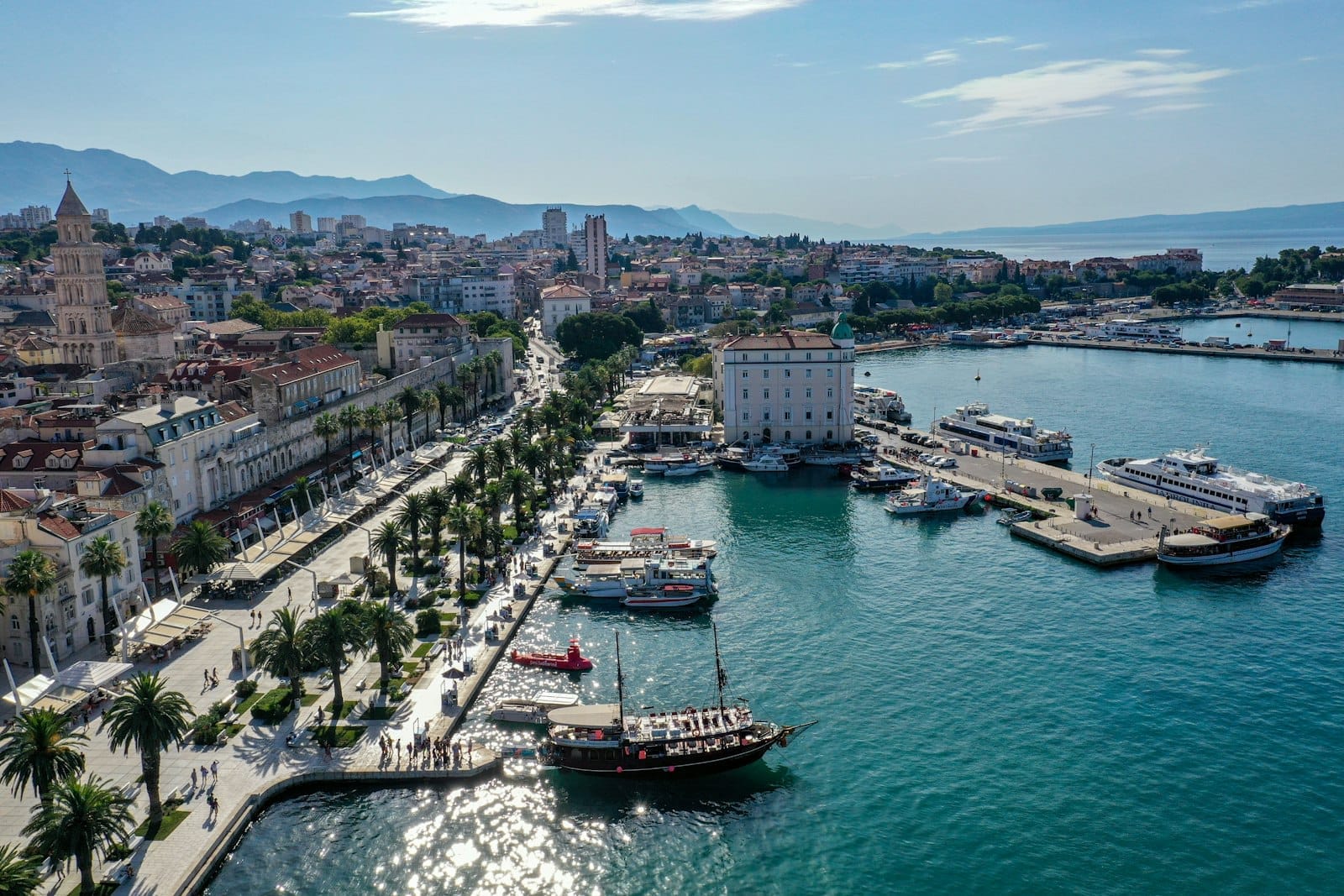
Plan and book this trip
Tools from our partner Travelpayouts help you compare flights and hotels. If you book through them, we may earn a commission at no extra cost to you.
Flights
Hotels map
TL;DR
- Diocletian's Palace is the most central option but draws massive cruise crowds from May through September — see our best time to visit Split guide before committing.
- Varoš (Veli Varoš) gives you authentic Dalmatian character, better pricing on food, and a 10-minute walk to everything — the strongest all-round pick for most visitors.
- Meje/Marjan is Split's quietest and most upscale area, roughly 20-25 minutes from Old Town on foot, suited to those who want space over convenience.
- Bačvice is the beach-and-bar district, best for younger travelers or families who prioritize sand and nightlife proximity over history.
- Book early for summer stays — July and August sell out months in advance. Check what Split looks like in summer before deciding on your neighborhood.
How Split's Neighborhoods Actually Work
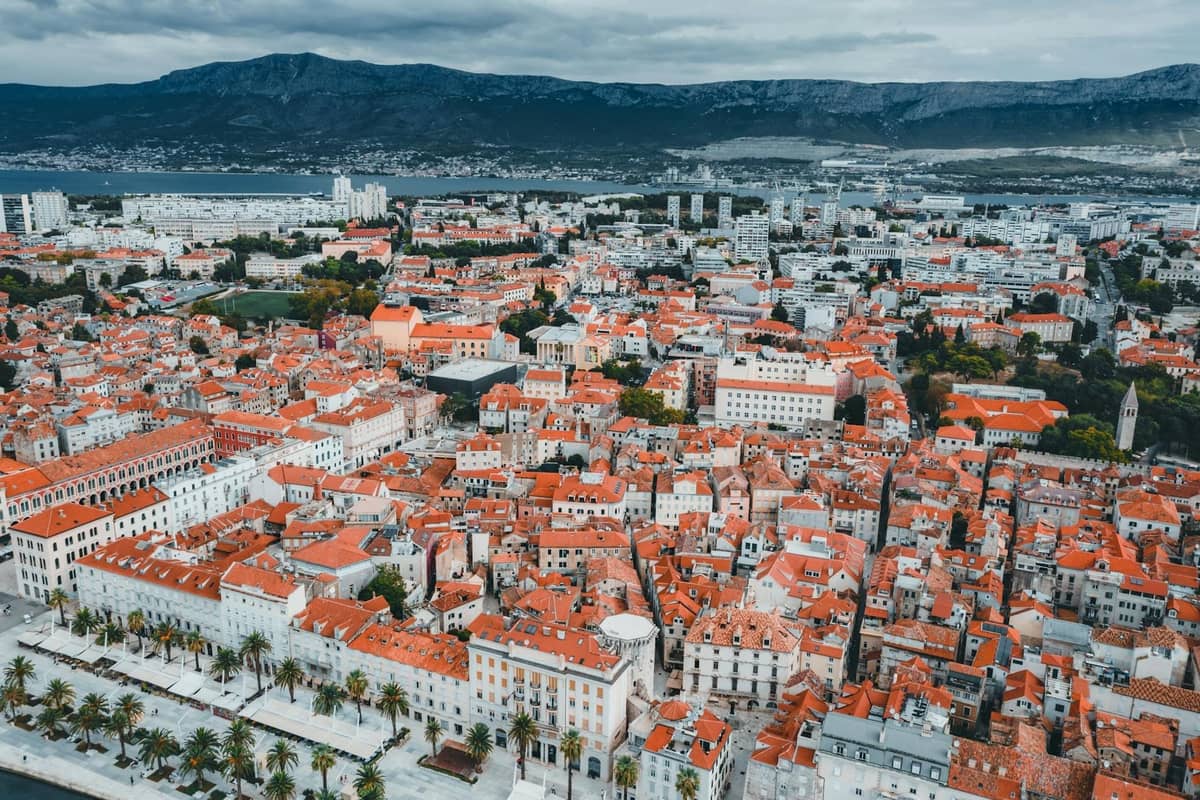
Split is a compact city built on a peninsula, which means most of its key neighborhoods sit within walking distance of each other. That compactness is part of the appeal, but it also means noise, crowds, and cruise-ship traffic spread quickly through the central areas in summer. Understanding the rough geography before you book prevents a lot of disappointment.
The city centers on Diocletian's Palace, a Roman imperial complex that has functioned as a living neighborhood for nearly 1,700 years. Surrounding it to the west is Varoš, a steep residential quarter of stone houses and narrow lanes. Further west lies Meje, the elegant district bordering Marjan Hill. To the east of the Palace sits Bačvice, home to Split's most famous beach and a concentration of bars and clubs.
ℹ️ Good to know
Split does not have a traditional hotel strip. Accommodation is scattered across residential neighborhoods, converted apartments inside the Palace walls, and a handful of larger hotels on the waterfront. This means your 'hotel location' and your actual neighborhood experience can feel very different.
Diocletian's Palace & Old Town: Maximum Convenience, Maximum Crowds
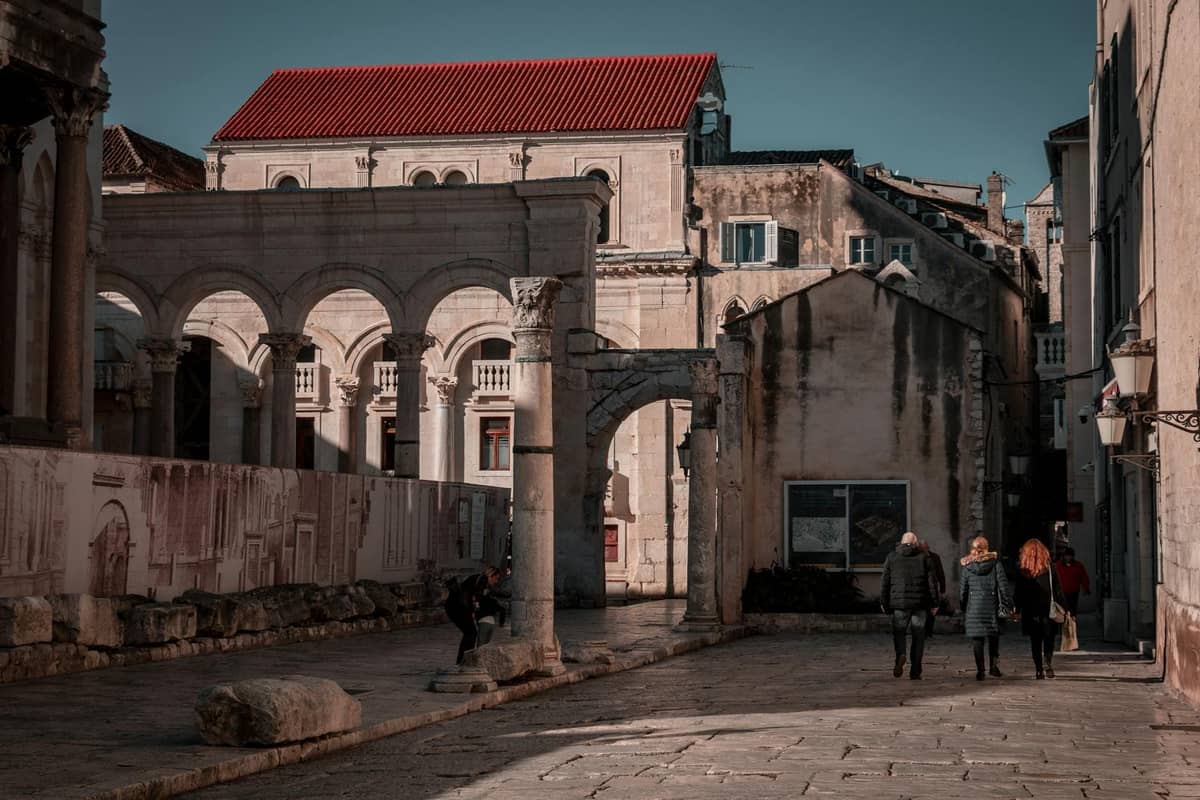
Staying inside or immediately adjacent to Diocletian's Palace means waking up inside a UNESCO World Heritage Site. The lanes are extraordinary — Roman stonework beneath your feet, medieval churches around every corner, laundry hanging between 1,700-year-old walls. For first-time visitors on a short trip, this location is genuinely hard to beat for access.
The honest tradeoff: from roughly late May through early September, cruise ships dock in large numbers and disgorge thousands of day-trippers directly into the Palace area every morning. By 10am on a peak summer day, the main corridors are packed. Noise continues late into the night from bars operating within the old walls. Light sleepers or anyone wanting quiet mornings should think carefully before booking here in summer.
- Best for First-time visitors, short stays (2-3 nights), travelers who want landmarks at their doorstep, off-season trips in April, October, or November.
- Accommodation style Mostly private apartments and guesthouses converted from old stone buildings. True hotels are limited inside the walls. Expect small rooms, uneven floors, and stairs — charming or inconvenient depending on your tolerance.
- Price range Generally the most expensive area per night. Budget options exist but fill early. Mid-range apartments run roughly €80-180/night in peak season (verify current rates).
- Food and drink pricing Cafes and restaurants within the Palace walls charge a premium. Expect to pay 20-30% more for the same coffee or meal than you would two streets away in Varoš.
⚠️ What to skip
Many apartments inside the Palace have no elevator, no dedicated parking, and very limited luggage storage. If you're arriving with large bags, check access details with your host before booking — some properties require climbing multiple flights of stairs through narrow passages.
Varoš (Veli Varoš): The Strongest All-Round Pick
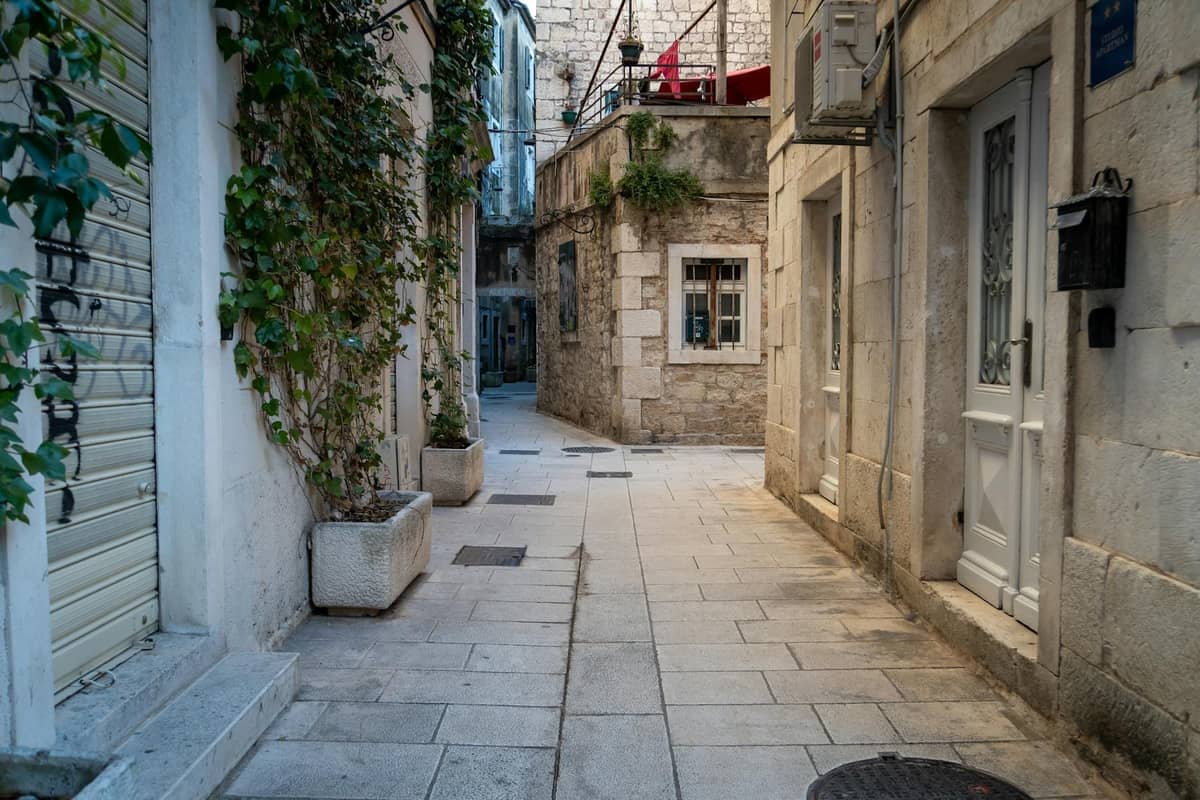
Varoš is the oldest surviving residential quarter in Split, predating the tourist economy by centuries. Traditional Dalmatian stone houses line cobblestone streets that climb gradually from the flat waterfront toward Marjan Hill. It feels like a real neighborhood because it still is one: locals shop at the small grocery stores, kids play in the courtyards, older residents sit outside in the evenings.
The distance to the Palace is roughly 10 minutes on foot along the waterfront. The Riva promenade — Split's main social artery — is even closer. This combination of proximity and separation makes Varoš the preferred neighborhood for repeat visitors to Split who already know the Old Town experience and want something less performative.
One practical note on terrain: the lower streets of Varoš are flat and easy, but the neighborhood climbs noticeably toward Marjan. Properties higher up the hill offer better views and more quiet, but involve steeper daily walks. If you're traveling with a stroller, mobility aids, or significant luggage, prioritize stays in the lower part of Varoš.
- Best for Repeat visitors, couples, travelers wanting local atmosphere, anyone staying 4+ nights who wants to feel settled rather than constantly touristed.
- Accommodation style Strong selection of private apartments in both owner-managed buildings and small residential blocks. Quality varies more than in curated hotel zones — read reviews carefully.
- Price range Better value than the Palace area. Local bakeries, supermarkets, and konobas (traditional taverns) offer noticeably lower prices than establishments inside the old walls.
- Drawback Fewer luxury or boutique hotel options. The area is primarily apartments. Those wanting hotel services (daily housekeeping, 24-hour reception, room service) may find choices limited.
Meje and Marjan: Upmarket, Serene, and Further Out
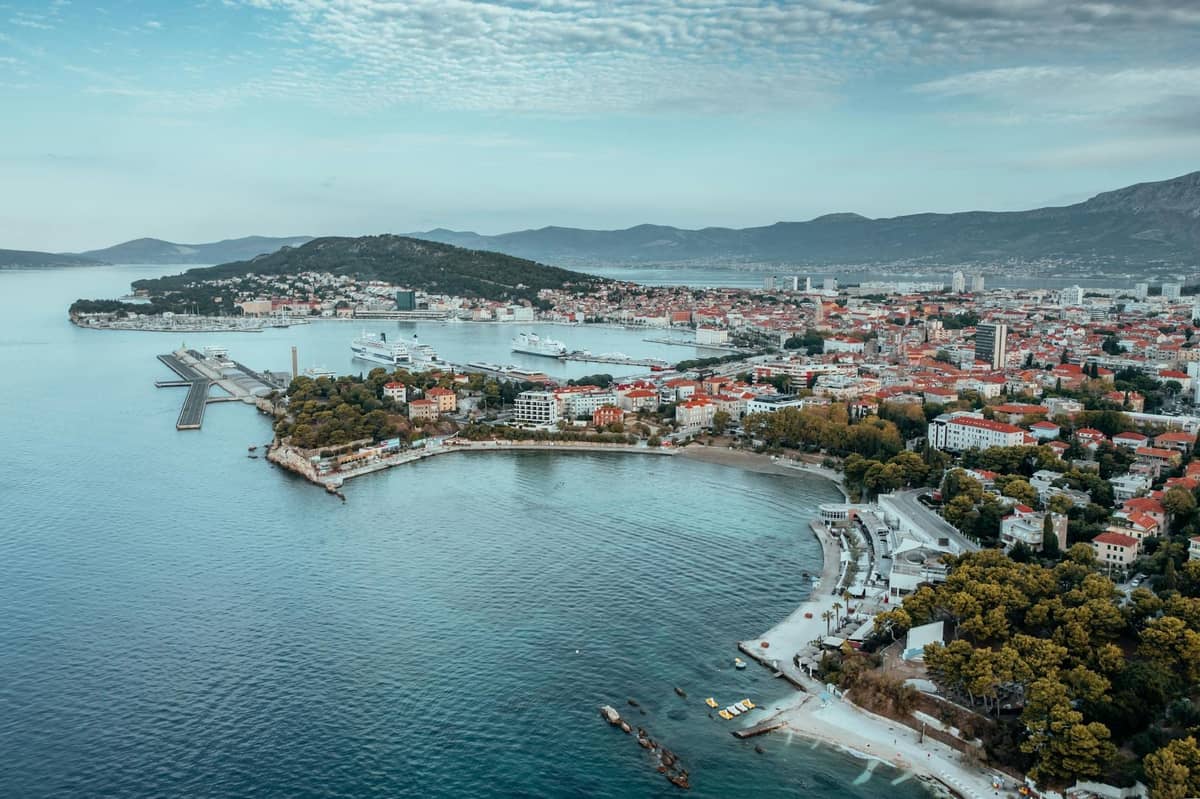
The Meje district, sandwiched between Marjan Hill and the Adriatic, is where Split's quieter, more affluent residential character shows itself. Wide tree-lined streets replace the narrow lanes of the Old Town. The waterfront here is calm, with small rocky beaches and the green backdrop of the Marjan peninsula forest. Kasjuni Beach, one of Split's most popular non-urban beaches, is accessible from this area.
The walk from Meje to Diocletian's Palace takes 20-25 minutes along the waterfront, which is pleasant on a warm evening but less appealing if you're making that trip multiple times a day with shopping bags or in summer heat. There is bus service, but Split's urban bus network requires some local knowledge to navigate efficiently. This neighborhood suits travelers who have already seen Split's main landmarks and want a base that feels like a holiday retreat rather than a staging post for sightseeing.
✨ Pro tip
If you're considering Meje, look for accommodation close to the waterfront path rather than up toward the Marjan slopes. The flat waterfront route to the city center is genuinely enjoyable and cuts the walk to around 20 minutes. Going via higher streets adds both time and elevation.
Bačvice: Beach Access, Bars, and a Younger Energy
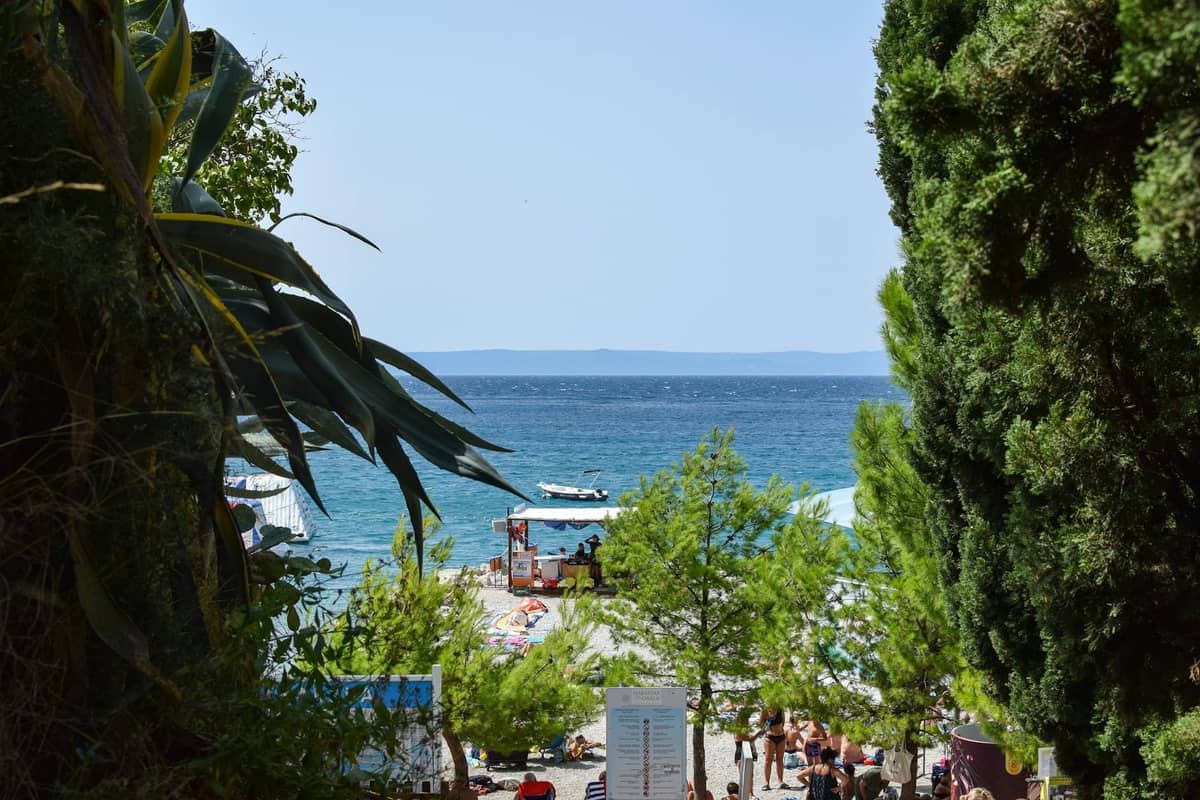
Bačvice sits east of the Old Town, roughly 10-15 minutes' walk from the Palace along the waterfront. The area is anchored by Bačvice Beach, a shallow sandy bay that is genuinely unusual along this stretch of the Dalmatian coast, where most beaches are pebble or rock. The shallow water makes it particularly popular with families and children. It is also the traditional home of picigin, a Dalmatian ball game played in ankle-deep water.
The Bačvice area has a more modern, less historic character than the Old Town or Varoš. It hosts a concentration of bars and clubs, particularly around the beach complex, which means evening noise is a real factor. Families will appreciate the beach proximity in the daytime; those expecting quiet evenings will not enjoy the area in July and August. The Split nightlife centers partly on this district, which tells you a lot about what the atmosphere is like after 10pm.
Practical Considerations Before You Book
Split's accommodation market is heavily seasonal. In July and August, prices across all neighborhoods spike significantly and good-value options disappear fast. The shoulder months of May, June, and September offer meaningfully better rates, smaller crowds, and more pleasant temperatures for walking. If your dates are flexible, targeting early June or mid-September gives you most of the summer experience with a fraction of the peak-season friction.
For those planning day trips out to the islands or national parks, your neighborhood choice matters less than proximity to the ferry terminal and bus station, both of which sit near the Old Town. Island-hopping from Split and trips to Krka National Park are all straightforward from any central neighborhood, but Bačvice and Meje do add a transit step that Old Town and Varoš do not.
- Book at least 3-4 months ahead for July and August stays, particularly in Varoš apartments and Palace-area properties.
- Ask hosts specifically about noise, stair access, and parking before confirming — Split's old buildings don't always match listing photos in terms of practicality.
- Air conditioning is standard in most listed accommodation but worth confirming — summer nights in Split can stay above 25°C.
- If arriving by ferry, the dock is steps from the Old Town — Varoš and Palace stays are the easiest for luggage-heavy arrivals.
- Split Airport (SPU) is around 25km from the city center. Airport transfers typically cost €15-30 by shuttle or taxi (verify current rates before travel).
💡 Local tip
If you're spending most of your time doing day trips from Split rather than exploring the city itself, prioritize a comfortable, well-priced base in Varoš over paying a premium for a Palace address. You'll use the location for sleeping and departing, not for lingering — the extra cost rarely justifies itself in that scenario.
For travelers managing a tight budget, the pricing differential between neighborhoods is worth factoring in beyond accommodation alone. Food, coffee, and incidentals inside the Palace area consistently run higher than in Varoš or Bačvice. A week-long stay can see a meaningful cost difference depending on where you eat breakfast and which supermarket you use. Our Split on a budget guide covers this in more detail, including which markets and neighborhoods offer the best everyday value.
FAQ
Where should first-time visitors stay in Split?
For a first visit, staying in or near Diocletian's Palace puts you closest to the main landmarks with the least logistical effort. If you're visiting in peak summer (July-August) and are sensitive to noise and crowds, Varoš is a better compromise: close enough to walk everywhere in 10 minutes, but genuinely quieter and better value for food.
Is Varoš or the Old Town better for families?
Varoš is generally more practical for families, particularly those with strollers or young children. The lower streets are flatter than the Palace area's uneven Roman stone lanes, local supermarkets are cheaper, and the atmosphere is less overwhelmingly touristy. Families wanting beach access might also consider Bačvice, which puts you within short walking distance of Split's best sandy beach.
How far is Meje from the city center?
Meje is approximately 20-25 minutes' walk from Diocletian's Palace along the flat waterfront promenade. There is also bus service. The walk is pleasant in mild weather but can feel long in July and August heat, especially when carrying beach gear or shopping.
What is Split like in summer — is the Old Town too crowded to stay in?
The Old Town in July and August is genuinely very crowded during the day, with cruise ship arrivals compounding the already high number of tourists. It is not unlivable, but light sleepers will struggle with bar noise at night, and narrow lanes feel suffocating in peak hours. If you want the Palace address in summer, book the quietest courtyard-facing property you can find and set expectations accordingly.
Are there good hotels in Split or is it mostly apartments?
Split's accommodation skews heavily toward private apartments, particularly in the historic areas. Full-service hotels do exist — primarily along the waterfront and in Meje — but they are fewer in number than in comparable European cities of similar tourist volume. If hotel services (daily cleaning, 24-hour reception, concierge) matter to you, filter specifically for hotels rather than apartment rentals when searching, and book well in advance for summer dates.