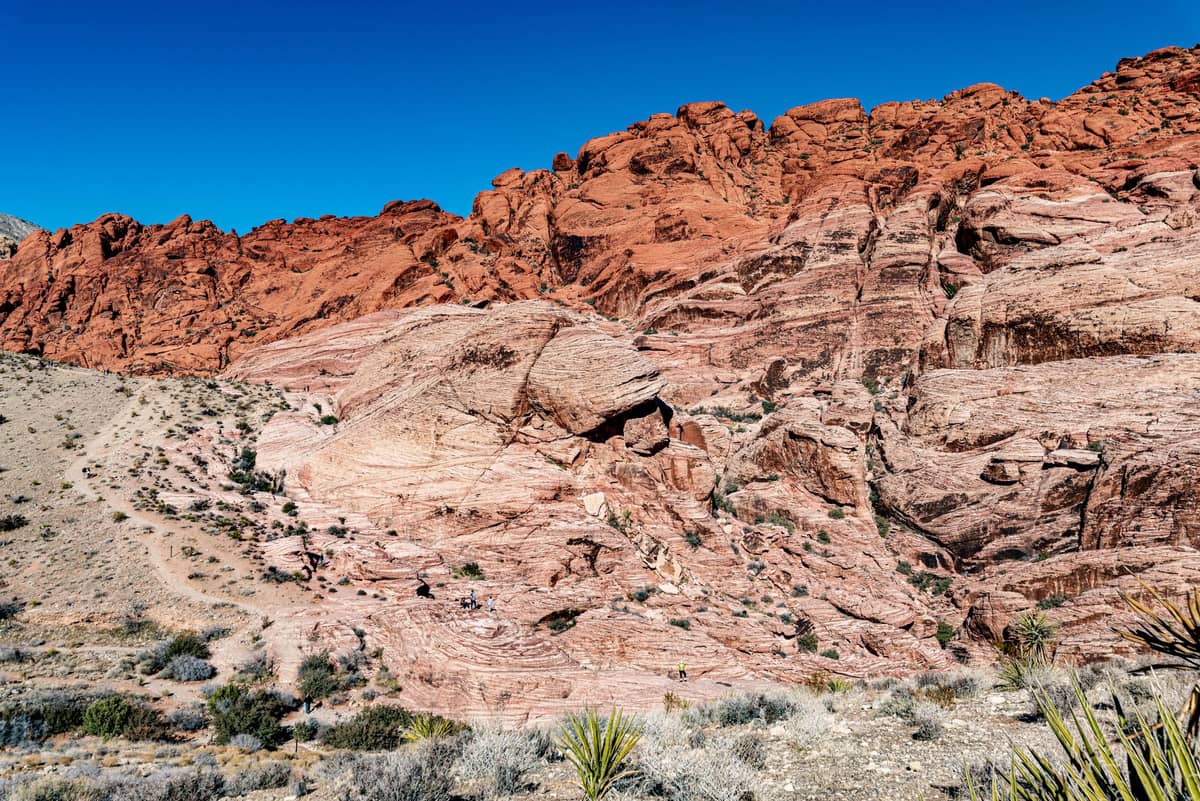
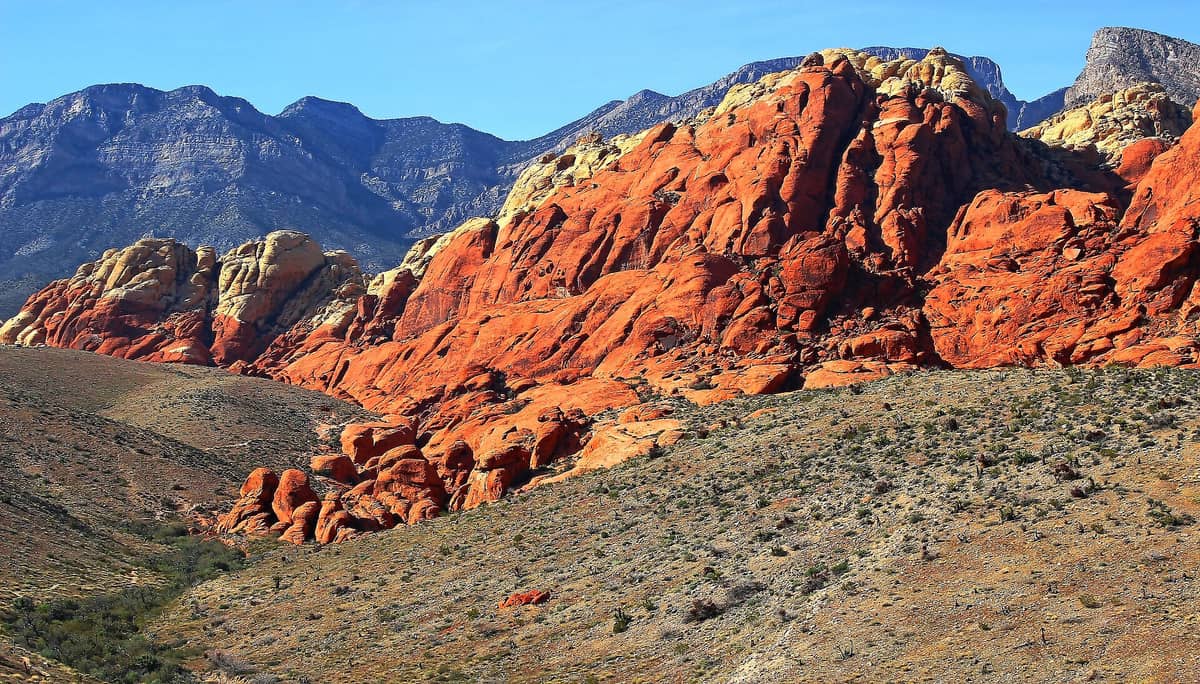
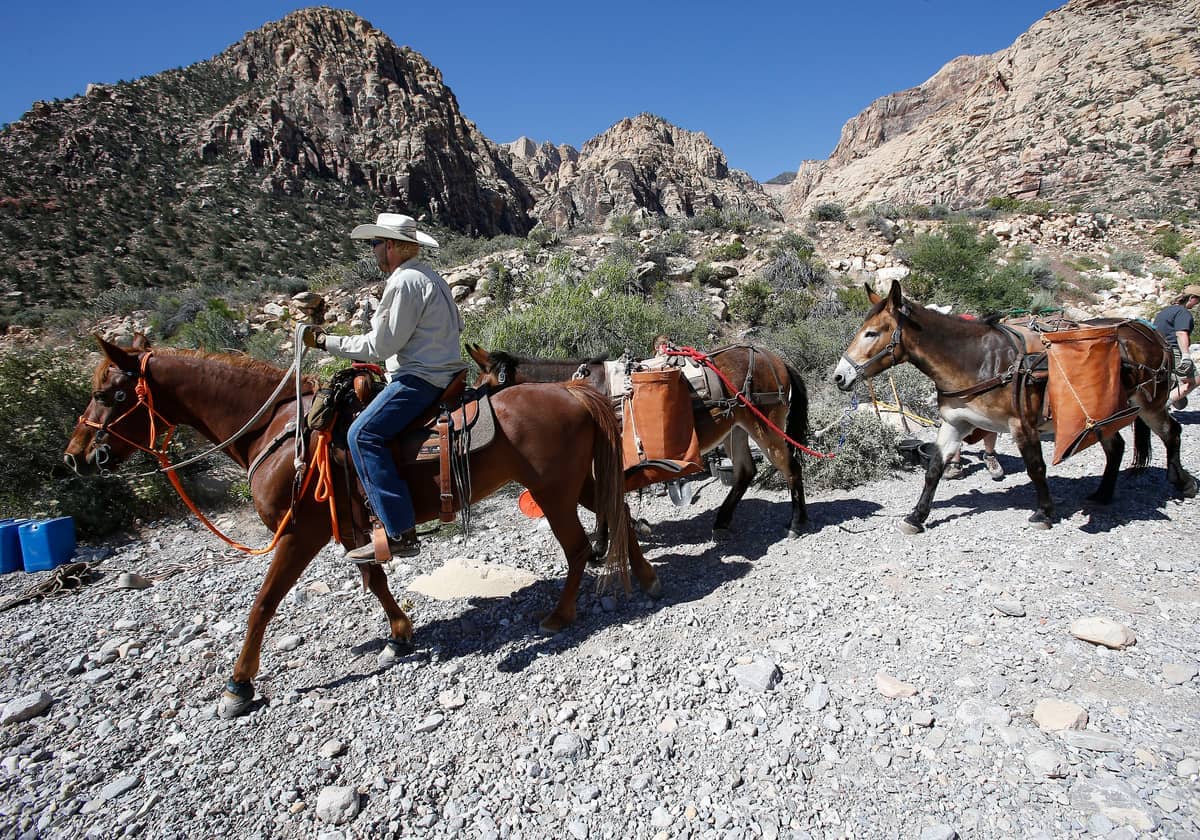
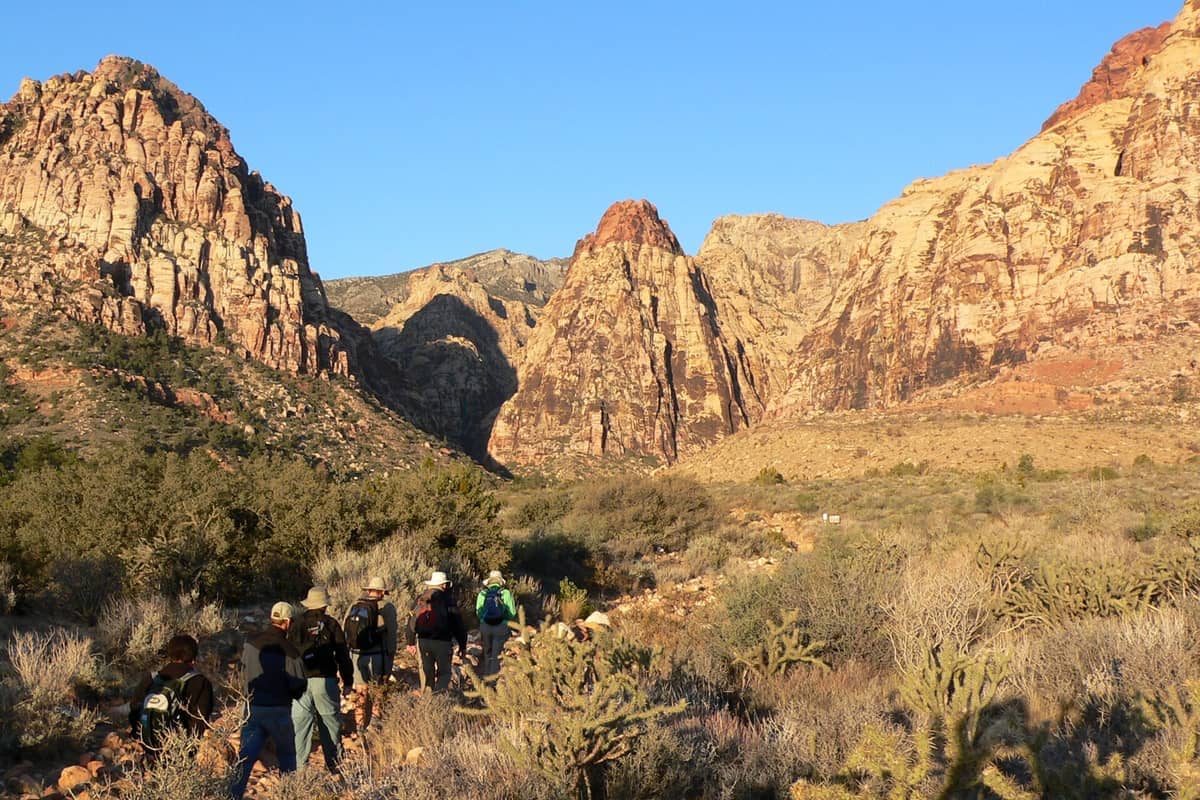
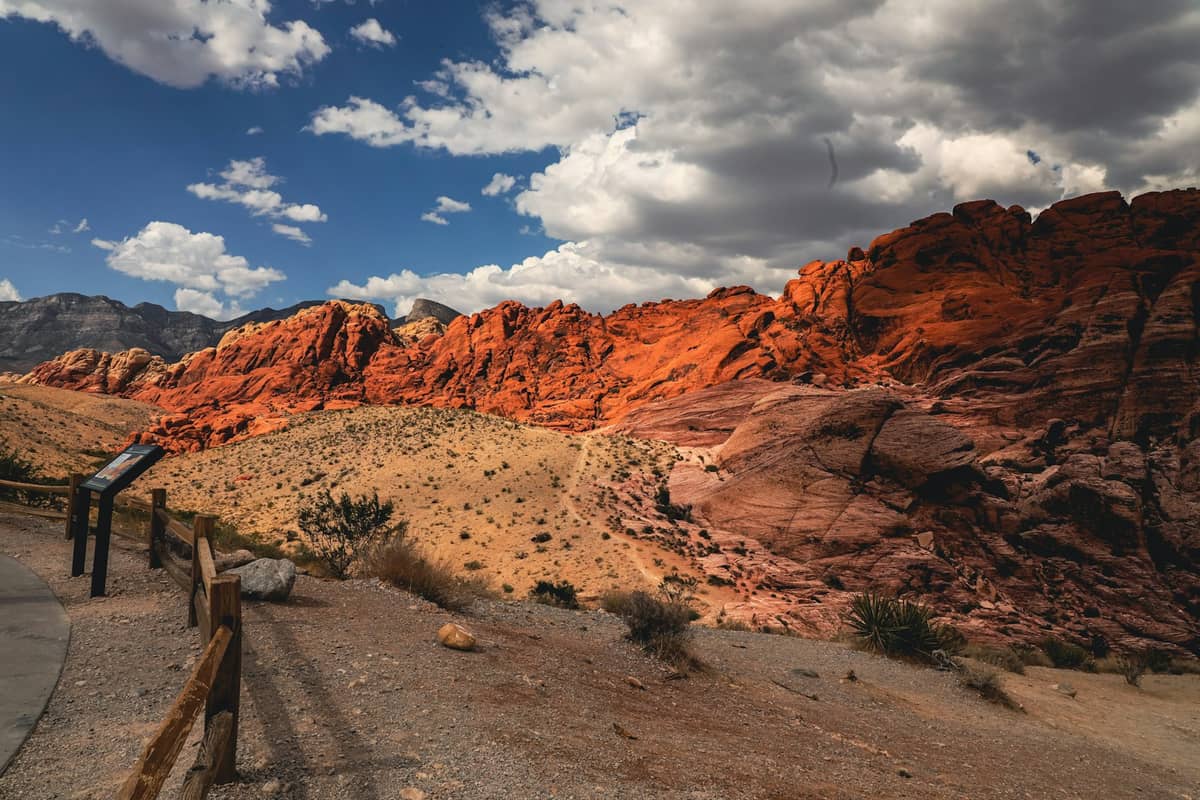
Just 17 miles west of the Las Vegas Strip, Red Rock Canyon National Conservation Area offers a complete contrast to the city: dramatic red and orange sandstone escarpments, quiet desert trails, and big sky silence. It is one of the most accessible pieces of genuine wilderness attached to any major American city.
Red Rock Canyon is the antidote to the Strip. Seventeen miles west of the neon, the Mojave Desert rises into a wall of ancient sandstone that turns deep crimson at sunrise and glows amber in the late afternoon. Whether you come to hike, climb, cycle the scenic loop, or simply pull over and stare, this is Las Vegas at its least expected.
Orientation
Red Rock Canyon National Conservation Area sits roughly 17 miles west of the Las Vegas Strip, managed by the Bureau of Land Management (BLM). The main entrance and Visitor Center are located at 1000 Scenic Loop Drive, reached via State Route 159, also known as West Charleston Boulevard. From the Strip, the drive follows Charleston Boulevard straight out of the city grid, through the suburban edge of Summerlin, and into open desert in about 30 minutes. The transition is abrupt: one moment you are passing strip malls and stucco housing, and the next the road opens onto a basin with a 3,000-foot sandstone escarpment filling the western horizon.
The conservation area covers over 195,000 acres, but most visitors concentrate their time on or near the Red Rock Canyon Scenic Drive, a one-way, 13-mile loop road that begins near the Visitor Center and winds past signed viewpoints, canyon trailheads, and picnic areas before looping back to SR-159. The Scenic Drive is the spine of any visit, with spurs and trails branching off at regular intervals.
To the north and east, the conservation area borders the Summerlin master-planned community, the westernmost residential edge of the Las Vegas Valley. To the south, SR-159 continues toward Blue Diamond, a small desert town. The Spring Mountains, including Mount Charleston, rise further west. Red Rock Canyon occupies a geographic middle zone between the city and the high alpine terrain beyond, which gives it a character unlike either.
Character and Atmosphere
The canyon operates on a different clock than the rest of Las Vegas. Early mornings, from about 6 to 9 a.m., belong to hikers, climbers, and cyclists who arrive in the first hour after the gates open. The light is low and directional, throwing long shadows across the Calico Hills, and the temperature is cool enough to move fast. The parking lots at popular trailheads like Calico Hills and Ice Box Canyon fill quickly on weekends. By 10 a.m., the tour buses from the Strip begin to arrive, and the Visitor Center area gets crowded.
Midday in summer is a different environment entirely. Between June and September, temperatures in the canyon regularly exceed 100 degrees Fahrenheit by late morning. The light becomes harsh and flat, the shadows disappear, and the rock radiates stored heat back at you. Most serious hikers are back at their cars by 11 a.m. in summer. In October through April, midday is the most pleasant time to be on the trails, with temperatures in the 60s and 70s and the light still strong enough to saturate the red and orange sandstone.
Late afternoon brings the canyon's most photogenic hour. The low western sun backlights the Calico Hills from behind the escarpment, and the stone shifts through shades of orange, rust, and pink. This is when the Scenic Drive is at its most rewarding as a slow, contemplative route. Sunset from the main overlooks, or from the shoulders of the road near the first viewpoints, is worth planning your day around.
⚠️ What to skip
Cell phone reception is limited to nonexistent throughout much of the conservation area. Download offline maps before you leave Las Vegas, and do not rely on rideshare apps for a return pickup once you are inside the park.
What to See and Do
The Scenic Drive is the default experience for first-time visitors, and it earns its reputation. Thirteen miles of one-way road move through dramatically varied terrain: open desert flats, slot canyon mouths, boulder-strewn washes, and the base of the main Wilson Cliffs escarpment. The maximum speed limit is 35 mph, and the road is shared with cyclists and runners, so plan at least 90 minutes to drive it properly with stops. Detailed guidance on making the most of the loop is available in the Red Rock Canyon Scenic Drive attraction guide.
Hiking is the primary draw for return visitors. The trail network ranges from easy walks to strenuous canyon scrambles. Calico Hills offers a short, accessible loop through brilliant red and white sandstone formations that rewards even casual walkers. Ice Box Canyon is a more demanding route into a narrow slot canyon that stays cool even in summer, with seasonal waterfalls after rain. Pine Creek Canyon and Oak Creek Canyon are longer out-and-back routes with more solitude and better wildlife sightings.
Calico Hills Loop: 2-4 miles, easy to moderate, ideal for families and first-timers
Ice Box Canyon Trail: 2.5 miles round trip, moderate, popular year-round
Pine Creek Canyon Trail: 6 miles round trip, moderate, best in spring and autumn
Turtlehead Peak: 4 miles round trip, strenuous, panoramic views of the Las Vegas Valley
Oak Creek Canyon Trail: 7 miles round trip, moderate, less trafficked than northern trailheads
Rock climbing is taken seriously here. The Calico Hills and the Wilson Cliffs host hundreds of established routes, and Red Rock Canyon is considered one of the top sport and traditional climbing destinations in the American Southwest. The sandstone offers grip unlike granite, and the concentration of routes from beginner to elite within a short approach makes it a regular destination for climbers who pair a trip with a Las Vegas visit. Guided climbing operations work out of the Visitor Center area and can be booked in advance.
For those interested in a day trip that extends further into the region, the Spring Mountains and Mount Charleston are accessible from the same SR-159 corridor, rising to nearly 12,000 feet and offering a completely different ecosystem within an hour of the canyon entrance.
💡 Local tip
The Scenic Drive requires a timed entry reservation between October 1 and May 31 for entry between 8 a.m. and 5 p.m. Book your entry slot through Recreation.gov well in advance, especially for weekend visits. Walk-in passes are rarely available during peak season.
Eating and Drinking
There are no restaurants or food vendors inside Red Rock Canyon National Conservation Area. The Visitor Center has water, restrooms, and a small bookstore run by a nonprofit partner, but nothing beyond that. Any food or drink for your visit needs to come with you from Las Vegas.
The most practical option is to stock up before leaving the city. Several grocery stores and delis operate along Charleston Boulevard in the Summerlin area, roughly 10 to 15 minutes east of the park entrance. These are your best stops for picnic supplies, extra water (plan on at least one liter per person per hour of hiking in summer), sandwiches, and snacks. Picking up coffee from a drive-through before the canyon is a standard morning routine for locals who make this a regular weekend destination.
After your visit, the small community of Blue Diamond, about 8 miles south on SR-159, has a modest general store that can cover basic needs. For a proper meal, most visitors return to the Summerlin area or back toward the Strip. The suburbs along Charleston offer a range of sit-down restaurants covering most cuisine types, at prices well below Strip levels.
ℹ️ Good to know
Picnicking is specifically encouraged at Red Rock Canyon. Multiple shaded and open picnic areas are distributed along the Scenic Drive, some with grills. Bring your own charcoal if you plan to use one, and pack out all trash: there are limited bins inside the park.
Getting There and Around
The standard route from the Strip is straightforward. Take Charleston Boulevard (SR-159) west for approximately 17 miles from the intersection with the Strip. The drive passes through downtown Summerlin, crosses under the I-215 beltway, and continues into open desert before the Visitor Center appears on the right. Total drive time from mid-Strip hotels is typically 25 to 35 minutes without traffic. Detailed advice on navigating Las Vegas by car and other options is covered in the getting around Las Vegas guide.
Public transportation does not reach the park entrance. RTC bus routes 109 and 202 can bring you to the intersection of Charleston Boulevard and Canyon Rock Drive, approximately 5 miles from the Scenic Drive entrance. From there, you would need a bicycle, rideshare pickup, or a long walk along a highway shoulder to cover the remaining distance. Given that cell reception is unreliable near the park, arranging a rideshare return from inside the conservation area is not practical.
Organized tours from the Strip are the most viable car-free option. Several operators run half-day and full-day guided tours that include transportation from Strip hotels, a narrated drive along the Scenic Drive, and sometimes a guided hike. These typically depart mid-morning and return by early afternoon, which suits the summer heat schedule. Bicycle tours are also available for groups who want to cycle the Scenic Drive with van support.
Ride-hailing services like Uber and Lyft can drop you at the Visitor Center, but arranging a pickup from inside the park is unreliable due to the cell reception issue mentioned above. If you use rideshare, plan to be back at the Visitor Center or the park entrance area, where signal is more consistent, before calling for a return.
By car: 25-35 minutes from the Strip via Charleston Boulevard/SR-159
By tour: multiple operators offer Strip hotel pickup, half-day from approximately USD 60-100 per person
By rideshare: drop-off at Visitor Center is straightforward; return pickup requires a signal at the entrance
By public bus: RTC routes 109/202 to Charleston & Canyon Rock Drive, then 5 miles remaining to entrance
By bicycle: the Scenic Drive is popular with road cyclists from Summerlin; it is a one-way road with a 35 mph vehicle limit
Where to Stay
There is no lodging inside Red Rock Canyon. The closest hotel options are in Summerlin, the planned community directly to the east, where several mid-range and upscale properties sit within 15 minutes of the park entrance. Staying in Summerlin gives you the best access for early morning visits before crowds arrive, and the neighborhood has its own dining and shopping infrastructure. For a full overview of Las Vegas accommodation options and which area suits your itinerary, the where to stay in Las Vegas guide covers the tradeoffs between Strip, Downtown, and suburban locations.
Most visitors treat Red Rock Canyon as a day trip or half-day excursion from Strip hotels. This works well if you can leave by 7 or 8 a.m. and be back on the Strip by early afternoon. Staying on or near the Strip has the advantage of access to everything else the city offers, from the Bellagio Fountains to the Neon Museum, while Red Rock Canyon serves as an early morning escape from the casino environment.
Campers can stay at the Red Rock Canyon campground, located off SR-159/Charleston Boulevard north of the Visitor Center, just outside the Scenic Drive portion of the conservation area. Sites must be reserved through Recreation.gov and are extremely popular from October through April. Camping here puts you inside the canyon at dawn, which is a legitimately different experience from a day trip. For budget-conscious travelers pairing outdoor time with city activities, the Las Vegas on a budget guide has relevant context on combining free or low-cost outdoor experiences with the city.
Practical Tips and Safety
Desert conditions define the safety calculus at Red Rock Canyon. In summer, the combination of high temperatures, low humidity, minimal shade on most trails, and limited water sources creates genuine risk for unprepared visitors. Start any hike before 8 a.m. from June through August. Carry more water than you think you need. The BLM recommends a minimum of one liter per person per hour of hiking in summer conditions, and that figure is conservative for strenuous routes.
The Scenic Drive is one-way with a 35 mph speed limit, but cyclists and runners use the road throughout the day. Give them wide berth and expect the road to feel narrower than it looks on a map, particularly through the canyon sections. Parking is limited at popular trailheads, and on weekend mornings between October and May, the Calico Hills lot fills completely by 9 a.m. The timed entry reservation system helps manage overall volume but does not guarantee parking at specific trailheads.
Do not leave valuables visible in your vehicle at any trailhead lot. Vehicle break-ins are a documented issue at busy desert recreation areas throughout the Southwest. Take your keys, and if possible bring a small daypack so nothing needs to be left behind. For broader context on what to expect during outdoor excursions near Las Vegas, the hiking near Las Vegas guide covers safety, gear, and seasonal timing in more detail.
TL;DR
Red Rock Canyon is 17 miles west of the Las Vegas Strip via Charleston Boulevard, about 30 minutes by car, and requires a timed entry reservation for the Scenic Drive between October 1 and May 31 for entry between 8 a.m. and 5 p.m.
Best for: hikers, rock climbers, cyclists, photographers, and anyone who needs a half-day outside the casino environment. The canyon rewards early starts and shoulder-season visits in October through April.
Skip it if: you are visiting in peak summer without a plan for an early start, or if you have no car or tour arranged, as public transit does not reach the entrance.
No food or drink is available inside the park: pack everything you need, including significantly more water than seems necessary.
The Scenic Drive, Calico Hills, and Ice Box Canyon are the three highest-value experiences for first-time visitors.
Three days is enough time to experience the best of Las Vegas if you plan smart. This itinerary covers the Strip's iconic landmarks, Downtown's neon history, a memorable day trip into the desert, and the shows and restaurants that actually deliver.
Las Vegas has a richer museum scene than most visitors expect. Beyond the casinos, you'll find world-class institutions covering organized crime, atomic history, natural science, immersive art, and the city's own neon-lit past. This guide covers the best museums in Las Vegas, organized by theme, with practical notes on what's worth your time and money.
Las Vegas runs 24/7 year-round, but when you go shapes everything from hotel rates to what you can actually do outdoors. This guide breaks down every season by temperature, crowd levels, prices, and what to watch out for — so you can pick the window that actually suits your trip.
Las Vegas rewards those who look up and out. Whether you want a bird's-eye view of the neon Strip, a sweeping desert panorama, or a close-up of iconic landmarks, these are the best observation decks and viewpoints the city has to offer.
Las Vegas sits at the center of one of the most remarkable day-trip networks in North America. Within a two-hour drive, you can stand on the rim of the Grand Canyon, hike through ancient red sandstone, or visit one of America's greatest engineering achievements. This guide covers the best escapes, organized by what you're looking for.
Las Vegas offers far more than paid entertainment. From iconic fountain shows and wildlife habitats on the Strip to desert art installations and neon-lit downtown experiences, this guide covers the best genuinely free attractions in the city.
Las Vegas is surprisingly easy to navigate once you understand how its transport options actually work. This guide covers everything from Harry Reid International Airport transfers to the RTC Deuce, the Strip monorail, taxis, rideshare, and driving tips, with clear cost breakdowns and time-of-day advice.
Las Vegas sits within striking distance of some of the American Southwest's most dramatic hiking terrain. From sandstone canyon walls 20 minutes from the Strip to alpine forests on Mount Charleston and the towering cliffs of Zion, these are the trails that make the desert city one of the best bases for outdoor adventure in the country.
Las Vegas handles more bachelor and bachelorette parties than anywhere else in the world, and for good reason. This guide covers everything from picking the right hotel and booking nightlife to timing your trip, managing the budget, and avoiding the costly mistakes most groups make.
Las Vegas buffets have changed dramatically. Many iconic spread-all-day operations are gone, replaced by tighter schedules and higher prices. This guide breaks down which buffets are still worth attending, what each one actually costs, and how to avoid wasting money on mediocre food.
Las Vegas casinos are not all created equal. This guide breaks down the best casino floors by type, explains the true cost of playing (resort fees, parking, table minimums), and gives you the practical knowledge to gamble smarter on the Strip and Downtown.
Las Vegas has quietly become one of the most serious dining cities in America, and celebrity chef restaurants are a big reason why. This guide breaks down the top spots by chef, covers real pricing, and tells you exactly how to get a table.
The Las Vegas Grand Prix is unlike any other race on the F1 calendar: a nighttime street circuit cutting through the neon heart of the Strip. This guide covers tickets, pricing, the circuit layout, what to expect on the ground, and how to plan your visit around one of motorsport's most spectacular events.
Las Vegas food has evolved far beyond cheap buffets and shrimp cocktails. This guide breaks down the city's full dining landscape: where to splurge, where to save, what neighborhoods to explore, and how to eat well on any budget.
Las Vegas is far more romantic than its party reputation suggests. This guide covers the best couples experiences in Vegas, from free Strip walks and the Bellagio fountains to helicopter flights over the Grand Canyon, with practical notes on what's worth the splurge and what to skip.
Las Vegas rewards the curious traveler who looks past the slot machines. From a surreal supermarket art maze to a ghost town in Eldorado Canyon, these off-Strip experiences reveal a city far stranger, more beautiful, and more diverse than most visitors ever discover.
Las Vegas New Year's Eve draws 350,000+ people to a pedestrianized Strip for synchronized rooftop fireworks, world-class parties, and an energy unlike anywhere else. This guide covers exactly what to expect, how to get around, and how to avoid the most common mistakes.
Las Vegas nightlife runs deeper than the casino floor. This guide breaks down Strip mega-clubs, rooftop bars, Downtown's free light shows, pool party season, and the after-dark experiences worth your money — plus clear notes on what to avoid.
Las Vegas has a reputation for excess, but the city also has more genuinely free and low-cost experiences than almost anywhere else in the U.S. This guide cuts through the noise with specific transit fares, free attraction lists, resort fee warnings, and seasonal tips to help you visit Las Vegas on a budget without sacrificing the experience.
Las Vegas pool parties are a world of their own — part concert, part nightclub, all sunshine. This guide breaks down the top dayclubs by venue, price, vibe, and season, so you can plan smarter and skip the rookie mistakes.
Las Vegas runs more resident shows per square mile than anywhere else on earth. This guide breaks down the best shows in Las Vegas by category, explains what tickets actually cost, and tells you which productions are worth the money and which ones are not.
Las Vegas is the sports betting capital of the United States, with licensed sportsbooks inside nearly every major casino on the Strip and downtown. This guide covers everything a first-timer needs: how sportsbooks work, how to read odds, where to bet, and what to watch out for.
The Las Vegas Strip covers 4.2 miles of world-famous resorts, free attractions, and neon spectacle. This self-guided walking tour breaks down the full route from Mandalay Bay to the Strat, with practical tips on timing, transit backup, free stops, and how to avoid the most common mistakes first-time walkers make.
Las Vegas wedding chapels make it possible to go from arrival to legally married in a single afternoon. This guide covers the marriage license process, chapel options across every budget, pricing breakdowns, seasonal timing advice, and the myths that trip up first-timers.
Forty-eight hours in Las Vegas is enough time to hit iconic Strip landmarks, explore Downtown's neon-lit streets, catch a world-class show, and still find a few surprises. This guide picks the best attractions across every category so you can plan a weekend that actually delivers.
Las Vegas is far more family-friendly than its reputation suggests. From indoor theme parks and world-class aquariums to free fountain shows and downtown museums, this guide covers the best things to do in Las Vegas with kids, sorted by age, budget, and season.
Las Vegas operates at every budget level, but at the top end it competes with any city in the world. This guide cuts through the noise with real pricing, candid assessments, and practical advice for planning a high-end Las Vegas trip, from flagship resort suites to Michelin-caliber tasting menus and private aerial tours.
Las Vegas delivers a lot of scenery for a short hike as a shopping destination. This guide breaks down the top malls, premium outlets, and Strip boutiques — with practical details on hours, transport, pricing, and when to skip the crowds.
Las Vegas delivers far more than casino floors and nightclubs. This guide breaks down the best things to do in Las Vegas across every budget and interest, from the iconic Strip to dramatic desert landscapes, with practical recommendations and details to help you plan smarter.
Choosing where to stay in Las Vegas is one of the most consequential decisions of your trip. Location dictates what you can walk to, how much you pay in resort fees, and whether you spend half your vacation in a taxi. This guide cuts through the noise with area-by-area breakdowns, real pricing, and the fee math most booking sites hide.