Luxury Las Vegas: The Ultimate High-End Guide
Las Vegas operates at every budget level, but at the top end it competes with any city in the world. This guide cuts through the noise with real pricing, candid assessments, and practical advice for planning a high-end Las Vegas trip, from flagship resort suites to Michelin-caliber tasting menus and private aerial tours.
Plan and book this trip
Tools from our partner Travelpayouts help you compare flights and hotels. If you book through them, we may earn a commission at no extra cost to you.
Flights
Hotels map
TL;DR
- Luxury hotel rooms at top Strip properties (Wynn, Bellagio, Venetian) typically run $250-$700+ per night for standard rooms, plus mandatory resort fees of $50-$55 per night before tax. Suites and villas can reach $2,000-$15,000+.
- Flagship tasting-menu restaurants like Joël Robuchon and Restaurant Guy Savoy cost $350-$550+ per person before wine. Budget $900-$1,400 for two with modest wine, tax, and tip.
- Midweek stays are routinely 30-50% cheaper than weekends at the same property. Major events, conventions, and New Year's Eve push rates to their absolute peak.
- Helicopter Strip night flights run 10-15 minutes of air time and start around $110-$124 per person. For context on planning your full itinerary, see our 3-day Las Vegas itinerary.
- Resort fees, parking charges, and dynamic pricing are the three costs that most frequently surprise first-time luxury visitors. Factor them in before you book.
The Luxury Las Vegas Landscape: What You're Actually Paying For
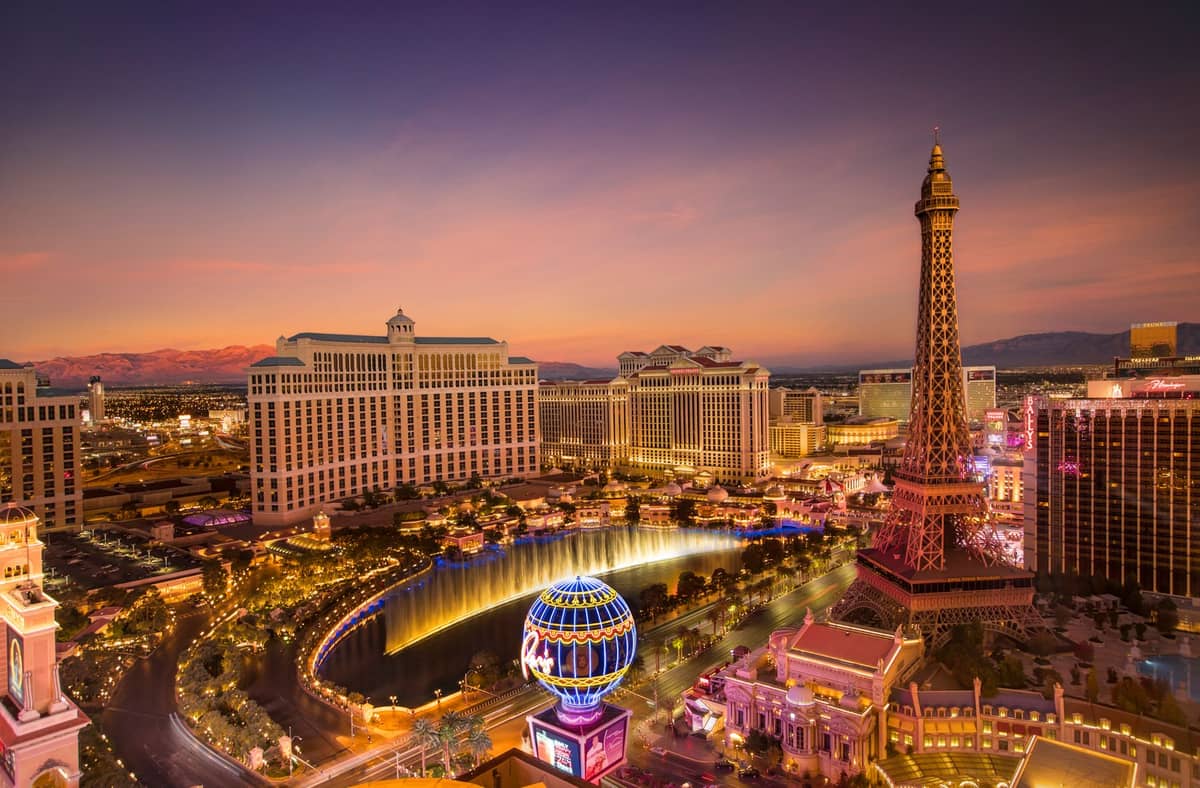
Las Vegas has earned its reputation as a world-class luxury destination for a specific reason: the concentration of high-end product in a small geographic area is almost unmatched. Within a two-mile stretch of the Strip, you have multiple five-star resort hotels, dozens of celebrity chef restaurants, and entertainment options ranging from residencies at the Sphere to Cirque du Soleil productions. That density means genuine competition, which in theory keeps quality high. In practice, it also means you need to know what you're paying for, because the price gap between a midweek standard room and a weekend penthouse suite at the same property can be $5,000 per night.
The Strip is technically located in Paradise, Nevada, an unincorporated community, not the City of Las Vegas proper. This distinction rarely affects visitors, but it explains why some addresses look unusual. Most luxury activity is concentrated on the Strip and its immediate surroundings, with a secondary luxury cluster developing around Downtown Las Vegas at properties like Circa Resort. Harry Reid International Airport (IATA: LAS, formerly McCarran) sits roughly 2-4 miles from the center of the Strip, meaning a standard rideshare to your hotel costs $15-$25 off-peak, or $30-$50 during surge.
⚠️ What to skip
Resort fees are not optional and are not included in most advertised room rates. At Wynn, Bellagio, and the Venetian, mandatory resort fees run approximately $50-$55 per night plus tax. On a 4-night stay, that adds $200-$250 before you've spent a dollar on anything else. Always check the total with fees before comparing properties.
Where to Stay: Luxury Hotels Ranked by What They Actually Deliver
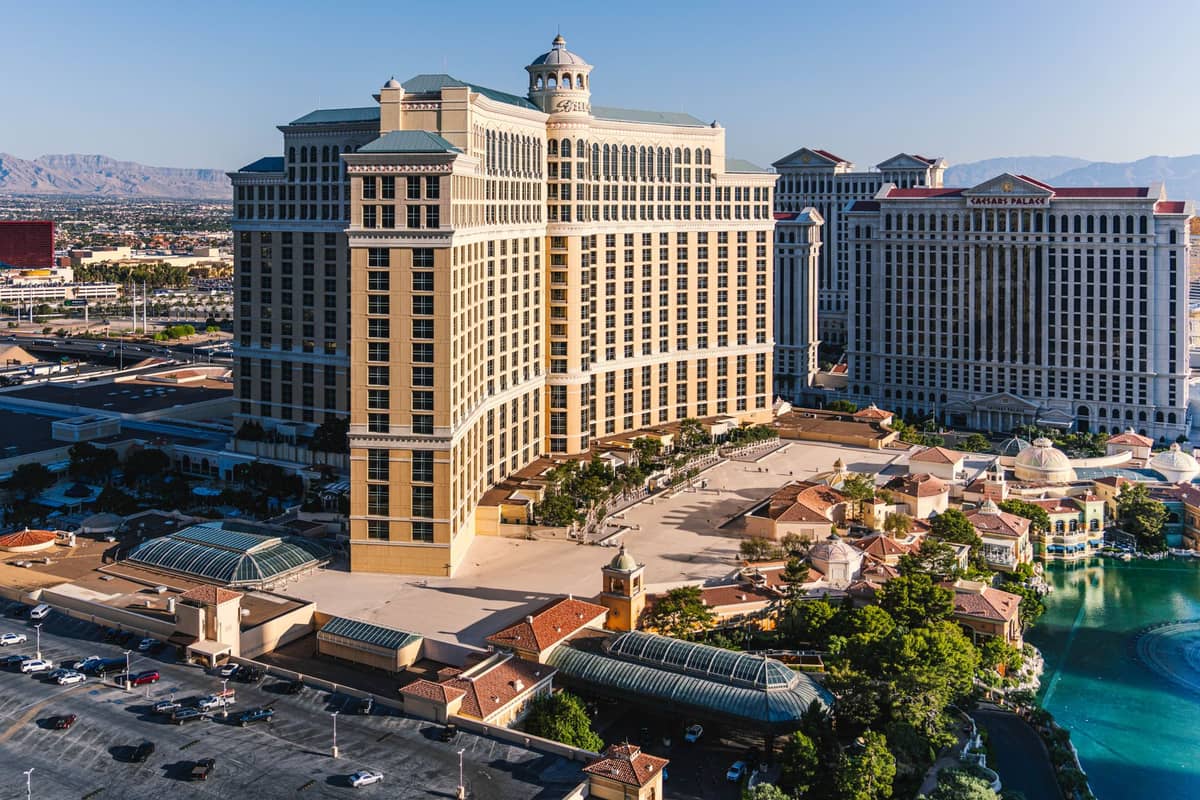
Not all five-star claims in Las Vegas are equal. The properties that consistently justify premium pricing are Wynn and Encore, Bellagio, the Venetian and Palazzo, and Four Seasons (non-gaming, on the upper floors of Mandalay Bay). Each targets a slightly different guest profile.
- Wynn and Encore The standard-setters for Las Vegas luxury. Wynn Resort King rooms (around 640 sq ft) typically price at $300-$500 per night; Encore Resort King rooms (around 745 sq ft) run $350-$600. Resort fee: approximately $55/night. The pool complex, restaurant lineup (including Lakeside and SW Steakhouse), and casino floor design are all top-tier. Best for guests who want the full luxury resort experience without the convention-center scale of some competitors.
- Bellagio The most recognizable luxury address in Vegas. Standard rooms start around $250-$450 per night; the Bellagio Suite (approximately 750 sq ft) runs $600-$1,200+ depending on season. Resort fee: approximately $50/night. The Conservatory, fountains, and gallery give it cultural substance beyond gaming. Gets significantly more crowded on weekends than Wynn. Worth it for the location and brand experience.
- The Venetian and Palazzo Every room is a suite (650-720 sq ft minimum), starting at $200-$600+ per night with premium suites from $1,000+. Resort fee: approximately $55/night. Excellent for groups or couples who want space. The Forum Shops adjacency is either a perk or an annoyance depending on your shopping appetite. The Palazzo tower tends to be quieter and slightly more premium than the Venetian tower.
- Four Seasons at Mandalay Bay The only major Strip luxury hotel without a casino floor. Occupies floors 35-39 of Mandalay Bay with a separate entrance, non-gaming lobby, and its own pool. Rates vary widely; expect $350-$700+ for standard rooms. No resort fee, which immediately offsets some of the rate premium. The right choice for guests who find casino environments stressful or want a genuinely quiet retreat.
- Circa Resort (Downtown) Downtown's most ambitious luxury offering. Adults-only (21+), with the Stadium Swim pool amphitheater as its signature amenity. Rates are generally lower than Strip counterparts for comparable room quality, often $200-$400 per night. Best for guests who want to explore Fremont Street and the older Vegas character alongside a modern, designed resort.
✨ Pro tip
Midweek stays (Sunday through Thursday) at the same luxury property can run 30-50% less than weekend rates. If your schedule allows flexibility, arriving Sunday and leaving Thursday will stretch your budget significantly. This gap is most pronounced at Bellagio and Wynn, where weekend demand from high-rollers and weekend travelers is intense.
Fine Dining: What Tasting Menus Actually Cost and Which Are Worth It
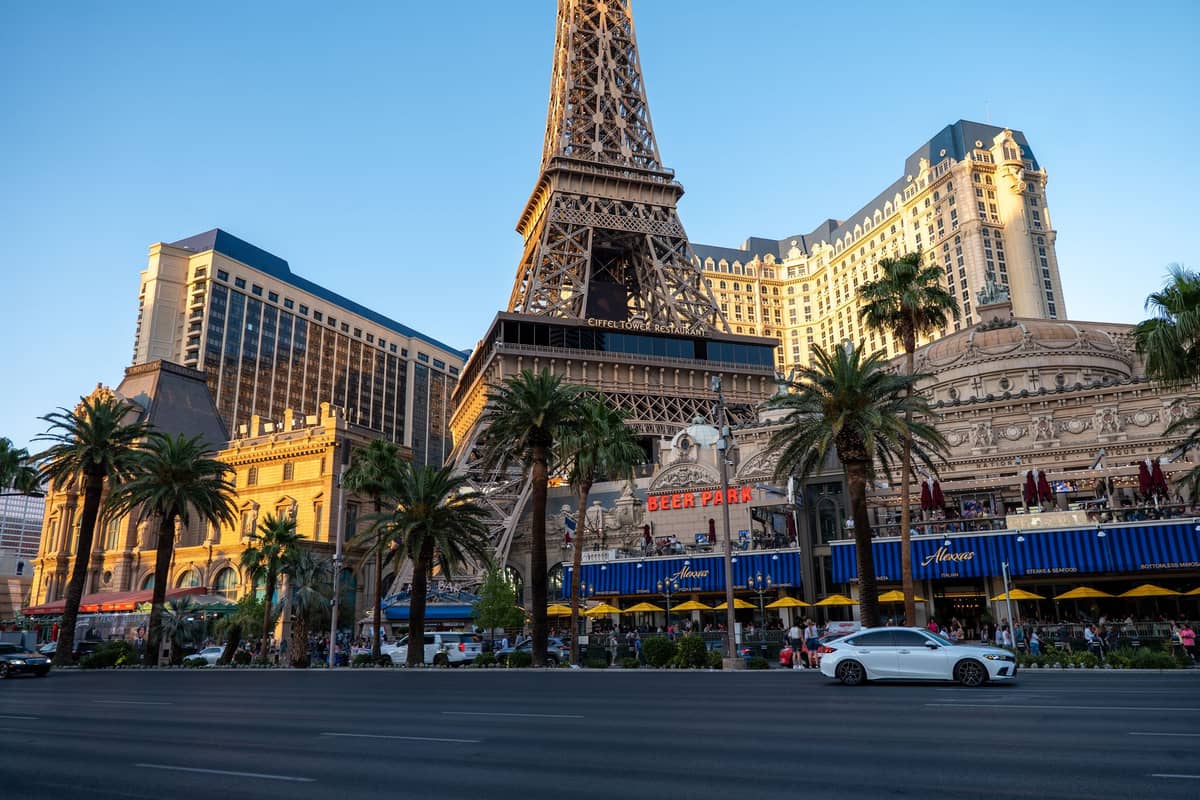
Las Vegas has developed one of the most concentrated fine dining scenes in the United States, anchored by celebrity chef outposts but increasingly home to destination-worthy standalone restaurants. The headline numbers are real: flagship tasting menus cost $350-$550 per person before wine. Joël Robuchon at the MGM Grand and Restaurant Guy Savoy at Caesars Palace are the two most frequently cited at this level, with Guy Savoy tasting menus often running $350-$455+ per person. A realistic all-in cost for two people (tasting menu, modest wine pairing, tax, and a standard tip) lands between $900 and $1,400. That is not a casual splurge; it is a full luxury experience on par with comparable restaurants in Paris or New York.
Beyond the flagship tasting-menu tier, Las Vegas has an extensive layer of high-quality celebrity chef restaurants that deliver excellent food for $150-$300 per person all-in. Gordon Ramsay's properties, José Andrés's restaurants, and numerous steakhouses across the Strip all fall into this category. For a practical overview of the dining landscape across all price points, see our guide to celebrity chef restaurants in Las Vegas. Reservations at the top tier are essential and often need to be made weeks or months in advance, particularly for weekend evenings and around major events.
- Book tasting-menu restaurants 4-8 weeks in advance for weekends; 2-3 weeks often works for weeknights.
- Wine pairings at flagship restaurants typically add $200-$350+ per person on top of the menu price.
- Many top restaurants have a bar or lounge area where à la carte ordering is possible at lower price points, which is worth considering if a full tasting menu isn't the priority.
- New Year's Eve and major fight weekends see restaurants raise prix-fixe minimums and reduce standard menu availability. Check specific event blackout dates when booking.
- Dress codes at Joël Robuchon and Guy Savoy are business casual to formal. Jeans are generally acceptable if smart; athletic wear is not.
Luxury Experiences Beyond the Casino Floor
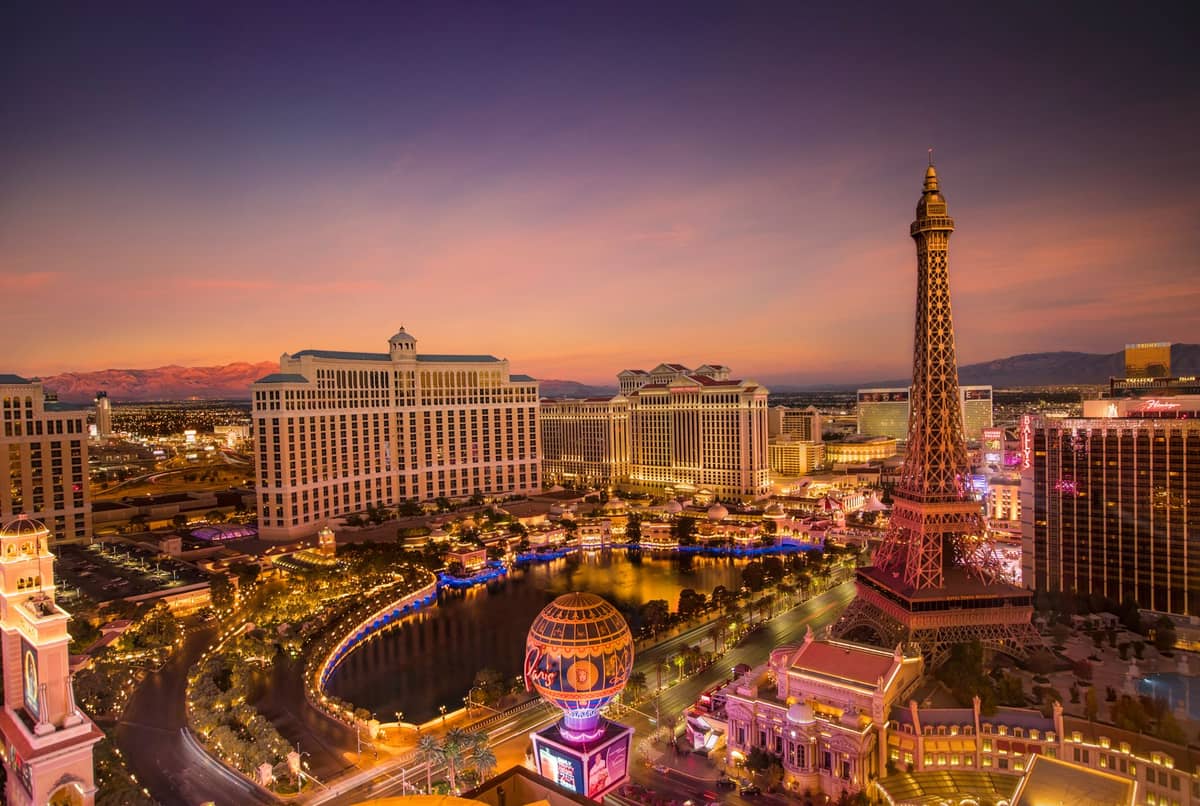
The most distinctive luxury experiences in Las Vegas are not the ones you'll find on every travel list. Helicopter tours over the Strip at night are legitimately spectacular, but knowing what you're buying matters. Standard night flights run 10-15 minutes of actual air time. Prices start around $99-$140 per person for a basic Strip flight; dinner-and-flight bundles run approximately $220-$240 per person. Papillon operates from 5060 Koval Lane, very close to the Strip. Maverick Helicopters is the other major operator. The premium here is entirely for the experience and the views, not duration, so if you're expecting a grand aerial tour, recalibrate before booking.
For a different scale of spectacle, the Sphere is the most technically ambitious entertainment venue to open in Las Vegas in decades. Tickets for residency performances range widely but frequently run $100-$300+ for premium seats. The immersive LED experience inside is genuinely unlike anything else. Separately, the High Roller observation wheel offers a refined alternative to helicopter flights: a 30-minute rotation in a private cabin can be reserved for groups and costs significantly less than aerial tours while providing extended views.
Las Vegas's luxury spa circuit is underrated. Wynn's spa, the Spa at Bellagio, and the Canyon Ranch Spa at the Venetian are all full-service facilities with day passes and treatment menus that rival dedicated wellness resorts. Day passes typically run $80-$150 for hotel guests and $125-$150+ for non-guests, with treatments from $180-$400+. For guests interested in the arts alongside luxury, the Bellagio Conservatory is free to enter and features elaborate seasonal botanical displays that change five times per year. It is genuinely impressive and costs nothing.
💡 Local tip
Las Vegas nightclubs attached to luxury hotels (XS at Encore, Omnia at Caesars, Zouk at Resorts World) charge $30-$75+ for general admission and significantly more for table minimums, which can run $1,000-$5,000+ depending on night and location. If nightlife is part of your luxury itinerary, factor table minimums into your budget rather than treating them as an afterthought. Full details on the nightlife landscape are in our Las Vegas nightlife guide.
Timing, Seasons, and When Not to Visit
Las Vegas operates on a subtropical hot desert climate, averaging over 300 sunny days per year with annual rainfall of roughly 4.2–4.8 inches. Summers are extreme: daytime highs regularly exceed 104°F (40°C) from June through August. This does not stop visitors, but it fundamentally changes how you experience the city. Outdoor spaces become unusable during daylight hours, pool parties shift to morning slots, and walking the Strip in July afternoon heat is genuinely uncomfortable. Spring (March-May) and fall (September-November) offer the most workable outdoor conditions, with daytime temperatures in the 70s-90s°F range. For more detail on timing strategy, our best time to visit Las Vegas guide covers seasonal trade-offs in depth.
From a luxury pricing standpoint, the worst times to visit are: New Year's Eve and the surrounding days (rates and minimums spike across everything), major boxing and UFC events (typically 3-5 weekends per year), the Consumer Electronics Show in early January (which books out much of the city at conference rates), and the Formula 1 Grand Prix weekend in November, which has established itself as one of the most expensive weekends on the Las Vegas calendar since its 2023 debut. If your goal is maximum value within the luxury tier, target a Tuesday-to-Thursday stay in late September, October, or early November.
Getting Around in Luxury: Transport Logistics
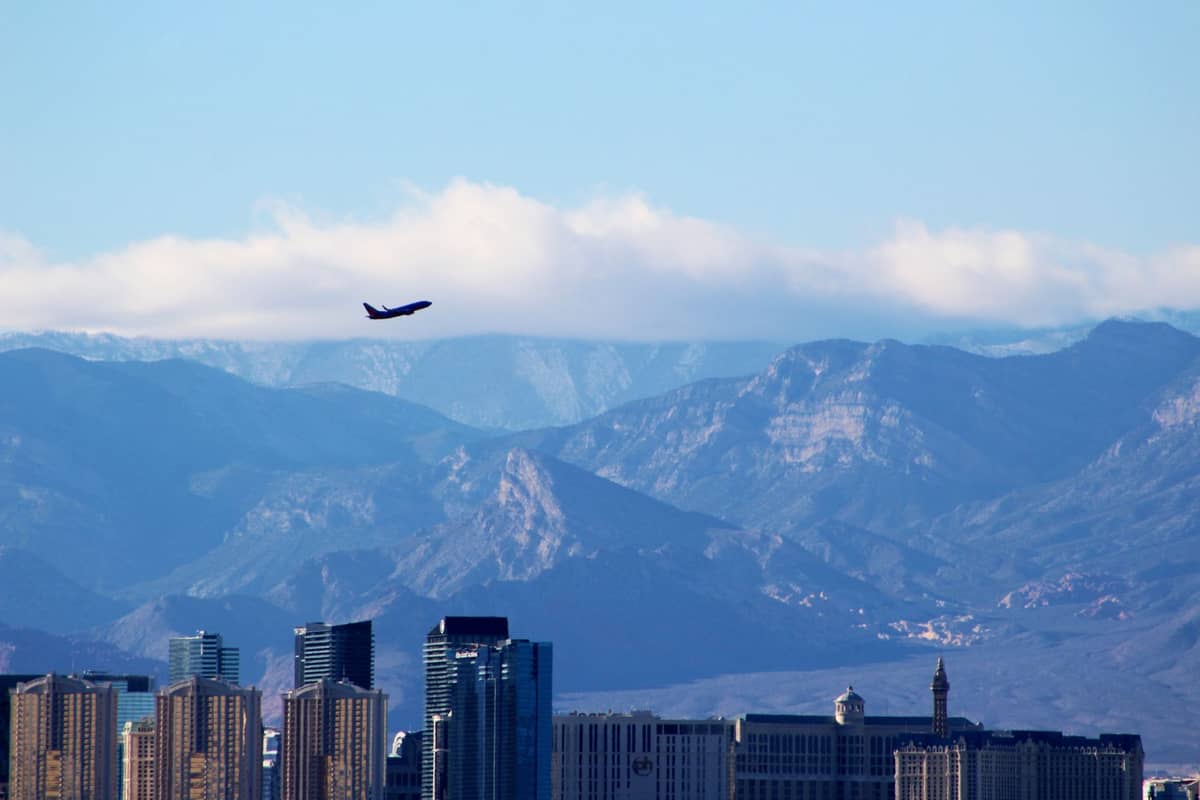
Harry Reid International Airport (LAS) sits 2-5 miles from the center of the Strip, with normal drive times of 10-20 minutes. A rideshare from the airport to a Strip hotel runs $15-$25 off-peak, rising to $30-$50 during surge. Taxis use regulated flat zones and meter out at roughly $21-$30 plus tip for the same journey. Pre-booked black car and sedan services offer fixed rates of approximately $35-$55 for airport-to-Strip transfers; full black car service with meet-and-greet can run around $150 all-in. For luxury travelers, the value of a pre-booked sedan is the fixed rate and the certainty: no surge pricing after a long flight.
Within the Strip, the honest answer is that getting around on foot is often faster than any vehicle option during peak evening hours. The major resort clusters (Wynn/Encore, Venetian/Palazzo, Bellagio/Caesars, MGM Grand) are each walkable internally, but walking between clusters in summer heat or in formal attire is unpleasant. Resort-hopping by rideshare is common and typically costs $8-$15 per short trip. Most luxury hotels also offer valet parking at $20-$35 per day for guests with vehicles. For a full breakdown of transport options across the city, see our guide to getting around Las Vegas.
ℹ️ Good to know
Las Vegas uses Pacific Time (PST, UTC-8 in winter; PDT, UTC-7 during daylight saving). The US emergency number is 911. Tipping is expected across all service categories: 18-22% at restaurants, $2-5 per bag for luggage assistance, and standard meter-plus-tip for taxis. US electrical standard is 120V/60Hz with Type A and B plugs. International visitors should bring plug adapters.
FAQ
What is the most luxurious hotel on the Las Vegas Strip?
Wynn Las Vegas consistently ranks as the top tier for overall luxury experience, followed closely by Bellagio and the Palazzo. The Four Seasons at Mandalay Bay is the only non-gaming luxury option and has no resort fee, which appeals to a specific guest profile. 'Most luxurious' depends on what you value: Wynn leads on design and service consistency, Bellagio on iconic location and cultural programming, the Palazzo on room size.
How much should I budget per day for a luxury Las Vegas trip?
A realistic daily budget for a genuine luxury experience starts at around $700-$900 per person per day. This covers a mid-tier luxury hotel room ($250-$500 split between two people), one high-end dinner ($150-$300 per person), a couple of cocktails ($20-$40), entertainment or a show ticket ($100-$200), and incidentals. A tasting-menu dinner night will push this to $1,000+ per person. Plan for resort fees ($50-$55/night) and any gambling budget separately.
Are Las Vegas resort fees negotiable or avoidable?
At major Strip properties, resort fees are almost never negotiable for standard bookings. They are mandatory charges added to the room rate and appear on your final bill regardless of whether you use the included amenities (typically WiFi, pool access, and fitness center). Some credit card hotel programs and elite status tiers at certain properties can offset or waive resort fees, but this applies to a small percentage of bookings. The Four Seasons at Mandalay Bay charges no resort fee, which is a genuine exception.
How far in advance should I book luxury Las Vegas hotels and restaurants?
For standard weekend stays at Wynn, Bellagio, or Venetian, 4-8 weeks in advance is a practical window. For major event weekends (New Year's Eve, F1 Grand Prix, big fight weekends), 3-6 months is not excessive. Top tasting-menu restaurants like Joël Robuchon or Guy Savoy require 4-8 weeks advance reservation for weekend evenings, 2-3 weeks for weeknights. During major conventions or events, last-minute bookings at any level become expensive or unavailable.
Is it worth paying for a Strip-view room at a luxury hotel?
For first-time visitors, yes, particularly at Bellagio where a fountain-view room provides a genuinely memorable experience. The rate premium for a Strip or fountain view room is typically $50-$150 per night over a standard room. At Wynn, pool-facing or golf-course-facing rooms offer a different luxury: quiet and green space rather than neon. If you're primarily in the hotel to sleep and use the casino, the view premium is harder to justify. If you're spending time in the room or want to watch the Bellagio fountains from your window, it's worth it.