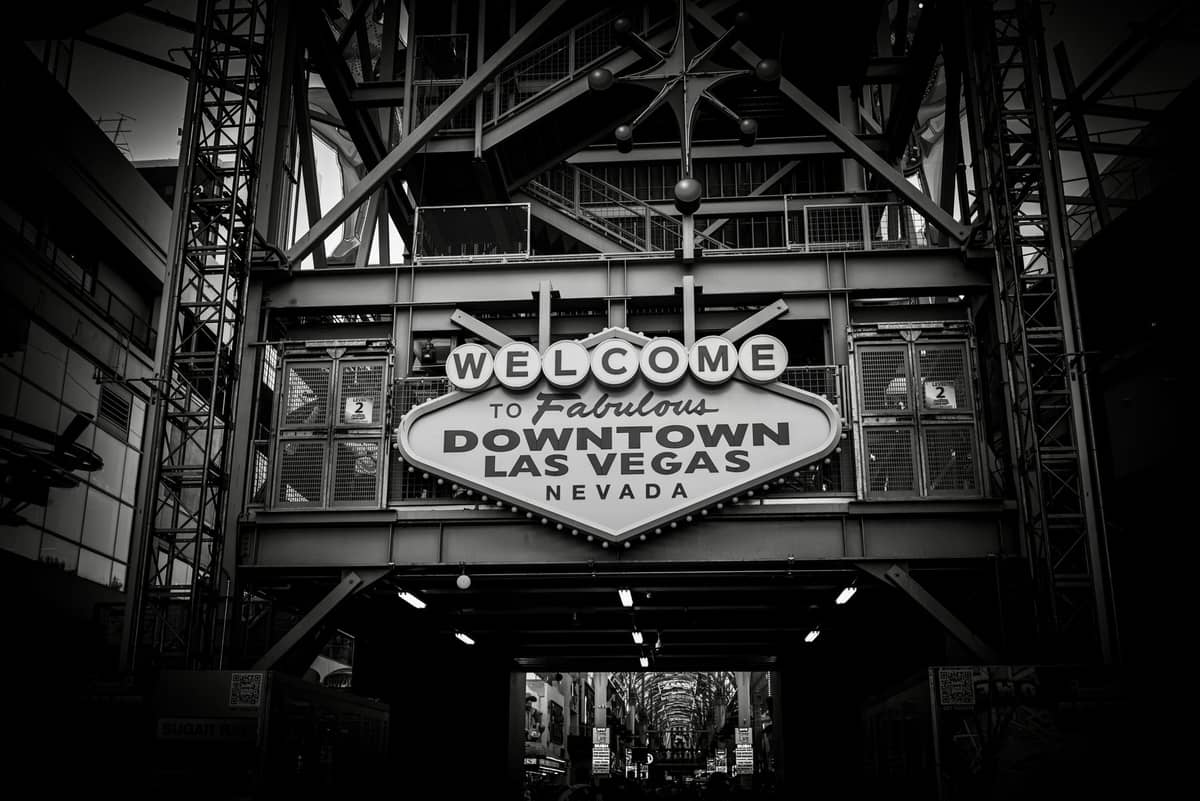
Downtown Las Vegas is the original city center, built around Fremont Street long before the Strip existed. Today it balances a famous LED canopy and classic casinos with an arts scene, independent bars, and some of the most affordable and character-filled experiences in the city.
Downtown Las Vegas is where the city began, and it still carries that original energy: neon-lit, louder than it needs to be, and completely uninterested in being polished. Centered on Fremont Street and radiating out through the Arts District and Fremont East, it offers a version of Las Vegas that feels lived-in and genuinely different from the resort corridor to the south.
Orientation: Where Downtown Sits in the City
Downtown Las Vegas occupies the northern end of Las Vegas Boulevard, Downtown Las Vegas occupies the northern end of Las Vegas Boulevard, roughly three to four miles from the mid-Strip resorts and about six miles from Harry Reid International Airport. The City of Las Vegas commonly describes the downtown area as bounded by I-15 to the west, Washington Avenue to the north, Maryland Parkway to the east, and Sahara Avenue to the south. In practice, most visitors experience a much smaller core: the stretch of Fremont Street between Main Street and 8th Street, which contains nearly everything that defines the neighborhood.
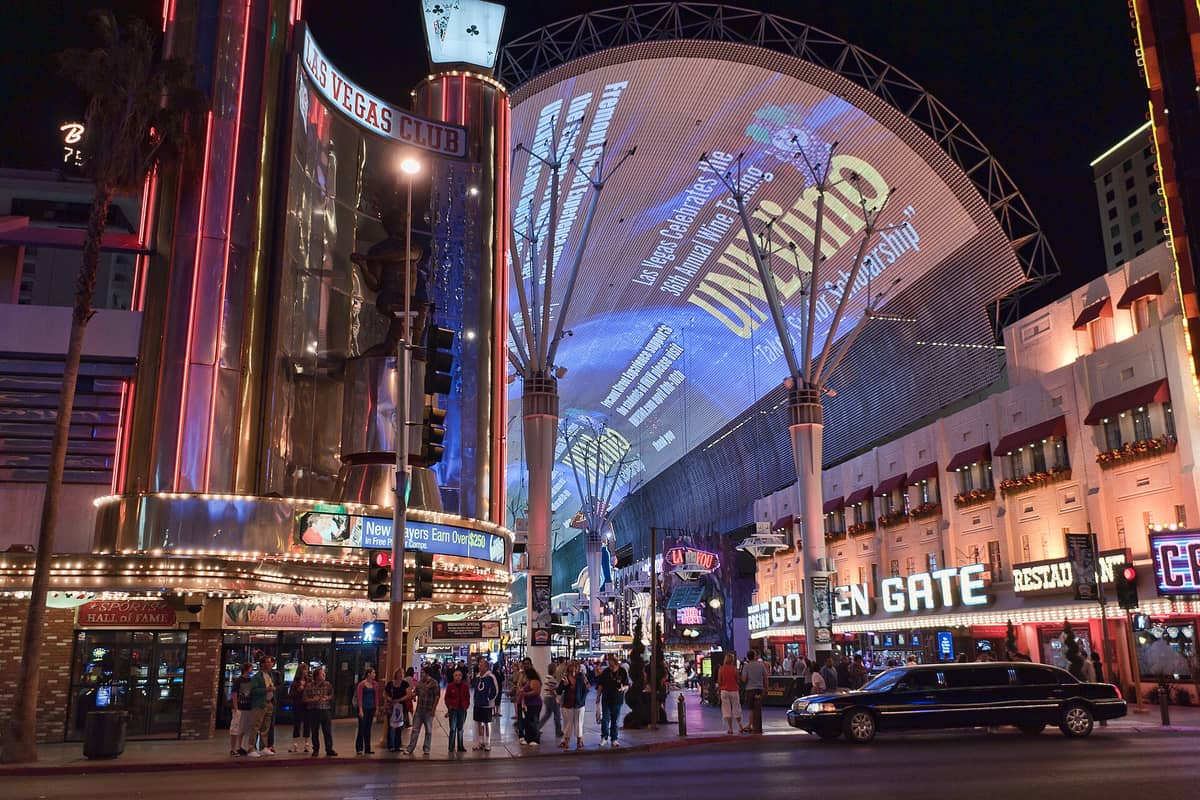
Fremont Street itself is the spine. The western end, from Main Street to Las Vegas Boulevard, is covered by the famous Viva Vision LED canopy of the Fremont Street Experience, a five-block pedestrian mall flanked by casino entrances and outdoor stages. East of Las Vegas Boulevard, the street transitions into Fremont East, a district of independent bars, restaurants, and the Downtown Container Park, running toward 8th Street. These two zones feel markedly different from each other, and understanding that distinction helps you choose where to spend your time.
A few blocks southwest of the Fremont core, the Las Vegas Arts District adds galleries, murals, and a weekend market scene around Main Street and Charleston Boulevard. The Neon Museum sits about a mile north of Fremont East, near Bonanza Road. Together these three zones form the extended Downtown ecosystem that serious visitors tend to explore across a full day.
Character and Atmosphere: Old Vegas at Different Hours
Mornings in Downtown are quieter than you might expect. The canopy above the pedestrian mall is dark, the slot machines inside Golden Gate and Binion's spin for a sparse crowd of overnight players, and the smell of stale cigarette smoke drifts out onto Fremont Street. Coffee shops and a handful of breakfast spots near Fremont East serve a mix of neighborhood residents, hotel guests, and people who clearly never went to sleep. The light is flat and bright at this hour, the desert sun cutting straight down the east-west cross streets. It is the best time to walk the area without a crowd.
By mid-afternoon the street performers arrive. Costumed characters set up near the casino entrances, buskers claim their spots along the pedestrian mall, and the first LED preshow loops on the Viva Vision canopy overhead. The heat is serious from May through September, and the covered canopy offers genuine shade that the open Strip does not. Families tend to pass through in the late afternoon, catching the canopy shows that run on the hour after dark but are visible and audible even in daylight.
After 9 PM, Downtown becomes something different entirely. The Viva Vision light shows draw crowds under the canopy, live bands play on outdoor stages, and the bars in Fremont East fill up with a noticeably younger crowd than the casino floors. The energy is louder and denser than what you find on the Strip, partly because everything is compressed into a walkable outdoor space rather than spread across vast resort corridors. This compactness cuts both ways: the atmosphere is immediate and social, but the noise level and foot traffic can be overwhelming if you were not expecting it.
⚠️ What to skip
The blocks immediately north and east of the Fremont Street Experience canopy transition quickly into residential and lower-traffic areas after dark. Stick to the lit, populated pedestrian zones around Fremont Street and Fremont East, keep your belongings close in crowds, and exercise the same common-sense awareness you would in any busy urban entertainment district.
What to See and Do
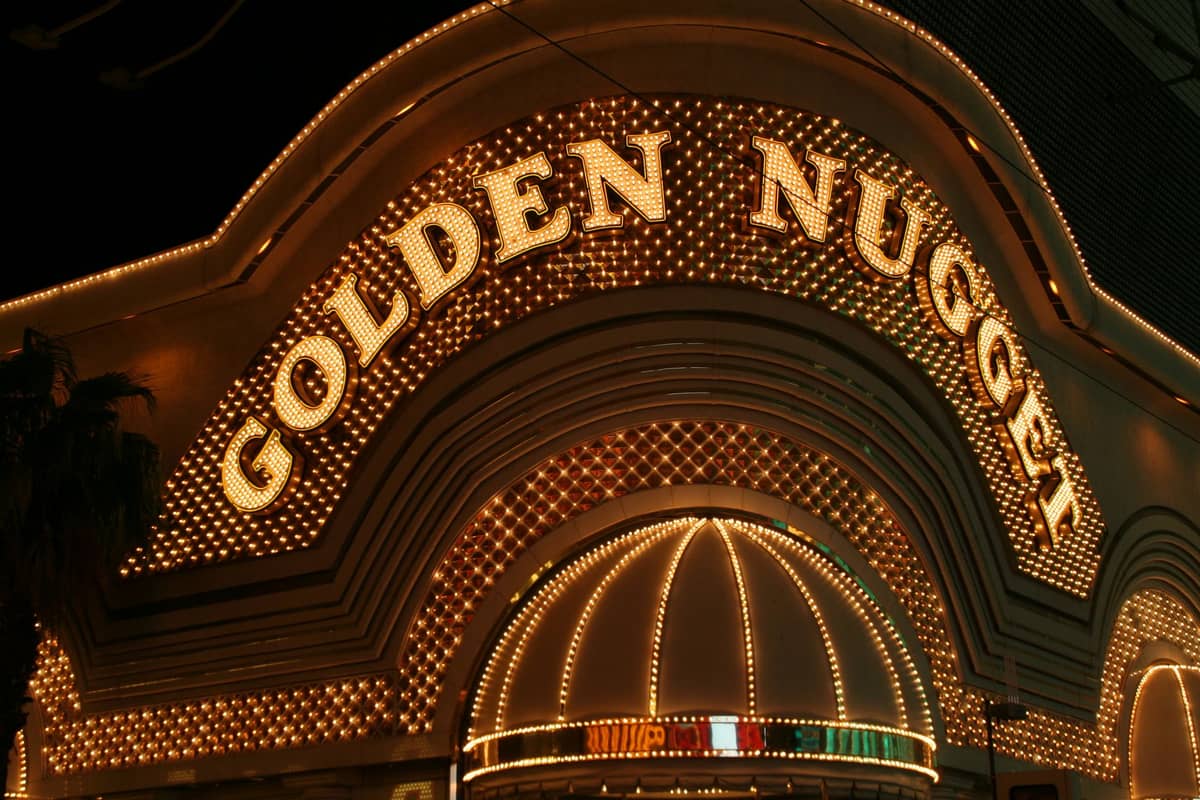
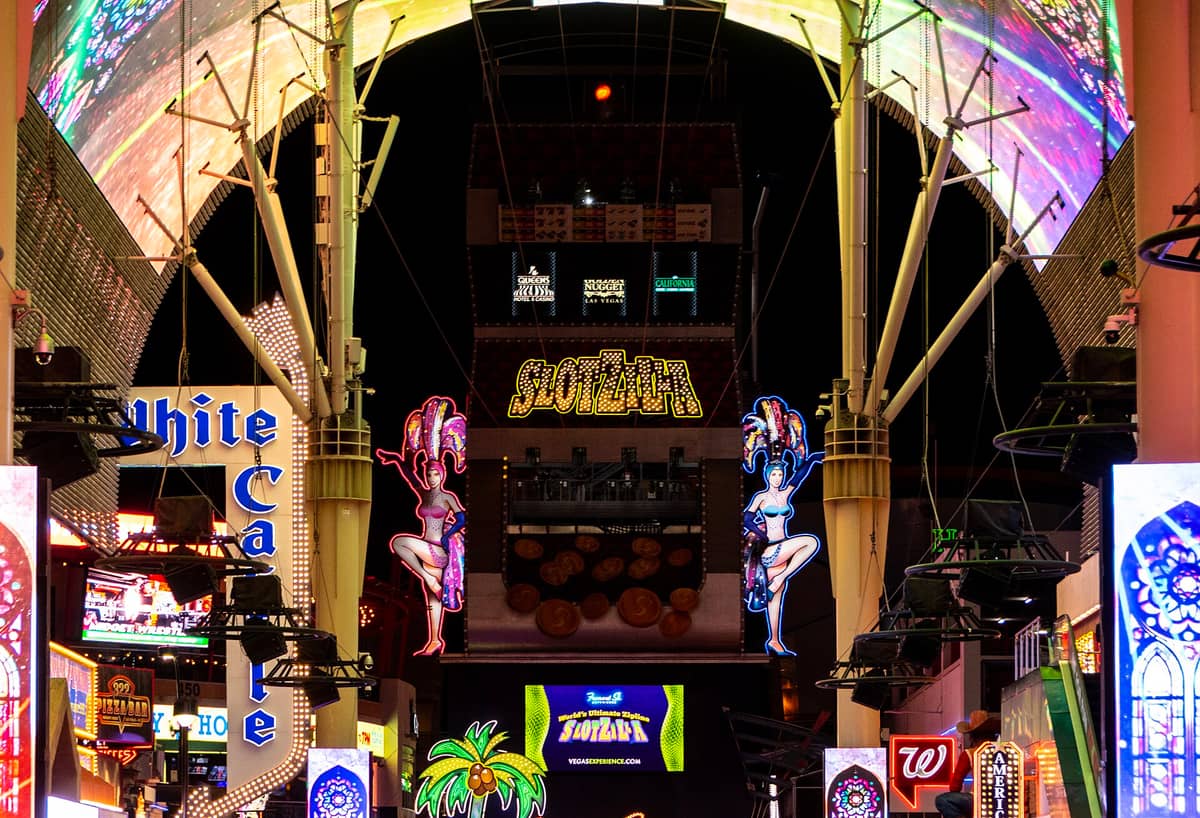
The Fremont Street Experience is the neighborhood's defining structure: a 1,500-foot LED canopy stretched over the pedestrian mall, running light and sound shows most nights from around 6 PM onward. The shows are free, they run on the hour, and they are genuinely impressive in scale even if the content is straightforward. The surrounding casino row includes the Golden Nugget, Golden Gate, Binion's, and the Plaza, all of which are smaller and more accessible than Strip megaresorts.
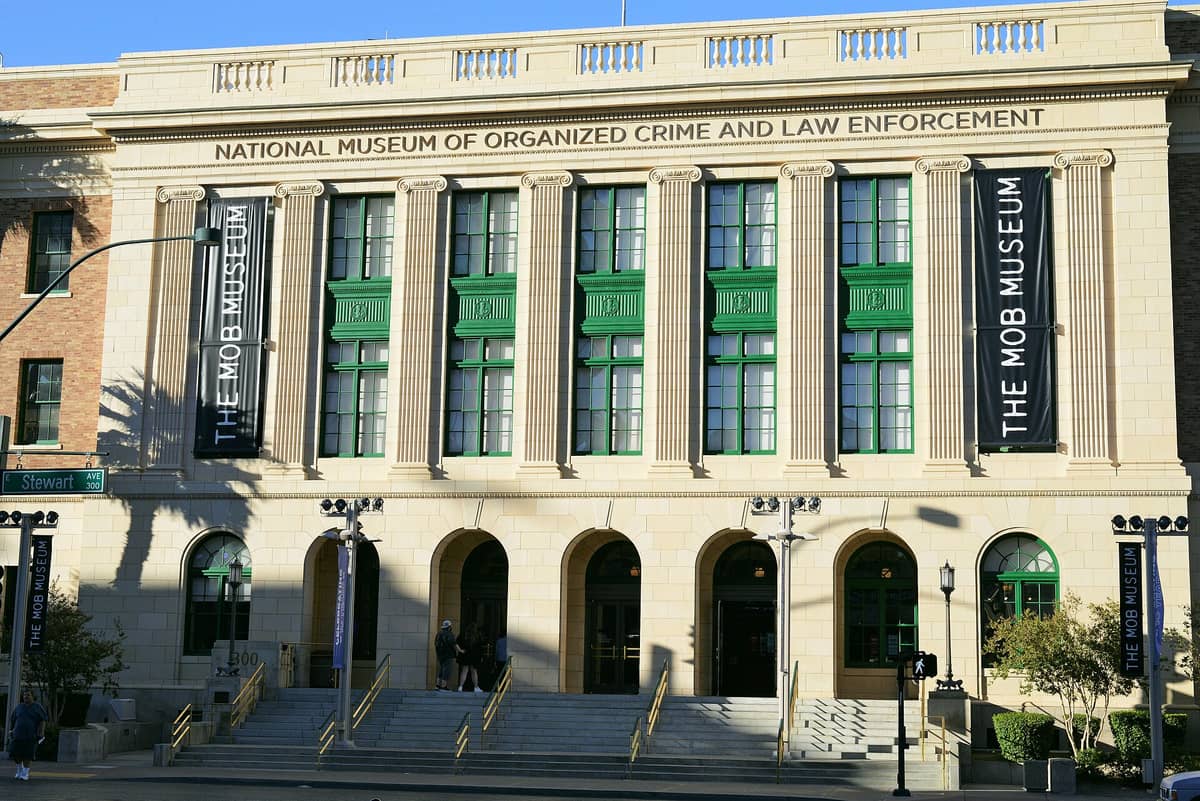
The Mob Museum on Stewart Avenue, two blocks north of Fremont Street, is the neighborhood's best standalone attraction. The National Museum of Organized Crime and Law Enforcement occupies a former federal courthouse and covers American organized crime history with genuine depth and well-curated exhibits. It is consistently rated among the best museums in the city and warrants two to three hours. Check the best museums in Las Vegas guide for context on how it compares to other options across the city.
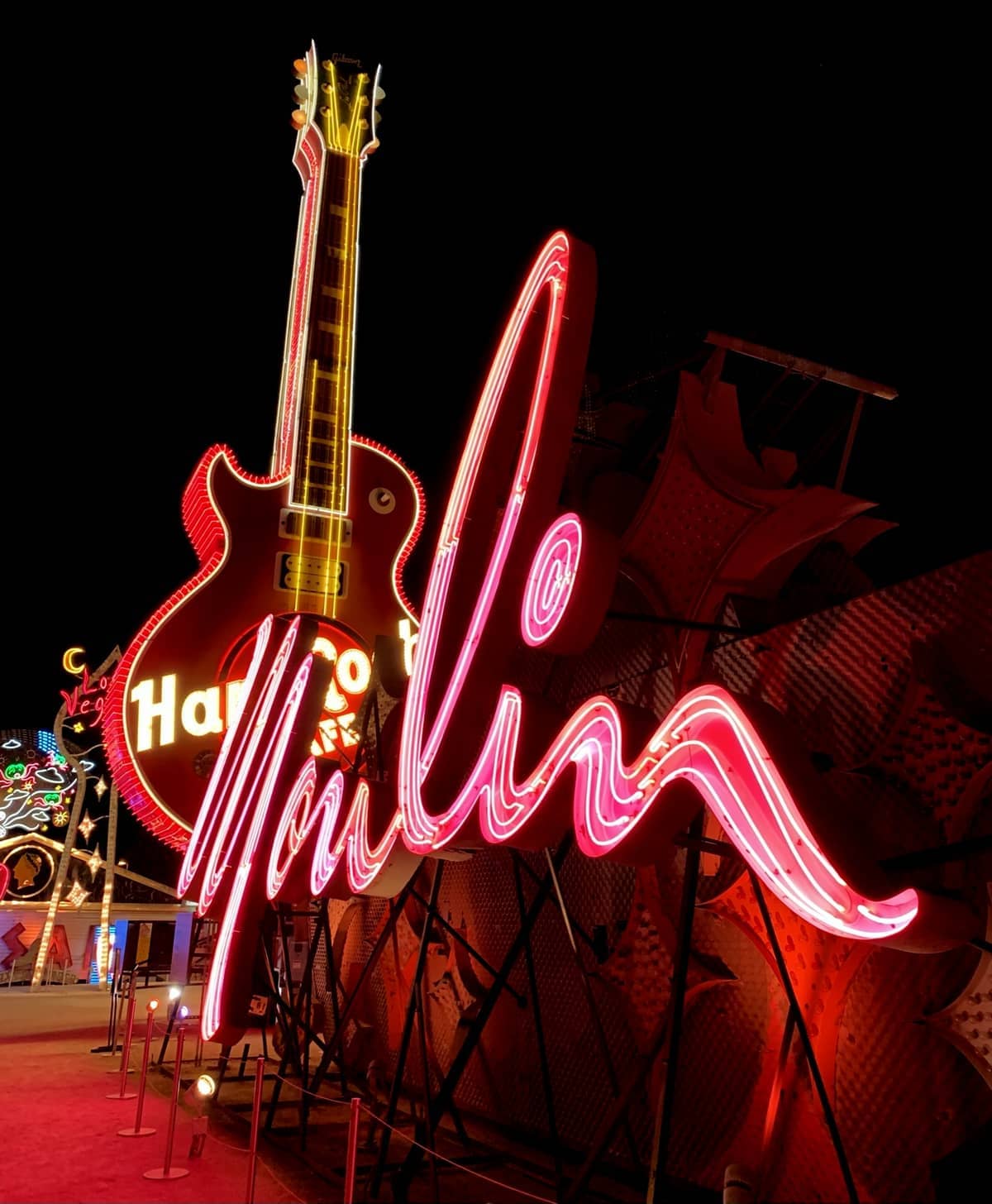
The Neon Museum is about a mile north of Fremont East on Las Vegas Boulevard North. It preserves original neon signs from demolished casinos and hotels, displayed across an outdoor lot called the Neon Boneyard. Guided tours run during the day and at night, and the night tours are particularly worthwhile: the illuminated signs against the dark sky produce images that stick with you. Book in advance, especially on weekends.
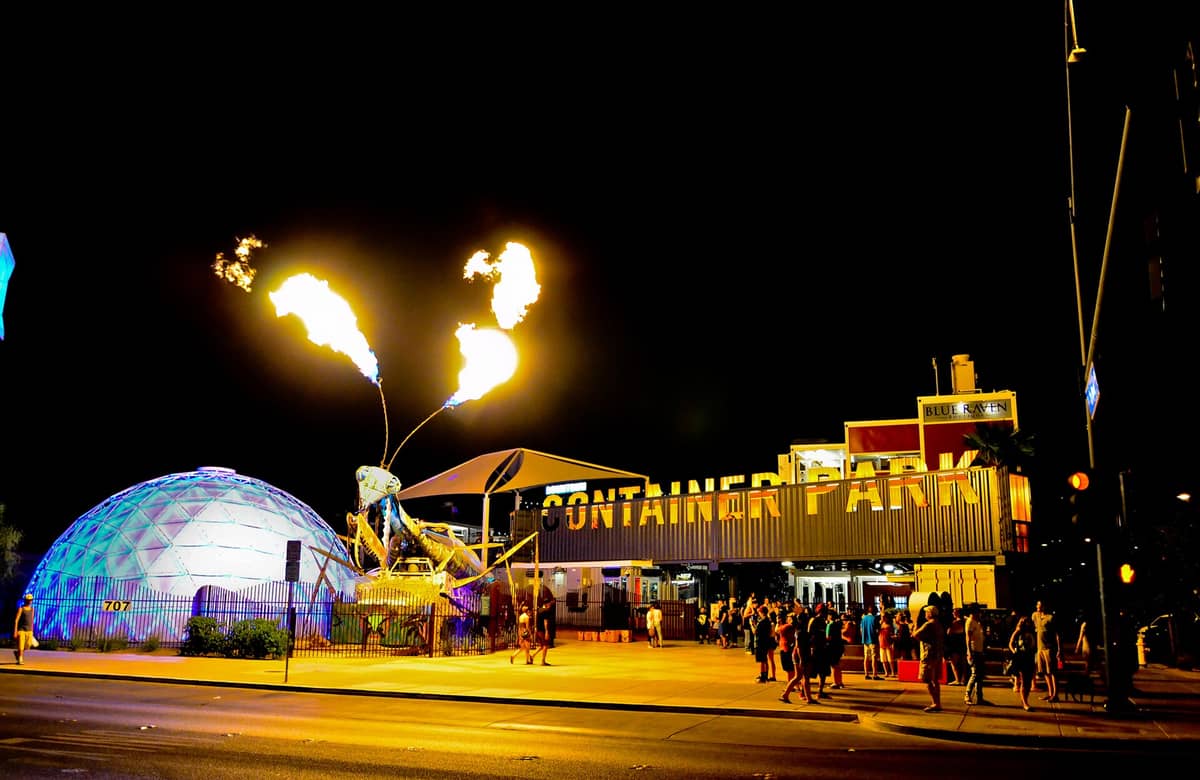
The Downtown Container Park on Fremont Street east of 6th Street is an open-air retail and dining space built from repurposed shipping containers. It skews family-friendly during the day with a playground and smaller shops, and transitions toward bars and live music at night. The SlotZilla zipline, which launches riders along the canopy above the pedestrian mall, is one of the more distinctive things you can do anywhere in the city.
SlotZilla zipline: two launch heights, the lower zipline and the higher Zoomline that takes you prone over the full canopy length
Old Las Vegas Mormon Fort State Historic Park: the site of the first permanent non-Native settlement in Las Vegas, about a mile north of Fremont Street
Fremont East bar crawl: walk east from Las Vegas Boulevard along Fremont Street to find the densest concentration of independent bars in Downtown
Vegas Vic neon sign: the waving cowboy sign above the Pioneer Club is one of the most photographed neon relics still standing in its original location
💡 Local tip
If you want to see Downtown's full range in a single visit, start at the Mob Museum when it opens in the morning, walk down to the Fremont East bars for lunch, then stay for the evening canopy shows. The SlotZilla lines are shortest in the late afternoon before the night crowds arrive.
Eating and Drinking
Downtown's food scene is more varied and affordable than the Strip, though it covers a wider range of quality. For a full picture of where to eat across the city, the Las Vegas food guide covers the broader landscape, but Downtown holds its own with several standout options at street level.
The casino restaurants along the Fremont Street Experience pedestrian mall are mostly workmanlike: steakhouses, buffet-style spots, and diner counters that prioritize volume and value. The Golden Nugget has a few notches above the rest, with multiple dining options including an upscale steakhouse. For breakfast, the older casino coffee shops along Fremont Street offer classic American diner food at prices that feel like a different decade.
Fremont East is where the food gets more interesting. Independent restaurants, craft cocktail bars, and a handful of spots serving internationally influenced menus sit alongside dive bars and late-night pizza counters. The vibe is younger and more local than the casino row. Prices are generally reasonable: you can eat well for under $20 per person at most spots in this stretch. The Container Park has food and drink vendors as well, with a concentration of casual options in a social outdoor setting.
For late-night food after the canopy shows close, the options thin out quickly. A few 24-hour casino restaurants and food counters stay open along Fremont Street, and there are fast-food spots nearby, but Downtown does not have the same round-the-clock dining infrastructure as the Strip. If you know you will be out past 2 AM, plan accordingly.
Casino steakhouses and coffee shops: best for value and around-the-clock availability
Fremont East independent restaurants: best for variety, local character, and mid-range prices
Container Park food vendors: best for casual outdoor eating with a social atmosphere
Craft cocktail bars on Fremont East: a genuine alternative to the mega-nightclub model of the Strip
Getting There and Around
The most straightforward transit route between the Strip and Downtown is the Deuce bus, operated by the RTC of Southern Nevada, which runs along Las Vegas Boulevard between the South Strip Transit Terminal and the Fremont Street area 24 hours a day. Fares are affordable, and a two-hour pass or 24-hour pass purchased from the fare machine at any stop covers unlimited rides. Journey time from the mid-Strip to Fremont Street is typically 20 to 35 minutes depending on traffic and stops.
Rideshare via Uber or Lyft is the fastest option from most Strip hotels to Downtown, typically 10 to 15 minutes outside of peak event times. Drop-off and pickup work well on the cross streets just off Fremont Street, as the pedestrian mall itself is closed to vehicles. Taxis queue outside the major Downtown casinos as well.
From Harry Reid International Airport, Downtown is about six miles north, and a rideshare or taxi will take 15 to 25 minutes depending on traffic. RTC bus connections exist but require a transfer and extend the journey to 45 minutes or more. Most visitors arriving at the airport and staying Downtown find rideshare the clearest option. RTC bus connections exist but require a transfer and extend the journey to 45 minutes or more. Most visitors arriving at the airport and staying Downtown find rideshare the clearest option.
Within Downtown, the Fremont Street pedestrian mall and Fremont East are entirely walkable. The Mob Museum is a five-minute walk north from the canopy. The Neon Museum requires a short rideshare ride or a 15-minute walk north along Las Vegas Boulevard. The Arts District is about a 10-minute walk south and west from the casino core, or a very short rideshare trip.
ℹ️ Good to know
The Deuce bus runs 24 hours between the Strip and Downtown, making it a genuinely useful late-night option when rideshare surge pricing kicks in after major events or weekend nights. A 24-hour pass costs a few dollars and covers unlimited trips.
Where to Stay
Staying Downtown puts you within walking distance of the Fremont Street Experience, the Mob Museum, Fremont East, and the Arts District. It is a meaningful trade-off compared to the Strip: you give up proximity to the major resort pools, headline shows, and the sheer concentration of amenities that the Strip corridor offers, but you gain a more compact, walkable experience and typically lower room rates.
The Golden Nugget is the flagship Downtown hotel and the one most comparable in quality and amenities to mid-tier Strip properties, with a pool complex that includes a water slide through a shark tank. The Plaza sits at the western end of the Fremont Street Experience and has been renovated in recent years. Older properties like Binion's and the Four Queens are more basic and cater to value-focused visitors and gaming regulars. The Downtown Grand, a block off the pedestrian mall, offers a boutique-style alternative with a livelier bar scene. The Plaza sits at the western end of the Fremont Street Experience and has been renovated in recent years. Older properties like Binion's and the Four Queens are more basic and cater to value-focused visitors and gaming regulars. The Downtown Grand, a block off the pedestrian mall, offers a boutique-style alternative with a livelier bar scene.
Downtown works best for travelers who want to spend their evenings on Fremont Street and their days exploring the broader neighborhood, including the Arts District and day trips to areas like Red Rock Canyon. It is less suited to visitors whose main goal is the big-name Strip shows, celebrity chef restaurants, or resort pool culture. For guidance on which part of the city fits your trip, the where to stay in Las Vegas guide breaks down the full range of options.
Honest Drawbacks
Downtown Las Vegas is not for every traveler, and it is worth being clear about why. The Fremont Street Experience pedestrian mall is a loud, crowded, sensory-overloaded environment, especially on weekend nights. The street performers range from entertaining to aggressively in-your-face, the music from multiple outdoor stages competes at full volume, and the overall atmosphere prioritizes spectacle over comfort. If you find crowds and noise draining, an hour here will be plenty.
The gap in amenities between Downtown and the Strip is real. There are no mega-resort pools, no Sphere-scale entertainment, and far fewer of the headline dining and nightlife experiences that draw visitors from around the world. The casino floors in Downtown properties are smaller and older, which some visitors find charming and others find dated. Room quality at most Downtown hotels sits below what a comparable price point buys on the Strip.
The blocks surrounding the pedestrian mall vary significantly in character. A wrong turn north or east of the lit zones puts you in quieter territory that feels less secure after midnight. This does not make Downtown uniquely dangerous among urban entertainment districts, but it does require more spatial awareness than walking between connected resort lobbies on the Strip. For travelers who want to see both sides of Las Vegas without committing to either, the off-Strip experiences guide offers additional context on navigating the city beyond the main corridor.
TL;DR
Downtown Las Vegas is the city's original entertainment district, centered on Fremont Street and defined by its LED canopy, classic casinos, and outdoor pedestrian energy.
Best for: visitors who want affordable rates, walkable evenings, old-school casino atmosphere, and genuine alternatives to the Strip's resort model.
Key attractions: Fremont Street Experience canopy shows, the Mob Museum, the Neon Museum, SlotZilla zipline, and Fremont East's independent bar and restaurant strip.
Getting there: Deuce buses run from the Strip; rideshare takes 10 to 15 minutes from most Strip hotels; walking within the neighborhood core is easy.
Not ideal for: travelers prioritizing luxury resort amenities, major headline shows, or the concentrated high-end dining and nightlife of the Strip corridor.
Three days is enough time to experience the best of Las Vegas if you plan smart. This itinerary covers the Strip's iconic landmarks, Downtown's neon history, a memorable day trip into the desert, and the shows and restaurants that actually deliver.
Las Vegas has a richer museum scene than most visitors expect. Beyond the casinos, you'll find world-class institutions covering organized crime, atomic history, natural science, immersive art, and the city's own neon-lit past. This guide covers the best museums in Las Vegas, organized by theme, with practical notes on what's worth your time and money.
Las Vegas runs 24/7 year-round, but when you go shapes everything from hotel rates to what you can actually do outdoors. This guide breaks down every season by temperature, crowd levels, prices, and what to watch out for — so you can pick the window that actually suits your trip.
Las Vegas rewards those who look up and out. Whether you want a bird's-eye view of the neon Strip, a sweeping desert panorama, or a close-up of iconic landmarks, these are the best observation decks and viewpoints the city has to offer.
Las Vegas sits at the center of one of the most remarkable day-trip networks in North America. Within a two-hour drive, you can stand on the rim of the Grand Canyon, hike through ancient red sandstone, or visit one of America's greatest engineering achievements. This guide covers the best escapes, organized by what you're looking for.
Las Vegas offers far more than paid entertainment. From iconic fountain shows and wildlife habitats on the Strip to desert art installations and neon-lit downtown experiences, this guide covers the best genuinely free attractions in the city.
Las Vegas is surprisingly easy to navigate once you understand how its transport options actually work. This guide covers everything from Harry Reid International Airport transfers to the RTC Deuce, the Strip monorail, taxis, rideshare, and driving tips, with clear cost breakdowns and time-of-day advice.
Las Vegas sits within striking distance of some of the American Southwest's most dramatic hiking terrain. From sandstone canyon walls 20 minutes from the Strip to alpine forests on Mount Charleston and the towering cliffs of Zion, these are the trails that make the desert city one of the best bases for outdoor adventure in the country.
Las Vegas handles more bachelor and bachelorette parties than anywhere else in the world, and for good reason. This guide covers everything from picking the right hotel and booking nightlife to timing your trip, managing the budget, and avoiding the costly mistakes most groups make.
Las Vegas buffets have changed dramatically. Many iconic spread-all-day operations are gone, replaced by tighter schedules and higher prices. This guide breaks down which buffets are still worth attending, what each one actually costs, and how to avoid wasting money on mediocre food.
Las Vegas casinos are not all created equal. This guide breaks down the best casino floors by type, explains the true cost of playing (resort fees, parking, table minimums), and gives you the practical knowledge to gamble smarter on the Strip and Downtown.
Las Vegas has quietly become one of the most serious dining cities in America, and celebrity chef restaurants are a big reason why. This guide breaks down the top spots by chef, covers real pricing, and tells you exactly how to get a table.
The Las Vegas Grand Prix is unlike any other race on the F1 calendar: a nighttime street circuit cutting through the neon heart of the Strip. This guide covers tickets, pricing, the circuit layout, what to expect on the ground, and how to plan your visit around one of motorsport's most spectacular events.
Las Vegas food has evolved far beyond cheap buffets and shrimp cocktails. This guide breaks down the city's full dining landscape: where to splurge, where to save, what neighborhoods to explore, and how to eat well on any budget.
Las Vegas is far more romantic than its party reputation suggests. This guide covers the best couples experiences in Vegas, from free Strip walks and the Bellagio fountains to helicopter flights over the Grand Canyon, with practical notes on what's worth the splurge and what to skip.
Las Vegas rewards the curious traveler who looks past the slot machines. From a surreal supermarket art maze to a ghost town in Eldorado Canyon, these off-Strip experiences reveal a city far stranger, more beautiful, and more diverse than most visitors ever discover.
Las Vegas New Year's Eve draws 350,000+ people to a pedestrianized Strip for synchronized rooftop fireworks, world-class parties, and an energy unlike anywhere else. This guide covers exactly what to expect, how to get around, and how to avoid the most common mistakes.
Las Vegas nightlife runs deeper than the casino floor. This guide breaks down Strip mega-clubs, rooftop bars, Downtown's free light shows, pool party season, and the after-dark experiences worth your money — plus clear notes on what to avoid.
Las Vegas has a reputation for excess, but the city also has more genuinely free and low-cost experiences than almost anywhere else in the U.S. This guide cuts through the noise with specific transit fares, free attraction lists, resort fee warnings, and seasonal tips to help you visit Las Vegas on a budget without sacrificing the experience.
Las Vegas pool parties are a world of their own — part concert, part nightclub, all sunshine. This guide breaks down the top dayclubs by venue, price, vibe, and season, so you can plan smarter and skip the rookie mistakes.
Las Vegas runs more resident shows per square mile than anywhere else on earth. This guide breaks down the best shows in Las Vegas by category, explains what tickets actually cost, and tells you which productions are worth the money and which ones are not.
Las Vegas is the sports betting capital of the United States, with licensed sportsbooks inside nearly every major casino on the Strip and downtown. This guide covers everything a first-timer needs: how sportsbooks work, how to read odds, where to bet, and what to watch out for.
The Las Vegas Strip covers 4.2 miles of world-famous resorts, free attractions, and neon spectacle. This self-guided walking tour breaks down the full route from Mandalay Bay to the Strat, with practical tips on timing, transit backup, free stops, and how to avoid the most common mistakes first-time walkers make.
Las Vegas wedding chapels make it possible to go from arrival to legally married in a single afternoon. This guide covers the marriage license process, chapel options across every budget, pricing breakdowns, seasonal timing advice, and the myths that trip up first-timers.
Forty-eight hours in Las Vegas is enough time to hit iconic Strip landmarks, explore Downtown's neon-lit streets, catch a world-class show, and still find a few surprises. This guide picks the best attractions across every category so you can plan a weekend that actually delivers.
Las Vegas is far more family-friendly than its reputation suggests. From indoor theme parks and world-class aquariums to free fountain shows and downtown museums, this guide covers the best things to do in Las Vegas with kids, sorted by age, budget, and season.
Las Vegas operates at every budget level, but at the top end it competes with any city in the world. This guide cuts through the noise with real pricing, candid assessments, and practical advice for planning a high-end Las Vegas trip, from flagship resort suites to Michelin-caliber tasting menus and private aerial tours.
Las Vegas delivers a lot of scenery for a short hike as a shopping destination. This guide breaks down the top malls, premium outlets, and Strip boutiques — with practical details on hours, transport, pricing, and when to skip the crowds.
Las Vegas delivers far more than casino floors and nightclubs. This guide breaks down the best things to do in Las Vegas across every budget and interest, from the iconic Strip to dramatic desert landscapes, with practical recommendations and details to help you plan smarter.
Choosing where to stay in Las Vegas is one of the most consequential decisions of your trip. Location dictates what you can walk to, how much you pay in resort fees, and whether you spend half your vacation in a taxi. This guide cuts through the noise with area-by-area breakdowns, real pricing, and the fee math most booking sites hide.