Best Time to Visit Las Vegas: A Season-by-Season Breakdown
Las Vegas runs 24/7 year-round, but when you go shapes everything from hotel rates to what you can actually do outdoors. This guide breaks down every season by temperature, crowd levels, prices, and what to watch out for — so you can pick the window that actually suits your trip.
Plan and book this trip
Tools from our partner Travelpayouts help you compare flights and hotels. If you book through them, we may earn a commission at no extra cost to you.
Flights
Hotels map
TL;DR
- March-April and October-early November offer the best balance of mild weather (highs around 75-85°F / 24-29°C), manageable crowds, and reasonable hotel rates.
- Summer (June-August) brings extreme heat above 100°F (38°C) daily — fine if you're focused on indoor casino and nightlife experiences, risky for outdoor plans.
- Winter is underrated: cool but rarely freezing, cheaper hotel rooms, and fewer crowds on the Strip — though some evenings call for a jacket.
- Major conventions (like CES in January and NAB in April) and holidays spike hotel prices regardless of season — always check the event calendar before booking.
- If outdoor attractions like Red Rock Canyon or Valley of Fire are on your list, spring and fall are essentially non-negotiable.
Understanding Las Vegas's Climate
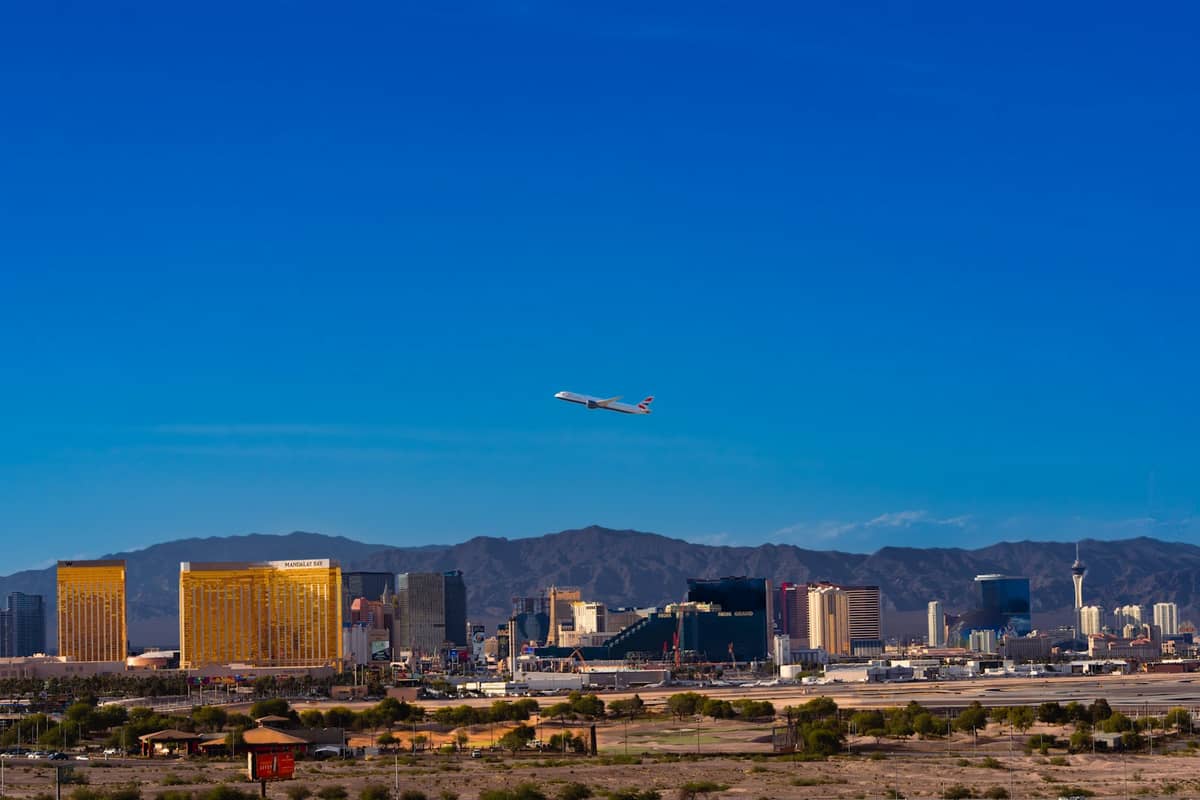
Las Vegas sits at roughly 2,000 feet elevation in the Mojave Desert, giving it a subtropical hot desert climate (Köppen BWh). The city averages around 310 sunny days per year and receives only about 4.2 inches of rainfall annually across roughly 21–22 rainy days. That extreme aridity shapes everything: summers are brutal, winters are surprisingly mild, and the transitional seasons are genuinely pleasant. The best time to visit Las Vegas depends almost entirely on what kind of trip you're planning.
One misconception worth clearing up immediately: Las Vegas is not always hot. December and January see average lows around 38-43°F (3-6°C), and occasional cold snaps can push overnight temperatures near freezing. February is statistically the wettest month, averaging around 23–25mm of rain. Neither of those facts ruins a trip — but they matter if you're packing light or planning rooftop bars every night.
ℹ️ Good to know
Las Vegas uses Pacific Time (PST/PDT, UTC-8/-7) and observes daylight saving time. Harry Reid International Airport (IATA: LAS) sits just 2-5 miles from the Strip, with rideshare fares typically running $15-25 off-peak and taxi rides around $15-25 plus tip.
Spring (March to May): The Sweet Spot
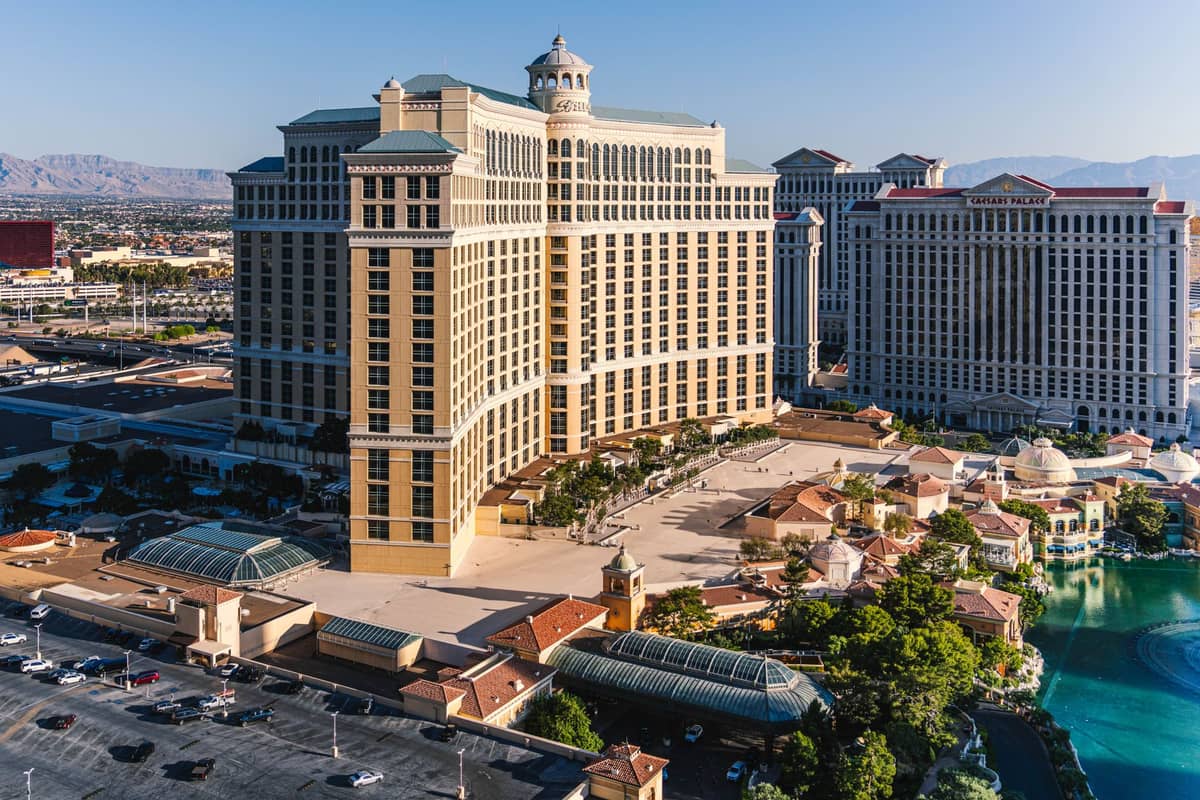
Spring is widely considered the best time to visit Las Vegas for most travelers, and the numbers back that up. March kicks off with average highs around 70°F (21°C) and climbs to nearly 89°F (32°C) by late May. Rainfall is minimal — typically under 0.25 inches per month — and the desert landscape around the city bursts into color after winter. Crowds are present but not oppressive, and hotel rates sit in a comfortable middle range before summer pricing kicks in.
March and early April are ideal for pairing a Strip itinerary with day trips into the surrounding desert. Red Rock Canyon's scenic drive is genuinely spectacular in spring, and Valley of Fire State Park is at its most photogenic before summer heat makes midday hiking miserable. Both are within an hour's drive of the Strip.
⚠️ What to skip
April brings the NAB Show (broadcasting industry convention) to Las Vegas, typically drawing 90,000+ attendees. Hotel rates near the Strip can double during convention week. Check the Las Vegas Convention and Visitors Authority event calendar before locking in dates — this applies year-round, not just in April.
- March Highs around 70°F (21°C). Best month for outdoor hiking and day trips. Spring break crowds mid-month can push hotel prices up briefly.
- April Highs around 78°F (26°C). NAB convention week causes price spikes. Otherwise excellent — warm days, cool evenings.
- May Highs approaching 88°F (31°C). Heat starts building by late May. Memorial Day weekend is busy and expensive. Book early.
Summer (June to August): For Indoor-Focused Travelers Only

Summer in Las Vegas is no exaggeration: average highs run 99-105°F (37-41°C) from June through August, with overnight lows staying above 75°F (24°C). July is typically the peak, with averages near 103-105°F and records occasionally exceeding 115°F. The heat is dry rather than humid, which makes it somewhat more tolerable than coastal heat waves — but sustained outdoor exposure mid-day is genuinely dangerous without proper hydration and sun protection.
The honest case for a summer visit: Las Vegas is designed to keep you indoors. World-class casinos, restaurants from celebrity chefs, and headline shows all run in heavily air-conditioned venues. If your itinerary is weighted toward nightlife, pool parties, and indoor entertainment, summer works fine — and hotel rates are sometimes lower in June before peak July demand. The Strip pools are at their best, and the nightlife calendar is packed.
✨ Pro tip
In summer, structure outdoor activity strictly around the heat. Anything outdoors — the Welcome to Las Vegas sign, Fremont Street, walking between casinos — should happen before 9am or after 8pm. Keep a reusable water bottle and plan indoor stops every 30-45 minutes if you're outside during the day.
One genuine summer downside that doesn't get enough attention: Las Vegas can experience brief but intense monsoon-style storms in July and August, occasionally causing flash flooding in low-lying desert areas. These pass quickly but can disrupt outdoor plans and sometimes close desert roads temporarily. It's not common, but worth knowing.
Fall (September to November): Underrated and Increasingly Popular
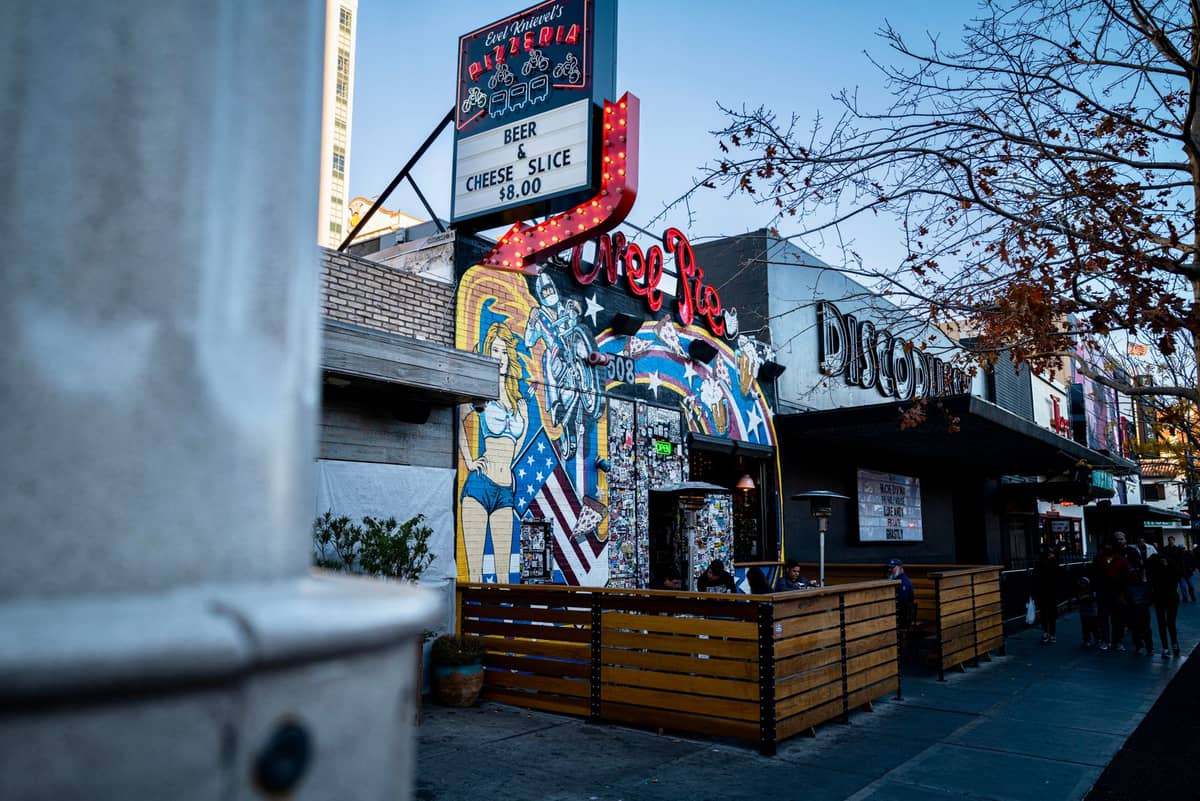
September is technically still summer in Las Vegas — average highs hover around 94-95°F (34-35°C) — but October is a genuine turning point. By mid-October, highs drop to roughly 75-78°F (24-26°C), evenings are comfortable, and the city starts filling up again after a quieter late-summer period. November brings highs around 63-66°F (17-19°C) and real jacket weather after sunset.
October through early November is the other prime window for outdoor exploration. Hiking near Las Vegas becomes practical again, and the light in the desert canyons during fall afternoons is exceptional for photography. The Formula 1 Las Vegas Grand Prix, held in mid-November, has added a major event to the calendar — if that's appealing, book months in advance; if it's not, avoid that specific weekend entirely as hotel prices surge dramatically.
- September Still hot, especially early in the month. Labor Day weekend is expensive. Crowds thin mid-September, creating occasional good value.
- October Excellent. Mild temperatures, great for outdoor activities, Halloween events throughout the month. One of the most popular months — book accommodations early.
- November Increasingly popular. F1 Grand Prix mid-month (price spike). Thanksgiving weekend is another busy and expensive period.
Winter (December to February): Best Value, Cooler Days
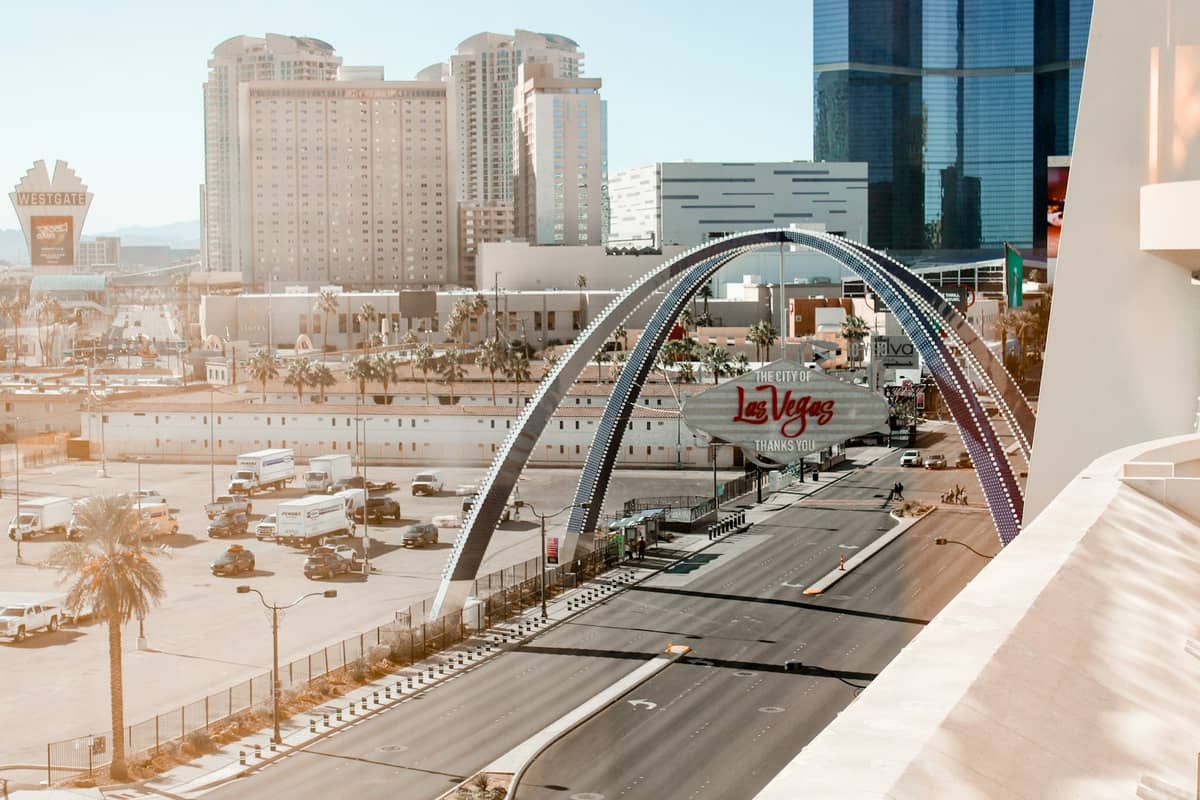
Winter is the most underrated time to visit Las Vegas for travelers who don't need pool weather. Average highs in December and January sit around 56-63°F (13-17°C) — comfortable for walking the Strip in a light jacket — while lows drop to 38-43°F (3-6°C). It's not a beach holiday, but Las Vegas in winter is genuinely pleasant for exploring, and hotel rates outside of holiday weeks can be the lowest of the year.
The indoor attractions that define Las Vegas shine in winter regardless of temperature. The Bellagio Conservatory runs elaborate seasonal displays, the Mob Museum is a good half-day regardless of weather, and the casino floor doesn't know what month it is. Winter is also when some shows run promotional pricing to fill seats.
The exceptions: New Year's Eve is one of the busiest and most expensive nights of the year in Las Vegas, with fireworks along the Strip and parties at every major property. CES (Consumer Electronics Show) in early January draws around 130,000+ industry attendees and causes a predictable hotel price spike in the first or second week of January. If you're not attending either, late January through mid-February can offer genuine value.
💡 Local tip
Winter visitors headed to Mount Charleston (about 35–40 miles northwest of the Strip) can find actual snow and ski conditions at Lee Canyon ski resort from roughly December through March — a genuinely surreal day trip from a desert city.
Crowds, Prices, and Events: What Actually Drives Costs
In Las Vegas, weather is only one variable affecting when to visit. The city hosts major conventions at the Las Vegas Convention Center year-round, and these can spike hotel rates by 50-200% regardless of season. Beyond conventions, major holidays (Memorial Day, Fourth of July, Labor Day, Thanksgiving, New Year's Eve) consistently create pricing surges. The Formula 1 Las Vegas Grand Prix in mid-November and major boxing or UFC events at the major arenas have similar effects.
For the most comprehensive picture of what's happening during your dates, check the official LVCVA events calendar before booking. Then cross-reference with specific hotel pricing, since rates vary dramatically by property and proximity to convention venues. If you're planning around a specific show or experience, Las Vegas shows typically start around $60-80 for standard seats, with premium tickets considerably higher — and popular productions sell out weeks in advance during busy periods.
- Best weather overall: March-April and October-early November
- Best hotel value: Late January through February (avoid CES week), September after Labor Day
- Worst crowds and prices: New Year's Eve, CES (January), major fight weekends, F1 Grand Prix (November)
- Best for nightlife and pool parties: May through August
- Best for day trips and outdoor attractions: March-April and October-November
- Best for skiing day trips to Lee Canyon: December through March
If your goal is to do more than gamble and see shows, the season really matters. A 3-day Las Vegas itinerary built around outdoor attractions, day trips to Hoover Dam, or exploring Downtown Las Vegas is far more enjoyable in March or October than in July. Plan accordingly.
FAQ
What is the best month to visit Las Vegas?
March and October are consistently the strongest months for most travelers. Both offer highs in the mid-70s to low 80s Fahrenheit (24-28°C), low rainfall, and enough space from major conventions that hotel rates stay reasonable. April is also excellent but watch for NAB Show pricing. If you prioritize value over weather, late January and mid-September can offer surprisingly good deals.
Is Las Vegas too hot to visit in summer?
For outdoor-heavy itineraries, yes — average July highs exceed 103°F (39°C) and the heat is relentless mid-day. For travelers focused on casinos, shows, restaurants, and nightlife, summer is perfectly manageable since virtually everything is air-conditioned. Structure any outdoor time before 9am or after 8pm, stay hydrated, and avoid prolonged midday exposure.
Is winter a good time to visit Las Vegas?
Genuinely underrated. December through February brings cool but rarely freezing daytime temperatures (highs 56-63°F / 13-17°C), reduced crowds outside of New Year's Eve and CES week, and some of the lowest hotel rates of the year. You won't be poolside, but the indoor experience — casinos, shows, restaurants, museums — is excellent year-round.
When is Las Vegas the most expensive?
New Year's Eve is peak pricing. CES in early January, major boxing/UFC events, the Formula 1 Grand Prix in mid-November, and holiday weekends (Memorial Day, Labor Day, Thanksgiving) are consistently expensive. Major conventions at the Las Vegas Convention Center can spike rates at any time of year — always check the LVCVA event calendar before booking.
What time of year is best for day trips from Las Vegas?
Spring (March-April) and fall (October-early November) are the windows for serious day-tripping. Red Rock Canyon, Valley of Fire, Hoover Dam, and longer drives to places like Zion National Park or the Grand Canyon South Rim are all far more enjoyable when temperatures are manageable. Summer heat makes many of these destinations genuinely risky for midday hiking.