The Las Vegas Strip is a 4.2-mile corridor of resort hotels, casinos, and entertainment venues along Las Vegas Boulevard South. It is one of the most recognizable stretches of road in the world, drawing tens of millions of visitors each year with its scale, spectacle, and round-the-clock energy.
The Las Vegas Strip is not a neighborhood in any traditional sense. It is a purpose-built corridor of superlatives: the largest hotels, the biggest casinos, the most elaborate fountain shows, and some of the world's highest-grossing restaurants, all stacked along roughly four miles of Las Vegas Boulevard South. Whether you find it exhilarating or overwhelming depends entirely on what you are looking for.
Orientation
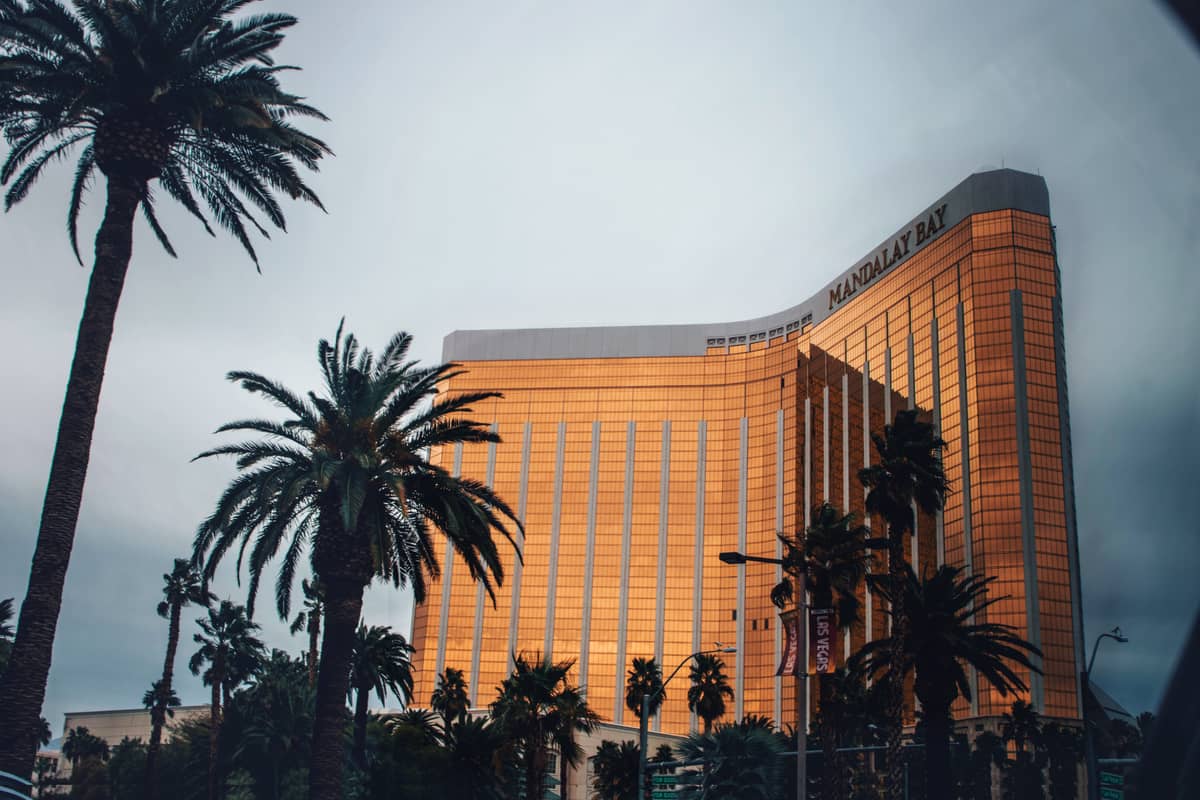
Technically, most of the Strip sits not within the City of Las Vegas but in the unincorporated community of Paradise, Clark County, Nevada. That jurisdictional detail rarely matters to visitors, but it explains why the Strip operates under county rather than city rules. The stretch runs along Las Vegas Boulevard South from Sahara Avenue in the north to Russell Road in the south, a distance of approximately 4.2 miles (6.8 km). Mandalay Bay, sitting just north of Russell Road, is considered the southernmost major resort.
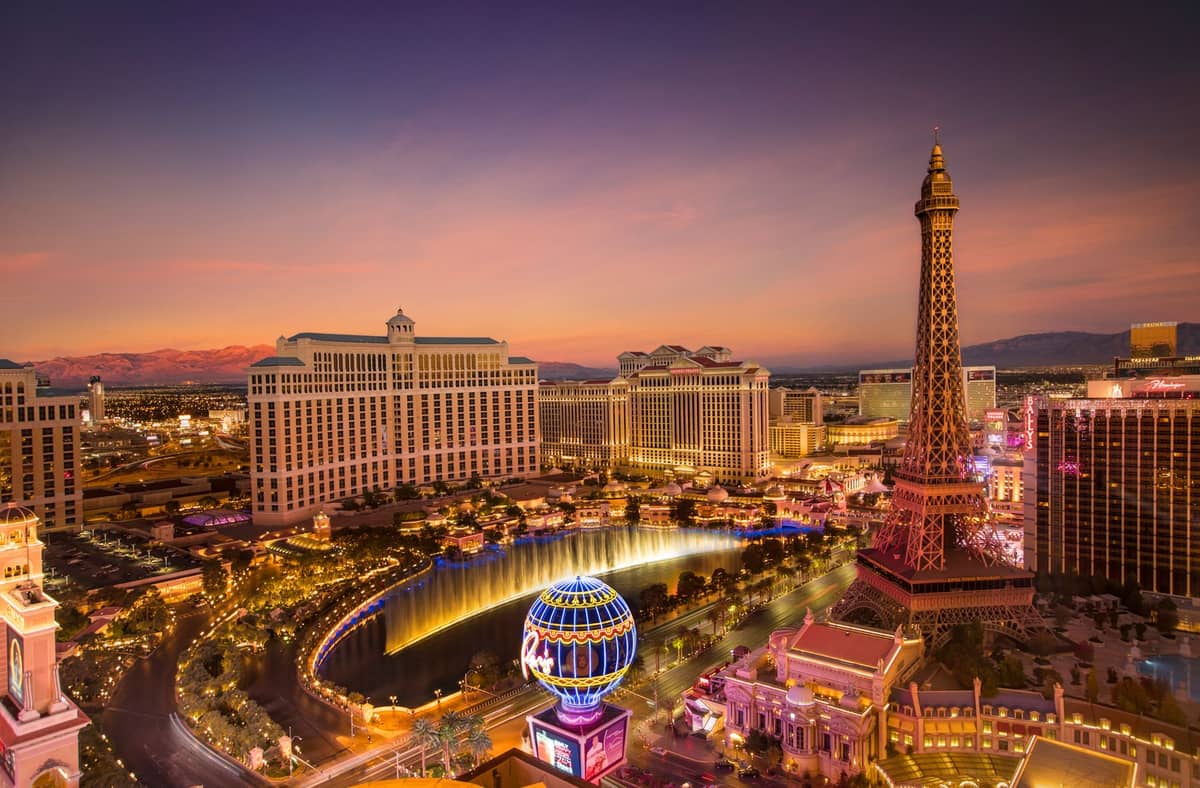
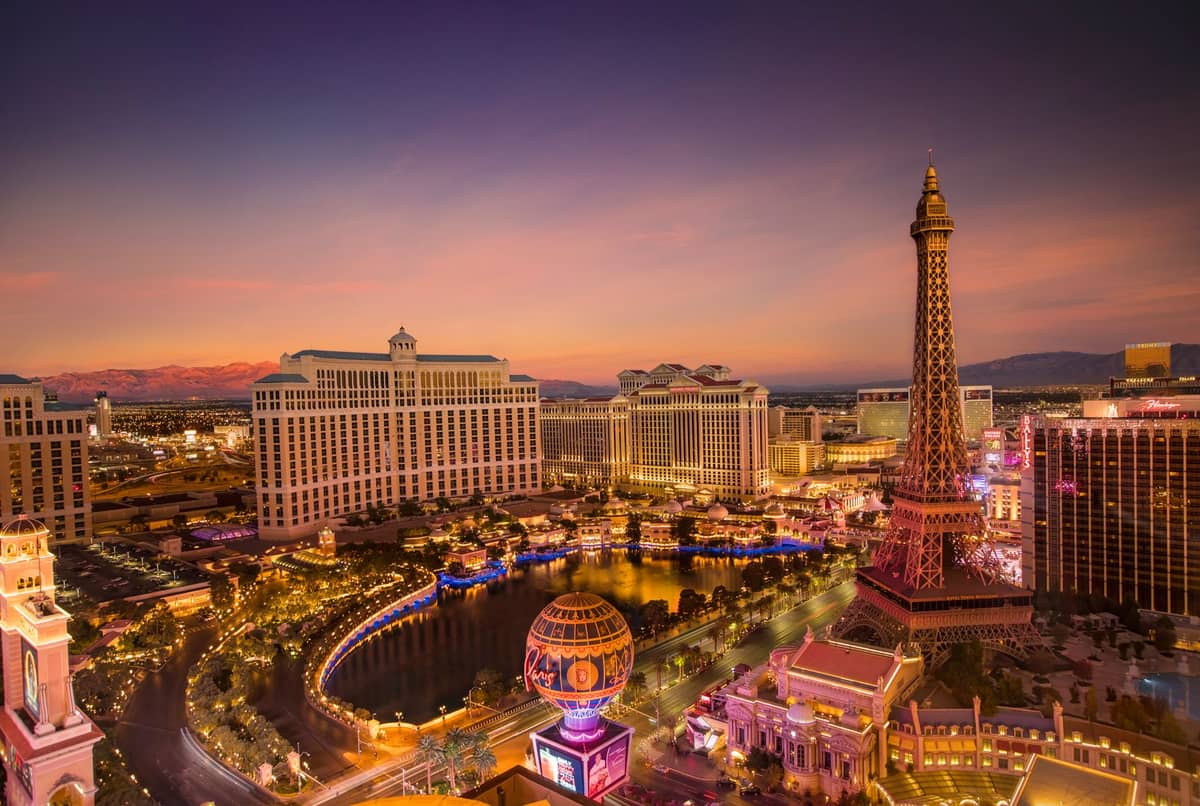
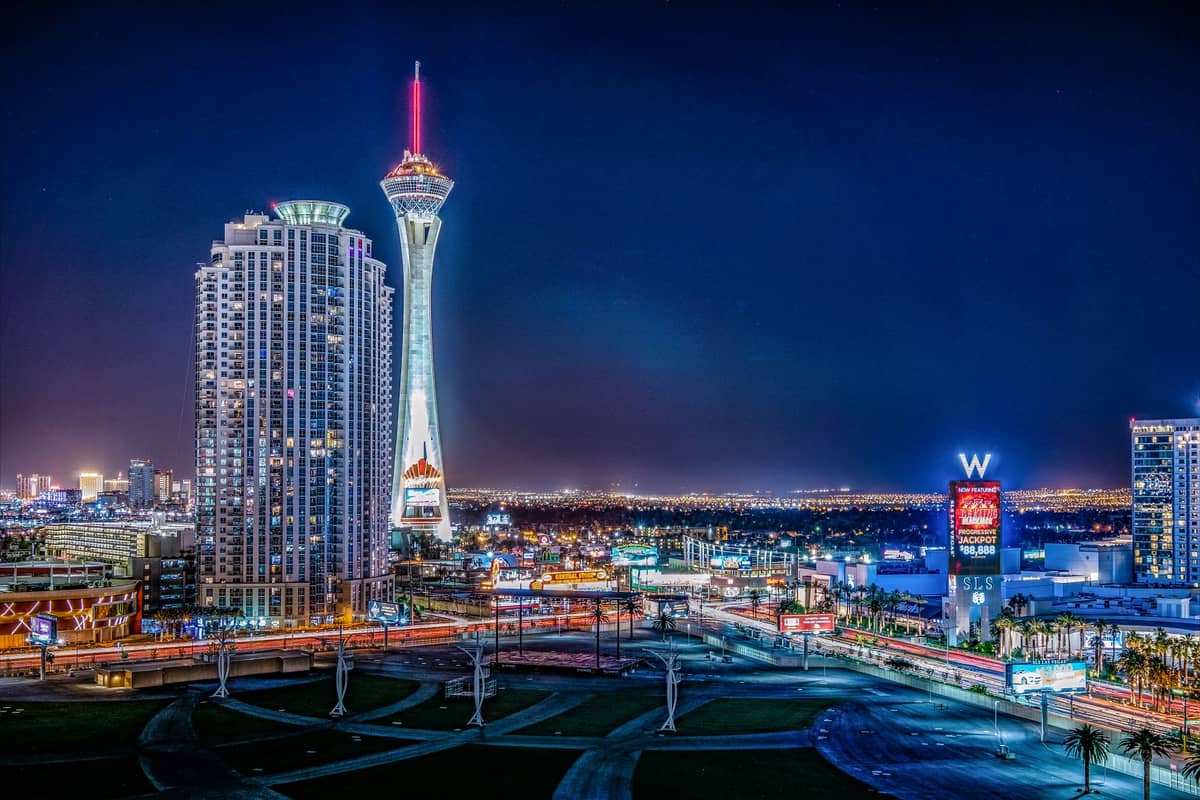
Walking the full length end to end takes between 90 minutes and two hours at a comfortable pace, longer if you stop to look at anything. The corridor is divided informally into three zones. The South Strip runs from Russell Road to Tropicana Avenue and includes Mandalay Bay, Luxor, and Excalibur. The Center Strip, between Tropicana and Spring Mountain Road, is the most densely developed section and home to Bellagio, Caesars Palace, the Paris Las Vegas Eiffel Tower replica, and the LINQ. The North Strip, from Spring Mountain Road up to Sahara Avenue, is less densely packed and includes the STRAT tower and SAHARA Las Vegas.
Downtown Las Vegas and the Fremont Street Experience sit about four miles north of the center of the Strip, connected by Las Vegas Boulevard itself and by the RTC bus network. The Las Vegas Arts District lies a short drive southwest of the South Strip. Harry Reid International Airport (IATA: LAS) is located roughly three to five miles southeast of the mid-Strip, making it one of the most conveniently positioned major airports in the United States relative to a city's main tourist corridor.
Character & Atmosphere
At seven in the morning, the Strip is strangely quiet. The sidewalks are wide and mostly clear. Delivery trucks idle outside resort loading docks. The fountains at Bellagio are still. You can actually hear your own footsteps on the concrete, which feels like a minor miracle given what this place becomes twelve hours later. The light at that hour is cool and flat, the surrounding mountains visible against the pale sky before the heat starts to build.
By midday in summer, the pavement radiates heat at levels that feel genuinely hostile. Las Vegas sits at roughly 2,000 feet elevation in the Mojave Desert, and July and August afternoon temperatures regularly exceed 104 degrees Fahrenheit (40 degrees Celsius). The resort interiors become essential refuges, their aggressively air-conditioned corridors a kind of subterranean city that most visitors navigate without ever going back outside. This is by design: the casino floors, restaurants, and shops are connected in ways that make it easy to travel several blocks without stepping into the sun.
After dark is when the Strip becomes the place the photographs suggest. The neon and LED signage is genuinely impressive at close range, and the pedestrian bridges over the main intersections give elevated vantage points over the moving crowd below. The sidewalks fill steadily from around nine in the evening and stay busy past two in the morning, especially on weekends. The crowd is international and mixed in age, ranging from bachelorette groups in matching outfits to retirees with casino loyalty cards. Street performers, souvenir hawkers, and people distributing club flyers occupy the edges of the walkway. It is loud, frequently chaotic, and the smell of cigarette smoke drifts from casino entrances.
⚠️ What to skip
The Strip sees heavy pedestrian traffic at night, and jaywalking on Las Vegas Boulevard is genuinely dangerous. Use the elevated pedestrian bridges at major intersections including Tropicana, Flamingo, and Spring Mountain. Avoid crossing mid-block, especially after dark or after drinking.
Spring and autumn are the most comfortable times to walk the Strip outdoors. March through May and September through November bring daytime temperatures in the 70s and 80s Fahrenheit (low-to-mid 20s Celsius), which makes the outdoor spectacles, pools, and walking routes actually enjoyable rather than something to be endured.
What to See & Do
The Strip's attractions divide roughly into free spectacles, paid experiences inside the resorts, and the casinos themselves. Many of the most recognizable sights cost nothing to observe.
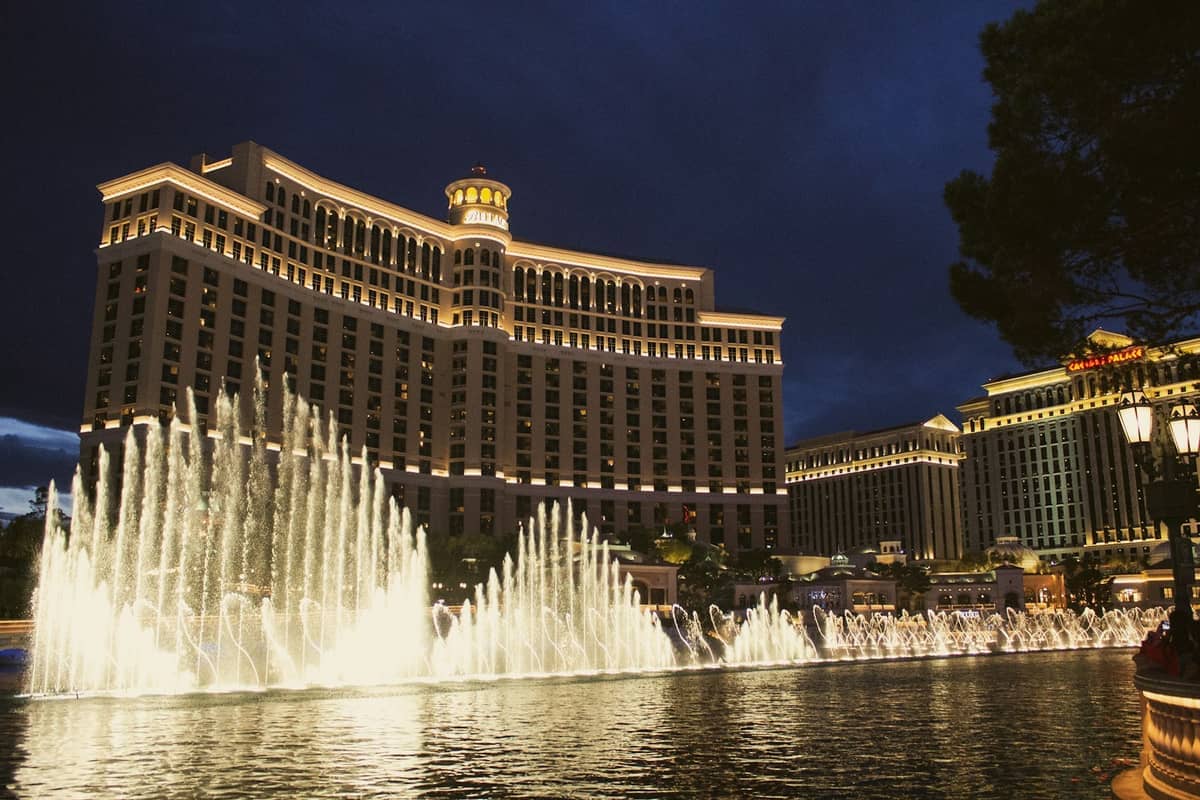
The Bellagio Fountains run every 30 minutes in the afternoon and every 15 minutes from evening onward, and the choreographed water show set to music is one of the few genuinely free, genuinely spectacular things on the Strip. The best viewing positions are on the sidewalk directly across Las Vegas Boulevard, from the bridge at Flamingo Road, or from the terrace of the Paris Las Vegas tower.
Bellagio Fountains: free outdoor water shows throughout the day and evening
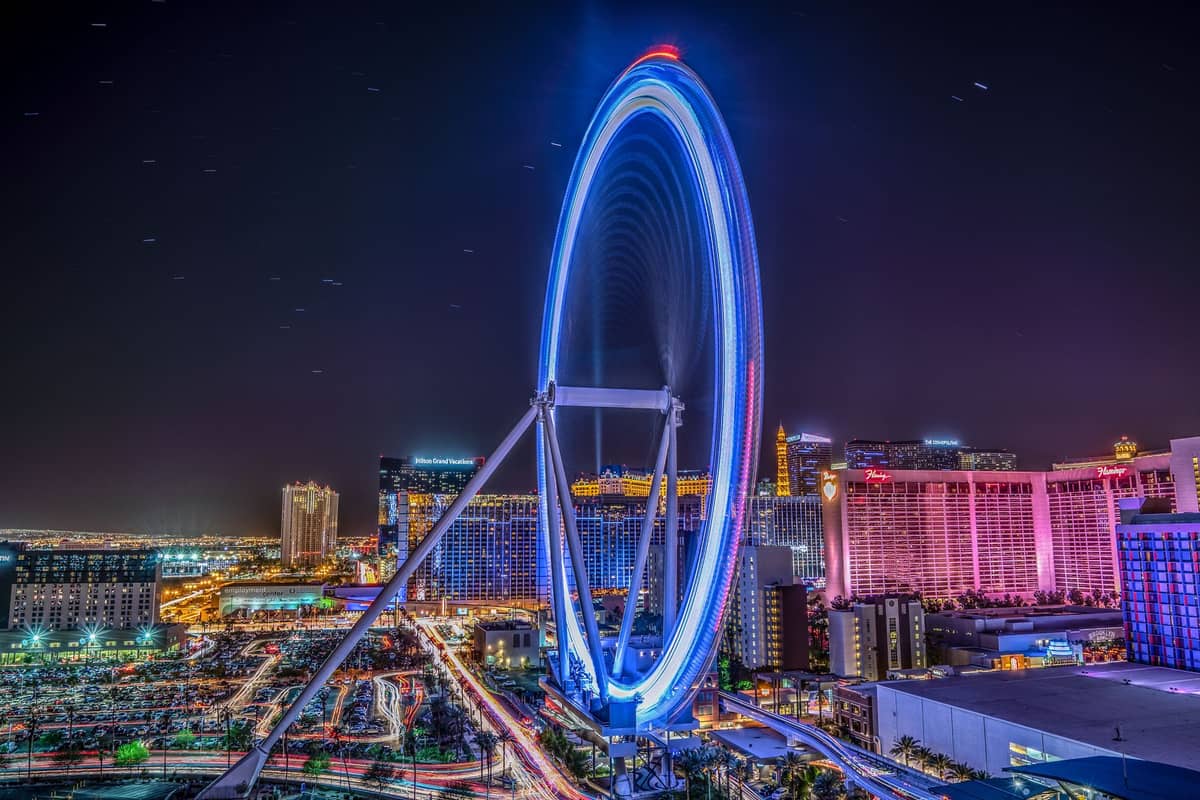
High Roller Observation Wheel: a 550-foot Ferris wheel at the LINQ promenade, best at dusk
Eiffel Tower Viewing Deck at Paris Las Vegas: 460-foot replica tower with Strip views
The STRAT Tower: observation deck and thrill rides at the north end of the Strip
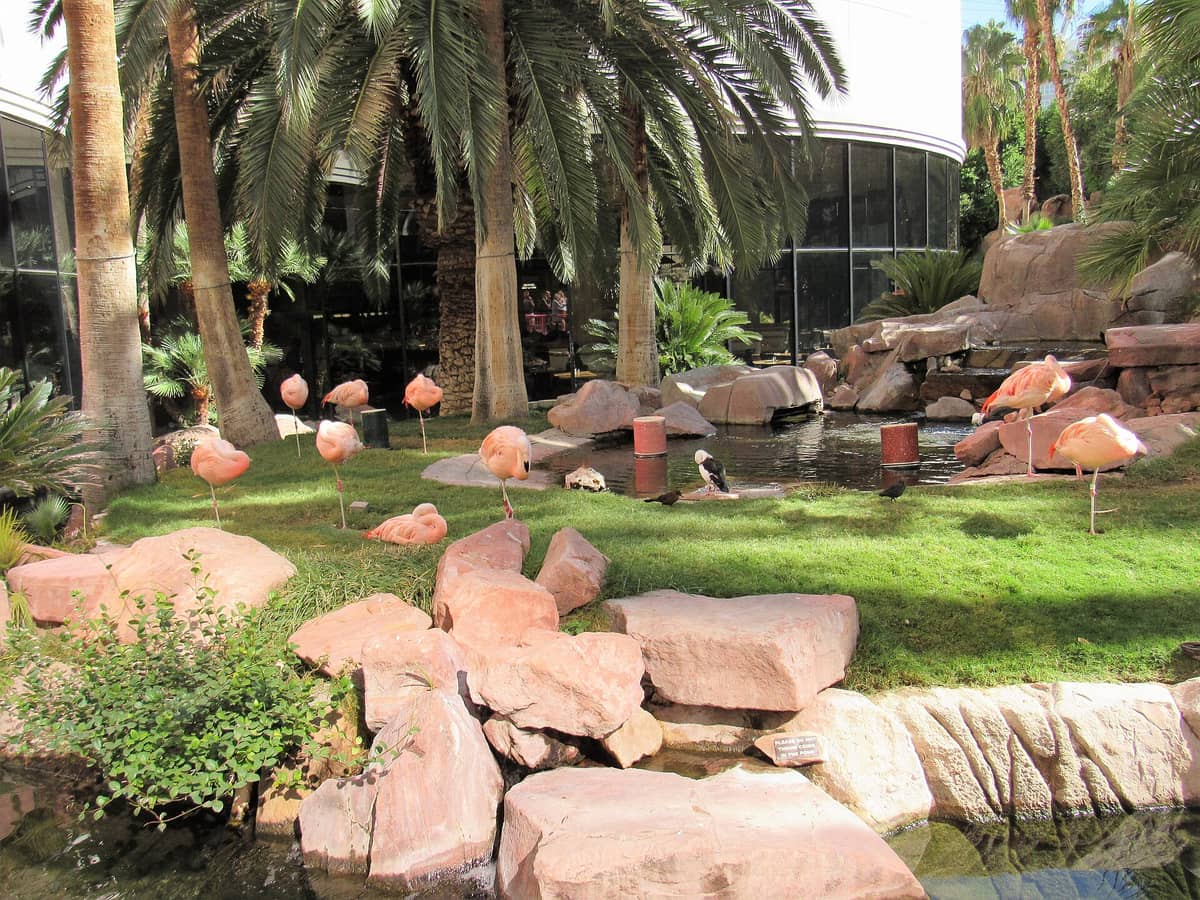
Flamingo Wildlife Habitat: free outdoor area with flamingos and other birds inside the Flamingo resort
Sphere Las Vegas: the immersive entertainment venue at the northeastern edge of the Strip
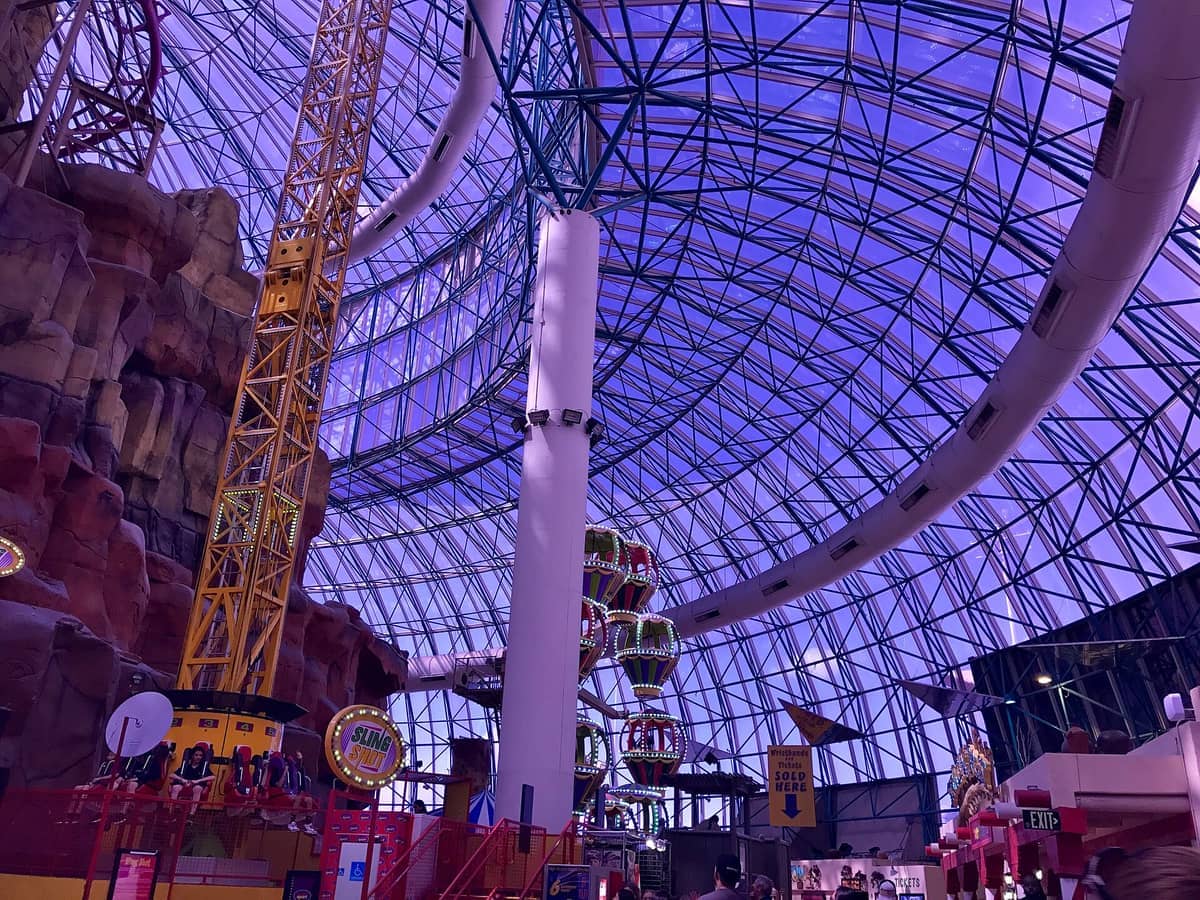
Area15: an experiential arts complex just off the Strip near Fashion Show Drive
The High Roller Observation Wheel at the LINQ Promenade stands 550 feet tall and takes about 30 minutes for a full rotation. Going at dusk means you start in daylight and finish with the Strip lit up below. The LINQ Promenade itself is an outdoor pedestrian strip connecting the Wheel to Las Vegas Boulevard, lined with bars and restaurants.
For elevation and views, the Eiffel Tower Viewing Deck at Paris Las Vegas and the STRAT Tower both offer paid observation access. The STRAT, at the north end of the Strip near Sahara Avenue, also has thrill rides mounted on the tower's exterior at over 800 feet. If you want to understand the Strip's geography from above, either of these is useful.
The Sphere Las Vegas opened in 2023 and represents a genuinely new type of venue: a 366-foot spherical structure with a fully immersive interior screen covering 160,000 square feet. It sits just east of the Venetian resort. Tickets for productions there are priced at the premium end of Las Vegas entertainment, but the technical experience is unlike anything else in the city.
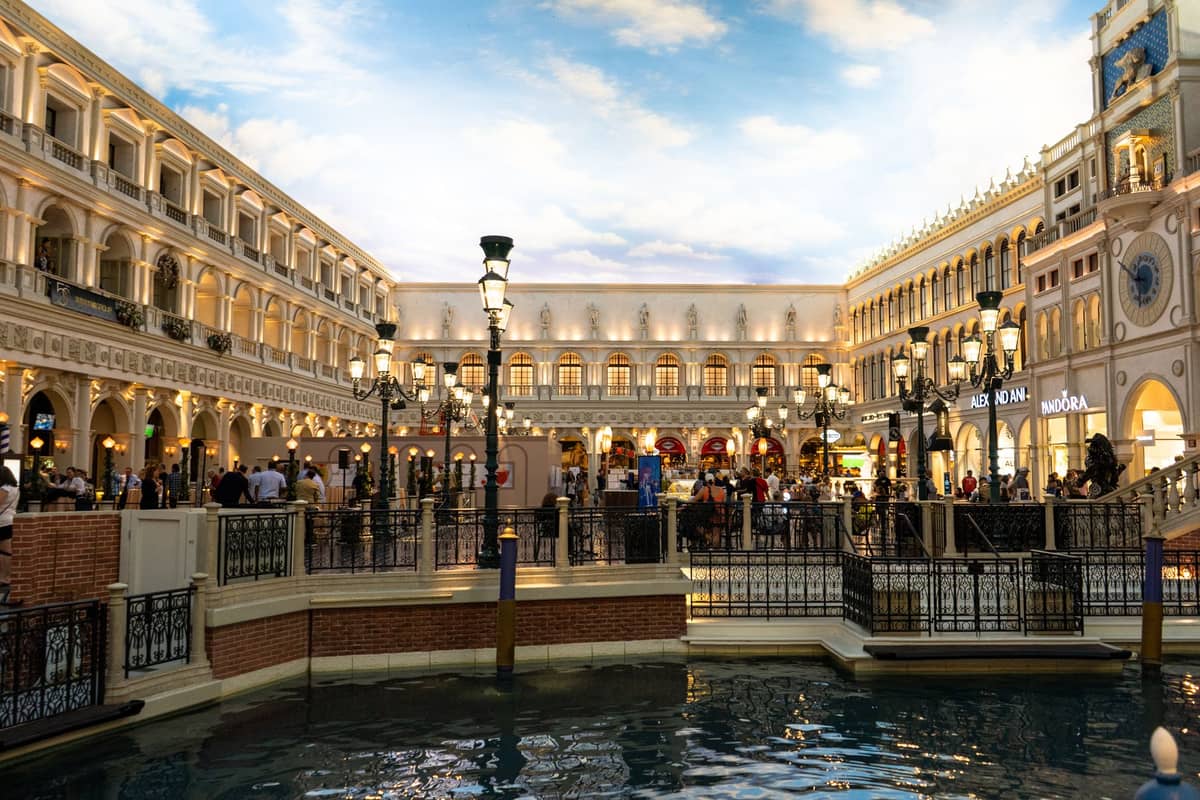
The casino floor is itself an experience, and understanding how Las Vegas casinos work before you walk in saves both money and confusion. Most resorts welcome non-gamblers walking through, and the interiors of properties like the Venetian, Bellagio, and Caesars Palace are elaborate enough to justify exploration on their own.
💡 Local tip
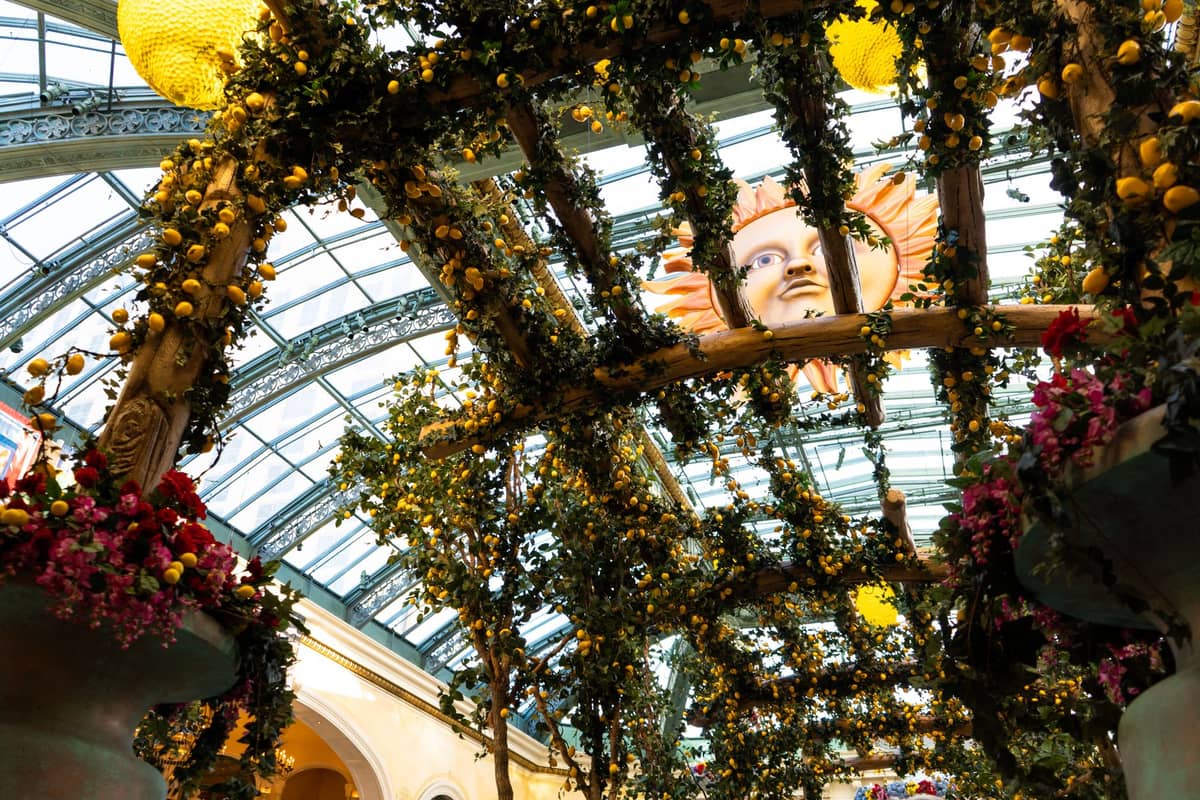
The Bellagio Conservatory is free to enter and is one of the most consistently underrated spaces on the Strip. The botanical installations change four to five times per year and are on a scale that requires actual effort to take in. It takes about 20 minutes and costs nothing.
Eating & Drinking
The Strip contains one of the highest concentrations of celebrity chef restaurants in the United States. This is not coincidence: the resort model depends on keeping visitors on property, and food is a major lever. Properties like Bellagio, Aria, Wynn, and the Venetian host restaurants from chefs with serious culinary reputations. Prices reflect both the quality and the location. A full guide to the best celebrity chef restaurants in Las Vegas covers the options across price ranges and cuisine types.
Buffets remain a part of the Strip identity, though the landscape has thinned since the early 2010s. Several major resorts still operate large buffets. The Las Vegas buffets guide covers which ones represent value and which to skip.
For drinking, the Strip operates almost entirely without a closing time. Alcohol is served around the clock on casino floors, and open-container laws in Nevada permit drinking on public sidewalks, though glass containers are prohibited on the Strip. This means the plastic-cup cocktail is a genuine artifact of Strip culture. Pool bars at major resorts operate during the day and function as distinct social venues.
Budget: food courts inside resorts (Aria, Miracle Mile at Planet Hollywood, Showcase Mall) offer fast food at reasonable prices
Mid-range: the LINQ Promenade restaurants, the Forum Shops food options, and hotel coffee shops
Upscale: celebrity chef venues inside Bellagio, Wynn, Encore, Aria, and the Venetian, with mains typically starting around $40 to $60
Late night: most resort food courts and 24-hour diners within casinos stay open through the night
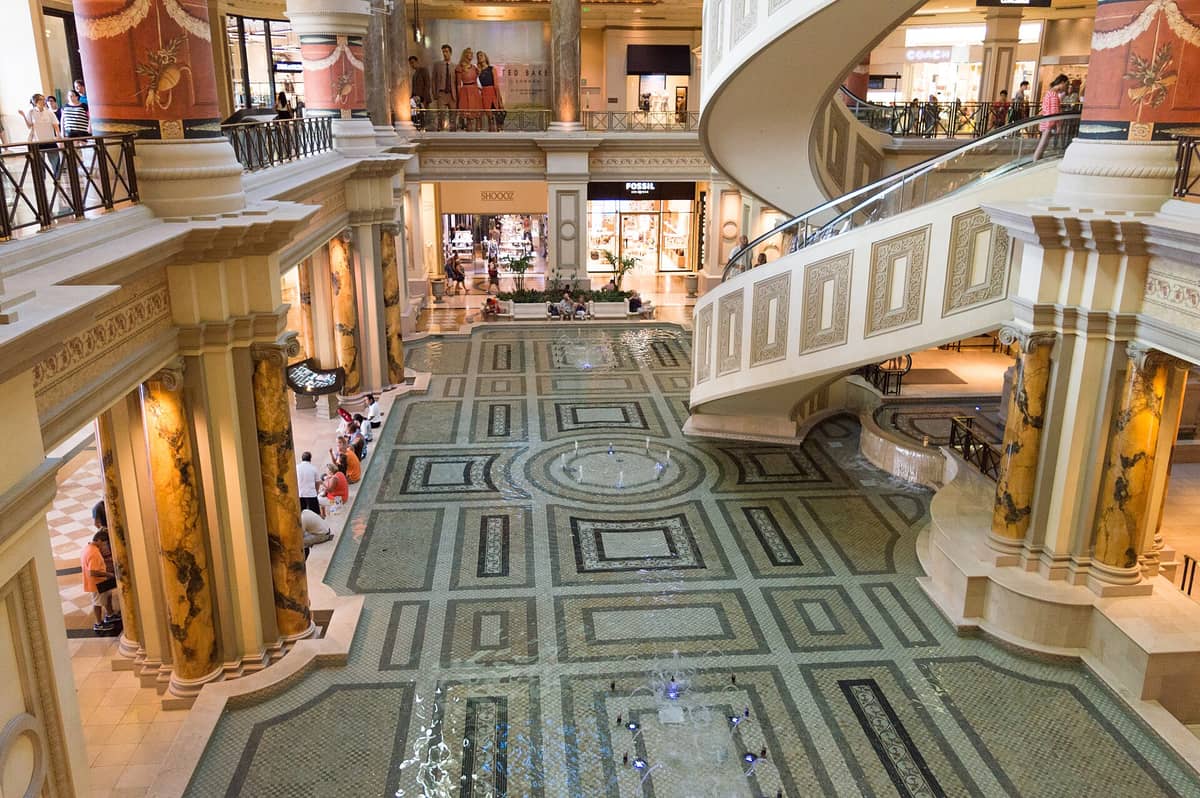
The Forum Shops at Caesars Palace contains both retail and dining, including some mid-to-upscale restaurant options within a Roman-themed interior. If you are looking for food options that feel slightly removed from the casino-floor atmosphere, the Forum Shops dining section delivers that in a space that is still very much part of the Strip ecosystem.
ℹ️ Good to know
Tipping is expected in all sit-down restaurants, bars, and for hotel staff. The standard in Las Vegas is 18 to 20 percent for food service, and skipping it is noticed. On casino floors, tipping dealers and cocktail servers who bring complimentary drinks is standard practice, typically one to two dollars per drink.
Getting There & Around
Harry Reid International Airport (LAS) sits approximately three to five miles southeast of the mid-Strip, making it one of the most accessible airport-to-destination connections in major American cities. A rideshare (Uber or Lyft) from the airport to most Strip hotels costs roughly $12 to $25 under normal conditions, rising to $30 to $50 during peak events or surge periods. The ride takes ten to twenty minutes in standard traffic. Taxis are also available from the airport and typically run $15 to $35 plus tip to Strip hotels, depending on exact destination.
RTC public buses offer the lowest-cost option from the airport. The Red Line BRT (Maryland Parkway) serves the airport area and connects toward the South Strip Transit Terminal, with onward connections via the Deuce route along Las Vegas Boulevard. Strip/All-Access fares are typically $4 for a single ride, $6 for a 2-hour pass, or $8 for 24 hours, but journey times from the airport to mid-Strip can reach 30 to 60 minutes including connections, making this practical mainly for budget travelers with time to spare.
On the Strip itself, the RTC Deuce bus runs along Las Vegas Boulevard and stops at most major resorts. The Las Vegas Monorail operates on the east side of the Strip only, with stations at MGM Grand, Horseshoe/Paris Las Vegas, Flamingo/Caesars Palace, Harrah's/The LINQ, the Las Vegas Convention Center, Westgate, and SAHARA Las Vegas. The monorail is useful for east-side connections but does not reach the western side of the Boulevard or properties like Bellagio and Caesars. A full breakdown of how to navigate the city is covered in the getting around Las Vegas guide.
Walking remains the primary mode of movement for most visitors, but distances on the Strip are deceptive. What looks like a short walk between two resorts on a map often involves navigating casino floors, elevated walkways, and sprawling resort footprints. The distance from Mandalay Bay to the STRAT, walking the full Strip, is roughly equivalent to walking across midtown Manhattan. Plan accordingly, especially in summer heat.
For a planned route on foot, the Las Vegas Strip walking guide maps out the route section by section with estimated times and key stops.
Where to Stay
The Strip holds nineteen of the world's twenty-five largest hotels by room count, with a collective inventory exceeding 67,000 rooms. This sheer volume means pricing is competitive even at flagship properties during non-peak periods, though major events, conventions, and holidays push rates significantly higher.
The Center Strip zone, between Tropicana Avenue and Spring Mountain Road, offers the easiest walking access to the highest concentration of attractions. Bellagio, Caesars Palace, the Cosmopolitan, Aria, and the Venetian are all in this zone. Staying here means most major attractions are within a 15-minute walk, but room rates are at their highest and the ambient noise does not fully stop. Upper floors insulate from street-level sound.
The South Strip, around Mandalay Bay, MGM Grand, and Excalibur, is slightly quieter and often a few dollars cheaper per night, but you are a longer walk from the center. The North Strip, around the STRAT and SAHARA Las Vegas near Sahara Avenue, is the most affordable zone on the Boulevard and appeals to travelers who want an address on the Strip without paying Center Strip prices. It is a longer walk or a bus ride to the main action.
For a full breakdown of where to stay relative to your priorities and budget, the where to stay in Las Vegas guide compares Strip and off-Strip options in detail.
⚠️ What to skip
Resort fees on the Strip are near-universal and are charged on top of the advertised room rate. They typically run $35 to $50 per night and cover amenities like pool access and in-room WiFi. Always check the total cost including resort fees before booking. The fee is not optional and is collected at check-in.
Honest Drawbacks
The Strip is engineered to keep you inside, spending money. Casino floors have no windows and no clocks. The layout of most resorts routes guests through gaming areas to reach restaurants, pools, and exits. None of this is accidental, and visitors who do not set clear spending limits tend to find they have spent far more than intended, faster than expected.
The Strip is also not representative of Las Vegas as a city. The actual residential communities, local restaurants, and cultural institutions of greater Las Vegas exist largely off the Boulevard. If your goal is to understand the city beyond the casino corridor, areas like the Arts District on South Main Street, the Chinatown strip on Spring Mountain Road west of the I-15, and Downtown Fremont Street each offer distinctly different perspectives.
The Strip is genuinely unsuitable for some travelers. Visitors with sensory sensitivities will find the noise levels, flashing lights, and crowds in peak hours difficult to manage. Families with young children will find limited programming directly on the Boulevard, and much of what exists is not oriented toward children. The Las Vegas with kids guide covers the better options for family-focused itineraries.
Safety on the Strip follows the same logic as most high-traffic urban tourist corridors: stay on the main pedestrian routes, use designated crosswalks and bridges, do not carry large amounts of cash visibly, and be aware of your surroundings late at night. The Metropolitan Police Department maintains a visible presence along the Boulevard, but the mix of alcohol, crowds, and late hours creates conditions where petty theft and altercations occur. Common sense and situational awareness are the most effective precautions.
Quick Reference
Length: approximately 4.2 miles (6.8 km) from Sahara Avenue to Russell Road
Best explored: on foot in the evening; by bus or rideshare during the day in summer
Airport to Strip: 3 to 5 miles, 10 to 20 minutes by rideshare ($12 to $25 standard rate)
Climate: extremes of heat in summer (100°F+), mild and pleasant in spring and autumn
Emergency services: dial 911; country code +1
Electricity: 120V, 60Hz, Type A and B plugs (US standard)
Currency: US Dollar (USD); tipping is expected in all service contexts
TL;DR
The Strip is the core of Las Vegas tourism: 4.2 miles of resort hotels, casinos, and entertainment along Las Vegas Boulevard South, most of it in the unincorporated community of Paradise rather than the City of Las Vegas itself.
Best for: first-time visitors to Las Vegas, groups focused on nightlife and casinos, couples looking for high-end dining and shows, and anyone who wants to be within walking distance of the city's flagship attractions.
Not ideal for: budget travelers without discipline around spending, families with young children, visitors sensitive to noise and crowds, or anyone looking for authentic local Las Vegas beyond the tourist corridor.
Walk the Strip at night for the spectacle, use buses or rideshares in summer heat, and always check total room costs including mandatory resort fees before booking.
The Strip is what most people imagine when they think of Las Vegas. Whether that is a reason to go or a reason to look elsewhere depends on what kind of traveler you are.
Three days is enough time to experience the best of Las Vegas if you plan smart. This itinerary covers the Strip's iconic landmarks, Downtown's neon history, a memorable day trip into the desert, and the shows and restaurants that actually deliver.
Las Vegas has a richer museum scene than most visitors expect. Beyond the casinos, you'll find world-class institutions covering organized crime, atomic history, natural science, immersive art, and the city's own neon-lit past. This guide covers the best museums in Las Vegas, organized by theme, with practical notes on what's worth your time and money.
Las Vegas runs 24/7 year-round, but when you go shapes everything from hotel rates to what you can actually do outdoors. This guide breaks down every season by temperature, crowd levels, prices, and what to watch out for — so you can pick the window that actually suits your trip.
Las Vegas rewards those who look up and out. Whether you want a bird's-eye view of the neon Strip, a sweeping desert panorama, or a close-up of iconic landmarks, these are the best observation decks and viewpoints the city has to offer.
Las Vegas sits at the center of one of the most remarkable day-trip networks in North America. Within a two-hour drive, you can stand on the rim of the Grand Canyon, hike through ancient red sandstone, or visit one of America's greatest engineering achievements. This guide covers the best escapes, organized by what you're looking for.
Las Vegas offers far more than paid entertainment. From iconic fountain shows and wildlife habitats on the Strip to desert art installations and neon-lit downtown experiences, this guide covers the best genuinely free attractions in the city.
Las Vegas is surprisingly easy to navigate once you understand how its transport options actually work. This guide covers everything from Harry Reid International Airport transfers to the RTC Deuce, the Strip monorail, taxis, rideshare, and driving tips, with clear cost breakdowns and time-of-day advice.
Las Vegas sits within striking distance of some of the American Southwest's most dramatic hiking terrain. From sandstone canyon walls 20 minutes from the Strip to alpine forests on Mount Charleston and the towering cliffs of Zion, these are the trails that make the desert city one of the best bases for outdoor adventure in the country.
Las Vegas handles more bachelor and bachelorette parties than anywhere else in the world, and for good reason. This guide covers everything from picking the right hotel and booking nightlife to timing your trip, managing the budget, and avoiding the costly mistakes most groups make.
Las Vegas buffets have changed dramatically. Many iconic spread-all-day operations are gone, replaced by tighter schedules and higher prices. This guide breaks down which buffets are still worth attending, what each one actually costs, and how to avoid wasting money on mediocre food.
Las Vegas casinos are not all created equal. This guide breaks down the best casino floors by type, explains the true cost of playing (resort fees, parking, table minimums), and gives you the practical knowledge to gamble smarter on the Strip and Downtown.
Las Vegas has quietly become one of the most serious dining cities in America, and celebrity chef restaurants are a big reason why. This guide breaks down the top spots by chef, covers real pricing, and tells you exactly how to get a table.
The Las Vegas Grand Prix is unlike any other race on the F1 calendar: a nighttime street circuit cutting through the neon heart of the Strip. This guide covers tickets, pricing, the circuit layout, what to expect on the ground, and how to plan your visit around one of motorsport's most spectacular events.
Las Vegas food has evolved far beyond cheap buffets and shrimp cocktails. This guide breaks down the city's full dining landscape: where to splurge, where to save, what neighborhoods to explore, and how to eat well on any budget.
Las Vegas is far more romantic than its party reputation suggests. This guide covers the best couples experiences in Vegas, from free Strip walks and the Bellagio fountains to helicopter flights over the Grand Canyon, with practical notes on what's worth the splurge and what to skip.
Las Vegas rewards the curious traveler who looks past the slot machines. From a surreal supermarket art maze to a ghost town in Eldorado Canyon, these off-Strip experiences reveal a city far stranger, more beautiful, and more diverse than most visitors ever discover.
Las Vegas New Year's Eve draws 350,000+ people to a pedestrianized Strip for synchronized rooftop fireworks, world-class parties, and an energy unlike anywhere else. This guide covers exactly what to expect, how to get around, and how to avoid the most common mistakes.
Las Vegas nightlife runs deeper than the casino floor. This guide breaks down Strip mega-clubs, rooftop bars, Downtown's free light shows, pool party season, and the after-dark experiences worth your money — plus clear notes on what to avoid.
Las Vegas has a reputation for excess, but the city also has more genuinely free and low-cost experiences than almost anywhere else in the U.S. This guide cuts through the noise with specific transit fares, free attraction lists, resort fee warnings, and seasonal tips to help you visit Las Vegas on a budget without sacrificing the experience.
Las Vegas pool parties are a world of their own — part concert, part nightclub, all sunshine. This guide breaks down the top dayclubs by venue, price, vibe, and season, so you can plan smarter and skip the rookie mistakes.
Las Vegas runs more resident shows per square mile than anywhere else on earth. This guide breaks down the best shows in Las Vegas by category, explains what tickets actually cost, and tells you which productions are worth the money and which ones are not.
Las Vegas is the sports betting capital of the United States, with licensed sportsbooks inside nearly every major casino on the Strip and downtown. This guide covers everything a first-timer needs: how sportsbooks work, how to read odds, where to bet, and what to watch out for.
The Las Vegas Strip covers 4.2 miles of world-famous resorts, free attractions, and neon spectacle. This self-guided walking tour breaks down the full route from Mandalay Bay to the Strat, with practical tips on timing, transit backup, free stops, and how to avoid the most common mistakes first-time walkers make.
Las Vegas wedding chapels make it possible to go from arrival to legally married in a single afternoon. This guide covers the marriage license process, chapel options across every budget, pricing breakdowns, seasonal timing advice, and the myths that trip up first-timers.
Forty-eight hours in Las Vegas is enough time to hit iconic Strip landmarks, explore Downtown's neon-lit streets, catch a world-class show, and still find a few surprises. This guide picks the best attractions across every category so you can plan a weekend that actually delivers.
Las Vegas is far more family-friendly than its reputation suggests. From indoor theme parks and world-class aquariums to free fountain shows and downtown museums, this guide covers the best things to do in Las Vegas with kids, sorted by age, budget, and season.
Las Vegas operates at every budget level, but at the top end it competes with any city in the world. This guide cuts through the noise with real pricing, candid assessments, and practical advice for planning a high-end Las Vegas trip, from flagship resort suites to Michelin-caliber tasting menus and private aerial tours.
Las Vegas delivers a lot of scenery for a short hike as a shopping destination. This guide breaks down the top malls, premium outlets, and Strip boutiques — with practical details on hours, transport, pricing, and when to skip the crowds.
Las Vegas delivers far more than casino floors and nightclubs. This guide breaks down the best things to do in Las Vegas across every budget and interest, from the iconic Strip to dramatic desert landscapes, with practical recommendations and details to help you plan smarter.
Choosing where to stay in Las Vegas is one of the most consequential decisions of your trip. Location dictates what you can walk to, how much you pay in resort fees, and whether you spend half your vacation in a taxi. This guide cuts through the noise with area-by-area breakdowns, real pricing, and the fee math most booking sites hide.