Las Vegas on a Budget: How to Visit Without Overspending
Las Vegas has a reputation for excess, but the city also has more genuinely free and low-cost experiences than almost anywhere else in the U.S. This guide cuts through the noise with specific transit fares, free attraction lists, resort fee warnings, and seasonal tips to help you visit Las Vegas on a budget without sacrificing the experience.
Plan and book this trip
Tools from our partner Travelpayouts help you compare flights and hotels. If you book through them, we may earn a commission at no extra cost to you.
Flights
Hotels map
TL;DR
- RTC buses cover the Strip and downtown from $2 per residential ride or $5 for a standard 24-hour residential pass, while Strip & All Access passes start at $4 per ride or $8 for 24 hours — far cheaper than taxis or rideshare for short hops.
- Dozens of attractions are genuinely free: the Bellagio Fountains, Fremont Street Experience, and the Bellagio Conservatory cost nothing to see.
- Resort fees are the single biggest budget trap — always check the full nightly rate before booking, not just the headline price.
- Spring (March-April) and fall (October-November) offer the best combination of mild weather and lower hotel rates outside of major events.
- Check our free things to do in Las Vegas guide for a full list of no-cost experiences worth your time.
The Real Cost of a Las Vegas Trip (And Where People Go Wrong)
Las Vegas on a budget is entirely achievable, but not by accident. The city is architected to extract money at every step: from the airport taxi queue to the $8 bottles of water poolside. Most first-time visitors overspend not on gambling or shows, but on avoidable costs they didn't see coming — resort fees, overpriced rides, and tourist-trap restaurants steps from genuinely good cheap food.
The city sits in the Mojave Desert at around 2,030 feet elevation and runs on Pacific Time (PST/PDT). It's a legitimate major U.S. city with a functioning transit network, competitive grocery stores, and neighborhoods well outside the casino corridor where locals actually eat and drink at normal prices. Knowing that distinction changes how you plan.
⚠️ What to skip
Resort fees are not optional and are not always shown prominently in search results. A hotel listing at $59/night may carry a mandatory resort fee of $35-45/night on top — that's a 60-75% price increase. Under current U.S. booking rules, the all-in price must be disclosed before purchase, but it's often buried. Always confirm the total nightly cost, including resort fees and taxes, before booking.
Understanding where the Strip actually is matters too. Most of the major casino resorts are in unincorporated Paradise, Nevada, not technically within the City of Las Vegas boundaries. Where you stay has a direct effect on your daily transport costs, food access, and how much you're paying in resort fees versus a more modest property.
Getting Around Without Spending a Fortune
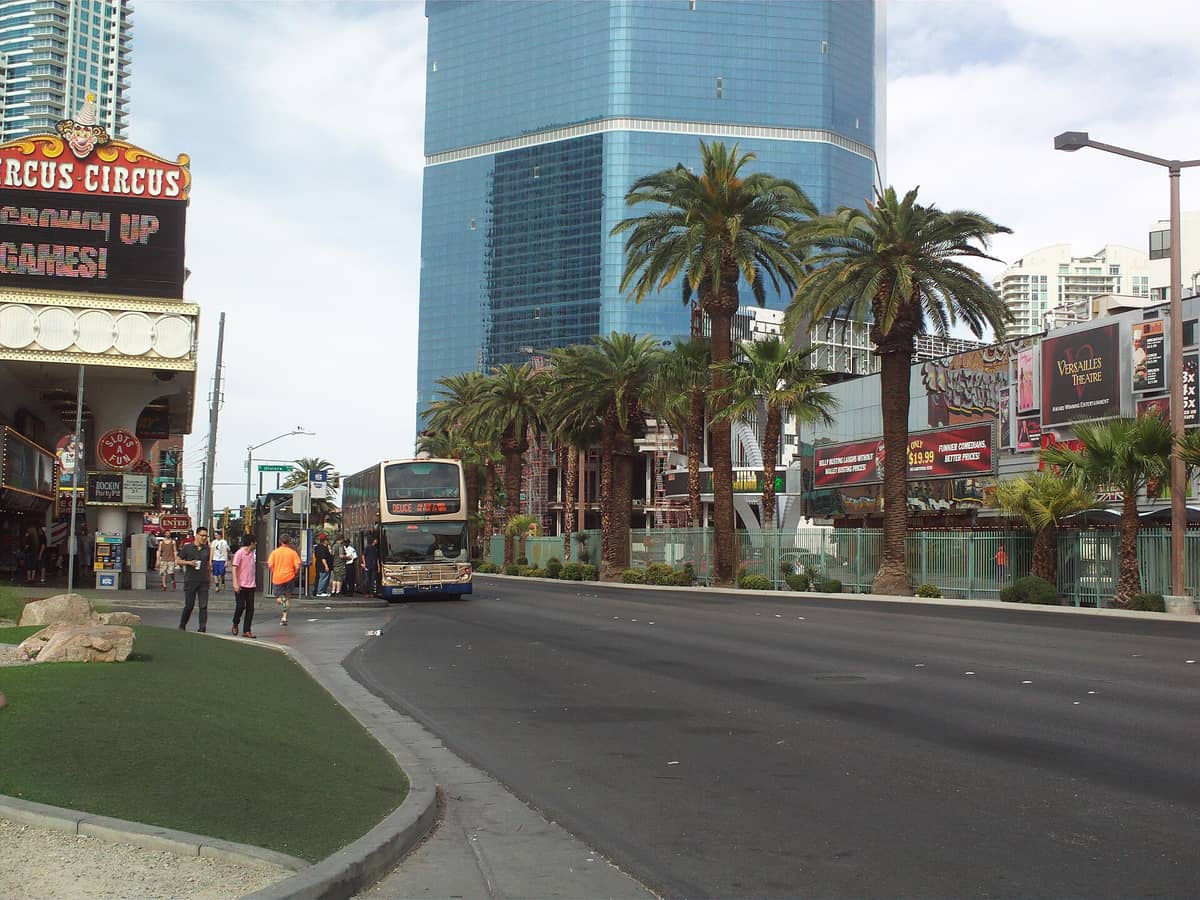
Transportation is one of the easiest places to control your budget in Las Vegas. The default tourist move — Uber or Lyft for every trip — adds up fast, especially during surge pricing around events, weekend nights, or convention weeks. A rideshare from Harry Reid International Airport (IATA: LAS) to a mid-Strip hotel runs $12-25 off-peak and can hit $30-50 during surge periods.
The RTC Southern Nevada bus network is the practical budget alternative. Getting around Las Vegas by bus is slower but reliable. Standard RTC fares are $2 per single ride or $5 for a 24-hour pass. For Strip and downtown travel specifically, the all-access Strip fare structure is $4 single ride, $6 for 2 hours, $8 for a 24-hour pass, or $20 for a 3-day pass. The Deuce is the double-decker bus that runs the length of the Strip 24 hours a day — slow during peak hours, but cheap and with good views.
- RTC Bus (Deuce / Route 109) Covers the Strip and connects to downtown. Single ride $2-4 depending on zone. 24-hour pass $8 for Strip all-access. Runs 24/7 on key routes. Best for: budget travelers comfortable with slower travel times.
- Las Vegas Monorail Runs along the east side of the Strip between MGM Grand and Sahara. Single ride around $6, 24-hour pass around $15. Useful for skipping Strip traffic between specific resorts, but doesn't cover Bellagio or Caesars side. Best for: targeted east-Strip hops.
- Walking The Strip looks walkable on a map but distances between resorts are deceptive — it's about 4.2 miles from Mandalay Bay to the Stratosphere (now Strat). Factor in summer heat above 104°F and it becomes unsustainable midday. Best for: evenings and cooler months.
- Rideshare (Uber/Lyft) Available from Harry Reid International Airport and throughout the city. Off-peak fares to the Strip: $12-25. Surge pricing common on weekend nights and during events. Best for: late nights and trips off the main corridor.
💡 Local tip
If you're flying into Harry Reid International Airport and heading to the Strip, the RTC Route 109 bus connects to the South Strip Transit Terminal, where you can transfer to the Deuce or other Strip services. Total fare: around $2-6. Journey time is 30-60 minutes versus 10-20 minutes by car, but the cost difference is roughly $20 per trip.
Free and Low-Cost Things to Do
Las Vegas has more genuinely free, legitimately impressive attractions than most U.S. cities — not as a budget compromise, but as intentional draws to get visitors into casino properties. You can take full advantage of that dynamic without setting foot near a slot machine.
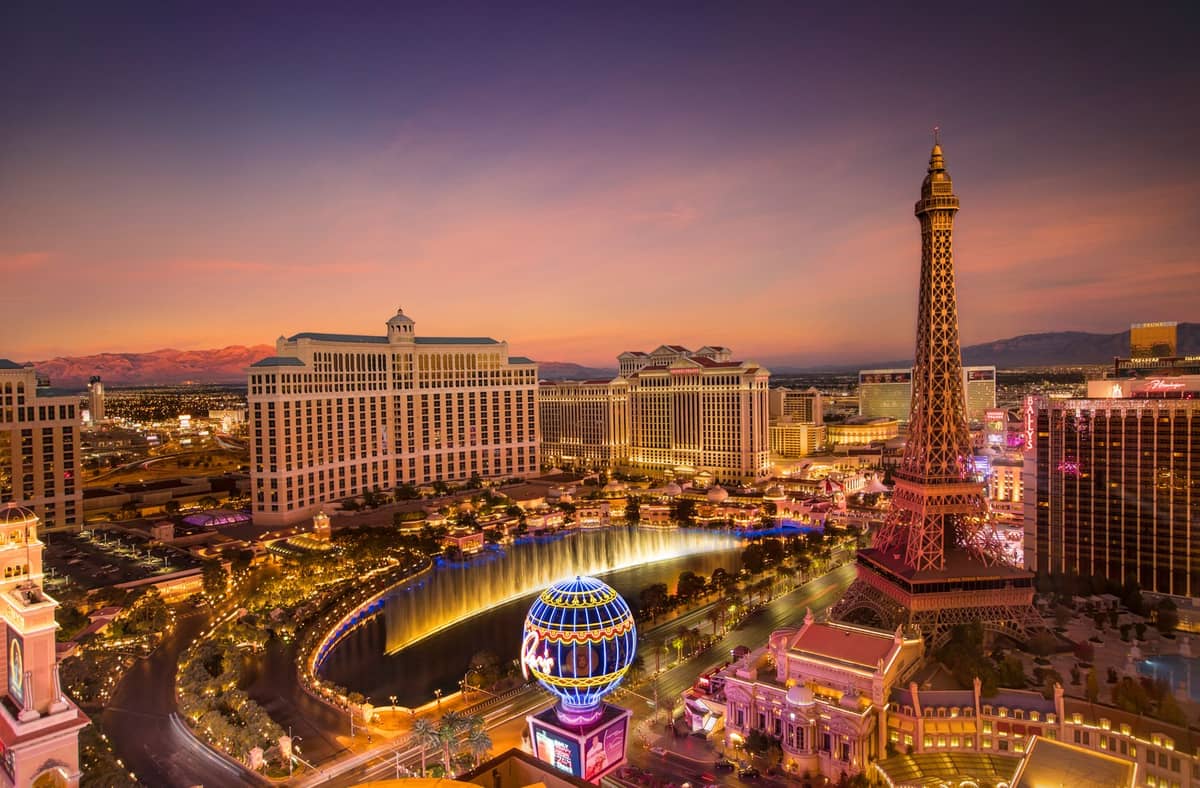
The Bellagio Fountains run every 15-30 minutes from early afternoon through midnight, with a full show choreographed to music. The Bellagio Conservatory inside changes with the seasons and is one of the most elaborate free exhibits in the country. Both are free, both are genuinely worth your time, and neither requires you to enter the casino floor.
Downtown, the Fremont Street Experience runs free LED light shows across a covered pedestrian mall several times nightly. The atmosphere is rawer and louder than the Strip, but the spectacle is free and the bars are cheaper. Nearby, Container Park is an open-air retail and entertainment space with free admission and occasional free live events.
- Bellagio Fountains — free, runs daily (weekdays from 3pm, weekends/holidays from noon) until midnight
- Bellagio Conservatory & Botanical Gardens — free, open 24 hours
- Fremont Street Experience light shows — free, multiple times nightly
- Flamingo Wildlife Habitat — free, open daily
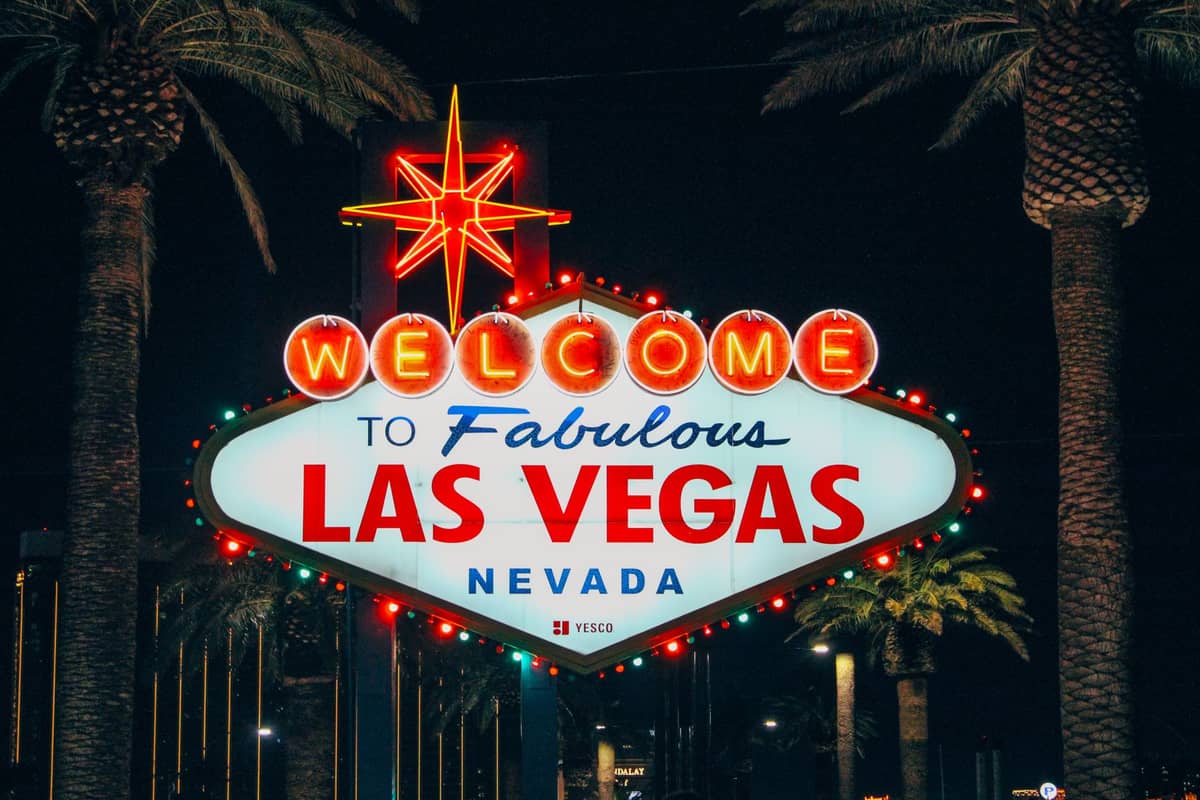
- Welcome to Las Vegas Sign — free photo stop, small parking lot nearby
- Seven Magic Mountains — free outdoor art installation south of the Strip
- High Roller Observation Wheel — not free ($25+ per ticket), but worth knowing the price upfront
- Wynn / Encore hotel lobbies and atrium gardens — free to walk through
For outdoor options, Red Rock Canyon is about 17 miles west of the Strip and charges a vehicle entry fee (currently around $15 per car) for the scenic drive. That's excellent value for a half-day escape from the casino environment. Valley of Fire State Park is about 50 miles northeast and charges a similar entry fee — both are far cheaper than any paid Strip attraction and more memorable than most.
Food and Drink: Eating Well Without the Tourist Premium
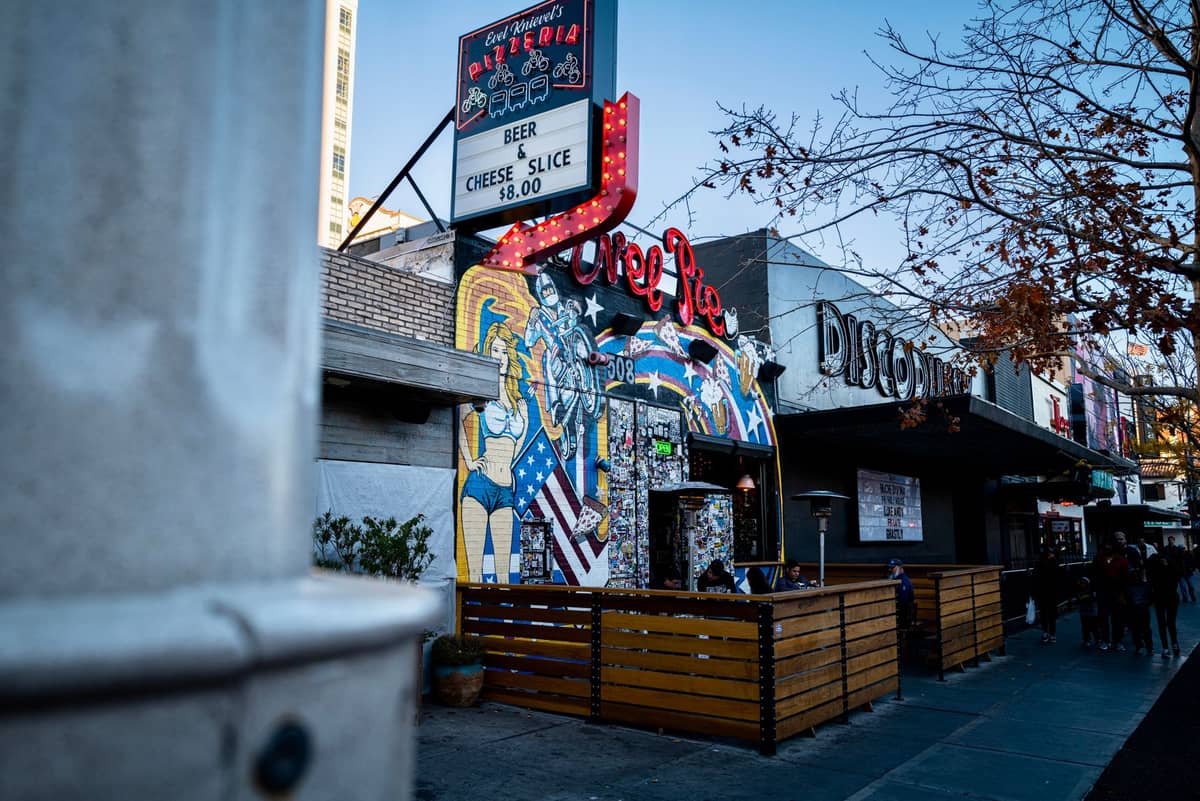
Casino restaurants on the Strip operate at a significant markup. A basic burger at a resort bar routinely costs $18-25. That's not because the food is better — it's because foot traffic is captive and the real estate is expensive. Knowing where to eat outside that ecosystem saves $30-60 per day for a couple.
Chinatown Las Vegas runs along Spring Mountain Road, about a mile west of the Strip, and has some of the best and most affordable food in the city: Korean BBQ, Vietnamese pho, Japanese ramen, and dim sum at prices that would be considered cheap in any U.S. city. A proper meal for two typically runs $20-40 total. This is where Las Vegas locals actually eat.
The Las Vegas buffet has evolved significantly. A few remain genuinely good value if you're strategic — eating a late lunch that doubles as early dinner, for example. Most Strip buffets now cost $35-60 per person, which is only a budget option if you're planning to eat a lot. Off-Strip and locals' casino buffets (Station Casinos properties, for example) tend to be $15-25 and often comparable in quality.
✨ Pro tip
Grocery stores within walking or short drive distance of the Strip include a Walgreens and CVS for basics, and a full Vons supermarket near the Convention Center. Buying breakfast items, snacks, and drinks at a grocery store rather than resort shops or hotel minibars can save $20-30 per day per person. Hotel minibar water is typically $6-8 per bottle; tap water in Las Vegas is treated to meet federal safety standards and is safe to drink.
When to Go: Timing Your Trip to Minimize Costs
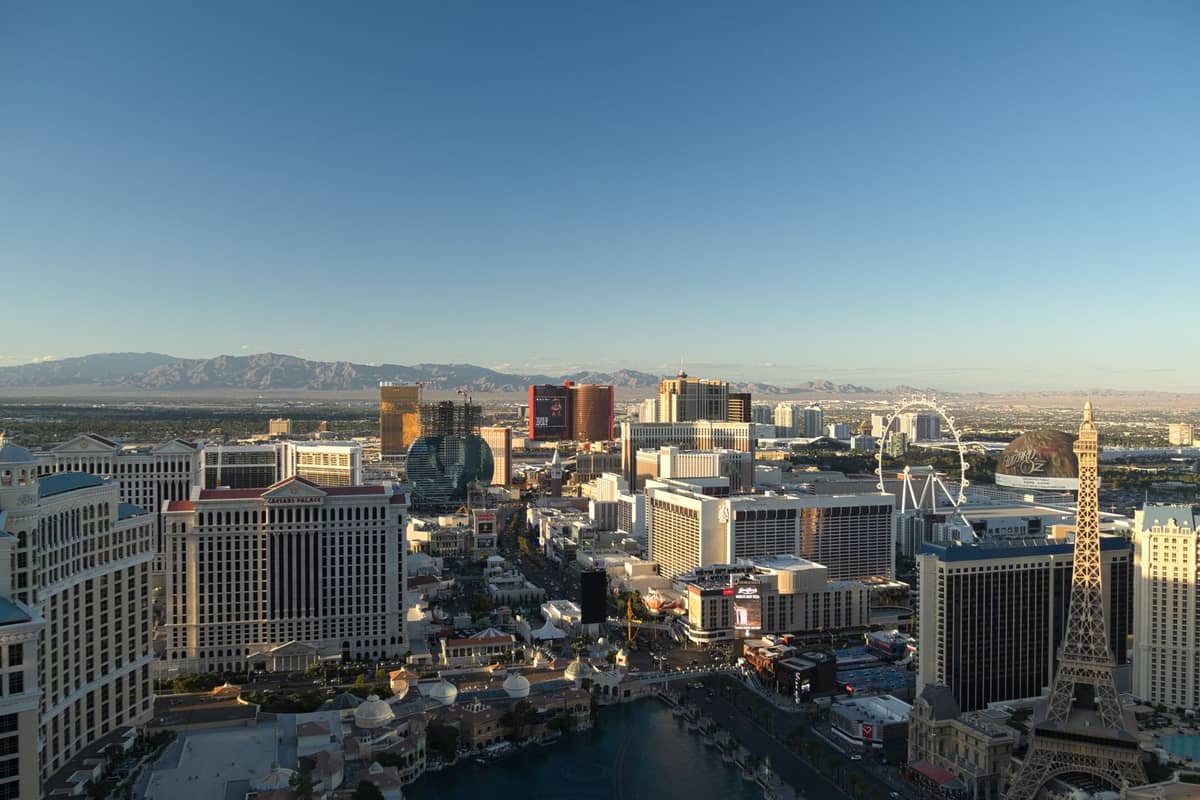
Las Vegas hotel pricing is highly dynamic. The same room can range from $59 to $400+ depending on day of week, events in town, and how far in advance you book. Understanding the calendar is one of the most effective budget tools available.
Weekdays consistently cost less than weekends — often 40-60% less for the same room. If you can structure your trip around Sunday-Thursday, you'll get significantly lower base rates. For the best overall conditions, spring (March through mid-April) and fall (October through November) offer temperatures that make walking outside comfortable and hotel rates that are lower than peak summer or holiday periods. See our best time to visit Las Vegas breakdown for a month-by-month guide.
Summer (June through August) is the highest-risk period for budget travelers. Hotel rates can spike due to demand, but more critically, daytime temperatures regularly exceed 104°F (40°C). That makes outdoor activities impractical between 11am and 6pm, which pushes visitors into air-conditioned casinos where they spend more. If you do visit in summer, plan outdoor activities for early morning or evening and budget for the psychological pressure of being indoors constantly.
Avoid: New Year's Eve, the Super Bowl weekend, major boxing or UFC events, and Formula 1 Grand Prix weekend (typically mid-November). Hotel rates during those periods routinely triple or quadruple, and the city is genuinely overcrowded. If you're specifically interested in the F1 race, that's a different trip with a different budget — not a budget trip.
Budget Planning: What to Actually Expect to Spend
Here's a realistic daily budget breakdown for a solo traveler staying on or near the Strip on a weekday outside peak season:
- Hotel (mid-range, non-resort-fee property or budget Strip option): $60-120/night including fees
- Transit (RTC 24-hour pass): $8
- Meals (breakfast from grocery, lunch off-Strip, dinner at a mid-range restaurant): $30-50
- Free attractions (Bellagio Fountains, Fremont Street, Conservatory): $0
- One paid activity (museum, observation deck, one show): $20-60
- Drinks (2-3 drinks at a bar): $20-40
- Total daily spend: approximately $138-278 per person
Gambling, if you choose to do it, should be treated as an entertainment line item with a fixed limit — not as a way to offset other costs. Set a number before you arrive. The casino landscape in Las Vegas is designed so the house always wins over time; $20-50 for an evening of low-stakes table games or slots is a reasonable entertainment budget if you treat it like a show ticket.
ℹ️ Good to know
The Las Vegas Arts District and Downtown Las Vegas neighborhoods have seen significant growth in independent restaurants, bars, and galleries with prices far below the Strip. First Friday events (monthly) feature free outdoor art and entertainment. This area rewards visitors who venture off the casino corridor.
If you're planning to see shows, book in advance and check for discount tickets at the TIXS4TONIGHT booth on the Strip, which sells same-day tickets at reduced prices. Our Las Vegas shows guide covers the full range from headliner residencies to smaller productions that offer better value.
FAQ
What is the cheapest way to get from Las Vegas airport to the Strip?
The RTC bus (Route 109 connecting to the Deuce) costs $2-6 total and takes 30-60 minutes. It's slower than a taxi or rideshare but costs roughly $15-20 less per trip. If you're traveling with luggage and more than two people, a rideshare at $12-25 off-peak can actually be more cost-effective per person than the bus.
Are there really free things to do in Las Vegas, or is it a tourist trap?
Yes, genuinely. The Bellagio Fountains, Bellagio Conservatory, Fremont Street Experience light shows, Flamingo Wildlife Habitat, and most casino lobbies and gardens are free to enter and legitimately impressive. The catch is that free attractions are placed inside or adjacent to casinos — you have to walk through them. If you have strong impulse control, this isn't a problem.
What are resort fees and how do I avoid them?
Resort fees are mandatory daily charges added on top of the headline hotel rate, typically $25-50 per night at Strip properties. They're disclosed before you confirm booking, but are often shown separately from the room rate in search results. To avoid them, look at off-Strip hotels, budget properties that don't charge them, or vacation rentals. Always check the total nightly cost before comparing hotels.
When is the cheapest time to visit Las Vegas?
Weekdays (Sunday through Thursday) year-round offer lower hotel rates than weekends. For the most affordable window overall, mid-January through February and late August through September tend to have lower demand outside of specific events. Avoid holiday weekends, major sporting events, and convention weeks (CES in January is a notable exception — it spikes prices despite being winter).
Can you have a good Las Vegas experience on $100 per day?
Yes, if you're strategic. Stay at a budget or off-Strip property without resort fees ($40-70/night), use RTC buses ($8 all-day pass), eat at Chinatown or grab grocery store breakfasts ($15-25 for food), and focus on free attractions. That leaves $20-40 for one paid experience or drinks. It's a different trip than a luxury Vegas visit, but the free attractions here are genuinely world-class.