Chinatown & Spring Mountain Road
Las Vegas Chinatown stretches along Spring Mountain Road just west of the Strip, packing one of the densest concentrations of Asian restaurants in the American Southwest into a three-mile commercial corridor. This is where locals eat, and increasingly where savvy visitors go when they want a real meal at a fair price.
Located in Las Vegas
Overview
Spring Mountain Road is the Las Vegas that doesn't end up on a billboard. A three-mile stretch of pan-Asian restaurants, Korean barbecue joints, Vietnamese pho shops, Japanese izakayas, and Taiwanese bubble tea cafes runs west from the Strip into a corridor that feeds much of the city's service industry after their own shifts end. This is a working neighborhood, not a tourist construct, and the food is better for it.
Orientation
Las Vegas Chinatown sits immediately west of the Strip, beginning roughly where Spring Mountain Road crosses Las Vegas Boulevard and continuing west for about three miles to Rainbow Boulevard. Nevada's governor formally designated the three‑mile Spring Mountain Road corridor from Las Vegas Boulevard to Rainbow Boulevard as Las Vegas Chinatown, and local guides often define the core zone as the rectangle bounded by Desert Inn Road to the north, Twain Avenue to the south, Las Vegas Boulevard to the east, and Rainbow Boulevard to the west.
Spring Mountain Road is the spine. Every significant cluster of restaurants, grocery stores, and retail plazas sits on or just off this road. The major cross streets — Valley View, Wynn Road, Arville, Decatur, Jones, and Rainbow — each anchor their own small hub of activity. Chinatown Plaza at Spring Mountain and Wynn Road is probably the most recognizable landmark, a shopping center that has anchored the corridor since the 1990s and still draws steady foot traffic.
Geographically, the neighborhood occupies part of the unincorporated community of Spring Valley, which is distinct from the City of Las Vegas proper. It sits directly parallel to the Strip, just far enough west that the resort towers are visible from certain cross streets but the casino noise doesn't reach you. The drive from the Bellagio or Caesars Palace to the heart of Chinatown is under ten minutes without traffic.
Character & Atmosphere
Walk Spring Mountain Road at ten in the morning and the corridor is quiet but functional. Grocery stores like 168 Market are already open, stocked with produce that most Strip supermarkets don't carry. Bakeries are pulling out egg tarts and pineapple buns. The parking lots of the strip malls fill steadily, mostly with locals running errands rather than visitors ticking boxes on a sightseeing list.
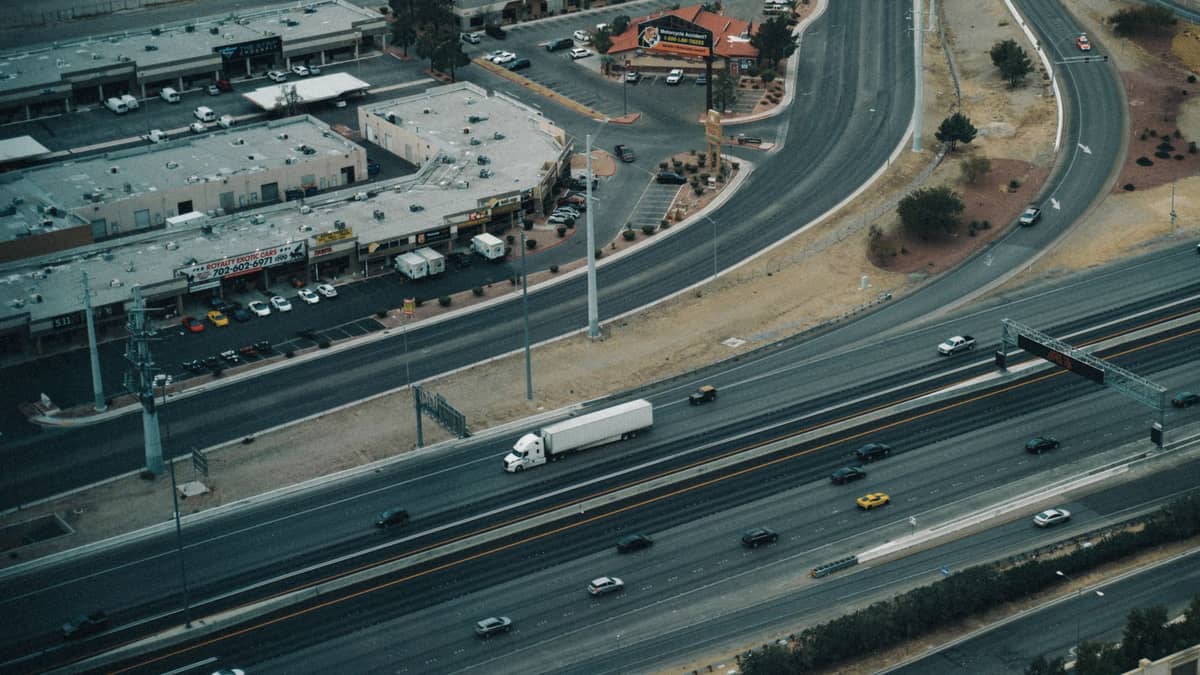
By early afternoon, the lunch rush hits hard. The sidewalks here are wide enough but the plazas were designed around cars, so the pedestrian experience is strip-mall honest: parking lots, signage in multiple languages, and storefronts packed side by side without much breathing room between them. That's the trade-off for the density. Within a single parking lot you might find a Vietnamese sandwich shop, a Hong Kong-style cafe, a Japanese ramen counter, and a Taiwanese shaved ice dessert spot.
After dark is when the neighborhood truly shifts into a different register. Between roughly 10pm and 3am, Spring Mountain Road becomes one of the few places in Las Vegas where you can get a genuinely good late-night meal that isn't a casino food court. The restaurants that serve the hospitality industry — dealers, servers, bartenders finishing their shifts at 1am — keep late hours by design. Some of the best Korean barbecue and ramen in the city is available well past midnight, and the clientele at that hour is almost entirely local.
💡 Local tip
If you want to eat like a local, aim for a late dinner after 10pm on weekdays. The restaurants that cater to hospitality workers are quieter during tourist peak hours and busier late — and the servers at that hour know the menu cold.
The neighborhood is predominantly a commercial retail corridor rather than a residential enclave in the traditional sense. There are no temple festivals with lanterns strung across the street, no pedestrianized market lanes. What it lacks in postcard scenery it makes up for in authenticity: the businesses here serve real demand from a diverse Asian-American community, and the quality standards are set by that community, not by tourism expectations.
What to See & Do
The honest answer is that Chinatown is primarily a place to eat and shop for food, not to sightsee. That said, the experience of wandering its plazas, browsing its grocery stores, and sampling across different culinary traditions is genuinely absorbing for anyone with an interest in food culture.
Chinatown Plaza at Spring Mountain and Wynn Road is worth at least a slow loop. The building has the ornate red-and-gold facade typical of 1990s American Chinatown commercial architecture, and the interior mall contains a rotating mix of restaurants, herb shops, and small retailers. It's the closest the corridor gets to a recognizable landmark.
Grocery shopping at the large Asian supermarkets along the corridor is a genuine activity in itself. The selection of fresh produce, imported snacks, regional condiments, and prepared foods is far broader than anything available inside the resort corridor. If you're staying in a suite with a kitchen, or simply want to put together a picnic, this is the place. The neighborhood also puts you within easy reach of the Las Vegas Arts District to the east, which adds a creative and cultural dimension to a combined afternoon trip.
- Browse Chinatown Plaza for a cross-section of the corridor's retail and dining mix
- Shop at large Asian supermarkets for imported ingredients, fresh seafood, and prepared foods
- Explore the side-street plazas between Valley View and Decatur for specialty shops
- Take a self-guided eating tour, moving from one cuisine to the next across different plazas
- Pair a Chinatown dinner with an evening visit to the nearby Arts District
For travelers who want a break from resort life, the neighborhood pairs well with a broader exploration of Downtown Las Vegas and the Fremont Street area, which is about fifteen minutes by car heading north on the I-15. Together, they give a much more complete picture of how the city functions outside the casino ecosystem.
Eating & Drinking
This is the main event. As of the most recent surveys, there are 248 verified sit-down restaurants within the defined Spring Mountain corridor between the Strip and Rainbow Boulevard, covering Chinese (Cantonese, Sichuan, Shanghainese, and more), Korean, Japanese, Vietnamese, Thai, Filipino, and Taiwanese cuisines, plus a growing number of pan-Asian fusion spots. The sheer concentration makes it one of the most significant Asian food districts in the American Southwest.
Korean barbecue is one of the corridor's specialties, with multiple restaurants offering tableside grilling well into the early morning hours. Japanese ramen shops and izakayas are another strong suit, serving food that would be at home in a Tokyo side street. Vietnamese pho and banh mi are well represented and notably affordable. If you want a structured way to plan your meals across the wider city, the Las Vegas food guide covers the full dining landscape, including how Chinatown fits into the bigger picture.
Price points are one of the neighborhood's clearest advantages over Strip dining. A full meal for two at a mid-range Korean barbecue restaurant — including meat, banchan side dishes, and drinks — typically costs well under what a comparable meal would run at a resort property. Even the sit-down Japanese restaurants with serious quality ambitions are priced for a local clientele that eats out regularly, not for tourists expecting to pay resort premiums.
The bubble tea and dessert scene is strong, particularly for Taiwanese-style drinks and shaved ice. Several cafes along the corridor stay open late, giving you somewhere to land after dinner if you're not ready to head back to the Strip. For travelers who want to compare Chinatown's dining to what the celebrity chef restaurants on the Strip offer, the contrast is instructive: see our guide to Las Vegas celebrity chef restaurants for context on the higher end of the city's food scene.
ℹ️ Good to know
Many Chinatown restaurants operate cash-preferred or cash-only policies, particularly the smaller family-run spots. It's worth carrying some USD before you go, though most mid-size restaurants now accept cards.
- Korean barbecue: multiple spots open past midnight, excellent value compared to Strip equivalents
- Japanese ramen and izakaya: quality rivals dedicated ramen cities; look for spots with lines forming before opening
- Vietnamese pho and banh mi: some of the most affordable meals on the corridor
- Taiwanese bubble tea and shaved ice: strong dessert scene, late hours
- Hong Kong-style cafes: reliable all-day menus including congee, rice plates, and milk tea
- Sichuan Chinese: growing presence of intensely flavored regional Chinese cooking
Getting There & Around
From the Strip, Chinatown is most easily reached by rideshare or taxi. The drive from mid-Strip hotels to the core of the corridor near Wynn Road takes around five to ten minutes in normal traffic. Uber and Lyft both operate freely in this part of Las Vegas, and pricing for a short trip from the Strip is generally modest outside of major event periods.
RTC Southern Nevada buses serve the corridor. Route 203 connects Strip hotels including the Venetian and Resorts World to Spring Mountain Road near Wynn, with a journey time of around ten to fifteen minutes. Routes 104 and 202 also run nearby stops. For a full breakdown of how to get around Las Vegas without a car, the getting around Las Vegas guide covers all transit options in detail.
Once you're on Spring Mountain Road, the corridor is technically walkable, but the distances between clusters of restaurants can add up quickly. The stretch from the Strip to Rainbow Boulevard is about three miles, and the sidewalks, while functional, are not particularly pleasant for extended walking in summer heat. Most visitors drive or take short rideshares between the eastern and western ends of the corridor.
Parking is generally available in the strip mall lots along the corridor, most of which are free. On weekend evenings, popular plazas can fill up, but overflow into adjacent lots is usually possible. If you're coming from Downtown Las Vegas, take West Charleston Boulevard or West Sahara Avenue heading south and west to reach Spring Mountain Road from the north.
⚠️ What to skip
During major Strip events — Formula 1 weekends, New Year's Eve, big boxing matches — traffic on Spring Mountain Road can back up significantly as it becomes a bypass route for Strip congestion. Plan accordingly and add extra time if visiting on high-traffic nights.
Where to Stay
Chinatown itself doesn't have major hotel properties. The accommodation picture here is primarily independent motels and budget-tier properties along Spring Mountain Road and the surrounding blocks. These are workable for budget travelers who want easy access to the dining corridor and don't need resort amenities, but most visitors stay on the Strip or Downtown and visit Chinatown specifically for meals.
If staying on the Strip is the priority, mid-Strip hotels give you the best balance of proximity to Chinatown and access to the resort corridor. The where to stay in Las Vegas guide breaks down the city's accommodation zones in detail and can help you pick a base that works for both Strip access and Chinatown dinner runs.
For travelers specifically drawn to the food scene and looking for a lower-cost base, the budget motels along Spring Mountain Road in the Chinatown corridor offer basic but functional accommodation. The trade-off is that you're removed from the walkable Strip energy, and you'll need a car or regular rideshares to reach the main resort areas. This setup suits independent travelers and food-focused visitors far better than those who want the full resort experience.
Honest Assessment
Chinatown and Spring Mountain Road is not a neighborhood for everyone who visits Las Vegas. If your itinerary is built around the resort experience, the casino floor, and the major Strip shows, you can spend a week in Las Vegas and never need to come here. But if you want to eat well without paying resort prices, or if you're curious about how the city functions for the people who actually live and work in it, this corridor is one of the most revealing places in Las Vegas to spend an evening.
The neighborhood's lack of tourist gloss is precisely what makes it worthwhile. It exists to serve a real community, and the quality of the food reflects that. Pair a Chinatown dinner with a walk through the Arts District or a visit to the Neon Museum and you have a genuinely different Las Vegas evening from what the resort experience delivers.
For travelers on a budget, Spring Mountain Road is one of the most practical destinations in the entire city. The combination of affordable, high-quality food and accessible transit connections makes it a natural fit for anyone following our Las Vegas on a budget guide.
TL;DR
- Spring Mountain Road is the best place in Las Vegas to eat well at non-resort prices, with 248 restaurants covering a wide range of Asian cuisines.
- The corridor runs three miles west from the Strip to Rainbow Boulevard and is primarily a commercial district, not a residential or pedestrian-friendly neighborhood in the traditional sense.
- Late-night dining is a genuine strength: multiple restaurants serve quality food past midnight, catering to the city's hospitality workforce.
- Getting there is easy by rideshare from mid-Strip hotels (5–10 minutes), with RTC bus options also available on Route 203 (around 10–15 minutes).
- Best suited to food-focused travelers, locals-curious visitors, and anyone who wants a break from resort pricing — less relevant for those whose entire trip centers on the Strip casino experience.
Related Travel Guides
- 3 Days in Las Vegas: The Perfect Itinerary
Three days is enough time to experience the best of Las Vegas if you plan smart. This itinerary covers the Strip's iconic landmarks, Downtown's neon history, a memorable day trip into the desert, and the shows and restaurants that actually deliver.
- The Best Museums in Las Vegas: History, Art, Science & More
Las Vegas has a richer museum scene than most visitors expect. Beyond the casinos, you'll find world-class institutions covering organized crime, atomic history, natural science, immersive art, and the city's own neon-lit past. This guide covers the best museums in Las Vegas, organized by theme, with practical notes on what's worth your time and money.
- Best Time to Visit Las Vegas: A Season-by-Season Breakdown
Las Vegas runs 24/7 year-round, but when you go shapes everything from hotel rates to what you can actually do outdoors. This guide breaks down every season by temperature, crowd levels, prices, and what to watch out for — so you can pick the window that actually suits your trip.
- Best Views in Las Vegas: Best Observation Decks & Viewpoints
Las Vegas rewards those who look up and out. Whether you want a bird's-eye view of the neon Strip, a sweeping desert panorama, or a close-up of iconic landmarks, these are the best observation decks and viewpoints the city has to offer.
- Best Day Trips from Las Vegas: 18 Escapes Worth the Drive
Las Vegas sits at the center of one of the most remarkable day-trip networks in North America. Within a two-hour drive, you can stand on the rim of the Grand Canyon, hike through ancient red sandstone, or visit one of America's greatest engineering achievements. This guide covers the best escapes, organized by what you're looking for.
- The Best Free Things to Do in Las Vegas
Las Vegas offers far more than paid entertainment. From iconic fountain shows and wildlife habitats on the Strip to desert art installations and neon-lit downtown experiences, this guide covers the best genuinely free attractions in the city.
- Getting Around Las Vegas: The Complete Transport Guide
Las Vegas is surprisingly easy to navigate once you understand how its transport options actually work. This guide covers everything from Harry Reid International Airport transfers to the RTC Deuce, the Strip monorail, taxis, rideshare, and driving tips, with clear cost breakdowns and time-of-day advice.
- Best Hikes Near Las Vegas: 15 Trails Worth the Drive
Las Vegas sits within striking distance of some of the American Southwest's most dramatic hiking terrain. From sandstone canyon walls 20 minutes from the Strip to alpine forests on Mount Charleston and the towering cliffs of Zion, these are the trails that make the desert city one of the best bases for outdoor adventure in the country.
- Las Vegas Bachelor & Bachelorette Party Guide: How to Plan It Right
Las Vegas handles more bachelor and bachelorette parties than anywhere else in the world, and for good reason. This guide covers everything from picking the right hotel and booking nightlife to timing your trip, managing the budget, and avoiding the costly mistakes most groups make.
- Best Buffets in Las Vegas: The Honest Guide to What's Worth It
Las Vegas buffets have changed dramatically. Many iconic spread-all-day operations are gone, replaced by tighter schedules and higher prices. This guide breaks down which buffets are still worth attending, what each one actually costs, and how to avoid wasting money on mediocre food.
- Best Casinos in Las Vegas: A Complete Gambler's Guide
Las Vegas casinos are not all created equal. This guide breaks down the best casino floors by type, explains the true cost of playing (resort fees, parking, table minimums), and gives you the practical knowledge to gamble smarter on the Strip and Downtown.
- Best Celebrity Chef Restaurants in Las Vegas: The Definitive Guide
Las Vegas has quietly become one of the most serious dining cities in America, and celebrity chef restaurants are a big reason why. This guide breaks down the top spots by chef, covers real pricing, and tells you exactly how to get a table.
- Las Vegas Formula 1 Grand Prix: The Complete Guide to Race Weekend
The Las Vegas Grand Prix is unlike any other race on the F1 calendar: a nighttime street circuit cutting through the neon heart of the Strip. This guide covers tickets, pricing, the circuit layout, what to expect on the ground, and how to plan your visit around one of motorsport's most spectacular events.
- What to Eat in Las Vegas: The Complete Food Culture Guide
Las Vegas food has evolved far beyond cheap buffets and shrimp cocktails. This guide breaks down the city's full dining landscape: where to splurge, where to save, what neighborhoods to explore, and how to eat well on any budget.
- Las Vegas for Couples: Romantic Things to Do (Every Budget)
Las Vegas is far more romantic than its party reputation suggests. This guide covers the best couples experiences in Vegas, from free Strip walks and the Bellagio fountains to helicopter flights over the Grand Canyon, with practical notes on what's worth the splurge and what to skip.
- Hidden Gems in Las Vegas: 20 Experiences Beyond the Strip
Las Vegas rewards the curious traveler who looks past the slot machines. From a surreal supermarket art maze to a ghost town in Eldorado Canyon, these off-Strip experiences reveal a city far stranger, more beautiful, and more diverse than most visitors ever discover.
- Las Vegas New Year's Eve: The Complete Guide to Ringing in the New Year on the Strip
Las Vegas New Year's Eve draws 350,000+ people to a pedestrianized Strip for synchronized rooftop fireworks, world-class parties, and an energy unlike anywhere else. This guide covers exactly what to expect, how to get around, and how to avoid the most common mistakes.
- Las Vegas Nightlife: Best Clubs, Bars & After-Dark Experiences
Las Vegas nightlife runs deeper than the casino floor. This guide breaks down Strip mega-clubs, rooftop bars, Downtown's free light shows, pool party season, and the after-dark experiences worth your money — plus clear notes on what to avoid.
- Las Vegas on a Budget: How to Visit Without Overspending
Las Vegas has a reputation for excess, but the city also has more genuinely free and low-cost experiences than almost anywhere else in the U.S. This guide cuts through the noise with specific transit fares, free attraction lists, resort fee warnings, and seasonal tips to help you visit Las Vegas on a budget without sacrificing the experience.
- Best Pool Parties & Dayclubs in Las Vegas: The Complete Guide
Las Vegas pool parties are a world of their own — part concert, part nightclub, all sunshine. This guide breaks down the top dayclubs by venue, price, vibe, and season, so you can plan smarter and skip the rookie mistakes.
- Best Las Vegas Shows: The Complete Guide for 2026
Las Vegas runs more resident shows per square mile than anywhere else on earth. This guide breaks down the best shows in Las Vegas by category, explains what tickets actually cost, and tells you which productions are worth the money and which ones are not.
- Sports Betting in Las Vegas: A Complete Beginner's Guide
Las Vegas is the sports betting capital of the United States, with licensed sportsbooks inside nearly every major casino on the Strip and downtown. This guide covers everything a first-timer needs: how sportsbooks work, how to read odds, where to bet, and what to watch out for.
- Walking the Las Vegas Strip: A Complete Self-Guided Tour
The Las Vegas Strip covers 4.2 miles of world-famous resorts, free attractions, and neon spectacle. This self-guided walking tour breaks down the full route from Mandalay Bay to the Strat, with practical tips on timing, transit backup, free stops, and how to avoid the most common mistakes first-time walkers make.
- Getting Married in Las Vegas: The Complete Wedding Chapel Guide
Las Vegas wedding chapels make it possible to go from arrival to legally married in a single afternoon. This guide covers the marriage license process, chapel options across every budget, pricing breakdowns, seasonal timing advice, and the myths that trip up first-timers.
- Las Vegas Weekend Guide: How to Make the Most of 48 Hours
Forty-eight hours in Las Vegas is enough time to hit iconic Strip landmarks, explore Downtown's neon-lit streets, catch a world-class show, and still find a few surprises. This guide picks the best attractions across every category so you can plan a weekend that actually delivers.
- Las Vegas with Kids: Best Family Activities & Practical Tips
Las Vegas is far more family-friendly than its reputation suggests. From indoor theme parks and world-class aquariums to free fountain shows and downtown museums, this guide covers the best things to do in Las Vegas with kids, sorted by age, budget, and season.
- Luxury Las Vegas: The Ultimate High-End Guide
Las Vegas operates at every budget level, but at the top end it competes with any city in the world. This guide cuts through the noise with real pricing, candid assessments, and practical advice for planning a high-end Las Vegas trip, from flagship resort suites to Michelin-caliber tasting menus and private aerial tours.
- Shopping in Las Vegas: Best Malls, Outlets & Boutiques
Las Vegas delivers a lot of scenery for a short hike as a shopping destination. This guide breaks down the top malls, premium outlets, and Strip boutiques — with practical details on hours, transport, pricing, and when to skip the crowds.
- Best Things to Do in Las Vegas: The Definitive Guide
Las Vegas delivers far more than casino floors and nightclubs. This guide breaks down the best things to do in Las Vegas across every budget and interest, from the iconic Strip to dramatic desert landscapes, with practical recommendations and details to help you plan smarter.
- Where to Stay in Las Vegas: Best Hotels & Areas Guide
Choosing where to stay in Las Vegas is one of the most consequential decisions of your trip. Location dictates what you can walk to, how much you pay in resort fees, and whether you spend half your vacation in a taxi. This guide cuts through the noise with area-by-area breakdowns, real pricing, and the fee math most booking sites hide.