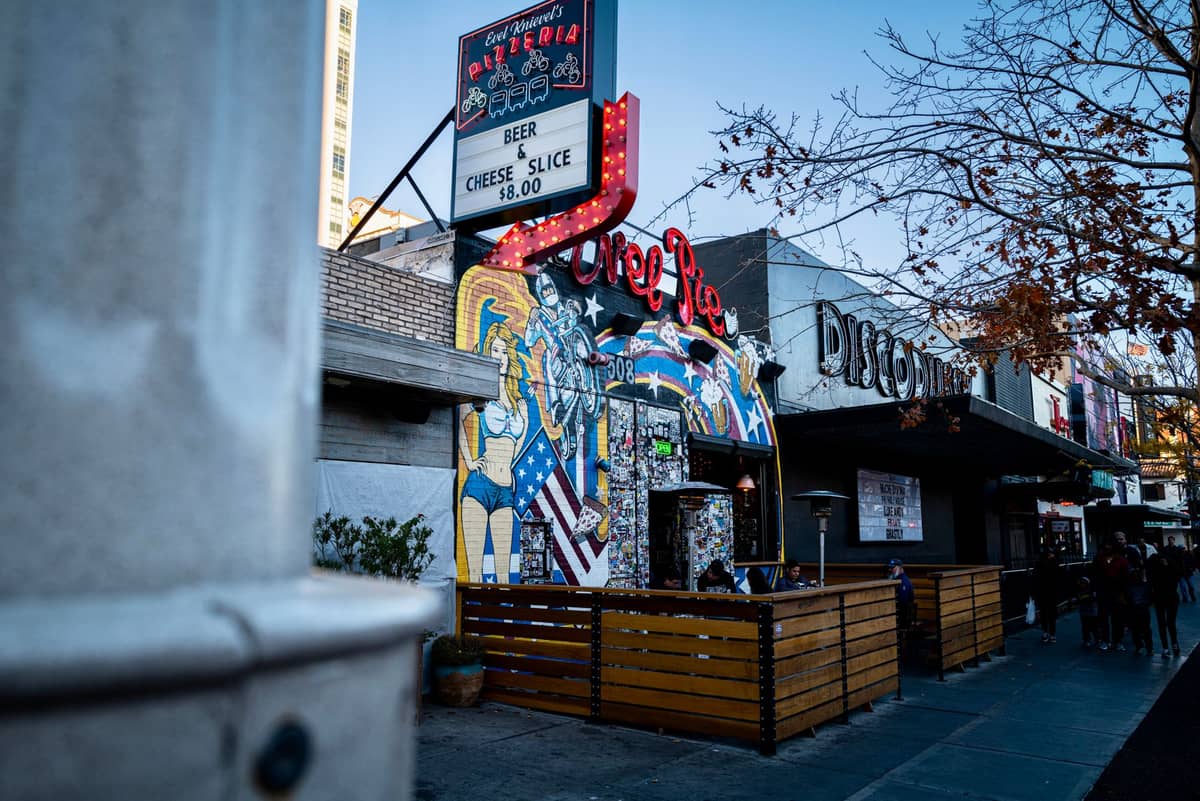
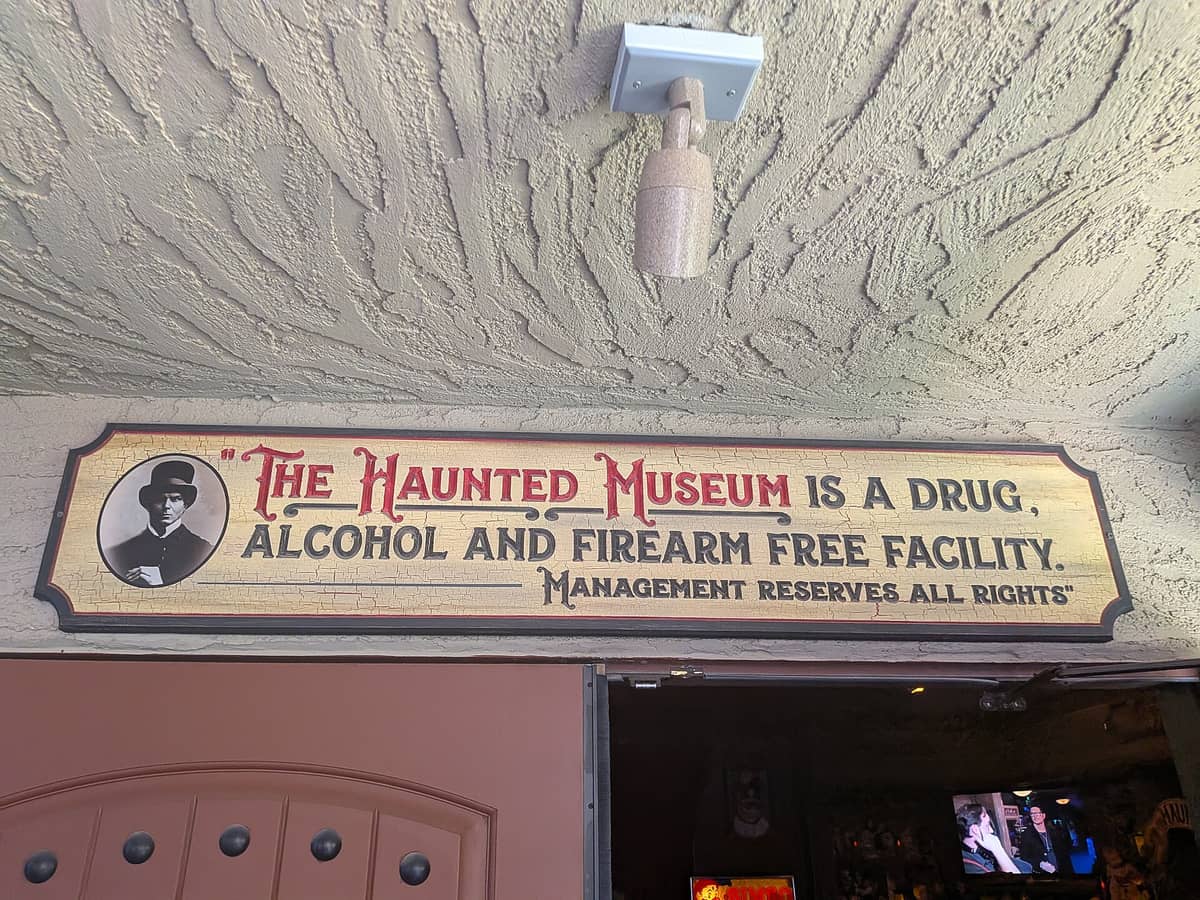
The Las Vegas Arts District, officially known as 18b, is the city's most concentrated creative neighborhood, where independent galleries, murals, cocktail bars, and local restaurants occupy a walkable stretch of Main Street and Charleston Boulevard just south of Downtown. It moves at a different pace than the Strip or Fremont Street, drawing artists, locals, and travelers looking for something that feels genuinely Nevadan.
The Las Vegas Arts District, anchored at the intersection of Main Street and Charleston Boulevard, is where the city's creative class has staked its claim. Spanning roughly 18 blocks of downtown Las Vegas, this neighborhood trades slot machines and spectacle for independent galleries, street art, and bars where the bartender actually knows what's in season.
Orientation
The Arts District sits in the southwestern corner of Downtown Las Vegas, less than a mile south of Fremont Street. The City of Las Vegas defines the official 18b boundaries as Hoover Avenue to the north, Commerce Street to the west, Colorado Avenue (slightly beyond it) to the south, and an eastern edge running along Las Vegas Boulevard from Hoover to Charleston, then 4th Street south from Charleston to Colorado. In practical terms, most of the energy concentrates along Main Street between Charleston Boulevard and Colorado Avenue, and along Charleston itself between Las Vegas Boulevard and Commerce.
To build a mental map: standing at the core intersection of Main Street and Charleston Boulevard, the Fremont Street Experience is roughly a 15-minute walk northeast. The Strip begins several miles to the south. The neighborhood is compact enough to walk completely in under 30 minutes, though you'll want considerably longer to actually stop anywhere.
The Arts District occupies a middle ground between the grit of Downtown Las Vegas and the scale of the Strip. It borders the Fremont East Entertainment District to the northeast, and shares a loosely defined edge with the Gateway District along Las Vegas Boulevard heading south toward the Welcome to Las Vegas sign.
Character & Atmosphere
The Arts District operates on a schedule that most Las Vegas neighborhoods don't recognize. Mornings here are genuinely quiet: the sidewalks on Main Street are largely empty before 10 a.m., the light is flat and bright in the desert way, and the murals that cover entire building sides are best seen without crowds in front of them. Coffee shops open early, but the galleries don't stir until late morning, and many restaurants don't hit their stride until lunch.
By early afternoon, foot traffic picks up around the Charleston and Main intersection. This is when you'll see the neighborhood's dual identity most clearly: studio artists moving equipment, tourists with camera bags reading gallery hours posted on doors, and local regulars who treat the corner bars as a second office. The architecture is low-rise and utilitarian, mostly mid-century commercial buildings that have been repainted, repurposed, and layered with art over decades. There's nothing polished about it, which is exactly the point.
After dark on a First Friday night (the monthly arts walk held on the first Friday of each month from about 5 p.m. to 11 p.m.), the district transforms. Main Street becomes foot-traffic only in the core blocks, vendor stalls fill the sidewalks, live music spills out of bars, and the murals get lit by streetlamps and string lights. This is the neighborhood at full volume, drawing thousands of people from across the city. On any other night, the energy is considerably more relaxed: a handful of bars doing steady business, gallery openings running their own timelines, and a general sense that you can walk the entire strip without being jostled.
💡 Local tip
First Friday happens on the first Friday of every month, typically running from around 5 p.m. to 11 p.m. If you want to experience the district at peak energy, plan your visit around it. If you prefer a quieter look at the galleries, come on a weekday afternoon instead.
One honest note: like most downtown urban arts districts in American cities, the immediate surroundings include blocks that feel uneven at night. The concentrated gallery-and-bar zone on Main is well-trafficked and reasonably well-lit. The edges of the district, particularly toward Commerce Street to the west and the further blocks south of Charleston, feel more isolated after dark. The city does maintain a dedicated Problem-Oriented Policing team that patrols downtown including the Arts District, but standard urban caution applies after midnight on quieter side streets.
What to See & Do
The Arts District's primary draw is its gallery scene. Independent art spaces line Main Street and the surrounding blocks, ranging from established commercial galleries showing regional painters and sculptors to experimental spaces operated out of converted garages. Many are invitation-based or appointment-only outside of First Friday, so checking individual gallery websites before visiting is worthwhile.
Street art is a permanent fixture here. Building-scale murals cover entire exterior walls throughout the district, and the concentration is high enough that walking a few blocks in any direction will turn up something worth stopping for. The works range from commissioned public art to informal pieces that get repainted every few years as newer artists take over the wall. There's no official mural map, but Main Street between Charleston and Colorado is the densest corridor.
The district also sits within reach of several major Downtown Las Vegas attractions. The Mob Museum is roughly a 10-minute walk northeast, and the Neon Museum is a short drive or rideshare away to the north. If you're building a full day in this part of the city, both make logical additions to an Arts District afternoon.
Explore the mural corridor along Main Street between Charleston and Colorado Avenue
Visit independent galleries during First Friday or check individual gallery hours in advance
Browse the independent boutiques and vintage stores scattered along the main commercial strip
Look for pop-up markets and outdoor events, particularly on weekends
Check the Smith Center for the Performing Arts calendar — it's a short distance north and often hosts events that connect with the Arts District's programming
For travelers interested in Las Vegas's broader creative and unconventional side, the immersive art experience at Area15 is accessible by rideshare and represents a more produced version of what the Arts District does organically. The two make a natural pairing for an arts-focused day.
ℹ️ Good to know
The Smith Center for the Performing Arts anchors the northern edge of this cultural zone and presents Broadway touring productions, orchestral performances, and contemporary music. It's worth checking their schedule at the same time you plan your Arts District visit.
Eating & Drinking
The food scene in the Arts District is independent by nature. You won't find chain restaurants here; instead, the neighborhood supports a rotating cast of locally owned spots covering casual lunch counters, weekend brunch destinations, craft cocktail bars, and wine-focused venues that double as gallery spaces. Price points are generally moderate by Las Vegas standards, a real contrast to both the Strip's resort pricing and the tourist-driven economy of Fremont Street.
Main Street is the primary dining corridor. Several well-regarded restaurants have established themselves here, drawing both neighborhood regulars and diners who specifically make the trip from the Strip or suburban Las Vegas. The cuisine leans eclectic, reflecting the diverse population that gravitates toward arts districts in any American city: you'll find everything from Vietnamese-inflected menus to New American cooking with seasonal Nevada ingredients.
The bar scene is the neighborhood's social backbone. Craft cocktail bars operate throughout the district, many with interiors that function as rotating gallery spaces. On a normal weeknight, these bars fill with a mix of industry workers (the hospitality workforce from nearby resorts often lives in and around downtown), creative professionals, and the occasional adventurous Strip tourist who came specifically to drink somewhere that doesn't feel like a casino floor.
For travelers who want to explore Las Vegas food culture beyond the resort corridor, the Arts District is a good starting point. Pair it with a visit to Chinatown Las Vegas, which sits several miles west on Spring Mountain Road and offers some of the city's best Asian dining at prices well below Strip-level. The two neighborhoods together represent a genuinely local perspective on eating in Las Vegas. The Las Vegas food guide covers both areas in more detail.
Craft cocktail bars with rotating gallery interiors: expect USD 12-18 per drink
Independent restaurants covering American, Asian-fusion, and Mediterranean cuisine: USD 15-35 per entree
Coffee shops and casual cafes open from morning: good for breakfast before galleries open
Weekend pop-up food vendors, particularly on First Friday
Wine bars that double as event spaces for openings and live music
⚠️ What to skip
Several bars and restaurants in the Arts District are closed on Mondays and Tuesdays. If you're visiting mid-week, check individual hours before making the trip. First Friday is the one night when everything is reliably open and often running extended hours.
Getting There & Around
The Arts District is not walkable from the Strip. It's roughly 3 to 4 miles north of the mid-Strip hotels, which makes rideshare or a bus the realistic options for visitors staying in casino hotels. An Uber or Lyft from the Strip to Main and Charleston typically runs USD 10-18 depending on the time of day. From Fremont Street and Downtown, the walk is under 15 minutes heading southwest along Main Street.
RTC bus service connects the Arts District to the rest of the city, with multiple local routes and the Deuce and Downtown Loop serving stops in the broader downtown area around the district. The nearest stops cluster around Main Street and Charleston Boulevard, with additional stops on Commerce Street to the west. For real-time route information, the RTC's trip planner is the most reliable tool.
Within the district itself, everything is walkable. The core 18 blocks take about 20 minutes to traverse end to end at a slow pace. Parking is available in surface lots scattered throughout the area, and driving is manageable outside of First Friday nights when street closures affect Main Street. For a broader picture of navigating Las Vegas without a car, the getting around Las Vegas guide covers transit, rideshare, and the monorail corridor in detail.
The Las Vegas Monorail serves the Strip and connects to the broader Downtown corridor, though it doesn't have a station directly in the Arts District. The most practical combination for visitors staying on the Strip is: monorail to the northern Strip terminal, then rideshare or taxi into the Arts District. First Friday nights in particular tend to create a surge in rideshare demand around 10 p.m. to midnight, so consider arranging pickup a block or two away from the main pedestrian area on Main Street to avoid wait times.
Where to Stay
The Arts District itself has limited hotel infrastructure. Most visitors use it as a day or evening destination while staying elsewhere, either in Downtown Las Vegas or on the Strip. That said, Downtown Las Vegas hotels (several of which sit within walking distance of the Arts District) offer a genuinely different experience from Strip resorts: lower room rates, older casino floors with a more local clientele, and easy pedestrian access to both Fremont Street and the Arts District.
Travelers who specifically want to base themselves in or near the Arts District should look at boutique hotels and independent properties in the Downtown corridor. These tend to run USD 60-150 per night, well below comparable Strip properties. The where to stay in Las Vegas guide breaks down the options by neighborhood and travel style, which is useful for anyone weighing the Downtown area against the Strip.
For budget travelers, the combination of affordable Downtown hotels and the walkability of the Arts District makes this part of the city one of the more practical choices in Las Vegas. For luxury travelers, the Arts District works better as an excursion from a Strip resort than as a base.
Practical Notes for Visitors
Las Vegas sits in the Mojave Desert at around 2,030 feet elevation. The Arts District is an outdoor walking neighborhood, which matters in summer when daytime temperatures regularly exceed 105°F (40°C). If you're visiting between June and September, plan gallery and outdoor exploration for early morning or evening, and carry water. The cooler months from October through April are far more comfortable for spending time on foot in this neighborhood.
The Arts District is a good counterpoint to the more produced versions of Las Vegas culture. It connects naturally to a broader exploration of the city's less-obvious side. For more ideas in this direction, the Las Vegas hidden gems guide and the free things to do in Las Vegas guide both include Arts District-adjacent recommendations worth reading before your visit.
ℹ️ Good to know
The Arts District uses USD like the rest of the United States. Emergency services are reached by dialing 911. Tipping is standard in Las Vegas restaurants and bars: 18-20% is the local norm at sit-down establishments, and a dollar or two per drink at a bar is expected.
TL;DR
The Las Vegas Arts District (18b) spans roughly 18 blocks of downtown, centered on Main Street and Charleston Boulevard, and is the city's primary neighborhood for independent galleries, murals, boutiques, and locally owned bars and restaurants.
Best experienced during First Friday (first Friday of each month, evening) for peak energy, or on a weekday afternoon for quieter gallery browsing without crowds.
Not walkable from the Strip; plan on a rideshare (USD 10-18) or RTC bus, or combine with a visit to Fremont Street since it's a 10-15 minute walk southwest from there.
Well-suited for travelers who want to see Las Vegas outside the resort corridor: artists, food-focused visitors, and anyone who finds the Strip exhausting will find this neighborhood a useful decompression zone.
Exercise standard urban caution on quieter side streets after midnight; the core gallery-and-bar strip on Main is well-trafficked during operating hours, with a city POP team patrolling the broader downtown area.
Three days is enough time to experience the best of Las Vegas if you plan smart. This itinerary covers the Strip's iconic landmarks, Downtown's neon history, a memorable day trip into the desert, and the shows and restaurants that actually deliver.
Las Vegas has a richer museum scene than most visitors expect. Beyond the casinos, you'll find world-class institutions covering organized crime, atomic history, natural science, immersive art, and the city's own neon-lit past. This guide covers the best museums in Las Vegas, organized by theme, with practical notes on what's worth your time and money.
Las Vegas runs 24/7 year-round, but when you go shapes everything from hotel rates to what you can actually do outdoors. This guide breaks down every season by temperature, crowd levels, prices, and what to watch out for — so you can pick the window that actually suits your trip.
Las Vegas rewards those who look up and out. Whether you want a bird's-eye view of the neon Strip, a sweeping desert panorama, or a close-up of iconic landmarks, these are the best observation decks and viewpoints the city has to offer.
Las Vegas sits at the center of one of the most remarkable day-trip networks in North America. Within a two-hour drive, you can stand on the rim of the Grand Canyon, hike through ancient red sandstone, or visit one of America's greatest engineering achievements. This guide covers the best escapes, organized by what you're looking for.
Las Vegas offers far more than paid entertainment. From iconic fountain shows and wildlife habitats on the Strip to desert art installations and neon-lit downtown experiences, this guide covers the best genuinely free attractions in the city.
Las Vegas is surprisingly easy to navigate once you understand how its transport options actually work. This guide covers everything from Harry Reid International Airport transfers to the RTC Deuce, the Strip monorail, taxis, rideshare, and driving tips, with clear cost breakdowns and time-of-day advice.
Las Vegas sits within striking distance of some of the American Southwest's most dramatic hiking terrain. From sandstone canyon walls 20 minutes from the Strip to alpine forests on Mount Charleston and the towering cliffs of Zion, these are the trails that make the desert city one of the best bases for outdoor adventure in the country.
Las Vegas handles more bachelor and bachelorette parties than anywhere else in the world, and for good reason. This guide covers everything from picking the right hotel and booking nightlife to timing your trip, managing the budget, and avoiding the costly mistakes most groups make.
Las Vegas buffets have changed dramatically. Many iconic spread-all-day operations are gone, replaced by tighter schedules and higher prices. This guide breaks down which buffets are still worth attending, what each one actually costs, and how to avoid wasting money on mediocre food.
Las Vegas casinos are not all created equal. This guide breaks down the best casino floors by type, explains the true cost of playing (resort fees, parking, table minimums), and gives you the practical knowledge to gamble smarter on the Strip and Downtown.
Las Vegas has quietly become one of the most serious dining cities in America, and celebrity chef restaurants are a big reason why. This guide breaks down the top spots by chef, covers real pricing, and tells you exactly how to get a table.
The Las Vegas Grand Prix is unlike any other race on the F1 calendar: a nighttime street circuit cutting through the neon heart of the Strip. This guide covers tickets, pricing, the circuit layout, what to expect on the ground, and how to plan your visit around one of motorsport's most spectacular events.
Las Vegas food has evolved far beyond cheap buffets and shrimp cocktails. This guide breaks down the city's full dining landscape: where to splurge, where to save, what neighborhoods to explore, and how to eat well on any budget.
Las Vegas is far more romantic than its party reputation suggests. This guide covers the best couples experiences in Vegas, from free Strip walks and the Bellagio fountains to helicopter flights over the Grand Canyon, with practical notes on what's worth the splurge and what to skip.
Las Vegas rewards the curious traveler who looks past the slot machines. From a surreal supermarket art maze to a ghost town in Eldorado Canyon, these off-Strip experiences reveal a city far stranger, more beautiful, and more diverse than most visitors ever discover.
Las Vegas New Year's Eve draws 350,000+ people to a pedestrianized Strip for synchronized rooftop fireworks, world-class parties, and an energy unlike anywhere else. This guide covers exactly what to expect, how to get around, and how to avoid the most common mistakes.
Las Vegas nightlife runs deeper than the casino floor. This guide breaks down Strip mega-clubs, rooftop bars, Downtown's free light shows, pool party season, and the after-dark experiences worth your money — plus clear notes on what to avoid.
Las Vegas has a reputation for excess, but the city also has more genuinely free and low-cost experiences than almost anywhere else in the U.S. This guide cuts through the noise with specific transit fares, free attraction lists, resort fee warnings, and seasonal tips to help you visit Las Vegas on a budget without sacrificing the experience.
Las Vegas pool parties are a world of their own — part concert, part nightclub, all sunshine. This guide breaks down the top dayclubs by venue, price, vibe, and season, so you can plan smarter and skip the rookie mistakes.
Las Vegas runs more resident shows per square mile than anywhere else on earth. This guide breaks down the best shows in Las Vegas by category, explains what tickets actually cost, and tells you which productions are worth the money and which ones are not.
Las Vegas is the sports betting capital of the United States, with licensed sportsbooks inside nearly every major casino on the Strip and downtown. This guide covers everything a first-timer needs: how sportsbooks work, how to read odds, where to bet, and what to watch out for.
The Las Vegas Strip covers 4.2 miles of world-famous resorts, free attractions, and neon spectacle. This self-guided walking tour breaks down the full route from Mandalay Bay to the Strat, with practical tips on timing, transit backup, free stops, and how to avoid the most common mistakes first-time walkers make.
Las Vegas wedding chapels make it possible to go from arrival to legally married in a single afternoon. This guide covers the marriage license process, chapel options across every budget, pricing breakdowns, seasonal timing advice, and the myths that trip up first-timers.
Forty-eight hours in Las Vegas is enough time to hit iconic Strip landmarks, explore Downtown's neon-lit streets, catch a world-class show, and still find a few surprises. This guide picks the best attractions across every category so you can plan a weekend that actually delivers.
Las Vegas is far more family-friendly than its reputation suggests. From indoor theme parks and world-class aquariums to free fountain shows and downtown museums, this guide covers the best things to do in Las Vegas with kids, sorted by age, budget, and season.
Las Vegas operates at every budget level, but at the top end it competes with any city in the world. This guide cuts through the noise with real pricing, candid assessments, and practical advice for planning a high-end Las Vegas trip, from flagship resort suites to Michelin-caliber tasting menus and private aerial tours.
Las Vegas delivers a lot of scenery for a short hike as a shopping destination. This guide breaks down the top malls, premium outlets, and Strip boutiques — with practical details on hours, transport, pricing, and when to skip the crowds.
Las Vegas delivers far more than casino floors and nightclubs. This guide breaks down the best things to do in Las Vegas across every budget and interest, from the iconic Strip to dramatic desert landscapes, with practical recommendations and details to help you plan smarter.
Choosing where to stay in Las Vegas is one of the most consequential decisions of your trip. Location dictates what you can walk to, how much you pay in resort fees, and whether you spend half your vacation in a taxi. This guide cuts through the noise with area-by-area breakdowns, real pricing, and the fee math most booking sites hide.