Walking the Las Vegas Strip: A Complete Self-Guided Tour
The Las Vegas Strip covers 4.2 miles of world-famous resorts, free attractions, and neon spectacle. This self-guided walking tour breaks down the full route from Mandalay Bay to the Strat, with practical tips on timing, transit backup, free stops, and how to avoid the most common mistakes first-time walkers make.
Plan and book this trip
Tools from our partner Travelpayouts help you compare flights and hotels. If you book through them, we may earn a commission at no extra cost to you.
Flights
Hotels map
TL;DR
- The Strip runs roughly 4.2 miles along Las Vegas Boulevard, from Mandalay Bay in the south to the Strat near Sahara Avenue in the north.
- Several top attractions are completely free, including the Bellagio Fountains, the Bellagio Conservatory, and the Flamingo Wildlife Habitat.
- Walking the full Strip end-to-end takes 1.5 to 2.5 hours without stops — budget a full day if you want to explore inside the resorts.
- June through September daytime heat regularly exceeds 100°F (38°C). Walk in the early morning or after 8 PM, or use resort interiors and skywalks as your route.
- The Deuce bus runs 24 hours a day along the Strip for around $6 (2-hour pass) — a practical backup when your legs give out or the sun gets brutal.
Understanding the Strip Before You Start
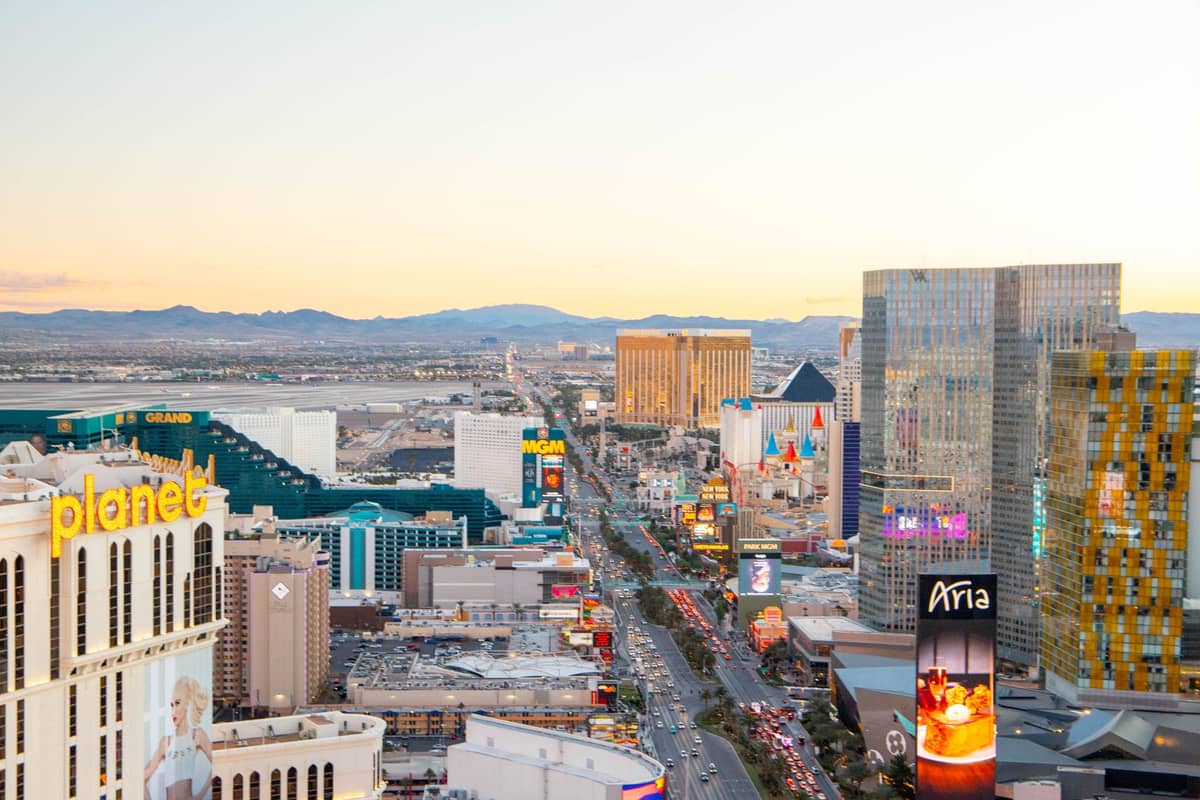
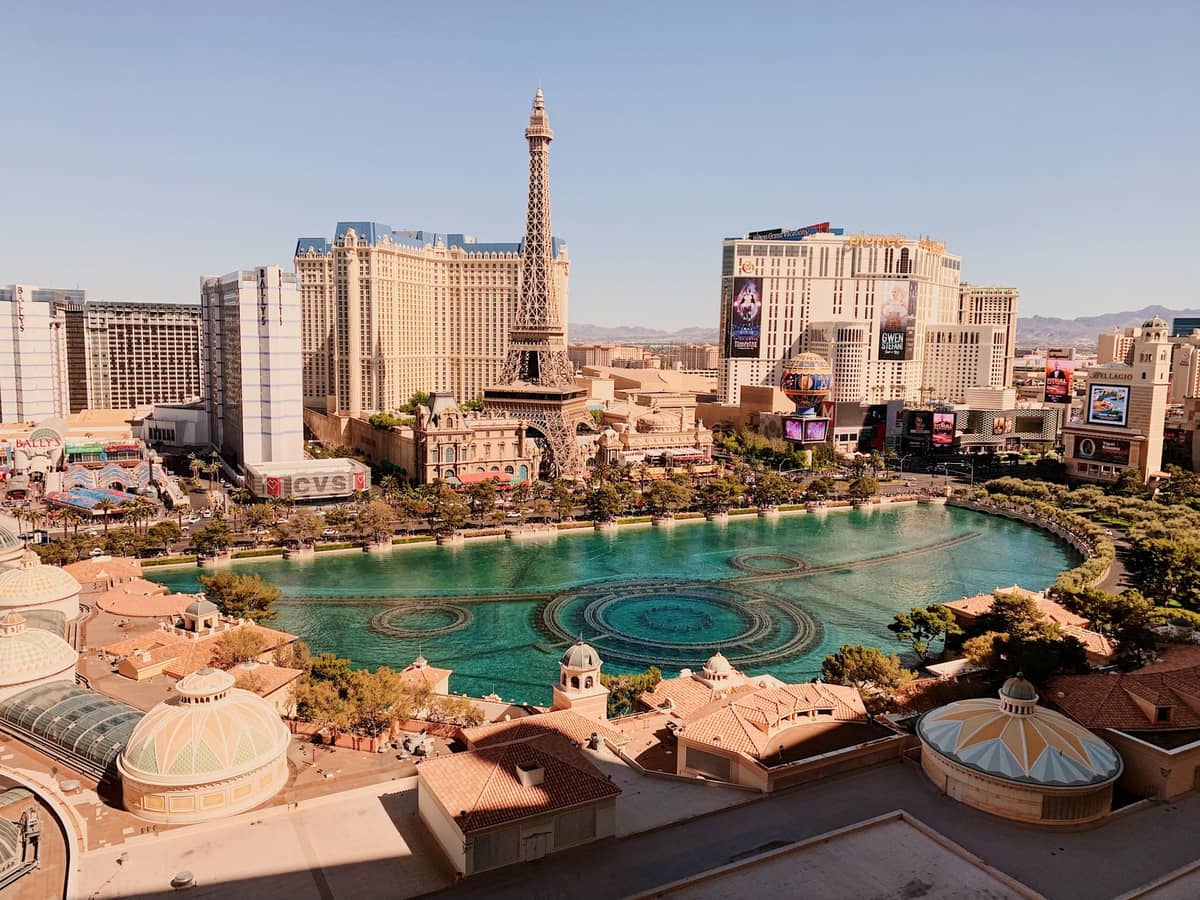
The Las Vegas Strip is the 4.2-mile stretch of Las Vegas Boulevard South that runs through the unincorporated community of Paradise, Nevada — not technically within the City of Las Vegas, though that distinction means nothing to visitors on the ground. It is anchored by Mandalay Bay at the southern end and the Strat Tower at the northern end near Sahara Avenue. Every major resort, casino, and spectacle in between sits along or just off this corridor. Refer to any current las vegas strip map and you'll see the same landmarks repeated: Mandalay Bay, Luxor, New York-New York, Park MGM, Aria, Cosmopolitan, Bellagio, Caesars Palace, the Flamingo, Harrah's, the LINQ, the Wynn, and Encore, among others.
The most important thing to understand before walking is scale. Resort blocks look deceptively short on a map but can take 10 to 15 minutes to traverse on foot, especially when the casino floor beckons, the fountains start, or a crowd backs up at a crosswalk. The distance from the MGM Grand to Bellagio alone is over a mile. Plan for significantly more time than you think you need.
⚠️ What to skip
The Strip is not a short stroll. First-time visitors consistently underestimate the distance. Walking from Mandalay Bay to the Strat without any stops takes 1.5 to 2 hours at a brisk pace. With attraction stops, plan for a full day. Comfortable, broken-in footwear is non-negotiable.
The Self-Guided Route: South to North
The most logical approach is walking south to north, starting near Mandalay Bay and working up toward the Strat. This direction lets you tackle the southern cluster of resorts while your legs are fresh, then benefit from denser foot traffic and more covered walkways as you move into the mid-Strip around Bellagio and Caesars. Below is a practical breakdown of anchor stops with notes on what to actually prioritize.
- South Strip: Mandalay Bay to MGM Grand Start with a walk through Mandalay Bay's interior, which connects to Delano and leads to the Shark Reef Aquarium (paid, around $25 adults). Cross to Luxor to see the pyramid interior and beam skylight. Continue past Excalibur to New York-New York, where the replica skyline makes for good photos from the outside. The MGM Grand sits at the corner of Tropicana Avenue, a major crossroads.
- Mid-Strip: Bellagio to Caesars This is the heart of the Strip walk. The Bellagio Fountains run every 30 minutes in the afternoon and every 15 minutes from 8 PM onward — completely free, best viewed from the sidewalk across Las Vegas Boulevard. Enter Bellagio to see the Conservatory, which changes with the seasons and costs nothing. Directly across the street, the Forum Shops at Caesars has a free indoor Roman streetscape worth seeing.
- Mid-North Strip: LINQ to Wynn The LINQ Promenade is an outdoor shopping and dining corridor worth a quick detour. The High Roller observation wheel at its end stands 550 feet tall — the tallest observation wheel in the world — with tickets running around $25 to $35 depending on time of day. Continue past Harrah's, Bally's, and Paris Las Vegas, where the Eiffel Tower Viewing Deck offers Strip panoramas for around $20.
- North Strip: Wynn to the Strat The Wynn and Encore have some of the most beautiful free interiors on the Strip — worth a 20-minute walkthrough. The Venetian's Grand Canal Shoppes, with its painted sky ceiling and gondola canal, is another free indoor spectacle. North of the Palazzo, foot traffic thins considerably. The Strat Tower at the north end has observation decks and thrill rides above 900 feet if you want to finish with a view.
💡 Local tip
Use the elevated pedestrian skywalks at major intersections like Tropicana and Flamingo to avoid waiting at ground-level crosswalks. These bridges also provide brief shade and better photo angles over the boulevard.
Free Attractions Worth Building Your Walk Around
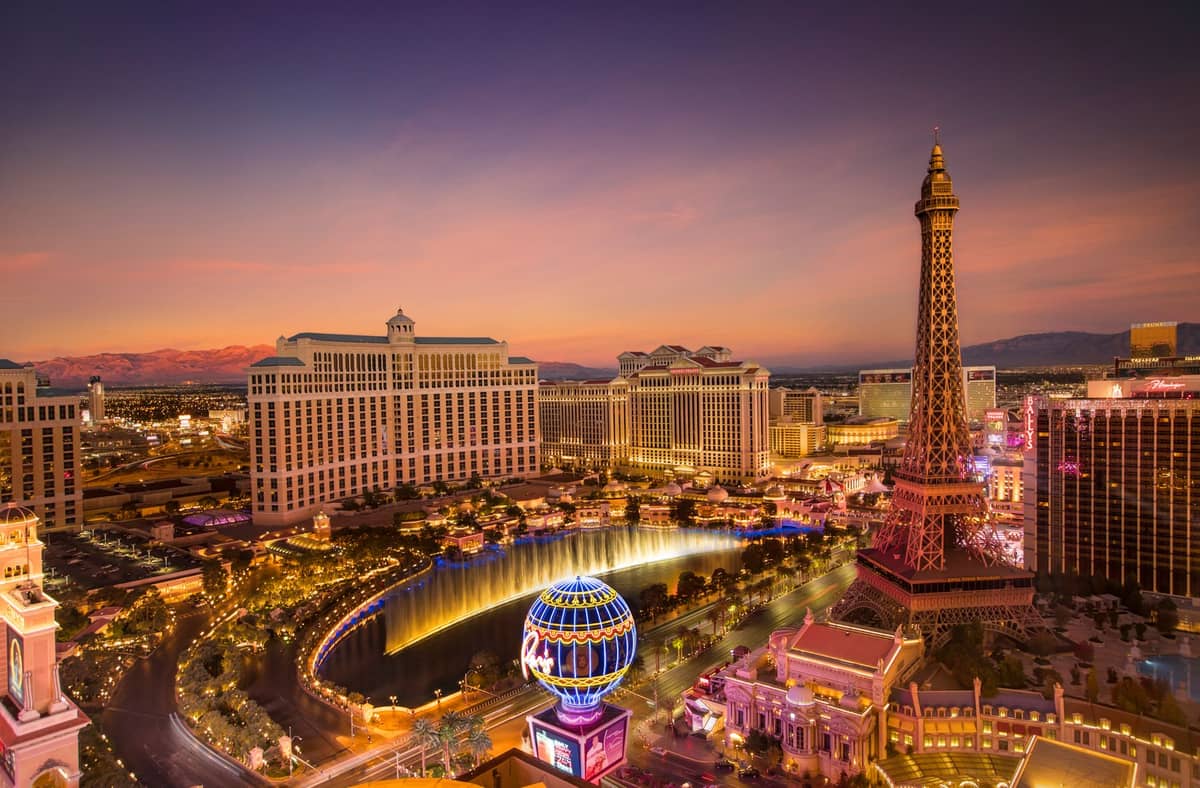
One of the most persistent myths about the Strip is that every experience costs money. In reality, some of the most impressive sights on the entire boulevard are free. The Bellagio Fountains are the anchor of any self-guided walk: a choreographed water show set to music, with jets reaching up to 460 feet. Shows run from mid-afternoon through midnight. The Bellagio Conservatory inside is equally impressive, an 14,000-square-foot botanical garden that changes with every season and costs nothing to enter.
The Flamingo Wildlife Habitat is a lesser-known free stop: actual Chilean flamingos, turtles, and exotic birds living in a lush garden setting behind the Flamingo casino. It opens early and is quietest in the morning. The Venetian Grand Canal Shoppes inside the Venetian offer another completely free experience, with a convincing indoor sky ceiling and gondola rides along a canal (gondola rides are paid, the walking is free). The Wynn and Encore interiors, filled with floral installations and art, cost nothing to walk through.
- Bellagio Fountains: Free, shows every 15-30 minutes from afternoon to midnight
- Bellagio Conservatory & Botanical Gardens: Free, open daily with seasonal themes
- Flamingo Wildlife Habitat: Free, opens daily around 8 AM
- Venetian Grand Canal Shoppes interior: Free to walk through, paid gondola rides
- Wynn and Encore resort interiors: Free, known for floral art installations
- Welcome to Las Vegas Sign: Free photo stop, located just south of Mandalay Bay
When to Walk: Timing, Seasons, and Crowds
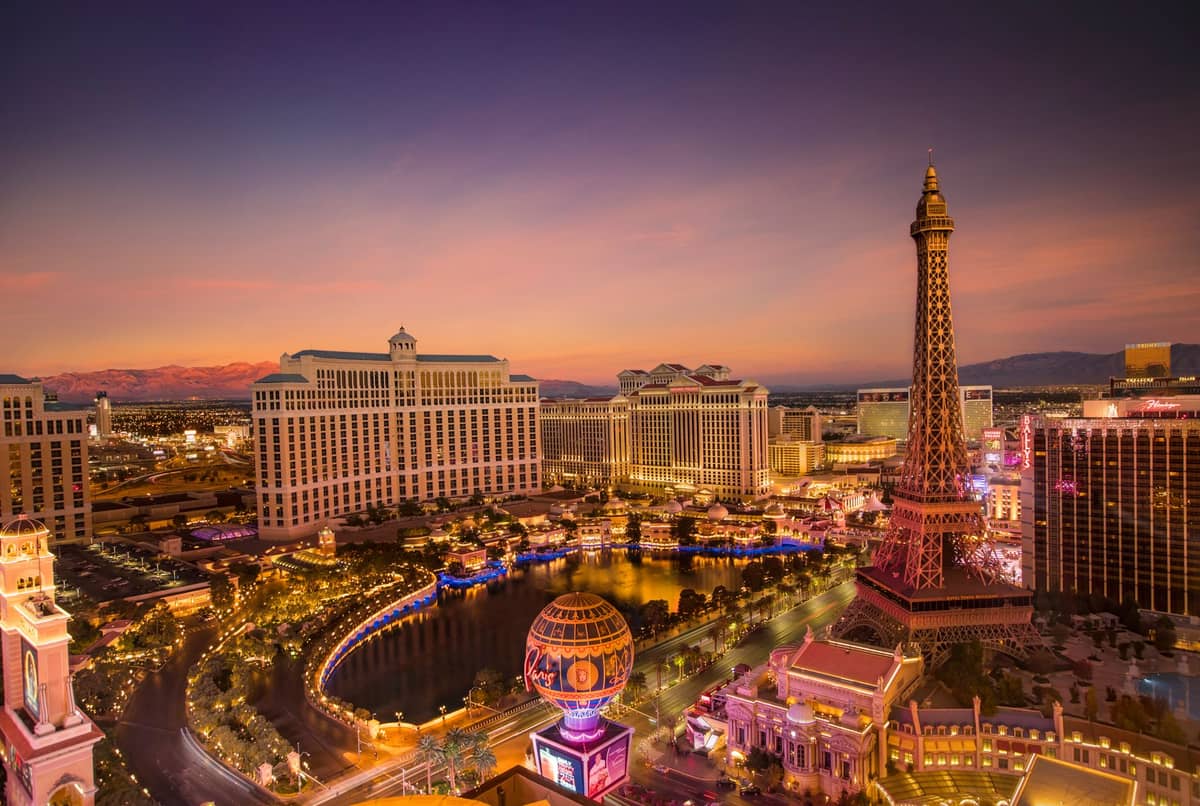
Timing your Strip walk makes a significant difference in both comfort and experience. The Strip looks and feels completely different at 10 AM versus 10 PM, and the seasons shift the outdoor experience dramatically.
In summer (June through September), daytime temperatures on the Strip regularly reach 100°F to 110°F (38°C to 43°C). The asphalt and concrete amplify radiant heat further. Walking more than a mile outside midday without shade or hydration is genuinely risky, not just uncomfortable. If you visit during summer, walk before 9 AM or after 7 PM. Use resort interiors, the indoor skywalks, and the air-conditioned casino floors as your primary route during the day.
October through April is the practical window for comfortable outdoor walking. November through March offers the most reliably mild conditions, with daytime highs in the mid-50s to low 70s°F (13°C to 22°C) and cooler nights. Spring and fall bring warmth without extremes, though March and April can see occasional wind. For full trip planning by season, see the best time to visit Las Vegas guide.
For crowd patterns: weekday mornings (Monday through Thursday, before noon) are the least congested times on the sidewalks. Friday and Saturday evenings are peak Strip foot traffic, with the boulevard becoming genuinely packed between 9 PM and 2 AM. If you want the neon spectacle without the crush, Sunday night is a reasonable compromise. Major events like the F1 Grand Prix, New Year's Eve, and major boxing weekends can shut down sidewalk sections entirely.
✨ Pro tip
The Bellagio Fountains after 8 PM on a clear Friday night draw a wall-to-wall sidewalk crowd. If you want a front-row view, arrive 15 minutes before a scheduled show and position yourself along the Bellagio-side railing. The view from the bridge near the Cosmopolitan is also excellent and usually less packed.
Using the Deuce Bus as Your Walking Backup
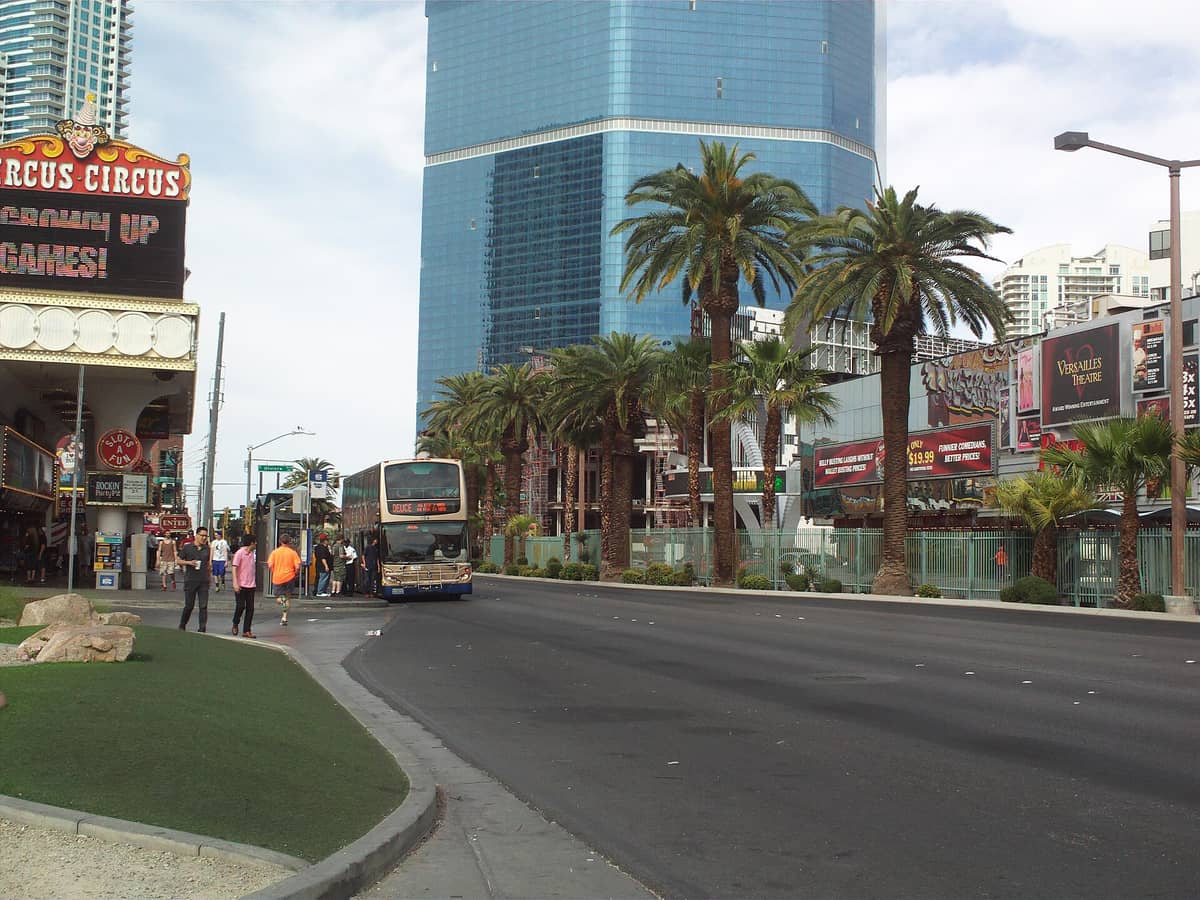
The Deuce bus, operated by the Regional Transportation Commission of Southern Nevada (RTC), runs the full length of the Strip 24 hours a day, seven days a week. It has approximately 28 stops between the South Strip Transit Terminal and downtown's Fremont Street Experience. This makes it the ideal fallback when your legs are done or when the afternoon heat becomes a problem mid-walk.
Current fares as of recent information: a single ride costs $4, a 2-hour pass costs $6, a 24-hour pass costs $8, and a 3-day pass runs $20. Children 5 and under ride free with a paying adult, and reduced fares apply for seniors and eligible riders. Buses run every 12 to 20 minutes during peak hours with slightly reduced frequency overnight. Exact fares and schedules should be confirmed on the RTC Southern Nevada official website before your visit, as these figures are subject to change.
ℹ️ Good to know
The Deuce also connects the Strip to downtown Las Vegas and the Fremont Street area, making it possible to combine a Strip walk with a downtown visit in a single day without paying for an Uber each way. The 24-hour pass at $8 pays for itself quickly if you board more than twice.
Practical Tips Before You Go
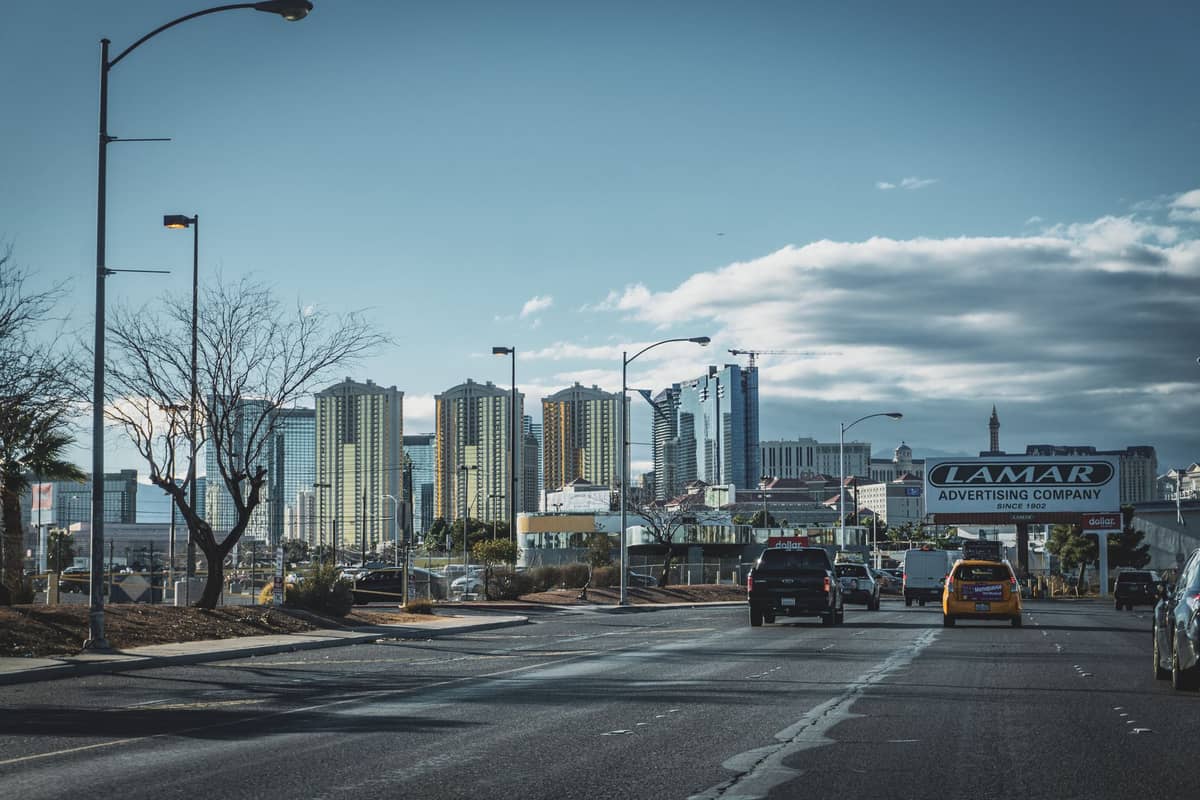
Getting to the Strip from Harry Reid International Airport (IATA: LAS) is straightforward. The airport sits roughly 3 to 5 miles from the mid-Strip, and a rideshare (Uber or Lyft) typically costs $12 to $25 off-peak, with surge pricing pushing fares to $30 to $50 during events or peak hours. Taxis run $15 to $25 plus tip under normal conditions. The RTC Route 109 bus connects the airport to the Strip for around $2 to $6, though the journey takes 30 to 60 minutes. For a full breakdown of transport options around the city, see the getting around Las Vegas guide.
For walkers on a budget, the Strip's free attractions alone justify a full day. Pair this walk with the free things to do in Las Vegas guide to build an itinerary that costs next to nothing. If you want to extend the day into downtown, the downtown Las Vegas area around Fremont Street adds a historically rich contrast to the Strip's modern mega-resorts.
- Wear broken-in, cushioned footwear — the Strip's sidewalks are uneven and the distances are longer than they look
- Carry at least 16-20 oz of water per hour if walking in warm weather — hydration stations are not common outdoors
- Download the RTC Transit app or Google Maps for real-time Deuce bus tracking
- Bring a portable phone charger — photographing the Strip drains a battery in a few hours
- Tipping is standard in U.S. service culture: 18-20% at restaurants and bars, $1-2 per drink at casino bars, $2-5 for hotel staff assistance
- U.S. power outlets use 120V at 60Hz with Type A/B plugs — international visitors should bring a compatible adapter
If the Strip walk leaves you wanting more, the surrounding area offers strong day-trip options. Red Rock CanyonRed Rock Canyon National Conservation Area is about 17 miles west of the Strip and offers a complete contrast to the neon corridor. The day trips from Las Vegas guide covers all the major options, from the Grand Canyon to Valley of Fire State Park.
FAQ
How long does it take to walk the entire Las Vegas Strip?
Walking the full 4.2-mile Strip from Mandalay Bay to the Strat at a steady pace, without stopping, takes approximately 1.5 to 2 hours. With stops at free attractions like the Bellagio Fountains and Conservatory, a mid-trip break, and some time inside the resorts, plan for a full 5 to 8 hours to do it properly.
What are the best free things to see on a Strip walk?
The Bellagio Fountains (free, runs from afternoon to midnight), the Bellagio Conservatory (free, open daily), the Flamingo Wildlife Habitat (free, opens around 8 AM), and the interior of the Venetian Grand Canal Shoppes are all free and genuinely worth stopping for. The Welcome to Las Vegas Sign near the south end is another classic free stop.
Is it safe to walk the Las Vegas Strip at night?
The main Strip corridor is heavily trafficked and well-lit at all hours, and walking between the major resorts at night is generally considered safe for most visitors. The sidewalks between major resort clusters, particularly north of the Wynn toward the Strat, see less foot traffic and more solicitation after midnight. Stay on Las Vegas Boulevard itself rather than venturing onto side streets, and be alert in crowded areas for pickpocketing.
What is the best time of year to walk the Las Vegas Strip?
October through April offers the most comfortable outdoor conditions. November through early March is ideal for walkers who want to spend significant time outside, with daytime highs typically in the 55°F to 70°F (13°C to 21°C) range. Avoid walking outdoors midday from June through September, when temperatures routinely reach 100°F to 110°F (38°C to 43°C) and can pose a genuine heat risk.
Can I use public transit if I get tired of walking the Strip?
Yes. The Deuce bus runs 24 hours a day along the Strip with approximately 28 stops. A 2-hour pass costs around $6, a 24-hour pass around $8. It connects the south end of the Strip to the north end and continues to the Fremont Street area downtown. Frequency is every 12 to 20 minutes during peak hours. Confirm current fares and schedules directly with the RTC Southern Nevada.