Where to Stay in Marrakech: The Complete Neighborhood Guide
Choosing where to stay in Marrakech shapes your entire trip. This guide breaks down every major area, from the labyrinthine medina to the palm-lined Palmeraie, with straightforward notes on who each neighborhood suits and what to expect at every price point.
Tickets & tours
Live prices and dates from our booking partner. If you book, we may earn a commission at no extra cost to you.
TL;DR
- The medina is the most atmospheric place to stay, but narrow lanes make car access difficult — book a riad only if you're comfortable navigating on foot with luggage.
- Gueliz suits travelers who want modern comforts and easy transport links; see our guide to Gueliz for a full neighborhood overview.
- Hivernage is the best base for upscale international hotels close to the city center, without the medina's access complications.
- The Palmeraie works well for resort-style stays but sits 6-10 km from central sights, so factor in daily taxi costs.
- Spring (March to May) and autumn (September to November) are the most comfortable seasons for any neighborhood; check the best time to visit Marrakech for a full seasonal breakdown.
How to Choose Your Base in Marrakech
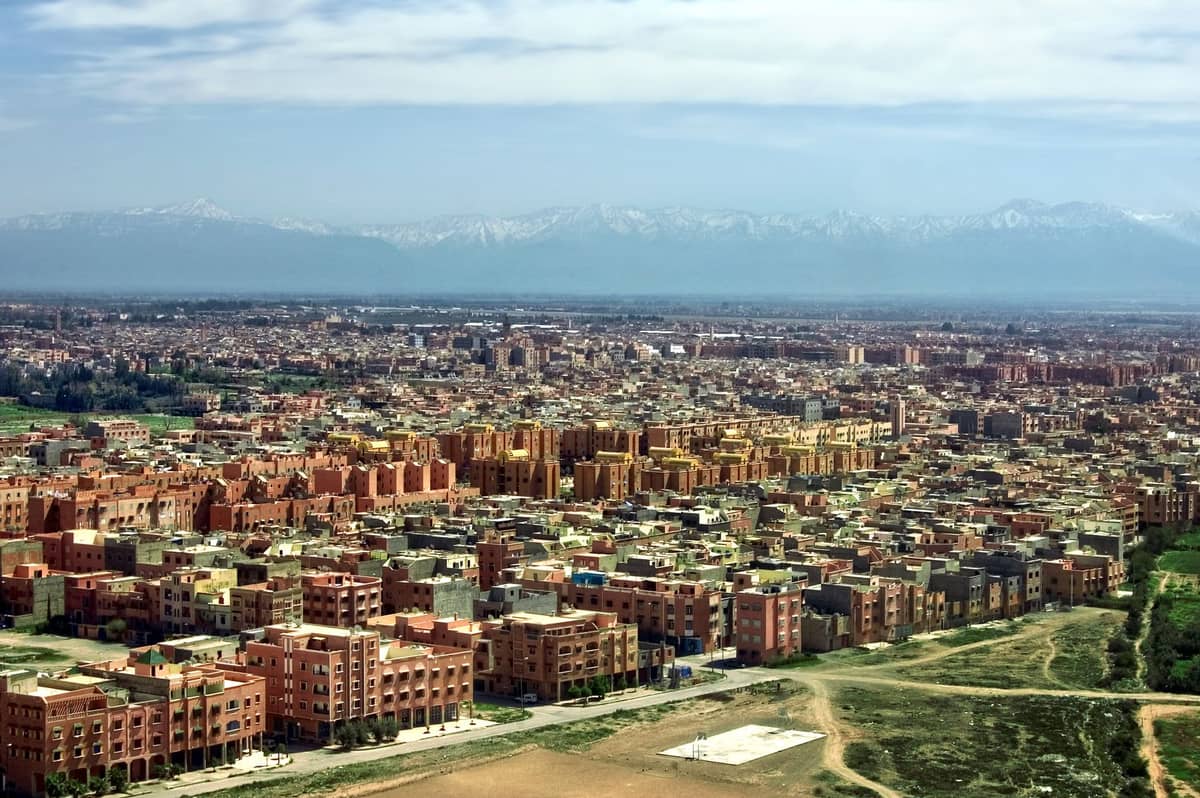
Marrakech splits clearly into two worlds: the medina, the walled historic city that has existed for nearly a thousand years, and the modern districts built during the French Protectorate era and beyond. Where you stay dictates your daily rhythm more than in most cities, because the medina's street layout was never designed for cars, and the distance between neighborhoods is significant enough to make taxi rides a daily line item in your budget.
The central question is whether you want immersion or convenience. Staying in the medina means waking up minutes from the souks, the Ben Youssef Madrasa, and the extraordinary energy of Jemaa el-Fna. Staying in Gueliz or Hivernage means wider streets, easier taxi access, and a calmer environment at the cost of a 15-20 minute commute into the historic center.
⚠️ What to skip
A riad in the medina sounds ideal, and often it is — but the narrowest derbs (alleyways) cannot be entered by car or even by large motorbike. If you're arriving at night or with heavy luggage, you may need to walk the last 5-15 minutes from where the taxi drops you. Confirm your riad's exact access route before you book.
The Medina: Riads, History, and Sensory Overload
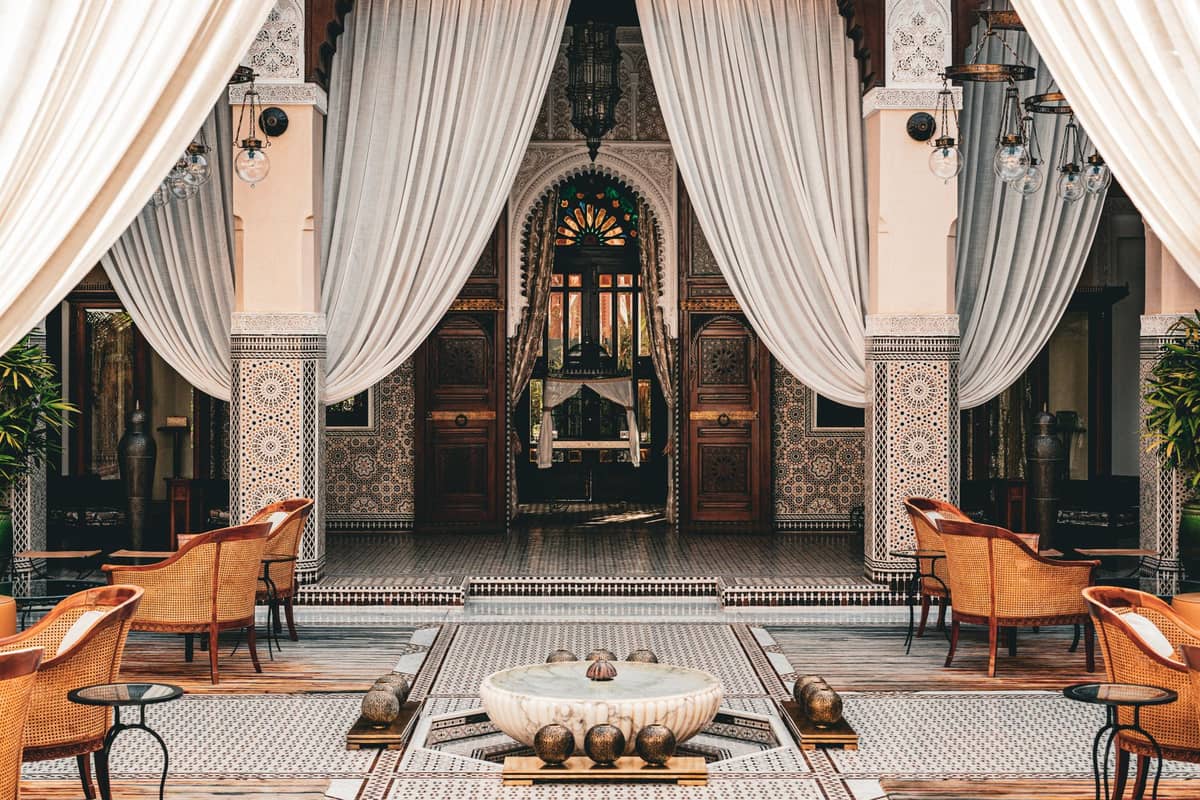
The medina is the reason most people come to Marrakech, and staying inside its walls puts you at the heart of everything that makes the city distinct. Traditional riads, courtyard houses that hide elaborate tilework and plunge pools behind plain exterior walls, are the defining accommodation type here. They range from budget guesthouses charging around 400-600 MAD per night to design-forward boutique properties priced above 3,000 MAD.
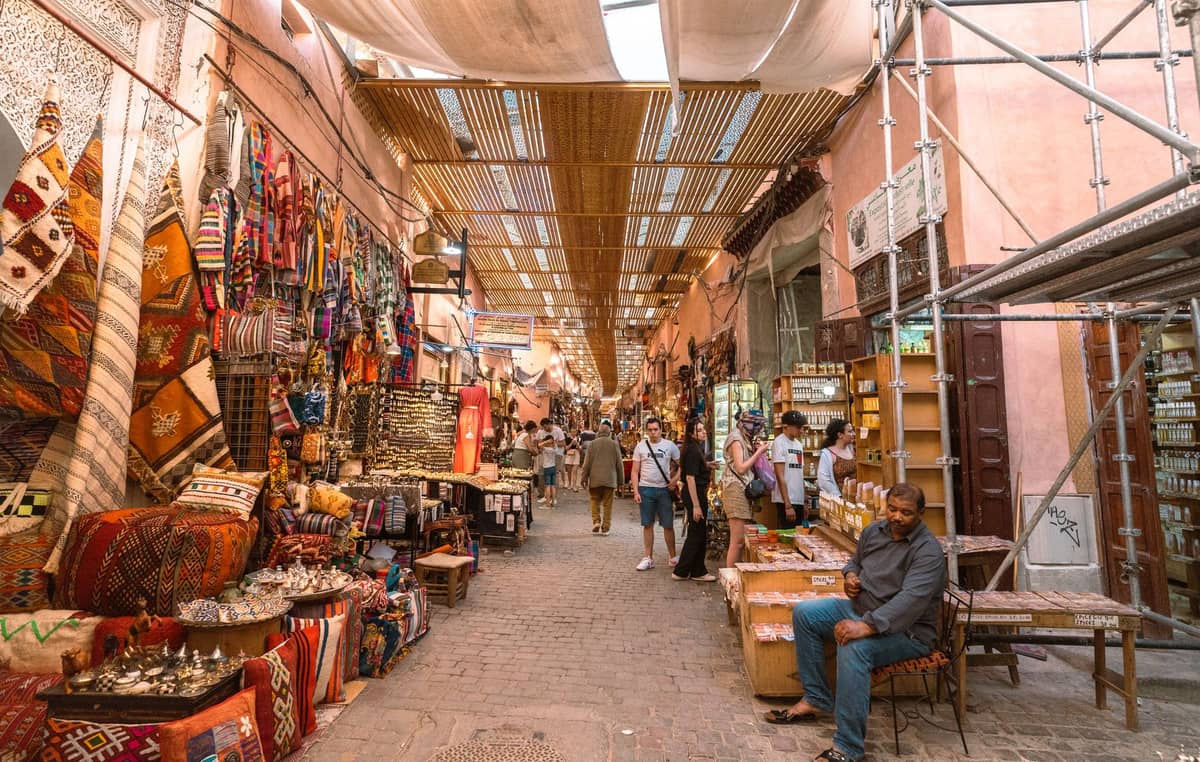
The medina is not uniform. The area around Mouassine and the northern souks is dense with mid-range and luxury riads popular with European visitors. The Kasbah and Mellah districts to the south, closer to the Saadian Tombs and the Mellah, tend to be quieter and slightly less expensive, with a more residential character. The area immediately around Jemaa el-Fna is the noisiest, best for first-timers who want instant access to the square but not ideal for light sleepers.
- Best for First-time visitors, couples, anyone who wants authentic atmosphere and walking access to major historic sites
- Not ideal for Travelers with mobility issues, families with strollers, anyone arriving late at night with large suitcases
- Price range Around 400 MAD per night at budget riads up to 5,000+ MAD at luxury boutique properties
- Key consideration Confirm car access and exact directions with your riad in advance — many require a short walk from the nearest accessible road
If you want to understand riad culture before booking, the staying in a riad in Marrakech guide covers what to expect, how to vet properties, and which neighborhoods within the medina suit different travel styles.
✨ Pro tip
Book medina riads directly through the property's own website when possible — many small riads offer better rates or room upgrades for direct bookings, and you get a direct WhatsApp contact to coordinate your arrival, which matters enormously when you're navigating unmarked alleys at night.
Gueliz: The Modern Quarter for City Convenience
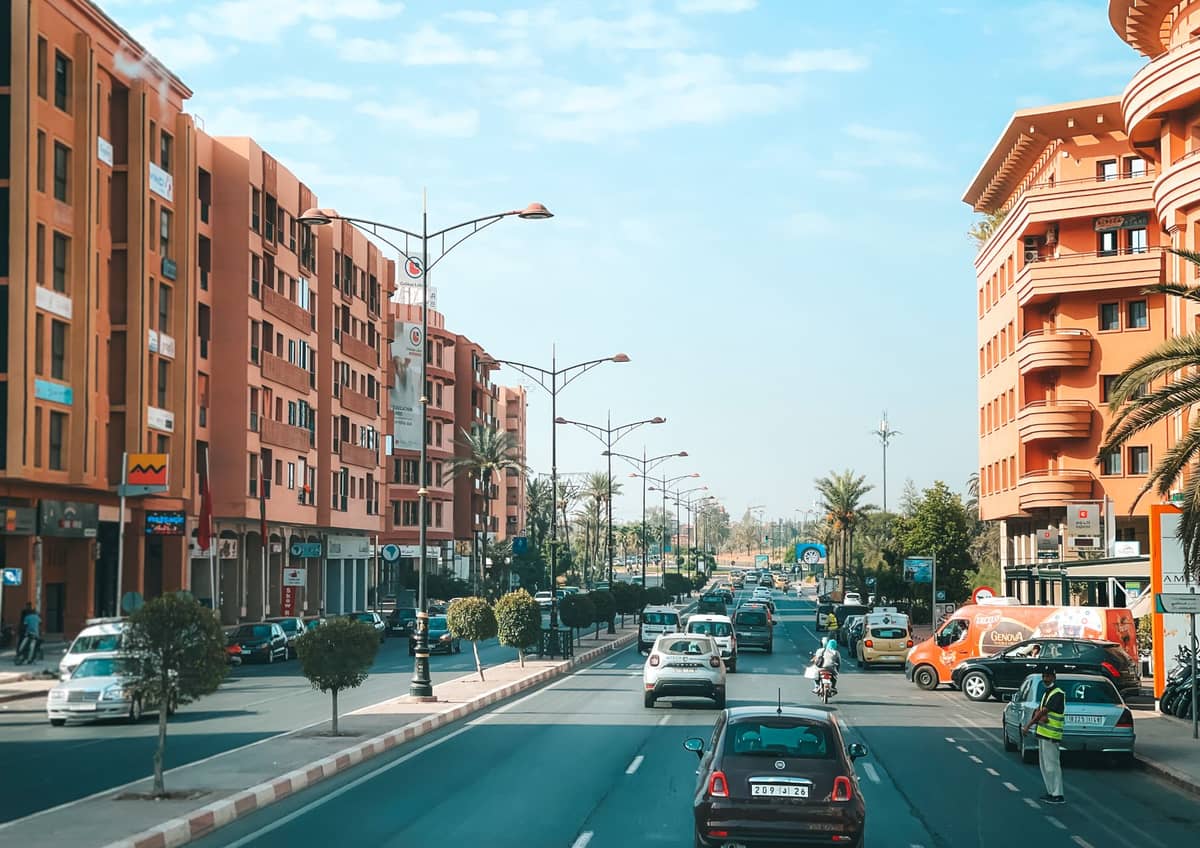
Gueliz, also called the Ville Nouvelle (new town), was built during the French Protectorate period and sits roughly 2-4 km northwest of Jemaa el-Fna. It functions as Marrakech's commercial center, with wide boulevards, international chain hotels, apartment-style rentals, and a concentration of cafes and restaurants that cater to both locals and visitors. The Yves Saint Laurent Museum and Jardin Majorelle are both walkable from central Gueliz.
Hotels here are typically three to five-star international or Moroccan chain properties with parking, lifts, air conditioning, and facilities that older riads sometimes cannot match. Prices are competitive with mid-range medina riads, often in the 600-1,500 MAD range per night for a comfortable double room. The tradeoff is atmosphere: Gueliz is a functional, modern Moroccan city neighborhood. It lacks the visual drama of the medina, but it is considerably easier to navigate with luggage and is better connected by taxi to the train station and airport.
Gueliz suits repeat visitors who have already done the medina experience, business travelers, and anyone who finds the medina's sensory intensity exhausting after a few hours. It is also the better choice if you plan to take day trips or rent a car, since parking in or near the medina is essentially impossible.
Hivernage: Upscale Hotels Close to the Center
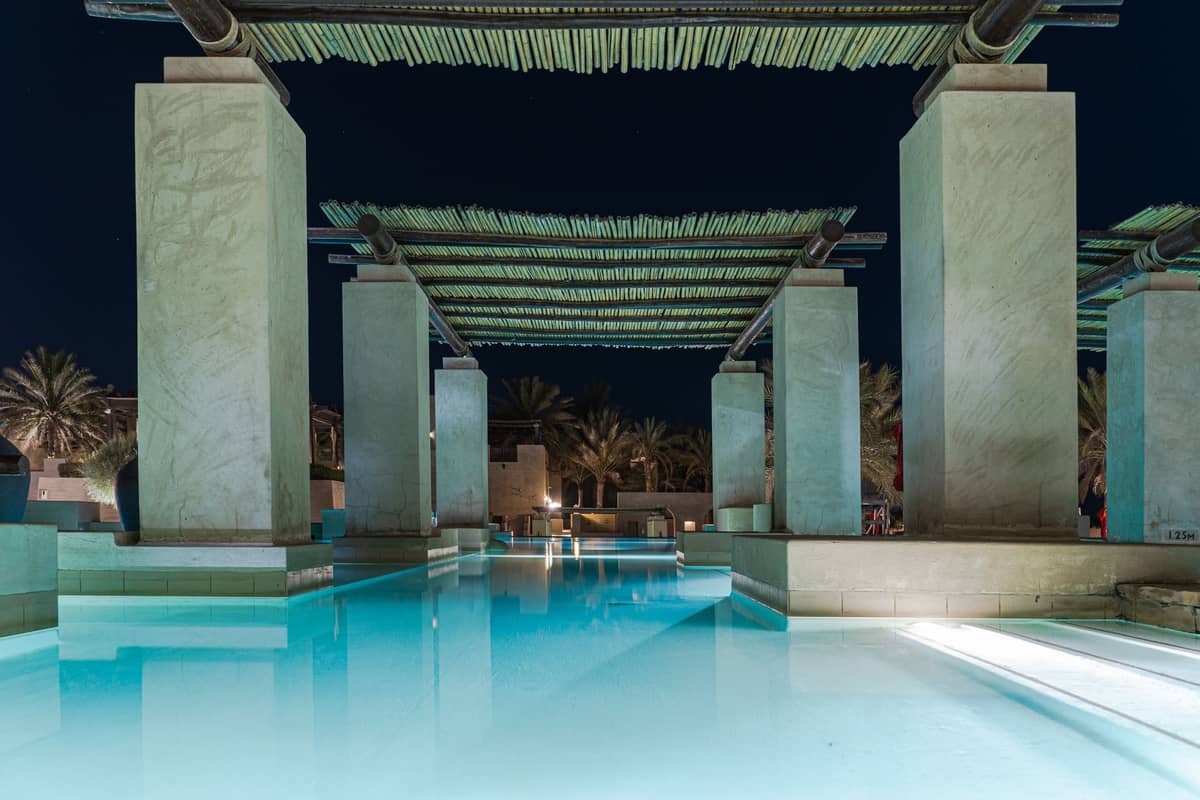
Hivernage sits between Gueliz and the medina walls, roughly 1-1.5 km from Jemaa el-Fna. It was originally a residential district favored by French settlers and later developed into Marrakech's primary zone for large luxury hotels. The Hivernage district is where you find major five-star brands, large pool complexes, and the city's main nightclub strip along Avenue de France and Avenue Echouhada.
If you're looking for luxury hotels in Marrakech with full spa facilities, conference rooms, and international standards of service, Hivernage is the most concentrated area to find them. Properties here typically offer shuttle services to the medina, which is close enough to reach by foot in 15-20 minutes or by petit taxi in about 5-10 minutes. The Menara Gardens are a short walk away, adding a quiet green space option that most medina hotels cannot offer.
For a deeper look at top-end options across the city, the Marrakech luxury hotels guide covers specific properties, what justifies premium pricing, and which areas offer the best value at the upper end of the market.
The Palmeraie: Resort Stays and Escape from the City
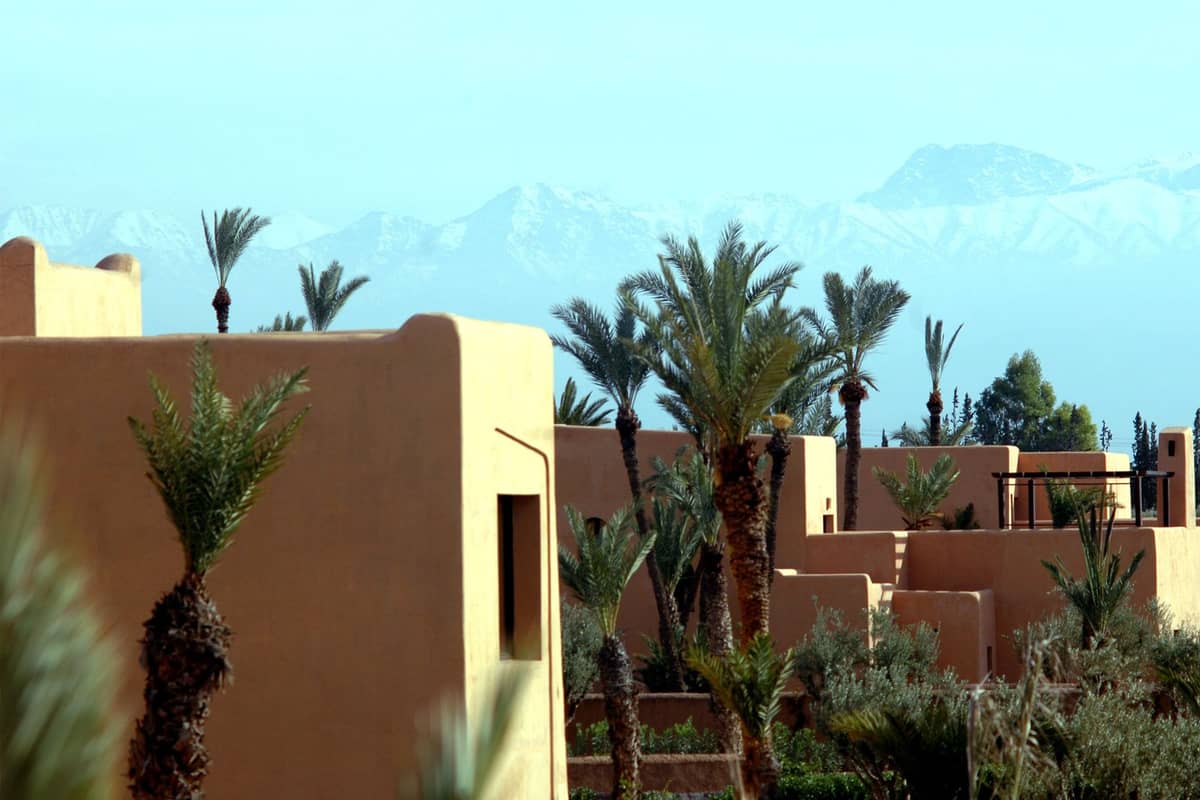
The Palmeraie is a large palm grove on the northeastern outskirts of Marrakech, roughly 6-10 km from the city center depending on which property you're at. It contains some of Marrakech's most impressive resort properties, including large complexes with multiple pools, hammams, and extensive gardens. It is also where several luxury villa rentals and eco-retreat concepts operate.
The main trade-off is isolation. Staying in the Palmeraie means you will take a taxi or use a hotel shuttle every time you want to enter the medina, adding 60-120 MAD per round trip. For a week-long stay with multiple daily excursions, that adds up. The Palmeraie works best for travelers who want a resort-style holiday with Marrakech sightseeing as an add-on rather than the main event, or for families who want space, pools, and calm as their base.
ℹ️ Good to know
The Palmeraie has faced environmental scrutiny for its water consumption in an arid region. Some high-end properties here have adopted sustainable practices, but it is worth researching specific properties if this is a concern for you.
Practical Decisions: Seasons, Access, and Getting In from the Airport
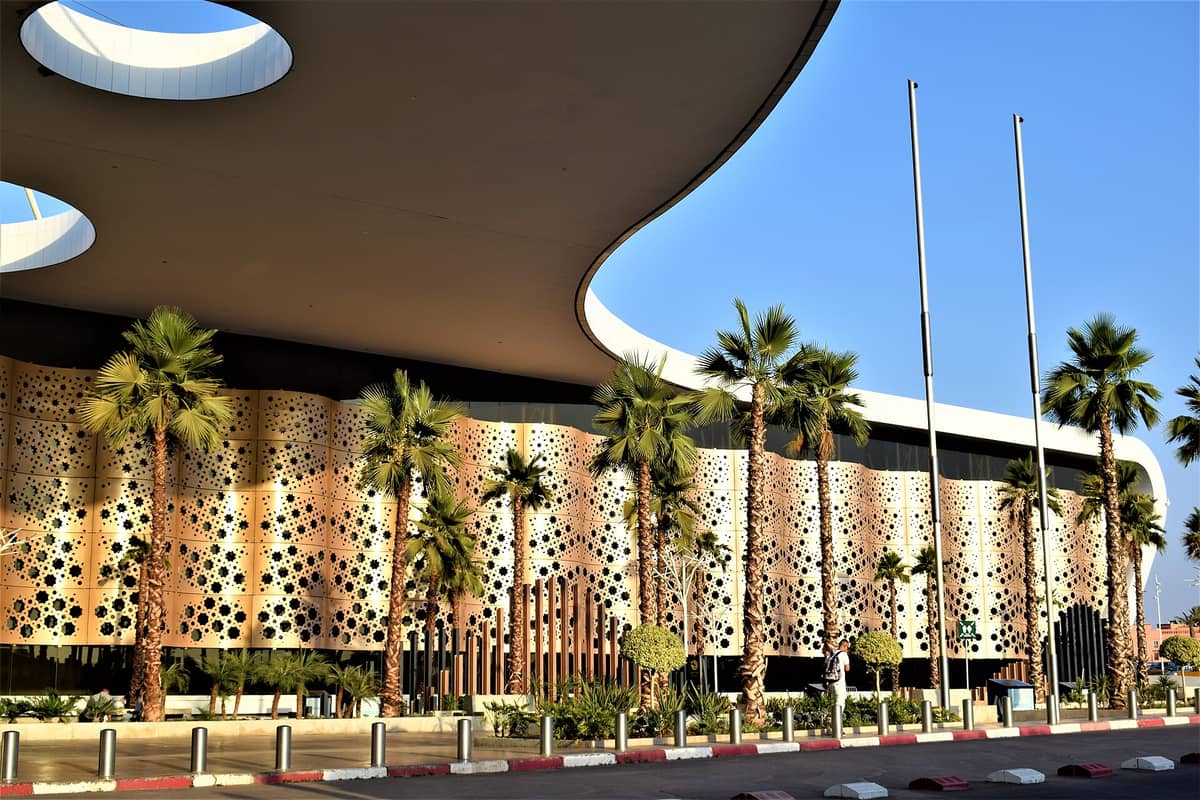
Marrakech Menara Airport (IATA: RAK) sits about 6 km southwest of the city center. The journey to any accommodation takes 15-40 minutes depending on your destination and traffic. ALSA Bus Line 19 runs every 20-30 minutes and costs around 30 MAD one-way to Jemaa el-Fna, making it a practical option for medina or Gueliz stays if you have manageable luggage. Petit taxis from the airport rank run around 70-100 MAD to the medina. Private transfers start from around 15 EUR per vehicle and are worth the convenience if you're arriving late or with family.
Timing your stay matters too. Spring (March to May) and autumn (September to November) are the most comfortable periods for walking the medina and the souks. Summer heat frequently exceeds 35°C, making the dense, shaded alleys of the medina genuinely challenging between noon and 4 PM. Winter is mild and often overlooked — December and January see fewer crowds, lower prices, and daytime temperatures around 18-20°C, though nights can be cold. For a full seasonal picture, see the guide to Marrakech in spring or the overview of Marrakech in December.
- Spring and autumn: peak season for medina riads — book 4-8 weeks ahead for the best properties
- Summer: better value in all areas, but medina heat is real; riads with plunge pools are worth the premium
- Winter: fewer crowds, lower prices, comfortable days — underrated for value travelers
- Ramadan: a unique cultural experience but some services change hours; see the dedicated guide before booking
For travelers focused on getting the most out of limited time, the 3 days in Marrakech itinerary pairs well with a medina riad, while the one-week Marrakech itinerary benefits from a mix of medina and possibly Palmeraie nights.
FAQ
Is it better to stay in the medina or Gueliz in Marrakech?
It depends on your priorities. The medina gives you immediate access to historic sites, souks, and authentic atmosphere, but access by car is limited and the narrow streets can be disorienting. Gueliz is easier to navigate, better for car access and families with luggage, and has more modern hotel infrastructure — but it requires a taxi or 20-minute walk to reach the main sights. First-time visitors typically get more from a medina riad. Repeat visitors or those on longer stays often prefer Gueliz or Hivernage as a calmer base.
What is a riad and should I stay in one?
A riad is a traditional Moroccan courtyard house, typically built around a central garden or fountain. Inside the medina, they range from simple guesthouses to architecturally spectacular boutique hotels. Staying in a riad is one of the more distinctive accommodation experiences available anywhere in North Africa. The main drawbacks are access (no car to the door) and variability in quality — some riads are poorly maintained or overhyped online. Reading recent reviews carefully and confirming access logistics before booking will prevent most problems.
How far is the Palmeraie from the medina?
Most Palmeraie properties are 6-10 km from Jemaa el-Fna, depending on their exact location within the palm grove. A taxi typically takes 15-20 minutes and costs 60-120 MAD. If you plan to visit the medina daily, factor this cost into your budget — it can add 150-300 MAD per day in transfers, which for a week-long stay is a meaningful sum.
What is the best area to stay in Marrakech for a luxury trip?
Hivernage has the highest concentration of large five-star international hotels with full amenities. However, some of Marrakech's most acclaimed luxury experiences are boutique riads inside the medina — these offer intimacy and architecture that large hotels cannot replicate. For the most indulgent experience, a high-end medina riad is often considered the definitive Marrakech stay, particularly in neighborhoods like Mouassine or the northern medina near Bab Doukkala.
Is Marrakech safe to stay in as a solo traveler?
Marrakech is a popular destination for solo travelers of all backgrounds. The main issues encountered are persistent touts in the souks and around Jemaa el-Fna, not serious crime. Solo women travelers in particular should read current guidance on dress and navigation in the medina. Staying in a well-reviewed riad in the medina or a hotel in Gueliz both offer safe, practical bases. For a thorough overview, consult the dedicated Marrakech solo travel and safety guides.
Tickets & tours
Live prices and dates from our booking partner. If you book, we may earn a commission at no extra cost to you.
Planning a trip? Discover personalized activities with the Nomado app.