Best Time to Visit Marrakech: A Season-by-Season Guide
Marrakech rewards visitors year-round, but the experience changes dramatically by season. This guide breaks down temperatures, crowd patterns, pricing shifts, and cultural events so you can choose the timing that fits your travel style.
Tickets & tours
Live prices and dates from our booking partner. If you book, we may earn a commission at no extra cost to you.
TL;DR
- The best time to visit Marrakech is March to May or September to November, when daytime temperatures sit between 20–29°C and outdoor sightseeing is comfortable.
- Summer (June–August) means 35–38°C heat in the medina — manageable with the right strategy, but not ideal for first-timers or anyone planning long walks through the souks.
- Winter (December–February) is mild and uncrowded during the day, but nights drop to 7–9°C — pack layers, not just a light jacket.
- Prices peak during Easter, July–August, and Christmas regardless of whether the weather is actually good — book early or travel shoulder season to save significantly.
- Ramadan shifts annually and changes the city's rhythm in noticeable ways — see our guide on visiting Marrakech during Ramadan before you book.
Marrakech's Climate at a Glance
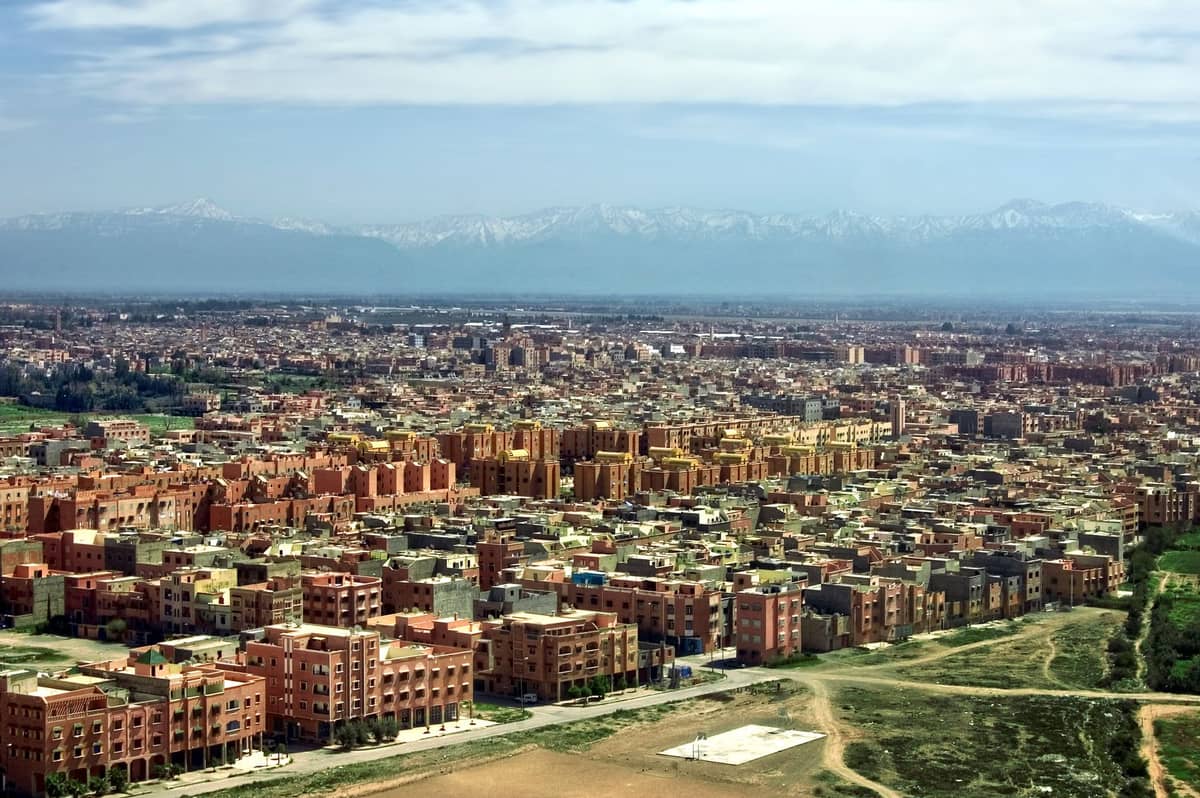
Marrakech sits on a semi-arid plain at the foot of the High Atlas Mountains, roughly 460 metres above sea level. That elevation — combined with its inland location and proximity to the Sahara — gives it a hot-summer, mild-winter climate with very low annual rainfall. It is not a coastal city and there is no sea breeze to moderate summer heat, which is something many visitors underestimate when they book in July.
Rainfall is concentrated between November and March, but even then it falls on relatively few days per month. Snow is rare in the city itself, though the High Atlas peaks visible from the Menara Gardens are often capped with snow from December through March. The dry season (May through September) is reliable but punishing in midsummer. The upshot: Marrakech has two genuinely excellent windows for travel, a shoulder season in winter that works well for the right traveller, and a peak-heat summer that suits a small but specific type of visitor.
Spring (March to May): The Strongest All-Round Choice
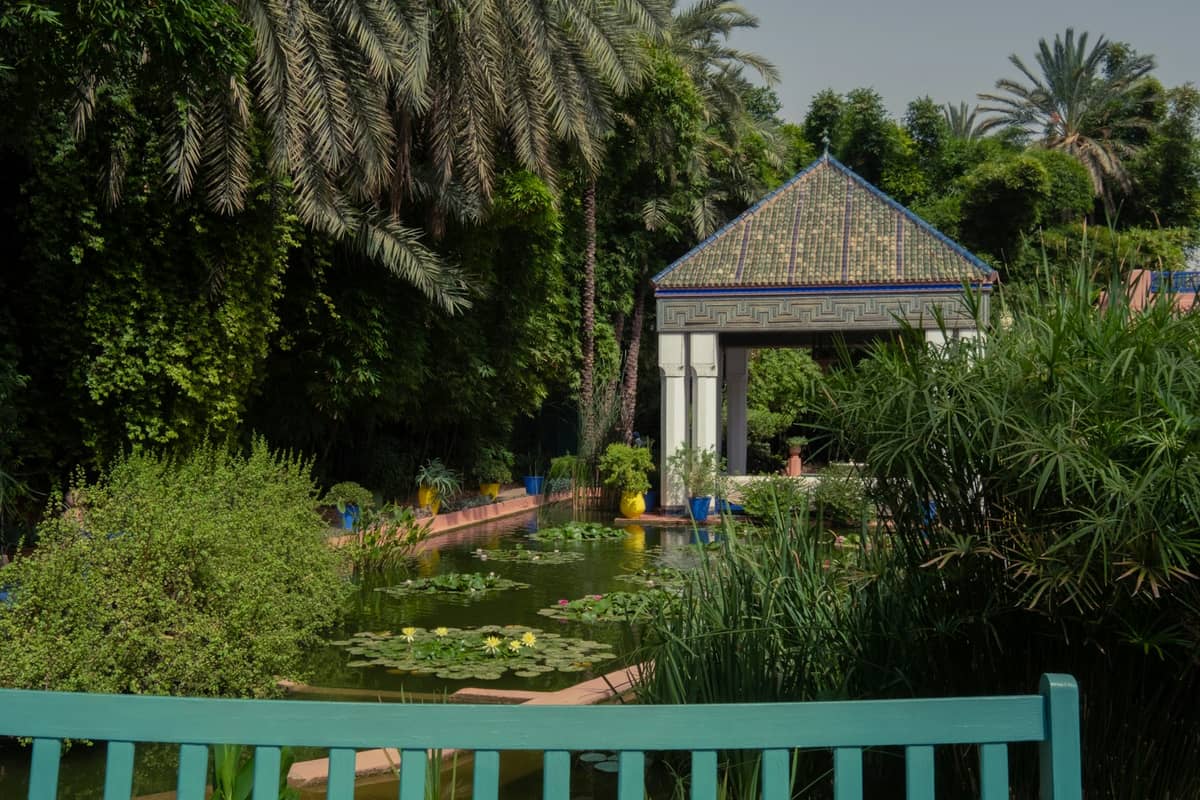
March through May is widely regarded as the best time to visit Marrakech, and the climate data supports that consensus. Daytime highs climb from around 23°C in early March to roughly 30°C by late May, while nights remain cool at 10–15°C. Rainfall drops steadily across these three months, and the gardens — particularly Jardin Majorelle and the Menara Gardens — are at their best, with roses blooming and the light soft in the mornings.
For outdoor activities in Marrakech and day trips into the Atlas Mountains, spring is close to ideal. The Ourika Valley is lush, waterfall hikes are accessible, and the heat has not yet made afternoon sightseeing a chore. The Ben Youssef Madrasa and other medina monuments are busy but not overwhelmed. April and early May are the busiest weeks — Easter holiday crowds fill the riads, and prices reflect that.
💡 Local tip
If spring is your target, aim for late March or the first two weeks of May rather than the Easter peak. You get comparable weather with notably thinner crowds and better riad availability at lower prices.
Summer (June to August): Doable, But Know What You're Getting Into
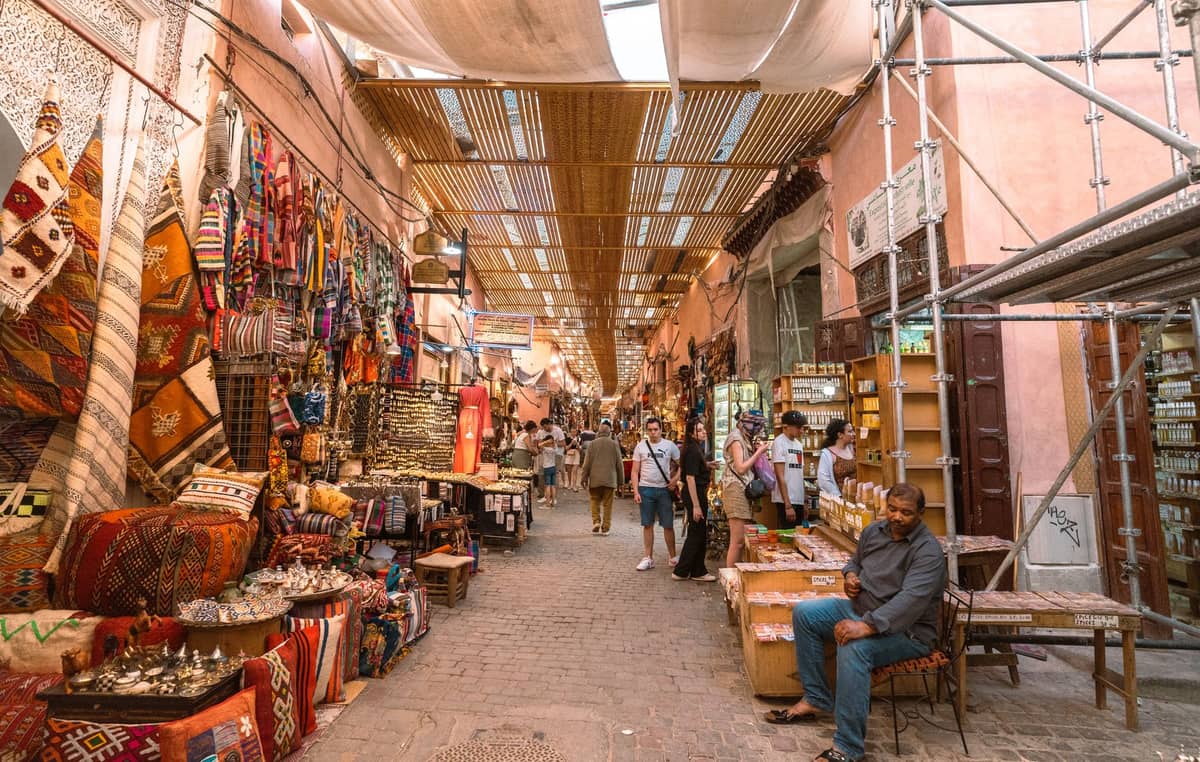
Summer in Marrakech is genuinely hot. Daytime temperatures regularly reach 35–38°C in July and August, with the medina's narrow streets trapping heat in a way that open plazas do not. The sky is cloudless, the air is dry, and the sun intensity at midday is serious. This is not a vague travel advisory — 37°C in full sun while navigating the souks with a heavy bag is a different experience from 37°C beside a pool.
That said, summer has real advantages: hotel rates drop outside the school holiday spike in late July and August, the medina is noticeably less crowded during the day as many Moroccan families travel or shift their routines to evenings, and the city's rooftop terraces and pool-equipped riads come into their own. If you visit in June or early September and structure your days around a midday break, summer can work. Atlas mountain trekking, however, is best avoided in July and August due to dehydration risk and trail conditions.
⚠️ What to skip
Do not underestimate summer heat in the medina. The combination of narrow alleys, sun-heated stone, and physical exertion means heat exhaustion is a real risk for unprepared visitors. Plan to be indoors or in shade from noon to 4pm, carry water constantly, and wear a hat. Lightweight, loose, modest clothing is both culturally appropriate and practical.
Autumn (September to November): Second-Best Window, With Caveats
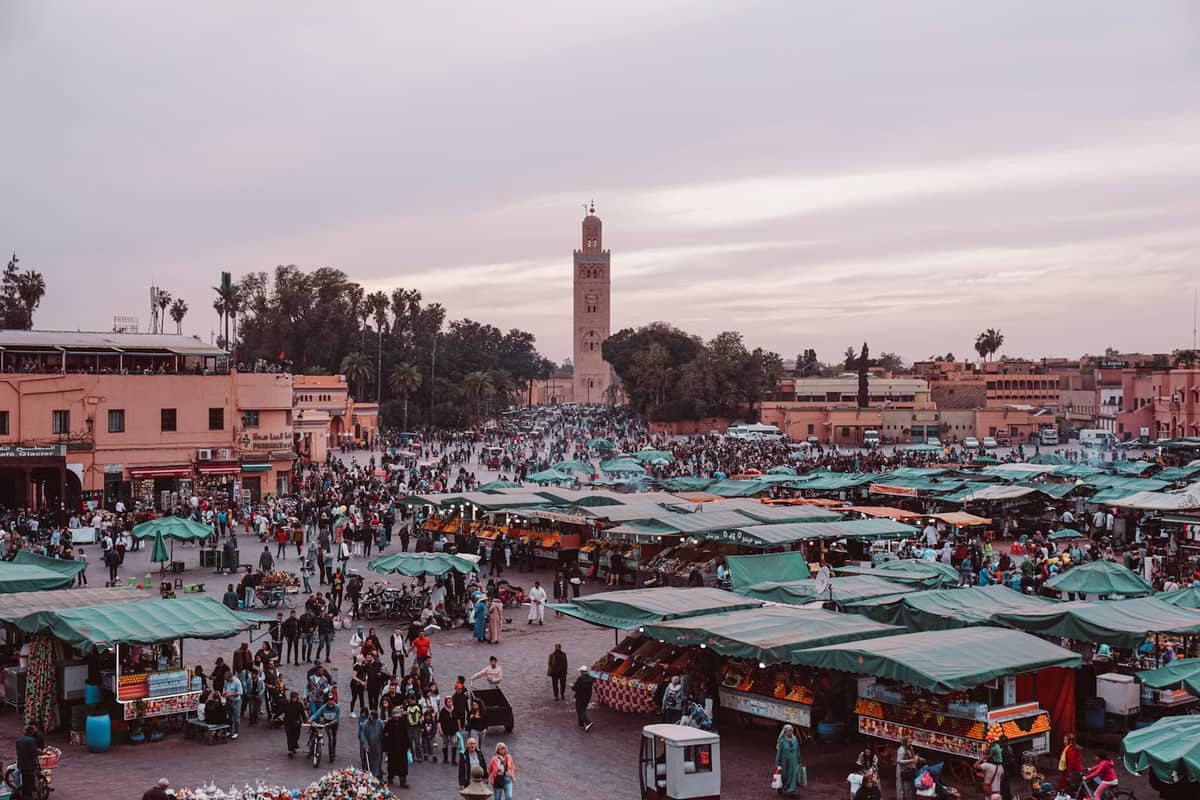
Autumn is Marrakech's second peak travel season, and October is probably the single best month in the calendar for first-time visitors. Temperatures ease from a still-hot 32–33°C in September to a very comfortable 22–25°C by November. Rainfall starts to return from October onward but remains light and unpredictable rather than constant. Crowds are thinner than April and the light in the medina in October has a quality that spring cannot quite match.
September requires some planning: the first half of the month can feel almost as hot as August, so manage expectations if you book early September expecting autumn temperatures. By the second half, the shift is noticeable. November is underrated — cool enough for long walks through the medina, quiet enough to enjoy sites without queuing, and cheap enough that you will find good riads at reasonable rates. The main trade-off is that day length shortens and there is a small but real chance of a rainy day or two.
- September Still hot (32–33°C), but cheaper than peak summer. Good for pool-focused stays. Too warm for serious trekking.
- October The sweet spot of autumn: 25–28°C highs, low rainfall, comfortable evenings. Highest demand after April.
- November Quietest of the autumn months. Cooler evenings (down to 12–14°C), some rain possible. Excellent value and thin crowds.
Winter (December to February): Better Than Its Reputation
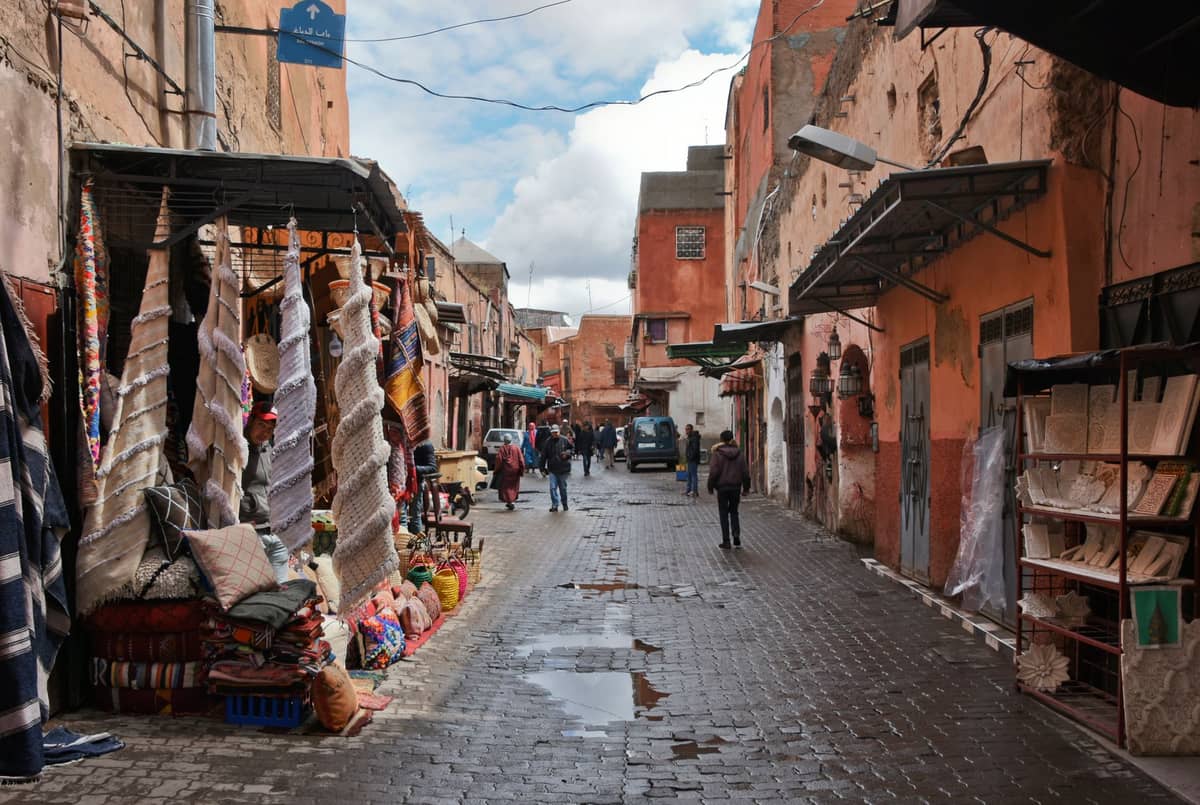
Winter is Marrakech's most misunderstood season. Daytime temperatures average 18–20°C — perfectly comfortable for walking, sightseeing, and sitting on a café terrace in the afternoon. The medina in January is a different city from the medina in April: calm, unhurried, and genuinely easy to navigate. Riads with fireplaces in the common rooms and tiled courtyard fountains that would have frozen a European visitor's assumptions about a North African city.
The practical caveat: nights drop to 7–9°C in January and February. Many traditional riads have limited central heating. If you are travelling with young children or are sensitive to cold, verify your accommodation's heating setup before booking. The misconception that Marrakech is warm all year round — prompting visitors to arrive in January in summer clothes — is a genuine problem. Pack a proper jacket.
Winter is also the best season for Atlas trekking at lower altitudes, as trails around Imlil and Ourika Valley are clear and temperatures are moderate for hiking. The Christmas and New Year period (late December to early January) is the exception: prices spike significantly, riads fill with European visitors, and Jemaa el-Fna gets busy again. If you want quiet winter travel, go in January or February rather than over the holidays.
ℹ️ Good to know
Marrakech follows Morocco Standard Time (UTC+1) year-round. This means sunsets come earlier than many European visitors expect in winter — it is dark by around 6pm in December and January.
Festivals, Ramadan, and the Religious Calendar
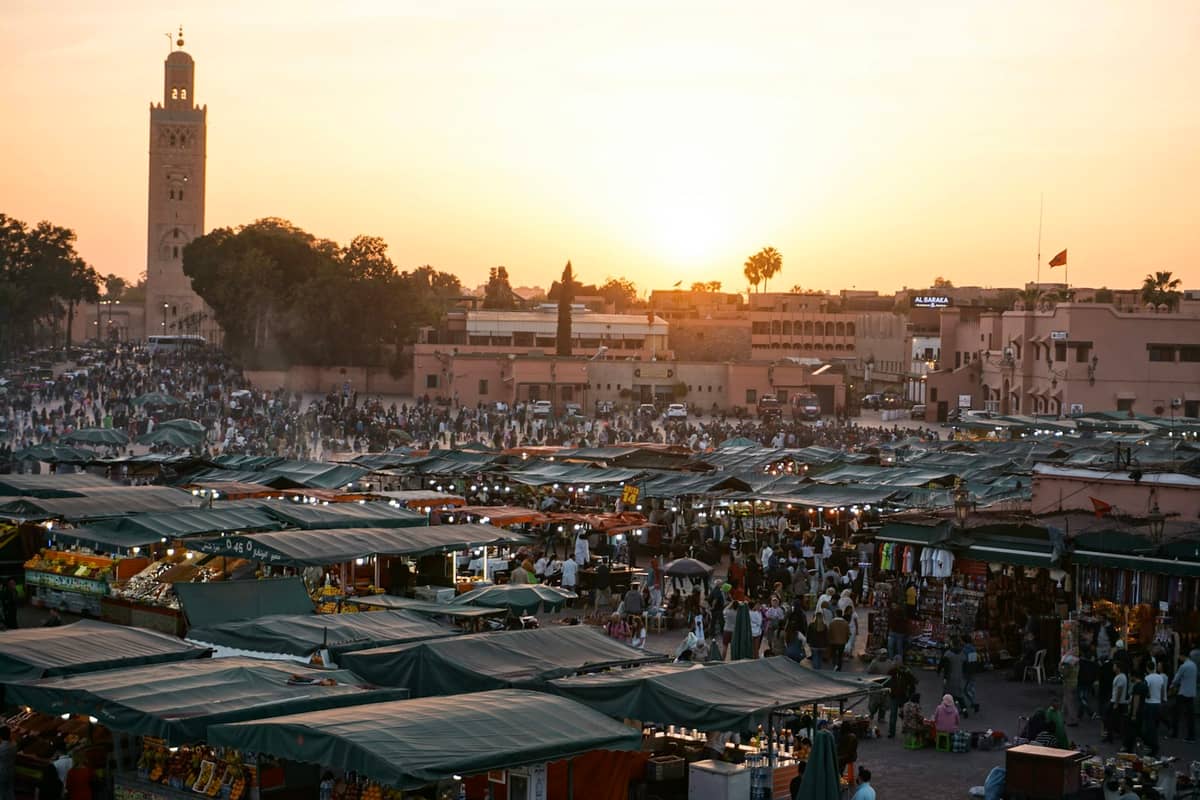
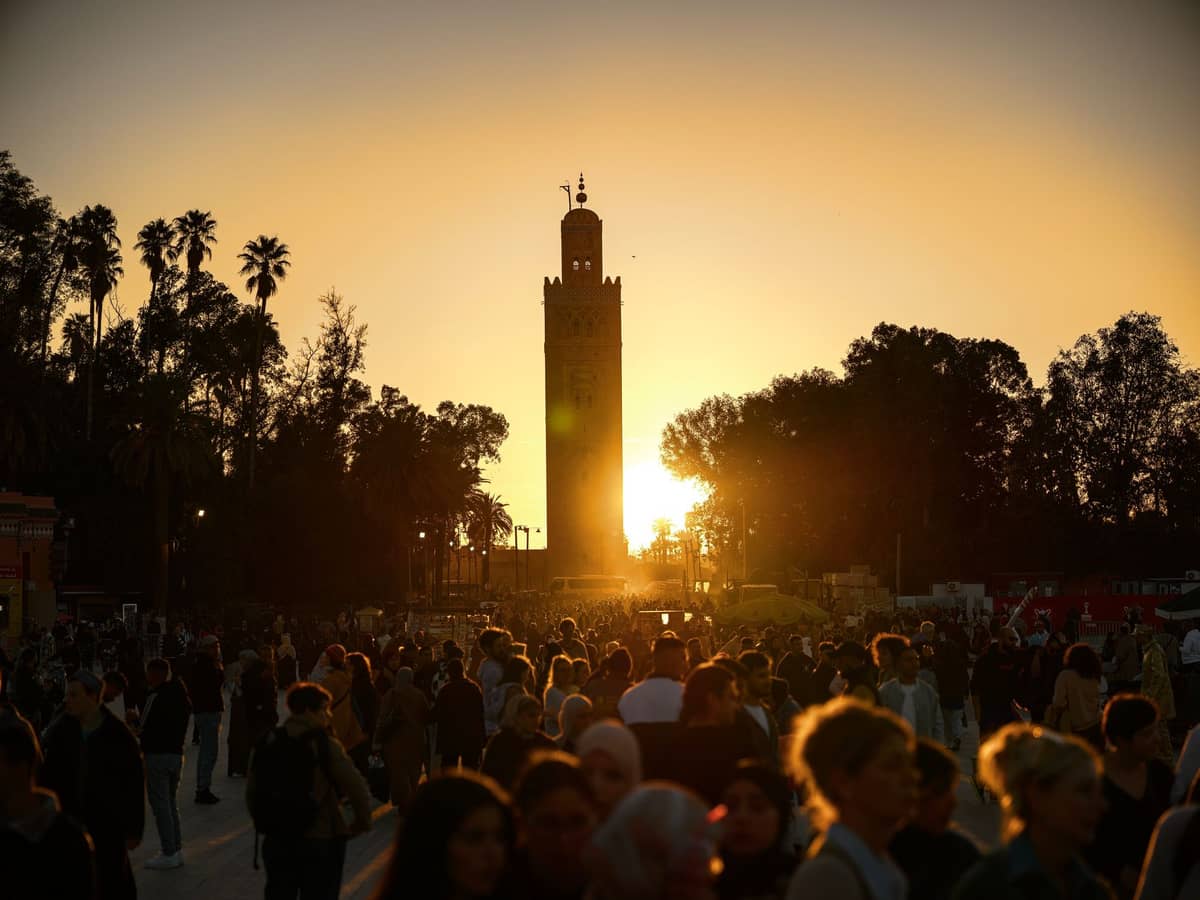
Ramadan is the single biggest variable in Marrakech's annual travel calendar and deserves more than a generic note. During Ramadan, the city does not shut down for tourists — hotels operate normally, many restaurants remain open (especially in tourist areas), and attractions stay accessible. What changes is the rhythm. Many small local restaurants are closed during daylight hours, the call to prayer takes on greater prominence, and the medina after iftar (the evening meal breaking the fast) comes alive with a particular energy that many visitors find genuinely memorable.
Eid al-Fitr (end of Ramadan) and Eid al-Adha cause brief but noticeable disruptions: small shops and government offices close for several days, and transport can be crowded as Moroccan families travel. Checking Islamic calendar dates before booking is worth doing if your travel window overlaps with potential Eid periods. Beyond Islamic holidays, the Marrakech International Film Festival (typically held in late November or December) brings elevated hotel prices and a more creative crowd to the city.
- Ramadan: restaurants and cafés in non-tourist areas close during daylight; evening atmosphere is unique but planning is needed
- Eid al-Fitr and Eid al-Adha: 2–3 day closures of small businesses; confirm dates annually as they shift with the lunar calendar
- Christmas and New Year: prices spike city-wide; book accommodation at least 2–3 months ahead
- Easter: the busiest spring period; April rates in good riads rival peak summer in other destinations
- Marrakech International Film Festival (usually late Nov/Dec): adds demand in specific hotels near the Palais des Congrès
Prices, Crowds, and Practical Booking Logic
Marrakech's pricing structure does not always track its weather. July and August are simultaneously the hottest months and — during the school holiday peak — among the most expensive for flights from Europe. If budget is a priority, the genuine value windows are January to mid-February, early June, and late September to early October. For a practical breakdown of where to stay and what to expect at different price points, see the Marrakech accommodation guide and the dedicated guide to staying in a riad.
For couples planning a romantic trip, October and April are the most photogenic and atmospheric months — Marrakech for couples goes into more detail on timing rooftop dinners and hammam visits. Families with children should consider the spring half-term or October half-term windows, when temperatures are manageable and school schedules align. Read the Marrakech with kids guide for venue-specific advice.
✨ Pro tip
If you are planning day trips to the Agafay Desert, Ouzoud Waterfalls, or the Atlas Mountains, these are far more comfortable in spring and autumn. A July day trip to the desert in a non-air-conditioned vehicle is a genuinely unpleasant experience. Time your visit to match the excursions you actually want to do, not just the city sightseeing.
FAQ
What is the best time to visit Marrakech for good weather?
March to May and September to November offer the most reliably comfortable conditions, with daytime temperatures between 20–29°C, low rainfall, and manageable crowds. Early September can still feel like late summer; October is arguably the single best month: warm enough for outdoor terraces, cool enough for long medina walks, and noticeably quieter than spring peak.
Is summer too hot in Marrakech?
For many visitors, yes. July and August regularly exceed 37–38°C in the medina, which is hot even by North African standards. If you visit in summer, plan around a strict midday rest (noon to 4pm indoors), stay somewhere with air conditioning and ideally a pool, and keep morning and evening for sightseeing. June and September are considerably more manageable than July and August.
What is the cheapest time to visit Marrakech?
January and February offer the lowest riad rates and airfares outside the Christmas-New Year spike. Early June and mid-September also offer good value. Avoid Easter, late July to mid-August, and the Christmas-New Year period if price is your primary concern.
Should I avoid visiting Marrakech during Ramadan?
Not necessarily. Ramadan changes the city's rhythm rather than closing it to tourists. Hotels, tourist restaurants, and major attractions remain accessible. The evenings during Ramadan — particularly around Jemaa el-Fna after iftar — have a distinctive energy that many visitors find memorable. The practical challenge is daytime dining outside tourist areas, which requires some planning. Read a dedicated guide before deciding.
When is Marrakech least crowded?
January and February are the quietest months for international tourists, followed by early June and mid-September. If you want the medina relatively to yourself while still having comfortable temperatures, mid-November to early December (outside the film festival period) is a good window that most travellers overlook.
Tickets & tours
Live prices and dates from our booking partner. If you book, we may earn a commission at no extra cost to you.
Planning a trip? Discover personalized activities with the Nomado app.