Visiting Marrakech During Ramadan: What Really Changes (and What Doesn't)
Ramadan transforms Marrakech in ways most travel guides get wrong. This guide covers the real daily rhythm, where to eat, how to behave respectfully, and why the evenings are worth staying for.
Tickets & tours
Live prices and dates from our booking partner. If you book, we may earn a commission at no extra cost to you.
TL;DR
- Visiting Marrakech during Ramadan is entirely feasible — hotels, riads, and most tourist attractions stay open throughout the month.
- Eating and drinking in public during daylight hours is not illegal for non-Muslim tourists, but doing so visibly on the street is considered disrespectful. Eat inside or discreetly.
- Alcohol is harder to find: many bars reduce or suspend service. Plan ahead using our Marrakech nightlife guide for venues that remain open.
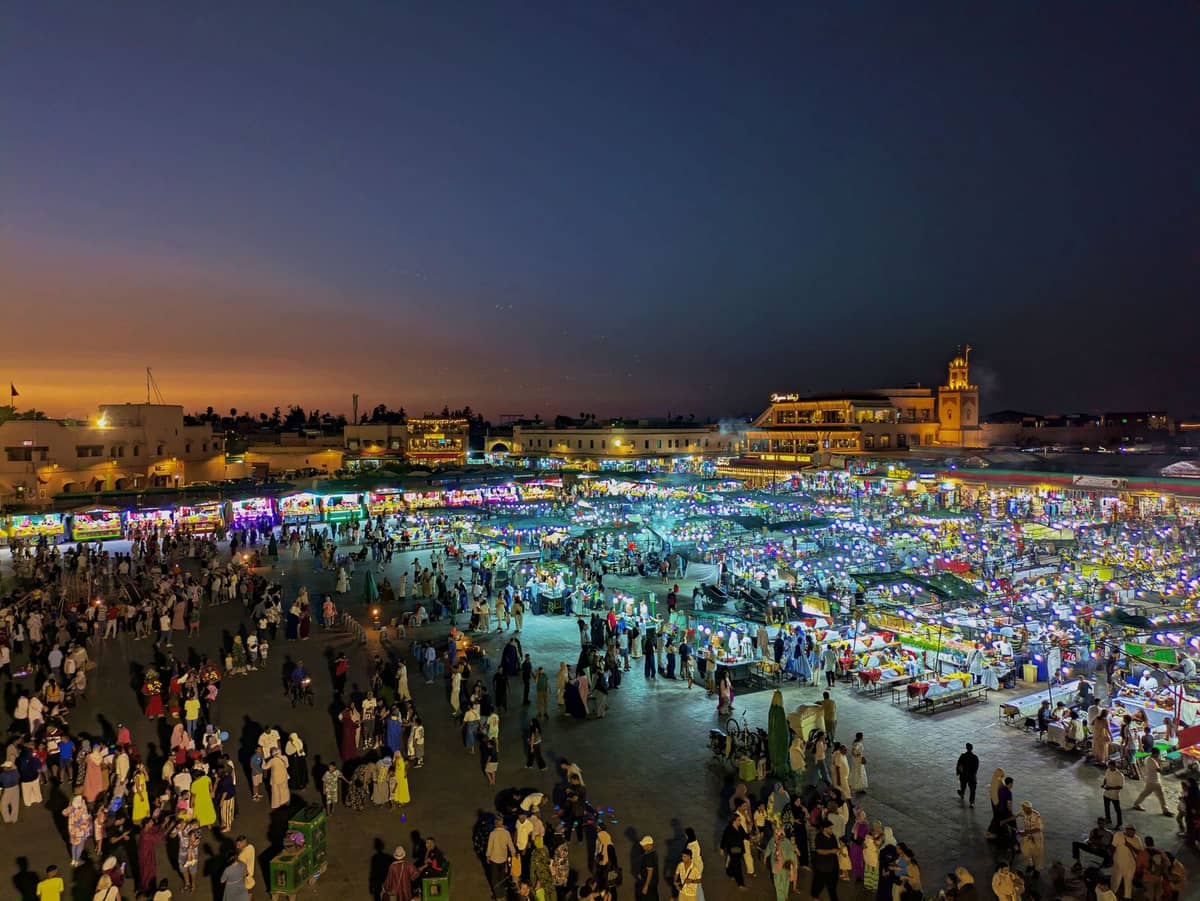
- After sunset, the city shifts into a completely different mode: streets fill up, bakeries overflow, and the atmosphere around Jemaa el-Fna becomes genuinely extraordinary.
- Ramadan follows the lunar calendar and shifts roughly 10 days earlier each year, so conditions vary significantly. Check our best time to visit Marrakech guide to understand how timing affects your trip.
What Ramadan Actually Means for Day-to-Day Life in Marrakech
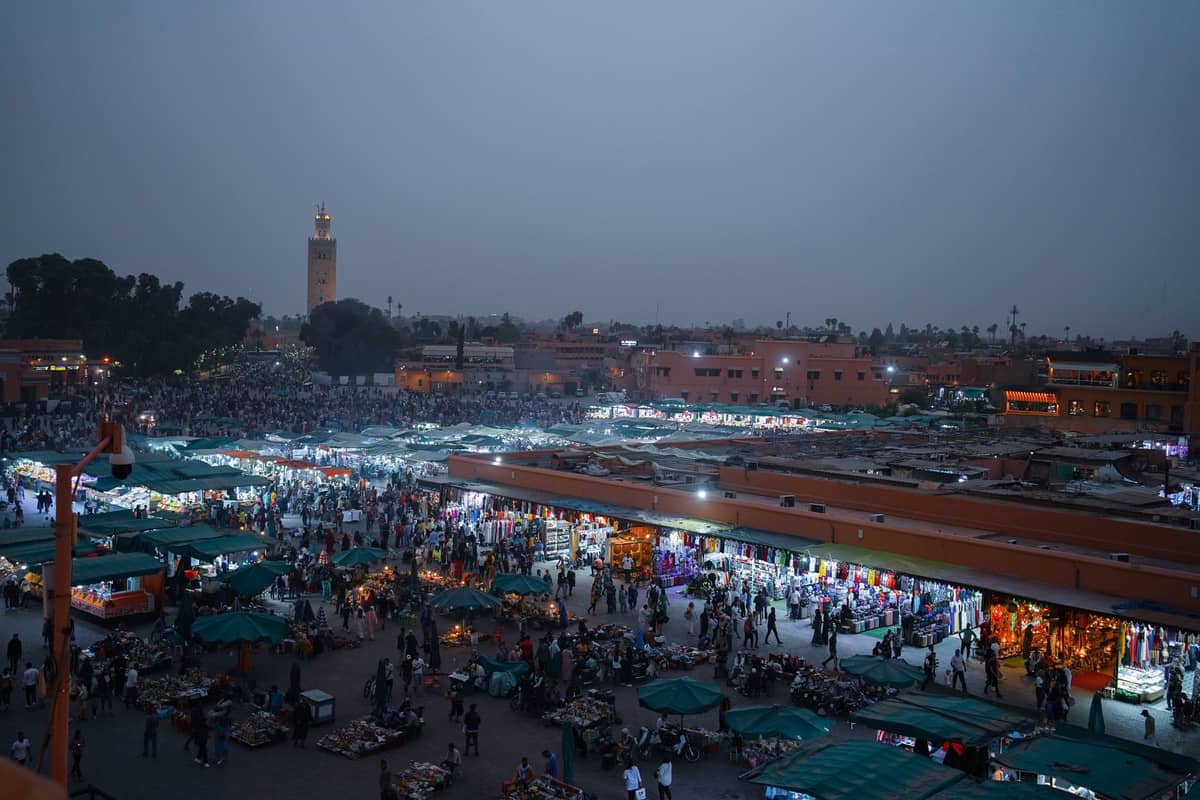
Ramadan is the ninth month of the Islamic lunar calendar, during which practicing Muslims abstain from eating, drinking, and smoking from just before sunrise (Fajr) until sunset (Maghrib). In Marrakech, a city of roughly one million people in Morocco, this observance is widespread and shapes nearly every aspect of urban life for the full month.
The most immediate change you'll notice as a visitor is the pace of the day. Mornings are quieter than usual. Many local cafés, small restaurants, and market stalls that cater to Moroccan workers either open late or stay closed until the late afternoon. By around 3pm, things begin to stir. By an hour before Maghrib — the sunset prayer that signals the breaking of the fast (ftour) — the medina transforms. Bakeries pile up with msemen (flatbreads) and sellou (a dense almond-sesame paste). Families carry harira soup in sealed containers. The energy builds, then at the call to prayer, everything stops.
After ftour, Marrakech enters its second, more social phase of the day. Shops that were closed reopen. Streets that were empty fill with people. Restaurants run late seatings until well past midnight, and the area around Jemaa el-Fna takes on a carnival-like atmosphere that is genuinely unlike any other time of year. If you're only visiting during the day and leaving before 9pm, you're missing the most interesting part of Ramadan in Marrakech.
ℹ️ Good to know
Morocco's timezone shifts specifically for Ramadan. In recent years, Morocco has run on UTC+1 most of the year but temporarily reverts to UTC+0 during Ramadan before returning to UTC+1 afterward. This affects sunset times, ftour, and any planned schedules. Always check current timezone status before your trip, especially for sunrise and sunset times.
Tourist Etiquette: What You Must, Should, and Don't Need to Do
Foreign visitors are not legally required to fast during Ramadan in Morocco. You will not be fined for eating. However, the expectations around public behavior are real, and ignoring them causes genuine offence. The practical rule is straightforward: don't eat, drink, or smoke visibly in the street or in spaces shared with fasting locals during daylight hours. Inside a tourist-oriented restaurant, inside your riad, or in a clearly designated café — fine. On the pavement outside a mosque or in the middle of the souk while locals are going about their day — not fine.
- Eating and drinking Tourist restaurants and hotel dining rooms serve food all day. Eat there rather than snacking openly on the street during fasting hours.
- Smoking Smoking in public during daylight hours draws the same kind of disapproval as eating. Avoid it in crowded medina streets and markets.
- Dress code Modesty is important year-round in Marrakech's medina and is even more so during Ramadan. Cover shoulders and knees in public areas.
- Greetings If someone wishes you 'Ramadan Mubarak' (Blessed Ramadan) or 'Ramadan Kareem' (Generous Ramadan), responding warmly is appreciated.
- Noise and behavior Keep evening noise levels in residential areas in check. The nights are social, but not all areas welcome loud tourist behavior past midnight.
💡 Local tip
Learning a few words of Darija goes a long way during Ramadan. 'Ramadan Mubarak' and 'Shokran' (thank you) are small gestures that are noticed and appreciated by local shopkeepers, riad staff, and guides.
Where to Eat and Drink During Ramadan
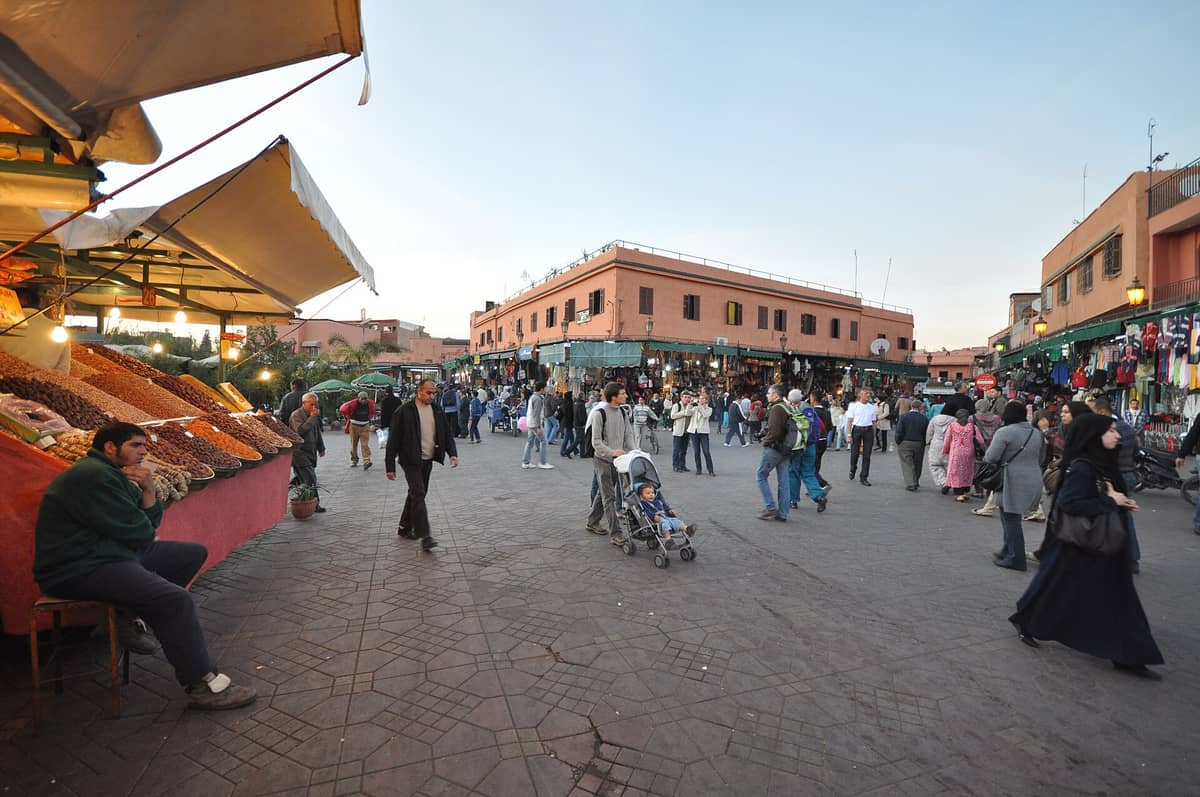
Tourist-facing restaurants in the medina and in Gueliz typically stay open throughout the day during Ramadan, though menus may be simplified and service slower than usual. Expect reduced staffing during daytime hours as kitchen workers observe their own fast.
The most interesting eating during Ramadan happens at ftour time and in the hours that follow. If you can position yourself near Jemaa el-Fna square around 30 minutes before sunset, you'll witness the daily ritual of collective breaking of the fast. Food stalls set up quickly, vendors lay out bowls of harira (a thick tomato and lentil soup that is the universal Moroccan ftour starter), plates of dates, and chebakia (sesame cookies soaked in honey). Sitting down at a stall and eating alongside locals at this moment is one of the more memorable experiences Marrakech offers.
Alcohol is the trickier issue. Morocco is not a dry country, and alcohol is legally available in licensed establishments. But during Ramadan, a significant number of bars and restaurants reduce or entirely suspend alcohol service. Some venues continue serving to tourists in enclosed spaces. Others close their bars for the month. The Hivernage hotel belt generally maintains more reliable alcohol availability throughout Ramadan than the medina. If this matters to your trip, call ahead or book at properties known for consistent service.
- Tourist restaurants in the medina: typically open from around 11:00 to 22:00, with the busiest period from 19:00 onward
- Hotel restaurants in Hivernage and the Palmeraie: generally maintain near-normal hours and alcohol service throughout Ramadan
- Local cafés and street food stalls: most open only from late afternoon, with peak activity from sunset to midnight
- Rooftop and evening-only restaurants: many run special Ramadan ftour menus from around 18:00–19:00 and stay open until after midnight
- Alcohol availability: significantly reduced in the medina; more reliable in international hotels and Gueliz restaurants
Attractions and Sightseeing: What Changes, What Doesn't
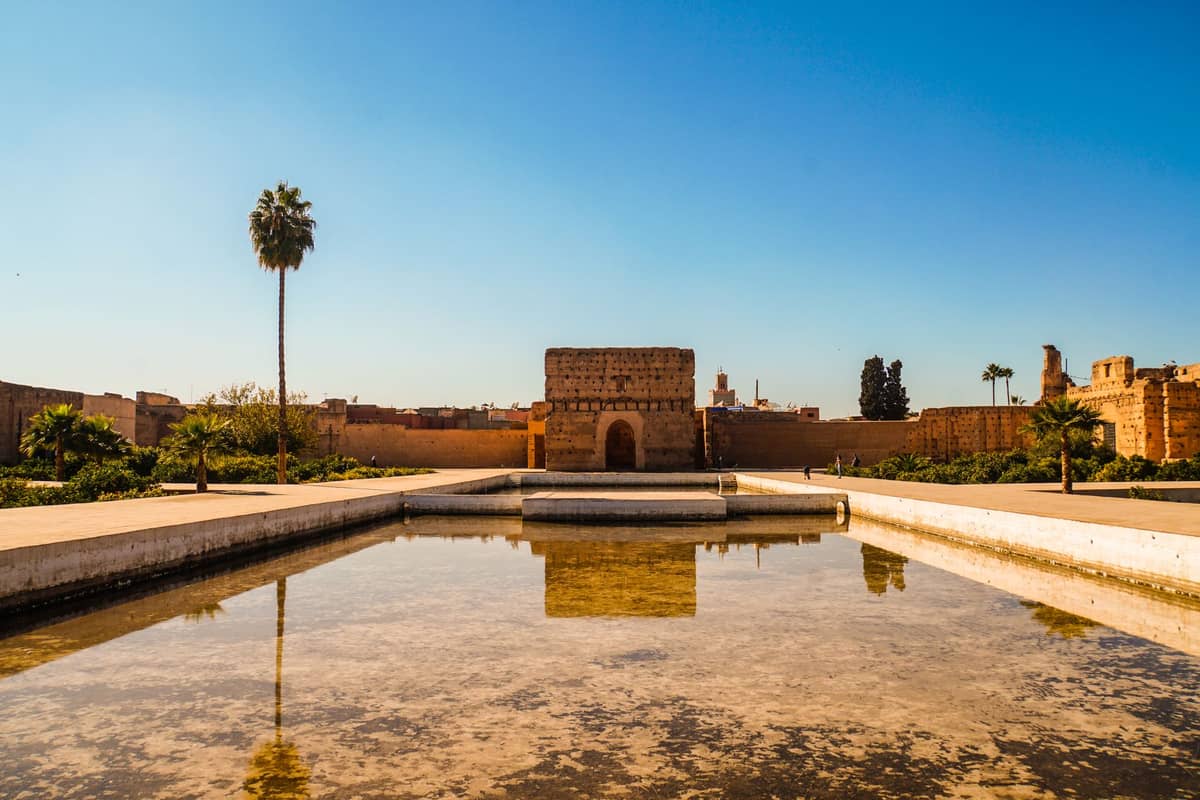
The major paid attractions in Marrakech continue operating during Ramadan. The Jardin Majorelle, Bahia Palace, Saadian Tombs, and Ben Youssef Madrasa all remain accessible to ticket-holding visitors. Hours may shorten slightly, and staffing during peak fasting hours (mid-morning to mid-afternoon) can be reduced, so the experience at some sites is quieter and more subdued than usual.
One persistent misconception worth addressing directly: non-Muslim visitors cannot enter active mosques in Marrakech at any time of year, and Ramadan does not change this. The Koutoubia Mosque is admired from its gardens and the surrounding streets, not from inside. This restriction is year-round, not Ramadan-specific. The only mosque in Morocco that regularly admits non-Muslim visitors on guided tours is the Hassan II Mosque in Casablanca.
The souks are worth visiting during Ramadan, though their rhythm changes. Daytime souk activity in the Marrakech souks can be slower than in peak tourist season — some vendors open late or keep irregular hours. After ftour, souk alleyways come alive again and shopping continues well into the night. If you want a more relaxed souk experience without aggressive haggling, the early afternoon lull of Ramadan is actually one of the better times to explore at your own pace.
⚠️ What to skip
Some smaller, family-run businesses in the medina close entirely for the last 10 days of Ramadan (the final ashra), which is a particularly sacred period. If you're visiting toward the end of Ramadan, expect reduced availability in some areas of the souk and medina. Plan your shopping earlier in the month.
Evenings and Nightlife During Ramadan
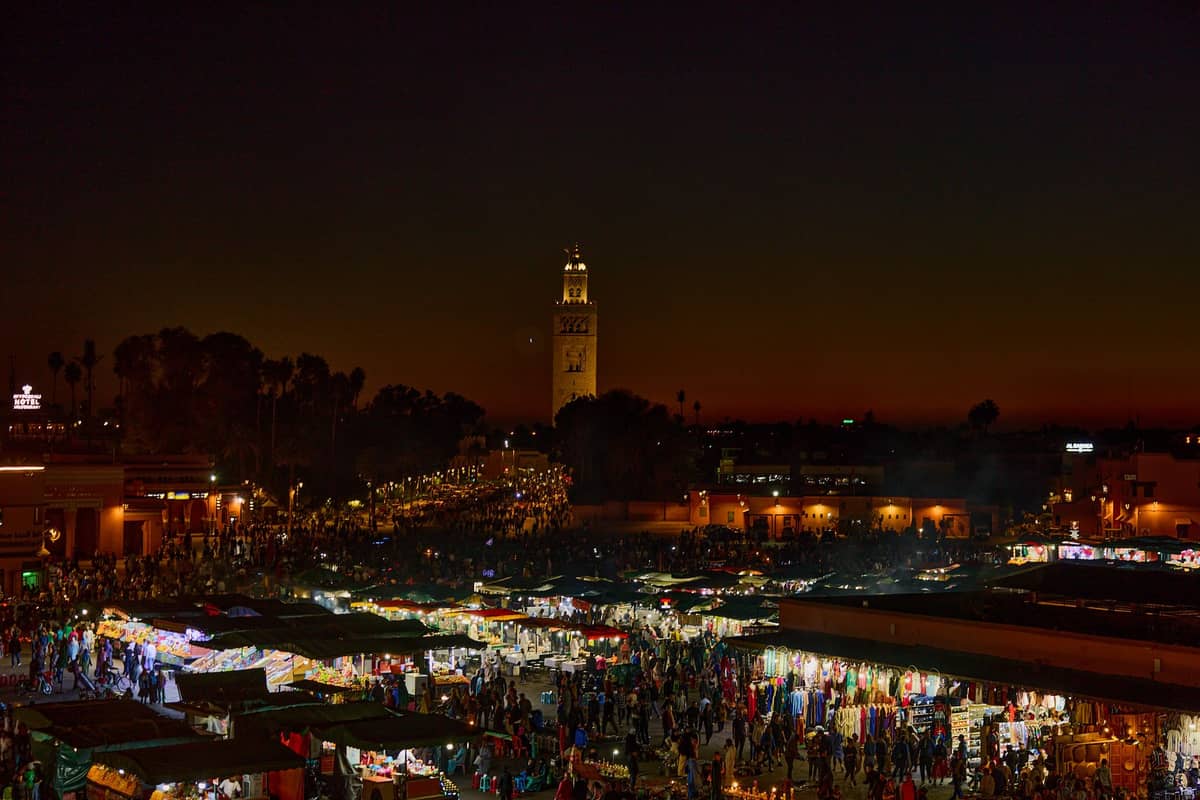
The conventional Marrakech nightlife of rooftop bars and nightclubs operates on a compressed and altered schedule during Ramadan. Most clubs that normally open around 23:00 either delay further, reduce programming, or switch to a quieter lounge format. The party-heavy end of Marrakech's nightlife pulls back noticeably.
What replaces it is more interesting to many visitors: the street life. From around 21:00 onwards, Jemaa el-Fna square reaches a level of animation that rivals peak tourist season. Musicians, storytellers, food stalls, and groups of families all occupy the square late into the night. The atmosphere is festive but local in character — less performative than the summer tourist peak. For photographers and people-watchers, Ramadan evenings around the square are exceptional.
The final meal before dawn, suhoor, typically happens between 02:00 and 04:00. Some restaurants stay open specifically to serve this meal. If you happen to be awake at that hour, the pre-dawn streets carry a strange, quiet energy — small groups moving between bakeries and home, the city holding its breath before another day of fasting begins.
Planning Around Ramadan: Dates, Seasons, and Practical Logistics
Ramadan moves through the solar calendar at roughly 10–12 days per year. This matters enormously for Marrakech visitors because the city's climate is extreme at both ends. Ramadan falling in July means fasting through 38°C heat and 15-hour days — a significant physical effort that affects the entire city's mood and energy. Ramadan in December or January means shorter fasting windows, cooler temperatures, and a generally more manageable rhythm for locals and visitors alike.
The practical impact for travelers: if Ramadan overlaps with your planned visit, adjust your daily schedule to front-load morning sightseeing (attractions are often quieter and cooler before noon), rest during the mid-afternoon, and lean into the evening culture. This works well for most short Marrakech itineraries with only minor adjustments.
- Transport Taxis and petit taxis continue operating throughout Ramadan, though you may wait longer close to ftour time as drivers stop to break their fast. Build in buffer time for late afternoon journeys.
- Riad staff Most riads maintain full service for guests, but kitchen hours may shift to emphasize breakfast and evening meals. Confirm in advance if you need specific meal times.
- Hammams Traditional hammams generally continue operating during Ramadan. Tourist-oriented hammams maintain near-normal hours; local neighbourhood hammams may open only in the evening.
- Day trips Guided day trips to the Atlas Mountains, Agafay Desert, and Essaouira operate throughout Ramadan with no significant disruption, though local restaurants at stops may have adjusted hours.
- Eid al-Fitr The three-day holiday that follows Ramadan brings widespread closures across the city. Visiting immediately after Ramadan ends means adjusting for a city in celebration and partial shutdown mode.
If you're still deciding whether timing your trip to avoid Ramadan makes sense, the short answer is: it depends on what you're looking for. Ramadan Marrakech is less convenient for day-drinking tourists and those who prioritize consistent restaurant access. For travelers interested in culture, local life, and experiencing the city as it actually operates, it is a genuinely compelling time to visit. Our full guide to the best time to visit Marrakech covers how all seasons compare.
✨ Pro tip
Book restaurant tables in advance for the ftour meal, especially if you want to experience a traditional Moroccan breaking of the fast. Many riads and restaurants offer set ftour menus starting around 30 minutes before sunset. These are often the best-value, most atmospheric meals you'll eat in Marrakech.
FAQ
Can tourists eat and drink in public during Ramadan in Marrakech?
Technically yes — there is no law against it. But eating or drinking visibly on public streets while locals are fasting is considered disrespectful and draws disapproval. Tourist restaurants, hotel dining rooms, and enclosed cafés serve food all day. Stick to those for daytime meals and you will have no issues.
Is alcohol available in Marrakech during Ramadan?
Some establishments continue serving alcohol, particularly international hotels in Hivernage and some restaurants in Gueliz. However, many bars and medina restaurants reduce or suspend alcohol service for the month. It is less available than at other times of year. Call ahead if this is important to your trip.
Are tourist attractions open during Ramadan in Marrakech?
Yes. Paid attractions including Jardin Majorelle, Bahia Palace, the Saadian Tombs, and the Ben Youssef Madrasa remain open during Ramadan, though some may operate with slightly shorter hours. Always verify opening times directly before visiting, as these can change year to year.
Is Ramadan a good time to visit Marrakech?
For travelers who are flexible and curious about local culture, Ramadan can be one of the most interesting times to visit. The evening atmosphere after ftour is exceptional. The main trade-offs are reduced daytime restaurant options, less consistent alcohol availability, and some businesses keeping irregular hours. It is not ideal for visitors who want a typical resort-style holiday.
When does Ramadan fall in Marrakech and how long does it last?
Ramadan lasts 29 to 30 days, shifting approximately 10-11 days earlier each solar year. Exact start dates depend on the sighting of the new crescent moon and are announced by Moroccan religious authorities. Check verified Islamic calendar sources close to your travel date for the precise timing in any given year.
Tickets & tours
Live prices and dates from our booking partner. If you book, we may earn a commission at no extra cost to you.
Planning a trip? Discover personalized activities with the Nomado app.