Trekking in the High Atlas from Marrakech: Routes, Costs & Everything You Need to Know
The High Atlas Mountains sit less than 90 minutes from Marrakech, making them one of the most accessible mountain ranges for city-based trekkers anywhere in the world. This guide covers every level of trek, from easy valley walks to the summit of Mount Toubkal, with practical notes on costs, seasons, and how to avoid common mistakes.
Tickets & tours
Live prices and dates from our booking partner. If you book, we may earn a commission at no extra cost to you.
TL;DR
- The main gateway to the High Atlas is Imlil village, about 65-70 km and 75-90 minutes by car from Marrakech — see Imlil village for more on the area.
- Day treks cost roughly €35-€120 per person; a guided 2-day Mount Toubkal ascent runs €450-€750 all-inclusive.
- Spring (March-May) and autumn (September-October) are the most reliable seasons. Winter requires crampons and proper cold-weather gear above 3,000m.
- The High Atlas is not just for serious climbers. Easy valley walks in Ourika and moderate routes from Imlil suit most reasonably fit visitors.
- Always hire a licensed local guide for summit routes. Independent ascents of Toubkal are technically possible but not advisable — operators bundle guiding, accommodation, and transport for good reason. Check the Mount Toubkal attraction page for summit-specific details.
Why Trek the High Atlas from Marrakech
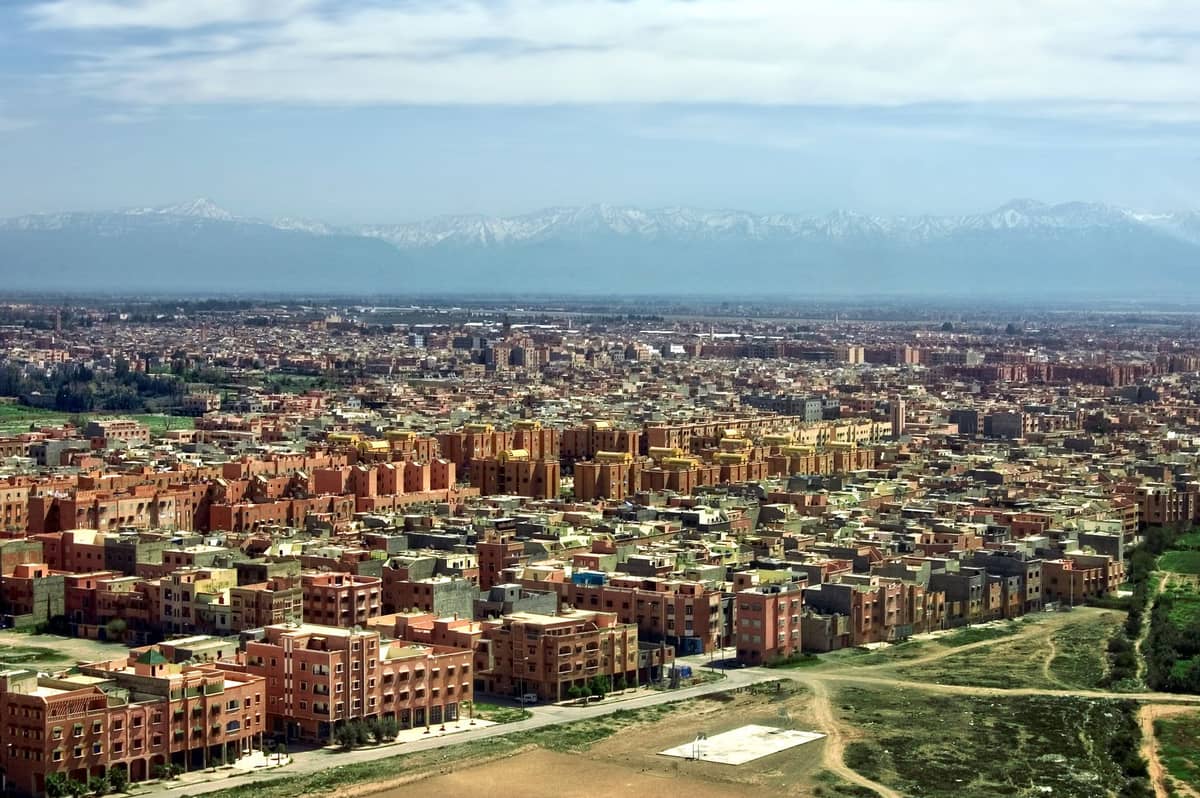
Marrakech sits at the foot of the High Atlas at an elevation of around 460-500 metres above sea level. On a clear day you can see the snow-capped ridgeline from the city's rooftops. That proximity is the whole point: nowhere else in North Africa can you go from a medieval medina to a 4,000-metre mountain environment in a single morning. The Marrakech medina and the mountain villages of the Atlas feel like completely different worlds, yet the road between them takes less time than a rush-hour commute in most European cities.
The range itself runs roughly northeast to southwest across central Morocco. It contains North Africa's highest peak, Jebel Toubkal at 4,167 metres, along with hundreds of Amazigh (Berber) villages that have remained largely unchanged for centuries. Trekking here is as much a cultural experience as a physical one: trails pass through terraced walnut and almond orchards, cross mule paths shared by local farmers, and often end with mint tea in a Berber household.
Getting from Marrakech to the High Atlas
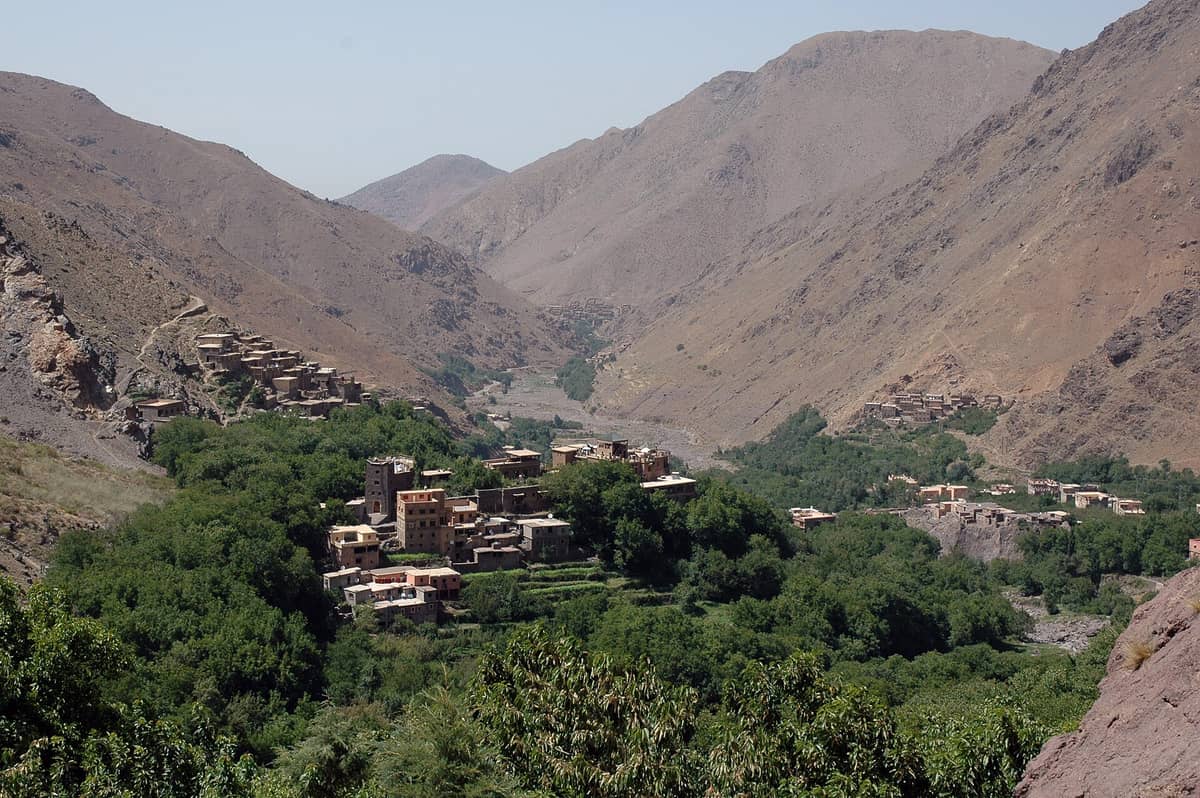
The practical starting point for almost all High Atlas treks is Imlil, a small village in the Mizane Valley at around 1,740 metres altitude. It sits approximately 65 km south of Marrakech via the road through Asni and Tahanoute, and the drive takes around 75-90 minutes under normal conditions. There is no regular public transport that goes directly to Imlil, so your realistic options are a shared minivan transfer through a tour operator, a private taxi negotiated in Marrakech, or your own rental vehicle.
A shared minivan transfer organised through a trekking operator typically costs around €50-€80 total per vehicle for the Marrakech-Imlil route, and this is usually bundled into the trek package price. If you arrange a private taxi independently, expect to negotiate hard and agree the fare before departure. The Ourika Valley, another popular trekking area, is even closer: around 60 km southeast of Marrakech via the S513/R203 road, with a journey time of roughly 60-70 minutes.
💡 Local tip
Standard day-trek programmes from Marrakech depart around 09:00, arrive in Imlil around 10:00, allow 4-5 hours of walking, and return to Marrakech by 17:00. Book with operators who specify a morning departure — afternoon departures leave almost no usable trekking time.
Choosing Your Trek: Routes by Difficulty and Duration
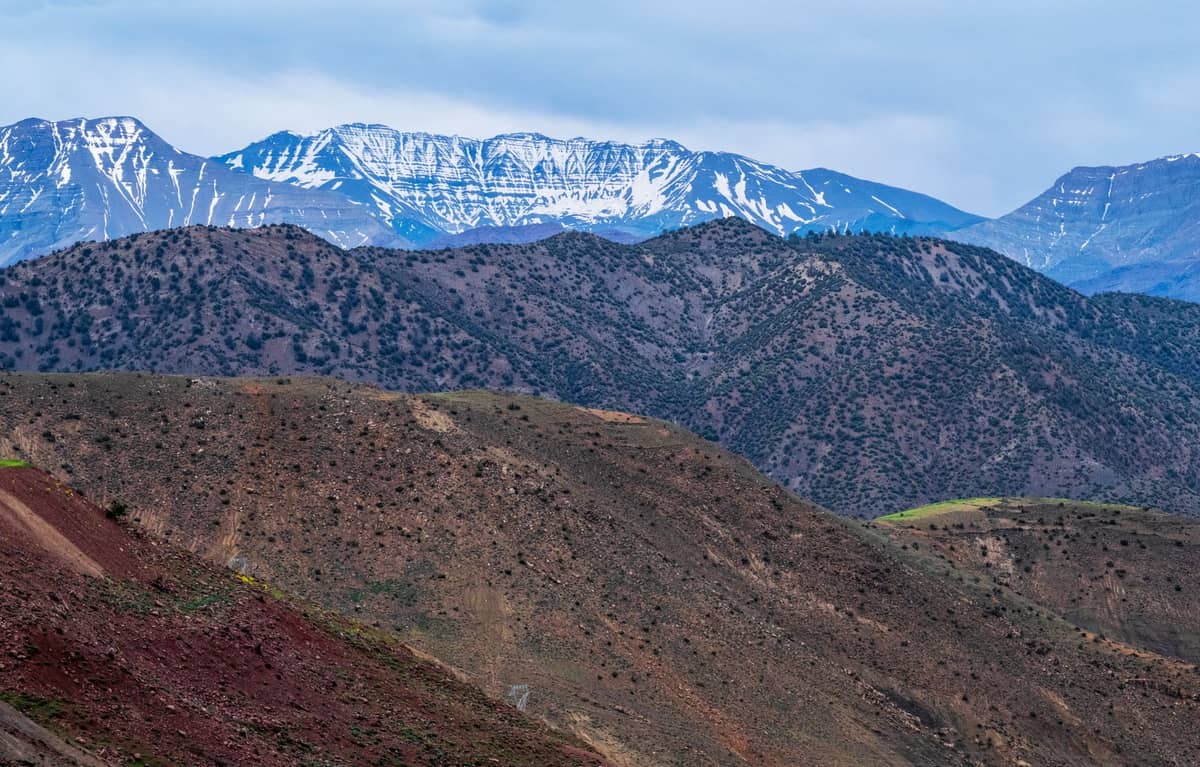
The High Atlas offers everything from gentle valley walks to serious alpine ascents. The key is matching the route to your actual fitness level, not your optimistic estimate of it. Altitude compounds effort significantly: a 4-hour walk at 2,500 metres feels noticeably harder than the same distance at sea level, especially for visitors arriving from lowland cities.
- Ourika Valley (Easy, Half or Full Day) Broad paths through a Berber farming valley at relatively low altitude (900-1,500m). Suitable for families and non-hikers. The trailhead villages are accessible by road, and the landscape reward is immediate without significant elevation gain. A good entry point if you have never trekked in Morocco before.
- Imlil to Aroumd / Aremd (Moderate, Full Day) The classic day trek from Imlil. The village of Aroumd sits above Imlil at around 1,840 metres and is car-free, accessible only on foot. Trails continue into the Mizane Valley with views toward Toubkal. Many operators include a lunch stop in a local Berber house on this route. Total walking time is typically 4-5 hours.
- Setti Fatma and the Ourika Waterfalls (Moderate, Full Day) A popular destination that combines a short hike to a series of waterfalls with cultural interest in the valley below. Busier than other routes, especially on weekends. The walk to the first falls is straightforward; continuing to higher falls involves scrambling and basic climbing. Not ideal in wet or icy conditions.
- Mount Toubkal Summit (Strenuous, 2 Days Minimum) North Africa's highest peak at 4,167 metres. Day 1 is typically Imlil to the Toubkal Refuge (3,207m), roughly 4-5 hours. Day 2 is the summit push and descent, around 7-8 hours total. No technical climbing in summer, but it is a long, rocky slog at altitude. In winter the upper section requires crampons and ice axe experience.
- Multi-Day High Atlas Traverse (Experienced, 3-7+ Days) Loop routes and point-to-point traverses connect Imlil with more remote villages such as Ouirgane, Tacheddirt, and Lac d'Ifni. These require camping or refuge accommodation, mule support for luggage, and a qualified guide. Suited to experienced hikers comfortable with back-to-back mountain days.
For those wanting to combine trekking with broader sightseeing, the Ourika Valley and the Setti Fatma waterfalls are frequently paired with a visit to the Ourika market or a traditional argan cooperative on the same day trip, which makes them particularly good value as a first Atlas excursion.
Costs: What to Budget for High Atlas Trekking
Pricing in the High Atlas trekking market varies considerably depending on how you book, what is included, and group size. Budget operators on platforms like Tripadvisor and Viator list day treks from around US$48-US$78 per person. Mid-range specialist operators typically charge €35-€120 per person for a full day, depending on route difficulty, transport, and whether meals are included. These prices are broadly consistent across 2026 listings, but should always be confirmed with your chosen operator at time of booking.
- Day Trek from Marrakech (Guided, Transport Included) €35-€120 per person. Covers transport, licensed guide, and usually a Berber lunch. Group size affects price significantly: private day treks cost considerably more than joining a shared group.
- 2-Day Mount Toubkal Ascent (All-Inclusive) €450-€750 per person. Typically includes licensed guide, mule porter for luggage, meals, overnight at Toubkal Refuge or Neltner Hut, and return transport Marrakech-Imlil.
- 3-Day High Atlas Trek US$145-US$160 per person at entry level; €180-€450 with specialist operators depending on accommodation standard and difficulty.
- 5-Night Premium Package Around €1,188 per person (double occupancy) for high-end lodge-to-lodge itineraries with private transfers and premium accommodation, such as those offered by Kasbah du Toubkal.
- Marrakech to Imlil Transfer Only Around €50-€80 total by shared minivan. Usually included in booked packages; if arranging independently, a private taxi fare should be agreed in advance.
⚠️ What to skip
Mount Toubkal cannot realistically be climbed cheaply without a guide. Licensed guide fees, refuge accommodation, and mule porter costs are fixed at regulated rates. Any operator offering a Toubkal summit for under €200 per person all-in should be scrutinised carefully — something is likely excluded, or the guide may not be officially licensed.
Seasons: When to Trek and When to Be Cautious
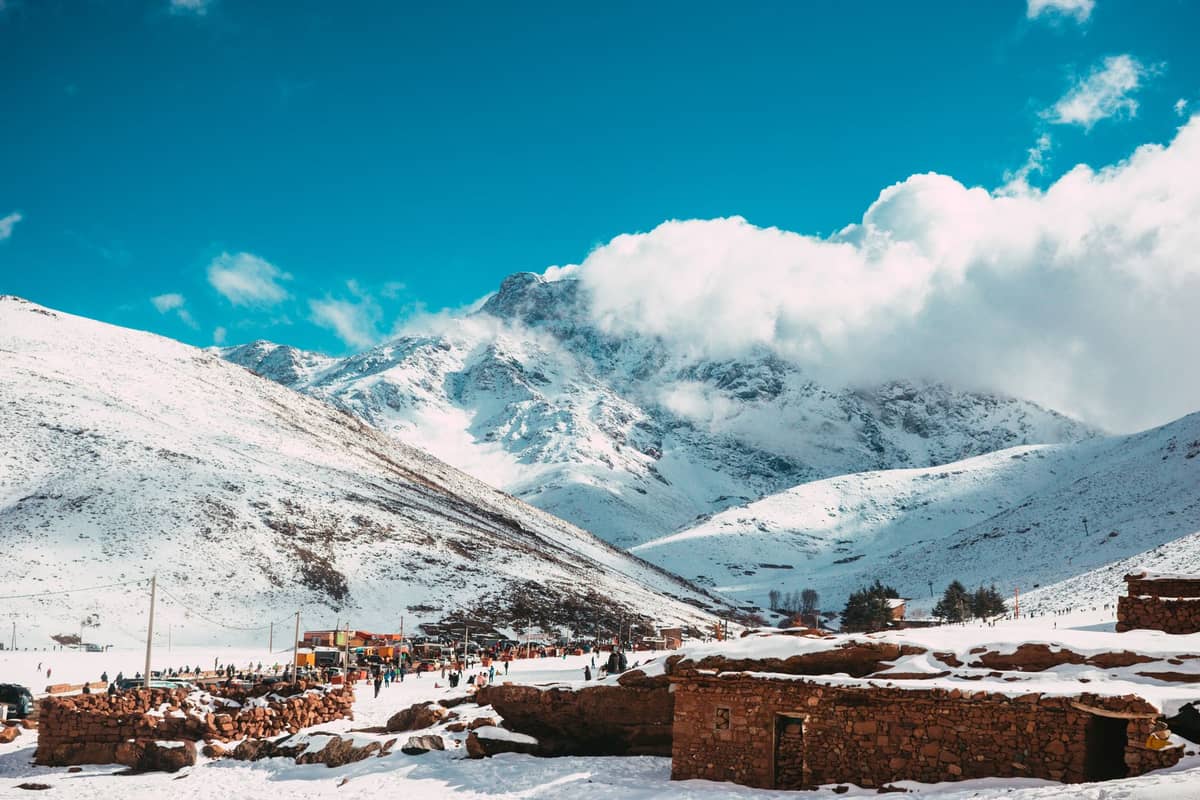
The High Atlas can be trekked in every month of the year, but conditions at altitude change dramatically across seasons. Most first-time visitors are surprised to find that summer is not necessarily the best choice despite Marrakech's heat at ground level.
Spring (March through May) is widely regarded as the prime trekking season. Temperatures in the valleys range from around 15-25°C during the day, snowmelt feeds streams and waterfalls to their most impressive levels, and the almond and walnut trees are in leaf. The trails are well-maintained and accessible from mid-March onward on most standard routes. Autumn (September and October) offers similar temperatures with drier conditions, less snowmelt water, and generally clearer skies.
Summer (June through August) works well for valley treks and the Ourika area. At high altitudes, including the Toubkal summit zone, temperatures are cooler than Marrakech but still manageable. The main issue is that most other European visitors arrive in summer, so popular routes are busier and accommodation at Toubkal Refuge fills quickly. Early booking is essential. Winter trekking (November through February) requires proper preparation: higher routes above 2,500 metres can carry significant snow and ice, and the Toubkal summit typically requires crampons and an ice axe from December through March. That said, winter treks to Aroumd and lower valleys are perfectly feasible for fit walkers with appropriate layering.
✨ Pro tip
If you are planning a Toubkal summit in winter, book a guide who specifically lists winter high-altitude experience and confirm that the fee includes crampons and ice axes, or that you are expected to bring your own. This distinction matters significantly at 4,000 metres on frozen scree.
Guides, Operators, and What to Look For
Using a licensed guide is strongly recommended for summit routes and multi-day itineraries in the High Atlas. Morocco's Ministry of Tourism issues official mountain guide licences, and reputable operators will confirm their guides hold these credentials on request. For valley day walks in Ourika or lower Imlil routes, an officially licensed guide is not a legal requirement, but an experienced local leader adds considerable value: they know the trails, speak Tamazight with villagers, and can arrange authentic stops that an independent walker would simply miss.
Well-regarded operators based in or near Imlil include Atlas Toubkal Trek and Atlas Mountains Trekking, both of which offer programmes ranging from single-day walks to extended High Atlas traverses. For premium accommodation combined with guided trekking, Kasbah du Toubkal in Imlil is the benchmark property. International booking platforms such as Viator and Tripadvisor carry verified reviews that are useful for comparing operators, but booking directly with a local company often yields better customisation and marginally lower prices. You can also reference the day trips from Marrakech guide for a broader overview of how Atlas excursions fit into a wider itinerary.
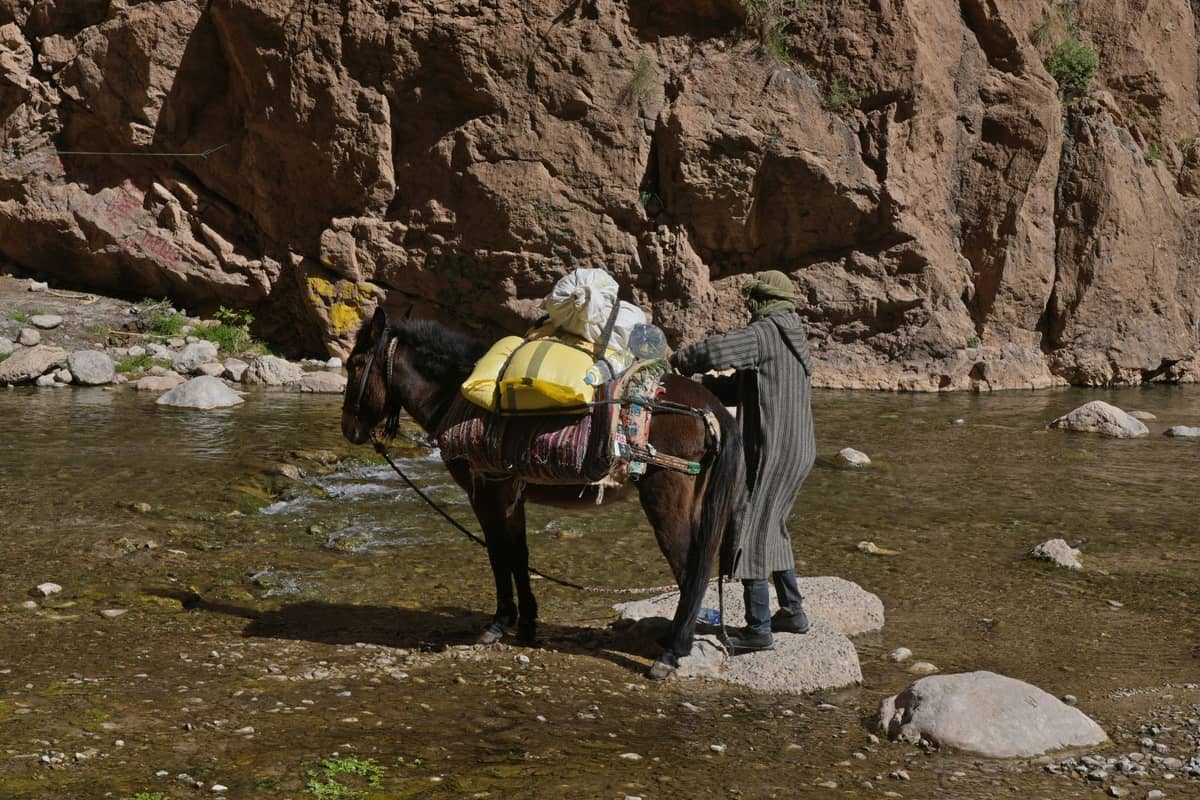
Mule porters (muletiers) are a standard part of any multi-day Atlas trek and are not optional on summit routes where refuges do not permit overnight luggage storage in the same way as Alpine huts. The cost is usually built into package prices. Tipping your guide and muletier is expected and culturally important: around 10-15% of the guide fee per day is a reasonable benchmark, paid in Moroccan dirhams (MAD).
Practical Preparation: Gear, Fitness, and Logistics
For valley day treks in spring or autumn, the kit list is minimal: good walking shoes or light trail runners, sun protection (the Atlas sun is intense at altitude even in cooler months), a rain layer, and at least 1.5-2 litres of water per person. Stick to bottled water rather than stream water unless you carry a reliable filter.
For multi-day or summit treks, the requirements are more serious: a proper daypack with padded shoulder straps, broken-in hiking boots with ankle support, thermal base layers, a fleece or down mid-layer, a waterproof shell, and trekking poles (which significantly reduce knee impact on long descents from high altitude). In winter, add crampons, an ice axe, and warm gloves as non-negotiable items. If this is your first time at altitude, be honest with yourself about fitness: the Toubkal ascent involves around 900-1,000 metres of elevation gain from the refuge to the summit, on rough scree, at altitude. Being comfortably fit for 3-4 hours of gym cardio is not the same as being ready for a 7-hour mountain day. Read more about managing a full itinerary around your trek in the Marrakech 1-week itinerary.
- Book accommodation in Imlil or at Toubkal Refuge at least 4-6 weeks in advance for spring and summer travel.
- Carry cash in MAD for tips, small purchases in villages, and refuge fees — card payments are not accepted on the mountain.
- Altitude sickness (acute mountain sickness) can affect anyone regardless of fitness. Ascend gradually and descend if you experience persistent headache, nausea, or confusion.
- Respect local custom in Berber villages: ask permission before photographing people, dress modestly (shoulders and knees covered), and accept mint tea when offered.
- The Marrakech-Imlil road is a winding mountain road, particularly above Asni. If you are prone to car sickness, sit at the front of the vehicle.
For context on what to wear more broadly in Marrakech and the surrounding region, the Marrakech what to wear guide covers both city and mountain contexts. And if you are building a trip around outdoor activities, the Marrakech in spring guide explains why March-May is consistently the most popular window for combining medina sightseeing with Atlas trekking.
FAQ
Can I do a High Atlas day trek from Marrakech without being a serious hiker?
Yes, easily. The Ourika Valley and lower Imlil routes are graded easy to moderate and require nothing beyond a reasonable level of general fitness. You do not need any trekking experience for valley day walks. The Toubkal summit is a different matter: it is a long, physically demanding day at altitude and suits those who are genuinely fit and comfortable with 7-8 hours of continuous mountain walking.
How much does a High Atlas day trek from Marrakech cost in 2026?
Shared group day treks from Marrakech to the High Atlas are typically priced between €35 and €120 per person, depending on route, inclusions, and group size. This usually covers transport to and from Imlil or Ourika, a licensed guide, and a lunch stop. Private day treks cost more. A full 2-day Mount Toubkal ascent with all logistics included runs €450-€750 per person.
Is it safe to trek in the High Atlas independently without a guide?
Valley walks are generally fine independently with a decent map and good weather. However, for summit routes including Toubkal, independent trekking is strongly discouraged and guides are mandatory for commercial summit itineraries. Trail marking in the High Atlas is inconsistent, weather can change rapidly at altitude, and the consequences of getting lost above 3,000 metres are serious. For anything above Aroumd village, hiring a licensed guide is the sensible and expected approach.
When is the worst time to trek in the High Atlas?
There is no single worst month, but January and February present the highest risk profile for summit routes due to snow, ice, and short daylight hours. Valley treks are still viable in winter but require layered clothing and waterproofs. The unpredictability of Moroccan winter weather, including sudden snowstorms that can close the Tizi n'Tichka and Tizi n'Test passes, makes flexible scheduling important from November through March.
Do I need to book High Atlas treks in advance, or can I arrange them on arrival in Marrakech?
For valley day treks, same-day or next-day booking through operators in Marrakech is usually possible outside peak season. For Toubkal summit treks, especially in spring (April-May) and summer (July-August), book at least 4-6 weeks in advance to secure refuge accommodation, which has limited capacity. Premium lodge-based packages should be booked further out, as places fill early with international group tours.
Tickets & tours
Live prices and dates from our booking partner. If you book, we may earn a commission at no extra cost to you.
Planning a trip? Discover personalized activities with the Nomado app.