Staying in a Riad in Marrakech: Everything You Need to Know
A riad is the definitive Marrakech accommodation experience: courtyard architecture, rooftop terraces, and medina immersion that no hotel chain can replicate. This guide covers how riads work, what they cost, where to find the best ones, and what first-timers consistently get wrong.
Tickets & tours
Live prices and dates from our booking partner. If you book, we may earn a commission at no extra cost to you.
TL;DR
- A riad is a traditional Moroccan courtyard house converted into a guesthouse, almost always located inside the medina walls.
- Prices range from around 40 EUR per night for budget options to 300+ EUR for luxury properties, most including breakfast.
- Spring (March–May) and autumn (September–November) are the best seasons to enjoy open courtyards and rooftop terraces — see our best time to visit Marrakech guide for the full breakdown.
- Not all riads have pools or air-conditioning — always check amenities before booking, especially for summer stays.
- Navigation to your riad can be genuinely difficult: the medina's alleys are not fully mapped by GPS apps, so get precise directions from the property in advance.
What Is a Riad, Exactly?
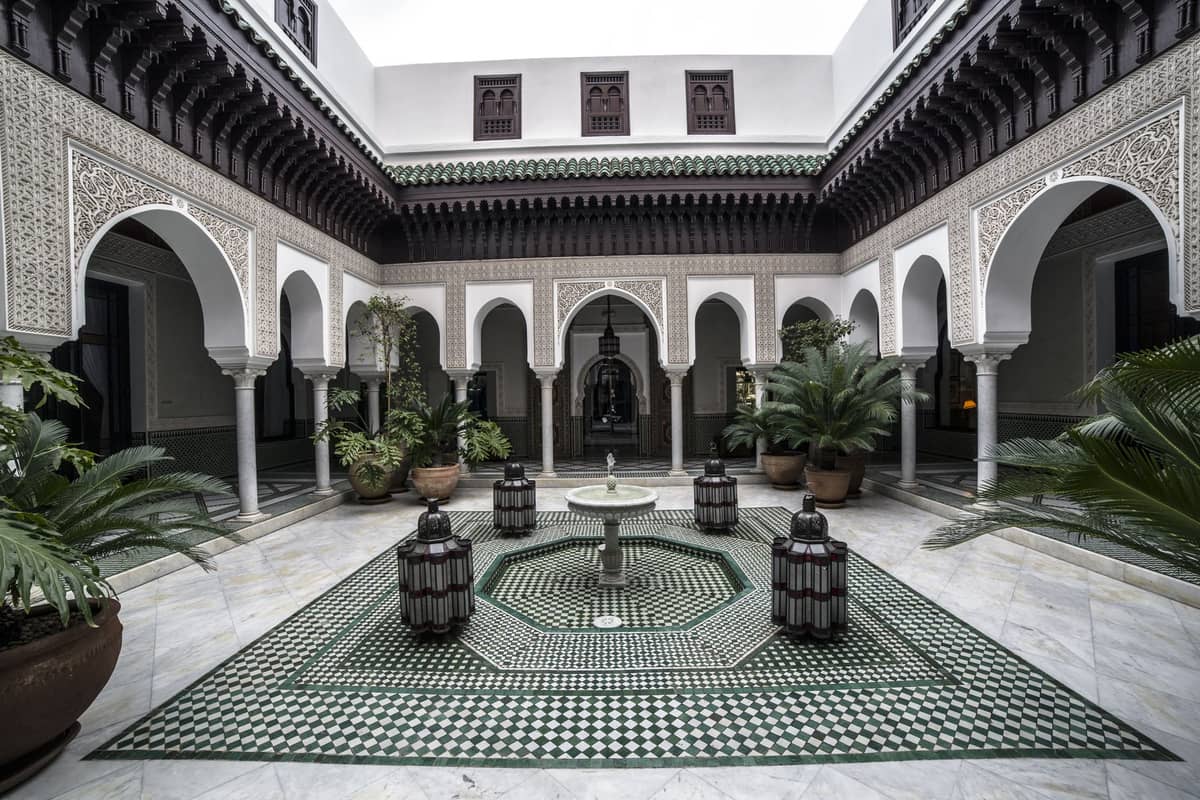
The word 'riad' comes from the Arabic 'ryad', meaning garden. Architecturally, it describes a traditional Moroccan house built around a central courtyard, usually containing a fountain, citrus trees, or a small garden. The exterior walls are typically plain and windowless, giving nothing away from the street. All the beauty is directed inward. This design principle, rooted in concepts of privacy and family life, is what makes riads so distinctive as places to stay.
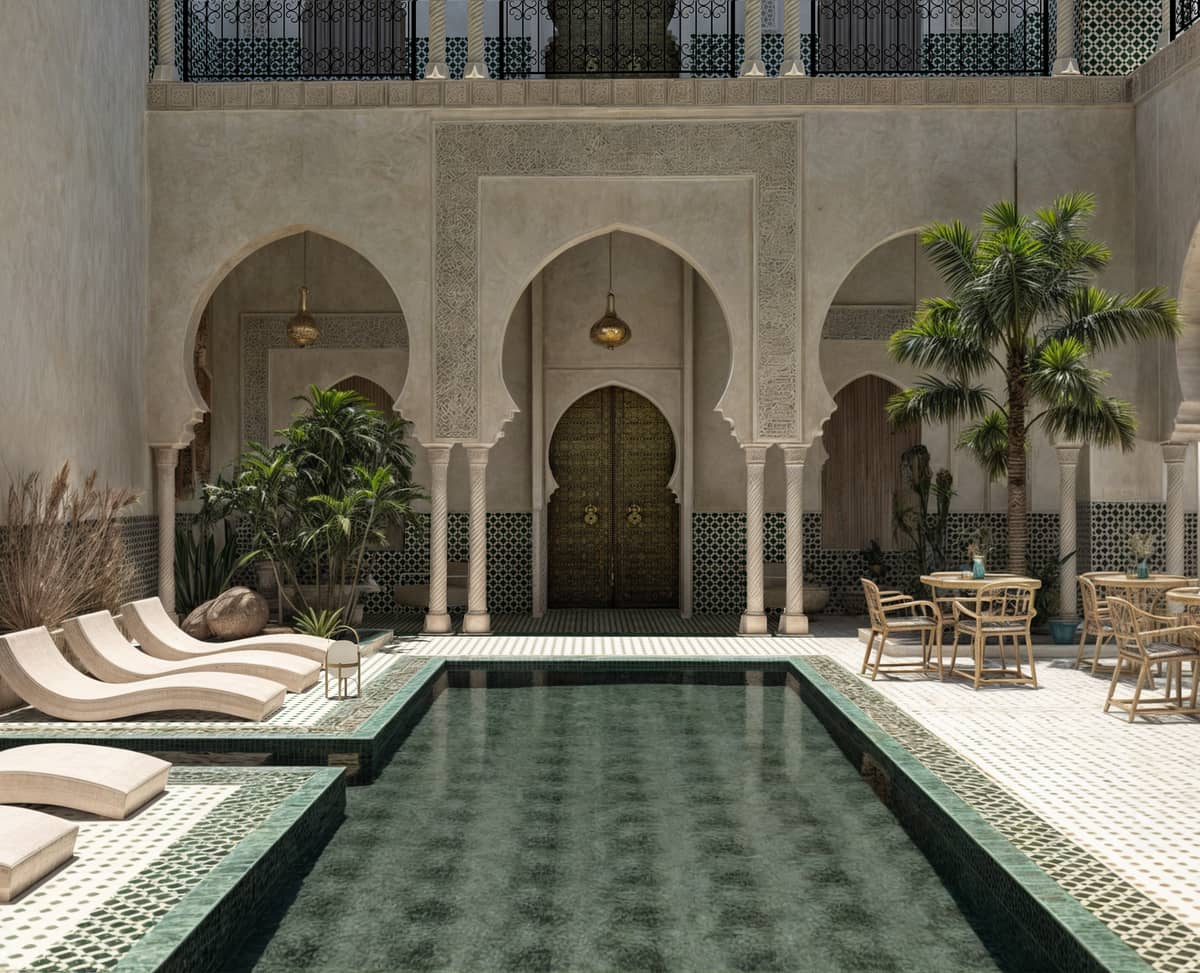
In practical terms, most riads you will book in Marrakech are former private homes that have been converted, restored, and operated as guesthouses. They range from a handful of rooms sharing a single patio to elaborate multi-courtyard properties with pools, spa facilities, and restaurants. A 'dar' is a related but simpler structure without a garden courtyard, though the terms are often used interchangeably in listings. If the distinction matters to you, look at the photos rather than relying on the label.
ℹ️ Good to know
Riads are concentrated inside the medina, particularly in the northern neighborhoods near the Ben Youssef Madrasa and in the quieter streets south of Jemaa el-Fna. A small number of riad-style properties exist in Gueliz and the Palmeraie, but these are modern interpretations, not historic buildings.
Riad vs. Hotel: Which Is Right for You?
Staying in a riad in Marrakech is not automatically better than a hotel. The experience is fundamentally different, and it suits some travelers more than others. Riads typically offer fewer rooms (often 4 to 12), which means a quieter, more personal atmosphere. Breakfast is usually included and served in the courtyard. Staff tend to be attentive and knowledgeable about the city. The architecture and interior design are often exceptional, with hand-painted tiles, carved cedar woodwork, and lanterns that would look theatrical anywhere else but feel entirely natural here.
The drawbacks are real, though. Riad rooms can be dark, because the windows face inward and the courtyard design limits direct sunlight in some rooms. The rooftop terrace is the usual compensation, but in winter or during rain it becomes less useful. Noise from a courtyard can travel more than guests expect, especially in smaller properties where sound carries from the breakfast area to upper-floor rooms. Budget riads may lack reliable air-conditioning or heating, which matters more than people anticipate given Marrakech's temperature extremes.
- Choose a riad if You want medina immersion, traditional architecture, a personal atmosphere, and easy access to the souks and major historic sites on foot.
- Choose a hotel if You prioritize a large pool, a gym, consistent air-conditioning, room service, or a quieter neighborhood outside the medina walls.
- Consider a hybrid Some properties in Hivernage and the Palmeraie offer riad-inspired design with full hotel infrastructure — useful for families or travelers who want both aesthetics and amenities.
Riad Price Ranges: What to Expect in 2026
Riad prices in Marrakech span a wider range than most travelers expect. The market is genuinely tiered, and knowing where the breaks fall helps you set a realistic budget. All prices below are approximate per-room, per-night figures for two people and typically include breakfast. Rates fluctuate with season, and peak periods around Christmas, New Year, and major Moroccan public holidays can push prices 20–40% higher.
- Budget (around 40–80 EUR / 400–800 MAD) Smaller dars or older riads with basic furnishings, shared or compact bathrooms, and simple breakfasts. Air-conditioning is not guaranteed. Good for travelers who plan to spend most of their time outside the room.
- Mid-range (around 80–150 EUR / 800–1,500 MAD) The sweet spot for most visitors. Expect en-suite bathrooms, air-conditioning, a plunge pool or small pool, and a proper Moroccan breakfast with msemen, amlou, and fresh juice. Design is usually thoughtful.
- Luxury (around 150–300 EUR / 1,500–3,000 MAD) Full pool, multiple courtyards, spa or hammam on-site, refined interiors, and attentive service. Many properties in this bracket have been featured in design publications.
- Ultra-luxury (300+ EUR / 3,000+ MAD) Whole-riad rentals, exclusive properties with only a few rooms, or top-tier addresses with concierge services and private chefs. Some rival boutique hotels globally for design and hospitality.
💡 Local tip
Booking directly with the riad often gets you a better rate than third-party platforms, and it means you can ask specific questions about room size, courtyard noise, and exact location before committing. Many riads are run by owners who respond quickly to email.
Location: Where in the Medina to Stay
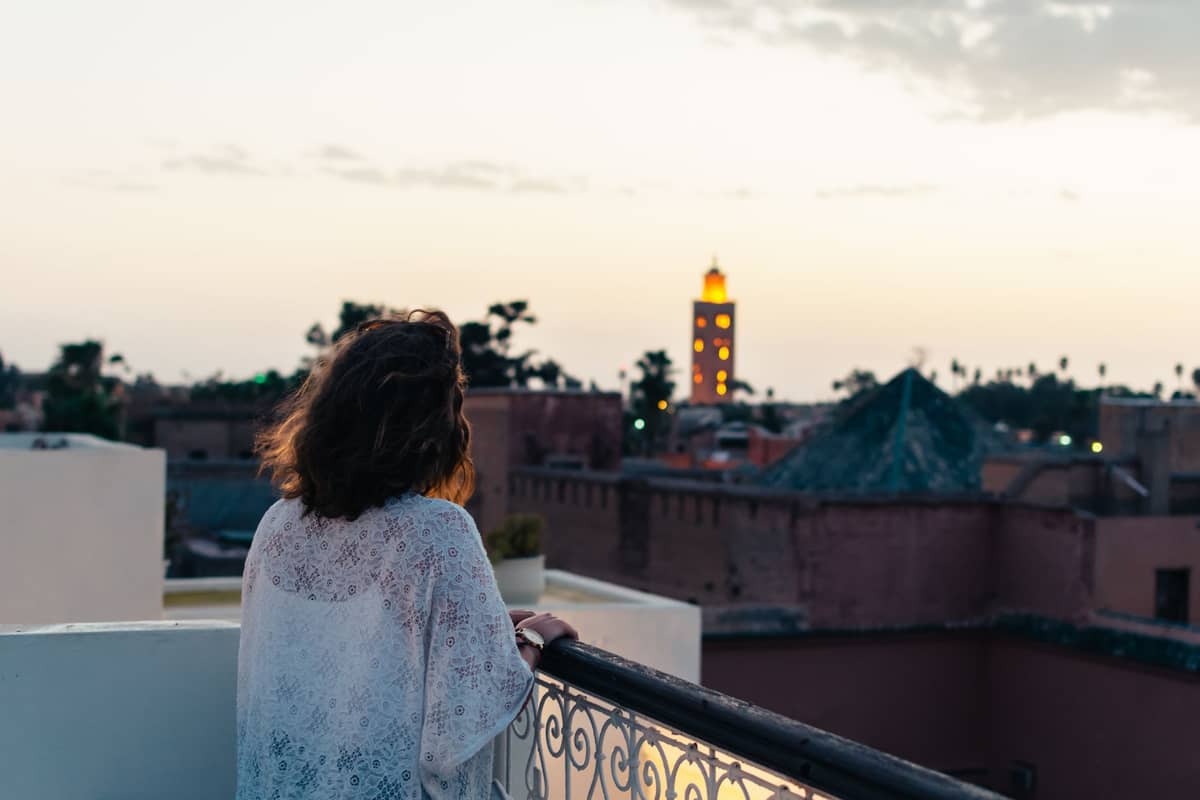
Almost all traditional riads sit inside the Marrakech medina, the walled old city that spreads out from Jemaa el-Fna square. Within the medina, location matters more than most booking platforms suggest, because 'medina' covers a large area and the difference between a 5-minute walk to the souks and a 25-minute walk is significant when you are navigating narrow, unsigned alleys.
The area immediately north of Jemaa el-Fna, around the main souks and the Ben Youssef Madrasa, has the highest concentration of riads. It is the most convenient for sightseeing but also the noisiest, especially on weekends. The southern medina, around the Bahia Palace and the Saadian Tombs, tends to be quieter and slightly less touristy, with a good selection of mid-range and luxury riads. The Mouassine quarter is popular with design-conscious travelers and has some of the most architecturally impressive properties.
One practical consideration that booking sites rarely address: vehicular access. Most riad entrances are down alleys that cars cannot enter. You will walk the last 5 to 15 minutes with your luggage, often guided by a hotel staff member or a local helper who will expect a tip of 20–50 MAD. This is normal and not a problem if you know to expect it, but it catches many first-timers off guard, especially late at night or after a long flight.
⚠️ What to skip
GPS navigation inside the medina is unreliable. Google Maps and similar apps struggle with the narrow, unnamed alleys. Always ask your riad to send a WhatsApp pin and written directions from the nearest landmark or taxi drop-off point. Do this before you arrive, not when you are already lost in the dark.
Seasonal Considerations for Riad Stays
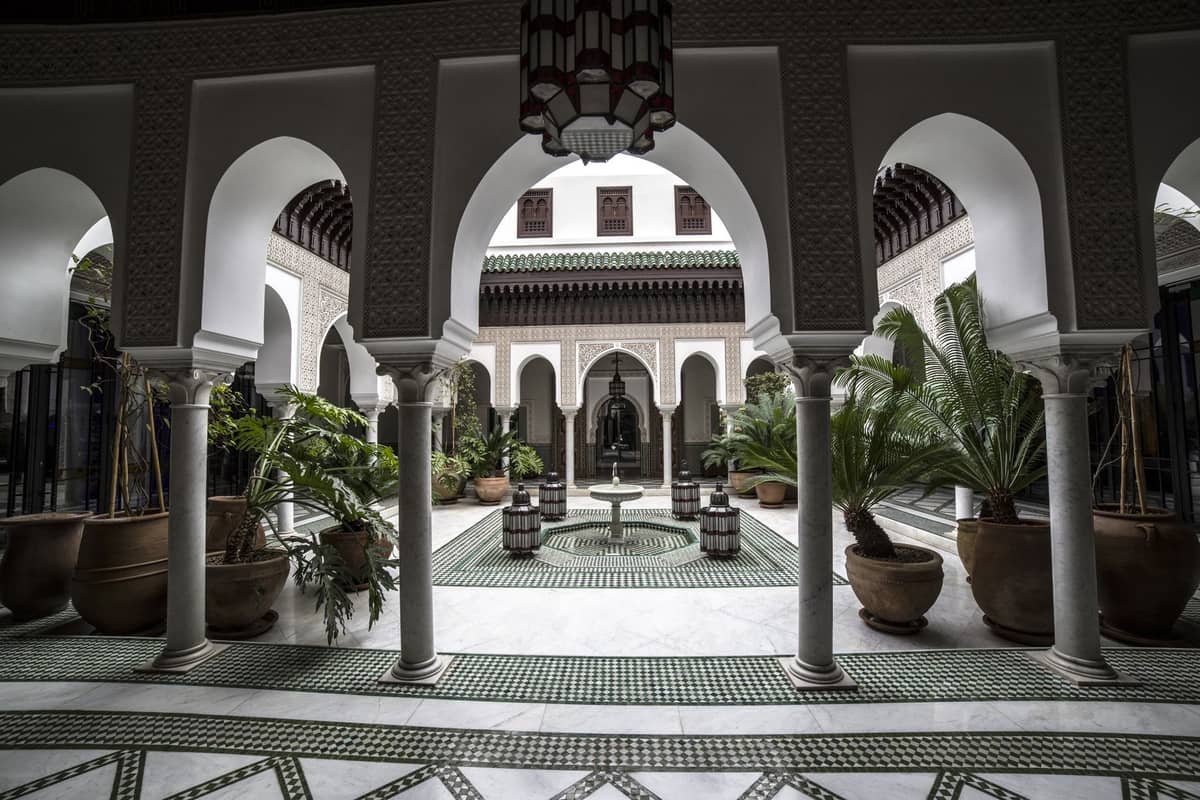
The season you visit significantly affects how much you will actually use the features that make a riad worth booking. Courtyard breakfasts, rooftop dinners, and plunge pools are the highlights, and all of them depend on the weather cooperating.
Spring (March to May) is widely considered the most reliable season for riad stays. Temperatures rise from around 23°C in March to about 29°C by May, evenings are comfortable, and the courtyards and rooftops are genuinely pleasant for hours at a time. Rainfall is possible in March and April, which can affect rooftop use but rarely causes significant disruption. Crowds are manageable outside of the Easter period, when prices spike.
Summer (June to August) is the most demanding season. Daytime highs regularly average 33–37°C and can push above 40°C in July and August. A riad with a functioning pool and air-conditioned rooms is not optional at this time of year, it is essential. The traditional thick-walled construction does provide some natural insulation, but budget riads without AC will be uncomfortable by early afternoon. On the positive side, summer is low season for tourism, prices drop, and the city feels less crowded.
Autumn (September to November) mirrors spring in many ways. September can still be hot, but October and November bring genuinely pleasant conditions, with highs around 22–27°C and cool evenings. This is arguably the best season for first-time visitors who want the full riad experience. Winter (December to February) offers mild days around 18–20°C but nights can drop to 6–8°C. Many riads have limited heating, so check this specifically if you are visiting in January or February. The upside is that winter delivers the most competitive prices and the fewest tourists.
Booking Tips and What to Check Before You Confirm
Riads are bookable through Booking.com, Airbnb, and Expedia, as well as directly with properties. For a deeper sense of what Marrakech accommodation options suit your trip style, the where to stay in Marrakech guide covers the full spectrum from budget medina options to luxury resort alternatives. If you are planning a higher-end trip, the Marrakech luxury hotels guide includes riad and non-riad options at the top end of the market.
- Air-conditioning and heating: confirm both work in your specific room, not just in the property generally.
- Pool type: distinguish between a full lap pool, a plunge pool (often 2x3 metres), and a decorative fountain — all may be described as a 'pool' in listings.
- Room location within the riad: ground-floor courtyard-facing rooms are often darkest; upper-floor rooms with windows onto the terrace tend to be brightest.
- Exact address and directions: request a GPS pin and walking directions from the nearest taxi drop-off point.
- Breakfast content: a full Moroccan breakfast with pastries, amlou, and fresh juice is significantly different from a basic continental spread.
- Noise levels: ask whether the riad is near a mosque (call to prayer starts at dawn), a souk street, or a popular cafe. Some travelers love this; others do not sleep well.
- Check-in logistics: many riads have small staffs and cannot accommodate very early or very late arrivals without advance notice.
If you are traveling to Marrakech from the airport, note that Menara Airport (IATA: RAK) is about 6 km southwest of the city centre, with transfer times of roughly 15–25 minutes to the medina depending on traffic. A pre-booked private transfer is usually the most practical option when arriving with luggage, since it can get you as close as possible to your riad's entrance. The Marrakech airport transfer guide covers all your options, including the ALSA Bus 19 shuttle (around 30 MAD one way), petit taxis (around 70–150 MAD depending on time of day and negotiation), and private transfers (from around 15 EUR).
✨ Pro tip
If your riad cannot accommodate a late check-in, ask them to recommend a trusted local contact who can meet you and walk you to the property. Most well-run riads have someone available; it just requires asking in advance. Showing up unannounced at midnight expecting a smiling welcome in a small family-run guesthouse is a recipe for frustration on both sides.
FAQ
What is the difference between a riad and a dar in Marrakech?
Technically, a riad has a central courtyard with a garden (the word means 'garden' in Arabic), while a dar is a simpler courtyard house without a planted garden. In practice, the terms are often used interchangeably in accommodation listings. If the distinction matters to you, look at the photos rather than relying on what the property calls itself.
Are riads in Marrakech safe for solo travelers and couples?
Yes, riads are generally considered among the safest accommodation options in Marrakech. Their inward-facing design, small staff, and gated entrances mean you are in a controlled environment. Solo travelers, including solo women, frequently report feeling comfortable in riads. The main safety consideration is navigating the medina alleys at night to get back to your property — this is manageable but worth being aware of.
Do riads in Marrakech include breakfast?
Most riads include breakfast in the room rate, and a traditional Moroccan breakfast is one of the genuine pleasures of staying in one. Expect fresh bread, msemen (Moroccan flatbread), honey, amlou (argan oil and almond paste), olives, and fresh-squeezed orange juice. Budget properties may offer a more limited version. Always confirm what is included before booking.
Is it difficult to find your riad in the medina?
It can be, especially on your first visit. The medina's alleys are narrow, often unnamed, and GPS mapping is unreliable inside the old walls. The standard advice is to ask your riad to send a WhatsApp location pin and written walking directions from Jemaa el-Fna or wherever your taxi drops you. Many riads will also send someone to meet you at a known landmark if you coordinate your arrival time in advance.
What is the best time of year to stay in a riad in Marrakech?
October and November offer the most consistently pleasant conditions for enjoying everything a riad offers: courtyard breakfasts, rooftop evenings, and comfortable temperatures for walking the medina. March and April are a close second, though rainfall is more likely. Summer is viable only if you confirm your riad has working air-conditioning and a pool. Winter is the best value season and suits travelers who prioritize sightseeing over outdoor riad living.
Tickets & tours
Live prices and dates from our booking partner. If you book, we may earn a commission at no extra cost to you.
Planning a trip? Discover personalized activities with the Nomado app.