Things to Do in Singapore: The Complete Guide to Experiencing the City-State
Singapore packs an extraordinary range of experiences into just 733 square kilometres. This guide covers the top things to do in Singapore, from world-class attractions and neighbourhood food trails to nature reserves and cultural landmarks, with honest assessments of what's worth your time and money.
Plan and book this trip
Tools from our partner Travelpayouts help you compare flights and hotels. If you book through them, we may earn a commission at no extra cost to you.
Flights
Hotels map
TL;DR
- Singapore's top experiences span multiple categories: iconic landmarks at Marina Bay, cultural neighbourhoods, rainforest trails, and some of the world's best street food.
- Hawker centres are non-negotiable — meals cost S$3 to S$8 and the quality rivals many restaurants. Chinatown Complex (over 200 stalls) and Lau Pa Sat (a national monument) are the benchmarks.
- Gardens by the Bay is genuinely impressive, but skip the paid conservatories if you're budget-conscious — the free Supertree Grove and nightly 7:45 PM light show are the real draw.
- Sentosa suits families and thrill-seekers. Independent travellers who prioritise authenticity should weight their time toward Singapore Botanic Gardens, the Southern Ridges, and the city's ethnic enclaves instead.
- Singapore is compact and extremely well-connected by MRT. You can cover most major areas without taxis or ride-hailing, which keeps costs low and navigation simple.
Marina Bay and the Waterfront: Where to Start
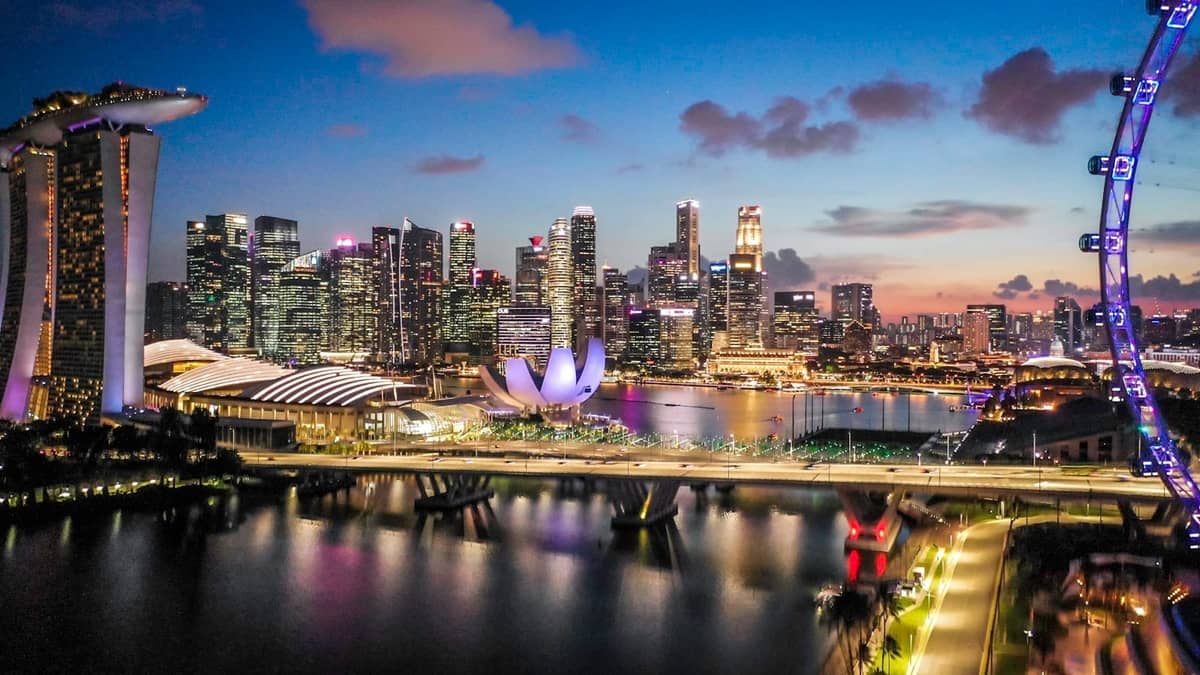
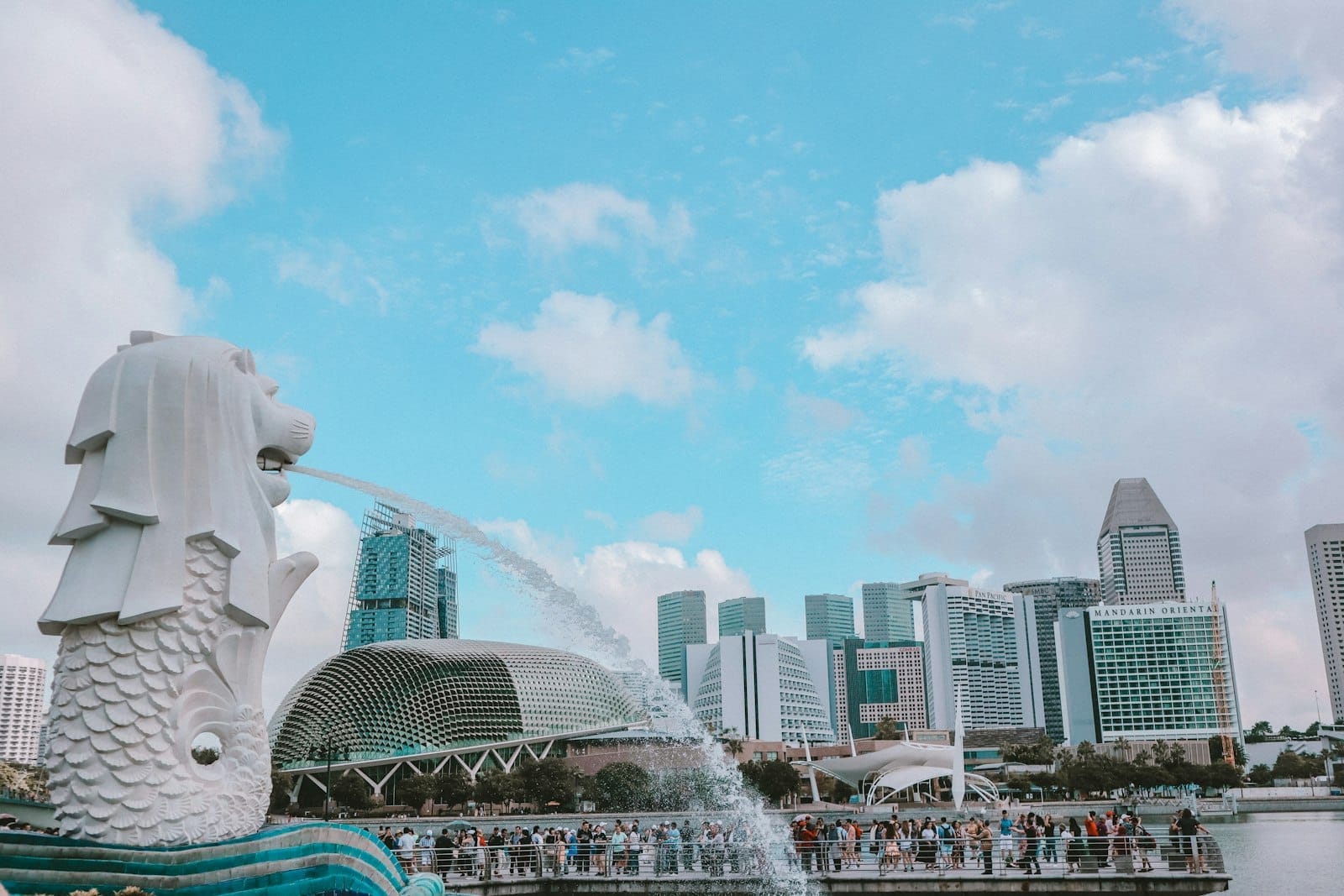
Most first-time visitors begin at Marina Bay, and for good reason. The entire waterfront loop takes about 90 minutes on foot and is free to walk. The route connects the Merlion Park, the Helix Bridge, Marina Bay Sands, and the ArtScience Museum in a logical arc. Come at dusk to see the skyline shift from blue to gold to neon, then stay for the OCBC Garden Rhapsody light show at Gardens by the Bay at 7:45 PM and 8:45 PM.
The Marina Bay Sands observation deck (SkyPark) charges around S$35 for non-guests and is worth considering on clear evenings, but the view from the Marina Barrage rooftop — free, with kite-flying locals — gives a different and arguably more authentic perspective of the bay. The ArtScience Museum rotates strong travelling exhibitions and is particularly good for design and technology-focused shows.
💡 Local tip
The Merlion Park is crowded from mid-morning to sunset. Arrive before 8 AM for calm photos or after 9 PM when tour groups thin out. The statue itself is smaller than most people expect — about 8.56 metres tall. Set your expectations accordingly.
Gardens by the Bay sits at the eastern end of the bay. The Supertree Grove, the OCBC Skywalk suspended walkway between the trees, and the outdoor gardens are free to enter. The two paid conservatories — the Flower Dome (the world's largest air-conditioned greenhouse) and the Cloud Forest (featuring a 35-metre indoor waterfall) — cost around S$32 for combined adult tickets. Both maintain a cool 20°C, which is genuinely welcome in Singapore's heat. If budget is tight, skip them; if you have children or a particular interest in horticulture, they earn their price. Book the Gardens by the Bay conservatories online in advance to avoid queues.
Cultural Neighbourhoods: The Real Texture of Singapore
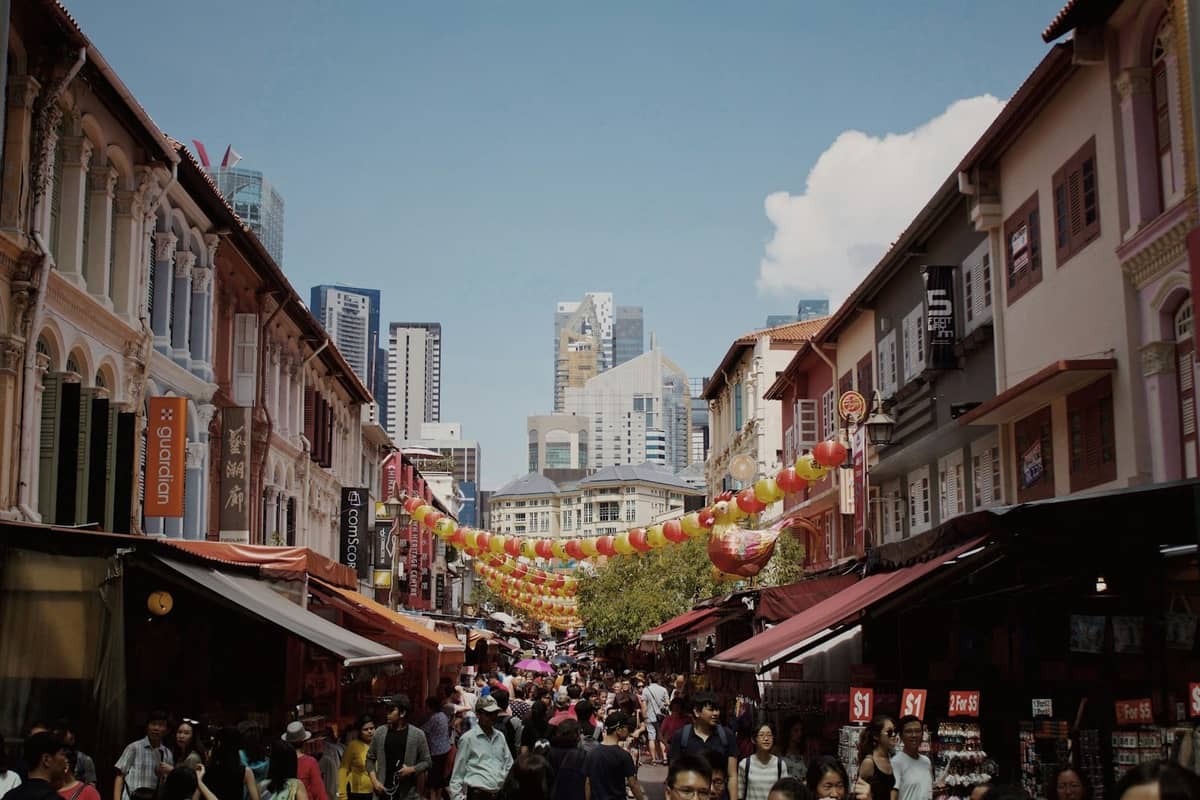
Singapore's ethnic enclaves are not theme-park reconstructions — they are living, working neighbourhoods with genuine community roots. Chinatown is the most visitor-friendly, anchored by the Sri Mariamman Temple (the oldest Hindu temple on the island, completed in 1843) and the Buddha Tooth Relic Temple, which houses what is believed to be a tooth relic of the Buddha and draws serious pilgrims. The Chinatown Heritage Centre fills in the historical context with reconstructed 1950s shophouse interiors.
Little India is louder, denser, and frankly more interesting on weekends when the area fills with South Asian workers on their days off. The Sri Veeramakaliamman Temple on Serangoon Road is the neighbourhood's spiritual core, dedicated to the goddess Kali and covered in elaborate gopuram sculptures. Tekka Centre, a few minutes' walk away, is a wet market and hawker centre combined — chaotic, fragrant, and excellent for breakfast roti prata.
Kampong Glam is Singapore's Malay-Arab quarter, centred on the gold-domed Sultan Mosque and the lanes surrounding it. Haji Lane is a narrow street lined with independent boutiques, murals, and cafés — far more interesting than the mainstream shopping strips. The Malay Heritage Centre sits in the former Istana Kampong Glam (the sultan's palace) and covers 700 years of Malay civilisation in Singapore.
ℹ️ Good to know
Dress modestly when visiting religious sites: shoulders and knees covered. The Sultan Mosque and Sri Mariamman Temple both provide sarongs for visitors who need them, but it's simpler to wear appropriate clothing from the start. Remove shoes before entering any Hindu or Buddhist temple.
Eating Your Way Through Singapore: Hawker Centres and Beyond
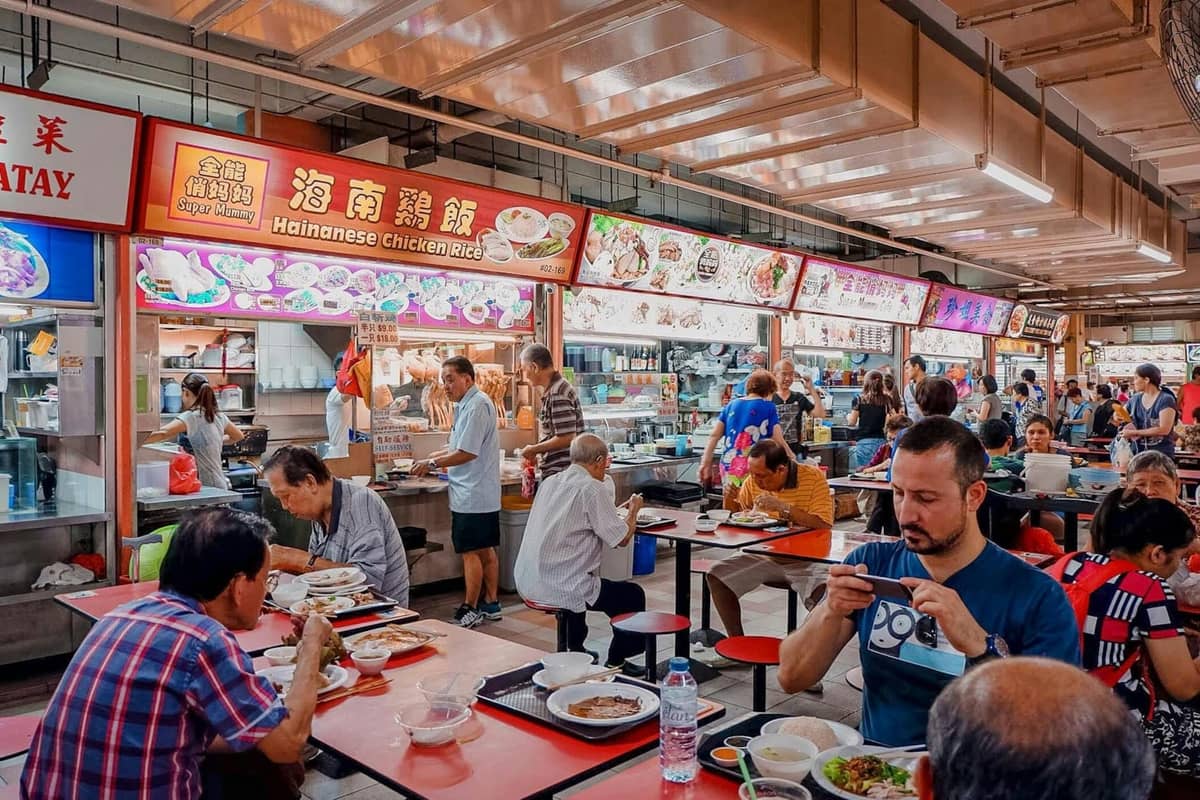
Singapore's hawker culture earned UNESCO Intangible Cultural Heritage status in 2020, and the food scene justifies every word of the hype. A full hawker meal — a main dish plus drink — costs S$4 to S$8 at most centres. The benchmark dishes to seek out: Hainanese chicken rice, char kway teow, laksa, hokkien mee, and roti prata. For a deeper breakdown, the Singapore food guide covers specific stalls and ordering tips.
- Chinatown Complex Food Centre The largest hawker centre in Singapore with over 200 stalls. Home to Hawker Chan, the world's first Michelin-starred street food stall (soy sauce chicken rice from around S$3.80). Expect queues at peak hours.
- Lau Pa Sat A national monument and Victorian-era cast-iron market in the CBD. Better for atmosphere and the evening satay street than for bargain hunting — prices skew slightly higher than neighbourhood centres.
- Maxwell Food Centre In Chinatown, consistently rated for quality. Tian Tian Hainanese Chicken Rice here has a decades-long reputation. Arrive before noon or after 2 PM to avoid the longest queues.
- Tekka Centre Little India's main hawker centre, strongest for South Indian breakfast options — idli, dosai, and fish head curry. Open early, best visited before 10 AM.
For a more detailed look at how to navigate hawker culture, order efficiently, and understand the unwritten rules (like the practice of 'choping' a seat with a tissue packet), see the full Singapore hawker centres guide. One honest warning: several 'famous' stalls featured in food documentaries now operate primarily on tourist traffic and have let quality slide. Ask locals at the next table where they actually eat.
Nature and Green Spaces: Singapore's Underrated Side
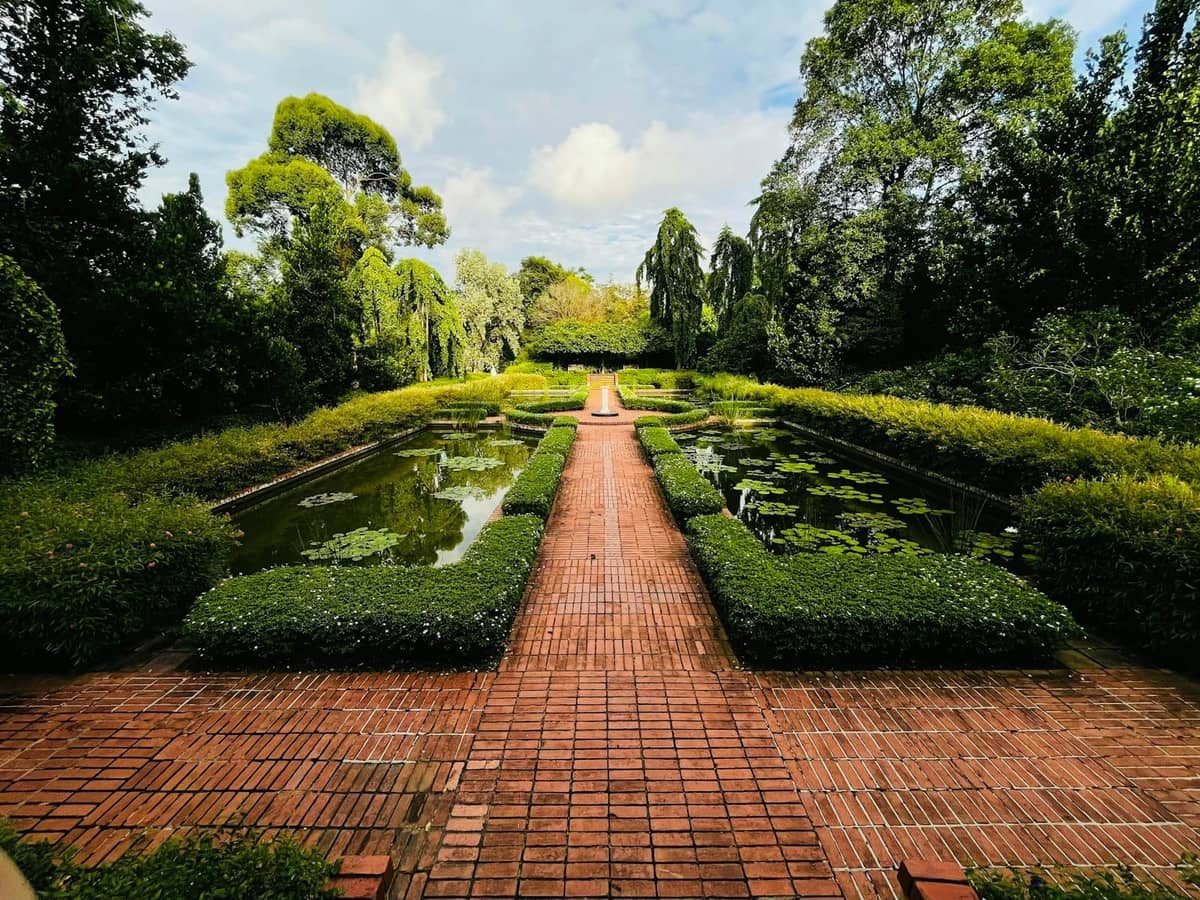
Singapore dedicates significant land to greenery for a city-state of its density, and the results are genuinely impressive. The Singapore Botanic Gardens hold UNESCO World Heritage status — the first and only tropical botanic garden on the list. Entry is free. The National Orchid Garden inside charges around S$20 for adults and displays over 200 orchid species including hybrids bred and named after visiting dignitaries. The gardens are large enough that you need at least two hours to do them justice.
The Southern Ridges is a 10-kilometre trail connecting Mount Faber, Telok Blangah Hill Park, and Kent Ridge Park through a series of elevated walkways and forest paths. The Henderson Waves bridge — a striking timber-and-steel wave structure at 36 metres above ground — is the centrepiece. The full ridge walk takes 3 to 4 hours and is best attempted before 9 AM or after 5 PM to avoid peak heat. It's free, well-marked, and significantly less crowded than the major tourist sites.
MacRitchie Reservoir offers Singapore's best taste of primary rainforest. The MacRitchie Treetop Walk is a 23-metre-high suspension bridge traversing the forest canopy. The loop trail that includes the bridge takes around 3 hours. Long-tailed macaques are common along the route — do not feed them. The reservoir also has kayaking rentals if you want to be on the water rather than above the trees.
⚠️ What to skip
Singapore's heat and humidity are serious considerations for outdoor activities. Average temperatures sit between 25°C and 33°C year-round with no real dry season. Bring water, apply sunscreen before you leave your accommodation, and schedule strenuous outdoor activities for early morning. Heat exhaustion can set in quickly, especially for visitors arriving from temperate climates.
Sentosa and the Night Safari: Big-Ticket Attractions Assessed Honestly
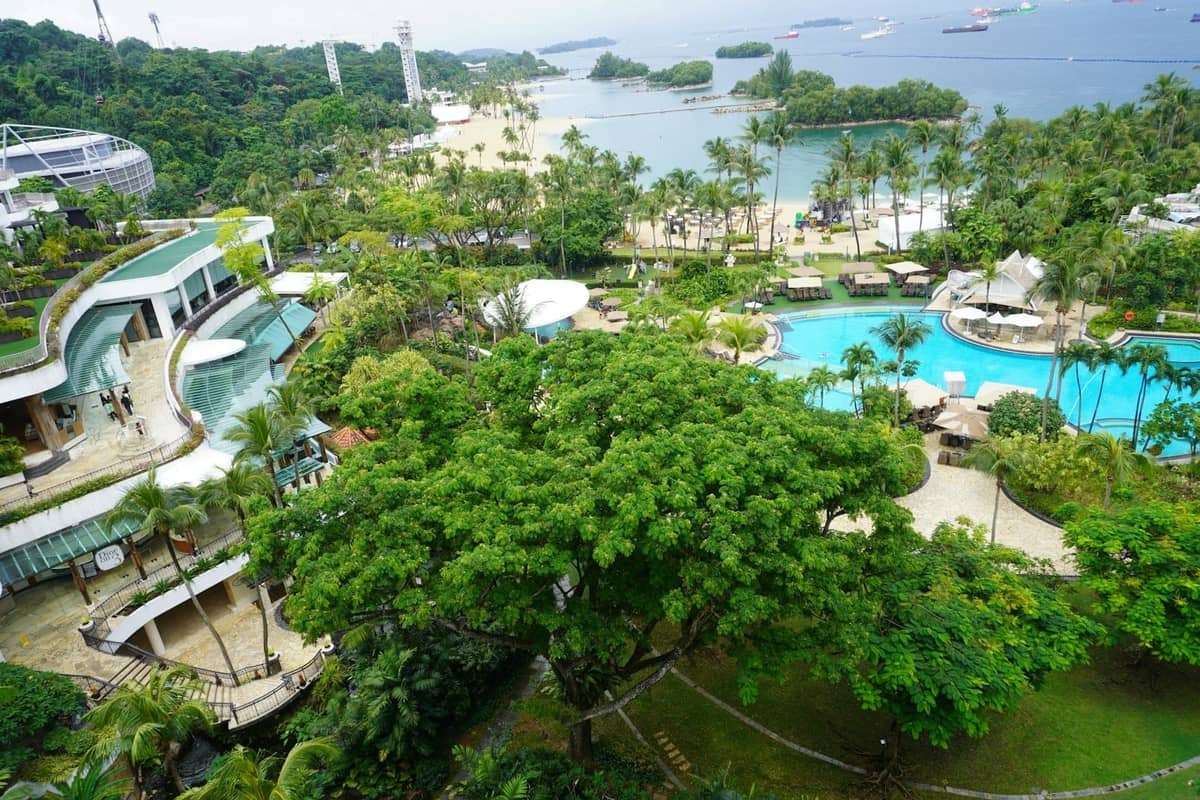
Sentosa Island is Singapore's purpose-built resort destination, reached by cable car, monorail, or a pedestrian boardwalk. Universal Studios Singapore is a solid half-day if you enjoy theme parks, though it's smaller than the Orlando or Hollywood equivalents. S.E.A. Aquarium is one of the world's largest, with a 36-metre-wide viewing panel into the Open Ocean habitat. Adventure Cove Waterpark is genuinely fun in Singapore's heat. Ticket prices for each run S$40 to S$88 depending on age and timing — book online for discounts.
The Night Safari at the Singapore Zoo is consistently rated among the world's best after-dark wildlife experiences. Over 1,000 animals across 100+ species are viewable by tram and on four walking trails, all in naturalistic habitats lit to simulate moonlight. Tickets cost around S$60 for adults. It opens at 6:30 PM and the first tram ride tends to have shorter queues than the 8-9 PM peak. The adjoining Singapore Zoo offers breakfast with orangutans — a popular early morning programme that requires advance booking.
- Universal Studios Singapore: Best for families with children ages 7 to 14. Adults without children may find it thin on content after 3 hours.
- Night Safari: Worth the price for any visitor with a genuine interest in wildlife. Avoid public holidays when crowds are at their worst.
- Sentosa beaches: Palawan, Siloso, and Tanjong beaches are pleasant but are man-made and the water is murky. Manage expectations accordingly.
- Cable Car Singapore: Offers good views of the strait between mainland Singapore and Sentosa. Pleasant, not spectacular. Skip if budget is limited.
- Wings of Time: A nightly water, laser, and fire show on Sentosa's beach. Tickets around S$20-25. Better than most expect.
Planning Your Time: Practical Framework
Three to five days is the realistic minimum to experience Singapore's range without feeling rushed. A solid Singapore itinerary structures the neighbourhoods and attractions into a logical sequence that minimises backtracking. In general: spend the first morning in Marina Bay before crowds build, afternoons in air-conditioned museums or conservatories during peak heat, and evenings in hawker centres or the ethnic enclaves when the temperature drops.
Getting around is straightforward. The MRT (Mass Rapid Transit) covers most major visitor destinations and fares run S$1 to S$2.50 depending on distance. A stored-value EZ-Link card loaded with S$20 will last most visitors several days. For the full breakdown of transport options including buses and ride-hailing, see the getting around Singapore guide. On accommodation: the neighbourhood you stay in shapes the experience significantly. Chinatown and Kampong Glam offer character; Marina Bay and Orchard Road offer convenience at a higher price point. The where to stay in Singapore guide breaks down each zone with specific recommendations.
✨ Pro tip
Singapore's Goods and Services Tax (GST) applies to most purchases and is included in listed prices at most food establishments. At higher-end restaurants, check whether GST and service charge (typically 10%) are added on top — menus will usually note '++' after prices if so. At hawker centres, what you see is what you pay.
FAQ
How many days do you need in Singapore to see the main attractions?
Three days covers the core highlights: Marina Bay, Chinatown, Little India, Kampong Glam, Gardens by the Bay, and one or two hawker centre meals. Five days lets you add Sentosa, the Botanic Gardens, the Southern Ridges trail, and the Night Safari without feeling rushed. A full week is comfortable if you want to explore neighbourhoods like Tiong Bahru, East Coast, or take a day trip to Pulau Ubin.
What is the best time of year to visit Singapore?
Singapore sits about 1 degree north of the equator and has no real seasons — it's warm and humid year-round with average temperatures between 25°C and 33°C. The drier months of February to April tend to have slightly less rainfall, making outdoor activities more predictable. The wetter months of November to January see regular afternoon thunderstorms but rarely all-day rain. Major festivals like Chinese New Year (January/February), Thaipusam, and Deepavali add cultural depth depending on timing. For more detail, see the best time to visit Singapore guide.
Is Singapore expensive for tourists?
Accommodation and paid attractions are genuinely expensive compared to Southeast Asian neighbours — mid-range hotels run S$180 to S$350 per night, and major attraction tickets add up quickly. However, transport is cheap (MRT fares under S$3), and eating at hawker centres keeps food costs to S$20 to S$30 per day per person. Many of Singapore's best experiences — the Botanic Gardens, Southern Ridges walk, ethnic neighbourhood exploration, waterfront promenades — are free. A realistic daily budget for a mid-range traveller is S$150 to S$250 including accommodation.
Do I need a visa to visit Singapore?
Citizens of most Western countries, ASEAN nations, and many others can enter Singapore without a prior visa for short stays (typically 30 or 90 days). However, all visitors must submit an SG Arrival Card via the ICA (Immigration and Checkpoints Authority) e-service within 3 days prior to arrival — this is free and mandatory. Passport validity must be at least 6 months beyond your intended stay. Check the official ICA website for current requirements as they are subject to change.
What are the most overrated things to do in Singapore?
The Merlion is smaller and less impressive in person than photos suggest — see it, but don't plan your itinerary around it. Clarke Quay is loud, touristy, and drinks are expensive; Boat Quay has more history and slightly better value. Orchard Road is a legitimate shopping destination but adds little cultural insight — Holland Village and Tiong Bahru are better if you want to see how Singaporeans actually spend leisure time. The casino at Marina Bay Sands has a S$150 levy for Singapore residents but is free for foreigners — worth noting, but the casino itself is underwhelming compared to international peers.